|
ISWA Factionalism and Organisational Fragmentation in the Shadow of al-Mainuqi
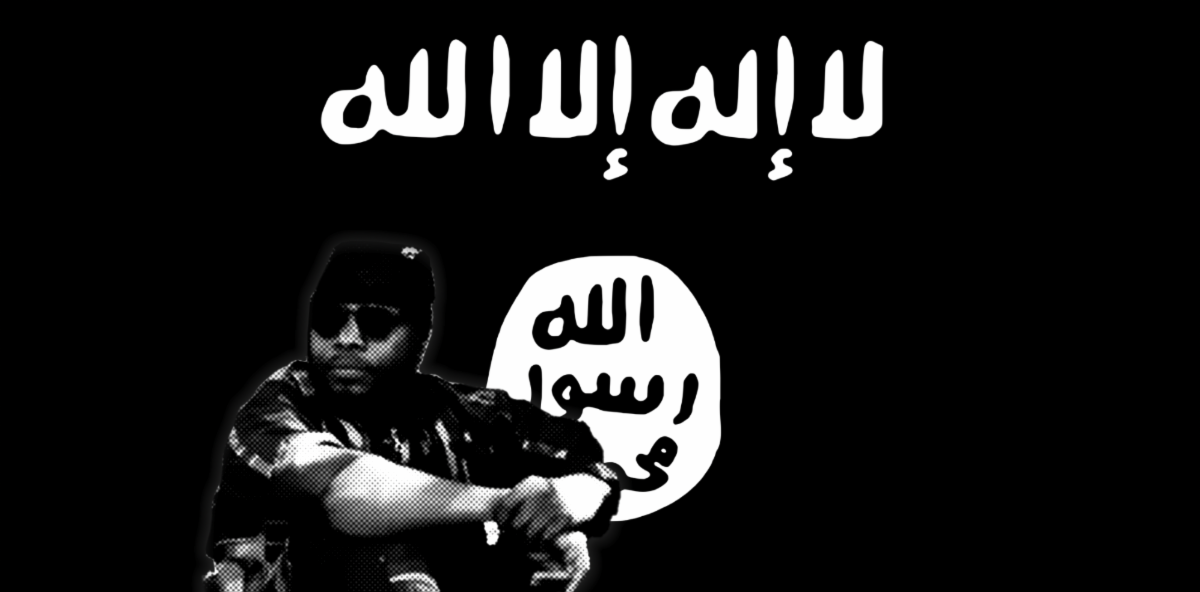
Since the death of Islamic State West Africa (ISWA) leader al-Manuqi in mid-May 2026, the group has been in a near-constant state of paranoia amid defections to Boko Haram and surrenders to Nigerian authorities. The latest split represents at least the third significant internal rift to affect the group in recent months, as leadership disputes, succession questions, operational security concerns, and disagreements over strategy continue to strain cohesion.
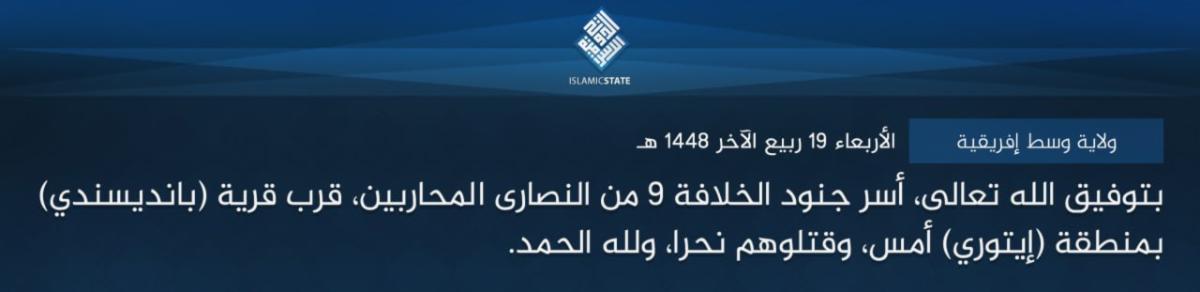
ISWA was historically one of the most prompt and prolific claimers of incidents. Since Mainuqi’s death, however, the group has struggled to relay claims of responsibility and operational updates through Islamic State’s central media apparatus at the same pace and volume. This degradation suggests that Mainuqi played a critical role in maintaining communication channels with IS central command, serving as a key intermediary transmitting incident reports for official Islamic State propaganda.
State of Paranoia
In response to this deterioration, IS central media has increasingly used editorials in Al-Naba and supplementary communications to reinforce unity, emphasising patience, obedience to leadership, discipline, and operational security. These messages suggest IS leadership recognises the persistent risk factionalism poses to its affiliates and views ideological guidance as a means of preventing further defections. This has been reinforced by the presence of foreign fighters, intended to provide training and foster a sense of the wider Islamic State community. However, this has largely fallen flat, with local Nigerian fighters resenting their presence and the preferential treatment they receive.
Despite central command’s efforts, the situation has largely backfired. ISWA’s new commander, Ba Shuwa, has zealously implemented these initiatives, but the deteriorating situation following Mainuqi’s death has instead culminated in an environment of paranoia. ISWA leadership has increasingly looked inwards, arresting senior Shura Council members over fears of defections to Boko Haram and surrenders to Nigerian authorities. Most prominent among those arrested is Yaku Buduma, who commands over 1,000 ISWA militants in the Lake Chad region.
Formation of Buduma Faction
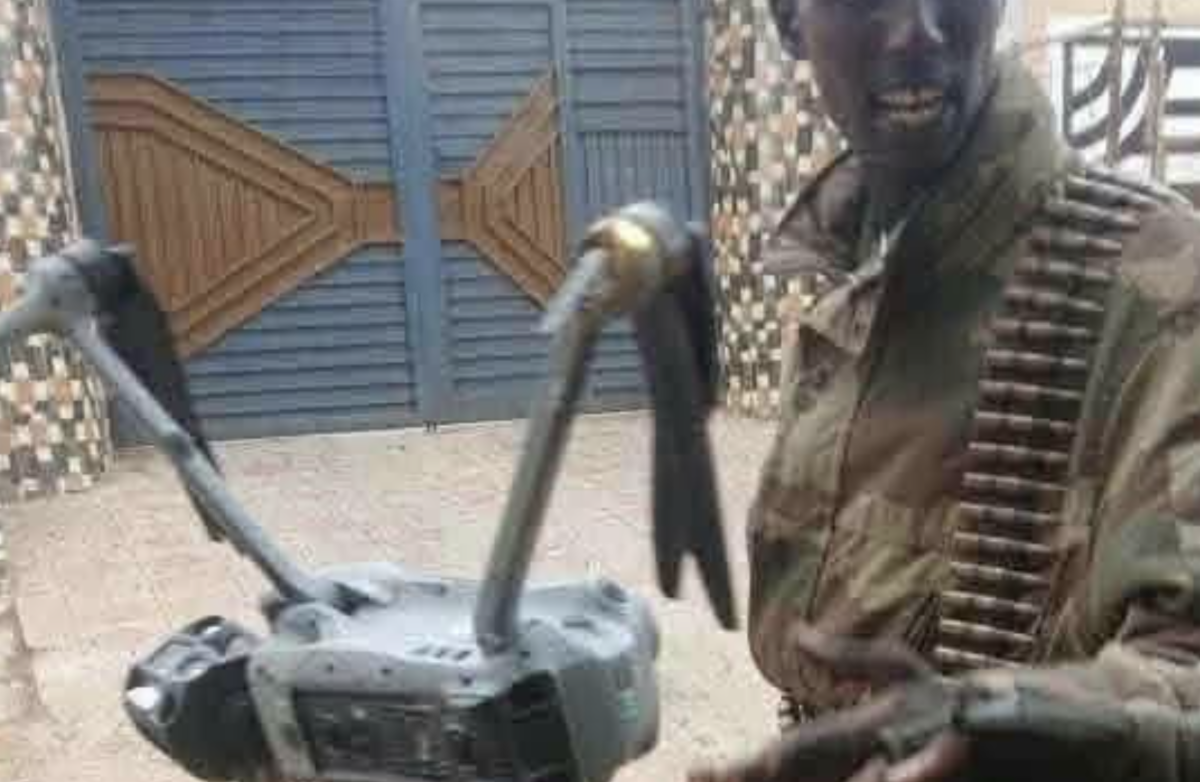
This has led to the splintering of the Yaku Buduma faction of ISWA in Nigeria’s Lake Chad region. Buduma-aligned militants launched an armed assault against Ba Shuwa’s faction in an attempt to free imprisoned members, including Buduma himself, effectively cleaving a substantial body of militants from the wider ISWA structure.
The practical effects could be substantial. Reports that more than 1,000 fighters have broken from one of the rival factions represent a significant potential loss of manpower for ISWA, particularly in the Lake Chad Basin, where control depends heavily on local networks and a sustained presence in remote communities. These defections may weaken ISWA’s territorial influence and ability to project force across northeastern Nigeria and neighbouring border regions. Departing members may also join Boko Haram factions or surrender to Nigerian authorities, creating further intelligence leaks for ISWA.
The Future of the Buduma Defectors
A significant portion of the Buduma faction could ultimately surrender to Nigerian authorities, particularly if continued fighting becomes increasingly difficult. A large-scale surrender would provide security forces with valuable intelligence on ISWA’s leadership structure, logistical networks, weapons procurement, safe havens, and operational practices, potentially exposing vulnerabilities for future counterterrorism operations. For now, the Nigerian government may benefit simply by allowing its enemy's internal divisions to continue.
Alternatively, some Buduma fighters may align themselves with Boko Haram factions already competing with ISWA for militants, resources, and territory across the Lake Chad Basin. Such a realignment would provide Boko Haram with experienced manpower familiar with ISWA’s tactics, leadership, and operational infrastructure, potentially reinforcing the Bakura Doro faction.
However, a breakaway faction numbering over 1,000 militants is not necessarily dependent on surrendering or joining an existing organisation. Buduma possess sufficient manpower and operational experience to sustain an independent militant force, potentially introducing yet another armed actor into the already fragmented Yobe–Borno security environment.
|