|
Islamic State Roundup - April 2025
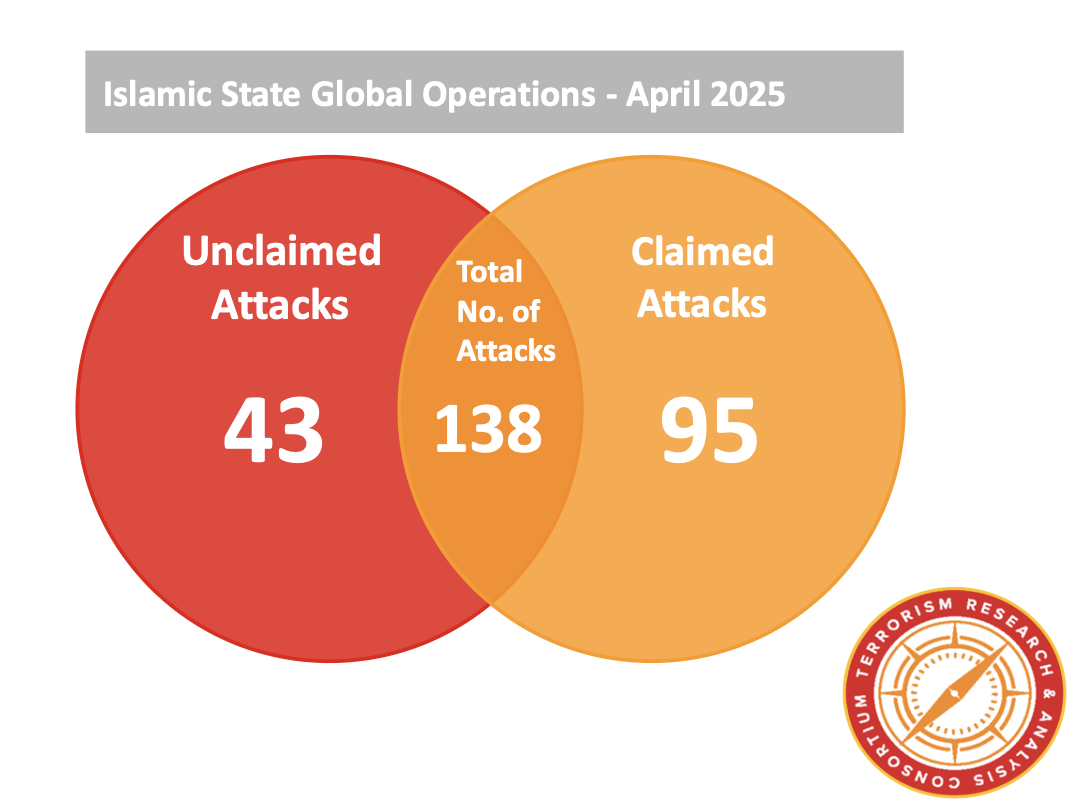
This month’s data reveals a subtle yet significant shift in the Islamic State’s (IS) global strategy, marked by a calculated approach to visibility, propaganda, and operational tempo. While the number of claimed attacks rose slightly from 83 in March to 95 in April, this increase is less about volume and more about strategic messaging. This year’s figures appear modest compared to the same period in 2024, which saw 146 claimed attacks due to Ramadan. However, rather than indicating a decline, this change reflects a deliberate recalibration by IS leadership, choosing to reduce its public footprint while maintaining active operations.
One of the most evident signs of this shift is the contrasting trend between claimed and unclaimed attacks. While claimed operations increased, unclaimed attacks fell from 57 to 43. This selective acknowledgement of attacks suggests a tactical decision by IS to avoid unnecessary attention. By not claiming every operation, IS minimises the risk of counterterrorism forces focusing on its activities, protecting its networks and assets from exposure. At the same time, it maintains enough action to instil fear, destabilise local governments, and project its continued presence without the burden of constant visibility.
Iraq & Syria
In Iraq and Syria, IS is shifting its operational focus. After initially vacating positions in rural Homs, fighters have relocated to urban centres like Raqqa, Aleppo, and Deir Ezzor. This return to cities marks a renewed embrace of IS’s urban insurgency model—one that benefits from the cover of dense civilian populations, stronger logistical networks, and consistent access to resources. In Raqqa, which once served as the group’s de facto capital, IS is quietly rebuilding its influence. The group has been using unclaimed attacks to maintain pressure without drawing attention, which allows it to solidify its networks while avoiding large-scale countermeasures.
However, IS has not entirely abandoned rural areas. Cells in Homs, particularly around Palmyra, continue to conduct surveillance, monitor regime and Russian activities, and launch opportunistic attacks. This dual approach—urban re-engagement and selective rural presence—shows a flexible strategy that keeps adversaries guessing. In Deir Ezzor, the group has focused on exploiting local dynamics, such as launching attacks around Dhiban and Shahil, where complex tribal affiliations create fertile ground for IS influence. Notably, IS continues to invoke the al-Hol camp as a propaganda theme, positioning itself as a defender of Sunni women and children, a narrative that bolsters its ideological appeal.
Across the border in Iraq, IS has ended a months-long silence by resuming public claims, with its first acknowledgement of an operation since January 2025. This resumption follows a period of apparent inactivity, but rather than signalling weakness, it reflects a phase of strategic patience. IS has likely been conserving resources, avoiding detection, and waiting for favourable conditions. Unlike the use of weaponised, returning drones in the heydays of the Caliphate, a recent use of kamikaze drones against the Popular Mobilization Forces (PMF) in Anbar indicates a willingness to adapt and experiment with new asymmetric tactics. Anbar’s vast geography and proximity to Syria make it a critical zone for IS operations, and the drone strike may mark the start of a new phase in Iraq.
Somalia
In Somalia, Islamic State Somalia (ISS) re-emerged with a wave of attacks following a brief period of silence. Far from being inactive, ISS was strategically withholding claims, a tactic that protected its fighters from countermeasures and allowed it to frame its campaign as a show of strength. Faced with a counterterrorism offensive by Puntland security forces, ISS has used the mountainous terrain of the Bari region to launch ambushes and raids, demonstrating a capacity to thrive even under pressure. This change in posture suggests a calculated effort by ISS to elevate its status within the broader IS network, transitioning from a passive financial node to an active combat province.
Nigeria
In Nigeria, Islamic State West Africa (ISWA) has maintained its reputation as one of the most resilient and strategically focused IS provinces. Over the past month, ISWA has intensified its attacks around Maiduguri, the capital of Borno State. Rather than attempting to capture the city outright, ISWA has adopted a siege-like strategy, isolating Maiduguri by attacking roads, disrupting supply lines, and instilling fear. This approach allows ISWA to maintain pressure on the Nigerian state without overextending itself, leveraging instability while avoiding the logistical burden of occupation. It demonstrates ISWA’s disciplined and methodical approach to insurgency, making it a formidable threat in the region.
Together, these developments illustrate an IS that is evolving rather than declining. The group is no longer obsessed with sheer volume of attacks; instead, it is adopting a more intelligence-driven insurgency model that emphasises strategic gains, selective violence, and media manipulation. In both Iraq and Syria, IS is leveraging silence as a weapon, avoiding overexposure while quietly restoring its networks. It adapts to local conditions in Somalia and Nigeria, using terrain, selective pressure, and propaganda to maintain relevance. As the group continues to refine this model, it becomes clear that IS is playing a longer game that prioritises survivability, influence, and strategic flexibility over short-term victories.
| | | TRAC Incident Report: Balochistan Liberation Army (BLA) Claims Responsibility for Two Separate Remote-Controlled Improvised Explosive Devices (IEDs) Attacks Targeting Pakistani Army in Bolan and Kech, Balochistan, Pakistan | | |
The Balochistan Liberation Army (BLA) has claimed responsibility for two separate remote-controlled IED attacks targeting Pakistani military forces in Balochistan’s Bolan and Kech districts:
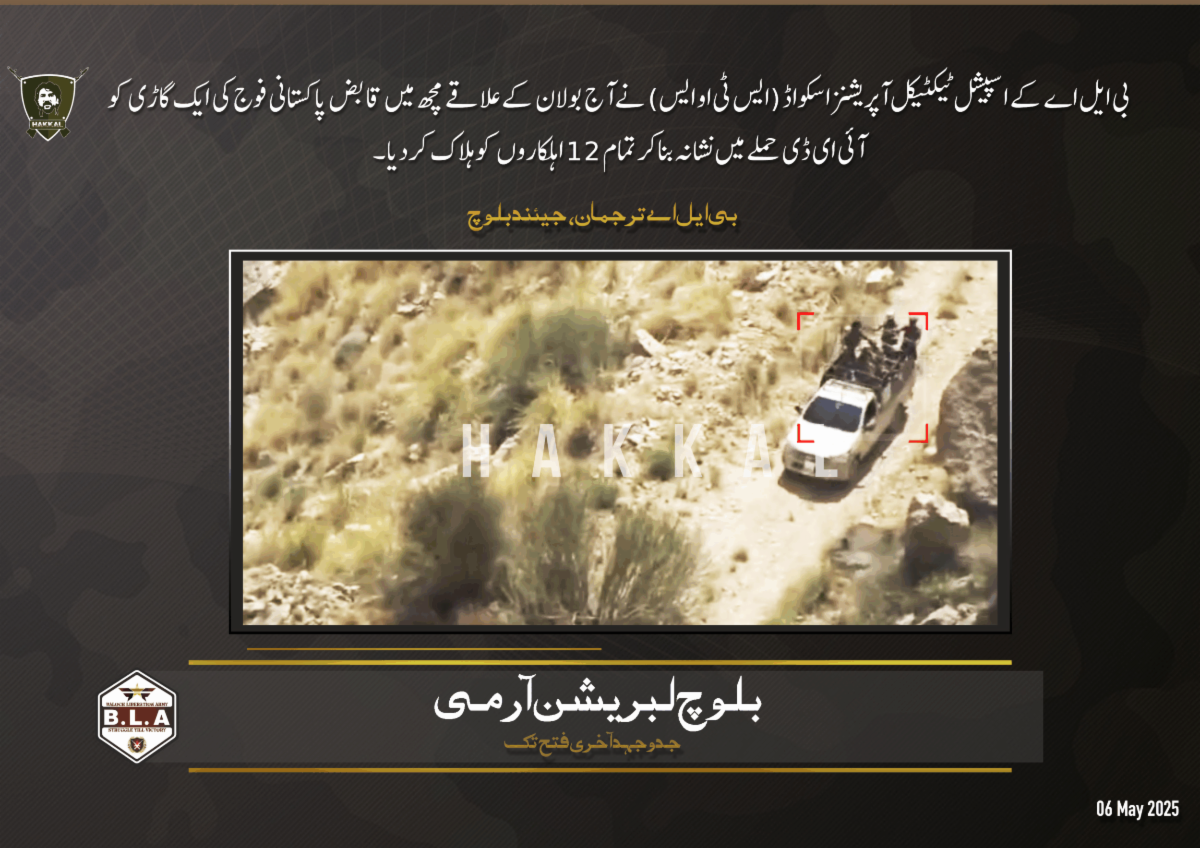
On 6 May 2025, the BLA’s Special Tactical Operations Squad (STOS) launched a devastating attack in the Shorkand area of Machh, Bolan. A remote-controlled IED struck a Pakistani army convoy vehicle, killing all 12 personnel on board, including Special Operations Commander Tariq Imran and Subedar Umar Farooq. The explosion destroyed the vehicle. The BLA claimed that this attack was a direct response to ongoing military operations against their fighters in the region.
A day earlier, on 5 May, another IED attack took place in the Kulgam Tigran area of Kech district, targeting a Pakistani army bomb disposal squad conducting clearance operations at around 2:40 PM. The explosion killed two military personnel. This attack highlights the BLA's ability to directly counter Pakistani military efforts to neutralise IED threats, turning defensive operations into offensive opportunities.
In response to Pakistani allegations that the BLA is an Indian proxy, a BLA spokesperson dismissed these claims, labelling the Pakistani military as a “commercial army” that serves foreign interests, particularly China and the United States. He asserted that the BLA, as the “real heirs of Baloch land,” would continue its attacks with greater intensity. This rhetoric is part of a broader narrative where BLA positions itself as an indigenous resistance force, rejecting accusations of foreign sponsorship and instead portraying the Pakistani military as a mercenary force for external powers.
Pakistan's immediate framing of BLA as an Indian proxy is consistent with a long-standing narrative that attributes internal unrest in Balochistan to external interference, particularly from India. Such accusations have become more frequent as relations between the two countries have worsened, especially over issues like Kashmir and cross-border violence. By accusing India, Pakistan attempts to deflect attention from the local causes of the conflict in Balochistan, such as political marginalisation, economic exploitation, and heavy-handed military operations.
The BLA’s ability to carry out two separate and deadly IED attacks within 48 hours across two districts highlights its operational capacity and extensive local knowledge. The use of IEDs, a preferred guerrilla tactic for the group, allows the BLA to inflict significant casualties while minimising confrontation with heavily armed military convoys. This approach reflects the BLA’s asymmetric warfare strategy—relying on mobility, local support, and surprise attacks rather than conventional combat.
| | TRAC Incident Report: March 23 Movement (M23) Militants Took Control of a Gold Mining Town in Kalehe District, South-Kivu Province, Congo (DR) | | |
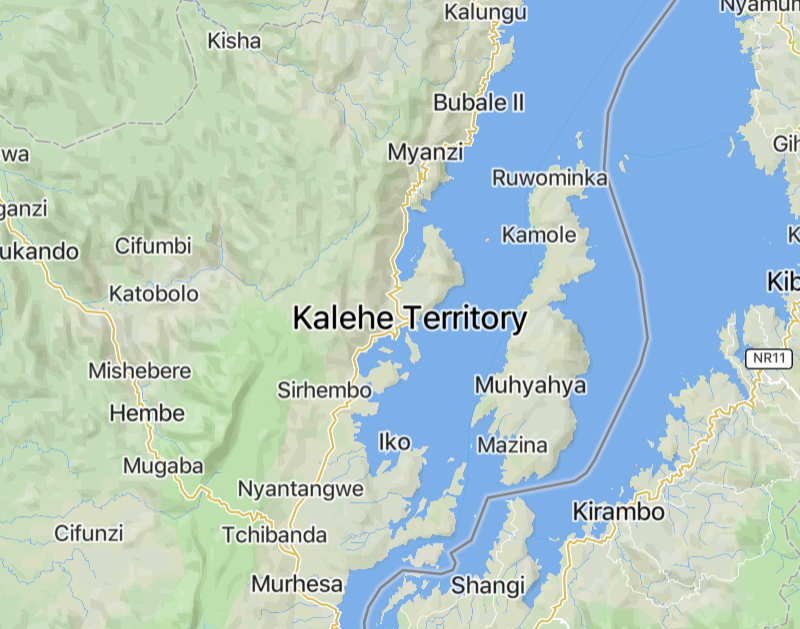
On 29 April 2025, M23 militants seized control of a gold mining town in Kalehe District, South Kivu Province, Congo (DR). This takeover occurred despite a declared ceasefire, reflecting the inherent instability of ceasefires in this conflict, where M23 frequently ignores or disregards such agreements. The situation is further complicated by loosely organised, government-sanctioned Wazalendo militia forces, which often act autonomously, leading to a chaotic and fragmented security environment.
This incident is significant because it underscores the dual nature of the conflict. While it is often portrayed as an ethnic struggle, the war is deeply rooted in competition for mineral wealth, which has consistently fueled violence in the region. M23’s capture of a gold-rich area reflects this dynamic. Controlling a gold mine provides the group with a direct source of revenue, which can be used to fund further military operations, purchase weapons, and strengthen its logistical networks. For a group like M23, which relies heavily on external support, particularly from Rwanda, acquiring a gold mining town is a strategic victory.
The role of Rwanda in the M23 conflict cannot be overstated. Rwanda has been repeatedly accused of providing military, logistical, and financial support to M23. This relationship is not just about ideology or ethnic solidarity but is also heavily influenced by economic interests, especially the lucrative illegal trade of minerals like gold, coltan, and tin. With the recent captures of strategic towns like Goma and Bukavu, M23 and its Rwandan backers now have greater access to smuggling routes, turning these urban centres into hubs for the illegal trade of minerals. The seizure of the gold mine in Kalehe further consolidates this network, providing M23 with an even greater capacity to extract and transport precious minerals.
The implications of M23 controlling a gold mine are profound. Firstly, it strengthens the group's financial base, making it even harder to dislodge through military means alone. Secondly, it further entrenches M23’s regional military and economic power position, blurring the lines between an insurgent group and a criminal enterprise. Thirdly, the move will likely escalate tensions with the Congolese government, which is struggling to contain the group. Finally, it may encourage further militarisation of the conflict, as rival armed groups and militias seek to protect or seize similar mineral-rich areas, further destabilising an already volatile region.
This incident also exposes the weakness of international and regional efforts to enforce a ceasefire. As long as armed groups like M23 can sustain themselves through illegal resource extraction, diplomatic agreements and ceasefires will remain little more than temporary pauses in a continuing cycle of violence.
| | (Video) Islamic State (IS) al-Batar Media Foundation: ‘Practical Steps to Fight the Jews’ | | |
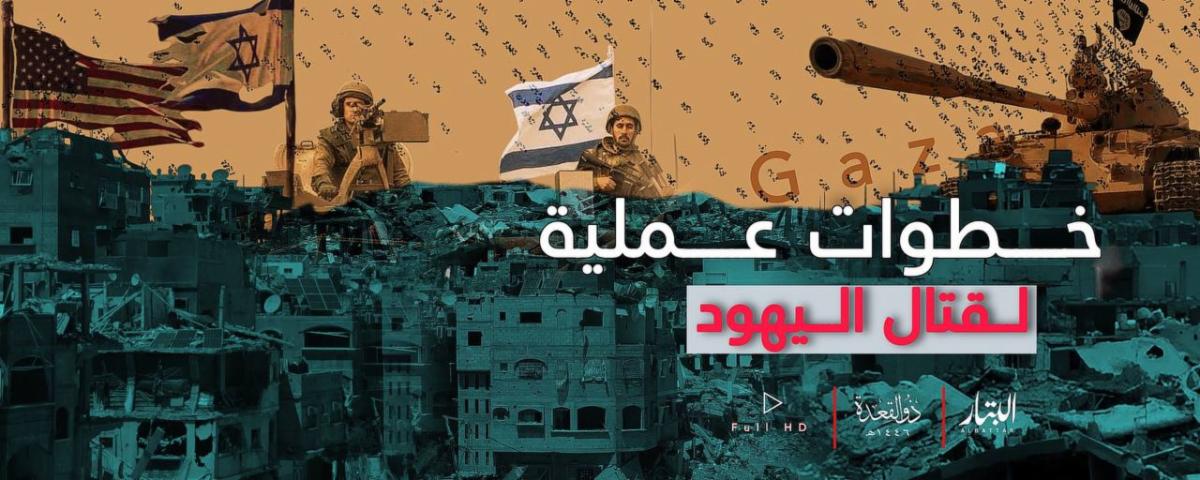
The latest video release by the Islamic State’s al-Batar Media Foundation, titled “Practical Steps to Fight the Jews“, is a calculated piece of propaganda aimed at inciting violence against Jewish individuals and Israeli targets. The video and its accompanying banner are crafted with a highly charged, confrontational narrative that portrays the conflict as a direct and existential struggle between Muslims and Jews. The imagery prominently features scenes of destruction, armed fighters, and the overlapping flags of Israel and the United States, symbols meant to evoke a sense of oppression and to solidify the narrative of a hostile alliance that the Islamic State claims to oppose.
The title itself (Practical Steps to Fight the Jews) emphasises direct, actionable violence, indicating that the video is likely not just a rhetorical call to action but a guide or manifesto encouraging attacks. The imagery of armed fighters, a tank, and ruins of war-torn areas is intended to provoke anger, resentment, and a sense of urgency among the group’s supporters. This is an apparent attempt to leverage the ongoing Gaza conflict to motivate radicalised individuals to take violent action, either in direct support of IS objectives or through lone-wolf attacks.
Strategically, this release is part of a broader Islamic State effort to position itself as the only legitimate defender of Muslims worldwide, contrasting itself with other militant or political factions that it portrays as weak, hypocritical, or complicit. By presenting the conflict in Gaza as part of a larger global struggle against Jews, the Islamic State seeks to radicalise its followers and attract recruits. The clear call for violence against Jewish individuals is not just an incitement but a calculated effort to provoke attacks in the West or other regions where IS supporters may be present. While the Islamic State has no genuine interest in the feelings of the people in Gaza, they have been actively attempting to co-opt the Palestinian cause as a recruitment and mobilisation tool.
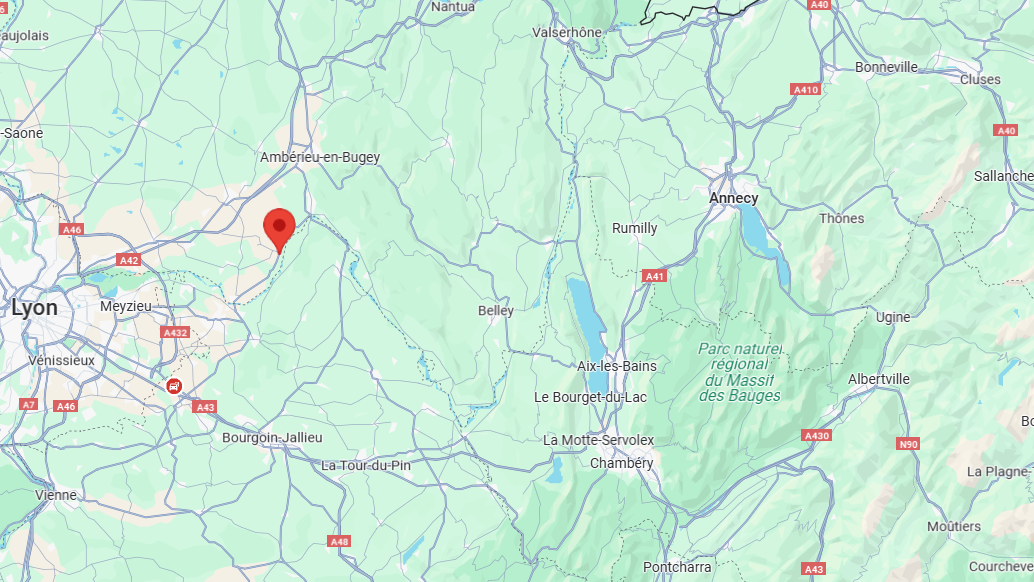
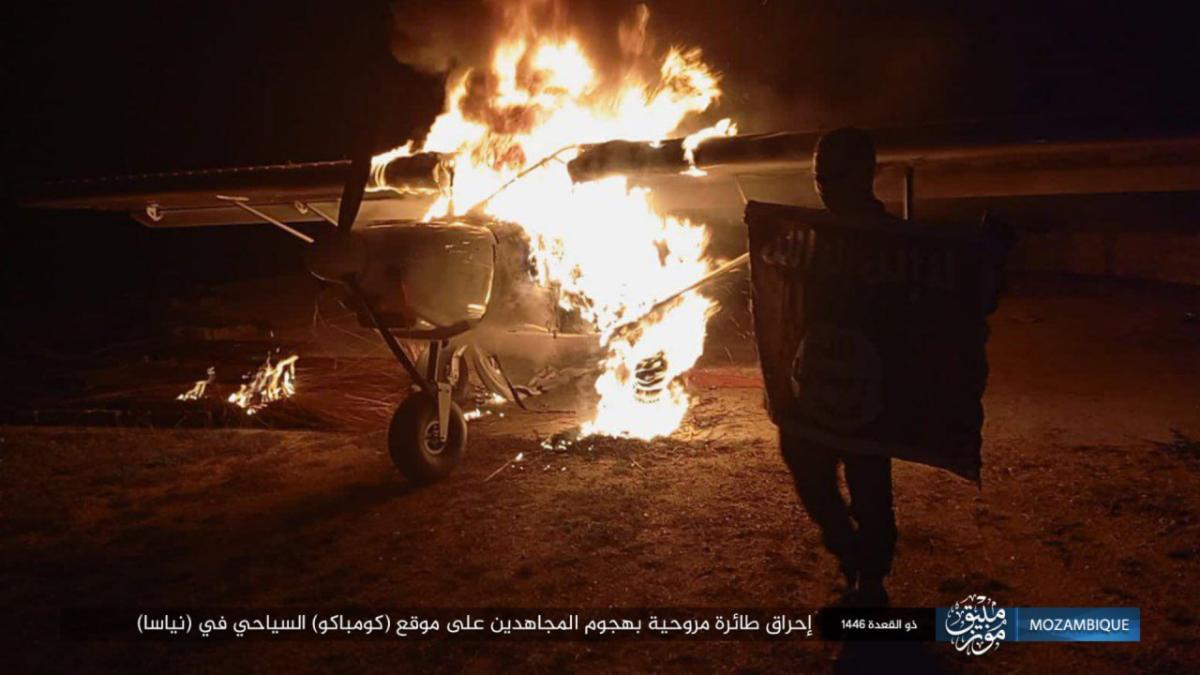
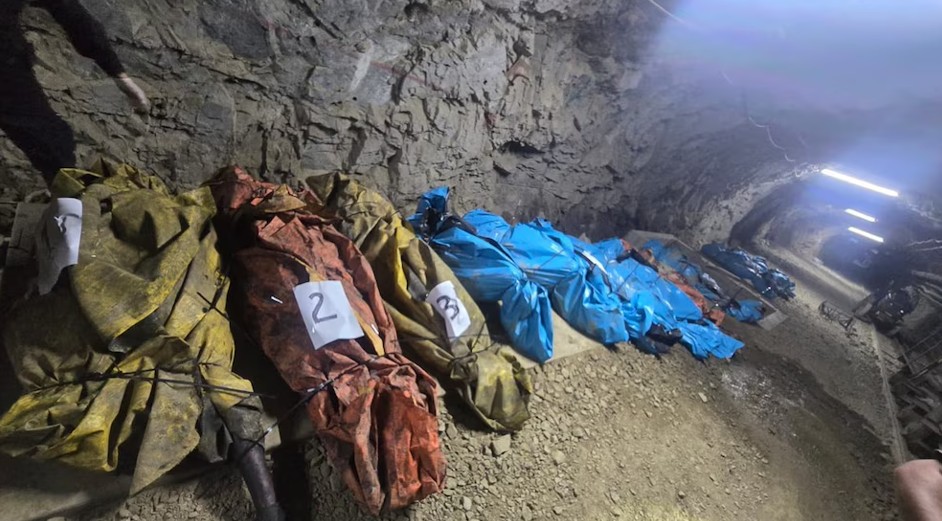
| | (Left Wing Anarchists) Activists Tag Bridges in Protest Against Plans for Two New EPR Reactors at Auvergne-Rhône-Alpes,Saint-Vulbas, Lyon, France | | TRAC Incident Report: Islamic State Mozambique (IS-M/Shabaab Cult/) Militants Assault Civilians & Security Forces, & Beheaded Them, in Kambako & Mariri Safari Resorts Along the Lugenda River, Cabo Delgado/Niassa Province, Mozambique | | TRAC Incident Report: 13 Poderosa Company-Linked Miners Found Dead Inside a Mine After Being Abducted by an Armed Group, Pataz Province, La Libertad Region, Peru | | | | |