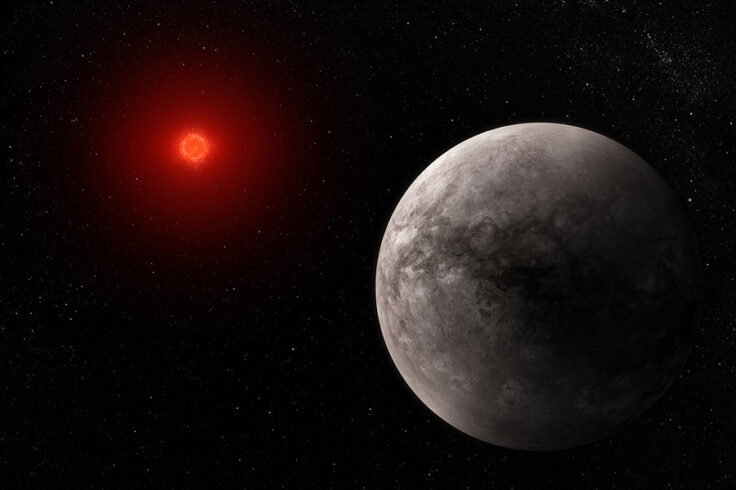
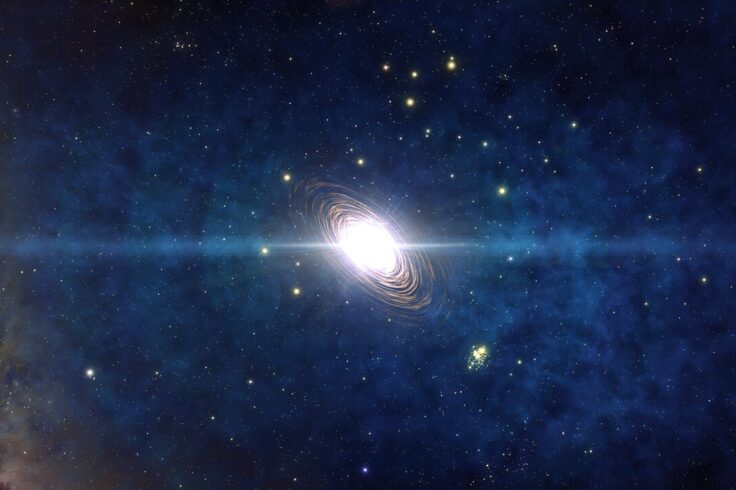
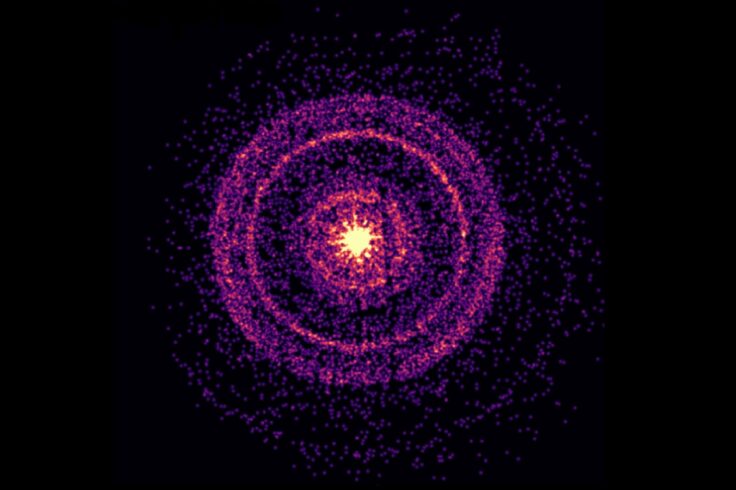
Astronomers sound the alarm about low-Earth orbit satellites and space debris. Plus, new evidence suggests the first stars to shine in the universe formed in groups. And the James Webb Space Telescope observes exoplanet TRAPPIST-1b.
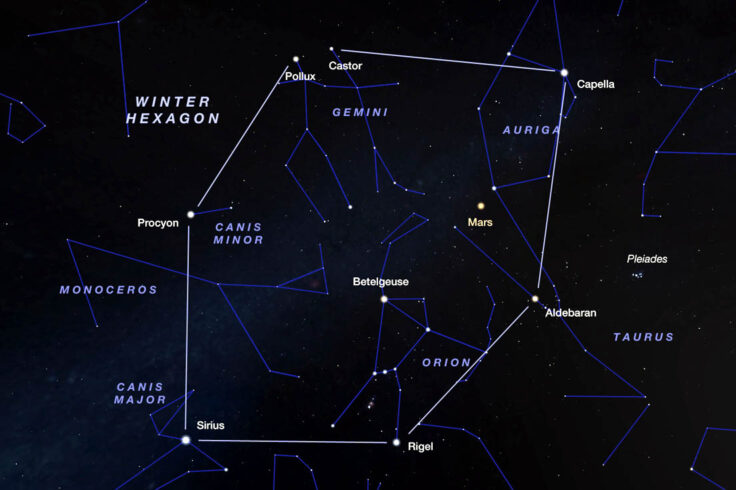
There comes a time now in late evening when Arcturus, the bright Spring Star climbing in the east, stands just as high as Sirius, the brighter Winter Star descending in the southwest. Their heights will exactly balance around 10 p.m.
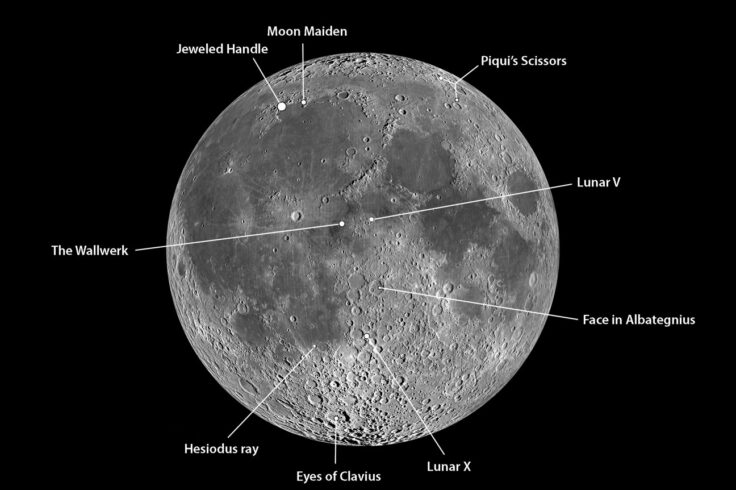
Do you still see animal shapes in clouds? If so, you’ll enjoy doing the same with the Moon, home to the Moon Maiden and other fantastic specters of light and shadow.
Virtual lecture on April 14th from 8 - 10 p.m. BST – Did you know that more than 99% of the Universe is invisible to the human eye? In this talk, we will explore the electromagnetic spectrum, chronologically following the discovery of different wavelengths of light and how they are used to uncover secrets of the cosmos.