January 2025

Can Soil Amendments Reduce Disease Severity in Trees

(Part 1)

From Roots to Canopy: Boosting Tree Defenses Against Pests and Diseases 

Dr. Glynn Percival

Senior Arboricultural Researcher

Bartlett Tree Research Laboratory, Charlotte, NC


Introduction

Over the past decade, professionals in urban tree management have faced a significant increase in pest and disease outbreaks, including sudden oak death, emerald ash borer, beech leaf disease, and bacterial leaf scorch. Unmanaged, these pests and diseases can cause severe damage potentially resulting in the loss of major tree species.


When tree removal and destruction are not viable options, managing these outbreaks primarily involves the use of synthetic plant protection products that exhibit direct toxicity to the targeted pests or diseases. However, the overuse of these products has raised several concerns, including the impact on non-target organisms due to spray drift, groundwater contamination, accidental exposure to the public, and the development of pesticide resistance in target populations. Consequently, there is now a need to develop more environmentally benign solutions.


A Different Approach

Western medicine emphasizes that the prevention of infectious diseases such as typhoid, diphtheria, measles, hepatitis, and smallpox is primarily achieved through vaccination. This process involves injecting the human body with a weakened strain of a pathogen, which stimulates the production of antibodies specific to that disease, thereby conferring immunity.


This raises the question: can we apply the same “vaccination” principles to protect trees by enhancing their inherent immune systems? The answer is yes. The concept of vaccinating plants against pests and diseases, known as induced resistance, is not new. It was recognized in the early 20th century as a method to boost trees’ natural immune responses to plant diseases.


Induced resistance leads to the accumulation of antimicrobial proteins, fungi-toxic enzymes, phenolics, and terpenoids within leaves, stems, and roots. This results in thicker, more lignified leaves that are more resistant to degradation by enzymes released by foliar diseases. In conifers, this process enhances resin production, phenolic compounds, and the formation of a wound periderm. Because multiple defense mechanisms are activated, it is highly unlikely that pests and diseases can develop resistance to this approach.


Moreover, induced resistance has been shown to provide protection against a variety of biologically different pathogens, including fire blight (bacterial), Phytophthora root rot (oomycete), powdery mildew (fungal), Ceratocystis spruce wilt (vascular wilt fungus), and horse chestnut leaf miner (insect).


Induced resistance and soil amendments

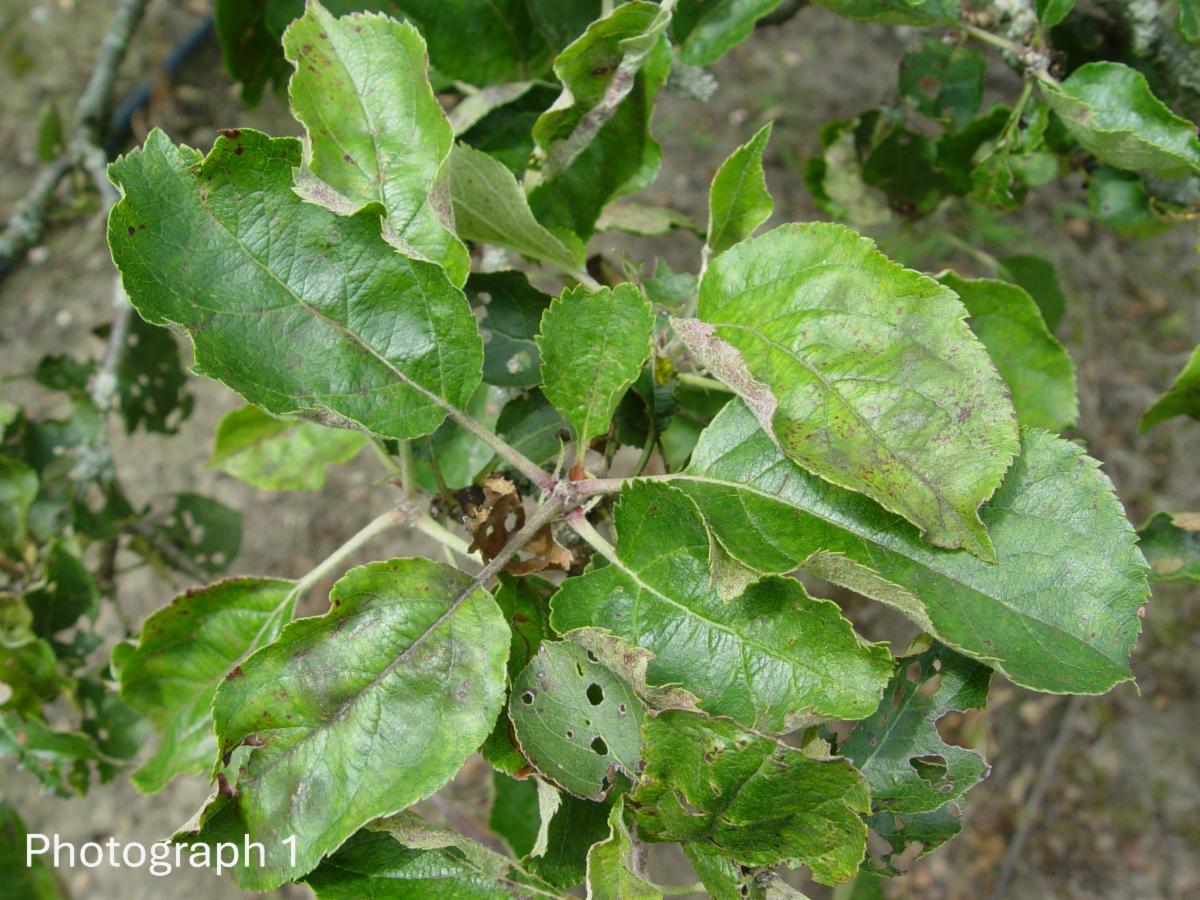
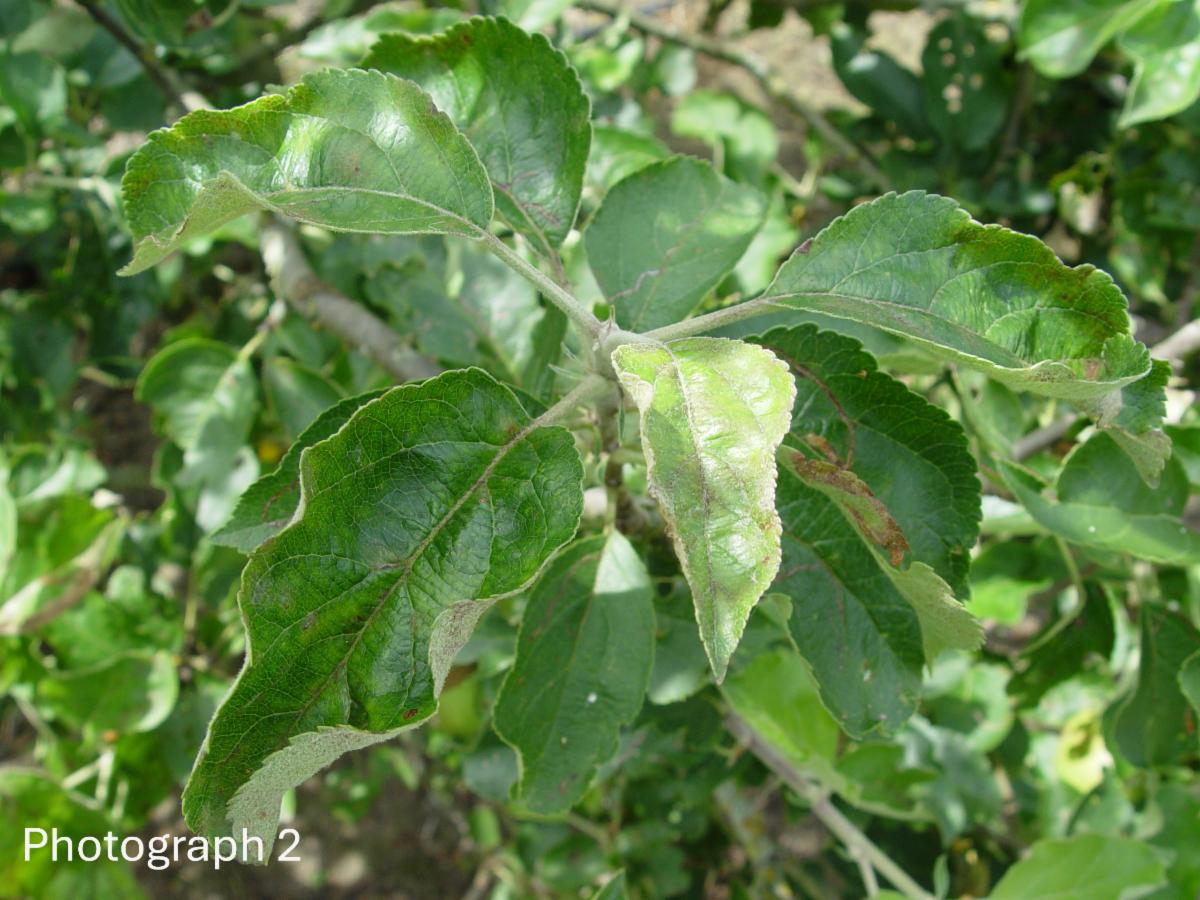
Research conducted at the Bartlett Tree Research Laboratory has demonstrated that the application of specific soil amendments can trigger an induced resistance response in trees (Photographs 1 and 2). Utilizing soil-applied products presents numerous opportunities for managing tree pests and diseases without the need for spraying. Tree resistance can be enhanced by exposing trees to natural and/or synthetic soil amendments, either at the time of planting or around the base of established trees, using techniques such as air-spade technology. Specific soil amendments known to induce resistance include:


Chitin

Chitin, a naturally occurring component of fungal cell walls, can also be derived from waste crustacean shells, including those of crabs, lobsters, crayfish, and shrimp. In soils, chitin serves as a nutrient source, stimulating soil microorganisms to produce chitinolytic enzymes that degrade the chitin molecule. Elevated levels of these enzymes in the soil contribute to the suppression of pathogenic fungi such as Rhizobium and Fusarium root rots. Additionally, the proliferation of chitinolytic bacteria, such as Bacillus licheniformisStenotrophomonas maltophilia, and B. thuringiensis, aids in controlling Oomycetes like Phytophthora cactorum. Recently, chitosan, a derivative of chitin, has shown promise as an insecticide. It effectively controls various aphid species and lepidopteran pests through ingestion of treated foliage, with chitosan either applied to the leaf surface or translocated within the plant’s vascular system.


Biochar

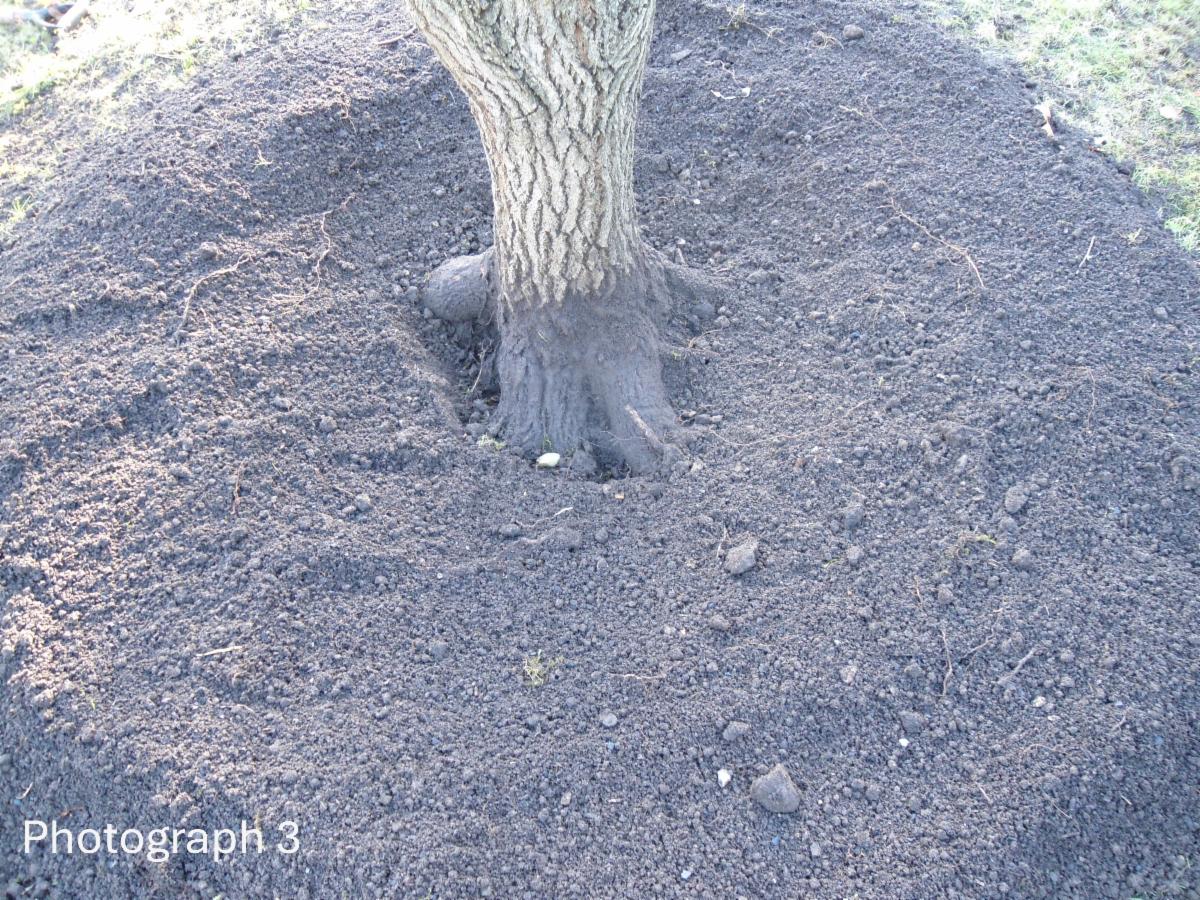
Numerous studies have demonstrated that the addition of biochar enhances soil fertility and quality (Photograph 3). Beyond modifying the physical and chemical properties of the soil in the rhizosphere, research indicates that soil-applied biochar also induces resistance to fungal diseases such as Botrytis cinerea (grey mould) and Leveillula taurica (powdery mildew), as well as the insect mite pest Polyphagotarsonemus latus. Zwart and Kim (2012) found that a 5% biochar application (by soil volume) significantly increased stem biomass in Acer rubrum compared to plants inoculated with Phytophthora cinnamomi. This suggests that biochar amendments have the potential to mitigate disease progression and physiological stress caused by Phytophthora canker.


Phosphites

Inorganic phosphite salts when applied to plants as a soil drench, operate through two mechanisms: directly targeting the disease and indirectly stimulating plant defense responses. These responses include the accumulation of phytoalexins, hypersensitive cell death, cell wall lignification, and the production of lytic enzymes that inhibit pathogen growth. Research has demonstrated that potassium phosphite salts are effective in controlling Oomycetes, such as Phytophthora root rot and canker pathogens, Venturia inaequalis (apple scab), and pathogenic bacteria including Erwinia amylovora (apple fire blight) and Pseudomonas syringae pv. aesculi (bacterial bleeding canker).


Look for Part 2 in the February 2025 TREE Press.

Lead Donors


We are deeply grateful to the following people and organizations whose accumulated contributions to TREE Fund in 2024 surpassed $2,500 or more as of December:


Tobie & Anne Sherrill

Chemical Containers, Inc.

E. Thomas Smiley, PhD

Fred Rader

Mark J. Chisholm

Michael Grimm

Mike Earl

PacifiCorp

Randall H. Miller

Steven D. Geist

Urban Forest Nursery, Inc.


See the full list of lead donors who make our vital tree research and education work possible on our website.

Facebook Join My List Logo

TREE Fund's Spring 2025 Grant and Scholarship Application Cycle Open


TREE Fund’s Spring 2025 Grant and Scholarship Application Cycle is now open and accepting applications.


Two education grants, one research grant, and six scholarships are available for application this spring. The spring cycle runs from January 15 to March 15. For information on each of these, click the links below.


This application cycle will be the first to utilize TREE Fund's new application portal, making it a smoother process for applicants and the review committee members.


Research Grants:

Utility Arborists Research Fund Grant Program (Up to $50,000)


Education Grants:

Ohio Chapter ISA Education Grant Program ($5,000)

The Davey Tree Expert Company Community Arboriculture Education Grant (Two awards of $5,000 each)


Scholarships ($5,000 each):

Bonnie Appleton Memorial Scholarship

Robert Felix Memorial Scholarship

Larry R. Hall Memorial Scholarship

Will Nutter Memorial Scholarship

Fran Ward Women in Arboriculture Scholarship

John Wright Memorial Scholarship

TREE Fund announces New Education Grant with The Davey Tree Expert Company


TREE Fund and The Davey Tree Expert Company created a new grant program to provide funding support for education and training in tree care and/or urban forestry topics.


The Davey Tree Expert Company Endowment Fund (The Davey Fund) is a permanently restricted endowment fund of TREE Fund, created to support community-based arboricultural education in the US. As canopy increases, trees will need care. To meet that need, education about trees at all levels needs to increase. Davey Tree - with over a century of institutional knowledge in the field - began the process of endowing a fund five years ago to address this funding gap for years to come.


The purpose of The Davey Tree Expert Company Community Arboriculture Education Grant Program is to provide funding support for education/training in tree care and/or urban forestry topics and is designed to support nonprofit educational programs. Projects are expected to be completed within one year. Two grants of up to $5,000 will be awarded annually. The application process will take place during TREE Fund’s Spring Grant Application Cycle.


For more information on this new grant, visit the Grant Page on TREE Fund's website.

Thank You for Your Service


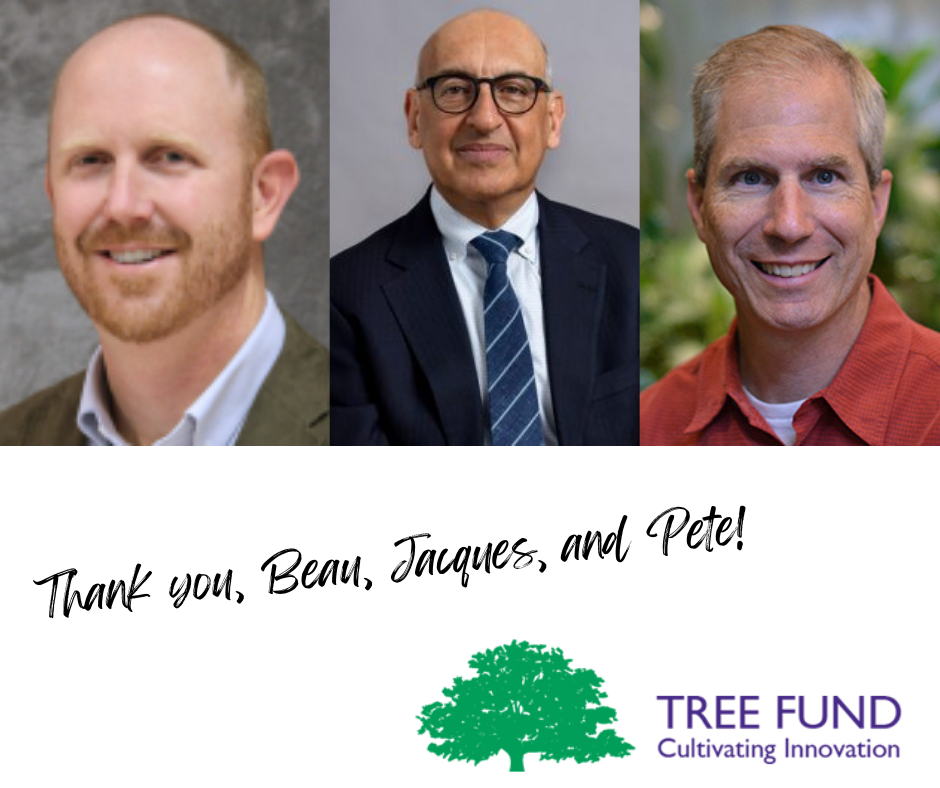
Three members of the TREE Fund Board of Trustees rolled off their time at the end of 2024. We would like to give our deepest thanks and appreciation to Beau Brodbeck, Ph.D, Jacques Brunswick, and Pete Smith for their years of time on the board and their commitment to TREE Fund. We would not be where we are today without your guidance.

Secure Tomorrow's Success


Just like our trees need consistent water and nutrients to grow, a steady support of monthly gifts helps TREE Fund to grow our mission. A recurring donor provides the foundation for funding to accomplish the critical research and education support that sustain our shared commitment to urban forests. Please consider an ongoing donation, season after season, to support our role in the arboriculture community.


Recurring donations have the potential to become a growing cornerstone of TREE Fund’s ability to advance research, education, and scholarships in arboriculture. By setting up a monthly gift, you help build a steady stream of support that enhances our ability to plan and expand our programs for the long term. Together, we can cultivate a stronger foundation to sustain urban forestry for generations to come.


To set up a recurring gift, visit our General Donation Form and click the "Recurring Donation" tab.

TREE Fund's 2025 Free Webinar Series


We are excited to kick off our TREE Fund Webinar series again this spring with free webinars available to the public based on research funded by TREE Fund grants. Thanks to the Alabama Cooperative Extension System for helping us again with these videos.


Mark your calendars for our spring webinars!


March 11, 2025. Noon CT.

Presenter: Dr. Huade Guan

Presentation: A pumping-test analogue for characterizing root-zone and plant integrated hydraulic systems based on above-ground measurements

Registration link: Click here to register for this webinar


April 8, 2025. Noon CT.

Presenter: Dr. Carolyn Mahan

Presentation: Long term effects of electrical right-of-way vegetation management on floral and faunal communities

Registration link: Click here to register for this webinar


May 6, 2025. Noon CT.

Presenter: Mysha Clarke and Stephanie Cadaval

Presentation: Enhancing collaboration amongst urban forest stakeholders – An assessment of natural hazard risk perceptions in relation to the services and disservices of city trees

Registration link: Coming soon


See our Webinar page for more information. https://treefund.org/webinars


TREE Fund’s 1-hour webinars are free and offer 1.0 CEU credit for live broadcasts from the International Society of Arboriculture and the Society of American Foresters. Registration and information will become available on our website approximately two weeks before each webinar date.


Missed a webinar? Watch it anytime on our website. You can also subscribe to our YouTube page.

Tour des Trees 2025 Registration Open


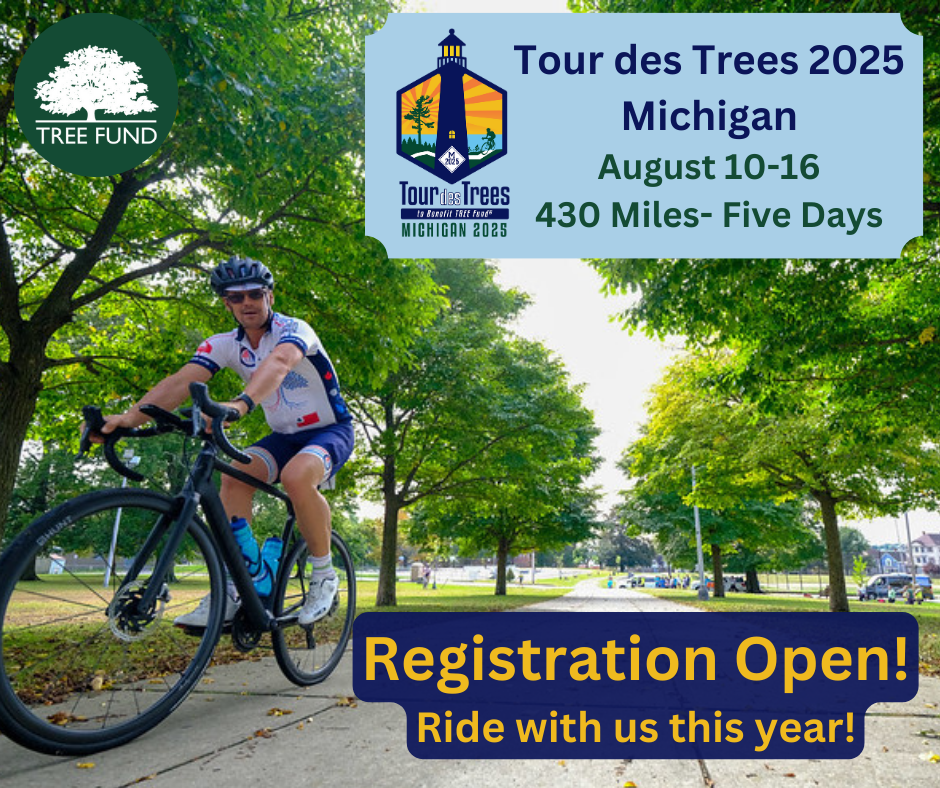
We are very excited to return to Michigan for the 2025 Tour des Trees! Registration for this year's ride is now open so get ready to ride August 10 t0 16 and spend five days riding 435 miles through the forests, over the dunes, and along the lakefront.


Starting and ending in Grand Rapids, this year's route will feature some beautiful views and, of course, plenty of engagement stops where we will be talking to people about the importance of trees, tree research, and arboriculture.


Register today and ride to support tree research!


For information, visit www.treefund.org/tourdestrees

To register or to make a donation, visit www.tourdestrees.org


Can't make it to Michigan this year? Participate virtually on your own time. Sign up for the Virtual Tour des Trees at home and support TREE Fund by setting a fitness goal and riding, walking, running, or swimming in your neighborhood. Fundraisers earn apparel prizes! See www.treefund.org/virtual-ride-option for details.

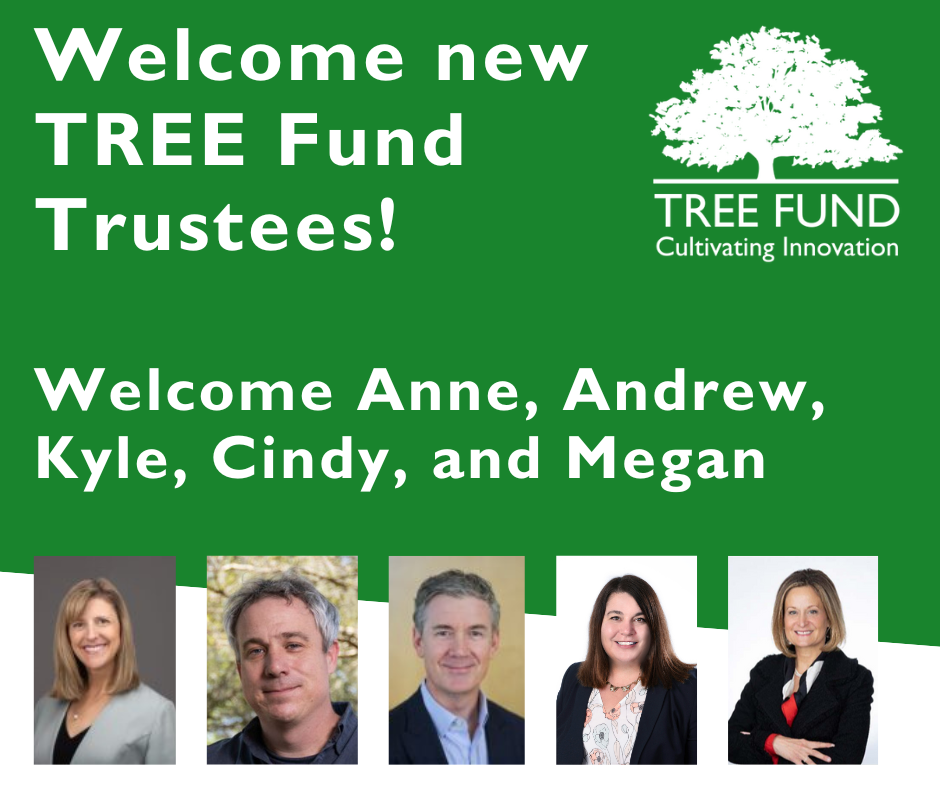
TREE Fund's New Board Members


We would like to take this opportunity to welcome five new Trustees to the TREE Fund Board. These individuals began their terms in January of 2025.


Anne Beard, Associate Director, Vegetation Management and Wildfire at Filsinger Energy Partners


Megan Fielding, Vice President, Sustainability at Asplundh Tree Expert, LLC.


Andrew Koeser, Associate Professor of Urban Tree and Landscape Management at the University of Florida Gulf Coast Research and Education Center


Kyle McCann, General Counsel and Senior Vice President of Risk Mitigation at Wright Service Corp


Cindy Schwab, Operations Residential Commercial Talent Manager at Davey Tree


To see bios for our trustees, visit the Trustee page on our website.

Visit our Website
THANK YOU
TREE Fund Crown Partners! 
Facebook  Instagram  Linkedin
Donate now

TREE Fund

Tree Research and Education Endowment Fund

1755 Park St. Suite #200, Naperville, IL 60563

(630) 369-8300

treefund@treefund.org

www.treefund.org

TREE Fund is a 501(c)3 nonprofit whose mission is to support scientific discovery and dissemination of new knowledge in the fields of arboriculture and urban forestry.

TREE Fund earned our 2024 Candid Platinum Seal of Transparency! Check out our nonprofit profile to keep up to date with our impact. https://www.guidestar.org/profile/shared/17bf1c65-c913-4096-8695-11f0dc3fa73f.

Keep this link handy, we want to make sure you always have the information you need to support our work with trust and confidence.