How can Texans slow the spread of COVID-19?
The next two weeks are critical in slowing the spread of COVID-19. Texans must act now.
- Stay home as much as possible, especially if you are sick, older, and/or have a medical condition.
- If you are sick, stay home except to access medical care. If you are able to take care of yourself, stay home. If you need to see your doctor, call ahead.
- Avoid gatherings of more than 10 people and non-essential trips into public.
- Cancel events of more than 10 people.
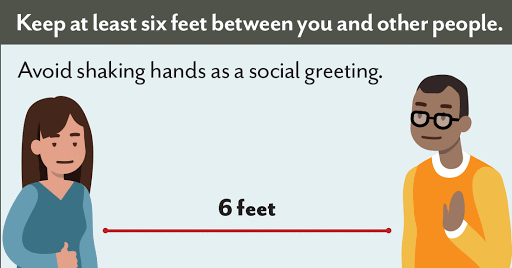
- Limit close contact (at least six feet) with other people. Employers should allow alternative work options as much as possible.
What else can people do to protect themselves and others?
- Wash your hands often with soap and water for at least 20 seconds. If soap and water are not available, use an alcohol-based hand sanitizer.
- Avoid touching your eyes, nose, and mouth with unwashed hands.
- Cover your cough or sneeze with a tissue, then throw the tissue in the trash.
- Clean and disinfect frequently touched objects and surfaces.
Who is at highest risk of severe illness from COVID-19?
Minimizing exposure is especially important for people who are 65 or older or who have an underlying health condition like heart disease, lung disease, diabetes, high blood pressure or cancer. People in those groups have a higher risk of developing severe disease if they do get COVID-19, and the safest thing for them during an outbreak will be to stay home as much as possible and minimize close contact with other people. To get ready, they should talk to their doctor about getting additional prescription medications and have enough household items and groceries on hand to stay home as needed.
Want to understand more about how viruses like this spread?
The Washington Post shared an article that graphically shows how a virus like this can spread throughout a community with various levels of quarantines and social distancing. Check out the link to the article below.