A Note on TWC's Fourth Anniversary | | |
On the occasion of TWC’s fourth anniversary as FTA’s technical assistance center for workforce development, our Labor Day week issue of Pulse highlights key areas of TWC collaboration to help advance critical transit industry workforce development initiatives to support today’s and tomorrow’s frontline workforce.
TWC’s team has had the opportunity to work with transit agencies and their partners from almost every state in the nation and across rural, tribal, small and large urban, and suburban systems. Responding to your stated needs and requests, TWC’s assistance, tools, and resources have covered key challenges that range from outreach, recruitment, retention, education, labor, and community partnerships to training resources, safety, skill development, career advancement, and workforce metrics. TWC’s work capturing and sharing industry best practices, developing programs and tools, and providing direct assistance have all been aimed at supporting the industry and its stakeholders so that you have a strong and skilled workforce that helps you accomplish the critical mission of getting community members where they need to go every day—to work, to school, to medical appointments, to recreation, and more—safely and efficiently.
As we mark the fourth anniversary of the Transit Workforce Center, we welcome newly appointed Administrator Marcus Molinaro into the top leadership role at FTA. We look forward to working with him and our committed and knowledgeable team at FTA to continue to facilitate and operationalize FTA’s ongoing support for transit workforce development that helps your critical work serving and connecting your communities.
The summaries in this issue of Pulse will bring you up to date on selected areas of TWC’s most in-demand work. Please continue to reach out to us for information and assistance, and also continue to share your experiences, initiatives, needs, challenges, and stories. Thank you for all you do to move our communities and the country.
| | |
Jack Clark
Executive Director
| |  | |
Xinge Wang
Deputy Director
| |
Recruiting and Retaining a Strong Workforce | | |
Frontline workers comprise 90% of the transit workforce, and transit agencies require a workforce pipeline and successful outreach and recruitment efforts to maintain a fully staffed workforce that consistently and reliably moves their communities. TWC launched the National Frontline Transit Worker Recruitment Campaign initiative in 2022 to support transit agencies as they faced ongoing challenges in hiring and recruiting a sufficient number of frontline workers to fill open positions. The campaign’s first component, the Recruitment Toolkit, features samples of digital and video transit agency recruitment materials, mini-case studies of successful local recruitment initiatives, and a set of suggested campaign themes, tips, and strategies gathered through local stories and industry focus groups.
TWC’s Transit Career Explorer is the campaign’s newest resource to assist in the ongoing challenge of meeting the industry’s frontline workforce hiring needs. As TWC team members traveled the country, many agencies and their partners asked whether TWC could host a page for potential job seekers to learn about working in the industry and the opportunities offered through a career in transit. The Career Explorer does just that, through videos of workers talking about the nature of their work, their career trajectories, and the ways in which they serve their communities. Visitors to the site, over 17,000 since it was made public, can also learn about the range of the industry’s career opportunities, wages and benefits, and how to locate transit agencies in their communities to find local openings.
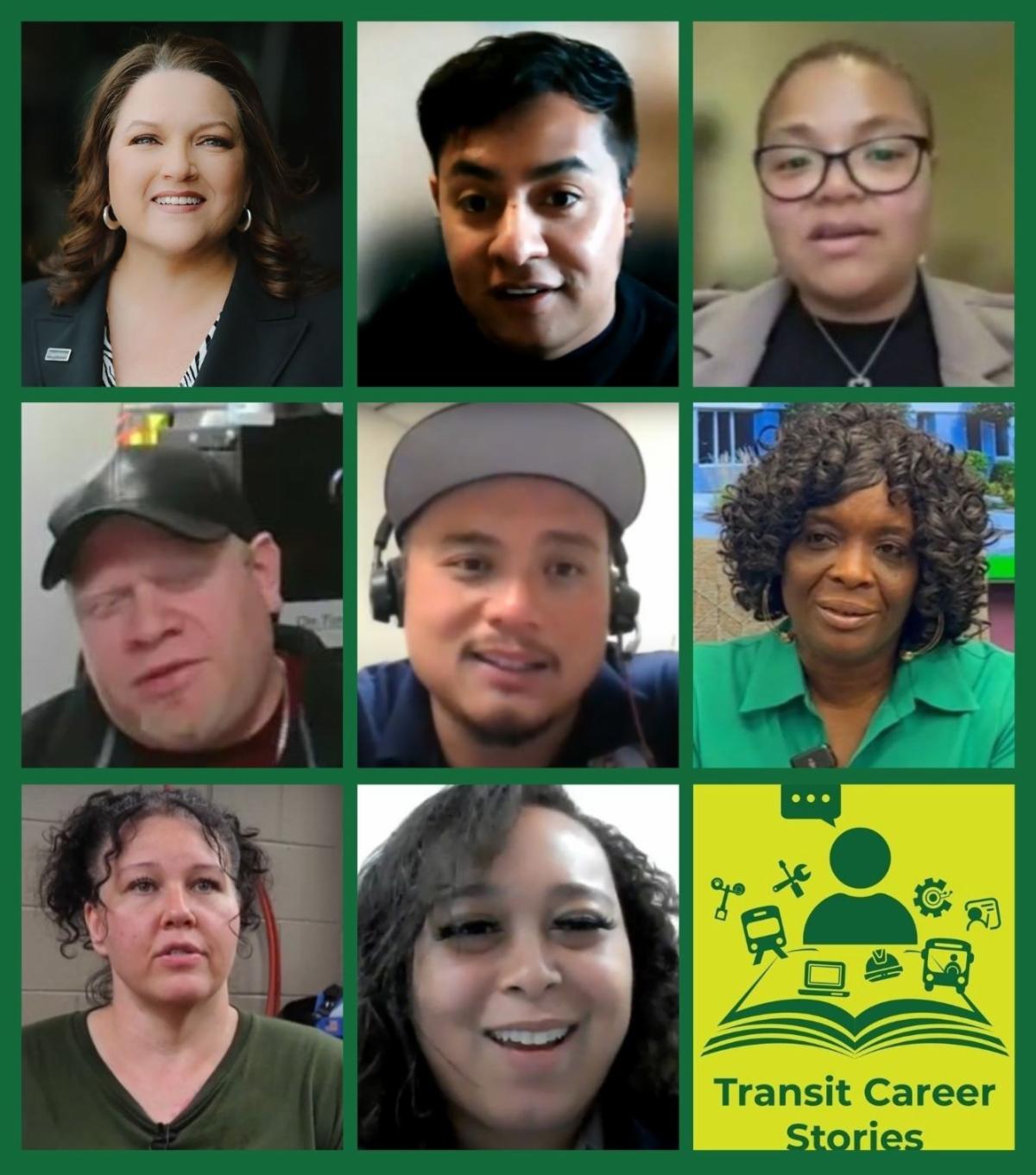
| | An additional campaign resource is Transit Career Stories, which features interviews with individuals who share their unique career journeys. The newest story features Dottie Watkins’ journey from part-time student bus operator to current President & CEO of CapMetro in Austin, Texas. Past features have included stories about a general laborer who became an apprentice mechanic at IndyGo in Indianapolis, Indiana, and a former bus operator who is now Finance Director at Mountain Rides in Ketchum, Idaho. An upcoming story in the November issue of Pulse will highlight veterans from across the country who have transitioned into transit careers. | | Check out the Transit Career Stories collection featuring transit workers from across the country. | | |
For our career stories collection, whether you’re a seasoned professional or a newcomer to the industry, your insights can help shape the future of our workforce and encourage others to take their first steps in transit. Email the communications team at careerstories@transportcenter.org to share how you got started, what your journey has looked like, and who and what supported you along the way.
As with all TWC materials, the campaign initiative is ever-growing, and TWC would love to hear from you. If you have organizational examples or resources we can add to the Career Explorer, stories of successful recruitment strategies and advertising campaigns, or productive outreach partnerships for the Recruitment Toolkit, please reach out to Annmarie Carmody at acarmody@transportcenter.org.
| | Skill Development and Career Advancement Through Apprenticeship and Mentorship | |
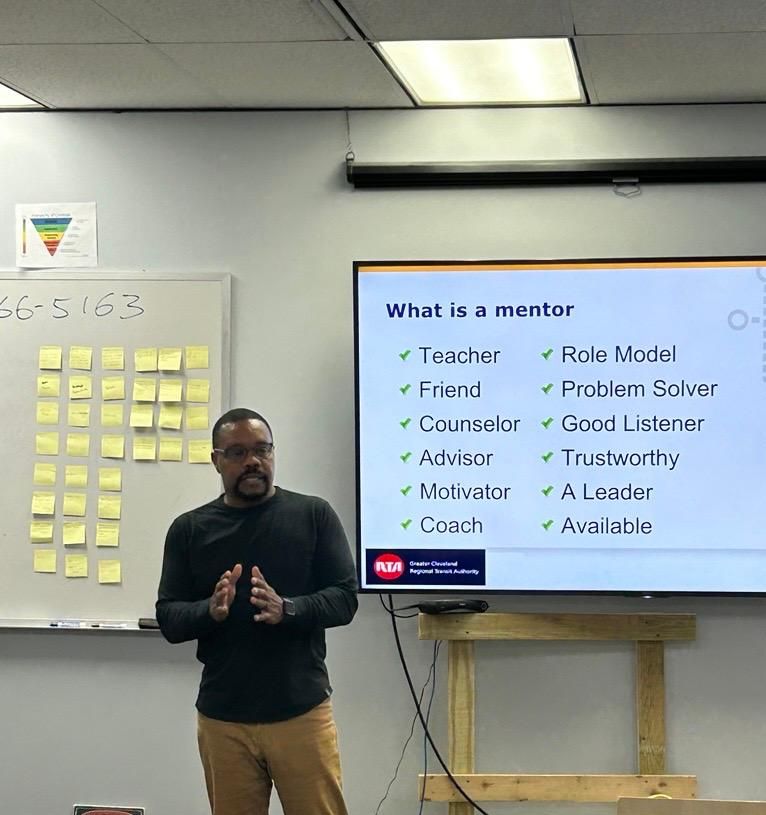
 | | Throughout the past four years, TWC has used various approaches to support transit agencies and their partners in expanding and strengthening apprenticeship and mentorship programs. One of the main vehicles for this has been the establishment of the American Transit Training and Apprenticeship Innovators Network (ATTAIN). Through ATTAIN, TWC facilitates presentations from local agencies and their labor, workforce, and education partners in forums that facilitate interaction between peers in the transit industry to discuss challenges, share best practices, identify useful resources, and reflect upon lessons learned. Much of this interaction happens during the virtual meetings and webinars that TWC holds throughout the year, augmented by presentations at national, state, and regional conferences across the country. Once agencies learn more about these programs and their benefits through ATTAIN, many have worked closely with TWC staff to establish these programs. This Pulse story from last year out of Urbana, Illinois, illustrates one such collaboration.
| | |
To further support ongoing learning and technical assistance that helps to advance transit’s expansion of apprenticeship and mentorship programs, TWC has developed a range of tools and resources that include:
-
Mentorship Metrics: A TWC research fact sheet demonstrates benefits of structured mentorship programs, independently and in conjunction with apprenticeship, including positive impacts on retention.
-
Mentor Training Resources and Support: TWC has developed materials for an engaging and interactive training program that helps define the mentor's role and responsibilities and provides them with the opportunity to identify and practice key skills.
-
Apprenticeship and Mentorship FAQ page: TWC produced a resource that provides a one-stop shop for initial learning about registered apprenticeship programs for frontline transit occupations. The FAQ page includes information about the development process, how to register a program, and the benefits of doing so, and it includes links to a number of additional resources.
-
Apprenticeship and Mentorship Map: TWC created maps showing transit locations with registered apprenticeship or mentorship programs. Users can easily find information about active apprenticeship/mentorship programs at an agency and links to Standards of Apprenticeship, which include details about qualifications, wages, hours, and training schedules; they can also filter that information by occupation. If you have a program not yet on the map, please email Karitsa Holdzkom at kholdzkom@transportcenter.org.
-
Apprenticeship Academy: TWC has developed a day-and-a-half Apprenticeship Academy for transit agencies and their workforce partners. In partnership with the Florida Department of Transportation and the Center for Urban Transportation Research, TWC organized and facilitated this academy for transit agencies and their workforce partners throughout Florida. This program, which combines presentations with targeted group and individual technical assistance sessions, has resulted in progress toward mentorship programs at several Florida transit agencies. Another program is currently awaiting final notification of the registration of a bus maintenance apprenticeship program.
-
Technical Assistance Office Hours: Responding to the ongoing interest in apprenticeship and mentorship programs, TWC has offered “office hours” to allow interested transit organizations to sign up for individualized initial conversations with TWC team members. Currently, TWC is holding Apprenticeship Office Hours, with time slots available on September 8 and 9. Sign up to speak with a team member about how apprenticeship could work at your transit agency!
| | Curriculum That Supports Skills Development and Safety | | |
Transit’s frontline workforce is the foundation of the industry’s mission to ensure that community members get where they need to go every day through a safe and efficient system. The full range of TWC’s resources and initiatives, including the development of high-quality curriculum on existing and emerging technologies, are aimed at supporting continuous workforce development for today’s workforce and the workforce of the future, so work is accomplished at the highest skill level and in a manner that protects the safety of workers, riders, and the system as a whole. To support these outcomes, TWC has developed and expanded the following resources and initiatives:
| |
-
Transit Core Competencies Curriculum (TC3) is designed to provide an engaging and interactive introduction to frontline transit careers and critical skills needed to work in the industry. Most recently, the program was developed through close collaboration with instructional designers, industry subject matter experts, and transit agencies nationwide, ensuring that the content reflects both industry best practices and the real-world skills required in the field.
-
Foundational Skills were revised and expanded during this past year as part of updating TC3, after requests from agencies across the country for instruction-ready, modularized materials that could help trainers fill skill gaps, especially for newly hired workers. The new curriculum will be introduced this fall, with a focus on mechanical, electrical, and computer skills necessary for safe and efficient operations; additional modules on shop math and soft skills are currently in development. The curriculum is modularized to allow for delivery as part of a comprehensive multi-day program, or piece-by-piece, providing agencies with the flexibility to address a variety of knowledge and skills gaps among newly hired frontline workers in whatever ways work best for them. TC3 can also be used to strengthen the pipeline of skilled workers and support agencies as they prepare their employees for more advanced technical training
-
New Technologies and Fleet Transition: In addition to supporting agencies in ensuring strong foundational skills, TWC has developed resources and provided targeted technical assistance to transit agencies across the country as their operators and maintainers face the ongoing challenges of navigating shifts to different vehicle technologies, with a focus on making sure maintainers are equipped to safely perform their jobs during fleet transitions. Over the past year, TWC team members have delivered technical presentations and support to maintenance departments through state and regional events, including TRB’s annual meeting in Washington, D.C., the Northeast DOT Maintenance Meeting in Indianapolis, and a training partnership with the Transportation Association of Maryland (TAM). In addition, in collaboration with the National Transit Institute (NTI), TWC developed a course, “Advancing U.S. Bus Safety and Modernization Training,” that is delivered by NTI at the request of agencies undergoing fleet transition. Across these and other ongoing efforts, the goal remains the same: helping agencies assess training needs, close skill gaps, and ensure a safe, informed transition.
| | Building Local Capacity Through Train-the-Trainer | | |
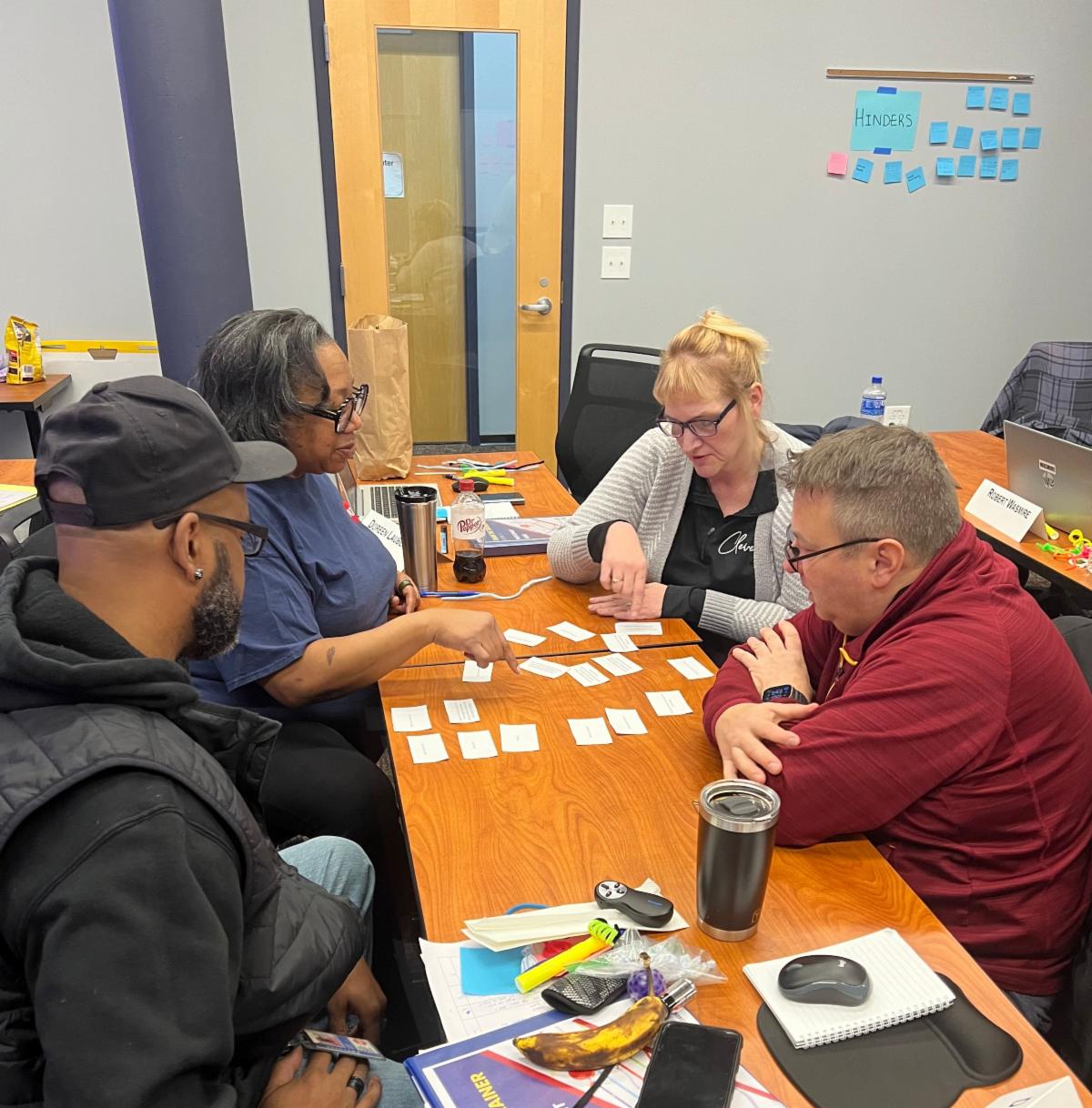
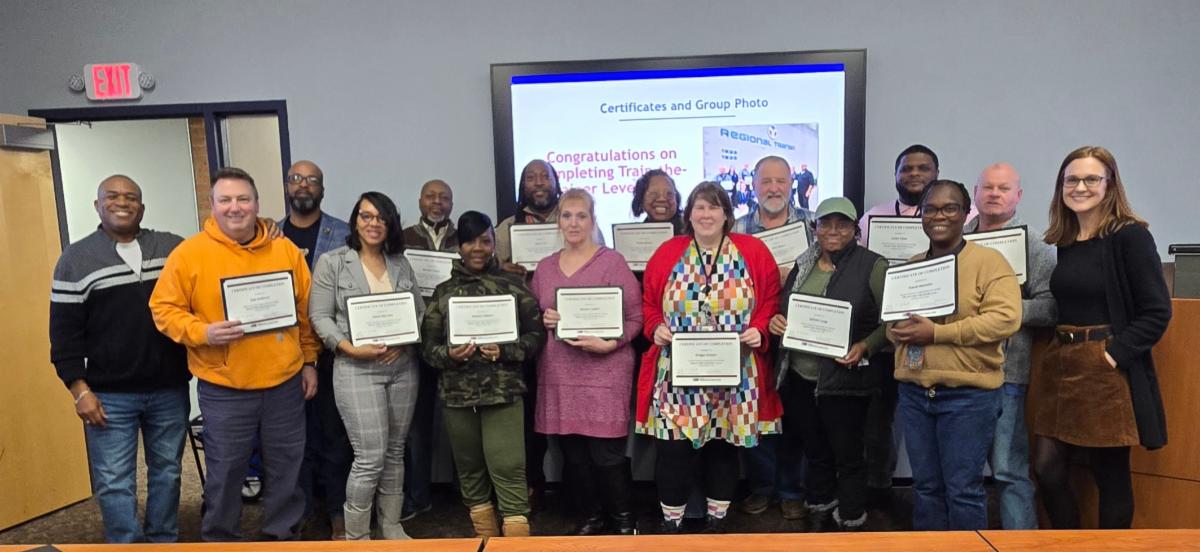
Over the past four years, TWC’s Train-the-Trainer program has become one of the most in-demand initiatives, helping to build strong and effective workforce training capacity at transit agencies across the country. The program equips subject matter experts with the tools and confidence they need to step into the role of trainer, helping them translate their technical expertise into engaging and effective learning experiences. It also equips current trainers with additional skills that enable them to deliver training in ways that best support learning. The core offerings and delivery methods are described below.
-
Train-the-Trainer Level 1 introduces subject matter experts to the core skills of effective instruction, including understanding adult learners, using a variety of teaching methods, and facilitating engaging learning experiences. It provides a strong foundation in creating engaging lessons and delivery techniques to help new trainers build confidence and effectiveness.
-
Train-the-Trainer Level 2 builds on the foundations of Level 1, guiding participants through the process of developing course materials, writing strong learning objectives, and creating effective assessment questions. It equips trainers with the tools to design structured, outcomes-based training that supports learner success.
| | Expansion to Open-Enrollment: Based on demand from agencies across the country, TWC has expanded what began as sessions based at and serving specific agencies at their request to also include open-enrollment classes, which bring together participants from smaller agencies that may not have the resources to host training themselves; the most recent open enrollment class attracted trainers from California, Utah, Oklahoma, Washington, and Minnesota. This collaborative model has proven invaluable, allowing trainers from across the country to share experiences, build networks, and return home ready to strengthen their own training programs and train the transit workforce more effectively. Whether through agency-based sessions or open-enrollment offerings, TWC’s goal remains the same: to empower trainers with the skills and confidence to deliver high-quality, consistent instruction that supports both workforce development and safer, stronger transit systems. Reach out to Kristen Ribaudo at kribaudo@transportcenter.org for more information. | | Workforce Research and Data Aligned With Industry Needs | | |
Since the establishment of TWC, its research team has served industry needs by producing timely case studies, reports, and data visualizations, as well as curated materials from the industry for the website. In its fourth year, TWC released five new case studies and reports, four in-depth blog posts, major Dashboard updates, and now hosts over 350 resources on the Resource Center.
TWC’s Resource Center launched in 2022 and has continued to expand as new resources—covering topics from training to recruitment to program evaluation and return on investment—have been added by TWC’s research team. TWC team members frequently utilize these materials in providing targeted technical assistance.
| | |
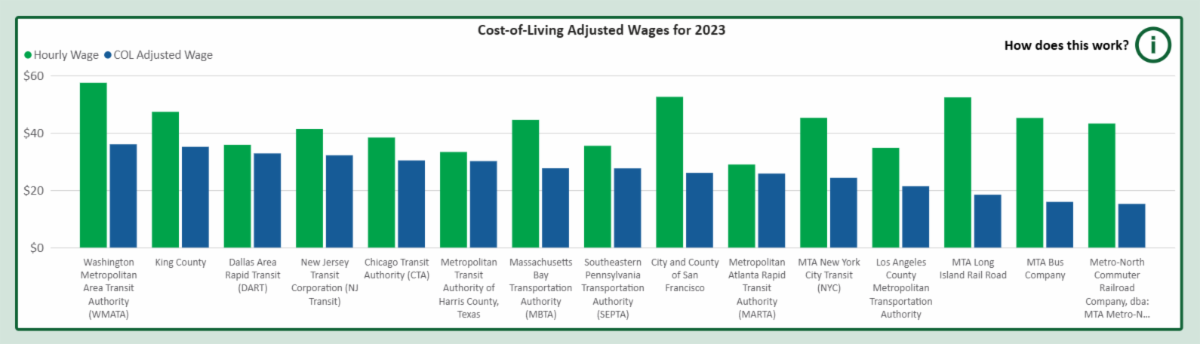
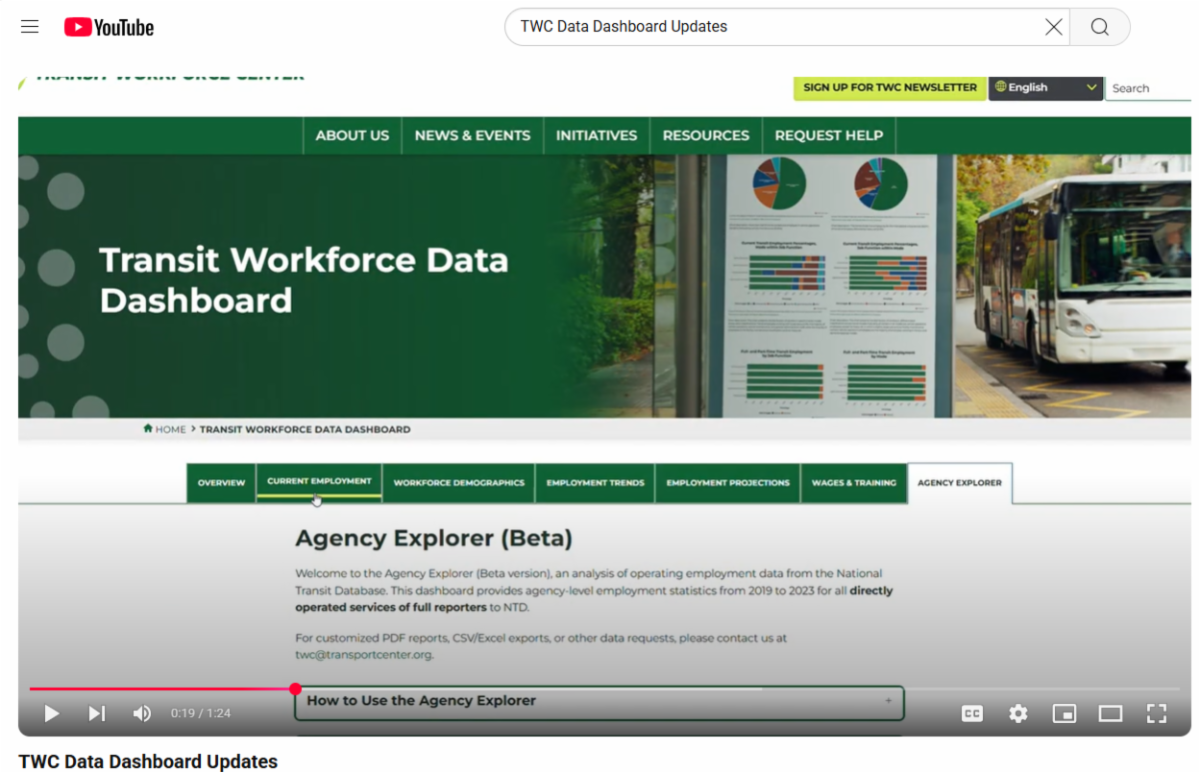
The Transit Workforce Data Dashboard, which launched in 2023, is a unique resource developed by TWC’s research team to enhance transit industry stakeholders’ access to relevant and timely workforce data. The Dashboard has been continuously updated, including the addition in 2024 of the Agency Explorer, a major new feature that allows users to view data at the state and agency level and facilitates benchmarking of agency workforce data. Earlier this year, the research team released a significant update to the Transit Workforce Data Dashboard that includes cost-of-living adjusted wages on the Agency Explorer and new employment projection charts. The addition of cost-of-living adjusted wages in response to industry feedback enables users to more accurately benchmark their transit location’s wages against those of their peers. Watch this short video for tips on navigating the Data Dashboard’s new features.
| | TWC has also produced case studies, blog posts, reports, and presentations on a variety of topics. Workforce data and metrics are a major area of focus. Recently published blog entries can help users navigate the Data Dashboard or begin to explore cases and findings. A previous blog post explored the transit workforce shortage through analysis of national datasets and a synthesis of recent research. Team members have also presented on national workforce trends and transit workforce performance metrics at numerous conferences and in TWC-hosted national events, including a webinar highlighting updates to the Data Dashboard. Data and metrics are also featured throughout the research work on a variety of other topics, including those highlighted below. | | In support of the industry’s efforts to improve recruitment practices and outcomes, TWC has produced several related resources, including seven case studies that focus on specific recruitment strategies such as outreach to veterans or older adults. Other publications have focused on the recruitment of people with disabilities, such as an article in TR News and a post on the National Aging and Disability Transportation Center blog, highlighting locations that have successfully filled workforce gaps by considering qualified workers with disabilities. Recently, TWC published a blog post, Engaging the Next Generation of Transit Workers, which describes what young job seekers are looking for and explores successful recruitment strategies. Building on earlier research, including TWC’s brief Bus Driver Recruitment and Retention in Challenging Times, which contextualized industry recruitment challenges, TWC will expand this work by documenting best practices to streamline operator hiring processes. | | |
To support national and local work expanding apprenticeship, mentorship, and training initiatives, TWC produced several case studies highlighting the impacts of these initiatives in locations ranging from Oakland, CA, to Shreveport, LA, and Missoula, MT, along with a focus on metrics in the mentorship metrics fact sheet, documenting early outcomes, and a case study on Cleveland's paratransit mentoring program as an example of a specific agency initiative and the role metrics played. The most recent case study focuses on leveraging partnerships with local colleges to train and upskill frontline workers.
| | |
The research team has also released several publications covering workforce management and planning. A case study from early this year focuses on the microtransit workforce, exploring examples in Austin, TX, and Norwalk, CT, as well as rural areas in Ohio and New Mexico. Also focused on the demand response mode, TWC produced a special report on the challenges and strategies in paratransit workforce development based on interviews across 13 systems in nine states. In July, TWC published a blog post covering safety resources, highlighting materials and programs across different safety topics that can be found on the Resource Center.
The research team is always adding new resources, so check out the TWC website for new case studies, Dashboard updates, and more! If you have materials to share with TWC to add to the website, please send them to TWC at twc@transportcenter.org.
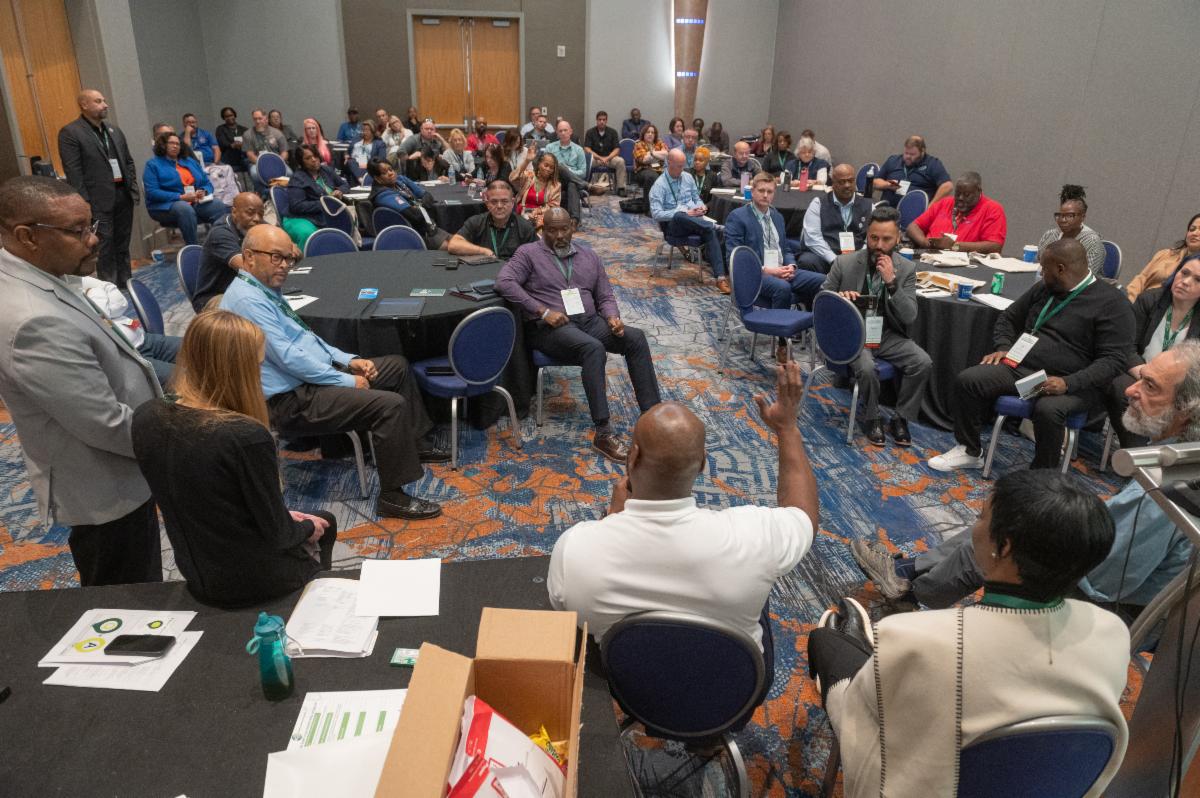
| | TWC's National Transit Workforce Conference — Making Connections 2022 and 2024 | | In late 2022 and 2024, TWC organized Making Connections — The National Transit Workforce Conference to provide industry stakeholders, from frontline workers to CEOs, with the opportunity to gain fresh insights, skills, and perspectives on critical topics in transit workforce development. Hundreds of attendees from across the country participated in interactive workshops and intensives, as well as issue-based plenaries, on critical challenges, best practices, skills development, and collaborative initiatives. Sessions covered the full range of industry needs for strengthening today’s and tomorrow’s frontline workforce, facilitating connections and learning that support frontline workforce development, helping to ensure transit continues to safely and efficiently move and connect the communities it serves throughout the country. | | Since TWC’s launch in September 2021, it has engaged over 13,000 participants through its hosting of or participation in industry events, including the 2022 and 2024 Making Connections conferences. The TWC team has addressed 803 targeted technical assistance requests from transit agencies and partners, with an average response time of two business hours. TWC's website, TransitWorkforce.org, has received more than 230,000 views, including over 30,000 views of the Frontline Worker Recruitment Campaign and related pages. | | |
TWC team members frequently travel to industry events around the country to present, share resources, and engage with industry stakeholders. To request TWC's participation in an event, please send an email to twc@transportcenter.org. Here are some examples of where the TWC team has been and what they have been doing off-site and online:
May
-
Karitsa Holdzkom facilitated a session at the Virginia Transportation Association’s Annual Conference in Richmond, VA. The session titled “Accelerating Transit Workforce Development: Building Successful Apprenticeship and Mentorship Programs in Virginia” spotlighted strategies, practical tools, and success stories that transit agencies can use to address workforce shortages and build sustainable talent pipelines.
-
Stu Bass, Jason Macumber, and Kristen Ribaudo led a day-long workshop at the Transportation Association of Maryland (TAM) Maintenance Forum in Ellicott City, MD. The session focused on technician training and workforce development, directly supporting TAM’s mission to strengthen community transportation across Maryland.
-
Maurice Beard and Karitsa Holdzkom held a virtual ATTAIN Bus Maintenance Apprenticeship Meeting focused on the value and impact of bus maintenance apprenticeships. Presenters during the panel discussion and the subsequent interactive Q&A session emphasized the importance of strong collaboration between management and labor, with both sides working together to maintain the program’s strength.
June
-
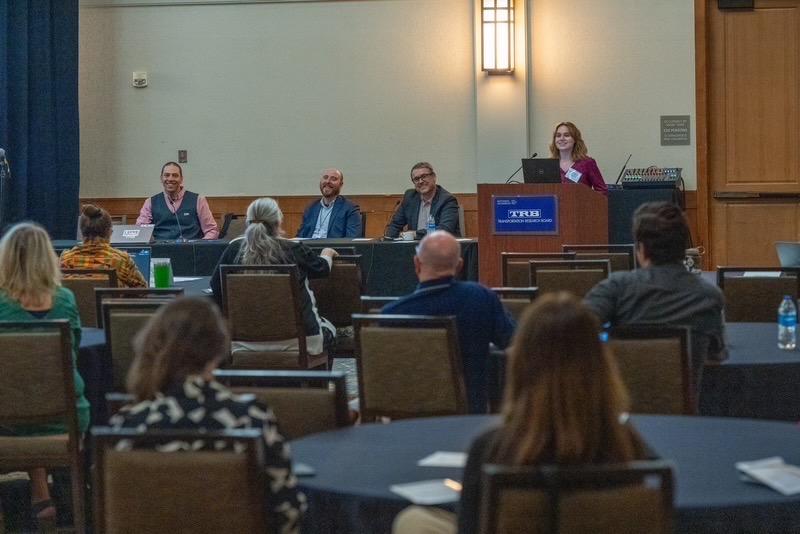
Michaela Boneva, Shayna Gleason, Karitsa Holdzkom, and Douglas Nevins presented on TWC resources, apprenticeship, mentorship, and transit workforce metrics at Transportation Research Board’s National Summit on the Future of Transportation Workforce in Westminster, Colorado.
-
Maurice Beard and Kristen Ribaudo led a session at the Community Transportation Association of America’s (CTAA) Expo in San Diego. The session “Foundational Skills Curriculum for Successful Career Pathways—Filling Skills Gaps in Technical Positions,” highlighted TWC’s Foundational Skills Program, a new initiative designed to address skills gaps and support long-term success for transit workers nationwide.
-
Maurice Beard and Kristen Ribaudo delivered workshops covering TWC’s Mentor Training and Train-the-Trainer programs at the 2025 Transit Retreat in Des Moines, IA. The sessions provided an overview of the programs and their impact in assisting with the development and support of frontline leadership, effective training, and enhanced workforce performance.
-
Jason Macumber shared his expertise at the 2025 Northeast and Midwest Joint Equipment Management Meeting in Indianapolis, IN. Jason presented on strategies transit agencies can practice to train technicians and address the practical challenges regarding the frontline workforce’s preparation for fleet transitions.
-
Jack Clark, Jason Macumber, and Kristen Ribaudo traveled to San Francisco to present at the American Public Transportation Association’s 2025 Rail Conference. The team discussed TWC’s new Foundational Skills Program and shared innovative workforce development strategies with APTA Committees, emphasizing the power of collaboration in building and sustaining a strong transit workforce.
-
Maurice Beard co-led a session in Tampa, FL, titled "Apprenticeship Program Primer" at the 2025 Florida Public Transportation Association/Florida Department of Transportation/Center for Urban Transportation Research Professional Development Workshop. The workshop provided an overview of apprenticeship and mentorship programs.
-
Julie Deibel-Pundt, Amri Joyner, Brandon Liu, and Arnett Powell delivered two Train-the-Trainer Level 1 sessions to Hampton Roads Transit (HRT) in Norfolk, VA, and Bi-State Development Metro Transit (Metro) in St. Louis. The courses included seasoned instructors from various departments with varying levels of classroom and hands-on training, as well as field experience.
July
-
Maurice Beard and Research Associate Michaela Boneva presented at two sessions during the 2025 Southwest Transit Association (SWTA) Summer University in New Orleans. In the NextGen track session “Unlocking Transit Success: National Resources, Tools, and Support,” Maurice and Michaela discussed key elements of successful workforce programs, while “Metrics that Make the Case for Frontline Workforce Development Initiatives—Mentorship and Beyond” detailed how to effectively track and document mentorship program impacts.
-
Maurice Beard and Karitsa Holdzkom held a virtual ATTAIN Bus Operator Apprenticeship Meeting, which offered peer discussion and support and focused on the operation and impact of bus operator mentorship and apprenticeship programs. The meeting ended with a lively Q&A session with presenters answering various questions on starting mentorship, implementing a program, and customizing it to fit agency structure and needs.
-
Frank Burnett and Brandon Liu delivered a week-long Train-the-Trainer Level 1 session at the Southeastern Pennsylvania Transportation Authority (SEPTA) headquarters in Philadelphia. The session consisted of six trainers with varying levels of classroom, hands-on training and field experience.
August
-
Frank Burnett and Kristen Ribaudo facilitated an open-enrollment Train-the-Trainer Level 1 session in Tacoma, Washington. The week-long session included participants from transit agencies across the country coming together to strengthen their skills as trainers through hands-on activities, collaborative discussions, and practice facilitation sessions.
| | The Transit Workforce Center is FTA’s technical assistance center for frontline workforce development, operated by the International Transportation Learning Center. For any technical assistance requests, contact us at 1-855-888-NTWC or twc@transportcenter.org. | | See what's happening on our social sites: | | | | |