The Jewish community is not the only one creating space for grief during this late summer month. Ten years ago on August 5th, the deadliest massacre of Sikhs in the United States happened at a Sikh gurdwara in Oak Creek, Wisconsin. Devastatingly, seven members were taken from the community that day and ten years later, the community continues to grieve in their absence. Sikh tradition meets difficult times with the concept of Chardi Kala – a state of being fully present in times of deep trauma and pain. The Remember Oak Creek project, started by The Sikh Coalition and The Revolutionary Love Project, wants the community to “remember the resilience and courage of those who rose up in the face of trauma and terror in Chardi Kala – even in darkness, ever-rising spirits.” In her piece called, “A Story of ‘Chardi Kala,’” Valarie Kaur describes Chardi Kala as, “an energy that keeps us in motion, a breathing that keeps us laboring, even inside pain. Chardi Kala is how we labor in love.”
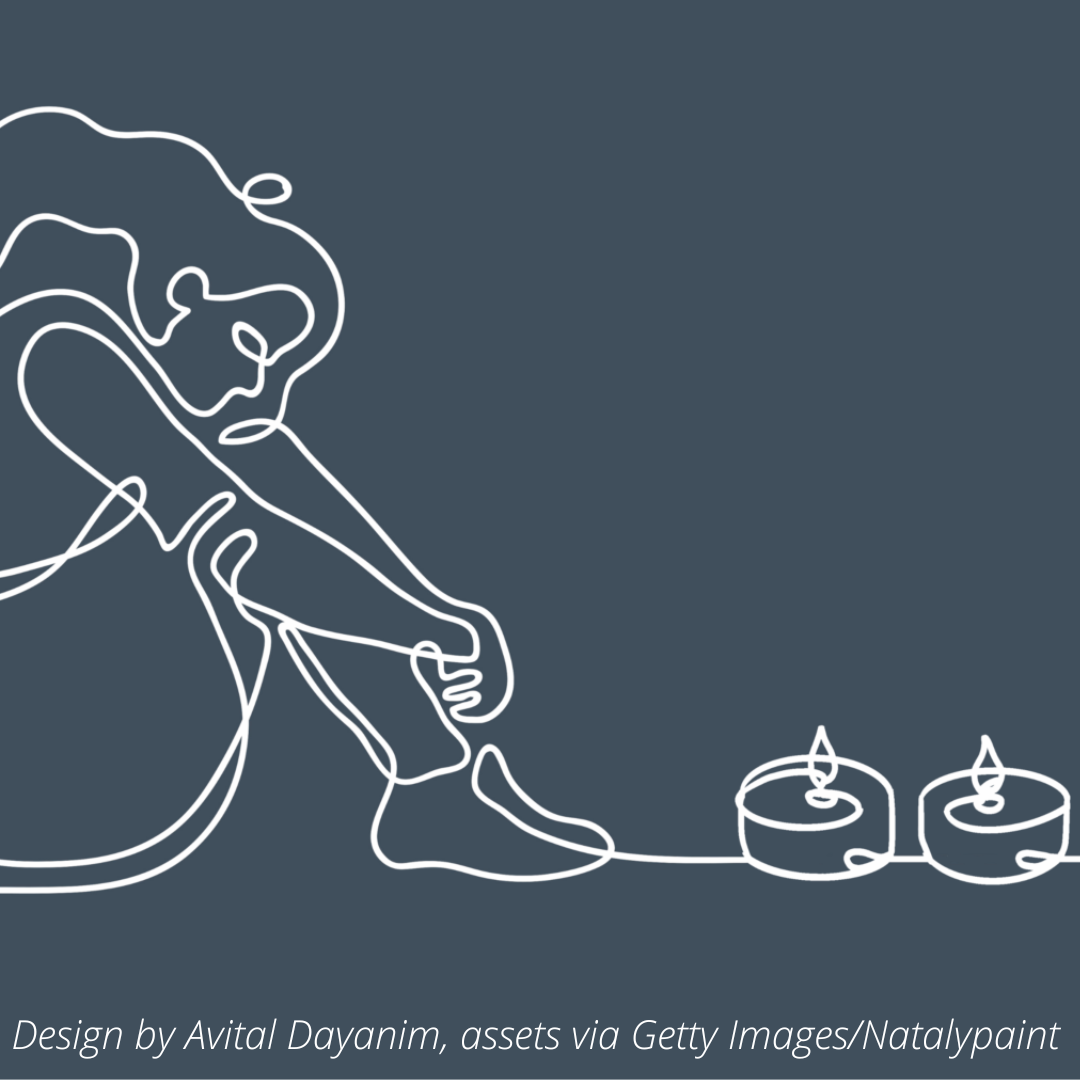
In a time of immense tragedy, the Oak Creek community modeled an invaluable lesson– that healing starts by facing and acknowledging pain. We join the Sikh community in mourning the loss of those seven lives 10 years ago and by engaging with the brokenness that appears in the world around us by remembering the destruction commemorated in Av.
What does it look like to “labor in love” and make space for brokenness in organizational culture?
Take a moment to reflect:
- Which emotions are generally encouraged or discouraged in communal workspaces?
- How does your workplace react to tough topics?
- Do you feel safe bringing your authentic self to work during difficult times?
Psychological Safety is defined as a team climate characterized by interpersonal trust and mutual respect in which people are comfortable being themselves. A psychologically safe environment must include space to grieve when necessary, whether on an individual level or a communal one; it is one that welcomes space for feeling emotions at work, is not afraid of difficult or uncomfortable situations, and is proactive in learning how to support their community in times of joy and sorrow.
Of course, creating responsive, supportive organizational culture doesn’t happen overnight. It requires a team of community members and leaders who are willing to put in the powerful, radical work necessary to push the boundaries of what we’ve been told about ‘keeping our emotions at home.’ Perhaps this Av can serve to remind us how important it is to make space for the brokenness we experience in our lives and the world, even in the workplace.