The Durable Vet Brief

Lunch is on the schedule, but who’s covering it?


You packed lunch. You put it in the fridge before your first appointment. At noon, you were already running behind. At 1p.m., someone needed you for “one quick thing.”


Now it’s 3 p.m. You’ve told a coworker to go eat, and you still haven’t touched your own lunch.


How many days in a row can lunch be an exception before skipping it is just how your clinic operates?

(Something for leaders to think about)

Look at what happens around noon. Who handles the callback while you’re away? Who answers the routine questions? If your first window disappears, who helps you find the next one?


When nobody knows the answers, the person who needs the break has to negotiate it in the middle of the busiest part of the day.

Try this for two shifts


Start a buddy system and pick two people who can cover for each other. Agree on three things before the day gets busy.


  • When each person will step away. Pick a realistic window for each of you to sit down and eat.
  • What coverage means. Name who handles routine questions, calls, or handoffs, and what needs to interrupt the break.
  • What happens when the schedule slips. Pick a backup window and have the person covering check in when it comes up.


You can start with one sentence: “I can cover you at 12:30. Can you cover me at 1? If we’re still tied up, let’s check in at 1:30 and reset.”


After two shifts, ask: Did both people get a chance to eat? If one didn’t, what got in the way? If the same bottleneck shows up both days, bring that specific problem to your team lead. It gives you something concrete to change before the next shift.

This is the kind of work we’ll dig into in the first Project Vetspan cohort, kicking off March 4, 2027. You’ll test one change in your own workday, get coaching on what gets in the way, and identify a practical first step for your team. Join the cohort interest list to hear when enrollment opens. Space is limited.


-Small group

-4-weeks

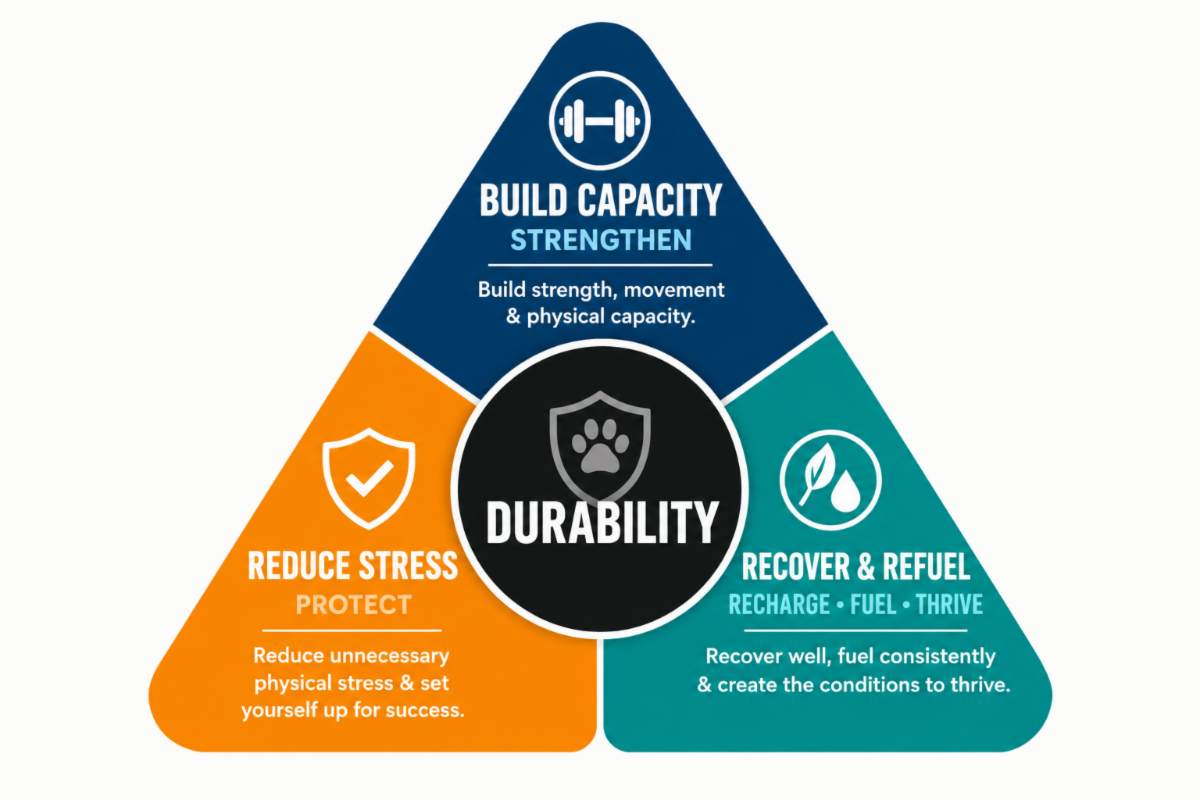
-Ergonomics, fueling, stress reduction, recovery, and movement

-Implementation-focused, not theory-heavy

-Practical physical and emotional wellbeing tools

-Strategies for you — and your team — to thrive in veterinary medicine

Rapid Rounds:

Protein tips for veterinary professionals

In veterinary medicine, long shifts and demanding workloads make it easy to put nutrition on the back burner. In this Rapid Rounds episode of The Resilient Vet: Mind and Body Strategies for Success, cohost Aaron Shaw, OTR/L, CHT, CSCS, shares 5 practical protein tips in 5 minutes, covering how protein supports strength and energy, helps with hunger, and can fit into even the busiest clinic days.

Stay strong,

— Aaron


Aaron Shaw, OTR/L, CHT, CSCS

Founder, Project Vetspan


P.S. To learn more about physical and emotional durability training for your team, schedule a call with me here.

New Here?

You may have missed these previous resources:

✓ Veterinary Ergonomics Checklist

✓ Veterinary Clinic Fueling Tips

✓ 3 Exercises for a Stronger, More Durable You

✓ Before Your Next Surgery


Need a copy? Simply click the links or reply to this email and I'll send it your way.

Project Vetspan | 6208 Treestead Ct | Fort Collins, CO 80528 US

Constant Contact