|
In the past few months, we’ve heard a lot of misinformation, questions, and frustration around waste and recycling so let’s talk TRASH! To start, we’ll share a brief overview of the regional “trash-landscape” and in future newsletters, we’ll dive into local processes and overall recycling. This is an incredibly complex topic, so if you are interested in learning more, particularly the pros and cons of waste-to-energy facilities, click here to read our full blog post.
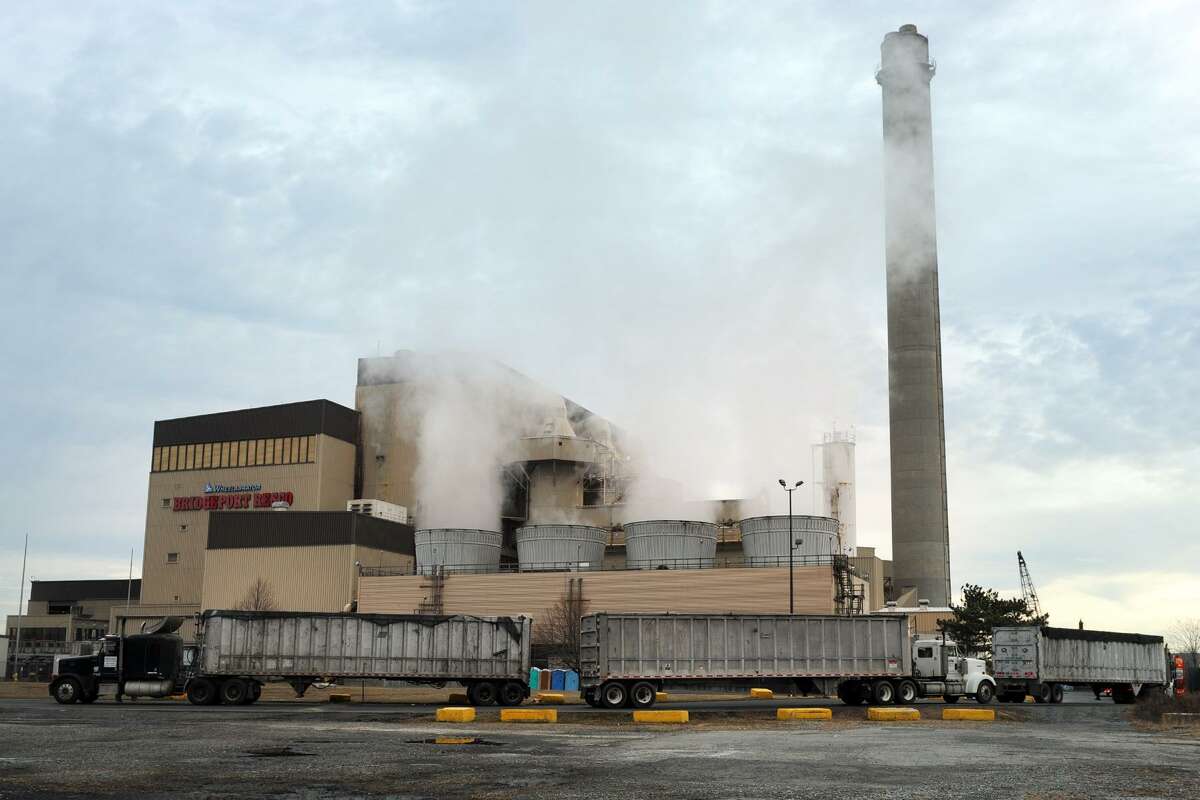
Have you ever wondered, as you observed the smoke billowing out of the striped stacks driving through Bridgeport on the south side of I-95, “What are they burning over there”? It’s our trash! What you are looking at is Wheelabrator Bridgeport, a waste-to-energy facility, that is the recipient of all of Westport’s “post-recycled trash” (more on that term in months to come).
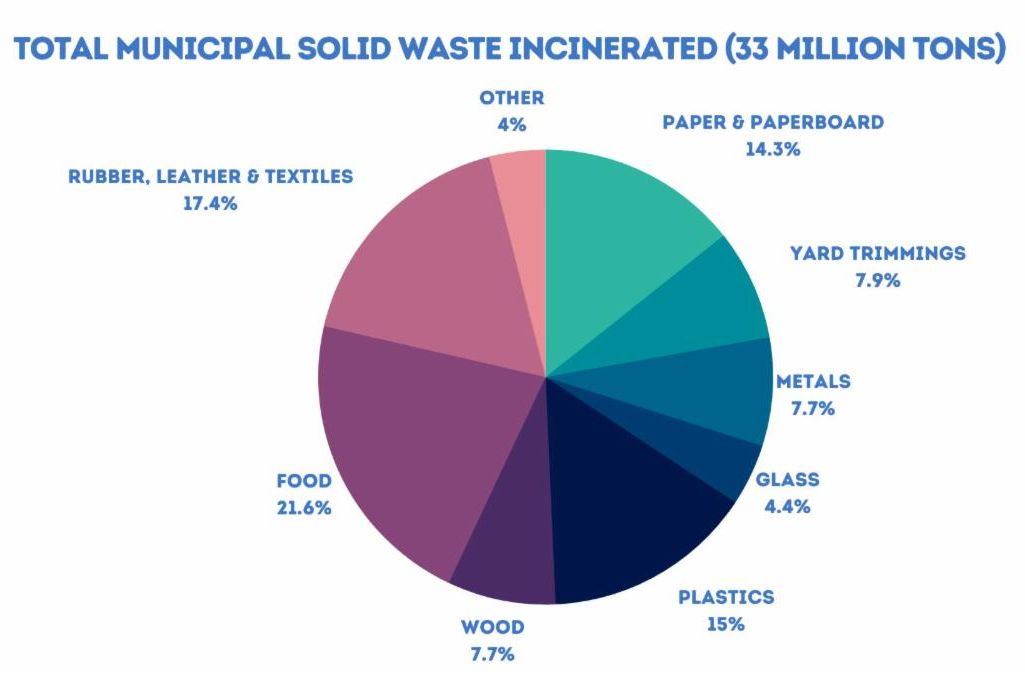
In the mid 1980s, as landfills around Connecticut began to exceed their capacity, the State of Connecticut started an initiative to close the landfills and divert the waste to newly built or converted incinerator facilities. These “waste-to-energy” plants use the same basic process as fossil fuel plants, with one critical difference: instead of burning oil or coal they burn your trash! The heat produced from combustion creates steam that is pushed through a turbine to produce electricity.
There are currently five operating waste to energy plants in Connecticut, including Hartford (MIRA) which processes about 35% of the state’s waste, and Wheelabrator, which processes about 28% of the state’s waste. Critically, MIRA is slated to close permanently THIS summer after facing significant economic challenges.
Connecticut produces 2.4 million tons of waste per year, with an average of 1,600 pounds per person per year (consistent with the national average)! Of that total, waste-to-energy facilities in Connecticut process 1.4 million tons while the rest (almost 1 million tons) is shipped via truck out of state for deposit in landfills in Ohio, upstate New York, and Pennsylvania at significant cost to taxpayers, with increased use of fossil fuels and production of CO2.
With the impending closure of the MIRA plant in Hartford and subsequent strain that will place on Wheelebrator, and continually increasing waste due to lack of composting and proper recycling, Connecticut finds itself in a “waste crisis.”
So what can you do?? REDUCE, REUSE, RECYCLE and DIVERT FOOD WASTE.
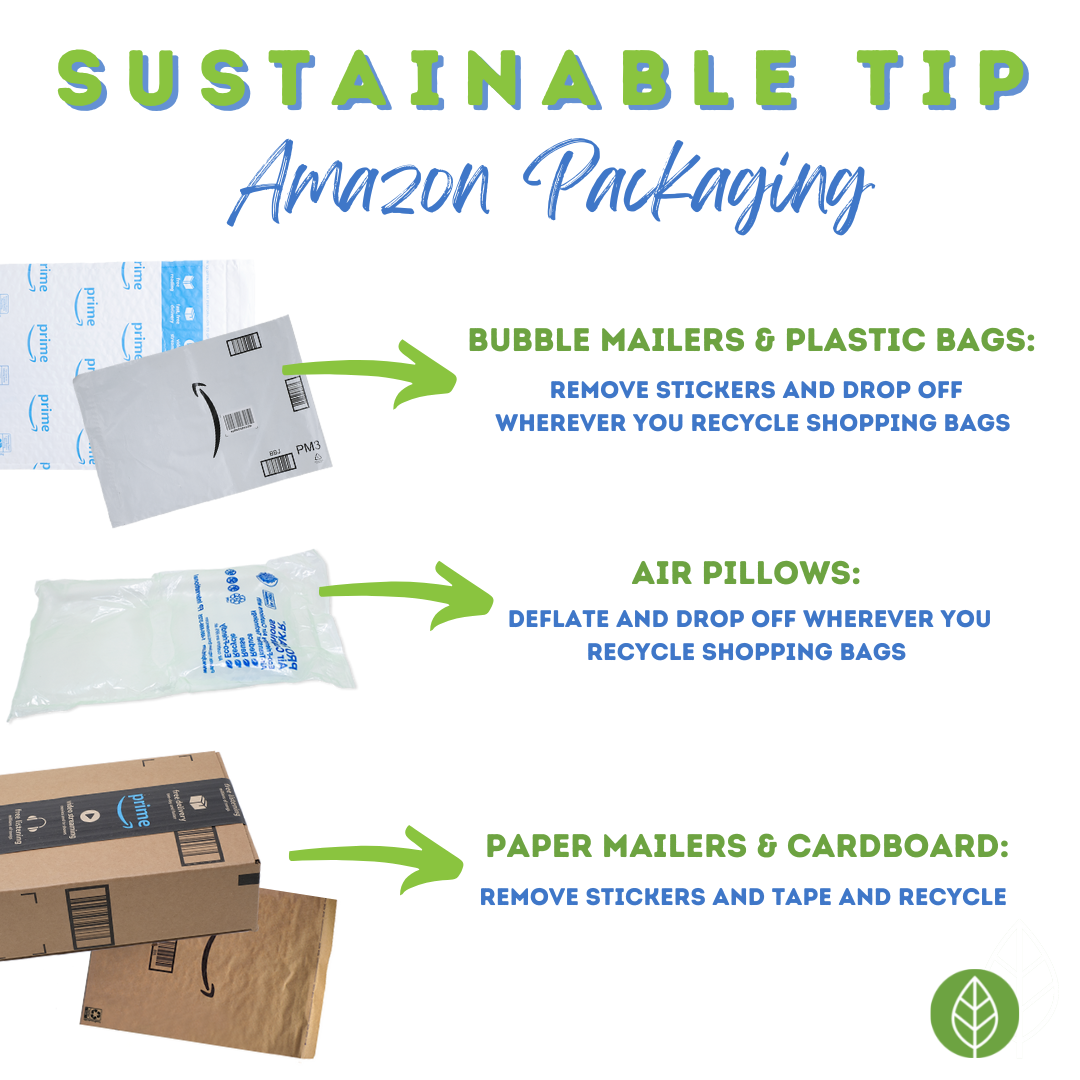
Remember learning that adage in school? It really can be that simple! Be thoughtful in your purchasing and favor reusable over disposable (even if it requires a bit more money or personal energy). Repair broken items instead of tossing them away. And the great news is that Westport has a number of programs currently in place to assist and support your efforts to reduce overall waste:
|