Wednesday Weblog for January 14, 2026 | | |
“The key to learning is feedback.
It is nearly impossible to learn anything without it.”
– Steven D Levitt
“Average Players want to be left alone.
Good players want to be coached.
Great players want to be told the truth.”
– Doc Rivers
“Feedback is a free education to excellence.
Seek it with sincerity and receive it with grace.”
– Ann Marie Houghtailing
“If we shield ourselves from all feedback, we stop growing.”
– Brené Brown
“The best feedback is what we don’t want to hear. “
– George Raveling
| | Leading Off: The Gift That Keeps on Giving | | |
Recently, I was coaching someone who didn't want any part of feedback. I felt sorry for them and the experience reminded of one of my annual Weblog topics: Feedback.
If you’ve been reading these Wednesday Weblogs for a while, you might remember the story I shared every year about feedback, a Texaco gas station, and a Regional Vice President who changed the direction of my career in about seven uncomfortable seconds.
If you’re new, you’re about to read a story that may quietly follow you into your next meeting, your next performance review, or your next difficult conversation. And if you’ve read it before, this is one worth revisiting. Because feedback is funny that way, we don’t really “get it” the first time many times. We get it again… and again… and again—each time from a slightly perspective.
We are all good at something, and feedback helped us get there. Some of us are good at many things, and feedback helped us get there too. The single fastest way to improve remains unchanged: get feedback. And yet few people are good at giving it, and fewer still are good at receiving it. That paradox alone has probably stalled more careers, strained more relationships, and capped more potential than any lack of talent ever could.
| |
When I led teams, every year during Performance Review Season, I tried to give everyone the same small booklet. It was my quiet attempt to help people get better at receiving feedback—not just surviving it.
Some people leaned in and grew. Others were, as I often say, the “smartest person in the room.” They rejected feedback, reframed it, dismissed it, or defended against it. In my opinion, that is one of the most expensive career decisions a person can make—not just financially, but emotionally, relationally, and professionally.
That brings me back—again—to a Texaco gas station on the Ventura Freeway.
| | Teachability is the Real Career Advantage | | |
This happened in the 1980s. I was the Regional Operations Director for a national restaurant chain. My territory covered Central and Southern California—56 restaurants, millions in revenue, and thousands of employees. Los Angeles, Santa Barbara, Bakersfield, the High Desert north of LA, I lived in my car.
Over 50,000 miles a year. If you drive that much, you learn to respect a full tank of gas the way sailors respect the horizon. This was also in the pre-GPS days. Can you imagine?
| |
A few months into the role, my Regional Vice President scheduled a full Store Tour Day. That’s industry shorthand for visiting a dozen locations in one day, meeting managers, inspecting operations, talking promotions, solving problems, and trying to look smarter than you feel.
We left Santa Barbara around 7:00 a.m., drove into Los Angeles, visited store after store. Late that night, heading back, I pulled into my usual Texaco station in Camarillo. Card in the visor. Receipt envelope between the seats. Same pump. Same routine. Full tank for tomorrow.
As we pulled back onto the freeway, the RVP said, “After spending the day with you, I’ve identified what you do best.” I sat up a little straighter. “Getting gas,” he said. Then the part that really counted: “Unless you get a lot better at a lot of other things, you’re not going to make it.” That’s feedback you don’t forget.
| | |
Usually, when I share this story, the focus was on how feedback accelerated my career. This year, something new stands out. The feedback itself didn’t change me, my relationship with feedback did. I didn’t argue. I didn’t explain. I didn’t defend. I listened.
Over the next six months, our one-on-one sessions stopped feeling like interrogations and started feeling like private training labs. He would challenge my thinking, I would try new approaches, and we would debrief. Gradually, my leadership improved. The numbers improved. The stores improved. The teams improved. A year later, when he was promoted and needed someone to run the San Francisco Region, he picked me, the guy who used to be best known for gasoline logistics.
Later still, when he moved into corporate leadership, I ended up running San Francisco and Seattle as Regional Vice President. There is no guarantee that accepting feedback leads to promotions. But there is one guarantee that rejecting it leads to stagnation.
| | |
Back then, I thought the lesson was that good leaders give tough feedback. What I know now is that great professionals create space to receive it.
The most frequent waste of talent I have observed in five decades of leadership is not lack of ability, it’s lack of teachability.
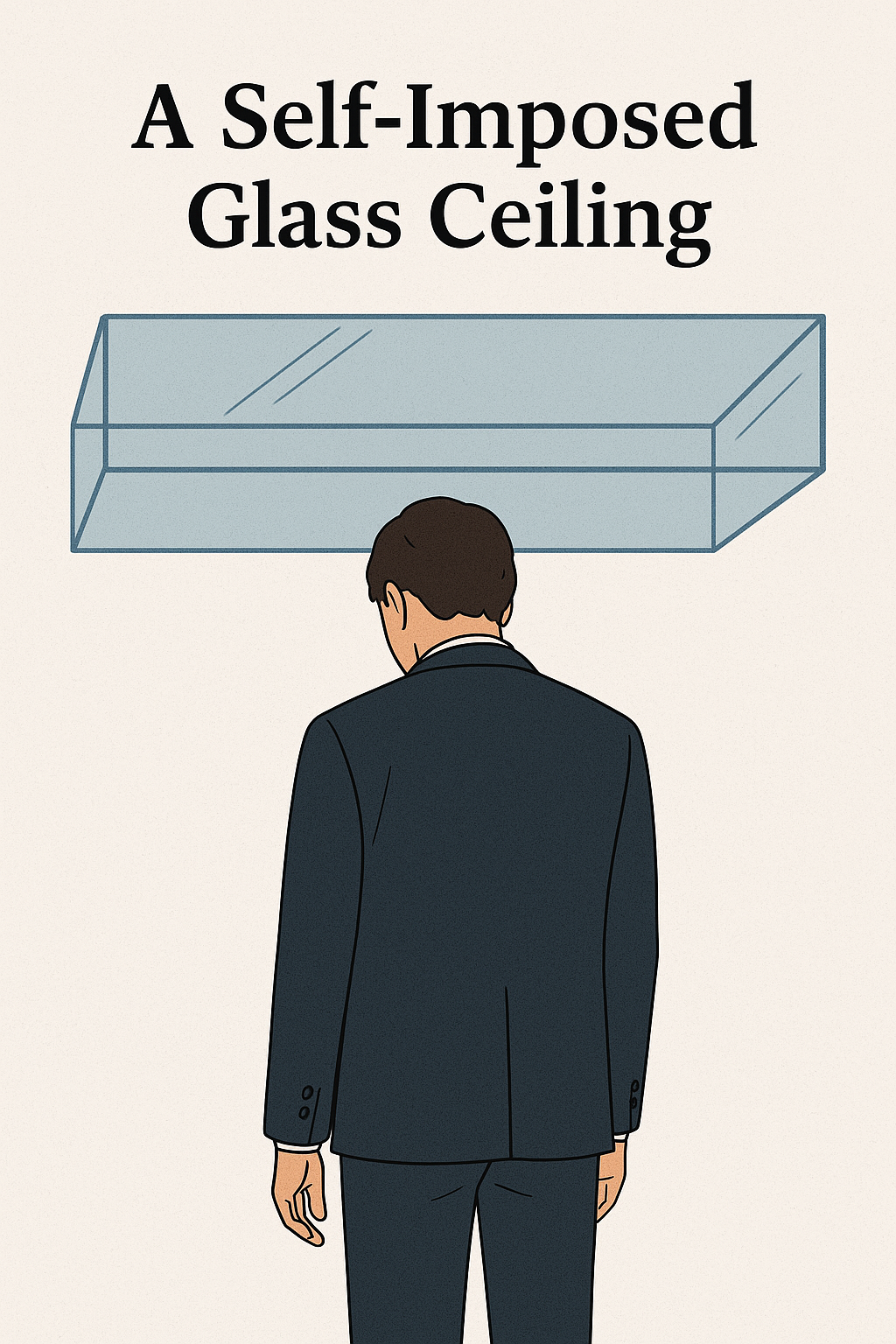
We talk about the glass ceiling as something imposed from above, but many people carry their own glass with them. They never hit the ceiling. They bring it.
| | |
I still teach what I call the Five P’s of the Feedback Loop, and I believe they’ve aged well.
Feedback begins with Performance: someone has to be paying attention. If no one is watching, find someone who cares. If no one cares, find someone who is watching. Either way, be visible.
Then comes Permission. Feedback works best when it’s invited. Asking for feedback doesn’t make you weak, it makes you coachable.
The moment you ask, you change the entire tone of what follows.
Next is Process, where most people struggle. Feedback must be heard, understood, and emotionally digested before it can ever be useful. You know when it lands, there’s a quiet little click.
Then comes Plan. If feedback doesn’t change behavior, it was just information, not development.
And finally, Progress. Someone needs to circle back and validate the change. Growth that isn’t verified often fades. And yes, your attitude about feedback impacts every single one of these steps.
Here’s what I didn’t understand in my early career: feedback doesn’t just change performance, it upgrades identity. At first, you improve because you’re trying. Later, you improve because it becomes who you are. Gas stations stop being the highlight.
| |
Last year, I ended this story by asking who you know that could tell you that the best thing you do is get gas.
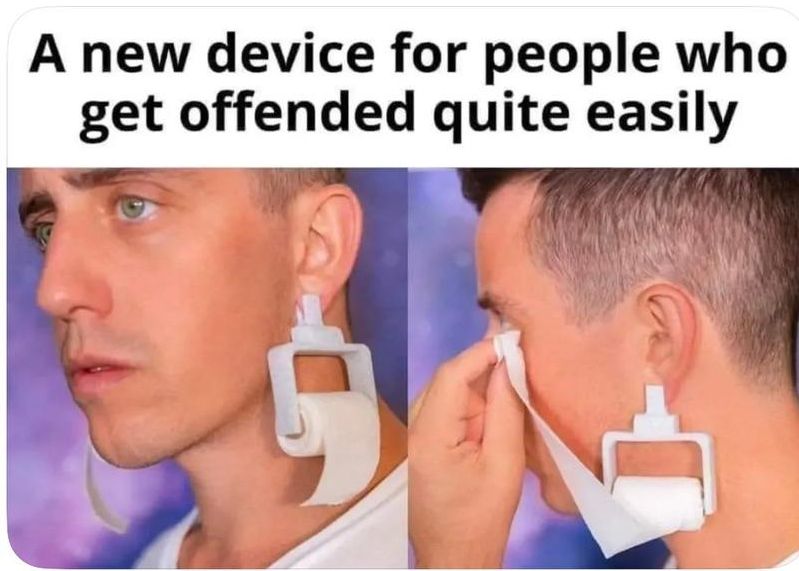
This year, I want to ask a different question: Who have you quietly trained to stop giving you feedback? Because we do that too—sometimes without realizing it. With defensiveness. With sarcasm. With explanations. With excuses. With silence. And once people stop giving us feedback, growth slows to a crawl.
My career wasn’t shaped by being told I was great at fueling up. It was shaped by not arguing with the diagnosis. Feedback is still a gift, it’s just rarely wrapped the way we’d prefer. And every time I pass a Texaco sign, I’m reminded: you never outgrow the value of someone who cares enough to tell you the truth… even when the truth stings a little at 65 miles per hour.
| | Surprise Photo at the End: | | Joe's Positive Post of the Week | | Join the Smart Subscribers | | If you are reading this on a social media platform, click below and you'll automatically receive a 'different' story every week on Wednesday. | | |
The Roll Call of states and countries where readers reside: Arizona, California, Colorado, Connecticut, Delaware, Florida, Georgia, Hawaii, Illinois, Indiana, Iowa, Kansas, Kentucky, Louisiana, Maine, Massachusetts, Michigan, Mississippi, Missouri, Montana, New Hampshire, New Jersey, New Mexico, New York, North Carolina, North Dakota, Ohio, Pennsylvania, Puerto Rico, Rhode Island, South Carolina, South Dakota, Tennessee, Texas, Vermont, Virginia, Washington and Washington DC, Wisconsin plus Canada, Conch Republic, Australia and the United Kingdom.
| | |
Ed Doherty
774-479-8831
www.ambroselanden.com
ed-doherty@outlook.com
Forgive any typos please.
| | | | | |