1964 Freedom Summer
60th Anniversary
| |
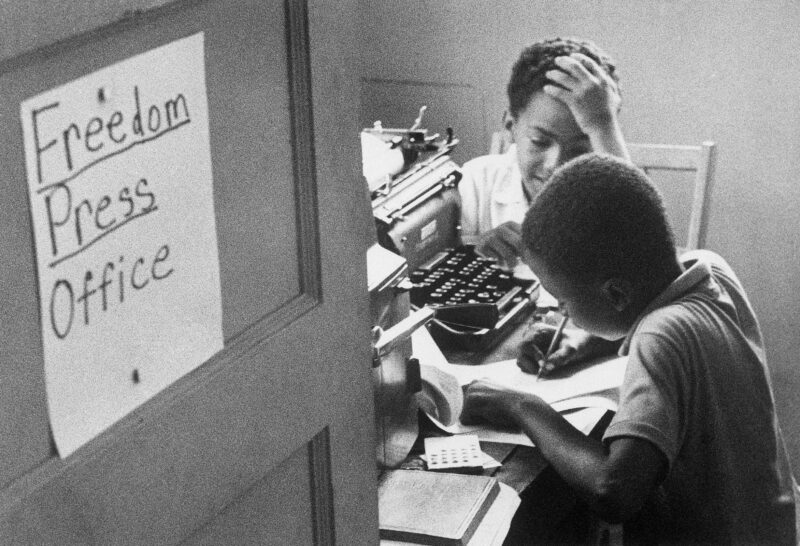
Young people at work in the Freedom Press Office in Hattiesburg, Mississippi. July 24, 1964. © Bettmann/Getty | |
This year marks the 60th anniversary of Freedom Summer, a voting rights campaign with lessons for today. Freedom Summer was organized by activists in the South to draw national attention to the white supremacist terror that denied African Americans their basic rights to education, fair labor, voting, land, assembly, safety, healthcare, and more. As explained on the SNCC Digital Gateway website, Freedom Summer was: | |
Ten weeks that comprised the “long hot summer,” centered around several goals: to establish Freedom Schools and community centers throughout the state, to increase Black voter registration, and to ultimately challenge the all-white delegation that would represent the state at the Democratic National Convention in August. | | |
|
In addition to Freedom Schools, the civil rights activists (most in their late teens or early 20s) organized voter registration, a legal committee, libraries, a motor fleet, the Mississippi Freedom Democratic Party, a WATS phone line, the Free Southern Theater, the Medical Committee for Human Rights, a system of daily check-ins to ensure everyone was safe, and much more. All without cell phones and email — and under the threat of state-sanctioned violence.
Below are resources to bring this history to the classroom.
| |
SNCC & Grassroots Organizing
Interpretive Booklet
| |
|
Take a minute to skim this beautiful free booklet that is full of stories and primary documents about SNCC and Freedom Summer.
The booklet is a companion guide for the SNCC Legacy Project series of free in-person and virtual events focused on the six themes at the heart of SNCC’s history of grassroots organizing: the organizing tradition, voting rights, Black Power, women and gender, freedom teaching, and art and culture in movement building.
| |
|
Teaching SNCC
By Adam Sanchez, Rethinking Schools Editor
| |
Mississippi teacher Cristina Tosto used this three-lesson unit with her high school U.S. history class. | |
|
We did the Teaching SNCC lesson, where students have a Student Nonviolent Coordinating Committee meeting to discuss plans and make decisions based on real historical events. I wish people could see how the kids were strategizing.
It was encouraging to me as a teacher to see my students understand the grassroots organizing of the Civil Rights Movement. They are not only learning history, they are learning skills that can be applied to real-life scenarios.
| | |
Freedom Schools
By Deborah Menkart and Jenice View
| |
The Freedom Schools of the 1960s were part of a long line of efforts to liberate people using popular education, including secret schools in the 18th and 19th centuries for enslaved Africans; labor schools during the early 20th century; and the Citizenship Schools formed by Septima Clark and others in the 1950s. | |
|
This lesson uses primary documents in a jigsaw format to introduce students to the history and philosophy of Freedom Schools. | |
Freedom on My Mind
Documentary Film
| |
|
Freedom on My Mind is a mesmerizing film, distinguished by its willingness to delve into complicated issues. It puts the Civil Rights Movement into the context of Mississippians’ daily lives. Winner of both the American Historical Association and the Organization of American Historians awards for best documentary.
Directed by Connie Field and Marilyn Mulford, the film is streaming online.
| |
|
Freedom Summer 60 Conference
Online | June 21–22
| |
|
Registration is free for this two-day virtual conference on Freedom Summer, hosted by the SNCC Legacy Project and the NAACP. The theme is: “Protecting the gains that we’ve made.”
The organizers note: “We want them to know that ours was more than theory and faith. It was more than uplifting rhetoric and freedom songs. It was pragmatic and tedious, dangerous and deadly, not only for us but more importantly for the locals who believed in us with their lives.”
| |
|
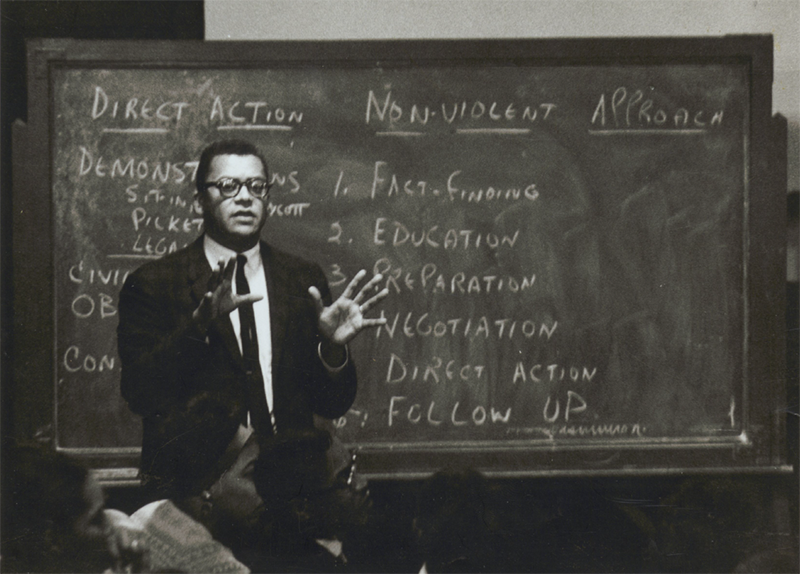
Rev. James Lawson, ¡Presente!
1928–2024
| |
We will not be quiet as long as our nation continues to be the most violent culture in the history of humankind. We will not be quiet as long as our economy is shaped not by freedom but by plantation capitalism that continues to cause domination and control rather than access and liberty and equality for all. — James Lawson, at the funeral for John Lewis, via Democracy Now! | | |
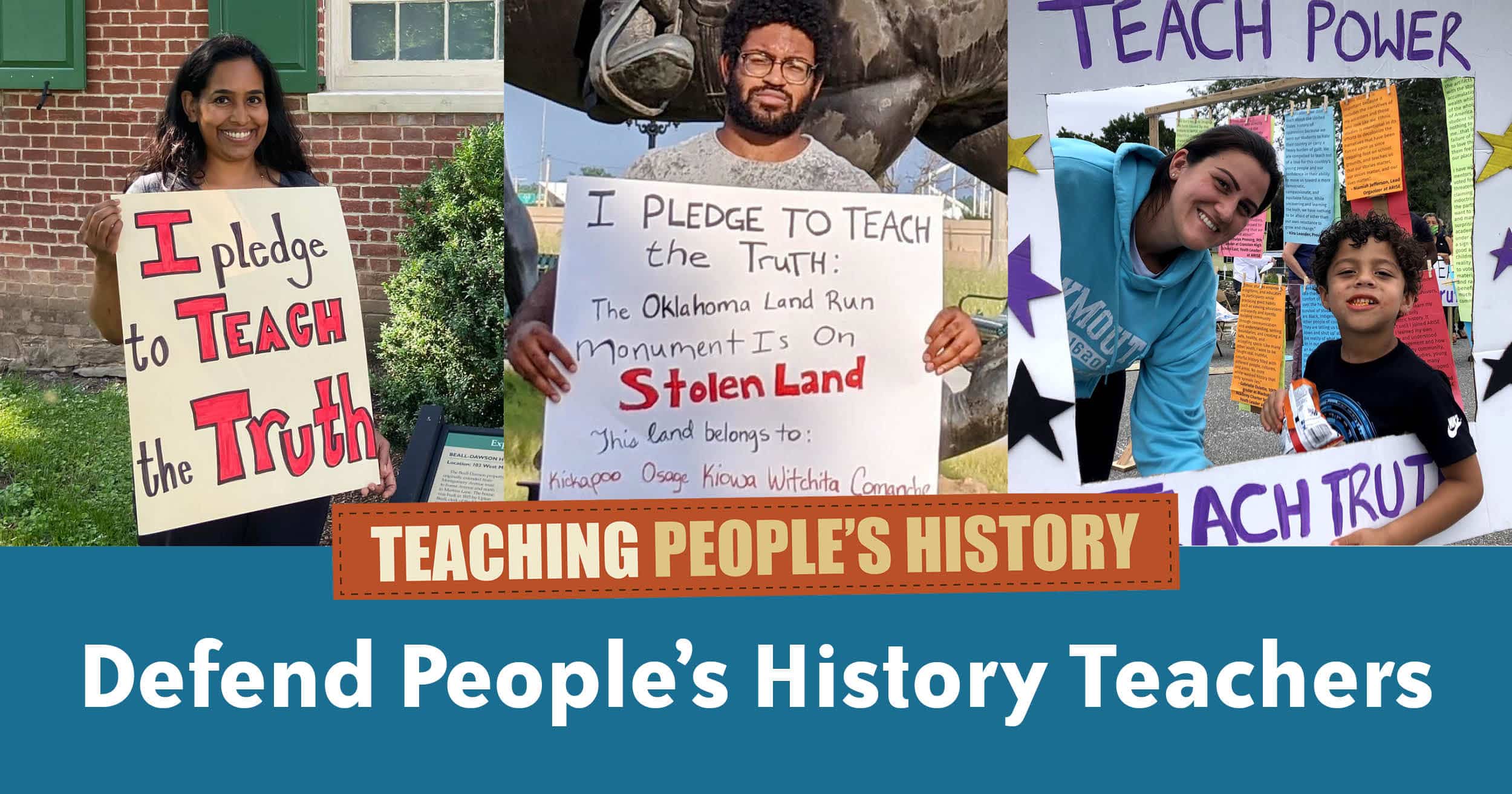
Teachers are under attack for teaching truthfully about U.S. history. Please donate so that we can continue to offer free people’s history lessons and resources, and defend teachers’ right to use them. | | | | |