|
It first came with some myth debunking: While youth crime has recently increased at alarming rates, people 17 and younger are not committing the majority of crimes in Memphis. Then, we came up with a list of community organizations, politicians and academics we could consult to get more context on the problem. All of that led to questions we posed to young people about what could be done to reduce crime.
You can read about the solutions they proposed in our resulting story, written by the student journalists in our workshop.
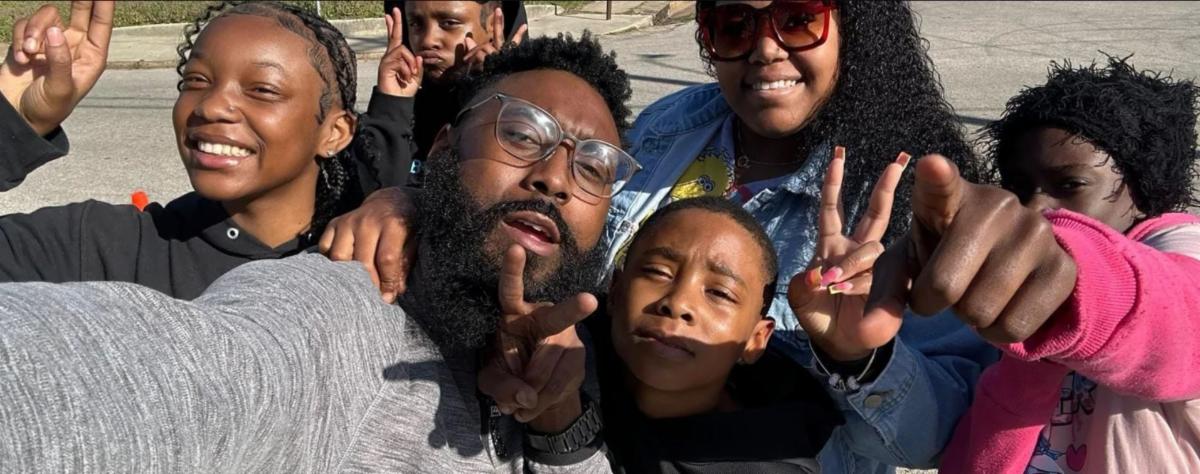
This was the first story that any of the student leaders had produced. It came amid weeks of learning about news literacy, interviewing techniques, news writing, photography, and crafting a story pitch. Along the way, we noticed a greater curiosity growing in their discussions about what it takes to go past surface-level answers to complex questions.
This is the second year that my fellow Memphis RFA corps members and I have led this workshop. We even had one student return to take the class again so he could sharpen his research and writing skills.
Not every journalist comes through a university journalism program. We want to create ways to expose this career to people who may not have access to traditional channels. And even if none of them pursue journalism professionally, they now have some news literacy, research and writing tools they can apply to any job.
And that is just as relevant to public service journalism as the stories we write.
|