|
Teaching with
New York Times
1619 Project
|
In August, the Zinn Education Project team, like many educators in our network, scrambled to get copies of
The 1619 Project.
The multiplatform effort by journalist Nikole Hannah-Jones and
The New York Times highlights the fundamental role slavery played in the United States' development by commemorating the year in which the first enslaved Africans were brought to the new Virginia colony.
Featuring essays on slavery's intimate entanglement with U.S. capitalism, health care, politics, cities, food, and music, as well as poetry and fiction by Clint Smith, Jesmyn Ward, Eve L. Ewing, and others, the 1619 Project persuasively affirms that the consequences of slavery
---- and the contributions of Black people
---- should be central to any story the United States tells about itself.
We agree.
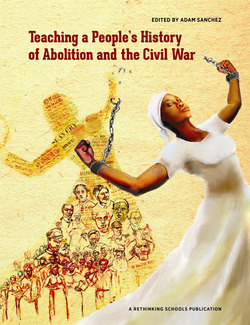
Below you will find several classroom-tested people's history lessons and articles on slavery's central role in U.S. history, its legacies, and the activists who ended it.
-
In The Color Line lesson, investigate how social elites encoded racial division in colonial laws to divide people who, if acting collectively, might threaten the status quo.
- Through role-play, upend the traditional narrative of the Constitutional Convention by including the perspectives of workers, enslaved people, and poor farmers, alongside those of the real participants ---- the white wealthy elite.
- Ask students to grapple with the startling fact that more than one in four U.S. presidents were involved in human trafficking and slavery as Clarence Lusane explains in this If We Knew Our History column.
- In The Poetry of Defiance, surface the many ways ---- creative, brave, bold, subversive, everyday, and extraordinary ---- that enslaved people resisted their own subjugation.
-
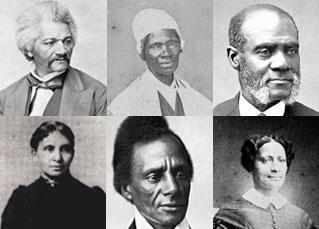
Bring to life the politics of anti-slavery and Reconstruction by asking students to consider both the dilemmas faced and radical possibilities carved out by activists during the 19th century. Critical to both of these efforts were Black abolitionists.
- The 1866 Civil Rights Act intended to prohibit policies that perpetuated the conditions of slavery for African Americans; it said that formerly enslaved people had the right to "purchase, lease, sell, hold, and convey real and personal property." Yet, this role play, based on Richard Rothstein's The Color of Law: A Forgotten History of How Our Government Segregated America shows how government policies denied African Americans their constitutionally protected rights to fair housing and segregated every major city in the United States.
- In How to Make Amends: A Lesson on Reparations students examine more than a dozen different reparative policies to help clarify their own beliefs about the appropriate context, goal, and form of reparations for historical injustices like slavery and genocide.
|
|
Critical Questions About the 1619 Project
|
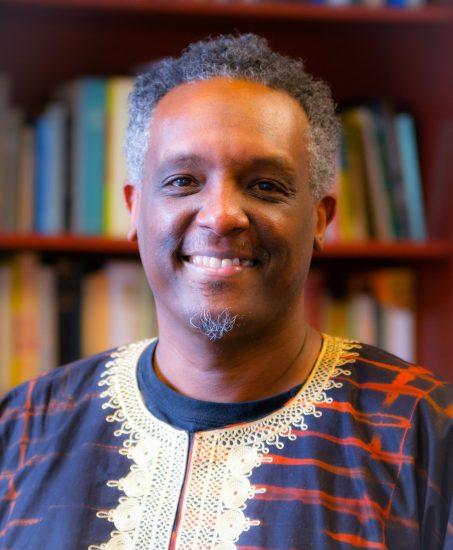
Professor of Africana Studies at Howard University, Gregory Carr, rightly highlights that the Project's 1619 origin story for Black history shapes what is asked, investigated, and learned. On Twitter, Carr quoted historian John Henrik Clarke: "If you start your history with slavery, everything since then seems like progress."
In a recent
WAMU podcast on the effect of the 1619 Project on how slavery is taught in the classroom, Carr elaborated some of the limitations he sees in both the point of departure and the scope of the 1619 Project.
|
|
150th Anniversary of the 15
th Amendment
|
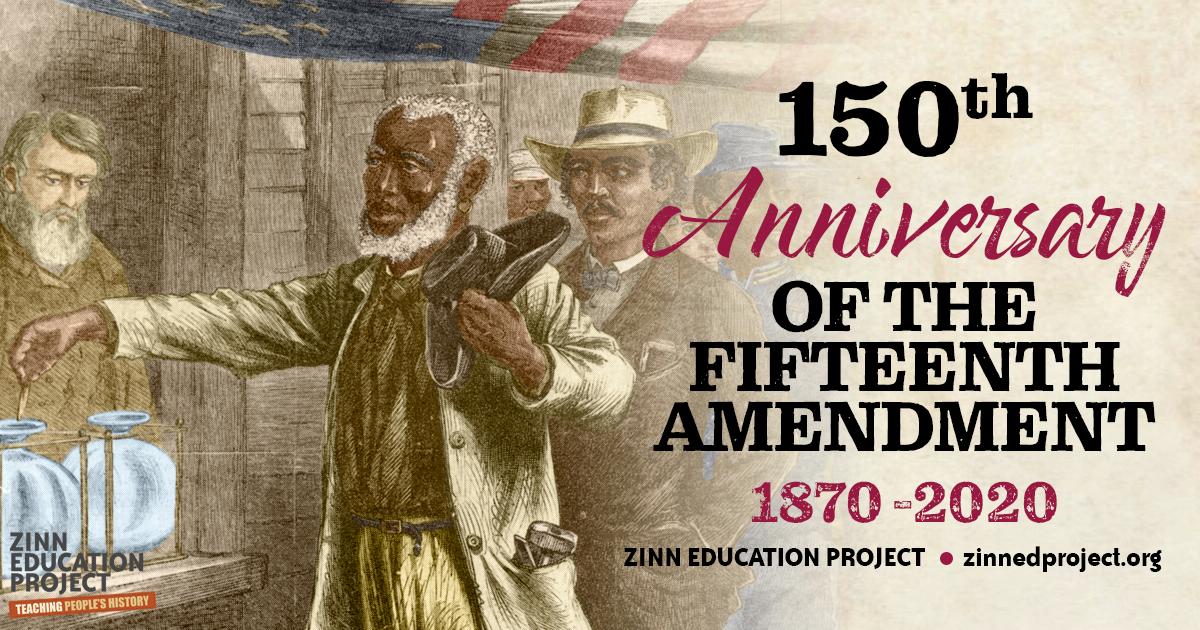
The 150th anniversary of the 15th Amendment is in 2020. This is an ideal time to teach about the long history of the struggle for voting rights and contemporary issues in voting. Toward that end, t
he Zinn Education Project and
Color of Change
are partnering on a campaign to teach about voting rights ---- in history and today. We've compiled a collection of background readings and resources for the classroom on the 15th Amendment. In January, we'll post
lessons on voting rights and a toolkit from Color of Change.
|
|
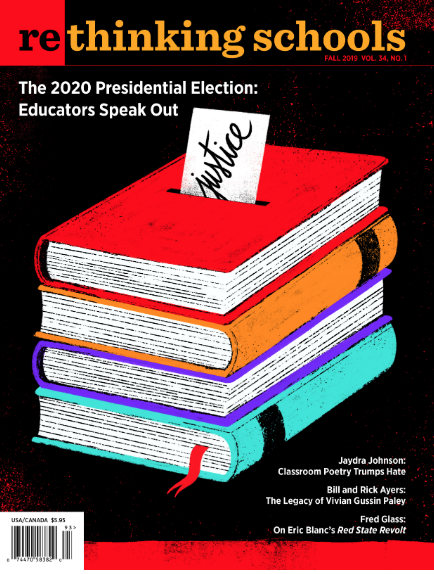
Rethinking Schools Magazine
VOLUME 34, NO. 1 - FALL 2019
|
|
Thanks to the support of dozens of individuals, we met the 2019 Giving Tuesday Match of $10,000 that was offered by Dave Colapinto, a former Boston University student of Howard Zinn's who defends whistleblowers.
Many people sent notes to explain why they were donating, including Stan Karp of Montclair, New Jersey:
"This is for my grandkids in hopes that their education will be full of the truth and inspiration that the Zinn Education Project provides."
|
Your support is needed to help more students learn people's history. 100% of Zinn Education Project funding comes from individuals like you.
Read what
teachers are saying and make your tax-deductible donation today.
|
|
|
|
|
&
|
|
PO BOX 73038, WASHINGTON, D.C. 20056
|
|
|
|
|
|
|