Welcome to this issue of Team Talk!

We’re glad you’re here. Each issue of Team Talk tries to give you something practical and a little energizing – something you can actually bring back to your team.


This quarter’s topic is gratitude. Not the greeting-card version, but the real, day-to-day kind that makes teams function better. We’ll dig into why gratitude matters at work, how two CliftonStrengths© themes, Positivity and Connectedness, show up in grateful teams and give you a hands-on exercise to try at your next meeting.


Whether your team is in a great groove right now or working through some challenges, this is a good time to think about gratitude. It’s one of the most meaningful things we can do for each other.

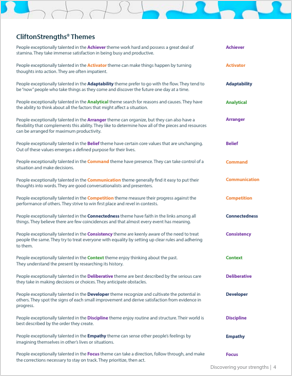
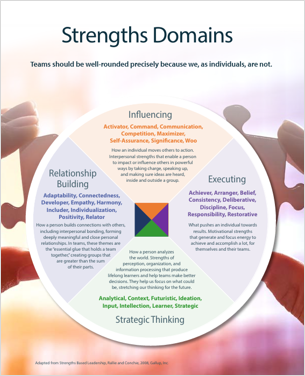
Need a refresher? Have your personalized Strengths Insights report handy and check out the Summary of talent themes (PDF) and Strengths Domain (PDF) resources before you continue.

Gratitude at work: Stronger teams start here

Showing gratitude to others is one of the best ways to strengthen your work relationships and boost your own happiness.


It’s easy to get into the habit of seeing strengths as ordinary instead of extraordinary. But the act of spotting and appreciating strengths deepens your connection with others because you are showing that you value who they are as a person. Here are some ways to challenge yourself when it comes to gratitude:


  • For coworkers: Make a habit of sending one message per week to tell other employees about an action they took that you are grateful for. Tie it to one of their strengths for even more impact. Remember that gratitude has a ripple effect - when you focus on the good, the good tends to grow. Nothing makes me happier than hearing that my maximizer strength gave a coworker the confidence to try something new.


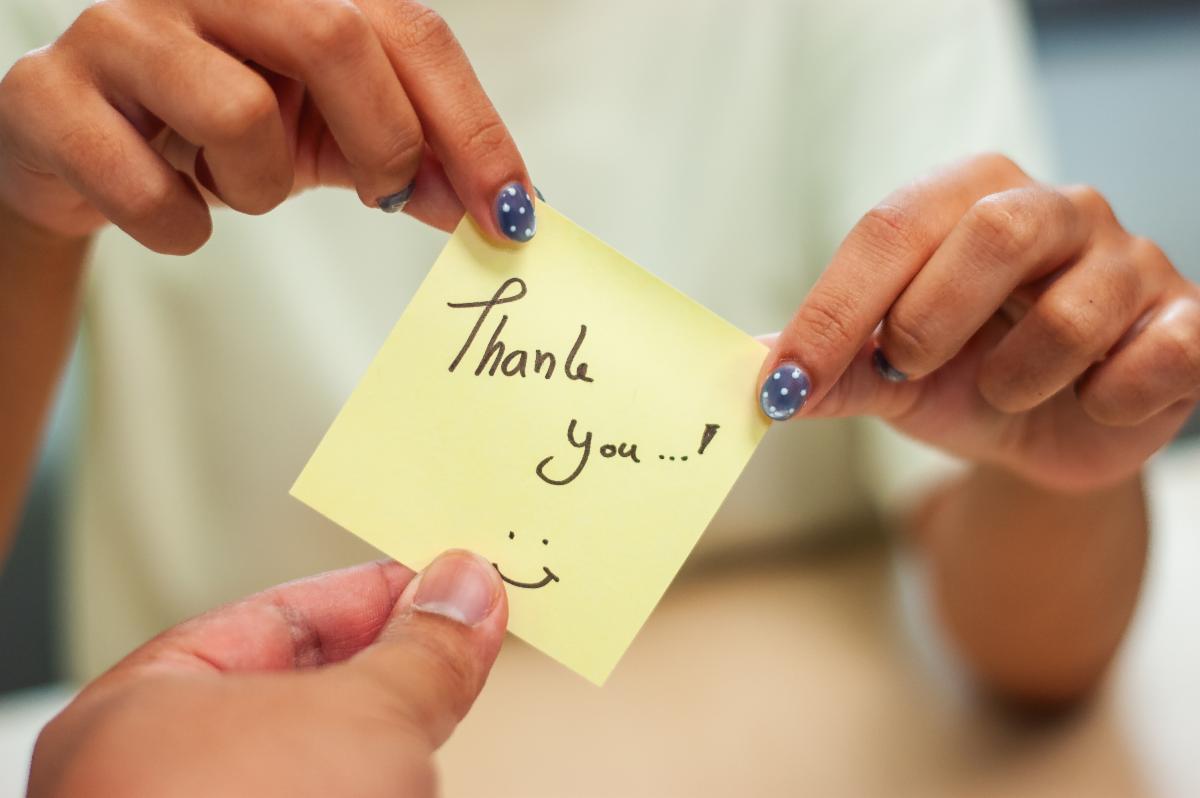
  • For yourself: Write gratitude thank-you notes. The simple act of writing about your gratefulness helps clear your mind of negative thoughts and can improve your mental health. During public service recognition week, I wrote thank-you notes to my entire team and experienced a boost in my own morale and motivation.


The good news? Gratitude is a habit, and habits can be built. It doesn’t require a big initiative or a formal program. It starts with one person deciding to notice and say something. Let that one person be you!

Strength moment: Gratitude in action

This quarter’s featured strengths are a natural pair when it comes to building a culture of gratitude: positivity and connectedness.

Positivity


People with strong Positivity have a gift for lighting up the room. They naturally notice what’s good, what’s working and what’s worth celebrating. On a team, they’re often the ones who say, “that went really well” or “I want to recognize what you did there.” This isn’t blind optimism; it’s an active, generous focus on the bright spots. For gratitude practices to take hold, you need people who can model and sustain energy.

Connectedness


People with strong Connectedness see the threads between people, moments and meaning. They understand that nothing happens in isolation; each person’s work contributes to something larger. When they express gratitude, it often sounds like, “What you did mattered, and here’s why and how it connects to the bigger picture.” That depth makes appreciation land differently. It becomes about purpose, not just performance.


Together, these two strengths push teams away from quick, transactional “good job” moments toward appreciation that actually means something – and that’s where culture starts to shift.

Don’t see yourself in these strengths? No worries.


Gratitude fits every strength profile. Relationship Building talent themes easily align with gratitude, but the other three domains recognize a job well done in their own unique way: 

  • Executing themes will notice when work is accurate and on time
  • Strategic Thinking themes will appreciate employees willing to learn something new that results in better decisions
  • Influencing themes will acknowledge others when their contributions help achieve successful outcomes


Take a look at your own top themes and think about how they might help you notice and name what’s going well around you.

Try this team exercise: Gratitude treasure hunt

We talk a lot about gratitude in this issue, but appreciation lands best when it’s specific and tailored to the person receiving it. That’s exactly what this exercise is built to do.


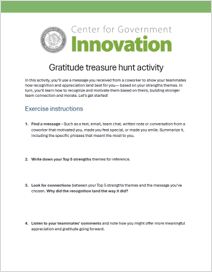
In public service, the work isn’t always glamorous, and a quick “thanks” can get lost in a busy week of meetings, deadlines and client requests. The Gratitude Treasure Hunt exercise (PDF) helps your team slow down and recognize one another in a way that actually resonates.


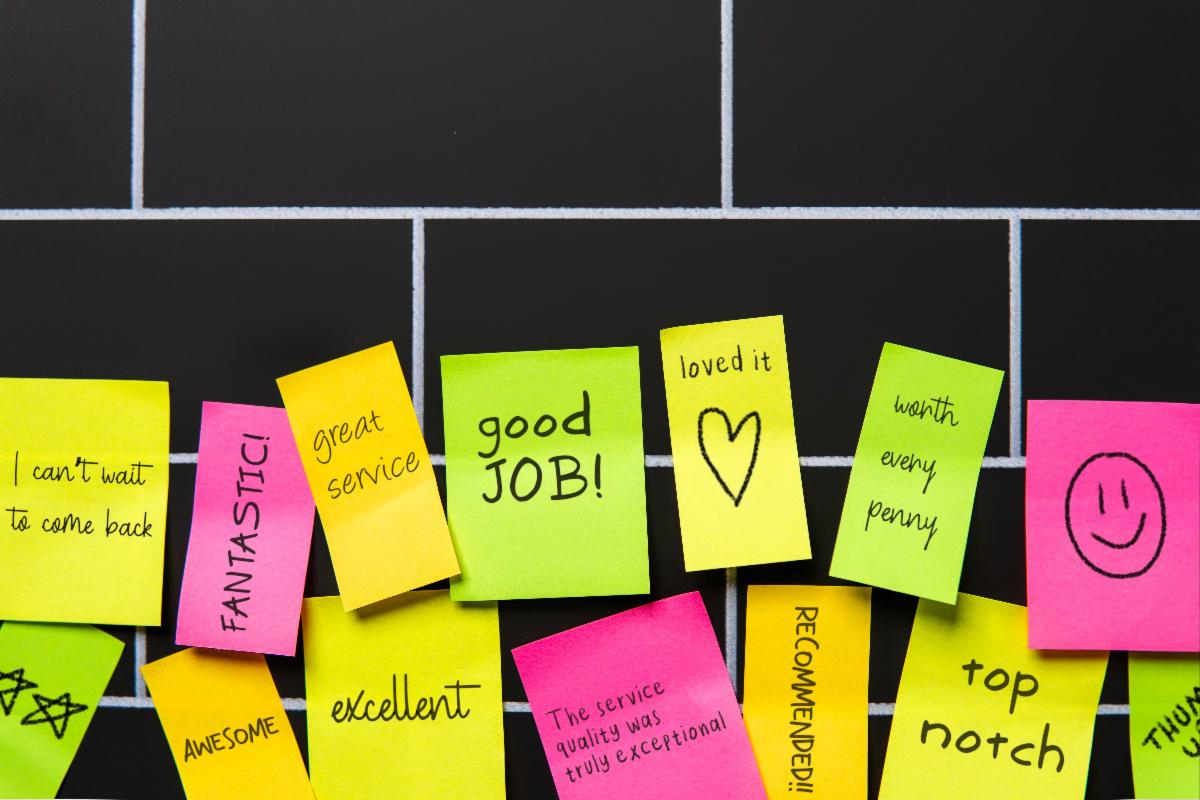
Here’s the gist: Each member digs up a message they’ve received from a coworker; an email, text, team chat, even a sticky note that made them feel valued or genuinely motivated them. Using your team’s Top 5 strengths matrix, the group explores why that message hit home, connecting the appreciation back to each person’s unique strengths. The result? Everyone walks away knowing how their colleagues most like to be recognized, and how to return the favor in a way that means something.

Leading with gratitude in mind

Gratitude isn’t just a feel-good extra—it’s one of the most powerful tools a leader has for building a team that thrives.


When appreciation becomes part of how we work, it shapes everything from morale to motivation.


Here are a few ways to keep gratitude front and center:

  • Lead by example. Gratitude is contagious, but it starts at the top. Make appreciation a consistent, intentional practice rather than a once-in-a-while gesture, and watch it ripple across the team.


  • Celebrate the small wins, not just the big stuff. Sure, the major milestones deserve a round of applause, but so does the everyday progress, the creative thinking and resilience your team shows when things get tough. Those moments add up.


  • Let your actions do some talking, too. Saying “thank you” matters but backing it up with meaningful gestures shows your team that your appreciation is the real deal. Surprise them with a coffee or a favorite snack and remember work milestones (and celebrate them!).


  • Build a culture where people feel valued. Getting the work done is important, but so is morale. When team members feel genuinely valued, the great work tends to follow naturally.


A little gratitude goes a long way – and the best part? It costs nothing but pays off in spades.

Resources

Gratitude treasure hunt activity (PDF)


Overview of the 34 CliftonStrengths© (PDF)

Strengths Domains wheel (PDF)

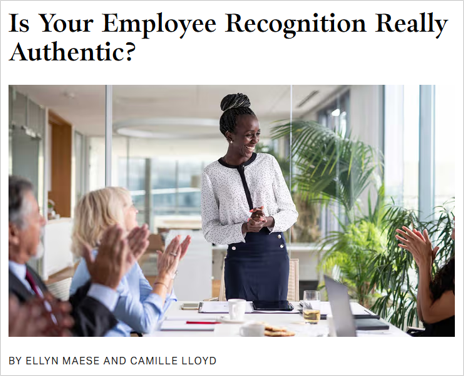
Gallup article: Is your employee recognition really authentic?

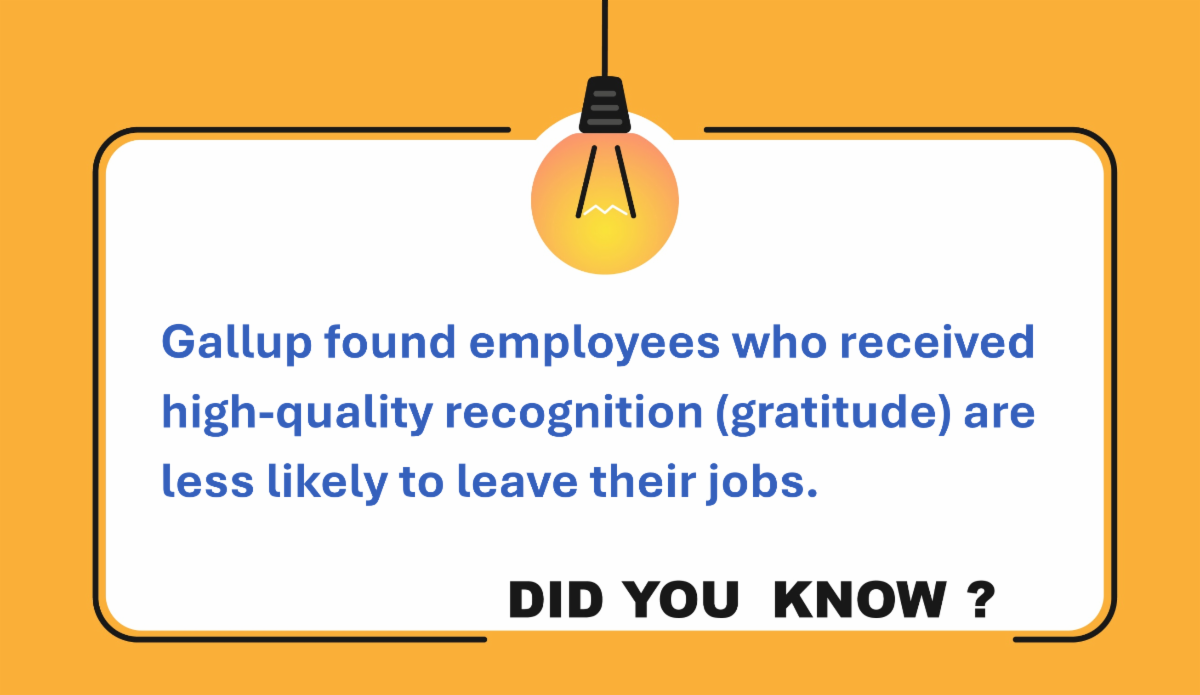
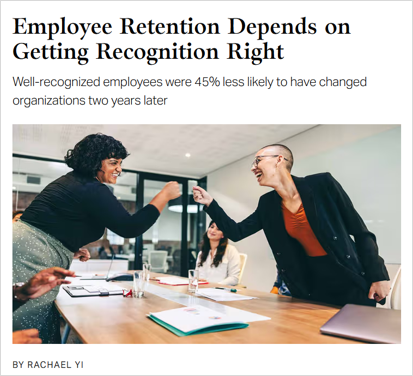
Gallup article: Employee retention depends on getting recognition right

Until next time!


Gratitude doesn’t require a program, a budget or a perfect moment. It just requires someone willing to go first.


We hope something in this issue gave you an idea worth trying – whether that’s a new habit, a conversation starter, or just a fresh way of looking at the people you work with every day.


We’d love to hear from you. Did something resonate? Did you try the Gratitude treasure hunt with your team? Is there a topic you’d like to see in a future issue? Reach out to us at TeamTalk@sao.wa.gov or complete the short poll question below; your feedback shapes what we put together next!

Thanks for reading—see you next issue.


Best,

Debbie Pennick, CPA

Assistant Director | Center for Government Innovation,

a service of the Office of the Washington State Auditor


Stronger teams, one strength at a time.

Facebook      X      LinkedIn      YouTube
What would make this newsletter more valuable to you?