JOHNSTECH INTERNATIONAL | INTERNAL NEWSLETTER | MAY 23, 2022

We're Moving Up!

Welcome to the week, Johnstech!


May has been a busy month so far and summer is fast approaching! According to Human Resources and the Employee Activity Committee there are many things to look forward to in the next 60 days. Make sure to check out our Sharepoint Page to keep abreast of our events. As always, stay safe and have an excellent week! 


Are you coming to Johnstech's Anniversary BBQ?

LOCATION

1210 New Brighton Blvd., Minneapolis, MN 55413

DATE AND TIME

06/23/22 12:00pm - 06/23/22 2:00pm US/Central
On June 23, 2022 at approximately noon Johnstech International will be celebrating their 31st year in business. Details to come.
I'll Be There!
Maybe
I Can't Make It
RelentlessPursuitEmail-Signature2022.jpg

On the Road: TestCONX 2022 

testconx22E.jpg

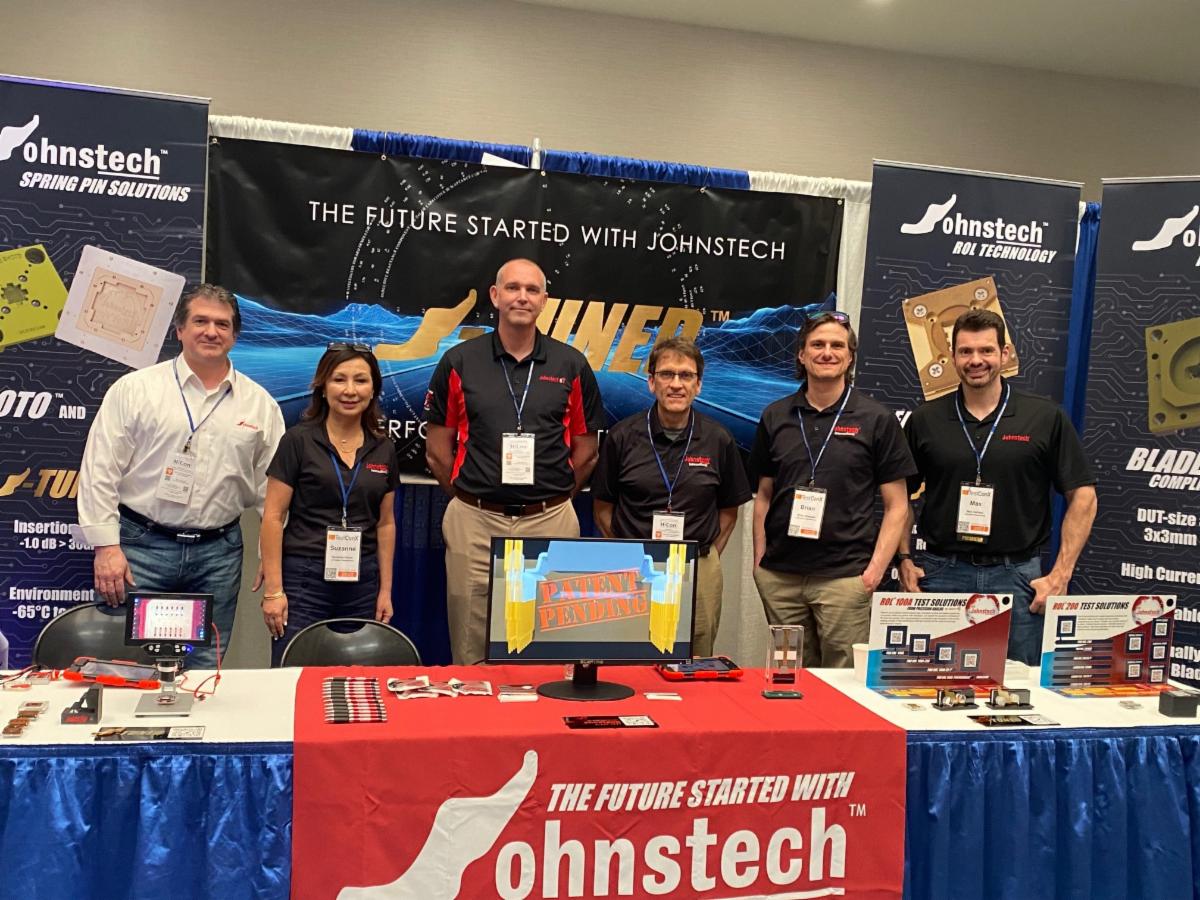
Congratulations to members of the marketing, sales, and engineering teams for representing Johnstech International at TestConX! Additionally, congratulations to Max Carideo and Valts Treibergs on yesterday's presentation "Next-Generation Grounding Solution for Small Leadless Packages - Blade Compliant Ground (BCG)” .

JOHNSTECH SHOUT OUTS!

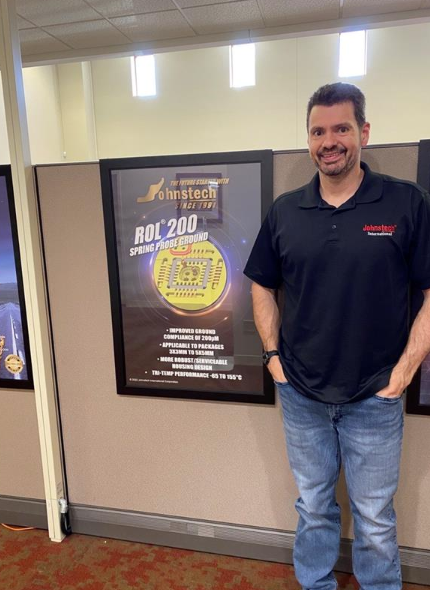
Congratulations, Max and PD450 Production Readiness Team!

Screenshot 2022-05-19 093807.png

Max Carideo led the engineering effort to develop a ground probe to be used in ROL200 contactors. The probe was designed to replace an existing OTH (On-center probe in Torlon Housing) used in small package contactors. 

Highlights of the new technology:

  • Improved ground compliance of 200 µm
  • Applicable to packages 3x3mm to 5x5mm
  • More robust/serviceable housing design
  • Tri-temp performance -65°C to 155°C


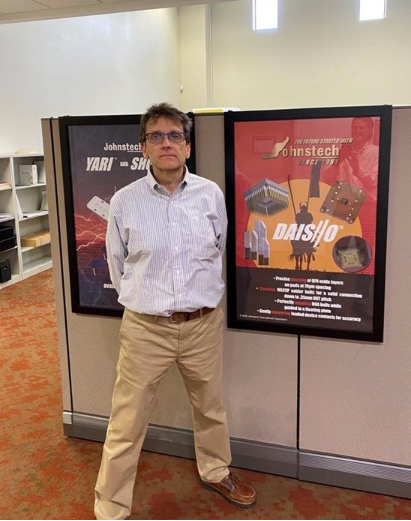
Congratulations, Valts and DAISHO Production Readiness Team!

Screenshot 2022-05-19 093624.png

Johnstech’s Spring Probe line has been expanded to now include Kelvin with the April release of DAISHO! Valts Treibergs and the DAISHO team worked to qualify the new probes, which were designed on the proven probe architecture of SHOTO. Special thanks to the Manufacturing, Design and Quality team members for their work in producing effective prints, methods and inspection ensuring that our new probes will meet our customer requirements.

DAISHO's Highlights:

  • Full Kelvin for QFN, BGA and SO devices
  • Drop-in compatible solution to competition
  • XT Tri-temp performance of -65°C to +175°C


Rolling Out Together

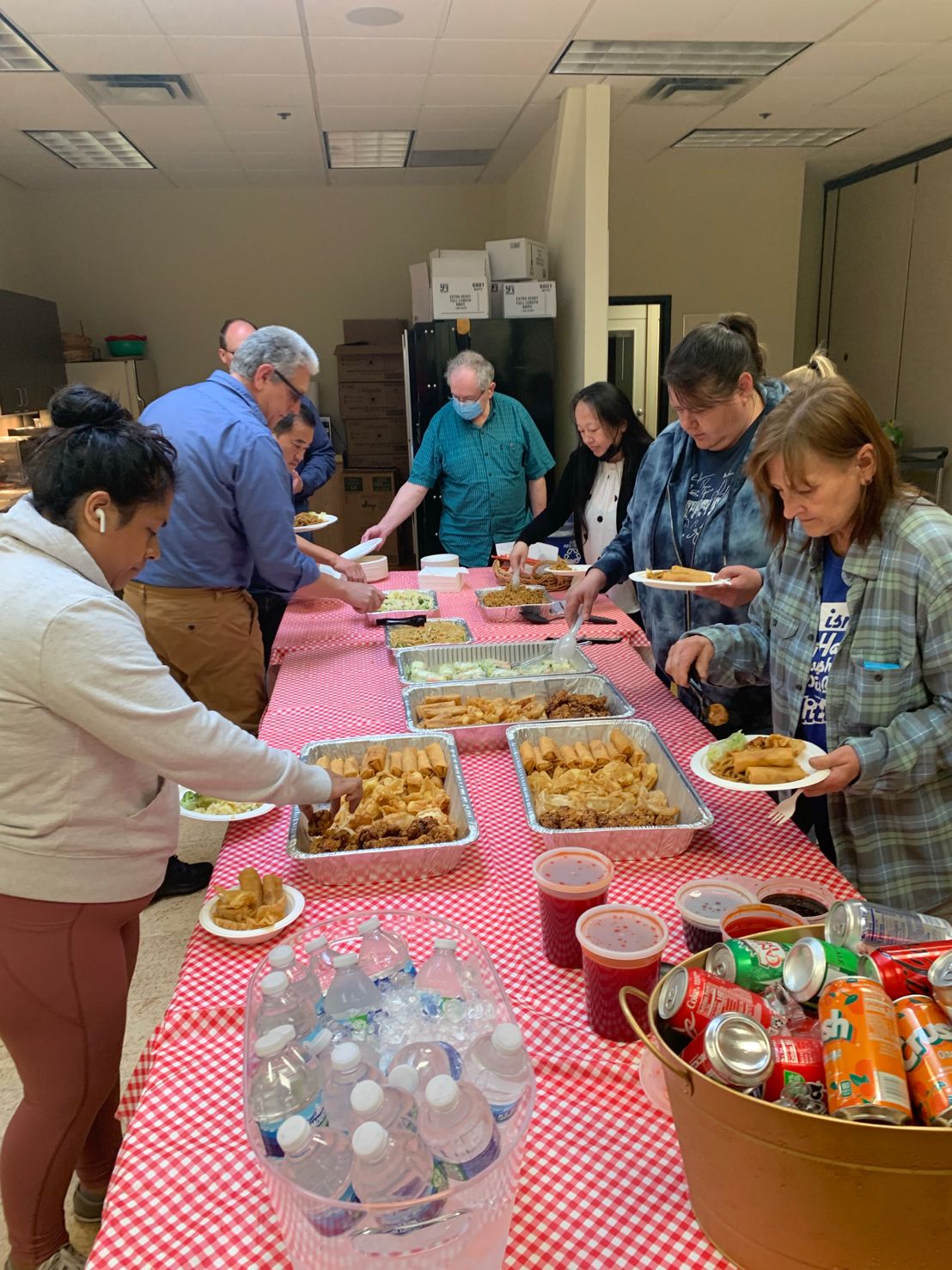
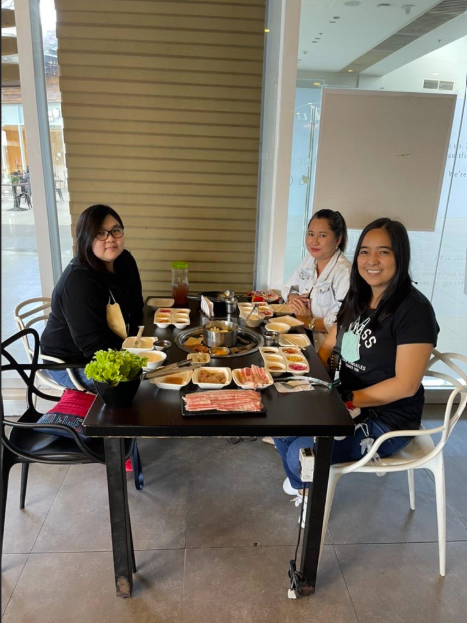
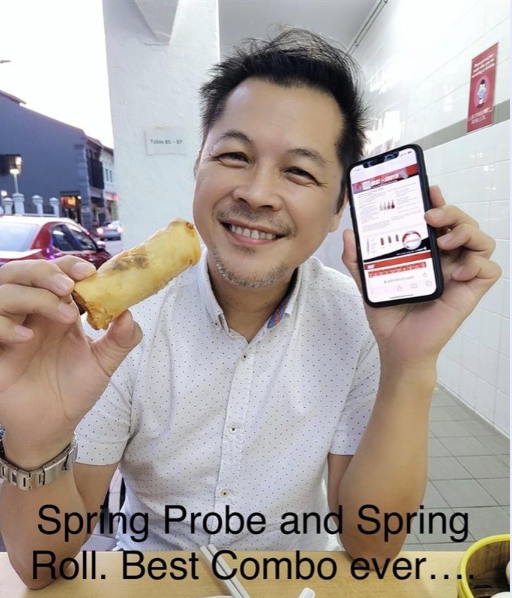
On Thursday, May 12th the Employee Activity Committee (EAC) put on a Spring Rolls and Spring Probes luncheon for Johnstech employees. This coordinated undertaking involved feeding a tasty, hot, and socially distant lunch to 100-plus employees at Johnstech's headquarters in Minneapolis across three shifts. While employees at Johnstech Philippines and Johnstech Singapore were provided with a lunch reimbursement.


EAC Lead and Lab Test Technician Supervisor and Planner Michelle Joyce says that this event was a good example of Johnstech's culture, "Everyone in the committee brings their strengths to the group and we work together to make our overall experience better."


Would you like to join the EAC? Email your volunteer statement to eac@johnstech.com to come to the next meeting. 

1652380668837 _1_.jpg

Johnstech International

Screenshot 2022-05-19 093551.png

Johnstech Philippines

Screenshot 2022-05-20 090621.png

Johnstech Singapore

RelentlessPursuitEmail-Signature2022.jpg
Screenshot 2022-05-19 110403.png

Navigating Infant Formula Shortages

Infant formula shortages in the U.S. have occurred in the past two years largely due to widespread pandemic-related supply-chain problems. A national shortage of infant formula is undoubtedly alarming for families since infants require formula when human milk is not accessible or not available in adequate amounts. Although breastfeeding is encouraged, it is not always a feasible option for mothers who return to work early or do not have access to a lactation support system. Human milk and breastfeeding may also not be possible in infants who have allergies or metabolic or gastrointestinal disorders that require special infant formulas, or who have disabilities that limit breastfeeding.


What you can do now:

  • Consult first with your child’s pediatrician, especially if your child has allergies or special formula needs. They can inform you of safe alternative brands.
  • Be flexible in trying different brands, including generic. Many brands advertise special health benefits that have more to do with marketing than an actual difference in their nutrition content.
  • The Special Supplemental Nutrition Program for Women, Infants, and Children (WIC) offers guidelines for alternatives to brand name infant formulas and for special sensitivities in the event of a shortage.
  • If your child is older than 6 months, encourage a mixture of both infant food and formula. If they are closer to one year of age, they may be able to use toddler formula if approved by your pediatrician. After one year of age, babies no longer need formula and can be weaned off.

What not to do:

  • Avoid hoarding commercial infant formulas, which only prolongs a shortage. The American Academy of Pediatrics advises buying no more than a 10-day to 2-week supply of formula. [1] In addition to regular supermarkets, check drugstores, smaller store chains, and reputable online sites.
  • Do not make homemade infant formulas. The U.S. Food and Drug Administration (FDA) warns that they carry a risk of bacterial contamination and may not provide appropriate amounts of nutrients and fluids required for an infant’s growth. [2] Infants have been hospitalized or even died due to use of homemade infant formula recipes lacking nutrients.
  • Do not add extra water to formula to extend its use. This will dilute the nutritional content of the formula and increase the risk for deficiencies.
  • Avoid infant formulas from other countries unless they are approved by the FDA. FDA approvals are expected soon for formulas manufactured in Europe, for instance, so contact your health care provider (pediatrician, registered dietitian) with specific questions. (Reprinted from the Harvard School of Public Health Website)