|
Grant’s boss, General Henry Halleck, or Old Brains as was his nickname, was horrified over the bloodletting at Shiloh. He blamed Grant. He took direct command of the combined Army of the Tennessee and the Army of the Ohio for the rest of the Corinth Campaign.
Halleck, the overall commander of the entire Western theater, wrote military manuals and was considered to be a brilliant military mind. The problem was, the Civil War was a new brand of war that few military minds understood. The Civil War introduced the concept of “Total Warfare”.
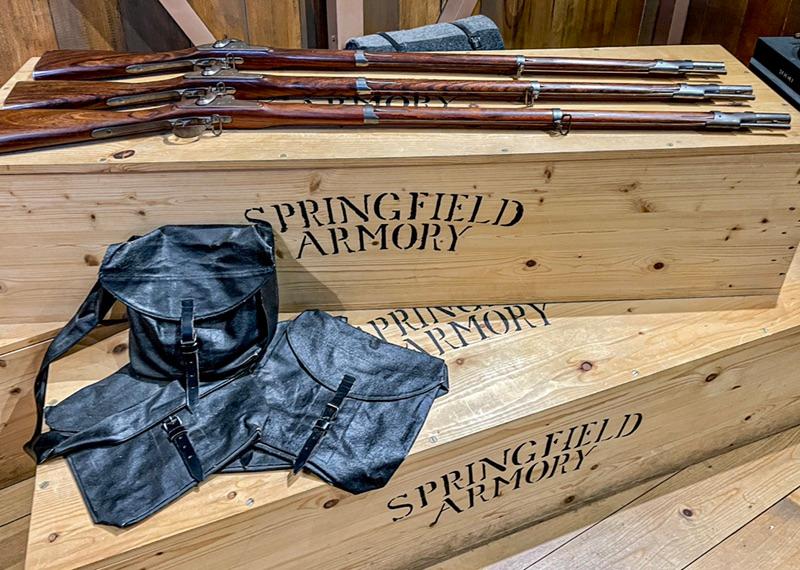
This was due, in part, to technology. For instance, prior to the Civil War, the inside of gun barrels were smooth. The lead balls emerged from the barrel like a knuckleball thrown by a baseball pitcher. With no spin on the ball, it went off on its own trajectory. Accuracy was poor. Consequently, opposing armies had to march up very close to each other and shoot, reload, shoot, reload, shoot, until one side couldn’t take it, and either fled or surrendered. It usually didn’t take long for that to happen.
This close-quarter battle technique limited the amount that civilians were exposed to war. Armies had to carefully manuever to gain the best approach. Battlefields were usually in open fields. Battles were short-lived. It didn’t take long for one side to cry “Uncle”. It was all very gentlemanly. “Rifling” changed all that.
Rifling was a new technology introduced around the time of the Civil War. Spiraling grooves were etched into the inside of gun barrels. That put a spin on the lead ball that proved to keep the ball tracking straight and true. Suddenly, you could effectively shoot accurately for long distances. Marching in close to your enemy’s line in an open field was obsolete.
But, old military doctrine didn’t evolve as quickly as the technology. Slow plodding manuevers and frontal assaults were old tactics that were too often relied upon, usually with terrible results.
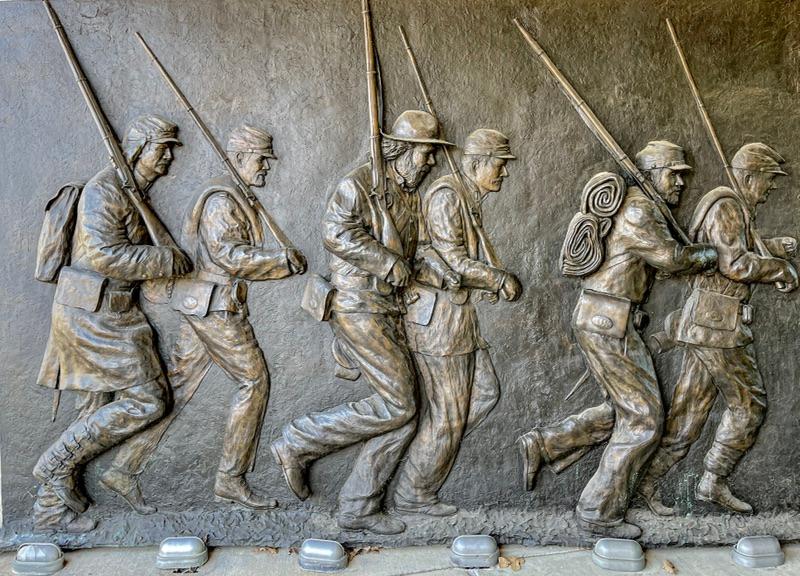
General Lee and General Grant were some of the first generals to recognize and grapple with the new realities. Armies had to be quick and mobile. You had to strike fast and with overpowering force. You fought to the bitter end over vast battlefields that were often in thickets, forests, and behind boulders. Battles lasted for days. Casualties skyrocketed. If civilian life got in the way, well, so be it.
Halleck was still “old school”. He amassed an army of 100,000 men. Then his slow plodding took two months for his force to march the 22 miles to Corinth. When he finally moved on the town, it had already been evacuated by Beauregard. This was partly due to the horrible sanitary conditions in the small town that couldn’t sustain Beauregard’s army, and the fact that he was outnumbered 2-to-1.
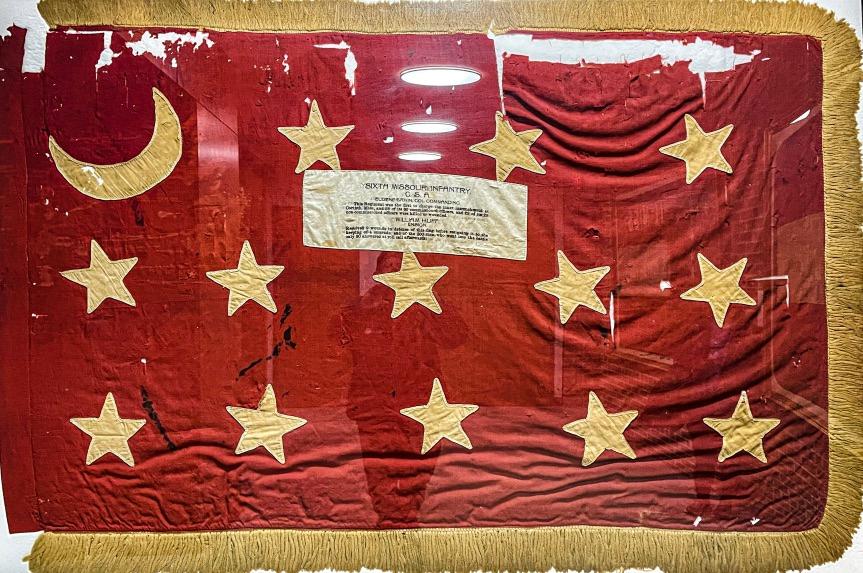
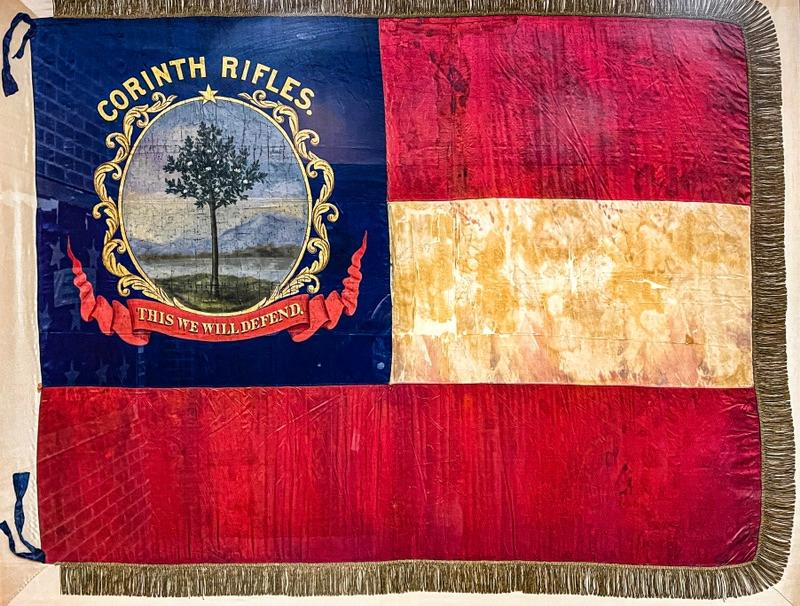
The real battle for Corinth occurred much later, October 3-5, 1862. By then, Beauregard had been replaced by Braxton Bragg. Bragg took the larger chunk of his army to Chattanooga where he planned to invade Kentucky. He left 26,000 troops with General Van Dorn in Mississippi. Van Dorn badly wanted to recapture Corinth.
On the Union side, Halleck went back to his administrative work. He left General Rosecrans and the Army of the Ohio in charge of Corinth’s defense. Grant was back in charge of the Army of the Tennessee and was eyeing up Vicksburg.
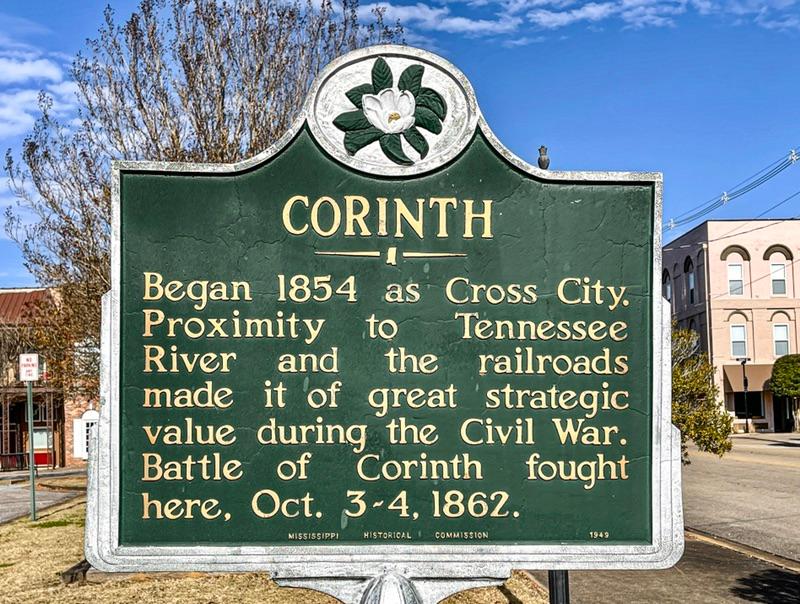
On October 3, 1862, Van Dorn launched his attack. After 3 days of intense fighting, Van Dorn was thoroughly repulsed. There was one unique aspect of the battle. It was one of the few Civil War fights that involved some house-to-house combat.
Between Van Dorn’s loss and Bragg’s ill-fated invasion of Kentucky, the South never recovered the offensive in the Western theater. Grant was free to begin his march on Vicksburg.
|