Decoding Health Insurance Terms

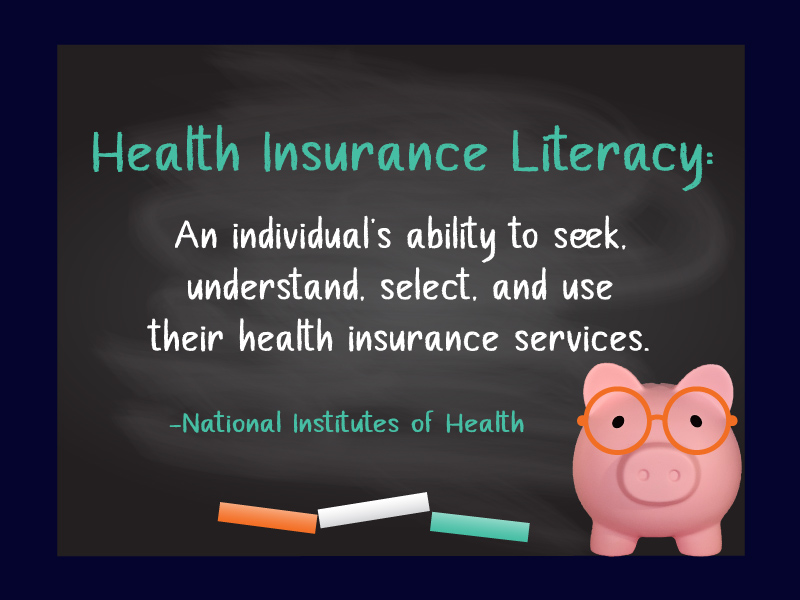
You may think this is a boring topic. However, without a basic understanding of health insurance terms, you can't take charge of your healthcare costs. Since health insurance literacy is vital to managing your finances and Open Enrollment for Individual Insurance is around the corner, we explain the core health insurance terms regarding costs and coverage. Plus, we added an evolving Glossary to our Resource Page on DecodingHealthcare.com.


Marketplace Premiums Rising Again in 2027   


ACA Marketplace insurance companies are proposing a median premium increase of about 15% for 2027, marking a second consecutive year of double-digit hikes mainly caused by rising healthcare costs, medical inflation, and higher labor and provider expenses. For consumers who have individual insurance, this trend means continued financial pressure, with most marketplace premiums climbing substantially over a two-year period. While many enrollees will remain shielded by premium assistance, those who buy coverage without subsidies or who lost enhanced tax credits will face noticeably steeper monthly bills next year. This will likely push some people to choose lower-cost plans with higher deductibles, so they will be paying more out-of-pocket if they use healthcare. 


This tracker webpage has the proposed rate hikes for the 276 insurance companies with public rate filings in all 50 states and D.C. If you go to the Appendix, you can search for your state or your insurance company in the search field to see how you might be affected. Rate increases are all over the board; for example the Texas listings show requested increases anywhere from about 5% to 31%! 


Read the article for more details

Upfront Hospital Payments and How to Prepare 


More hospitals are now asking patients to pay money up front before they get non-emergency care. Because many insurance deductibles have shot up, leaving patients to potentially cover thousands of dollars out of pocket, hospitals fear they won't get paid later and are demanding deposits to cover expected costs. While federal law protects patients in true emergencies, consumers facing scheduled procedures often have to pay hundreds or thousands of dollars before a doctor will even see them.  


Here are a few things you can do to prepare for this:

  1. ask the hospital for an estimate ahead of time,
  2. find out how much deductible you have left, and
  3. ask the hospital for a payment plan or financial assistance if you can’t afford the up-front payment. 


Read the article for more details

Lower List Prices and New Options: The Latest on GLP-1 Costs


Major changes are coming to the pricing of popular GLP-1 weight-loss medications like Wegovy and Ozempic as manufacturers face mounting competition and market pressure. While traditional list prices have historically topped $1,000 a month, major makers have introduced direct-to-consumer self-pay options and lower price tiers ranging from roughly $150 to $450 a month depending on the dose. In addition, manufacturer Novo Nordisk announced that official list prices for Wegovy, Ozempic, and Rybelsus will drop to $675 a month starting next year — a move aimed at helping patients in high-deductible plans who pay out-of-pocket costs tied directly to list prices. Overall availability and out-of-pocket expenses vary widely depending on insurance coverage. 


If you are over 65 and on Medicare, the federal government launched a temporary pilot project called the Medicare GLP-1 Bridge program to help eligible beneficiaries access select weight-loss medications for a flat copay of $50 a month through the end of 2027. 


Read the article for more details


Monthly Money-Saving Tip

Get Therapy Online to Save Money 


Mental health concerns like anxiety and depression are common, but one-hour therapy sessions can cost an average of $150. According to AARP, “online therapy services such as TalkSpace and BetterHelp often charge 45 to 60 percent less than traditional in-person therapists. There are also sites like 7 Cups that let you text with a volunteer listener for free, 24/7, or text a licensed therapist for a low rate.” 


Some patients may prefer to meet with a therapist in-person, but if you don’t mind online therapy services, companies like these can save you money — especially since many therapists don’t accept insurance or may be hard to find locally. 


Relevant Resource Share

Surviving Debt


The National Consumer Law Library publishes an online book, Surviving Debt. Updated annually and available for free electronically, it contains detailed advice from consumer law experts on medical debt, dealing with debt collectors, what to do if you get sued, and more.

Learn more about Medical Debt from Decoding Health Care.


Did you find this newsletter helpful? Share it!

X Share This Email
LinkedIn Share This Email

Did someone send this newsletter to you and you want to subscribe?


Feedback & Sponsorship

If you have feedback or ideas for future newsletters or blog topics you want us to research and decode for you, please let us know!

If you have a product or service that promotes medical financial literacy or health and wellness, and you want to get in front of our audience, contact us.

Contact us at info@decodinghealthcare.com


Need to make your voice heard regarding healthcare legislation?

Call your Senator 866-426-2631


About Decoding Health Care

We are consumers just like you! As small business owners and entrepreneurs, we understand the difficulty of navigating the medical system while protecting your finances from the impact of high medical bills. We are here to help by teaching you to reduce out-of-pocket costs, shop for estimates and lower prices, negotiate lower medical bills, and save money on healthcare expenses with or without insurance.


Decoding Health Care provides independent and educational information and does not endorse any specific insurance plans or other health coverage products.