|
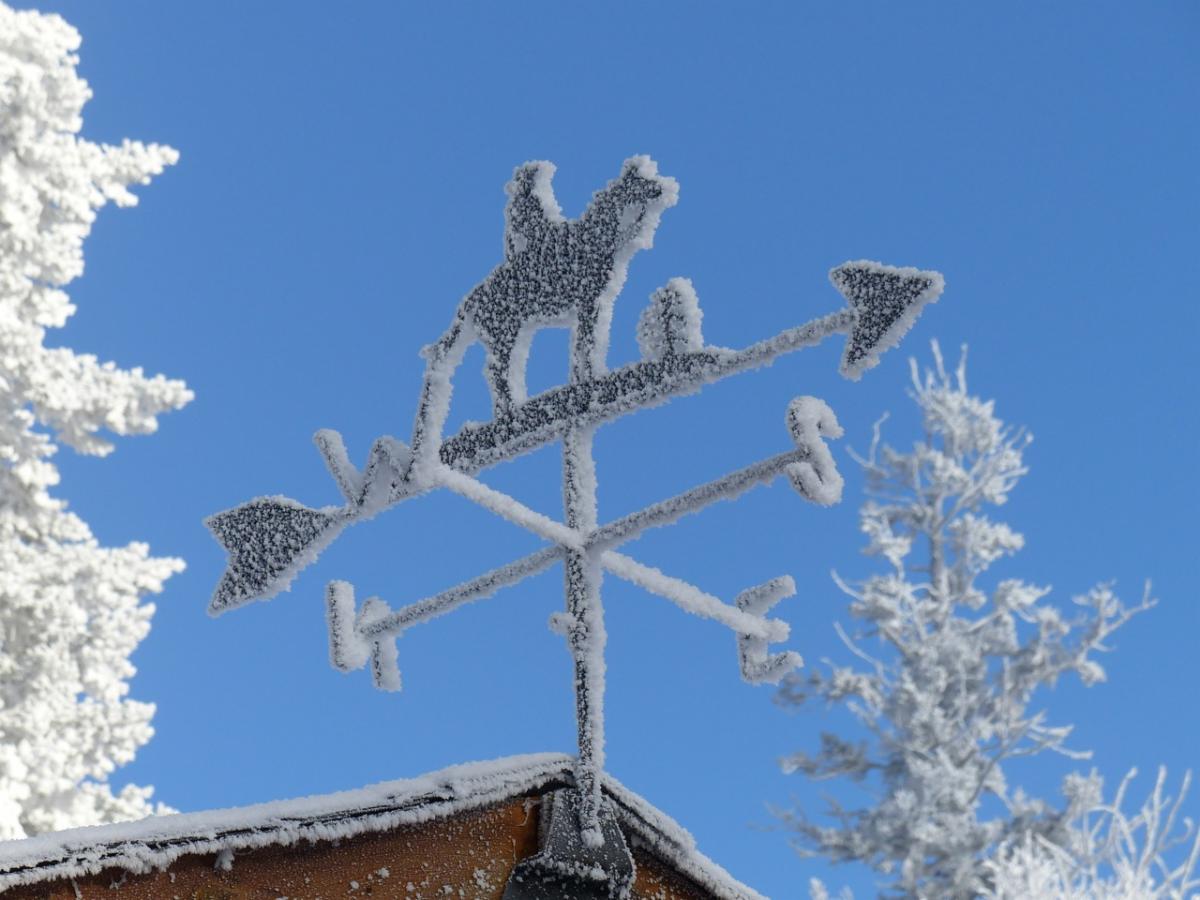
As water freezes, it expands. We have all experienced the exploding soda can in the freezer. We also know that when you thaw an ice cube you get its liquid form – water. This action occurs naturally in outdoors and can affect your home and more specifically your roof. As the water expands, it puts pressure on the object it is inside of, and with things such as concrete or roofing tiles, there is no give in the material to allow it to expand. This means that the freezing water can cause cracks and breakages in the rigid object as it expands. This pressure is created multiple times per week as temperatures rise and fall above and below freezing levels. This cycle puts stress on your roof’s shingles and can cause lasting damage.
Freeze-thaw cycles can create several problems for your roof. Here are some signs that your roof is taking a beating from freeze-thaw cycles:
-
Uneven or small space between shingles. Shingles should be evenly spaced. If they have moved or seem uneven, the expansion and contraction process may have moved them loose.
-
Ice Dams. Ice dams happen when the heating on your roof is not uniform or when the freeze-thaw cycle happens with greater frequency. In these instances, ice melts and runs down the roof as water. The water then gets stuck behind shingles and causes pressure beneath the shingles when it freezes again.
-
Flashing is out of place. Roofs have metal flashing sheets that seal the cracks on the sides and seams of a roof. If the flashing has begun to lift or separate, ice dams may have created the damage. These gaps can easily allow further moisture to enter your home and are a common source of leaks.
Long-term effects of the freeze-thaw cycle include:
- The freeze-thaw cycle brings moisture under your shingles and into your home.
- The freeze-thaw cycle speeds up the damage process to your roof.
- Ice dams easily damage gutters or even remove them from the sides of the roof.
How to protect your roof:
-
The best thing you can do for your roof in the long term is to make sure that your attic is well ventilated and properly insulated. This airflow keeps the temperature of your roof even and keeps ice from forming. Adequate attic insulation to help maintain consistent temperatures.
-
Schedule regular roofing inspections. It never hurts to have a professional inspect the state of your roof once or twice a year. If you catch roofing problems early, they are often far easier and less stressful to fix.
For more information contact a trusted THI Partner.
|