|
Beyond explicit tax cuts, the package includes other tax reforms.
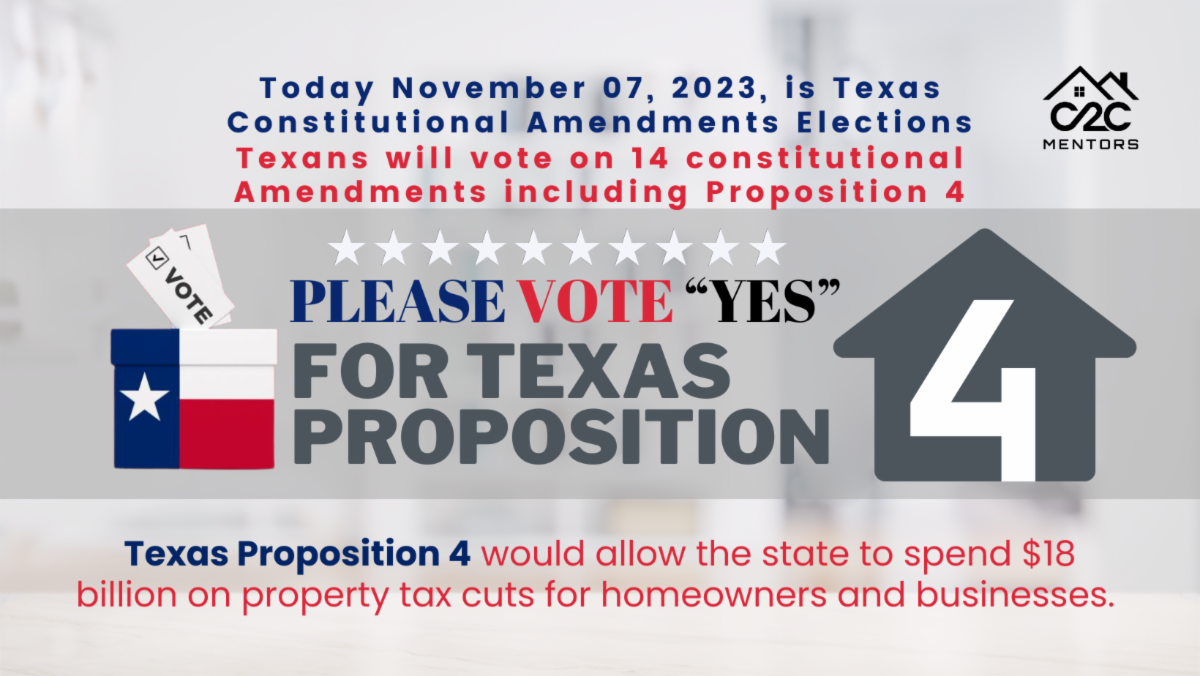
For the first time, some businesses will see a limit on how much their appraised property values, a key factor in the equation of how property tax bills get calculated, can grow each year. Homeowners already benefit from a 10% cap on how much their taxable home value can grow each year. But businesses currently don’t have such a cap.
The new cap would apply to commercial, mineral and residential properties that don't receive a homestead exemption — like rental homes and apartment buildings — that are appraised at less than $5 million. Should voters greenlight the proposition, appraisal districts could not raise the taxable value of those properties by more than 20% each year for the next three years. The cap would expire in 2026 unless lawmakers and voters decide to extend it.
Tax policy experts have doubted the effectiveness of such a cap. Property values surged in 2022 amid the state’s exploding population and job growth, according to figures provided by the comptroller’s office. But outside of 2022, that kind of value growth wasn’t typical for most types of properties, even as Texas boomed over the past decade. Owners of commercial properties in 2022 saw the market value of their holdings grow by 15% on average — short of the 20% cap.
If those property owners saw their values hit the 20% limit each year, local governments and school districts could just raise their tax rate to make up for revenue lost to lower property appraisals, said Lynn Krebs, a research economist at the Texas Real Estate Research Center at Texas A&M University — resulting in higher tax rates for all property owners.
“We tend to look at it just on face value and say, ‘Hey, we're not going to make you pay tax on more than a 20% increase, isn't that wonderful?’” Krebs said. “What does that mean in reality for everybody else? It means that they’re going to have to pay more to make up for that loss in revenue. The revenue is going to come from somewhere.”
The proposition would also exempt more businesses from having to pay the state's franchise tax. If approved, the amendment would also allow voters to handpick three members to serve on their local appraisal district's board of directors. Currently, people are appointed to those posts.
The tax-cut package before Texas voters notably leaves out a key class of Texas taxpayers: renters.
Renters make up more than one-third of the state’s households and pay one-quarter of the state’s school property taxes through their monthly rent, according to the comptroller’s office. With high rents across the state, tenants spend significantly more of their household income on keeping a roof over their heads than homeowners. Seventeen states and the District of Columbia have tax-cut programs aimed at providing property tax relief to renters, particularly seniors and low-income tenants.
But GOP lawmakers ultimately excluded any direct relief for renters when crafting the tax-cut package before Texas voters. Tax-cut proponents have occasionally argued that renters benefit from tax rate compression because their landlords won’t charge as much in rent if their taxes aren’t as high. Though property taxes make up about 20% of the rent bill, they’re not the only factor in determining rents — which are ultimately determined by the market.
“Legislators, at this point, don’t feel enough pressure yet to provide solutions for renters,” said Ben Martin, research director for Texas Housers, a housing advocacy group for low-income Texans. “Until legislators feel that pressure heat up to provide solutions for renters, it’s not surprising that they’re not going to do anything. But the data is really clear: That'’s where the need is.”
|