|
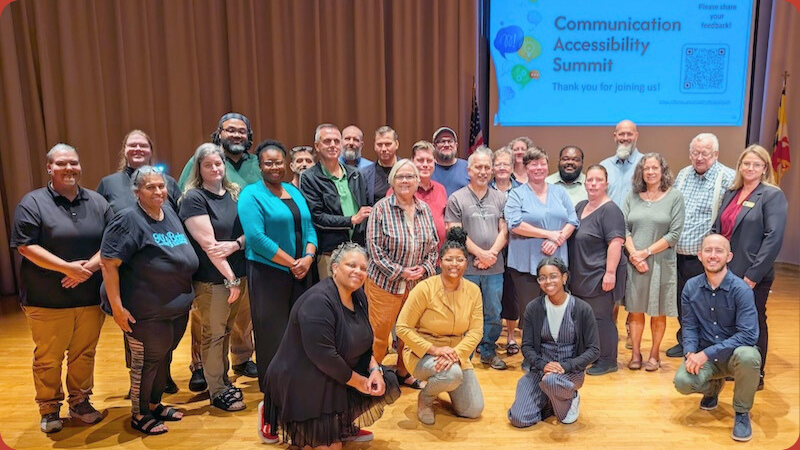
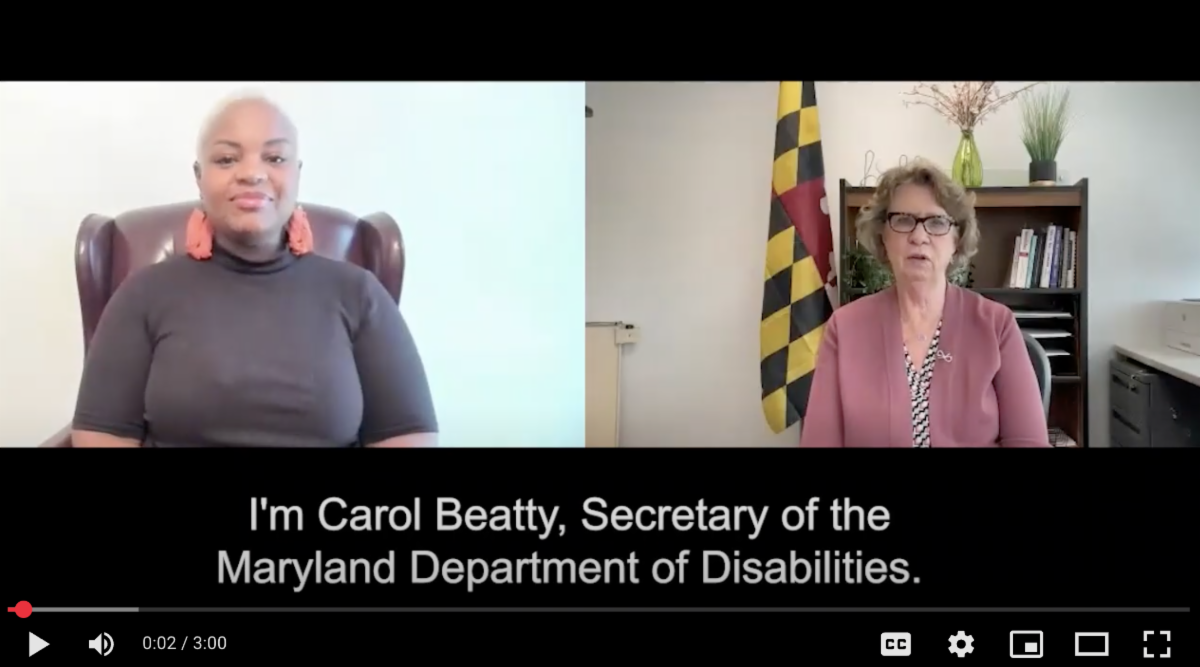
Thank you for joining us at the Communication Accessibility Summit! The Summit highlighted the importance of accessible communication for Deaf communities state-wide. Here are some highlights from our sessions and a closing message from Secretary of Maryland Department of Disabilities.
SBSLI Updates & Interpreter Licensure in Maryland
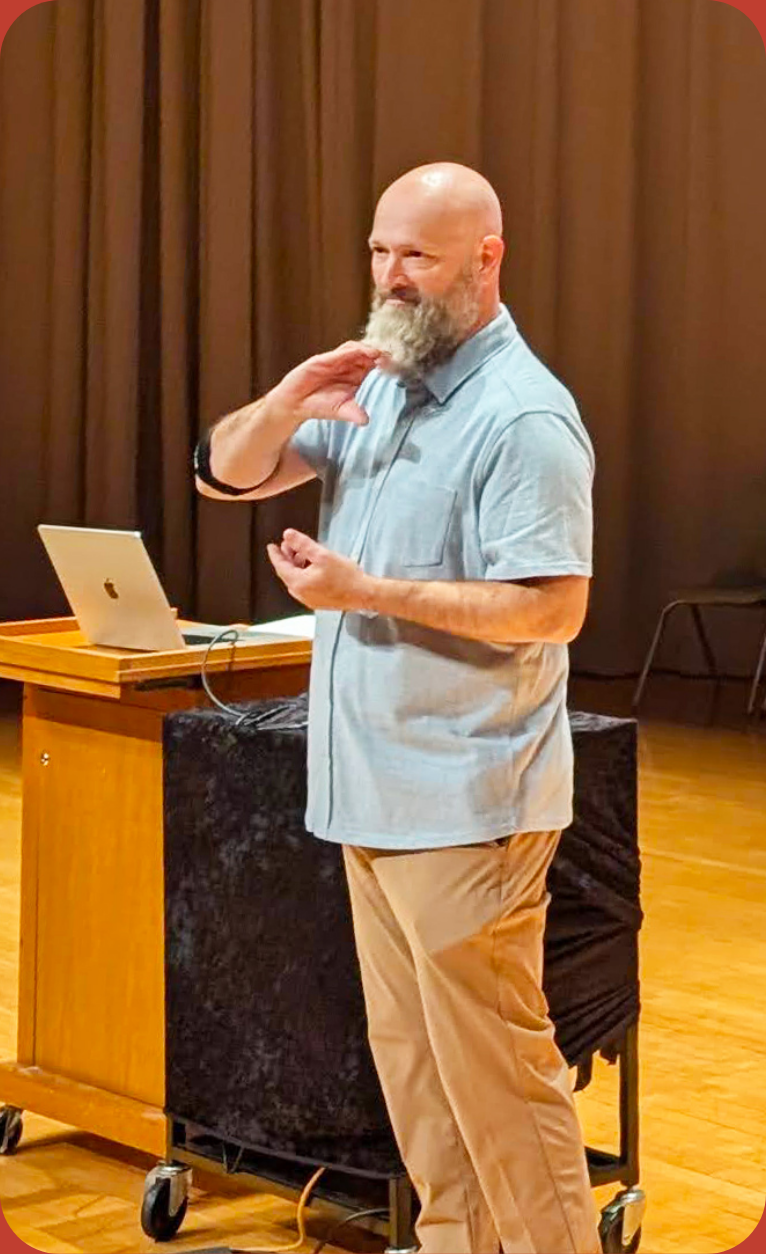
Presenter: Jacob Leffler
We discussed updates on a licensing and regulatory system for sign language interpreters under the State Board of Sign Language Interpreters (SBSLI) in the Office of the Deaf and Hard of Hearing. Maryland’s new comprehensive licensing and regulatory framework for interpreters is designed to professionalize the field, safeguard Deaf consumers’ rights, and align interpreting practices with statewide accessibility goals. The session had thoughtful questions and demonstrated strong community engagement.
Key updates included:
- Agencies & Businesses must register with GODHH; VRI is regulated, while VRS remains separate.
- Deaf consumers preferences are priority, and they can choose between on-site or VRI interpreting. Requester preferences cannot override this.
- Licenses take effect on January 1, 2026 (Educational License on July 1, 2026).
For more details and updates, please visit the SBSLI website.
DeafBlind Communication Access
Presenter: Kevin Steffy
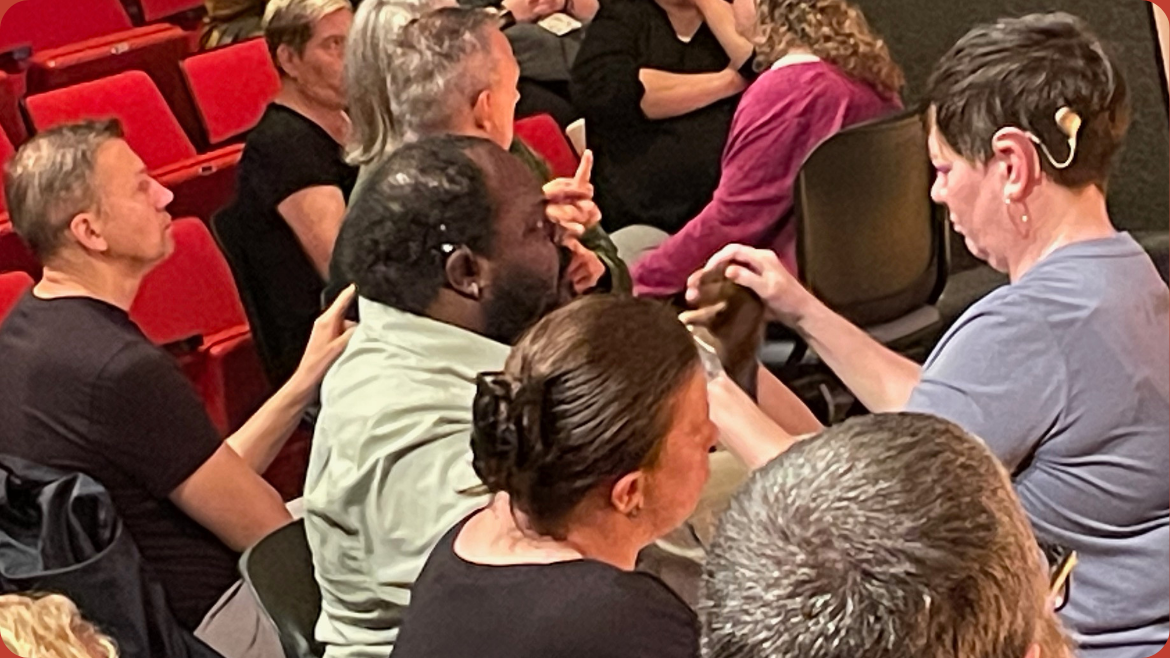
- Kevin presented about Maryland's Communication Facilitators Program, ensuring equitable access for DeafBlind Marylanders.
- Eight facilitators were on-site supporting DeafBlind attendees throughout the summit.
- One audience member shared personal experiences on effective DeafBlind communication methods - deepening the conversation with lived experience.
LEAD-K
Presenter: Usherla Deberry
Usherla shared a brief overview of LEAD-K. She discussed what LEAD-K stands for, why it exists, and how you—as a stakeholder—can support this important initiative.
- As a refresher, LEAD-K stands for Language Equality and Acquisition for Deaf Kids. It’s a national campaign advocating for state legislation to ensure that Deaf DeafBlind and Hard-of-Hearing (DDBHH) children acquire strong language skills necessary for academic success.
- The purpose of LEAD-K is to ensure that D/HH children develop foundational language skills by the time they enter kindergarten—helping to prevent language deprivation and promote school readiness.
- If you're interested in learning more about LEAD-K or getting involved, you are encouraged to email these contacts:
- Governor’s Office of the Deaf and Hard of Hearing (ODHH):
- gov.odhh@maryland.gov
- Maryland Association of the Deaf (MDAD):
- President: president@mdad.tv
- Vice President: vicepresident@mdad.tv
Thank you for your continued support in ensuring language equity for all DDBHH children in Maryland.
Telecommunications History
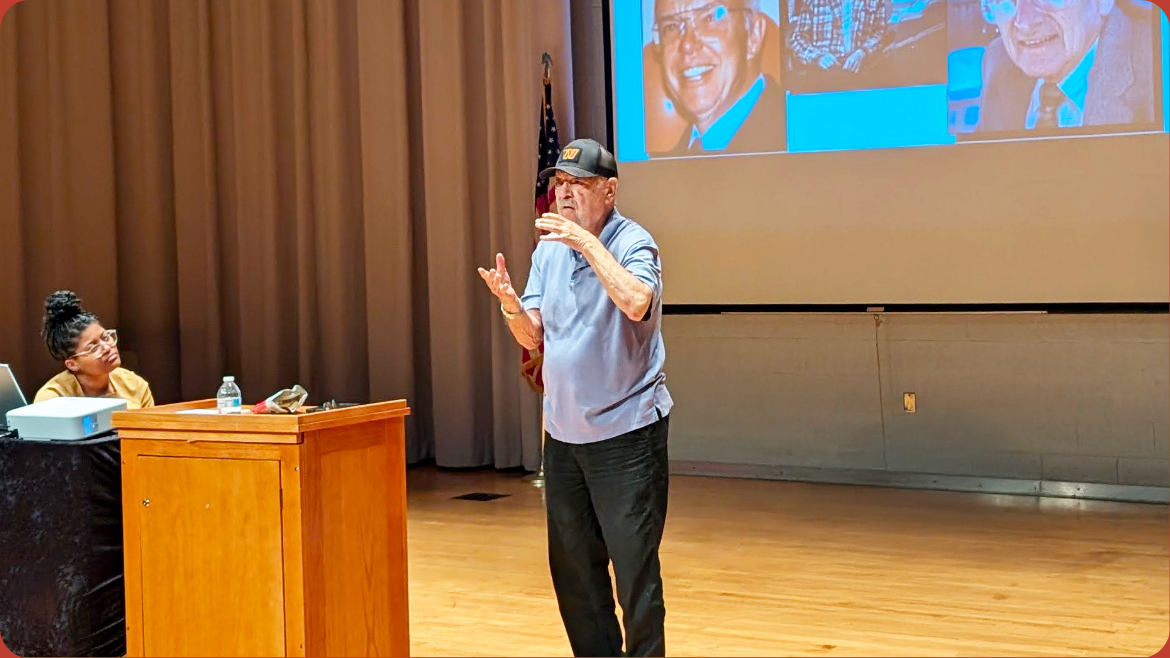
Presenter: Alfred Sonnenstrahl
Alfred shared the rich history of telecommunications, and here are some of the interesting facts shared!
- Deaf people created their own telecommunications network in late 1960s.
- Deaf users even helped AT&T save money by adopting their obsolete TTYs.
- Did you know about Dual Relay? It allows a DeafBlind person to call another Deaf person. The DeafBlind person uses TTY to call Relay, which calls Video Relay, which connects to the Deaf caller, creating accessible conversations between DeafBlind and Deaf users.
- The “Blue Book” was once a directory of TTY numbers for the deaf community, like a White Telephone Pages for the hearing community.
- In the 1970s, telephony was voice-only, and few outside the Deaf community understood TTYs. He coined the word TTYphony to name the construction and operation of text-based communication for Deaf people, a system as vital as telephony itself. He reminded us that hearing people also rely on assistive devices like microphones and volume controls, and that text communication is not secondary, but equally foundational.
- Alfred shared a YouTube link on the history of Telecommunications which you can watch here.
Deaf Studies and Interpreting Panel
Panelists:
- Megan George (Towson University)
- Rebecca Minor (Community College of Balitmore County)
- Ellen Schaefer-Salins (Salisbury University)
Moderator: Keith Delk
Some takeaways from the discussion:
- Interpreter education must evolve and adapt to new landscapes, from virtual interpreting to specialized tracks in medical, legal, and mental health interpreting.
- Community engagement Is essential. Internships, pro bono work, and partnerships with local agencies provide critical real-world experience while meeting unmet needs. Interns need experience in signing environments, whether Deaf Studies or Interpreting.
- Deaf Studies builds cultural competency and help students gain essential grounding in history, intersectionality, and social justice, equipping them to serve the community responsibly.
- CCBC’s EARN grant is helping interpreters meet Maryland’s new licensure requirements, strengthening the workforce and ensuring compliance with upcoming state standards.
For these programs at Towson, CCBC, and Salisbury to thrive and truly strengthen our community, they need visibility and active support. If you know of internship opportunities for their students or someone eager to learn about Deaf culture or pursue interpreting, connecting them to these programs can make a lasting difference.
Towson University Deaf Studies
Community College of Balitmore County ASL and Interpreter Preparation
Salisbury University Deaf Studies
Salisbury University Disability Studies
|