The 10 Easiest Vegetables to Grow From Seeds | |
|
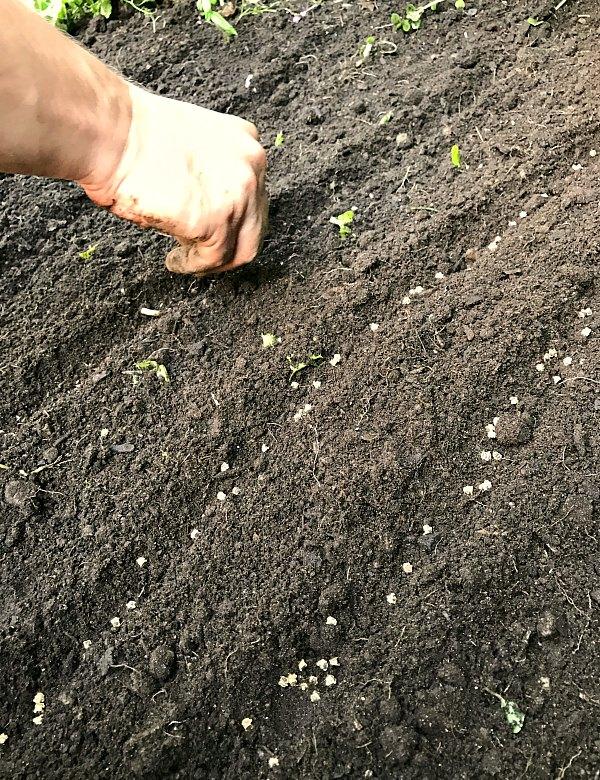
Whether you're a new vegetable gardener or a seasoned pro, there's a sense of pride and satisfaction that comes from starting seeds indoors: setting up lights, choosing the right seed starting mix, sowing the seeds and watching over the soil for little sprouts to emerge. But sometimes it's even more fun to plop seeds directly into the ground, sprinkle them with a hose and come back in a few days to see them growing all on their own. Some vegetable seeds actually prefer being sown where they're meant to grow, and don't require a lot of attention to thrive. Happily, many of them can be started in early spring, which will be here before you know it! Scroll down for our top ten picks of the easiest vegetables to grow from seeds.
❧
Find a full list of all the veggies, herbs and flowers you can sow directly into your garden HERE.
| | |
|
|
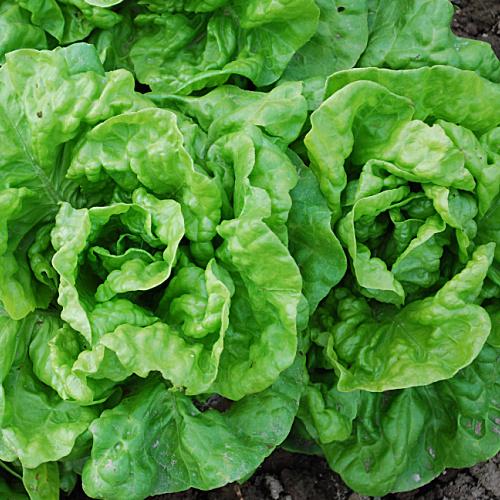
Lettuces
The first salad of the season is a revelation! To enjoy its ephemeral sweetness and texture, make sure Lettuce grows quickly: water it frequently and fertilize weekly with fish emulsion or manure tea. Direct-seed from the spring through the late summer. For baby greens, sow thickly and harvest with scissors. For larger heads, raise transplants, plugging seedlings into empty spaces in your garden as they become available.
We offer seeds for Romaine, Batavian, Butterhead, Looseleaf, Oakleaf and Iceberg Lettuces--35 varieties in all! Check out our 11 Salad Blends, too.
| |
|
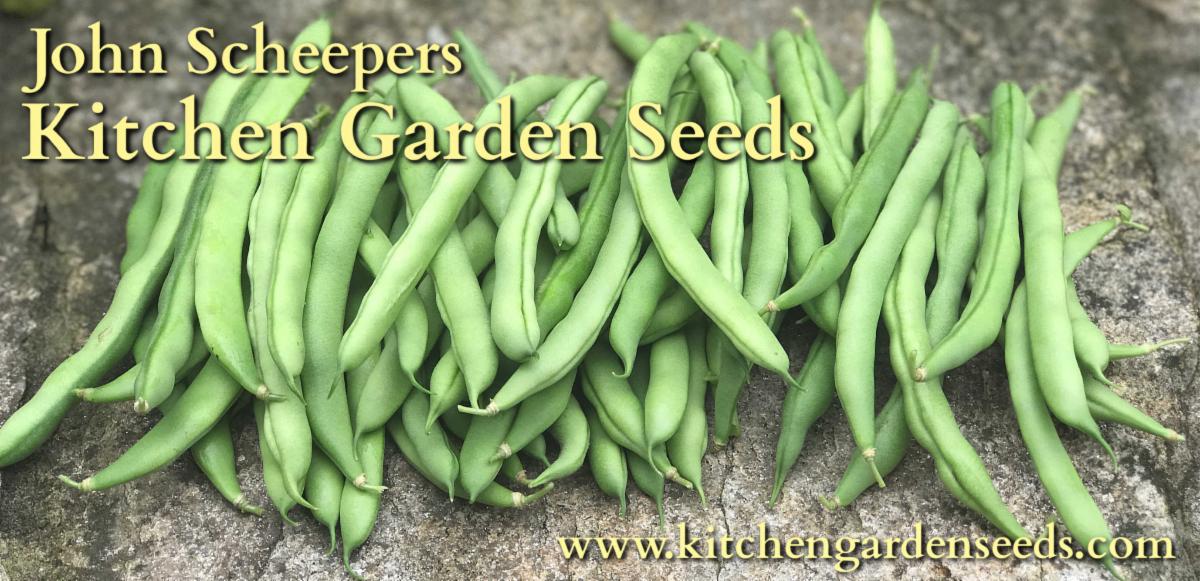
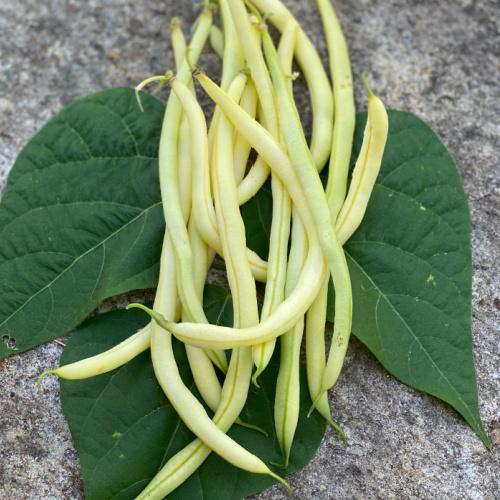
Beans
Beans are the mainstay of the kitchen garden: both easy and rewarding. Store-bought can't compare with home-grown Beans; modest toil and small Bean patches yield large returns. Beans abhor cold, damp soils. Wait to sow until soil has reliably warmed to 60°F or by the last frost date. Beans love sun and well-draining, fertile soil. After emergence, and throughout the season, avoid watering the foliage. Harvest straight to the kitchen at their optimal size for eating, usually when small.
We offer seeds for 10 Bush Beans, five Filet Bush Beans and 10 Pole Beans, as well as eight tasty Shelling Beans and three wonderful Asian Pole Beans.
| |
| |
|
|
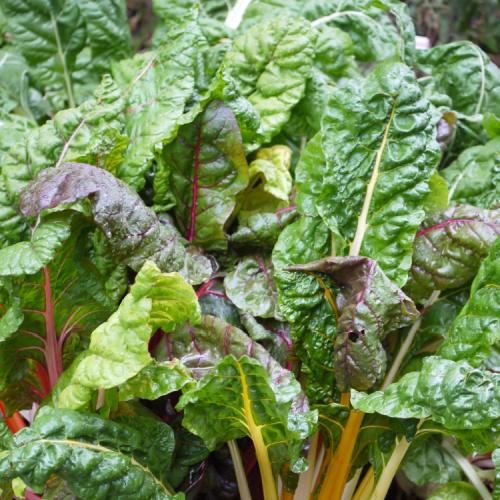
Swiss Chard
Swiss Chard is easy to grow, delicious and beautiful. Direct-sow seed after all threat of frost has passed in spring, when the soil has warmed up to about 50°F. For baby greens, sow 2" apart in rows spaced 12" apart and harvest when 2" to 3" tall. For mature, full-size Chard, thin seedlings to 10" apart in rows spaced 16" to 20" apart. To harvest, cut off the outer leaves of the plants, which keep on producing. Water regularly in dry periods to help keep the stems from becoming woody.
We offer seeds for eight individual Swiss Chard varieties and one colorful mix. Want more greens for cooking? Try our Collard Greens, Mustard Greens and Turnip Greens, too.
| |
|
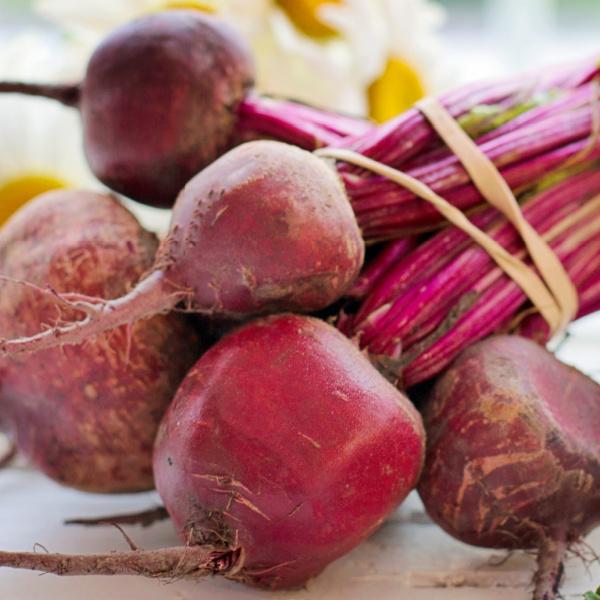
Beets
Beets grow from compound seeds, which may produce several seedlings. Enhance germination by soaking the seeds for an hour in bathtub-warm water. Planting Beets too early may cause stunting and bolting (going to seed), so wait until the soil has warmed to at least 45°F and there is no chance of hard frost. Beets prefer evenly moist, moderately fertile soil. Keep the Beet bed well weeded, carefully thinning to 3" between plants when seedlings are about 2" tall.
We offer seeds for six individual Beet varieties, one colorful blend, and two Beet varieties grown primarily for their tasty greens.
| |
| |
|
|
Cucumbers
Cucumbers may be started indoors or direct-sown one to two weeks after the danger of frost has passed in a sunny, well-draining spot. Sow six seeds per hill; then thin to the strongest three plants. Cucumbers thrive in heat, need regular watering and prefer a rich garden bed; fertilize prior to planting and again as needed. Support with large tomato cages, stakes or netting. Harvest Cukes when small, well before they set seed, when they're tender and crisp.
We offer seeds for eight Slicing Cucumbers, one English Greenhouse Cucumber, three Pickling Cucumbers and six novelty Cucumbers.
| |
|
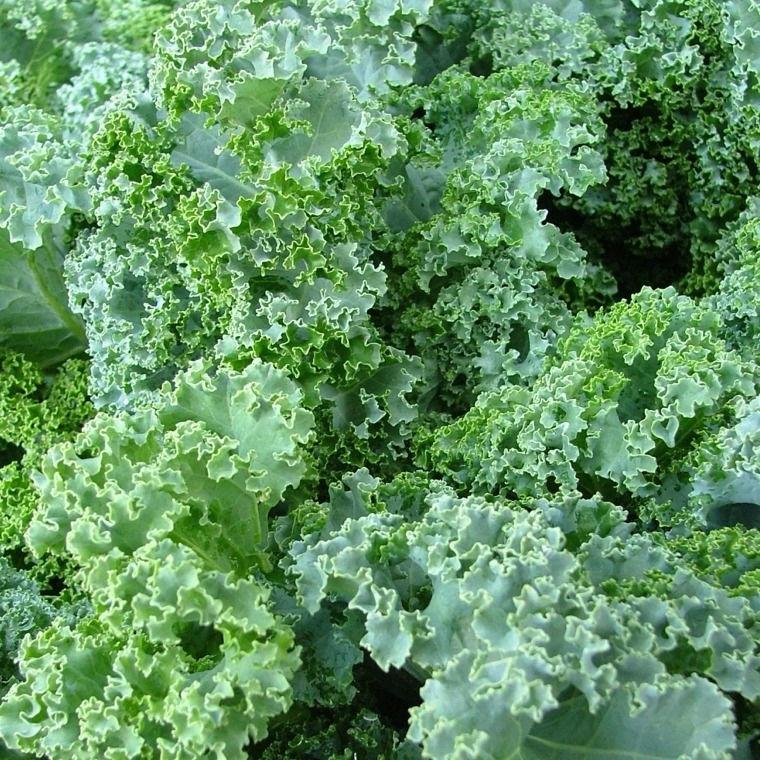
Kale
This leafy member of the Brassica family prefers cool weather for optimal growth. Start Kale in the spring as soon as the soil can be worked. When growing as individuals, thin to 12" to 16" apart. Or, broadcast seed to harvest in the “cut-and-come-again” method. Kale prefers well-draining, moderately fertile soil. Seedlings thrive in evenly moist soil and enjoy occasional supplemental feedings of organic fertilizer. Harvest large leaves by cutting them at the base, leaving the plant to keep producing.
We offer seeds for six individual Kale varieties and one colorful mixture. Grow some Ornamental Kale, too, for lovely fall displays!
| |
| |
|
|
Peas
Memories of eating Peas straight from the vine has no doubt led many of us down the garden path. Peas prefer cool weather, so direct sow in sun and fertile soil in the spring as soon as the soil can be worked. Plant tall, climbing varieties along a sturdy netted structure to support the plant and to elevate the pods. Harvest Shelling Peas small and tender, and Snow Peas once the pod is flat and shiny. Harvest Snap Peas when their pods are fat and tight but still smooth. Pick Peas on a daily basis once mature to prolong pod formation.
We offer seeds for 16 Peas: nine Snap Pea varieties, three Snow Pea varieties and four Shelling Pea varieties, plus Pea Shoot Seeds.
| |
|
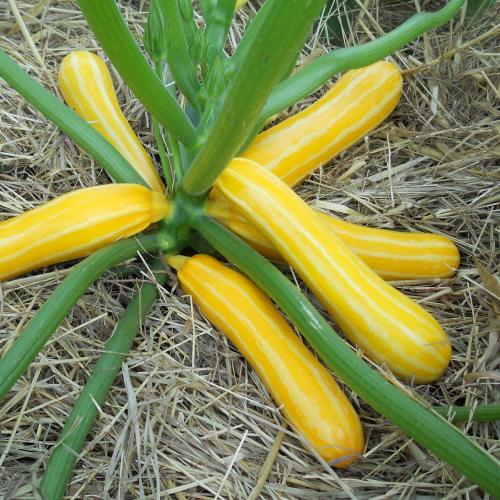
Summer Squash
Mmm, Zucchini bread and grilled Summer Squash! It's so easy to grow a bumper crop. Direct-sow three to five seeds per hill after the danger of frost has passed, thinning to the strongest single seedling. Enrich soil with compost, organic fertilizer and/or composted manure. Cover seedlings with cloches or other protection if it gets too cold. Water regularly and fertilize as needed. Harvest on the small side for the best flavor. Regular picking also encourages production.
We offer seeds for eight Zucchini varieties, six yellow-type varieties and two Pattypans.
| |
| |
|
|
Spinach
Spinach prefers to be direct-sown in the cool, sunny weather of spring and early fall. It adores rich soil: amend the bed well with compost and/or composted manure, dolomite lime and complete organic fertilizer. Keep the bed evenly moist and weeded. Early thinnings are wonderful for spring salads. Harvest by using the outer leaves from each plant or by cutting the whole plant, leaving 1" for possible regrowth. Or, broadcast seed and grow as a cut-and-come-again crop of tender leaves.
We offer seeds for six individual traditional Spinach varieties, as well as heat-loving New Zealand Spinach and Malabar Spinach.
| |
|
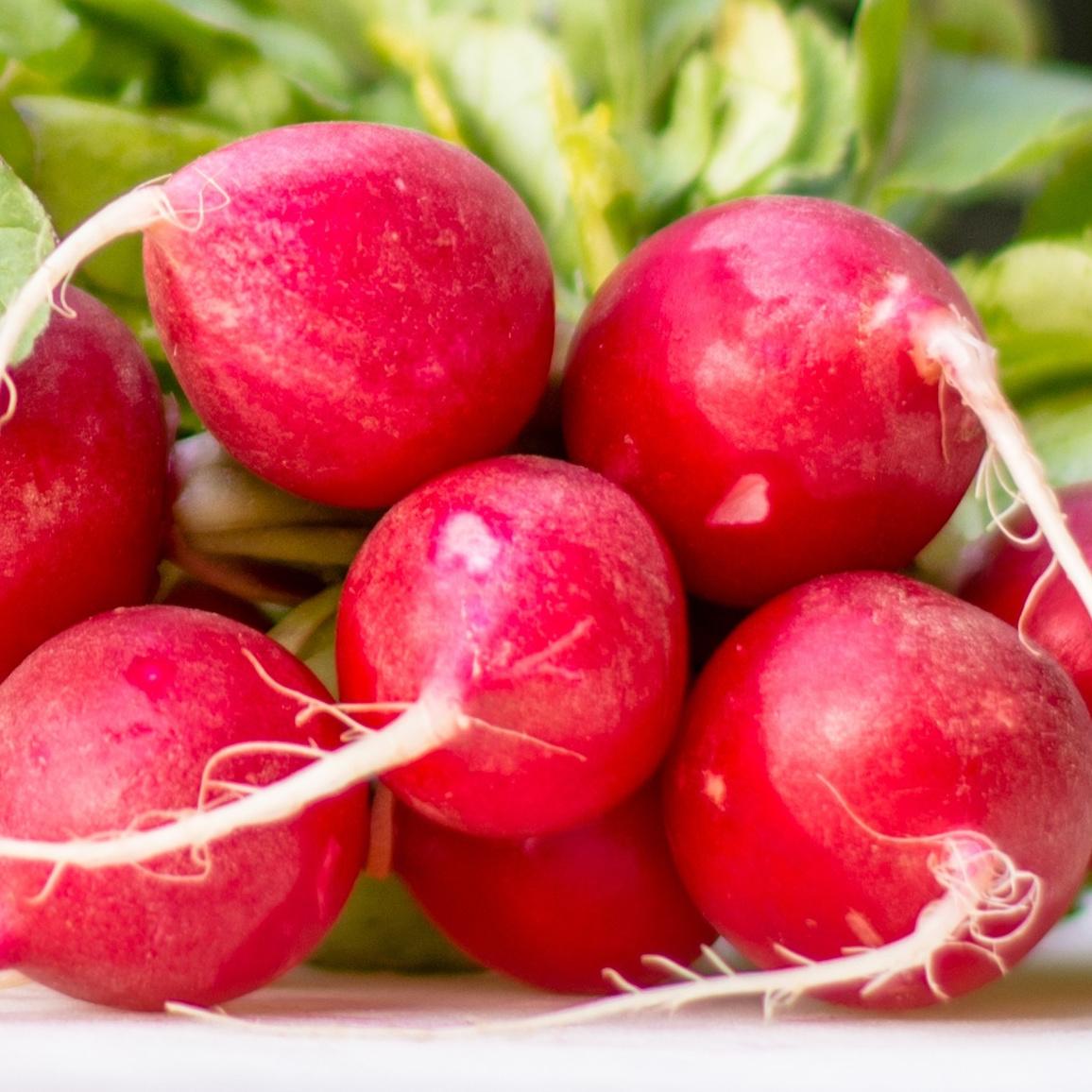
Radishes
Radishes are a favorite seed to sow as soon as the soil can be worked in spring. Moderately fertile soil is fine, amended lightly with composted manure and/or compost. Too much fertilizer causes heavy top growth and stunted roots. Seed in small rows or broadcast, covering lightly with soil. Tamp down lightly, and water. Sow every 7 to 14 days for a steady supply. The key to crisp, mild Radishes is regular watering and weeding. Thin carefully when the seedlings are about 2" tall. Harvest small for the mildest flavor and a crispy texture.
We offer seeds for 11 individual Radish varieties and one colorful mix. For something unique, try Rat Tail Radishes!
| |
| |
|
|
Direct-Sowing in 5 Easy Steps
1. Get the timing right. For most crops, wait until all danger of frost has passed in your area (find your spring frost-free date HERE.), though many crops can be started earlier.
2. Prepare the soil. Choose the spot where you'll be sowing your seeds, considering sun exposure, soil, and the ultimate size of the plant. Turn the soil over with a spade or fork, breaking up large clumps and removing any stones. Smooth the soil and tamp it gently.
3. Sow the seeds. Read the seed packet thoroughly, noting spacing and planting depth. Follow the instructions carefully.
4. Water regularly. Keep the seeded area moist until the seedlings emerge. Water gently to avoid dislodging the seeds and young seedlings from the soil.
5. Thin the seedlings. Once the seedlings have emerged, pluck out any extras until the strongest remaining seedlings are at their recommended spacing.
6. Water and weed regularly. As the seedlings grow, pull any weeds that might compete for sunlight and nutrients, and water and fertilize as needed.
| |
|
Our office hours are 9:00 a.m. to 5:00 p.m. Monday to Friday.
Questions? You can email us or call us at (860) 567-6086. Our seed specialists are happy to help you in any way possible. We love to talk seeds.
| |
|
Request a Kitchen Garden Seeds catalog HERE • Learn from our Horticultural Tips HERE
John Scheepers Kitchen Garden Seeds
23 Tulip Drive * PO Box 638 * Bantam, CT 06750
Phone: (860) 567-6086 * Fax: (860) 567-5323
To SUBSCRIBE to our emails: Click here
To UNSUBSCRIBE: See the SafeUnsubscribe™ link below.
(If you are viewing this email in an internet browser, you may not see this link. Find your personalized SafeUnsubscribe™ link at the very bottom of the original email.)
© 2001-2025 John Scheepers Kitchen Garden Seeds. All rights reserved.
| | | | |