|
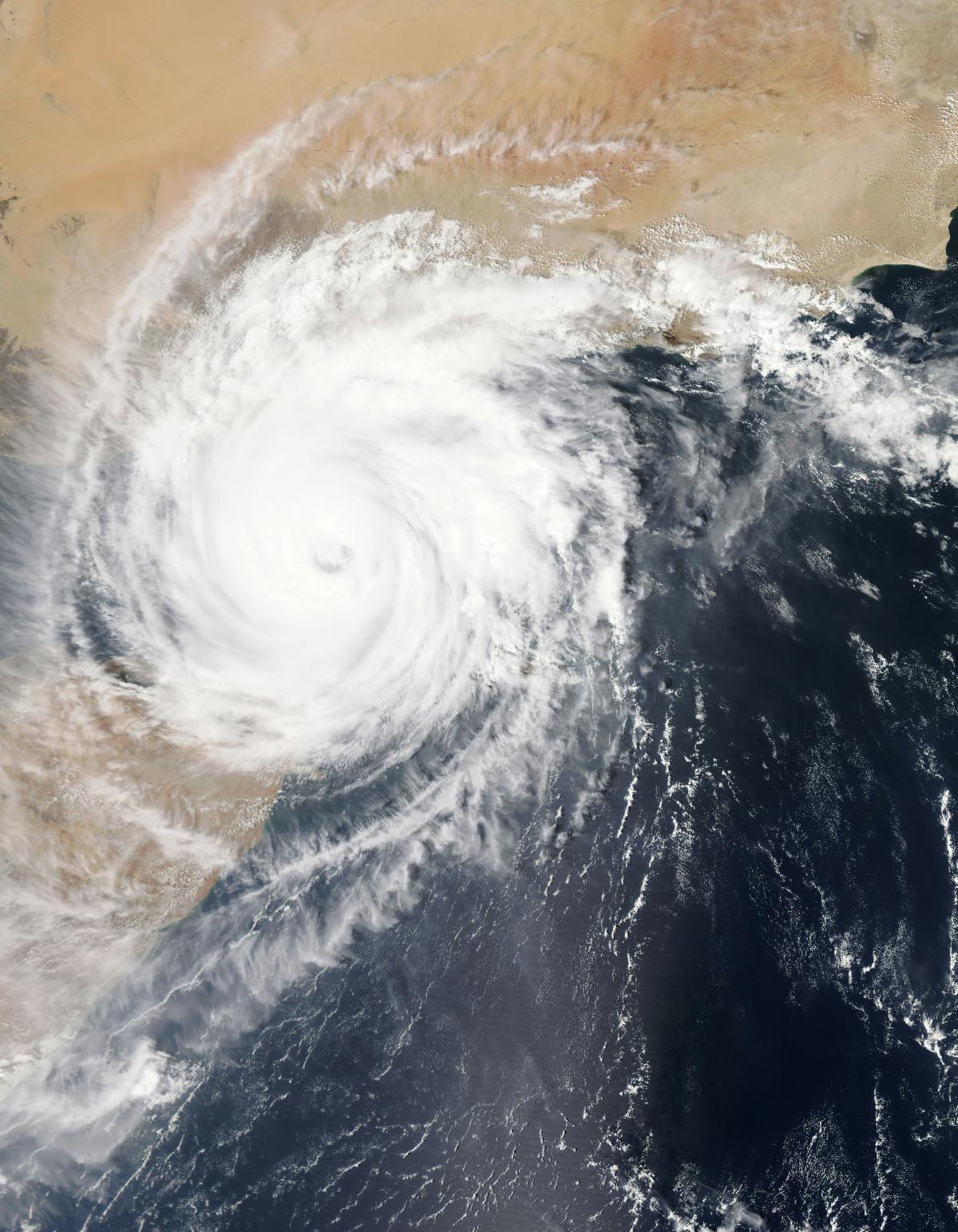
While we continue to enjoy the rest of the summer, now is also a good time for us to start looking ahead. Did you know that Autumn is THE favorite season in the United States? That probably doesn't come as a surprise, considering the cooler temps and beautiful scenery that fall offers. But, there is something else that fall is known for, unfortunately, and that is Hurricane Season. As much as we may not want to think about it, it's super beneficial to take the time to get prepared for hurricane season, "just in case". Being prepared is everything, when it comes to bad weather, and we hope this newsletter will lend a hand in getting you ready for possible rough weather ahead. You're not alone! HRC is always here to help, and that includes before and after a major storm. "We do the little things that never seem to get done", and much more.
| |
|
Get Ready for Hurricane Season:
Your Preparation Timeline
| |
|
As of June 1st, it is officially the 2024 Atlantic hurricane season, and now is a great time to get started with preparing for any storms that are headed our way. A timeline is always helpful in situations like this that require plenty of planning. When/if we know a storm is headed our way, there are plenty of things to do as the days draw near. However, what we do now, BEFORE we know of any storms in our path, could be the most important part of protecting ourselves, our loved ones, our homes, and our property. Let's get started!
Things to Do NOW:
-
A sump pump back-up battery should be replaced about every 5 years. An expired sump pump back-up battery is useless during extended periods of electricity loss, and basement flooding is likely during heavy hurricane downpours. Replace now, if necessary.
-
Have your generator serviced BEFORE a storm. Automatic standby generators usually go through a weekly test to make sure they will be ready when you need it, but that doesn't mean they are ready tor a multi-day power outage. Portable generators can be full of rotten gasoline or have gummed-up carburetors, preventing them from starting altogether. Have the unit serviced NOW, to ensure it will be ready to go when needed.
-
Purchase POWER SURGE PROTECTORS, not power strips. Power strips simply add more outlets to a wall outlet, most offering little to no protection from power surges, while surge protectors offer protection against power surges and spikes. Things including kitchen and laundry room appliances, circuit boards, computer hard drives, home entertainment systems, charging cell phones, etc., are all items at risk during power surges. Be sure to make sure the wiring in your home is properly grounded, so the surge protector can do it's job, and avoid plugging devices into the same protector with air conditioners, laser printers, etc., which have large motor loads and can make their own lower level power surges that can affect all devices plugged into the same strip.
-
Make an evacuation plan and practice it now! Print and fill out a family emergency plan, courtesy of fema.gov, by clicking HERE, and familiarize yourself with our list of resources for emergency warnings and alerts (see our second article, below). Remember to take into consideration any of the following, and plan appropriately for them: Ages (Infants? Elderly?), special diets, medications, devices, equipment, disabilities, pets, languages spoken, cultural or religious considerations, securing of a storm-safe location for extra vehicles, etc.
-
Make or restock a "Hurricane Kit". For a complete list of items to stock, click HERE for the ready.gov "Build a Kit" list.
- Secure your home! This includes repairing anything in or on your home that could come loose during a storm, such as loose shingles. Consider buying plywood sheets in advance, too, should you need to cover and protect windows during a storm. These fly off the shelves quickly. Make a list of items in your yard that could become debris in high winds, and make it a part of your evacuation plan to secure them or put them away before a storm hits.
- Keep your gutters, downspouts, and leaders clear of any leaves and debris.
-
Make any necessary changes to your home insurance NOW, to be sure your property will be adequately protected with the right coverage, should flooding or other damage occur. When a storm is about to hit, most insurance companies will put a moratorium on changes to your policy. In fact, depending upon the insurance company and policy, the addition of hurricane coverage to your policy may not be active until approximately 60 DAYS AFTER you add it to your policy. Speak with your insurance agent NOW.
-
Protect your pets! Click HERE to learn more about the ASPCA's disaster preparedness for pets.
Things To Do 48 Hours Before a Storm:
- Buy inexpensive LED flashlights, and scatter around the house so they are available if the lights go out and the generator fails.
- Stock up on extra batteries.
- Consider a battery-powered radio to provide you with entertainment and info in the event you lose cell, wireless internet, or cable TV.
-
Stock up on canned goods and be sure to have a manual can opener on-hand.
- Make sure your vehicle is in good working order and stock it with emergency supplies and a change of clothes.
Things To Do 36 Hours Before a Storm:
- Since water is often the first thing to run in short supply at stores, fill water bottles, coolers, and buckets with your tap water from home.
- Fuel your cars, wood burning fireplaces, home heating and standby generator tanks, and even lawn equipment (for added fuel storage). Fill gas cans, too. Storms and power outages can leave gas stations unable to get and dispense fuel.
- Clean and fuel your backyard grill(s) (propane, wood, charcoal), to use as an option to cook or even bake. Just about anything can be made in a pot or a skillet!
- Monitor the latest weather updates and emergency instructions on your local TV or radio station.
-
Discuss with family members how you will be keeping in contact should an outage occur. Calling, texting, emailing and Social Media are all good ways to stay in touch, but texting is generally the best option as phone lines can often be busy and hard to get through.
- Review your evacuation route and overall evacuation plan.
- Back up any electronic devices and make plans to store them at an off-site location, especially if you own a business.
Things To Do 18-36 Hours Before a Storm:
- Continue to monitor storm updates and emergency instructions. Bookmark your local update website for quick access. Familiarize yourself with information re: resources, in our second article, below.
-
If you followed our tip to make a list of objects that could be potential projectiles, now is a great time to pull out that list and bring those items (patio furniture, garbage cans, etc.) in. Anchor any objects that are not safe to bring inside, such as propane tanks.
- Depending upon the forecasted severity of the storm, cover your home's windows, either with permanent storm shutters or by boarding up windows with cut-to-fit 5/8" exterior grade plywood.
- Learn where you must go should you be ordered to evacuate, and check-in with family and friends once/if evacuation orders are given.
Things To Do 6-18 Hours Before a Storm:
- Especially if you will not be evacuating, fill your bathtubs and several buckets with water. Those who have a swimming pool are all set. Wells don't run without power and municipal water may not be available, making flushing a toilet impossible. Two gallons of water quickly poured into the toilet bowl will initiate a flush, or you can also pour water directly into the tank, up to the top of the overflow tube, and flush like normal.
- Tune into TV/Radio station, or local update website, every 30 minutes, for latest weather updates and emergency instructions.
-
Charge cell phones NOW to ensure a full battery in case of a power outage.
Things To Do 6 Hours Before a Storm:
- Continue monitoring hurricane updates and emergency information every 30 minutes.
- If you are not evacuating, plan to stay home/where you are, and let family and friends know where you are.
- Close any open storm shutters, and stay away from all windows.
- Turn your refrigerator to the coldest setting and open only when absolutely necessary, to help food last longer during any possible power outage.
Things To Do AFTER a Storm:
-
BE SMART! Remember to stay calm and take the time to make sure that what you are doing, and how you are doing it, is correct and SAFE. This includes avoiding any contact with downed trees, debris, and downed wires, etc.. DO NOT walk or drive through flood waters, which can be electrically charged from underground or downed power lines, and can be hiding dangerous debris and other obstacles. Be aware that just 6 inches of moving water can knock you down and/or sweep your vehicle away.
- Listen for local updates and instructions (the resources in our second article will be very helpful with this).
- Use texting and/or Social Media to check-in with family and friends.
- If you have been evacuated, do not return home until officials have deemed it safe for you to do so.
- Take photographs of any damage to your property, and contact your insurance agent for assistance in filing a claim.
-
Flooded? We can help! HRC is equipped with 2 types of pumps, a basic high volume water pump, for pumping out flooded basements and draining swimming pools, and a diaphragm-type pump (nicknamed a "Mud Sucker"), which supplements the other pump in draining basements and pumping the muddy slurry during the final cleanup of a flood job. They really get the job done!
- We can also help remove limbs and other debris, and help prevent further post-storm damage to your property by tarping damaged roofs, etc.
There's a lot to think about when it comes to hurricane season, but being as prepared as you can be, every step of the way, will truly make a difference. Stay safe, and reach out to us should you need any assistance. We are always happy to help!
| |
Staying On Top of Hurricane Season: Valuable Resources | |
 | |
GENERAL INFORMATION:
-
CLICK HERE for "Make a Plan" (ready.gov), to find directions for putting together an emergency plan, should disaster strike.
-
CLICK HERE for "6 Ways to Prepare Now for Hurricanes" (accuweather.com) , to learn important tips for preparing your family and home for possible disaster.
-
CLICK HERE for the National Hurricane Center's website (nhc.noaa.gov) , to receive current news, advisories, important messages, and tips.
-
CLICK HERE for The Weather Channel's website (weather.com), for up-to-the-minute news, tracking, and forecasts re: storms.
-
CLICK HERE for the 2024 hurricane season forecast (accuweather.com).
LOCAL INFORMATION FOR NEW JERSEY:
-
CLICK HERE for the State of New Jersey's Office of Emergency Management's website (ready.nj.gov).
-
CLICK HERE for the Facebook page for "Hunterdon County Weather" , for "Hunterdon County's most reliable source for all things weather".
-
CLICK HERE for the Facebook page for "WeatherNJ", for "All weather. All New Jersey".
LOCAL INFORMATION FOR PENNSYLVANIA:
-
CLICK HERE for the State of Pennsylvania's Emergency Management Agency's website (ready.pa.gov).
-
CLICK HERE for the Eastern Pennsylvania Weather Authority, LLC's website (epaweather.com) , "...daily forecasts, long range forecasts, text alert services....and much more!".
LOCAL INFORMATION FOR BOTH NJ AND PA (and surrounding areas):
-
CLICK HERE for the Facebook page for "EPAWA Weather Consulting", "Weather forecasting for Central/Eastern PA, all of NJ, all of DE, and Northern MD".
| |
|
Home Repair and Care has a facebook page! We put reminders for upcoming events and other useful things here! CLICK HERE to follow us. You can even leave a review for HRC! We greatly appreciate hearing some kind words from our long list of terrific customers!
| |
|
You can also give your review of Home Repair and Care on Google (CLICK HERE!).
| |
|
We also have a nextdoor account! You can join our neighborhood, HERE. Feel free to "Fave" us and leave a review, also!
| |
|
8/3/24: Somerset County (NJ) Electronic Waste Recycling Event, Hillsborough, 8am-2pm. For more information on this event, CLICK HERE!
8/17/24: Somerset County (NJ) Document Shredding Event, Hillsborough, 9am-1pm. For more information on this event, CLICK HERE!
9/7/24: Somerset County (NJ) Electronic Waste Recycling Event, Hillsborough, 8am-2pm. For more information on this event, CLICK HERE!
9/14/24: Hunterdon County (NJ) Document Shredding Event, Flemington, 8am - 11:30am. For more information on this event, CLICK HERE!
9/21/24: Mercer County (NJ) Hazardous Waste & Electronic Waste Recycling Event, Lawrence Twp., 8am-2pm. For more information on this event, CLICK HERE!
9/21/24: Somerset County (NJ) Document Shredding Event, Hillsborough, 9am-1pm. For more information on this event, CLICK HERE!
10/5/24: Hunterdon County (NJ) Electronic Recycling Event, Flemington, 9am-1pm. For more information on this event, CLICK HERE!
10/5/24: Somerset County (NJ) Electronic Waste Recycling Event, Hillsborough, 8am-2pm. For more information on this event, CLICK HERE!
10/19/24: Hunterdon County (NJ) Document Shredding Event, Flemington, 8am-11:30am. For more information on this event, CLICK HERE!
10/19/24: Mercer County (NJ) Document Shredding Event, Trenton, 9am - 12pm. For more information on this event, CLICK HERE!
10/19/24: Somerset County (NJ) Household Hazardous Waste Day, Hillsborough, 9am-2pm. For more information on this event, CLICK HERE!
11/2/24: Somerset County (NJ) Electronic Waste Recycling Event, Hillsborough, 8am-2pm. For more information on this event, CLICK HERE!
11/16/24: Hunterdon County (NJ) Electronic Waste Recycling Event, Flemington, 9am-1pm. For more information on this event, CLICK HERE!
Bucks County (PA) Electronics Disposal Information. The following is a list of locations for electronics disposal. NOTE: A fee will be charged at these sites. Contact individual locations for further details. For list of locations, CLICK HERE!
| |
July Monthly Maintenance List | | |
- Inspect visible pipes for leaks.
- Check area around water heater for leaks.
- Check for cracks, signs of dampness/leaks, and evidence of termites, rodents, etc. in basement or crawl space.
- Check for wear or damage of electrical wiring/cords/plugs and replace if necessary.
- Test smoke and carbon monoxide detectors for proper operation.
- Inspect water softener for proper operation. Add salt as needed.
- Inspect loose/missing grout or caulking. Regrout or recaulk if necessary.
- Inspect shower door/tub enclosure for proper fit. Adjust if necessary. Inspect caulking and recaulk if needed.
| |
|
HRC is always thankful for having such wonderful customers to work with. Owning a home takes a lot of work but, if we work together, we can get it done! We're just a phone call away, so remember: "We do the little things that never seem to get done", and so much more!
| |
|
Don't forget, we also post tips, reminders and project updates on our social media!
FOLLOW US
| | | | |