The 4-7-8 Breathing Technique
I'm always on the lookout for simple, practical ways to help myself and others navigate the daily stresses of life. One of my favorites is the 4-7-8 breathing technique, which has been popularized by Dr. Andrew Weil. This breathing pattern is based in the ancient yogic practice of pranayama, and can help regulate the nervous system which can help with anxiety, restlessness and insomnia.
How To Do It
Before starting, find a comfortable sitting position and place the tip of the tongue on the tissue right behind the top front teeth. (You will leave your tongue there for the duration of the practice.) Then:
- empty the lungs of air
- breathe in quietly through the nose for 4 seconds
- hold the breath for a count of 7 seconds
- exhale forcefully through the mouth, pursing the lips and making a “whoosh” sound, for 8 seconds
- repeat the cycle up to 4 times
Dr. Weil recommends using the technique at least twice a day, and also suggests that you avoid doing more than four breath cycles in a row until you have more practice with the technique.
You may feel lightheaded after doing this for the first few times, so it's advisable to try this technique when sitting or lying down to prevent dizziness or falls.
The total number of seconds that the pattern lasts for is less important than keeping the ratio. If you can't hold your breath for the allotted time, you can try a shorter pattern instead, such as:
- breathe in through the nose for 2 seconds
- hold the breath for a count of 3.5 seconds
- exhale through the mouth for 4 seconds
As long as you maintain the correct ratio, you may notice benefits after several days or weeks of doing 4-7-8 breathing consistently one to two times a day. According to some advocates of 4-7-8 breathing, the longer and more frequently a person uses the technique, the more effective it becomes.
A 2011 review article in Health Science Journal identifies some of the potential health benefits of deep breathing techniques, particularly for deep breathing from the diaphragm. These possible benefits include:
-
decreased fatigue
- reduced anxiety
-
reduced symptoms of asthma in children and adolescents
- better stress management
-
reduced hypertension
- reduced aggressive behavior in adolescent males
-
improved migraine symptoms
Studies suggest that 6 weeks of practicing pranayamic breathing, or breathing that focuses on controlling the movement of the breath, may have a positive effect on person’s heart rate variability, which correlates with stress, and also improve cognition and anxiety.
You can watch Dr. Weil demonstrate the technique on YouTube here:
https://www.youtube.com/watch?v=p8fjYPC-k2k
I hope you find this simple technique helpful, and happy breathing!
Paula
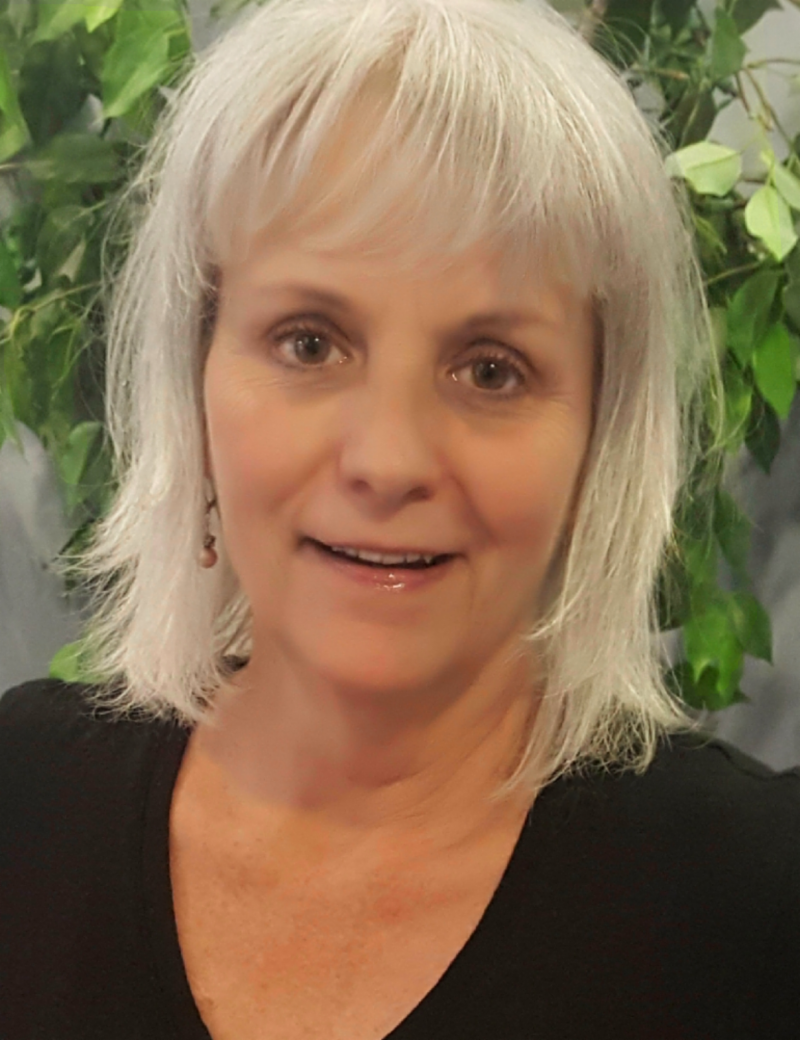
Paula Sarvani is a Certified Mindfulness Meditation Teacher and has worked in the field of health and wellness for more than thirty years. Her classes, workshops and one-on-one coaching incorporate mindfulness exercises and down-to-earth practices that help people be with themselves, others, and the challenges of life with clarity, equanimity, and compassion.