2024 Header Update
 

September 2024

—

The ACCESS Advance is a monthly newsletter produced by the U.S. National Science Foundation's ACCESS (Advanced Cyberinfrastructure Coordination Ecosystem: Services & Support) program. It contains science stories enabled by ACCESS, program news and opportunities for users.

In this Issue

  • PSC's Anton Now Accepting Proposals
  • ACCESS Resources for Classroom Use
  • ACCESS at Tapia Conference
  • Year 2 Program Highlights Booklet
  • Understanding Jet Turbulence Using Ookami

Opportunities

Events and Trainings

Community Announcements


Science Stories

enabled by ACCESS


A Better Use of AI for Images

To prevent hackers from altering medical images, researchers at the Missouri University of Science and Technology are using Jetstream2 at Indiana University to develop enhanced AI methods.


Read the full story here

Promising Alternative to Chemotherapy

Researchers from MIT and Imperial College in London used Expanse at the San Diego Supercomputer Center to run simulations that could advance the use of photodynamic therapy (PDT) as a noninvasive alternative to chemotherapy.


Read the full story here

HPC-Powered Undergraduate Education

A chemistry professor uses allocations on Expanse at the San Diego Supercomputer Center to introduce computational chemistry to students in his general chemistry class at Oxnard College.


Read the full story here


What's New?


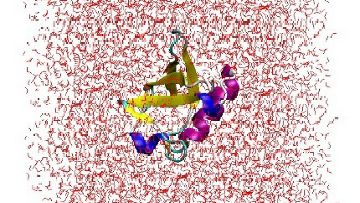
PSC Now Accepting Proposals for Special-Purpose Supercomputer


The Pittsburgh Supercomputing Center (PSC) is soliciting proposals for computer time on Anton 3, a special-purpose supercomputer for molecular dynamics (MD) simulation designed by D. E. Shaw Research (DESRES). This 64-node third-generation Anton machine replaces and greatly enhances the capabilities of the previous generation Anton machine. It's available without cost through DESRES for non-commercial research use by universities and other not-for-profit institutions.

Learn more about Anton

ACCESS Resources Available for Classroom Use


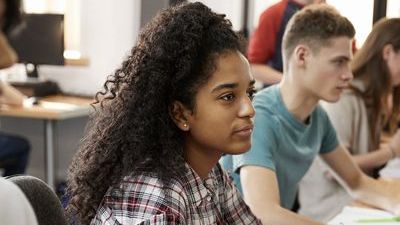
Attention students and educators: With the fall semester underway, keep in mind that ACCESS resources are available for students, instructors and classroom projects.


  • Explore ACCESS, the smallest-scale allocation project type, is a great fit for smaller classes and training events. Graduate students are eligible to be principal investigators (PIs) on Explore ACCESS projects.


  • Discover ACCESS allocation project type, offering medium-scale allocations, is excellent for larger classes and training events. For these projects, U.S. National Science Foundation graduate student Fellows and honorable-mention recipients can serve as PIs.


Both types of requests are accepted anytime and multiple requests are allowed. Take advantage of ACCESS resources this semester to set up classes for HPC success!

Learn more about types of allocations

Read our story on expanding ACCESS to students

Celebrate diversity with ACCESS at the Tapia Conference


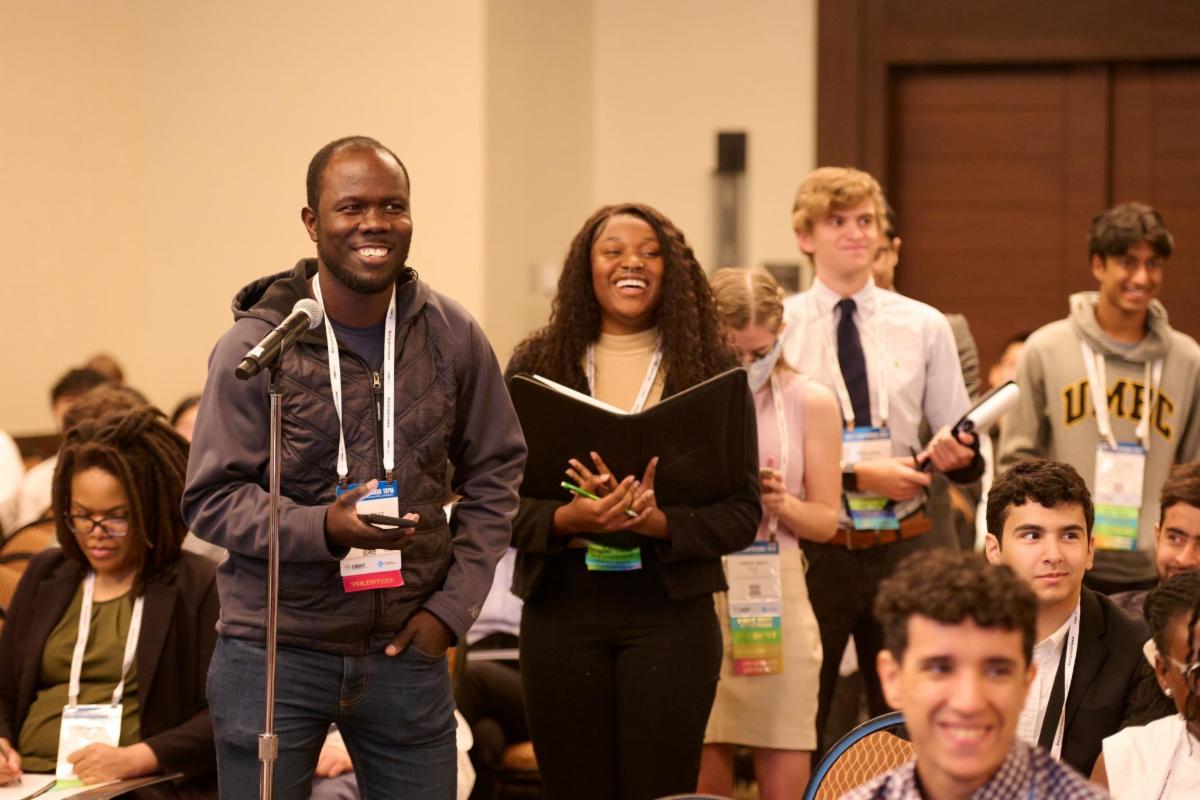
This year, ACCESS is a proud sponsor of the Tapia Conference, the premier venue to acknowledge, promote and celebrate diversity in computing. If you plan to attend the conference in San Diego, Sept. 18 – 20, come see ACCESS at the Town and Country Resort, booth #622. The Tapia Conference, named for the internationally known computational scientist and mathematician Richard A. Tapia, brings together professionals from all backgrounds, ethnicities, ability levels and gender identities to connect, converse and collaborate. The Tapia experience builds a community of diverse computing leaders that extends well beyond the conference.

More information on the Tapia Conference

ACCESS Year 2 Program Highlights Book Now Available


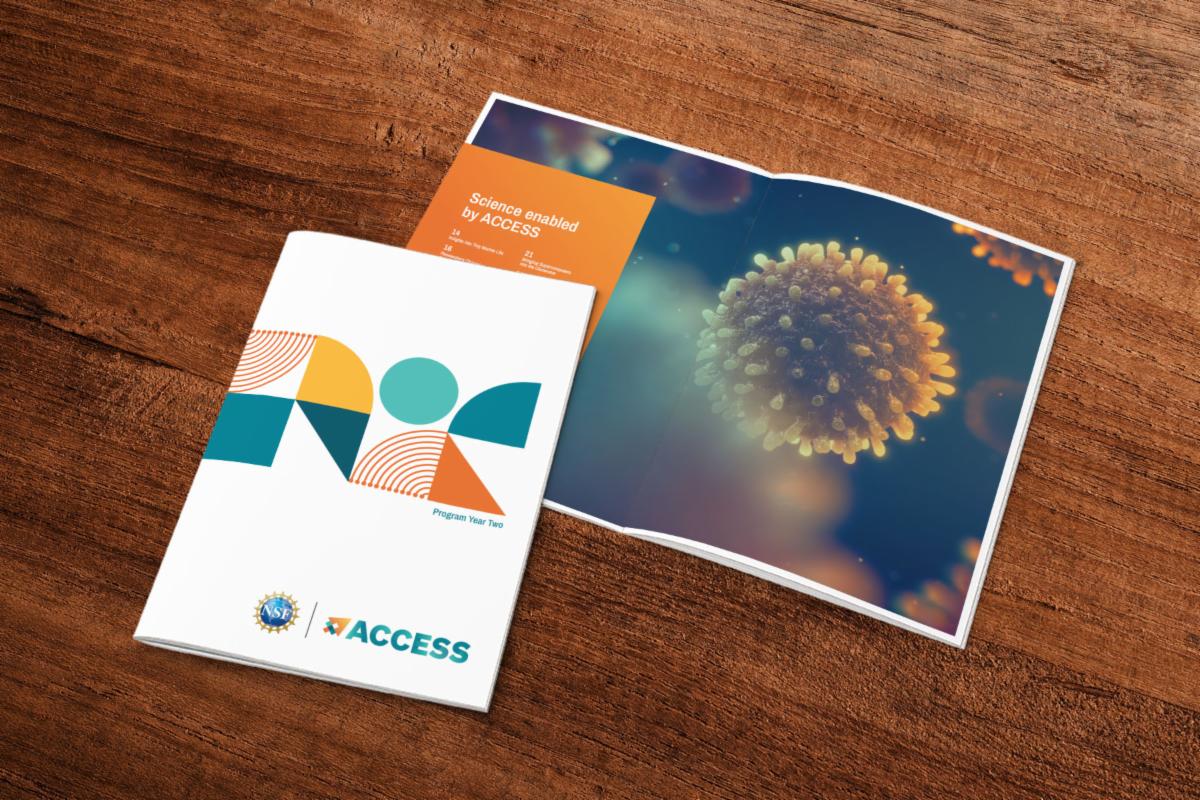
ACCESS debuted its annual highlights booklet at the PEARC24 conference held in July in Providence, RI. The booklet, covering Program Year 2, includes a letter from all of the principal investigators (PIs), science stories covering the broad variety of research ACCESS helped enable and a brief overview of some of the many accomplishments the ACCESS program has achieved over the last year.


We invite you to download and share this digital version with anyone you feel could benefit from free access to cyberinfrastructure resources for their research!

Download the ACCESS highlights booklet


Spotlight


Cracking the Code of Supersonic Jets: The Science Behind Jet Expansion and Turbulence in Extreme Conditions


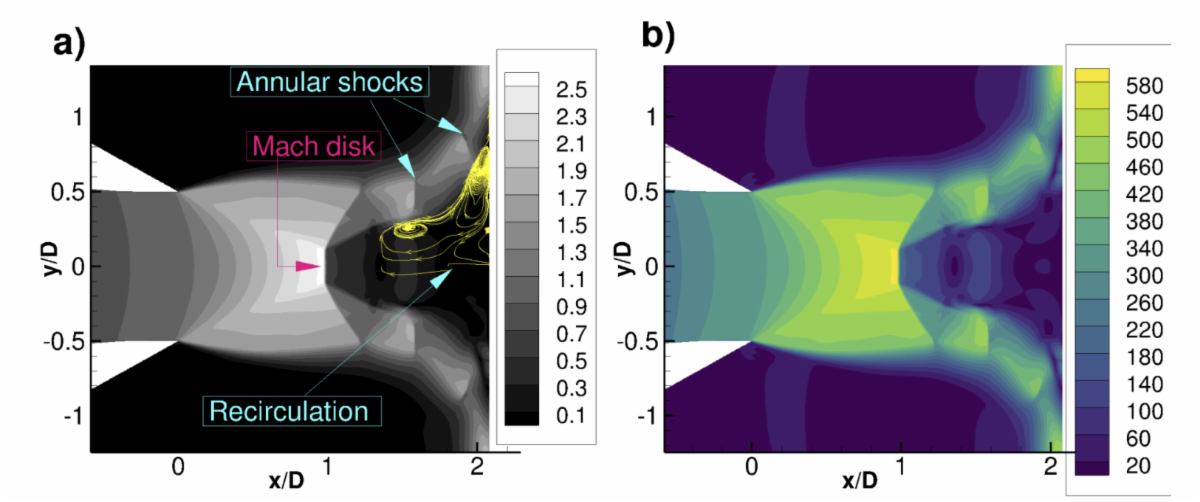
A team of engineers led by Ozgur Tumuklu of Renesselaer Polytechnic Institute used Ookami, an ACCESS resource at Stony Brook University, to understand the complex behavior of supersonic jets, specifically how they expand and interact under different nozzle pressure ratios (NPRs) and nozzle temperature ratios (NTRs). By the end of their study, the team had created a framework that not only shed light on these strange jet behaviors but also provided essential insights for designing spacecraft and other high-tech aerospace applications.


Read the full story here


ACCESS Website

Events & Trainings

Community Announcements


ACCESS is supported by the

National Science Foundation.

 
Facebook  X  YouTube  LinkedIn