The ASBN Global Neurosurgery Committee Newsletter
The American Society of Black Neurosurgeons Global Neurosurgery
Committee Presents:
Our monthly newsletter delivers updates on events, research, resources, and initiatives of the global neurosurgery committee (ASBN-GNC) and in the larger global neurosurgery space, all curated specifically for our ASBN members.
The ASBN Global Neurosurgery Committee (ASBN-GNC) is a subcommittee of the Service and Communications/Outreach committee. Building on the ASBN mission, ASBN-GNC centers on three core values:
I. Global Health Equity
II. Decoloniality
III. Pan-Africanism
Research Highlight:
Stay informed with the latest updates and information on groundbreaking research, innovative projects, and cutting-edge developments within ASBN-GNC.
Neurosurgeon Highlight
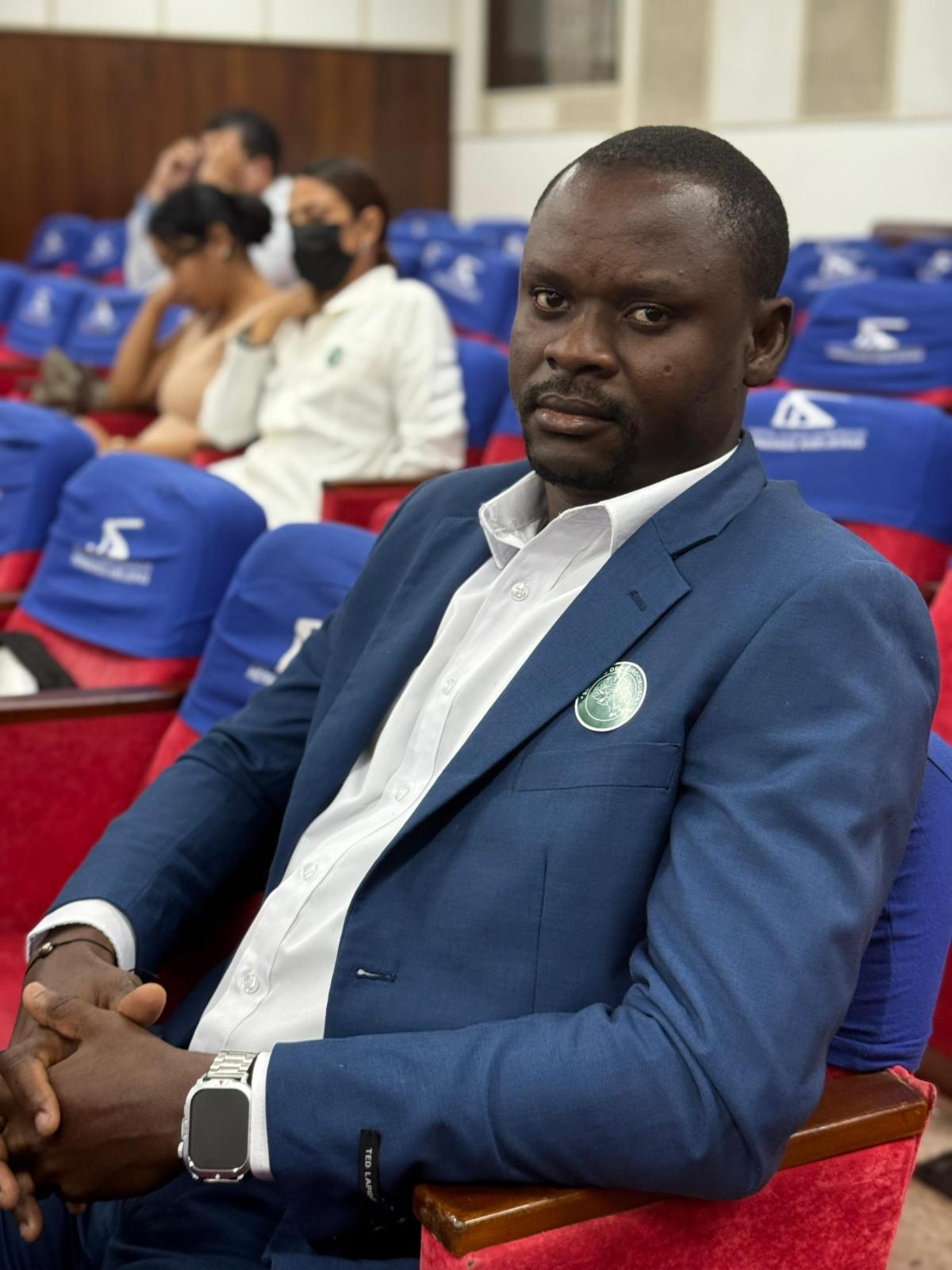
Davilus Dieusibon, MD
Born and raised in Haiti, Dr. Dieusibon’s academic journey began at Collège Galaxie des Gonaïves where he completed primary education in 1998. He continued at Collège La Sainte Famille de Trou-Sable, completing 3ème Année - Philo in 2009. His early interest in health sciences led him to the Université Publique de l’Artibonite aux Gonaïves (UPAG) where he completed two years of Nursing Sciences in 2011. This foundation in patient care and clinical exposure shaped his later medical trajectory.
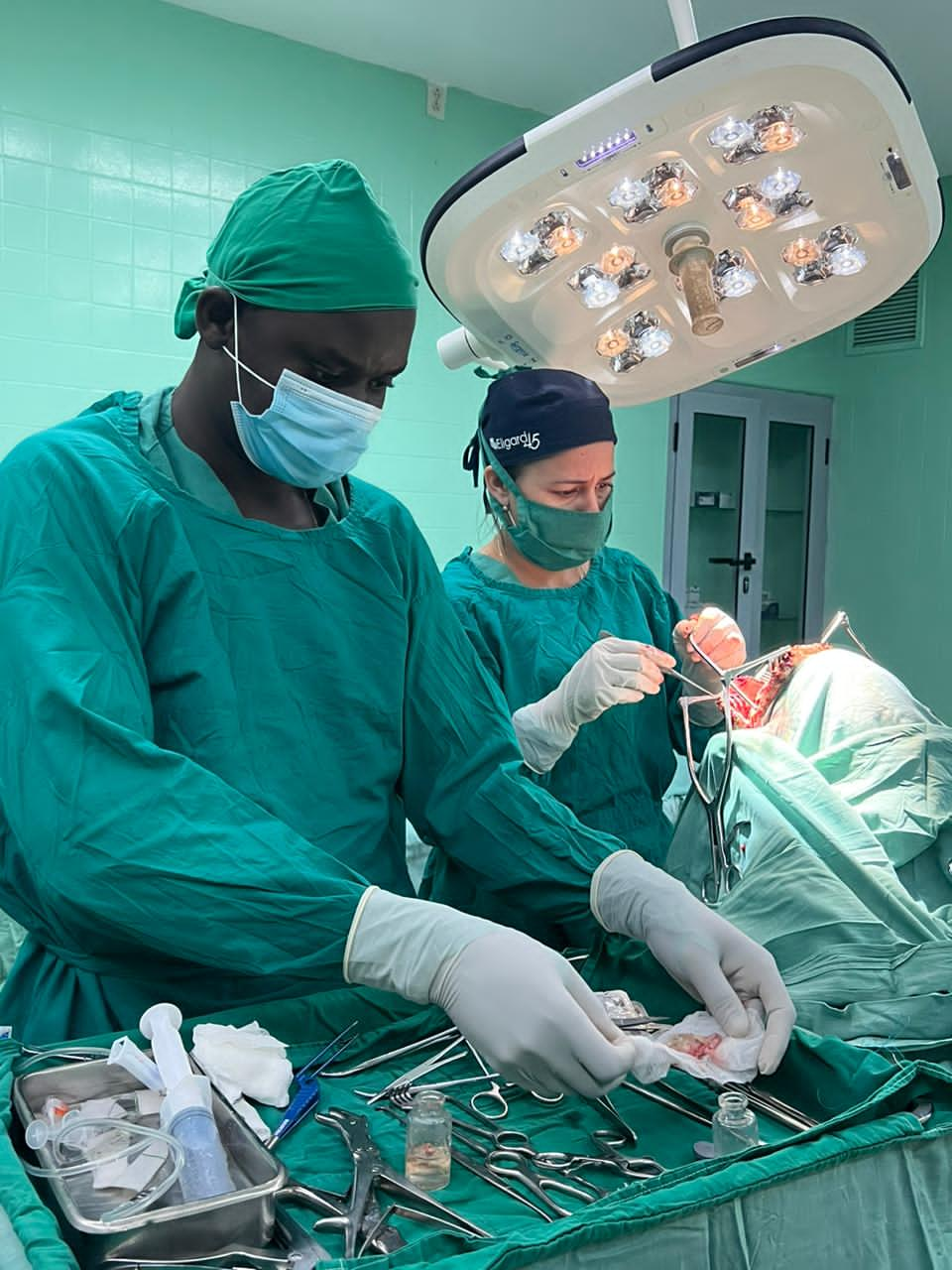
In 2018, he earned his doctorate of medicine degree from the Universidad de Ciencias Médicas Santiago de Cuba (ELAM), graduating with a strong academic record. He then pursued a neurosurgical specialization at Hospital Hermanos Ameijeiras, where he served as chief resident in 2024. He has since advanced into a fellowship in endoscopic pituitary and skull base surgery at the same institution, which he will be completing in 2026. This fellowship has refined his skills in minimally invasive endonasal approaches, pituitary pathology, and complex skull base procedures. Moreover, Dr. Dieusibon has served as a neurosurgeon and endoscopic skull base surgeon at the same Hermanos Ameijeiras Hospital since December 2024. As part of the neurosurgery team there, he participates in clinical decision-making, surgical management, investigative clinical and translational research, and multidisciplinary patient care.
One of his notable contributions in advancing neurosurgical care and addressing lack of data collection systems in resource-limited settings, includes developing and maintaining his department’s clinical database in 2025— an essential tool for research, quality improvement, and surgical outcome tracking.
Dr. Dieusibon is also a member of the Society of Haitian Neuroscientists (SHN) and serves as a Health Care Coordinator for diffusionofhopecharity.com, reflecting his commitment to community health and international global neurosurgical and research collaborations.
Recent Works:
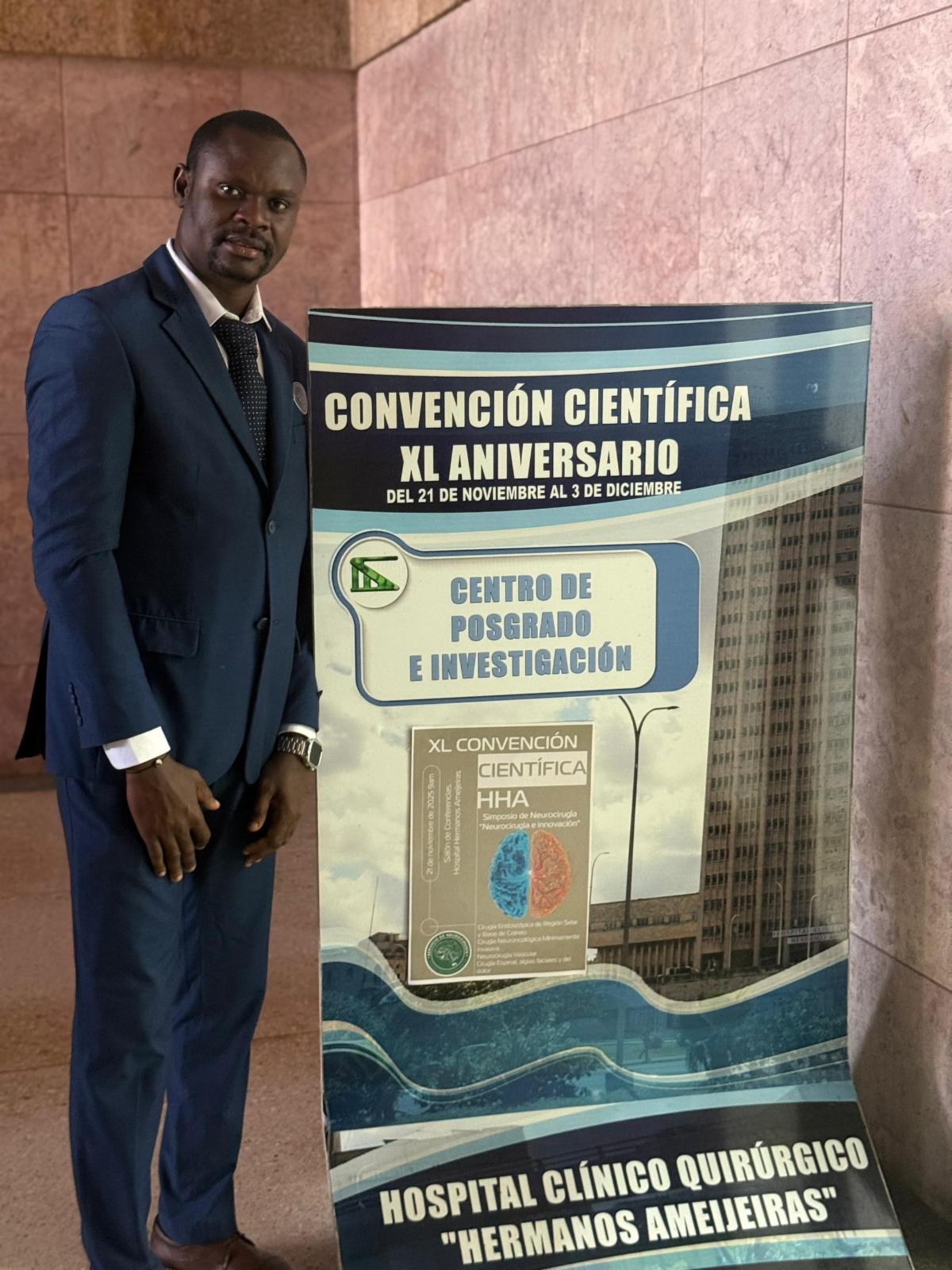
Presented Speaker, "Characterizations of Patients with Skull Base Tumors Operated on via Endoscopic Keyhole Approaches." XL Scientific Symposium, Hermanos Ameijeiras Hospital / Neurosurgery Symposium. Havana, Cuba. (November 21, 2025)
Participant, International Symposium on Pediatrics and Adult Neuro-Oncology (ISPANO 2025). Varadero, Cuba. (September 26–29, 2025).
Around the Globe: Impacts and Projects
A Look at Current Events in Global Neurosurgery
Dr. Dieusibon:
Training, Teaching, Research, & Initiative
Dr. Dieusibon's career bridges rigorous Cuban medical training, advanced endoscopic skull base surgery, and a growing body of clinical research. Driven by a collaborative spirit and a commitment to innovation, he advances neurosurgical care through his practice and training at the Hermanos Ameijeiras Clinical-Surgical Hospital, all while fostering active ties within the Haitian scientific community, promoting capacity building efforts to advance the Haitian neurosurgical training and care access.
Dr. Dieusibon's professional objective includes advancing his expertise through enrollment at the Dipartimento di Neuroscienze e Scienze Riproduttive ed Odontostomatologiche, with a focus on integrated diagnostic and therapeutic strategies for pituitary and skull base disorders.
Beyond the Practice: Hobbies & Interests
Care and Impact
Clinical interests
Endoscopic pituitary surgery
Skull base tumors
Minimally invasive neurosurgical techniques
Integrated diagnostic and therapeutic strategies
Dr. Dieusibon is recognized for his strong teamwork, analytical mindset, and ability to adapt to complex surgical environments. His passion for innovation extends beyond medicine, reflected in his interest in technology and digital tools
Hobbies and Leisure
Walking and traveling
Reading and listening to podcasts
Watching football and basketball
Spending time with family and friends
Favorite Food
Diri ak lalo, rice with Lalo (jute leaves), a beloved Haitian dish.
Favorite Color
Blue
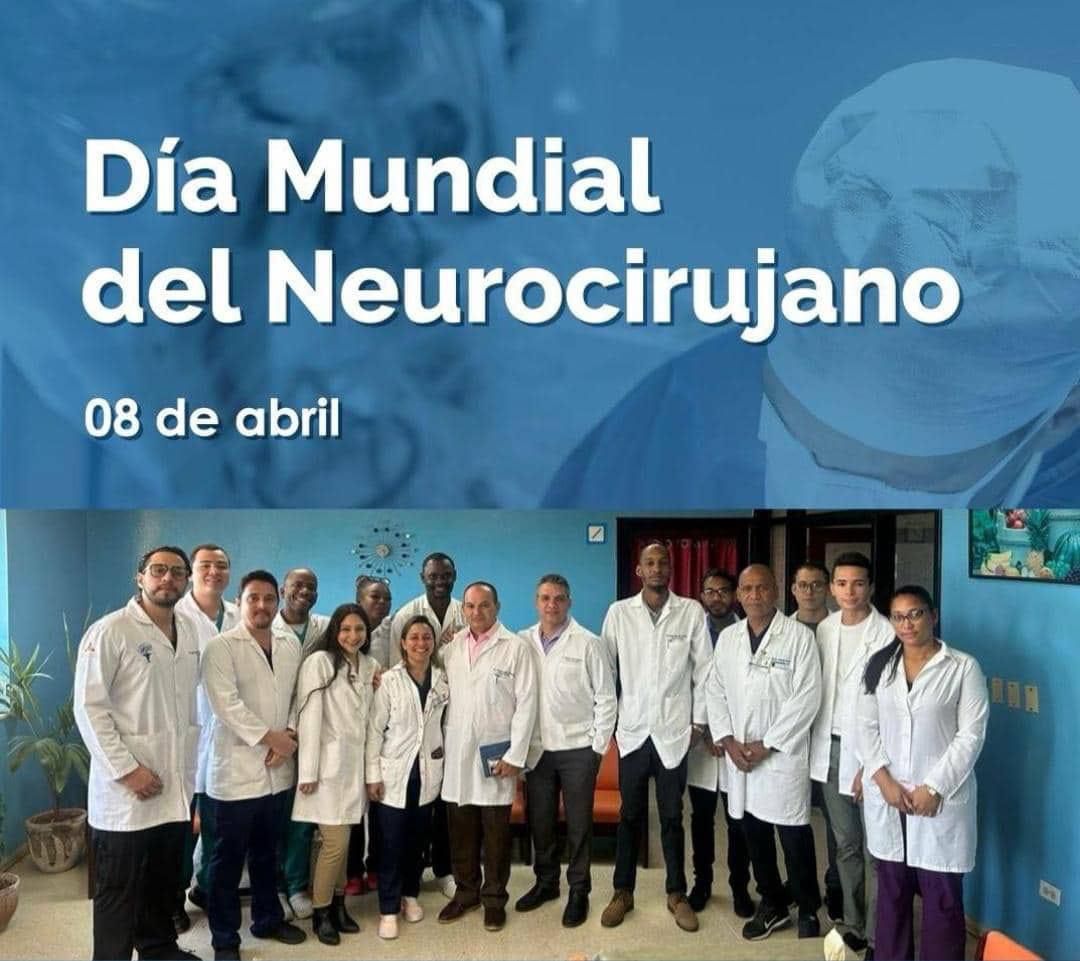
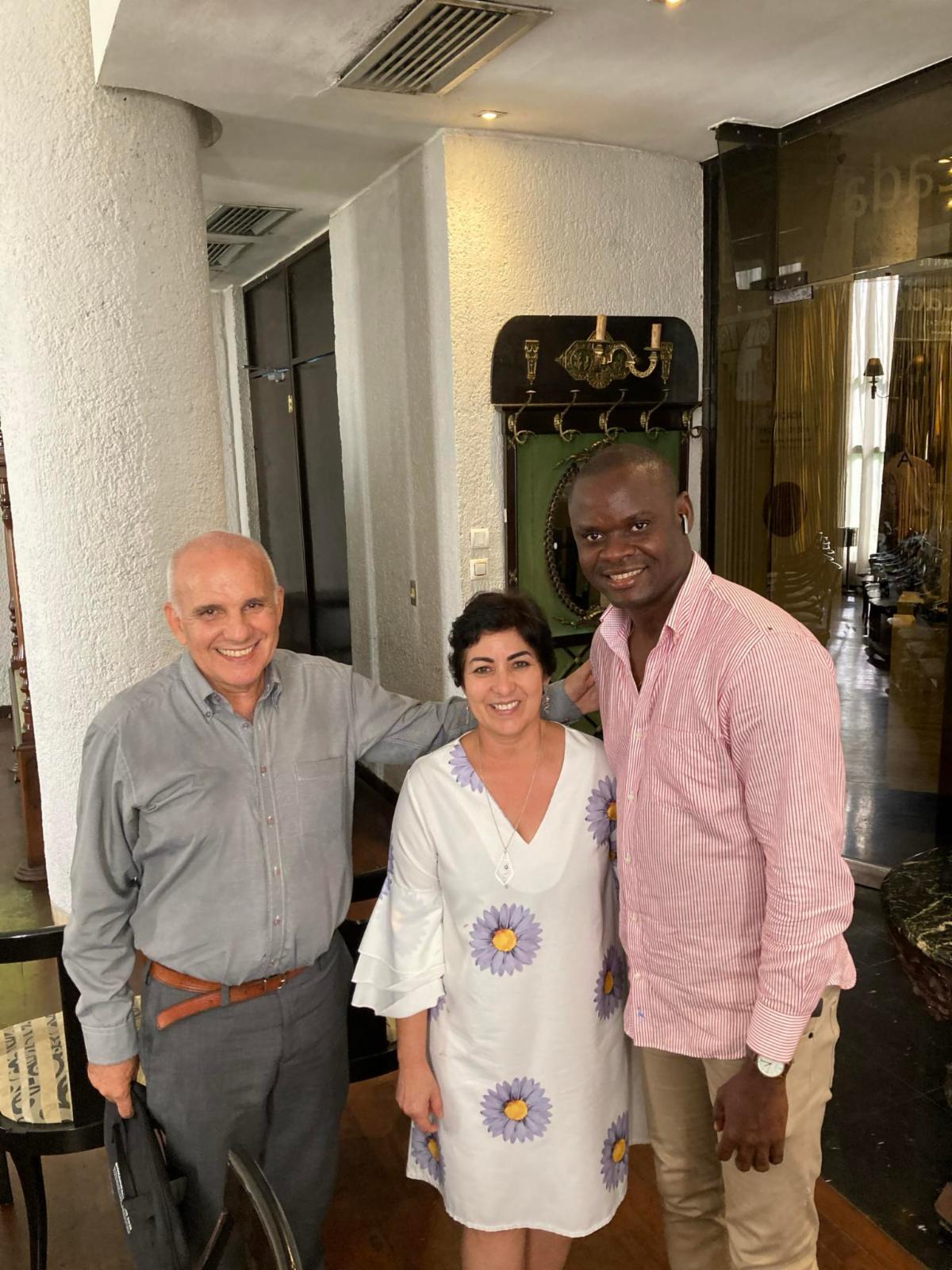
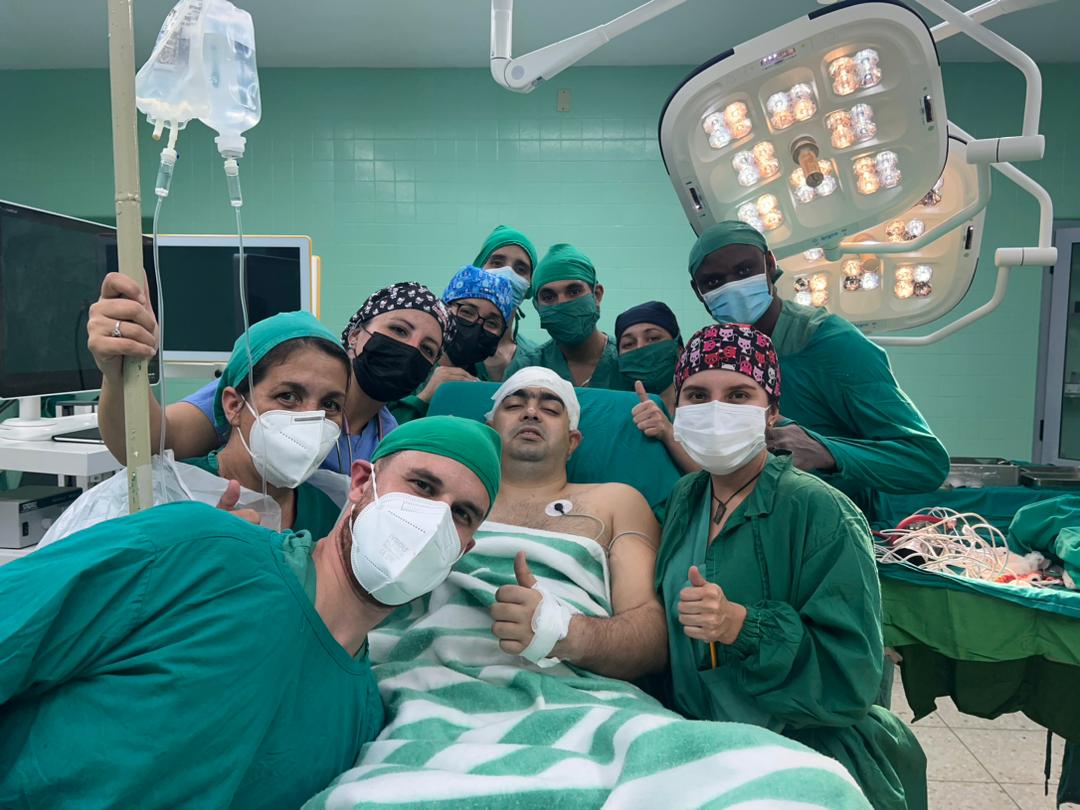
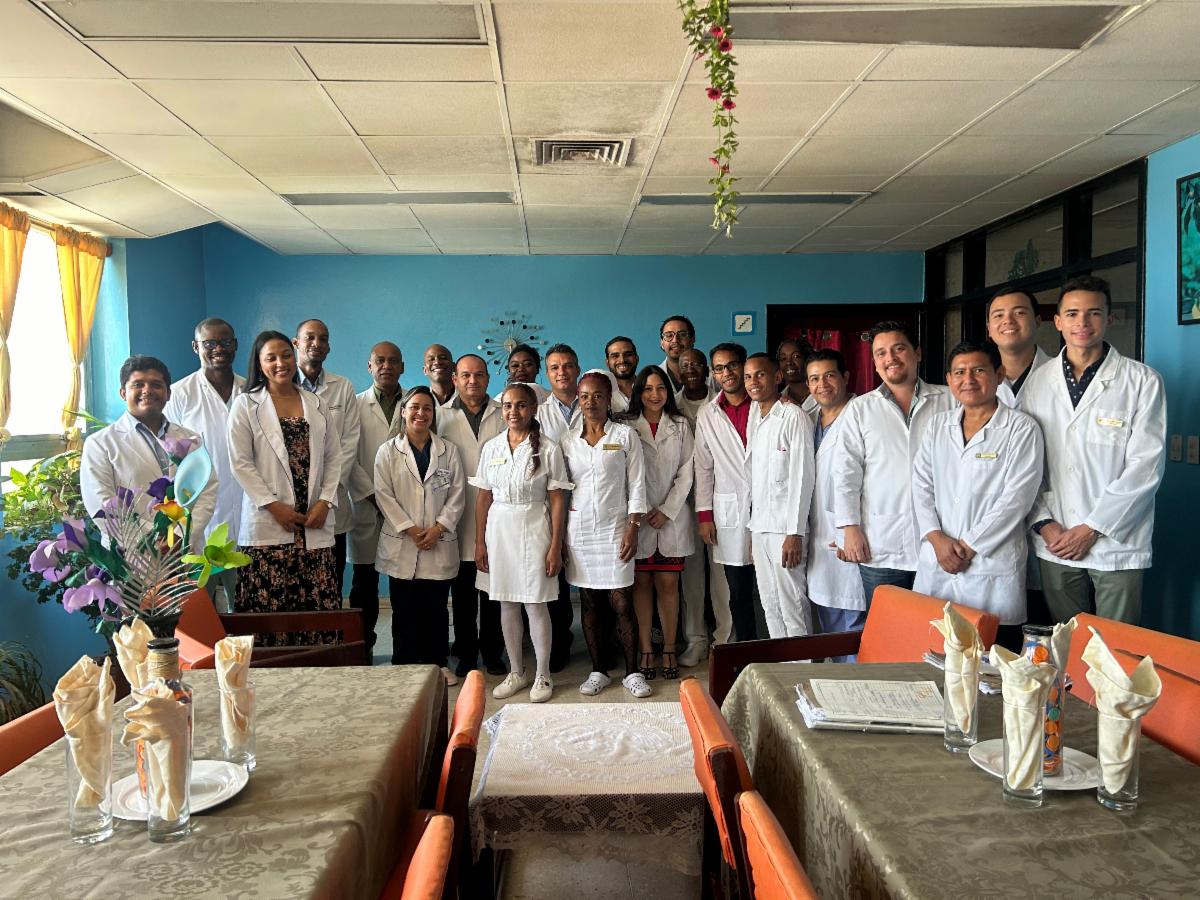
Dr. Dieusibon and several of his colleagues are shown across multiple professional settings, including performing skull base surgery, participating in the 2025 Día Mundial de Neurocirujano conference, and engaging in collaborative clinical and academic activities.
The Republic of Haiti:
Haiti: Context for Global Neurosurgery Engagement
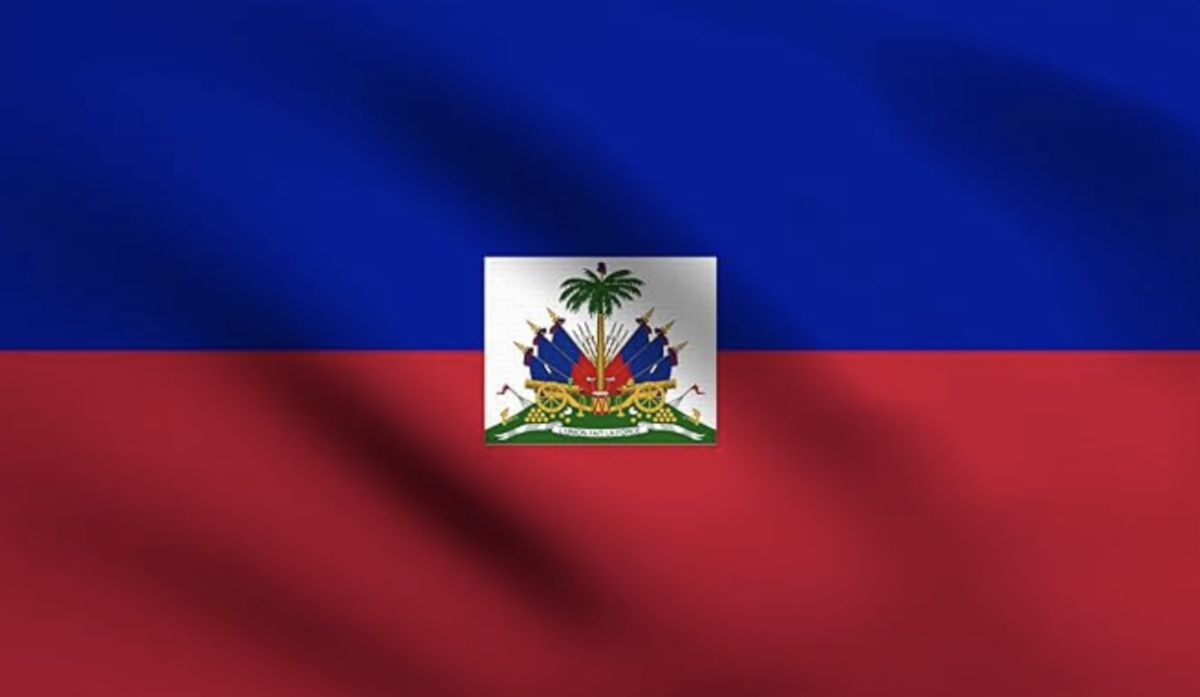
Haiti (Repiblik d’Ayiti in Kreyòl Ayisyen) occupies the western third of the island of Hispaniola in the Caribbean Sea. The name Ayiti, derived from the Taíno language, is commonly interpreted as “land of high mountains,” a reflection of the country’s rugged terrain and mountainous interior.
Haiti is globally recognized as the site of the only fully successful large-scale slave revolution in world history. Between 1791 and 1804, formerly enslaved Africans and their descendants defeated Spanish and British imperial interventions and ultimately overcame successive French colonial regimes, including Napoleon Bonaparte’s expeditionary forces. This struggle culminated in the establishment of the world’s first Black republic and the first independent nation founded on the permanent abolition of slavery. Haiti’s revolutionary origins continue to shape its national identity, global position, and enduring pursuit of sovereignty and self-determination.
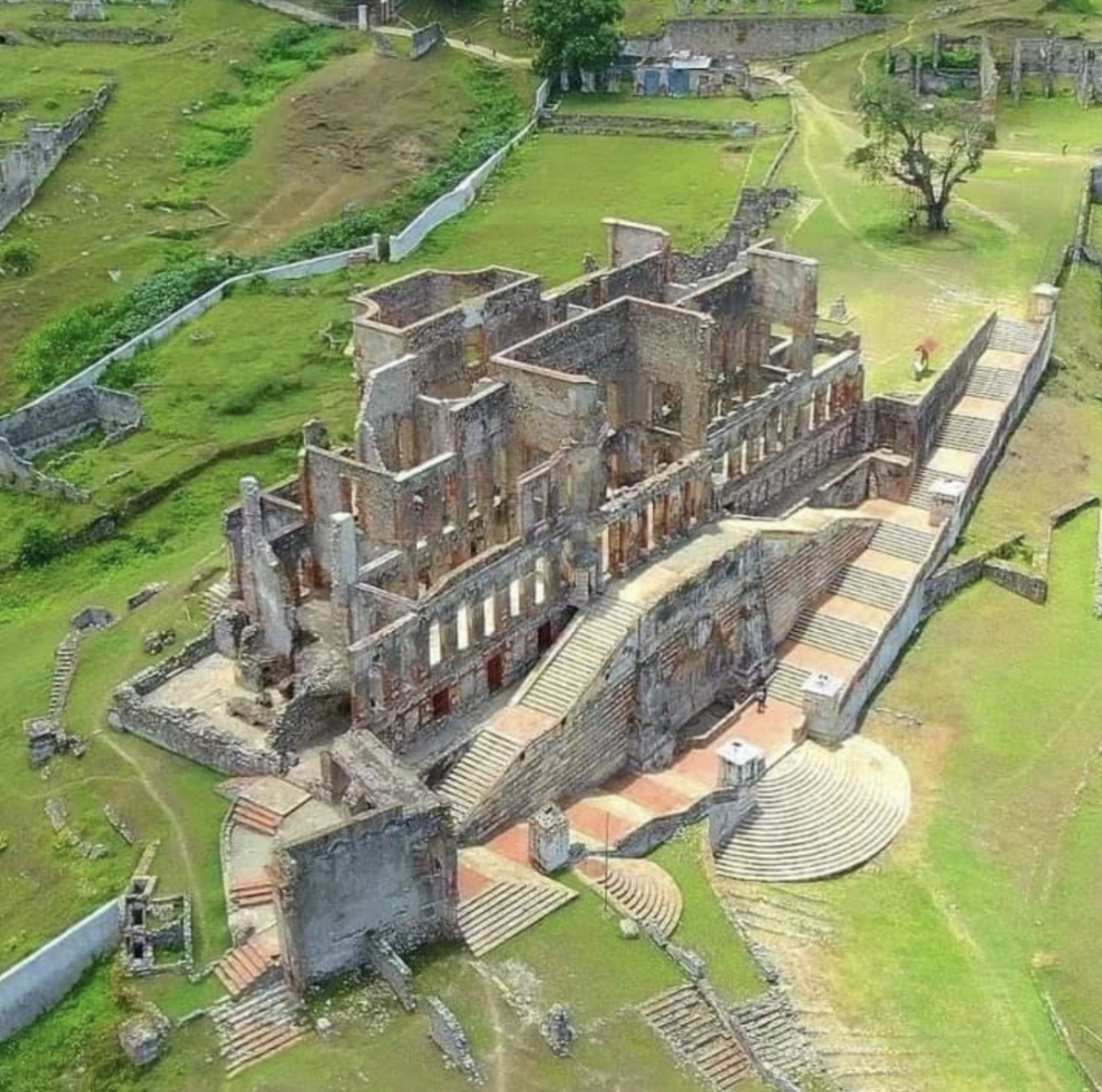
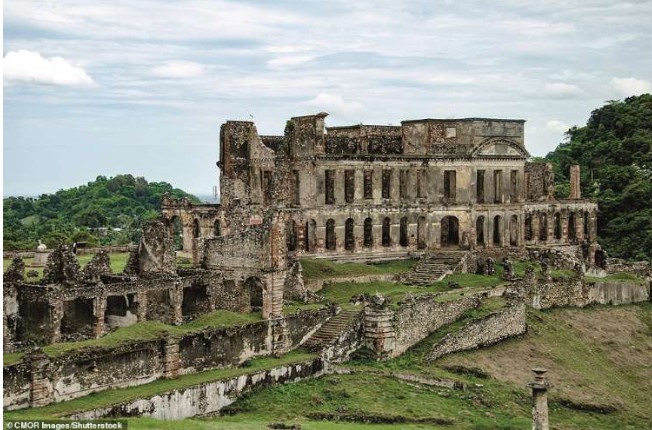
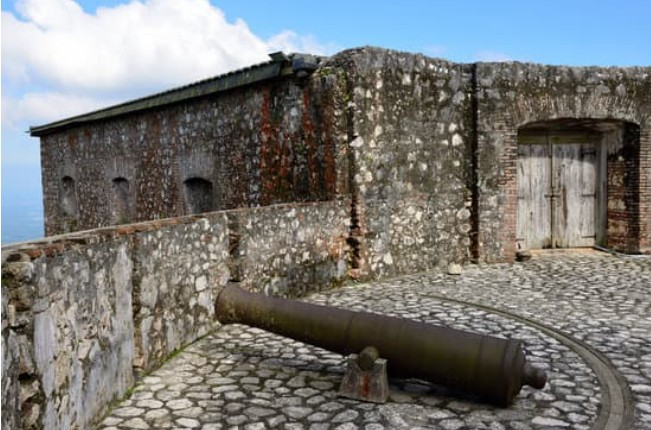
Culturally, Haiti reflects a rich tapestry of African diasporic, Afro-Caribbean, Taíno, and French influences, expressed through its art, music, architecture, language, religious traditions, and cuisine. Its dramatic geography—mountain ranges, waterfalls, and coastlines—includes historic landmarks such as the Citadelle Laferrière and Sans-Souci Palace, underscoring Haiti’s deep historical significance and cultural resilience.
Health System Challenges and Neurosurgical Capacity
Haiti’s healthcare system is an under-resourced mixed public–private model, with a substantial role played by non-governmental and faith-based organizations. Public-sector health spending remains among the lowest in the Western Hemisphere, and there are marked rural–urban inequities, with most tertiary and specialty services concentrated in Port-au-Prince. National health priorities include infectious and communicable diseases, maternal and child health, trauma, and a growing burden of non-communicable conditions, particularly cardiovascular and cerebrovascular disease.
Neurosurgical services in Haiti remain severely constrained by workforce shortages, limited geographic distribution, restricted access to advanced imaging, scarce intensive care capacity, and frequent interruptions in power, oxygen, and essential supplies. A very small number of neurosurgeons serve a population of approximately 11–12 million people, resulting in delayed or limited access to emergency neurosurgical care, particularly for neurotrauma, intracranial hemorrhage, and other acute conditions.
Impact of Insecurity and the Loss of Critical Infrastructure
In late 2024, escalating armed gang violence in Port-au-Prince resulted in the severe damage and functional loss of Hôpital Bernard Mevs, historically one of Haiti’s most important trauma and surgical referral centers and a key site for neurosurgical care and training. Armed attacks and arson destroyed operating rooms, diagnostic equipment, laboratories, and critical infrastructure, rendering the hospital largely non-operational.
The loss of Bernard Mevs had disproportionate national consequences, as it had served as one of the few facilities capable of providing sustained trauma, critical care, and neurosurgical services. Its destruction further disrupted referral pathways, reduced national neurosurgical capacity, and highlighted the growing threat that insecurity poses to healthcare delivery in Haiti.
Haitian Leadership, Diaspora Engagement, and Paths Forward
Despite these challenges, Haitian neurosurgeons continue to lead efforts to strengthen national neurosurgical capacity. Ongoing initiatives are supported by organizations including the Haitian Foundation for the Development of Neurology and Neurosurgery (FHADNNEC), the foundational forerunner and sister organization of the largely diasporic Society of Haitian Neuroscientists (SHN). Together, these organizations reflect a continuum of Haiti-based and diaspora-led leadership committed to sustainable workforce development.
Current neurosurgical practice in Haiti includes craniotomies for tumors and intracranial hemorrhage, spinal decompressions and fusions, and the management of neurotrauma, with select centers performing endoscopic transsphenoidal pituitary surgery in collaboration with international partners. Capacity for complex cerebrovascular, skull-base, and pediatric neurosurgical procedures remains limited and variable, with many patients seeking care abroad when feasible.
Local and diaspora-led efforts emphasize long-term capacity building through targeted equipment acquisition, structured training collaborations, task-sharing with trained general surgeons, and the development of multidisciplinary stroke and neurotrauma pathways. These initiatives align closely with the mission of ASBN’s Global Neurosurgery Committee and highlight both the urgency and the opportunity to support Haitian-led neurosurgical recovery, resilience, and growth.
Perspectives on his country:
Per Dr. Dieusibon, "Haiti holds a unique place in history as the first Black nation to achieve independence following the French Revolution in 1789-1799. We are a resilient people, defined by a rich cultural heritage, stunning landscapes, and a deep respect for our ancestors. While we are currently enduring a period of hardship, our hope for the future remains steadfast. We look forward to our upcoming return to the 2026 FIFA World Cup, marking a historic milestone that our nation has anticipated for over five decades."
Visit Haiti
Visit Haiti to experience a wide culture honoring the nation's history and ancestors, beautiful beaches, great weather, people, culinary scenes and more!
Committee Meeting Highlights
November 2025 Meeting
The collaborative paper on decolonization with effort from organizations like WFNS, Mission:BRAIN, FIENS and CAANS was discussed. If interested in participating, please submit a paragraph to Dr. Barthélemy atglobalneurosurgeon@gmail.comdiscussing what you propose to contribute to this paper. An outline combining what has been contributed so far is currently in progress.
PAN-BRAIN (Pan-African Neurosurgical Biobank and Registry for Acquired Injury & Neurodegeneration), a neurosurgical biobank designed to collect and manage biospecimens from African and Afro-descendant communities, was revisited. The goal is to advance neurosurgical care in African and Afro-descendant regions with a focus on neurotrauma and plans to expand into neuro-oncology.
The effects of category 5 Hurricane Melissa on the Caribbean countries like Haiti, Cuba, the Bahamas and particularly Jamaica were discussed. The hurricane primarily hit the west coast of Jamaica which later led to the transfer of patients including neurotrauma patients to the east coast at University Hospital of West Indies. Despite the government structure still being in place, there is a need for basic needs on the west coast as well as global and public health needs on the east coast. Medtronic has helped with providing needed supplies. A fundraising initiative started by a group of Caribbean Rhodes Scholars, Rhodes to Recovery, is also in place to help with intermediate and long term needs of Jamaica.
Fostering Worldwide Global Neurosurgical Care Advancements
Any ASBN member (student, resident, attending, etc) who is engaged in a project, particularly one focused on global neurosurgical healthcare and international or multi-organizational collaboration is encouraged to reach out to our team. We are committed to fostering partnerships and facilitating proper collaboration to achieve our shared goals. Let's work together to make a meaningful impact.
ICNN 2026: International Conference on Neurology and Neurosurgery. 26-27 Jan 2026 in New York City, NY, United States. https://waset.org/neurology-and-neurosurgery-conference-in-january-2026-in-new-york
5th International Neurosurgery and Neurological Surgeons Conference. 14-16 Jan 2026 in Novotel Dubai Al Barsha, United Arab Emirates . https://neurosurgery.utilitarianconferences.com/
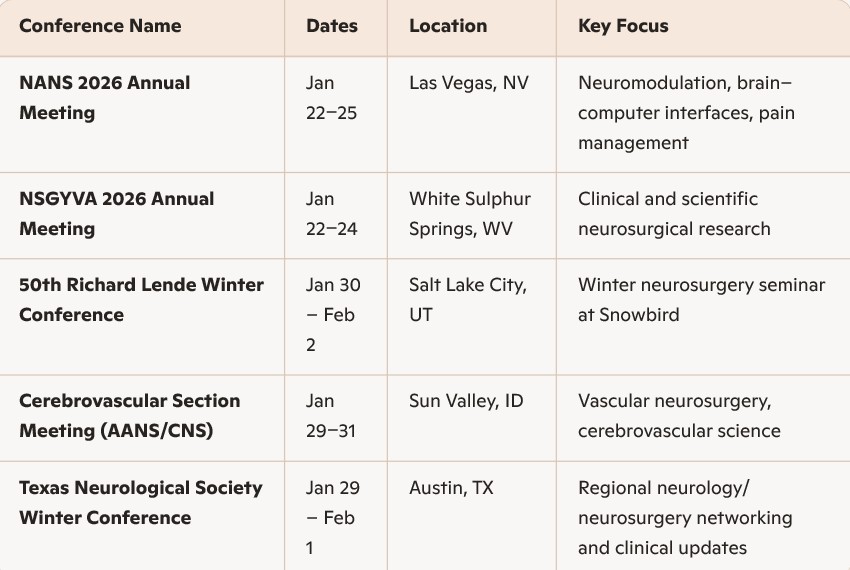
The U.S. is hosting several specialty meetings and conferences in January, ranging from neuromodulation to regional neurosurgical societies.
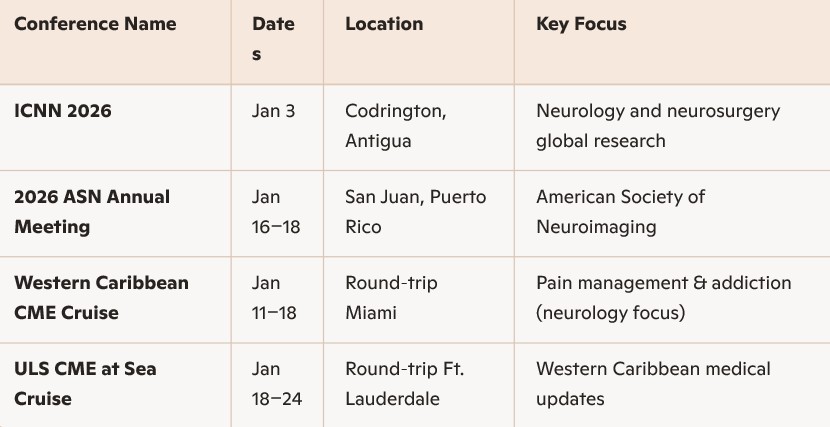
The Caribbean is hosting a its "Seminar at Sea" events and imaging-focused conferences in early 2026.
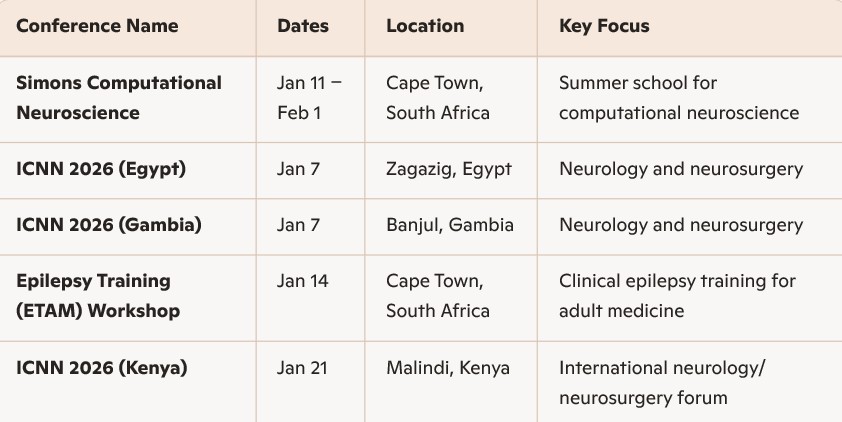
Africa is hosting several international conferences in January, particularly in Egypt and South Africa.
Recommended Readings
Skull Base
Each issue, we recommend published research articles with a unifying theme. You can also always check out our comprehensive reading list linked below!
In this bibliometric analysis, the North American Skull Base Society (NASBS) sought to quantify the diversity of the authors presenting at their annual meeting in terms of both specialty and geographic location. Throughout a ten-year period, they found that 57 countries were represented and that 10% of all abstracts were the result of an international collaboration. Though impressive and a reflection of their efforts to create a more globally representative annual symposium, participation from African nations remained notably lacking compared to other global regions.
In this global survey, authors sought to characterize global practice patterns concerning endoscopic endonasal surgery throughout the height of the COVID-19 pandemic. Given the high theoretical risk of viral spread from patients with active COVID-19 infections to members of the surgical team, the ultimate goal of this work was to quantify this risk and create the foundation for establishing international guidelines. Notably, of the 135 respondents, 19 reported transmissions to healthcare personnel during a procedure, with a higher rate of transmission in countries with COVID-19 prevalence between the 34th to 65th percentiles and with less consistent use of airborne personal protective equipment.
This article represents a second iteration of a global collaboration with the aim of describing global management and outcomes in malignant skull base tumors. In total, 28 institutions provided information on 3,061 patients. Open surgical approaches were used in just over half of cases. Notably, on multivariate analysis, older age, comorbidities, intracranial involvement, positive margins, and advanced stage were found to be independent negative prognostic factors for survival. Use of adjuvant radiotherapy was found to be protective.
This article highlights the first hands-on neurovascular and skull base course held in East Africa by the European Association of Neurological Surgeons (EANS). Over a five-day course in Dar-es-Salaam, Tanzania, both international and local faculty worked together to present 10 illustrative neurosurgical cases. Unsurprisingly, participants found the hands-on portions of the course the most valuable.