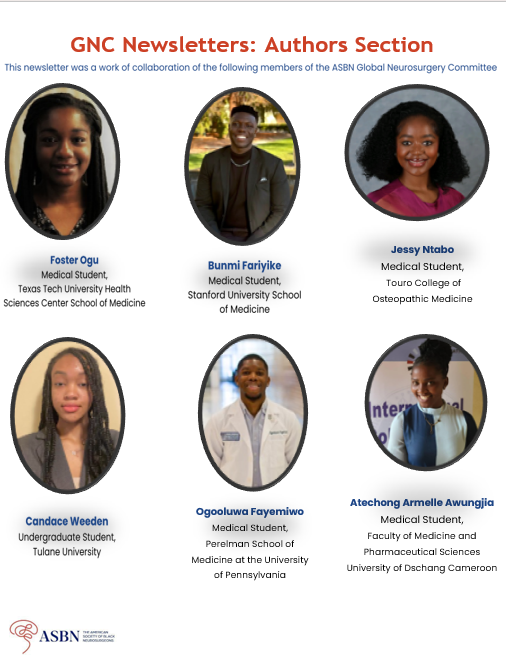
The ASBN Global Neurosurgery Committee Newsletter
The American Society of Black Neurosurgeons Global Neurosurgery
Committee Presents:
Our monthly newsletter delivers updates on events, research, resources, and initiatives of the global neurosurgery committee (ASBN-GNC) and in the larger global neurosurgery space, all curated specifically for our ASBN members.
The ASBN Global Neurosurgery Committee (ASBN-GNC) is a subcommittee of the Service and Communications/Outreach committee. Building on the ASBN mission, ASBN-GNC centers on three core values:
I. Global Health Equity
II. Decoloniality
III. Pan-Africanism
Research Highlight:
Stay informed with the latest updates and information on groundbreaking research, innovative projects, and cutting-edge developments within ASBN-GNC.
Neurosurgeon Highlight
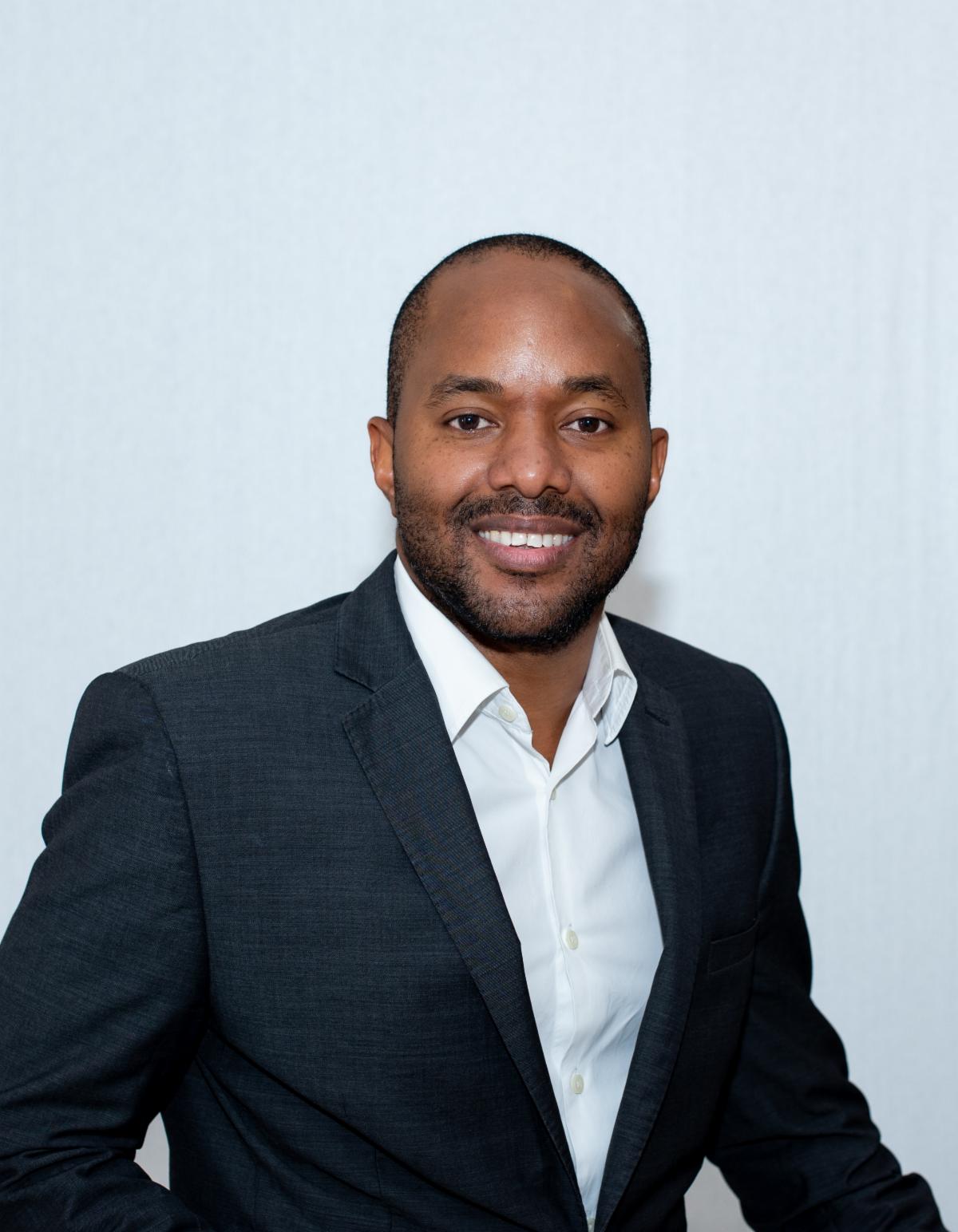
Patrick Knight, M.D.
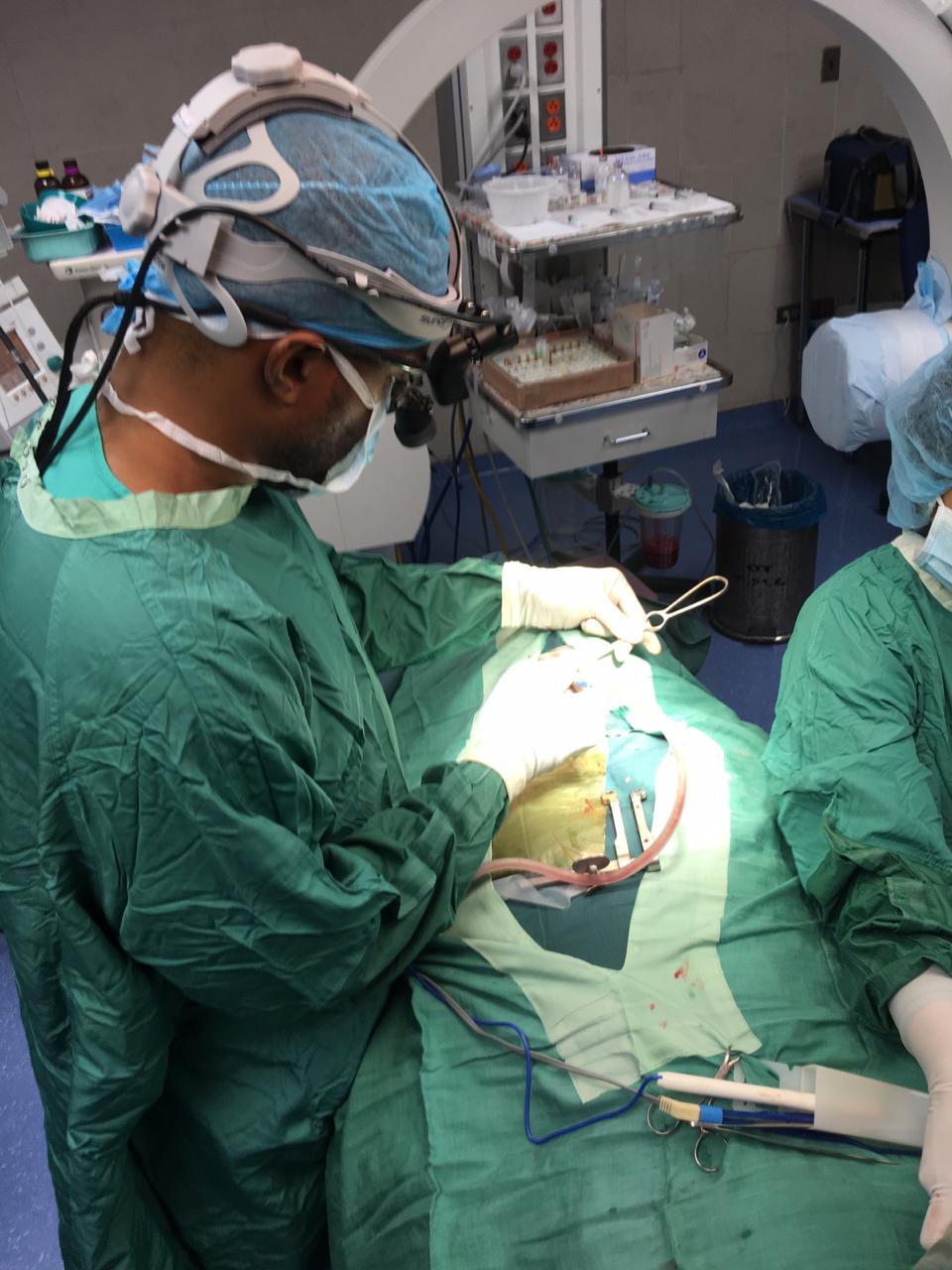
Dr. Patrick Knight is a consultant neurosurgeon by way of Trinidad and Tobago. Inspired to pursue neurosurgery at age 13 by a documentary featuring Dr. Edward Laws, Dr. Knight graduated summa cum laude from the University of Medical Sciences of Villa Clara in Cuba. He then returned home to complete specialist training in neurosurgery and later completed a fellowship at Southmead Hospital and the Bristol Royal Infirmary in the United Kingdom. Through this training, he developed and refined his skills in pediatric neurosurgery, functional neurosurgery, and skull base surgery.
Currently, he is focusing on expanding access to neurosurgical care throughout the Caribbean. Specifically, he is interested in neuro-oncology, minimally invasive brain and spine surgery, skull base surgery, and healthcare innovation. As one of his career aims is to improve patient outcomes, Dr. Knight has been actively involved in multiple initiatives that seek to advance neurosurgical care across the Caribbean. His main effort is fostering regional collaboration among surgeons to improve rehabilitation services for patients and to create programs that encourage and support medical students who are interested in neuroscience and neurosurgery. Furthermore, he is involved in projects focused on developing ambulatory surgical programs and ensuring responsible integration of artificial intelligence into healthcare.
Dr. Knight deeply values working with individuals and organizations whose goal is to enhance collaboration among surgeons to improve our collective understanding, ensuring we advance global neurosurgery. Dr. Knight’s training and childhood shaped his cooperative approach to neurosurgery because he has trained and worked with healthcare providers across Cuba, Trinidad and Tobago, and, The United Kingdom. These experiences have provided him with the opportunity to immerse himself in multiple cultures and learn new languages. His success in his career is due in part to the Caribbean's rich cultural diversity, resilience, and strong sense of community.
When he is not mentoring students or inside the operating room, Dr.Knight enjoys spending time with his family. Furthermore, his hobbies include traveling, entrepreneurship, and learning about innovative approaches to healthcare delivery. He especially enjoys these hobbies if they come with a good cup of coffee and meaningful conversations.
Around the Globe: Impacts and Projects
A Look at Current Events in Global Neurosurgery
Dr. Knight:
Training, Teaching, Research, & Initiative
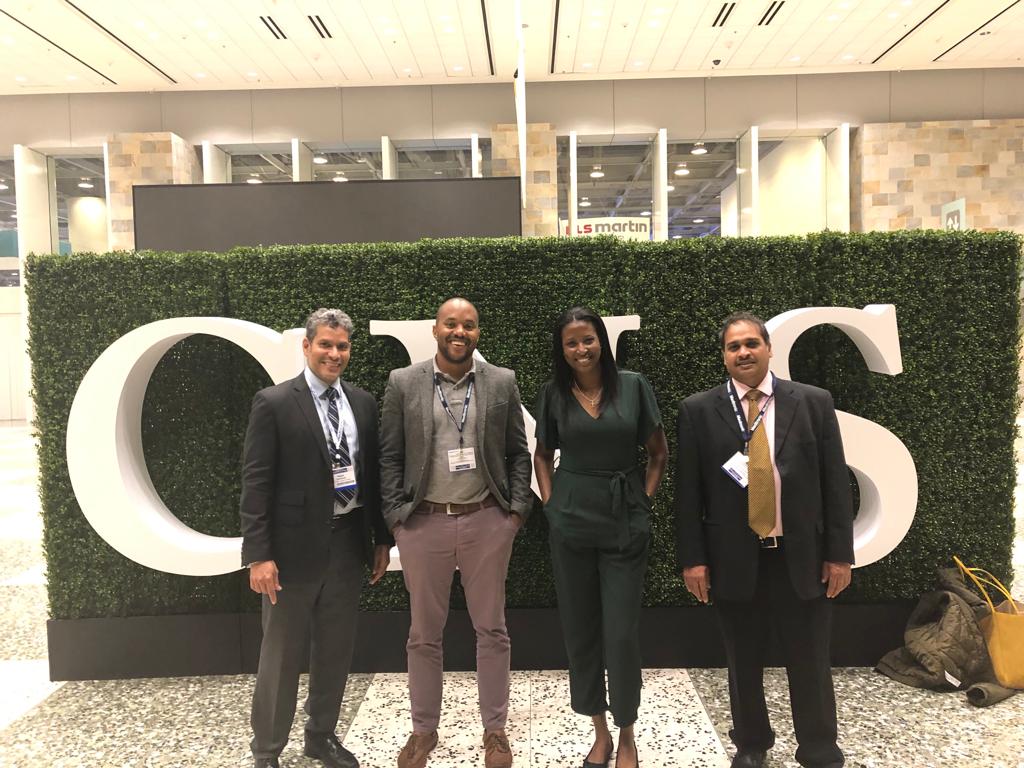
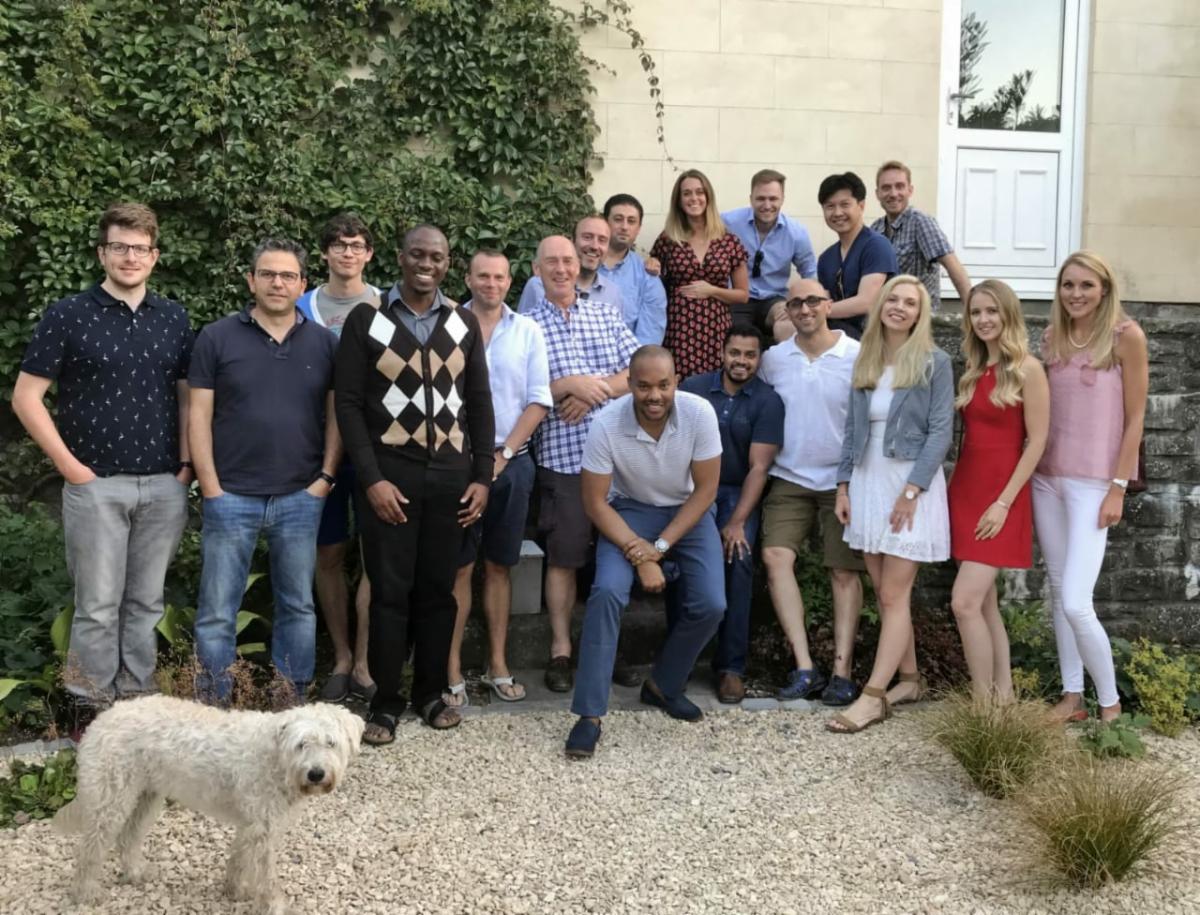
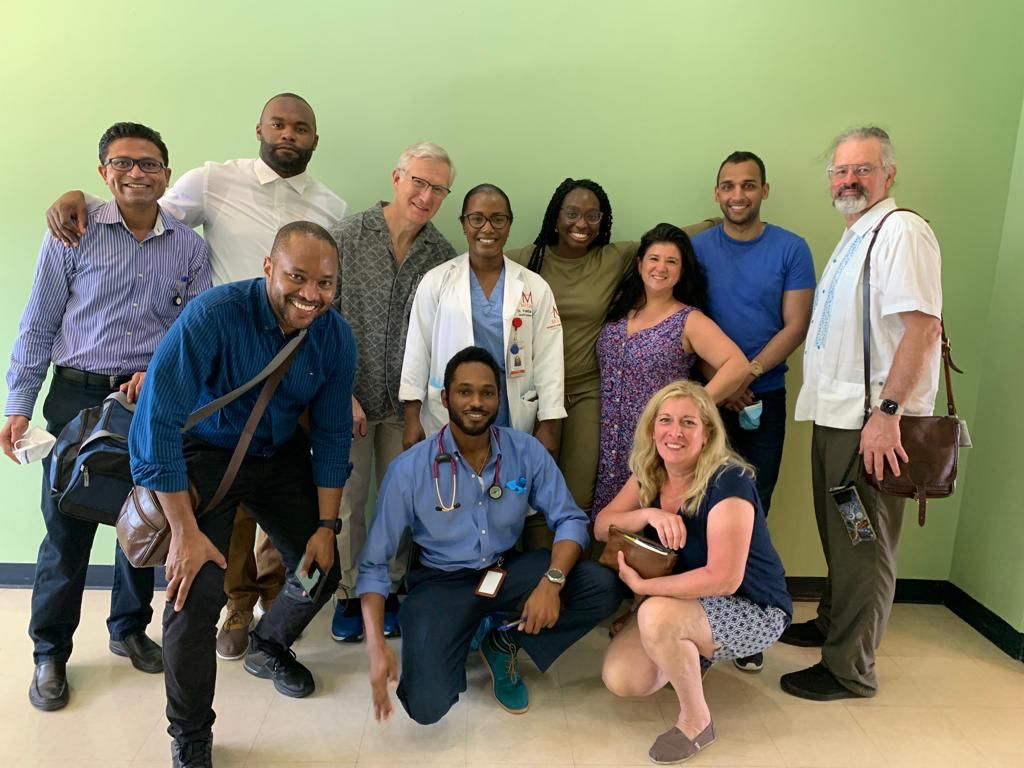
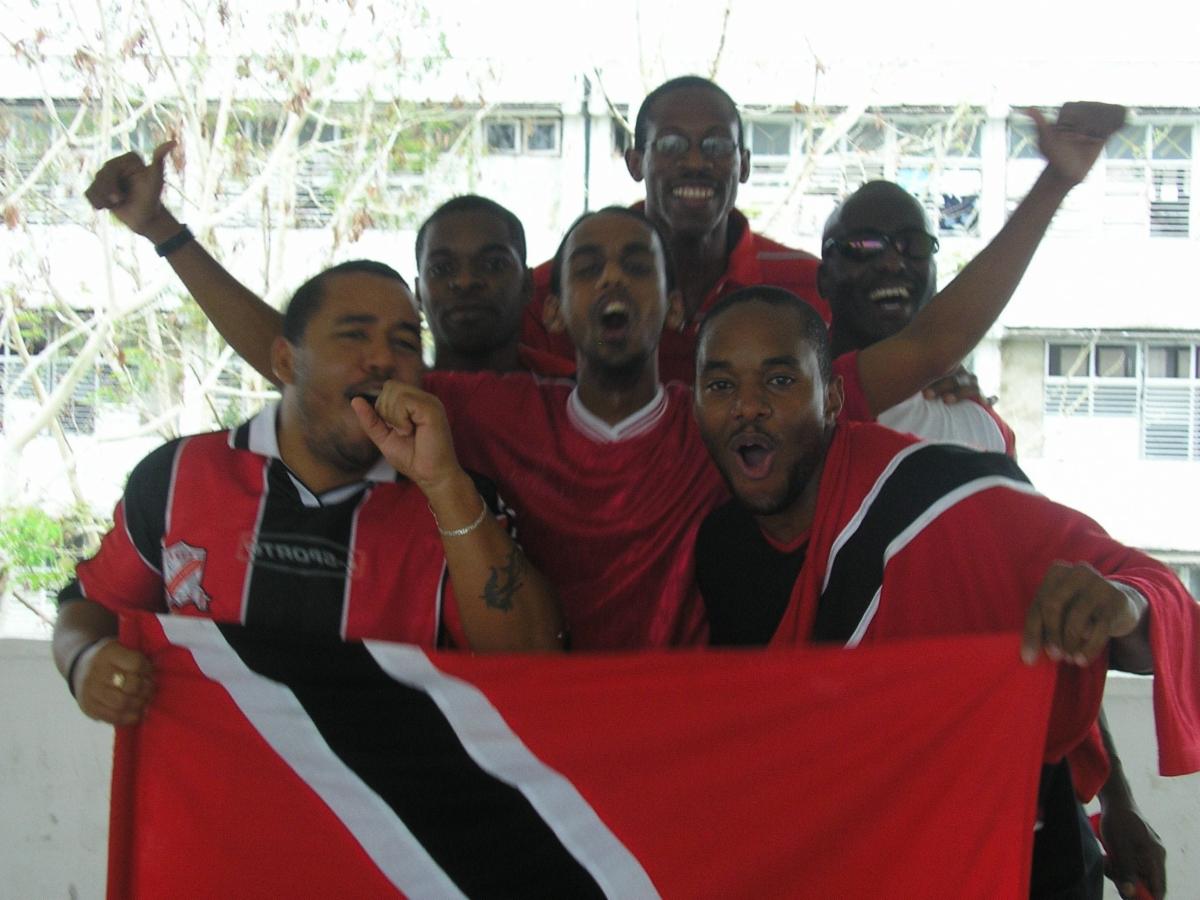
Global Connections. Dr. Knight is shown engaging with the global neurosurgical community. Clockwise from top left: a picture of him with his colleagues at the CNS conference; with a team from Harvard while working in Antigua; with his colleagues at Bristol, UK during his fellowship training years and with his friends supporting Trinidad and Tobago during the World Cup.
Leadership, Advocacy, and Strategic Innovation:
Global Neurosurgery & Advocacy
Initiatives
Dr. Knight is involved in initiatives aimed at advancing neurosurgical care in the Caribbean. These include: fostering stronger relationships with neurosurgeons within the region, improving access to rehabilitation services and creating opportunities for interested medical students and trainees to be exposed to neuroscience and neurosurgery.
Project Involvement
Enhancing spinal care services
Developing ambulatory surgical programs
Responsible integration of Artificial Intelligence and emerging services into healthcare delivery
Philosophy of Care
Dr. Knight's approach is based on the diversity of his training background. He emphasizes cultural understanding as an integral part of patient care. He believes that all patients regardless of geography or circumstance should have access to safe, timely and high quality neurosurgical care.
Beyond the Practice: Hobbies & Interests
Food
Some of the popular dishes in the country are Pelau (top left) which can either be made with chicken or beef, Doubles (top right) a popular street food, Pholourie (bottom left) a bite sized street food and Coconut bake (bottom right) a simple coconut milk-based bread.
Personal interests
Dr. Knight enjoys his time outside of work with his family. He enjoys traveling, entrepreneurship and mentoring young health professionals. He has a keen interest in healthcare development systems which he enjoys engaging in conversation over a cup of coffee. Moreover, his favorites are grey (color), curried crab and dumplings (food), and jazz (music).
Care and Impact
Healing, Hope, & Human Impact
Dr. Knight
Dr. Knight's training across Trinidad and Tobago, Cuba and, The United Kingdom, shaped his approach and perspective on healthcare and life. While studying in Cuba, he immersed himself in the culture and learned the language which diversified his worldview. The combination of the different cultures across the countries reinforced the important of cultural understanding in patient care and professional collaboration.
Clinical interests
Primary Specializations:
Neuro-oncology
Minimally invasive brain and spine surgery
Skull base surgery
Practice Settings: As a consultant neurosurgeon for the Port of Spain General Hospital
Perspectives
Working within healthcare systems that are resource limited strengthened his appreciation of teamwork, innovation and adaptability. He believes that the lessons learned throughout the Caribbean in resourcefulness, community-centered care and collaboration will contribute in helping inform sustainable solutions for underserved populations in the world.
The Republic of Trinidad and Tobago:
Geography & Scale
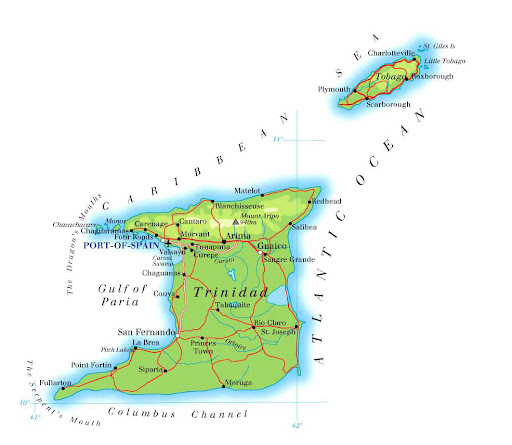
The Republic of Trinidad and Tobago is an island nation located in the Southern Caribbean, just 11 km off the northeastern coast of Venezuela, where the Caribbean Sea meets the North Atlantic Ocean. With a total area of 5,130 km², the country comprises two main islands: Trinidad (~4,768 km²), the larger and more industrialized, and Tobago (~300 km²), known for its natural beauty and tourism. As of 2026, the population is estimated at approximately 1.514 million, reflecting a stabilization after decades of decline due to emigration, with a modest growth rate of around 0.1%. The capital, Port of Spain, is situated on Trinidad’s northwest coast, while other major urban centers include San Fernando (an industrial hub), Chaguanas (the fastest-growing commercial center), and Scarborough (the capital of Tobago). Administratively, the country is divided into 9 Regional Corporate Bodies, 3 Boroughs, 2 Cities, and 1 Ward, with Tobago governed by its own House of Assembly.
Economic & Resource Profile
GDP (2025 Nominal): ~$26.8 billion USD (IMF/World Bank 2026 projections).
Per Capita GDP: ~$17,700 – $18,600 USD.
Growth Rate: Projected at a modest 0.8% for 2025–2026, reflecting a transition period away from heavy reliance on volatile energy prices toward diversification.
Key Industries:
Energy: One of the world's leading exporters of Liquefied Natural Gas (LNG) and a major oil producer in the Caribbean. Significant offshore reserves continue to be explored, including in the East Coast Marine Area.
Petrochemicals: Major production of methanol, ammonia, and steel.
Tourism: A vital sector, particularly in Tobago and the cultural hubs of Trinidad (Carnival season).
Agriculture: Diversifying into cocoa, citrus, coffee, and spices; historically sugar-dominated.
Economic Challenges: High public debt-to-GDP ratio (~82%), inflationary pressures from global supply chains, and the need to reduce reliance on hydrocarbon revenues.
Culture: Rhythm, Flavor, and Diversity
Ethnic Composition (2026 Est.):
Afro-Trinidadian: ~35.4%
Indo-Trinidadian: ~34.2%
Mixed: ~23.0%
Other: ~7.4% (including Syrian/Lebanese, Chinese, European, and Indigenous Kalinago communities).
Language: English (official); widely spoken Creole languages (Trini Patois) and Hindi/Bhojpuri influences.
National Instruments & Arts:
Steelpan: Invented in Trinidad during the 1930s–40s. Recognized by UNESCO as an Intangible Cultural Heritage of Humanity—the only acoustic instrument invented in the 20th century.
Music Genres: Birthplace of Calypso, Soca, Chutney Soca, and Rapso.
Festivals:
Carnival: The island's "second religious experience." A pre-Lenten explosion of music, elaborate costume masquerade ("Mas"), and street parties. Recognized globally as one of the top 10 carnivals.
Diwali: The Festival of Lights, celebrated with equal fervor by the Indo-Trinidadian community (often declared a national holiday).
Others: Eid al-Fitr/Hajj, Hosay (Shia Muslim commemoration), Phagwa (Holi), and Christmas.
Cuisine (The "Doubles" Nation):
Staples: Roti (curried meat/veg in flatbread), Pelau (one-pot rice/pigeon peas), Callaloo (dasheen leaf stew), Doubles (curried chickpeas on bara).
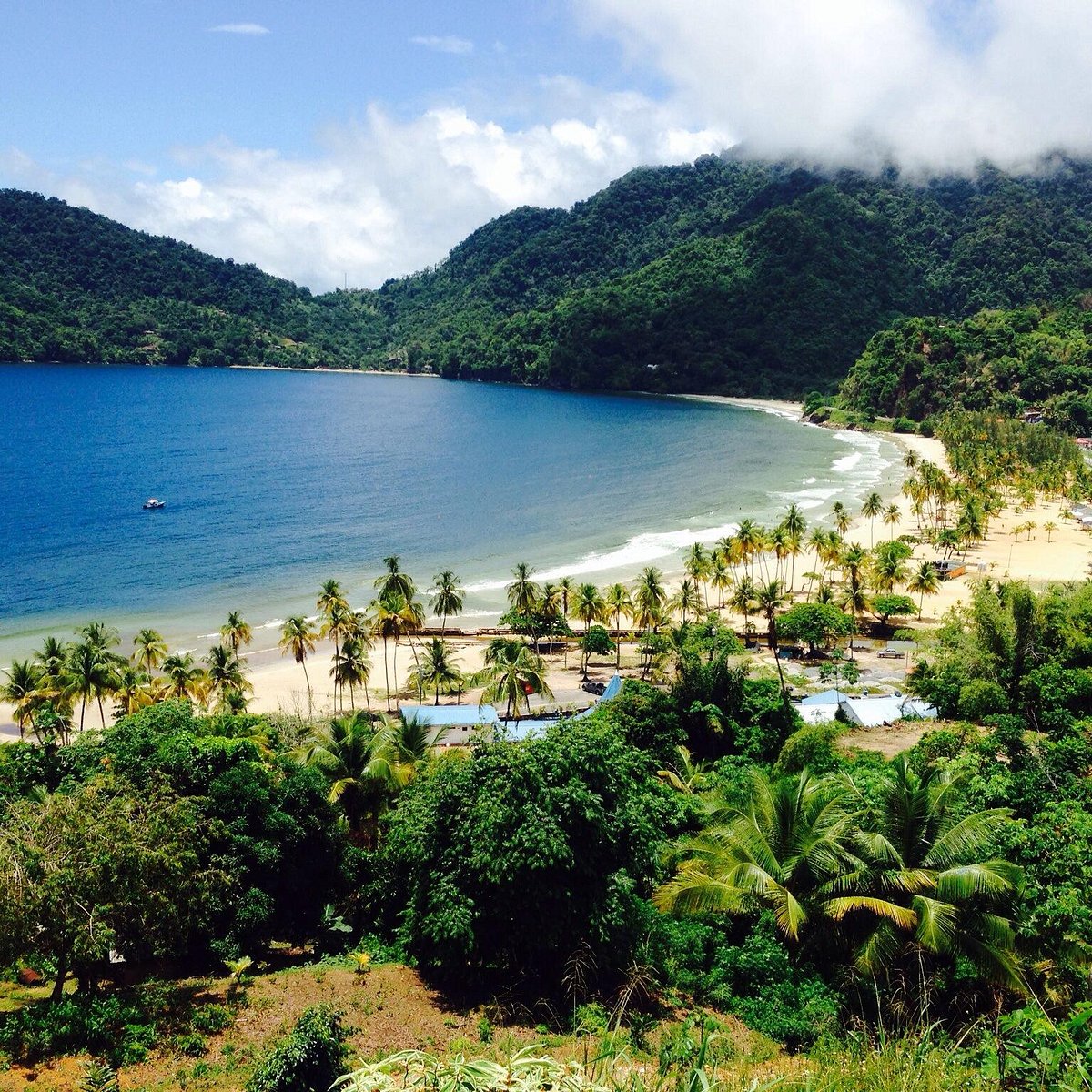
Iconic Dishes: Curry Crab & Dumplings, Bake and Shark (Maracas Bay), Pastelles (sweet corn dumplings), Black Cake (Christmas rum cake).
Global Contributions: Angostura Bitters (invented in Trinidad in 1824) and Carib Beer.
Biodiversity & Natural Wonders
Rainforests:
Northern Range (Trinidad): Pristine montane rainforests home to diverse flora and fauna.
Main Ridge Forest Reserve (Tobago): Established in 1776, making it the oldest legally protected rainforest in the Western Hemisphere.
Wildlife:
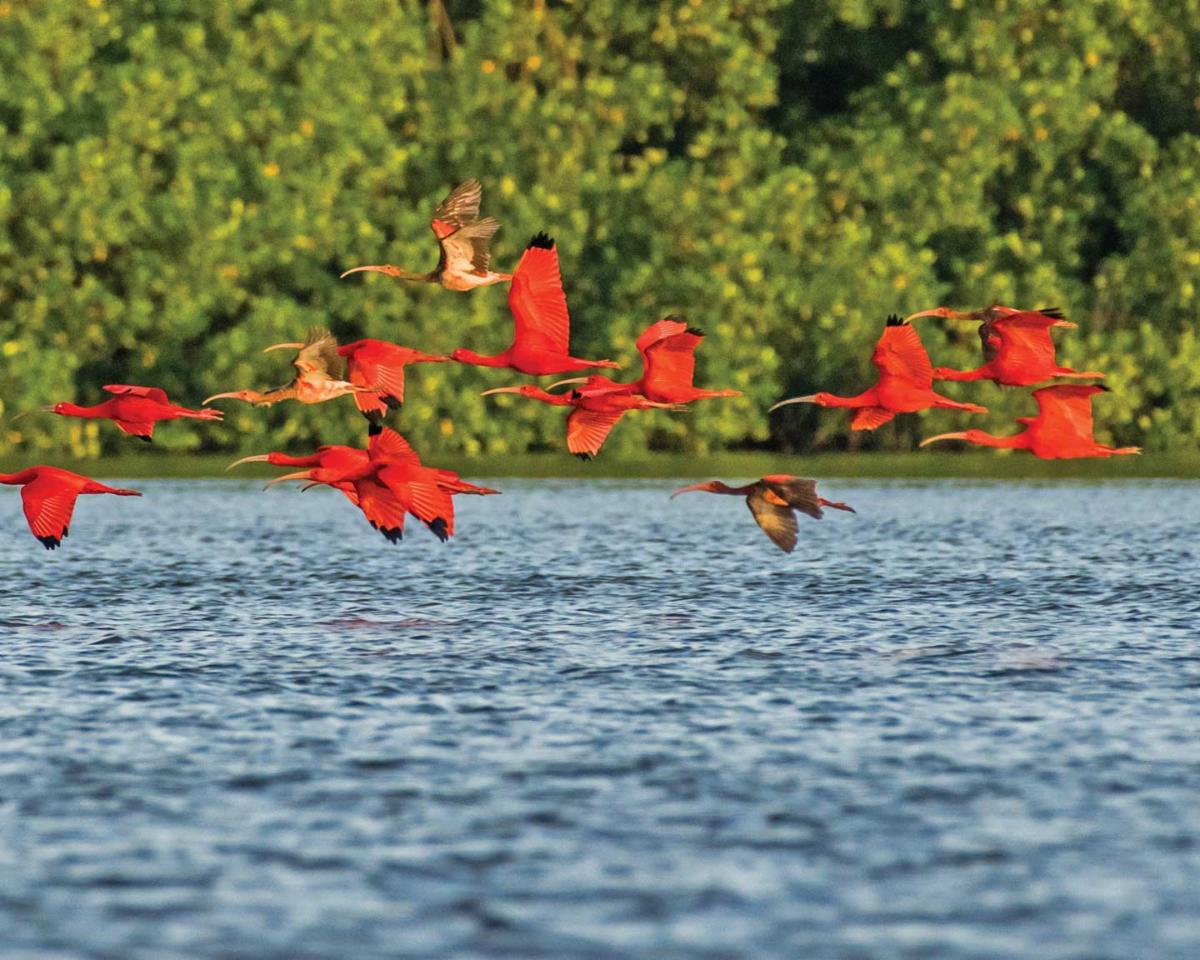
Scarlet Ibis: The national bird; thousands gather daily to roost in the Caroni Swamp (a Ramsar Wetland of International Importance).
Leatherback Turtles: Matura Beach on Trinidad's north coast is one of the most important nesting sites in the Caribbean.
Unique Species: Trinidad piping guan, ocelots, howler monkeys, and over 470 recorded bird species.
Marine Ecosystems:
Buccoo Reef (Tobago): A protected coral reef complex ideal for snorkeling.
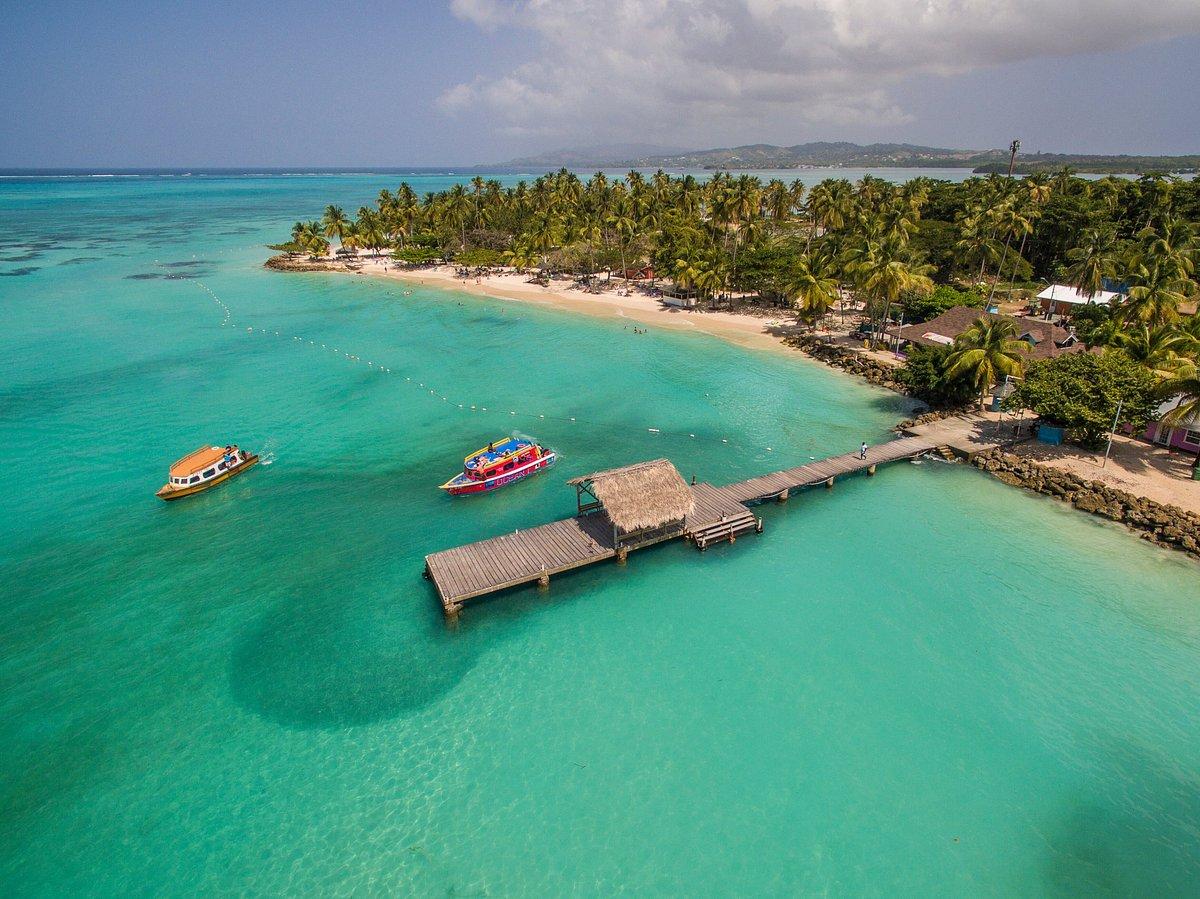
Nylon Pool: Shallow waters over a limestone bank where sand meets clear turquoise water.
Protected Areas: Asa Wright Nature Centre (world-class birding), Pigeon Point Heritage Park, and the Nariva Swamp.
Trinidad and Tobago's Healthcare System:
Structure, Challenges, and Progress
Infrastructure & Organization
Trinidad and Tobago's healthcare system is divided between a tax-funded public sector (universal coverage) and a growing private sector.
Public Sector Hubs:
Port of Spain General Hospital (POSGH): The largest tertiary facility and primary trauma/neurosurgery center.
Eric Williams Medical Sciences Complex (San Fernando): The southern regional hub for acute care and specialized surgery.
University Hospital of the West Indies (UWI): Academic center linked to the Faculty of Medical Sciences.
Regional Health Authorities (RHAs): Five authorities managing local health centers and district hospitals.
Private Sector Leaders:
Community Hospital (Adventist Health Centre): Renowned for minimally invasive spine surgery and advanced diagnostics.
St. Clair Medical Centre & Westshore Medical: Key players in urban specialist care.
Critical Challenges (2025–2026 Status)
Workforce Shortages:
Physicians: Approximately 1.0–1.2 physicians per 1,000 people (PAHO/WHO 2024 data). While better than many regional neighbors, this lags behind OECD averages.
Nursing: Persistent shortage due to emigration to the UK, US, and Canada.
Non-Communicable Diseases (NCDs): The leading causes of mortality are cardiovascular disease, diabetes, hypertension, and cancer. These place immense strain on hospital resources.
Infrastructure Gaps: Aging equipment, intermittent availability of MRI/CT scanners, and maintenance backlogs in public facilities.
Trauma Burden: Road traffic accidents remain a significant public health issue, driving high demand for emergency and neurosurgical interventions.
HIV Prevalence: Approximately 0.9% – 1.0% among adults (15–49). This is moderate-to-high for the Caribbean region, contrary to older data suggesting "lowest prevalence."
Vaccination: High childhood coverage (e.g., measles ~95%), though booster campaigns are ongoing post-pandemic.
Progress & Innovations: The Neurosurgical Beacon
Despite challenges, Trinidad and Tobago stands as the neurosurgical capital of the Anglophone Caribbean.
Training Leadership: Home to the one of only two accredited six-year neurosurgery residency program in the English-speaking Caribbean (via UWI and the Caribbean College of Surgeons).
Current Status (2026): ~4 residents in training; expanding intake to address regional needs.
Specialized Milestones:
First Endoscopic Spine Surgery: Successfully performed in 2025 at Community Hospital Community of Seventh-Day Adventists in Port of Spain.
Regional Referral Hub: Trains surgeons from Jamaica, Guyana, Barbados, and other CARICOM nations who return to establish services in their home countries.
Future Pathways:
Workforce Expansion: Focus on retention strategies (competitive salaries, research grants) and increasing resident slots.
Technology Upgrades: New investments in neuro-navigation, intraoperative imaging, and digital health records.
Collaboration: Strengthening Public-Private Partnerships (PPPs) to reduce wait times and share specialized equipment.
Neurosurgical Landscape and Training in Trinidad & Tobago:
A Regional Beacon
Trinidad and Tobago stands as the neurosurgical hub of the Anglophone Caribbean, a testament to resilience, innovation, and regional leadership. Despite the challenges of a small island developing state, the nation has built a comprehensive neurosurgical ecosystem—from advanced clinical care to pioneering training programs—that serves not only its ~1.514 million citizens but also neighboring Caribbean nations.
Workforce & Capacity
With 16 neurosurgeons, Trinidad and Tobago maintains a ratio of approximately 1 neurosurgeon per 95,000 people. This is actually very close to—and slightly better than—the global benchmark of 1 per 100,000. Yet, this is the best ratio in the Anglophone Caribbean, with specialists managing high-volume, complex cases across the archipelago. Key institutions include:
Port of Spain General Hospital (POSGH): The primary public tertiary center, handling trauma, oncology, and complex neurosurgical cases.
Eric Williams Medical Arts Complex (San Fernando General): A southern hub specializing in spine surgery.
Community Hospital (Adventist Health Centre): A private leader in minimally invasive spine surgery, home to Dr. Renée Cruickshank, Trinidad’s first female neurosurgeon.
University Hospital of the West Indies (UWI): The academic backbone, integrating research and graduate medical education.
Regional Leadership & Training
Trinidad and Tobago hosts one of two accredited six-year neurosurgery residency programs in the Anglophone Caribbean (the other being at UWI Mona in Jamaica). Administered through the University of the West Indies (St. Augustine campus) in collaboration with the Caribbean College of Surgeons, this program trains approximately four residents as of 2025, with graduates returning to establish neurosurgical services across Jamaica, Guyana, Barbados, and other CARICOM nations. Additionally, the nation leverages telemedicine networks—launched as a pilot in 2024 and expanded under the Digital Health Policy—to enable real-time consultations with international neurosurgical experts from the United States, Canada, and Europe. Periodic surgical missions further support knowledge transfer and capacity-building throughout the Caribbean region, coordinated with organizations such as World Pediatrics and broader global neurosurgery partnerships.
Innovation & Future Directions
Trinidad and Tobago has pioneered endoscopic endonasal approaches for skull base tumors and minimally invasive spine surgery, techniques now adopted across the Caribbean. Future plans include:
Workforce expansion: Increasing resident intake to 2-3 new neurosurgeons annually, retaining graduates through competitive compensation, and recruiting expatriate Caribbean specialists.
Technology upgrades: Modernizing operating theaters with neuro-navigation systems, expanding MRI/CT access, and establishing dedicated neuro-ICUs.
Research development: Focusing on tropical neurological infections, trauma epidemiology, and non-communicable diseases, with partnerships between UWI and international institutions.
Strategic Pillars for Growth
Government Leadership: Prioritizing neurosurgery in national health plans, ensuring budget allocation for equipment and workforce development.
Regional Integration: Strengthening ties with neighboring nations to create a resilient referral network, maximizing limited resources.
Diaspora Engagement: Leveraging the Trinidadian and Caribbean medical diaspora for knowledge transfer, equipment donations, and collaborative research.
Public-Private Partnerships: Combining the strengths of public institutions (POSGH, UWI) and private facilities (Community Hospital) to accelerate innovation while maintaining accessibility.
Visit Trinidad and Tobago
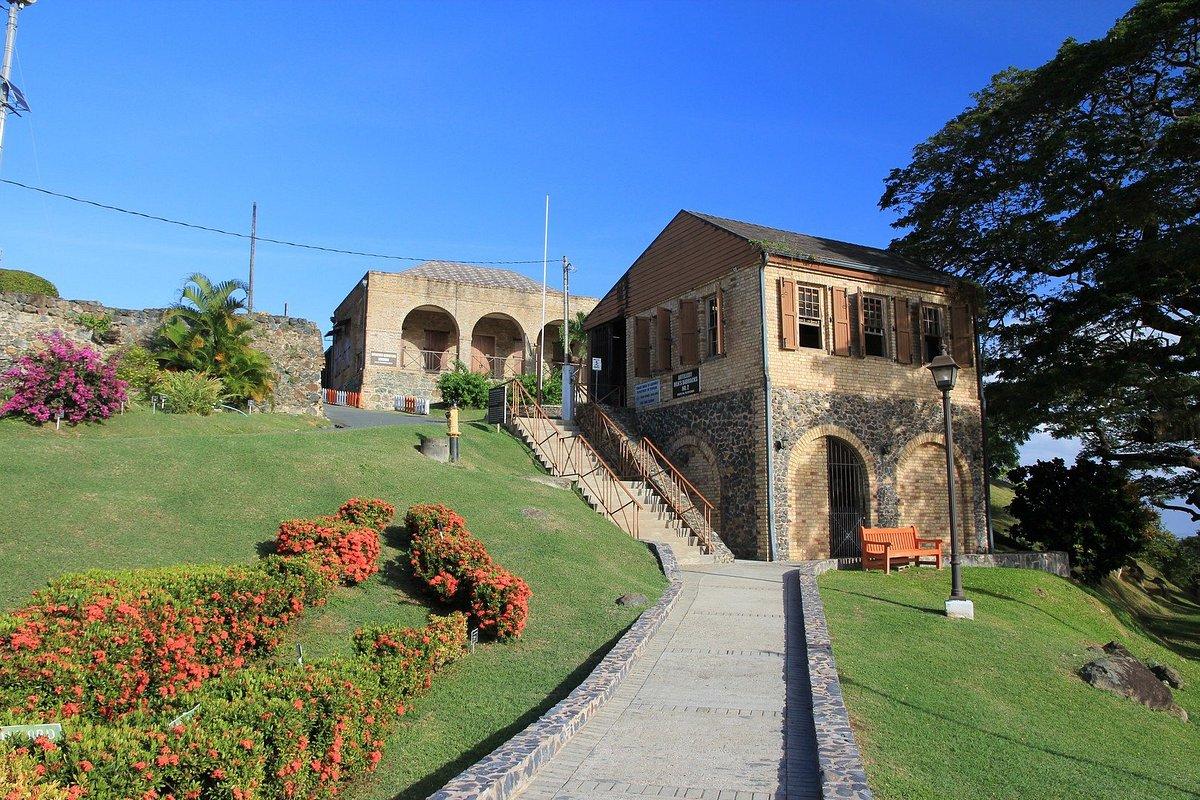
Trinidad and Tobago is a vibrant Caribbean paradise, where culture, nature, and history collide in a symphony of experiences. The islands are the birthplace of the steelpan, the only acoustic instrument invented in the 20th century, and home to Carnival—one of the world’s most electrifying festivals, featuring dazzling costumes, calypso, soca, and nonstop energy. Beyond the festivities, the twin islands offer a rich multicultural tapestry, blending African, Indian, European, and Indigenous influences in its cuisine (roti, pelau, doubles), festivals (Diwali, Eid, Hosay), and historic sites like the Temple in the Sea and Fort King George.
Nature lovers can explore tropical rainforests, the Caroni Swamp's glowing scarlet ibis at sunset, and the breathtaking Tobago Main Ridge Forest Reserve, the oldest protected rainforest in the Western Hemisphere. With stunning beaches from Maracas Bay to Pigeon Point, vibrant nightlife, incredible food diversity, and warm hospitality, Trinidad and Tobago offers an escape for anyone seeking both adventure and authenticity in the southern Caribbean.
Committee Meeting Highlights
Past Meetings' Summary
There was no Global Neurosurgery Committee (GNC) subcommittee meeting held in June 2026.
Fostering Worldwide Global Neurosurgical Care Advancements
Got a vision for global neurosurgical healthcare? Let's collaborate. ASBN members at every level—from students to attending surgeons—are invited to bring your ideas to our team. We connect talent, resources, and passion to create lasting change.
Upcoming Conferences and Conventions
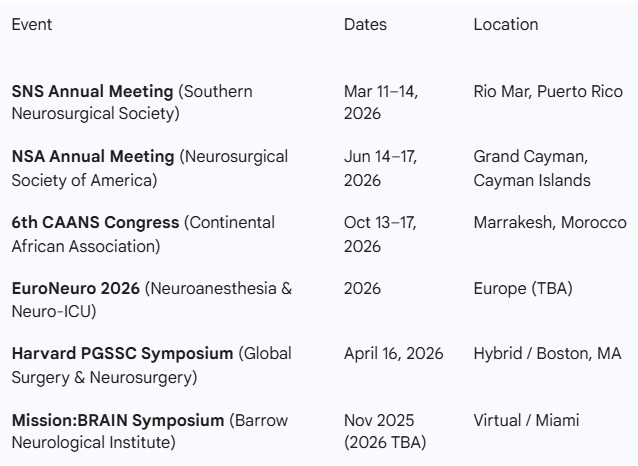
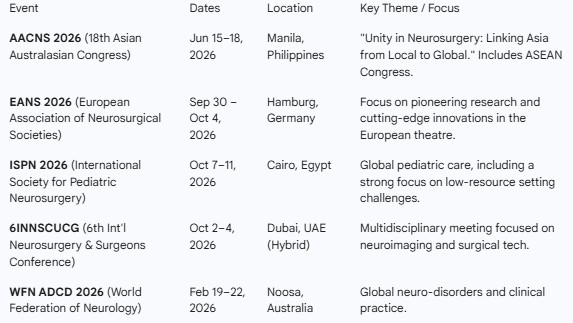
76th CNS Annual Meeting (Congress of Neurological Surgeons) October 31 – November 4, 2026 | Washington, D.C., USA. Premier global neurosurgery event; keynote speakers: Lindsey Vonn, Sal Khan, Charles Duhigg
ISPN 2026 Annual Meeting (International Society for Pediatric Neurosurgery) October 7–11, 2026 | Cairo, Egypt. Focus: Pediatric neurosurgery
Joint Pediatric Section Annual Meeting (AANS/CNS) December 3–6, 2026 | San Francisco, CA, USA. Pediatric neurosurgery; co-hosted by AANS/CNS
Art & Science of Surgery for Children with Nervous System Tumors Symposium September 24–25, 2026 | Houston, TX, USA. Focus: Pediatric CNS tumors
The 3rd Yaşargil Academy Congress of Microneurosurgery Date & Location: TBA
Summary of Key Registration Hubs for Global Neurosurgery Conferences:
WFNS Events: wfns.org/events (The definitive source for endorsed international meetings).
AANS Events: aans.org/about/events-calendar/ (Best for North American and major global summits).
EANS Events: eans.org/events (Best for European and Mediterranean training courses).
This systematic review addresses clinical bottlenecks in LMIC brain tumor care by analyzing database literature on systemic infrastructure failures. It reveals that 61% of settings face severe delays in patient presentation, compounded by prolonged waits for neuroimaging and a lack of reliable intraoperative power or ICU beds. The high-yield takeaway is that diagnostic and surgical acumen in low-resource environments is routinely undermined by workflow obstacles, meaning capacity-building must prioritize decentralized imaging and perioperative infrastructure.
This systematic review shifts the analytic lens to institutional macro-barriers, using a multi-database search to quantify how national planning and policy deficiencies hinder LMIC neuro-oncology care. The authors reveal that 43% of the literature cites inadequate healthcare budgets as the primary barrier, heavily compounded by political instability (14%) and a lack of national insurance coverage for complex cranial surgeries (14%). The high-yield takeaway is a fundamental public policy lesson: clinical advancements cannot succeed in a vacuum, meaning sustainable tumor care requires rigorous ministry advocacy, standardized guidelines, and dedicated funding within national healthcare schemes.
This comparative study investigates the technological chasm in neuro-oncology equipment using a mixed-methods approach that combined global infrastructure data with international neurosurgeon surveys. The authors document that over 90% of advanced technologies (like functional MRI and neuronavigation) are concentrated in high-income nations, leaving around 70% of the world population without access to image-guided resections. The high-yield takeaway is that surgical precision remains sharply limited by geography, necessitating a industry shift toward low-cost, durable intraoperative tools designed for resource-constrained theaters.
Focusing on an aggressive malignancy, this narrative review synthesizes oncology registries and clinical literature to map the glioblastoma patient journey in LMICs. It shows how the rapid progression of high-grade gliomas collides with delayed surgical referrals, a deficit in neuro-ICU beds, and financially devastating out-of-pocket costs for adjuvant chemoradiation. The high-yield takeaway is a sobering clinical reality: in low-resource settings, a glioblastoma patient's prognosis is dictated far more by systemic healthcare constraints and financial toxicity than by the tumor's underlying molecular biology.