The ASBN Global Neurosurgery Committee Newsletter
The American Society of Black Neurosurgeons Global Neurosurgery
Committee Presents:
Our monthly newsletter delivers updates on events, research, resources, and initiatives of the global neurosurgery committee (ASBN-GNC) and in the larger global neurosurgery space, all curated specifically for our ASBN members.
The ASBN Global Neurosurgery Committee (ASBN-GNC) is a subcommittee of the Service and Communications/Outreach committee. Building on the ASBN mission, ASBN-GNC centers on three core values:
I. Global Health Equity
II. Decoloniality
III. Pan-Africanism
Research Highlight:
Stay informed with the latest updates and information on groundbreaking research, innovative projects, and cutting-edge developments within ASBN-GNC.
Neurosurgeon Highlight
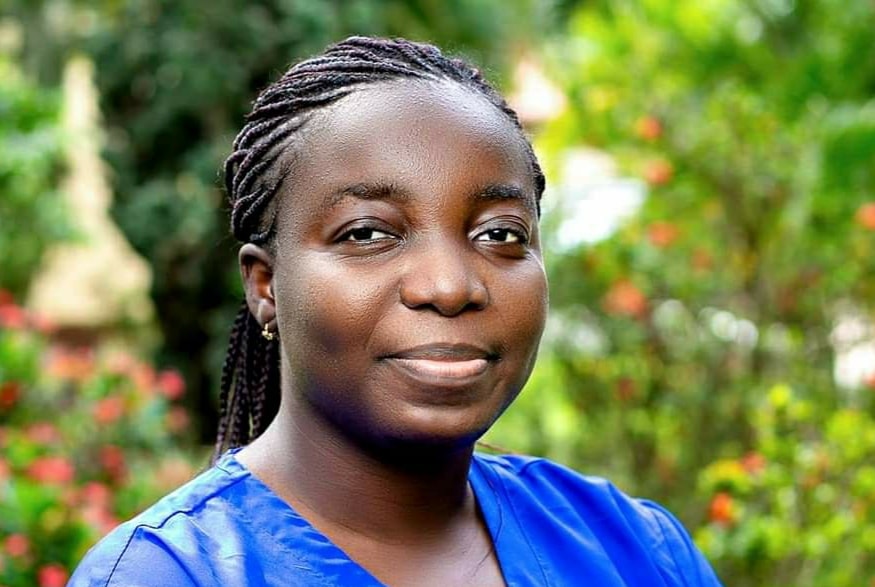
Mable Banson, MBChB
Dr. Mabel Banson is Ghana’s first female neurosurgeon and a leading clinician at Korle-Bu Teaching Hospital, where she also serves as a part-time lecturer at the University of Ghana Medical School. She specializes in minimally invasive neurosurgery, keyhole approaches, and interventional pain management, with other interests in neuro-oncology, pediatric neurosurgery, and neuroendoscopy.
After graduating from Holy Child School in Cape Coast and later the University of Ghana Medical School, Dr. Banson completed her neurosurgical training through the West African College of Surgeons before pursuing subspecialty fellowships in minimally invasive brain and interventional pain and spine neurosurgery at the Advance Neurosurgery Centre, Jabalpur, Madhya Pradesh, India.
Her work is driven by a commitment to advancing neurosurgical training and services in Ghana and contributing meaningfully to the global neurosurgical community through education, advocacy, research, and mentorship. Her research interests include neuro-oncology, neurotrauma, implant infections, and hydrocephalus/spina bifida.
Recognized for her leadership, she was invited as a Mission Brain Scholar and speaker for the Women in Neurosurgery Global Symposium at the 2025 Congress of Neurological Surgeons. Outside the operating room, Dr. Banson enjoys exploring new places and spending time at the beach.
Around the Globe: Impacts and Projects
A Look at Current Events in Global Neurosurgery
Dr. Banson:
Training, Teaching, Research, & Initiative
Dr. Banson is a highly engaged member of several regional and international professional organizations, serving in various capacities within each. Her affiliations include:
Ghana Academy of Neurological Surgeons (GANS), Ghana College of Physicians and Surgeons (GCPS), West African College of Surgeons (WACS), Congress of Neurological Surgeons (CNS), European Academy of Neurological Surgeons (EANS), International Society for Paediatric Neurosurgeons (ISPN), and the International Federation of Neuroendoscopy (IFNE).
Beyond the Practice: Hobbies & Interests
Care and Impact
Hobbies and Leisure
Exploring new places — weekend getaways, local hidden gems, and scenic day trips
Spending time at the beach — relaxing walks, swimming, and watching sunsets
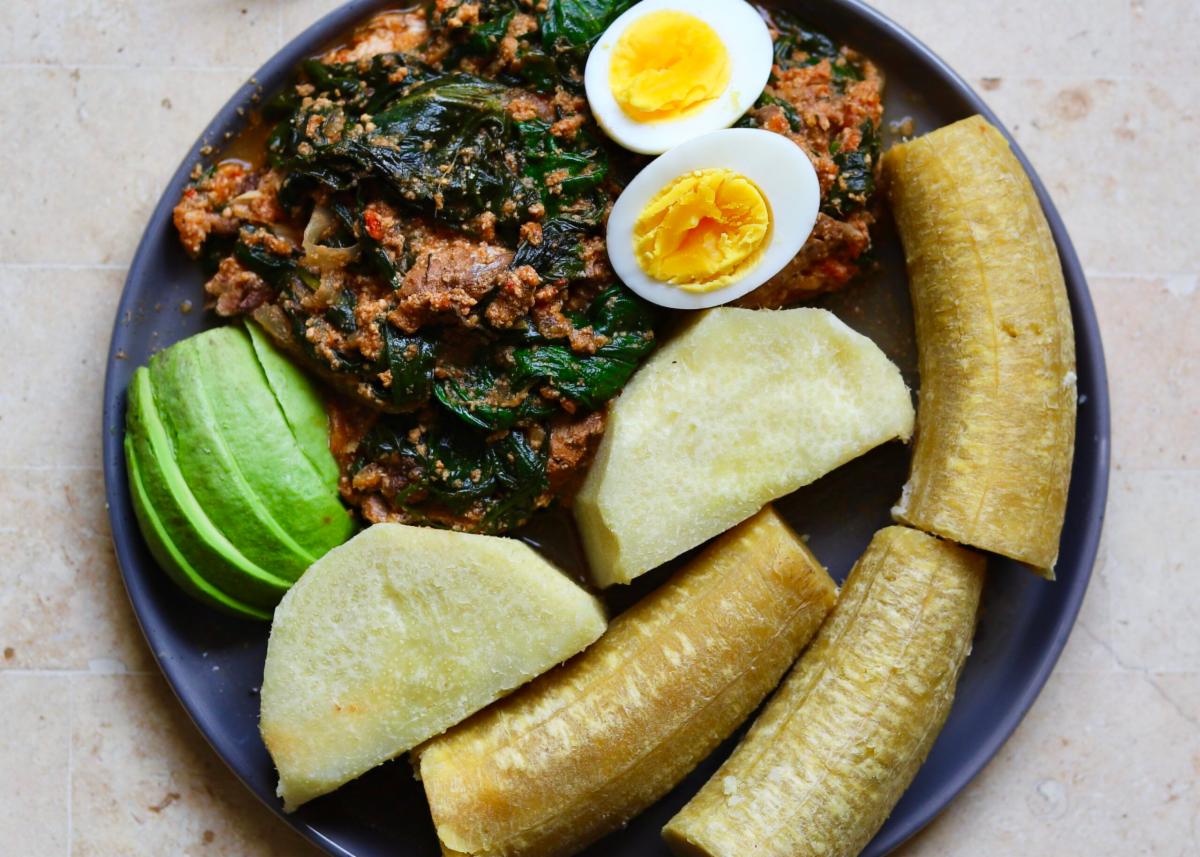
Favorite Food
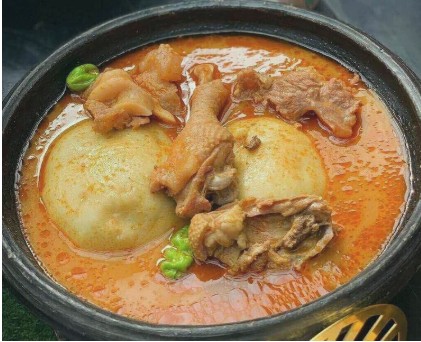
Boiled plantain with kontomire (Ampesi ne Abomu), an Akan delicacy
Favorite Color
Royal dark grey
Favorite Animal
Tiger
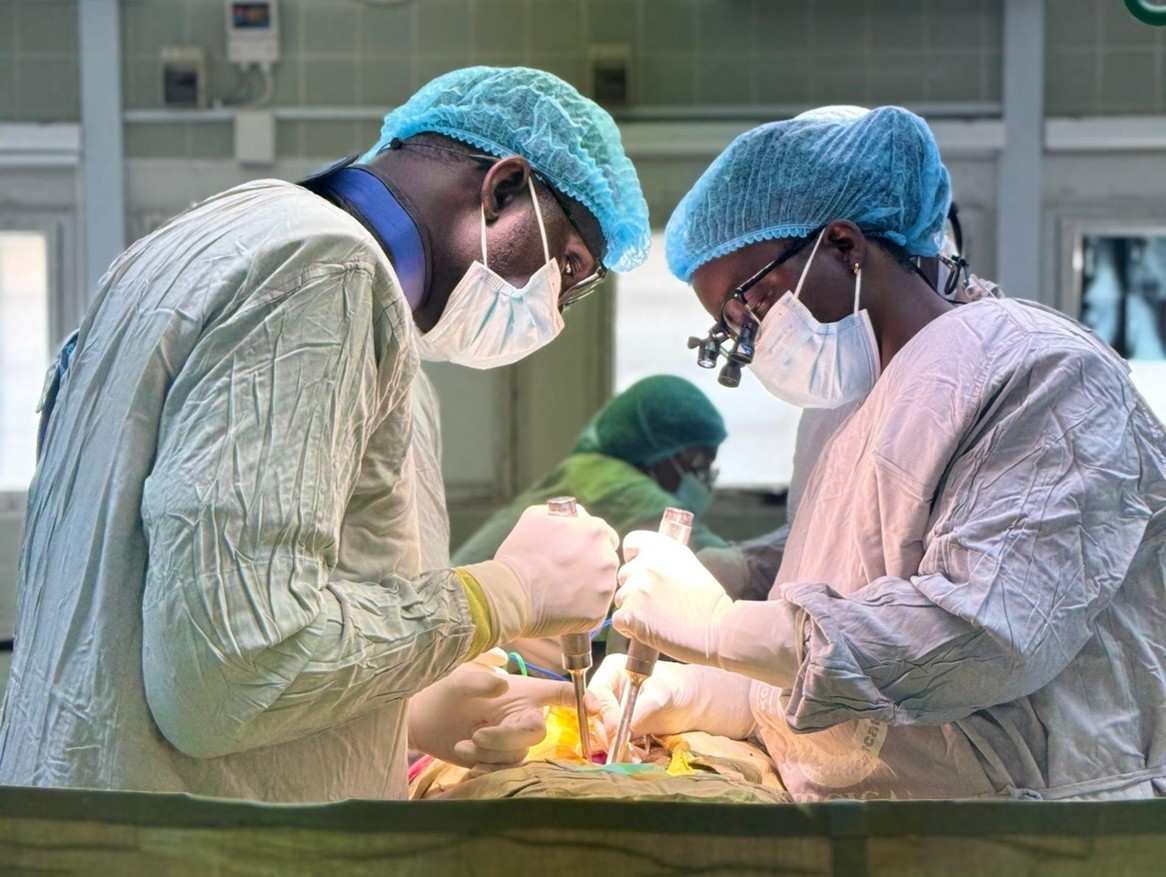
Dr. Banson performing a posterior lumbar spine decompression and fusion (left) and guiding neurosurgery residents on craniotomy approaches at a 2021 UpSurgeon Psychomotor Skills Training Course, part of the Global Training Project 2021 at the University of Ghana Medical Centre (right).
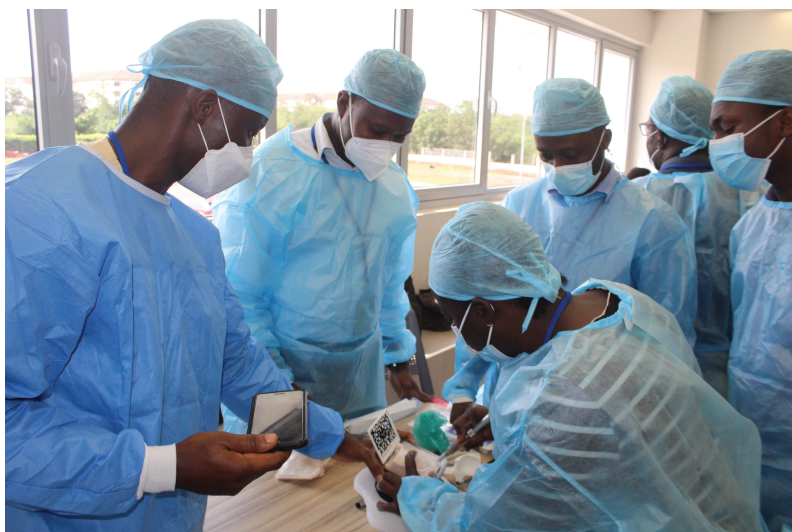
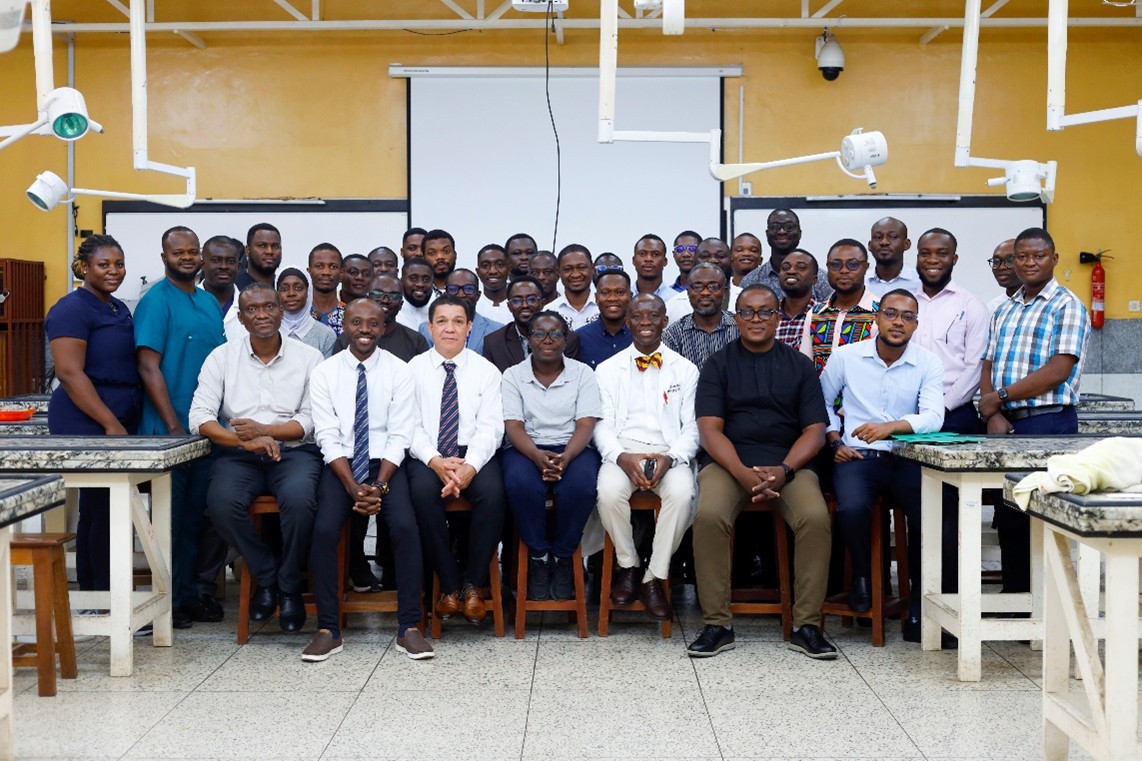
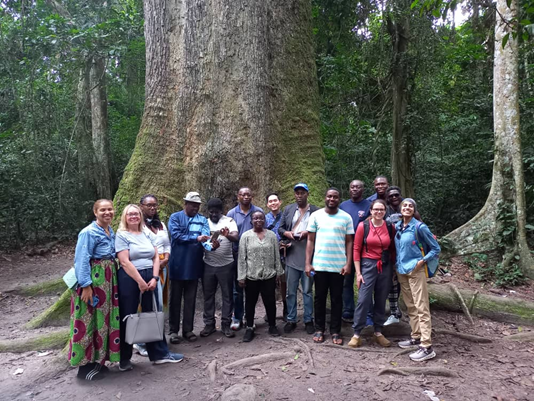
Dr. Banson with colleagues, faculty and residents at the 2025 Ghana Academy of Neurological Surgeons’ Preconference Cadaveric Workshop (left) and standing by the Biggest Tree in West Africa in Akim Oda, Ghana after a neurosurgical outreach program (right).
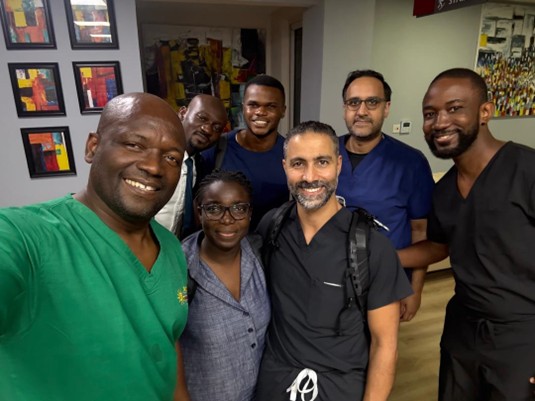
Dr. Banson and colleagues at The Global Brain Initiative (GBI), a yearly neurosurgical Mission to Ghana, Accra Medical Centre, collaborating with the Accra Medical Centre (AMC) and the University of Ghana Medical Center.
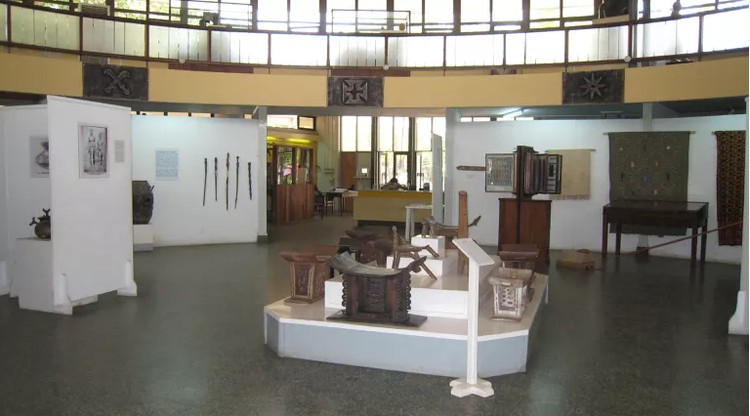
Ghana, known as the “Gold Coast” for its gold production, is a West African nation on the Gulf of Guinea with varied geography that includes coastal plains, forested plateaus, and the northern savanna. It is the first sub‑Saharan African country to gain independence in 1957 under Kwame Nkrumah.
The Ghana’s cultural landscape is shaped by Akan, Ewe, Ga‑Adangbe, Dagomba and other ethnic groups, with rich traditions in music, dance, festivals such as Akwasidae and Homowo, kente cloth weaving, and oral histories. Its principal extractive resources include gold, diamonds, manganese, bauxite and recently developed oil reserves (notably the Jubilee field), while cocoa remains a major agricultural export and the mainstay for the livelihoods of millions of farmers. Discover Ghana's magnificent natural beauty—from lush landscapes to diverse wildlife—complemented by a thriving and expanding tourism sector.
Healthcare system structure and national priorities:
Ghana operates a mixed public–private health system coordinated through the Ministry of Health and the Ghana Health Service, with primary care delivered through community‑level clinics and district hospitals. Specialized services such as neurological care are delivered through regional and teaching hospitals.
The Ghanaian health system’s national priorities include strengthening primary health care, expanding universal health insurance coverage through the National Health Insurance Scheme (NHIS), and addressing the rising burden of noncommunicable diseases alongside continuing infectious‑disease control efforts. However, efforts are being made with advancements of specialized care as well.
Neurosurgical Care in Ghana:
Neurosurgical and advanced neurological services in Ghana are concentrated in tertiary teaching and regional hospitals as well as specialized private centers in Accra, Kumasi and a few regional capitals. Teaching hospitals and dedicated centers such as University of Ghana Medical Centre provide general neurosurgical services including neuro‑trauma, tumor surgery and spine procedures.
A mix of public teaching hospitals, regional hospitals, and private specialist hospitals such as the Ghanaian‑German Specialist Hospital deliver neurosurgical procedures, neuroimaging, and inpatient neurological care for stroke, trauma, tumors and other disorders.
Status of neurosurgical services in Ghana:
Scope of procedures include craniotomy for tumors and hemorrhage, spinal decompressions and fusions, endoscopic transsphenoidal pituitary surgery at some hospital centers, and neuro‑trauma care. However, each center varies in capability for complex cerebrovascular and skull‑base procedures.
Workforce and trainings are through national residency programs at teaching hospitals with extra support from Ghanaian neurosurgeons practicing at home and abroad. Nonetheless, with a population greater than 35 million people and only 29 practicing neurosurgeons, the neurosurgeon-to-population ratio remains low relative to high‑income countries, producing gaps in timely access for many regions.
Referral patterns and cross‑border carevary for very complex or resource‑intensive interventions such as advanced cerebrovascular or pediatric craniofacial reconstructions as patients are often referred to or seek care overseas. Local efforts particularly emphasize capacity building, equipment acquisition and multidisciplinary stroke and neuro‑trauma pathways.
Gaps, recent advances, and opportunities:
Challenges in servicing quality care include uneven geographic distribution of specialists and imaging, limited intensive‑care capacity in some regional hospitals, constrained access to advanced endovascular and neuro-interventional procedures, and financial barriers for some patients despite Ghana’s National Health Insurance Scheme (NHIS) coverage variability.
Advances and investments: Recent investments in tertiary centers, establishment of neurosurgical units in regional hospitals, growth of private specialist hospitals, and increasing local neurosurgical training capacity are strengthening Ghana’s ability to manage neuro‑trauma, tumors and spine disease locally.
High‑impact opportunities: Scaling stroke systems of care, expanding neuro‑intensive care and neuro-rehabilitation services, improving nationwide CT/MRI access, training more neurosurgeons and neurocritical care nurses, and developing telemedicine partnerships for remote case review would substantially reduce morbidity and mortality from neurological disease.
Visit Ghana
Visit Ghana to experience a warm, welcoming country where rich history, vibrant culture, and varied landscapes meet. From the evocative colonial and slave‑trade sites at Cape Coast and Elmina to the forest reserves of the Ashanti and Western regions and the northern savanna. Together, these places link natural beauty with living traditions and historical landmarks, while Accra’s bustling markets, national parks, and sandy beaches offer endless opportunities for cultural discovery, ecotourism, and relaxed seaside days.
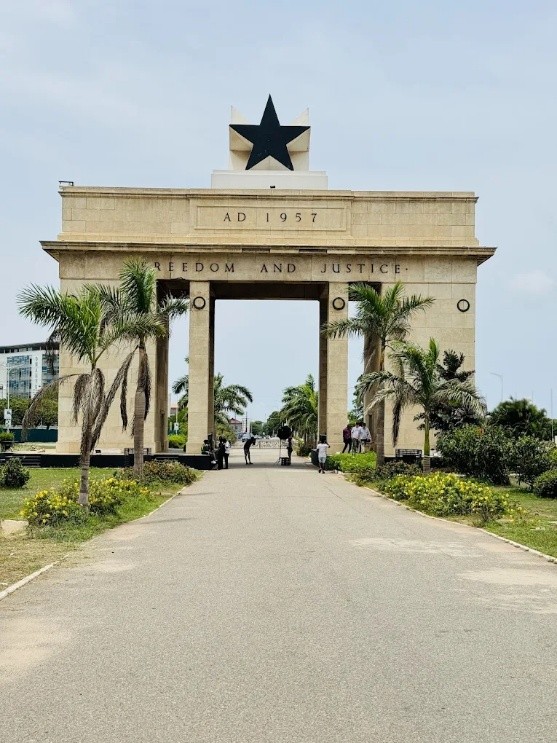
On the right is the Independence Square, commonly called "Black Star Square," a prominent Accra landmark built to honor Ghana’s 1957 independence.
Committee Meeting Highlights
October 2025 Meeting
The position paper series has been submitted to the ASBN executive committee for final review. After final review, the plan will be to submit to Frontiers of Neurology.
The collaborative paper on decolonization with effort from WFNS, Mission:BRAIN, FIENS, CAANS, EANS, AANS, CNS was discussed. Residents and medical students interested in participating are still welcome to submit a paragraph to Dr. Barthélemy atglobalneurosurgeon@gmail.comdiscussing what they propose to contribute to the paper. An outline based on information from paragraphs that have been submitted so far is currently in progress.
PAN-BRAIN (Pan-African Neurosurgical Biobank and Registry for Acquired Injury & Neurodegeneration), a neurosurgical biobank designed to collect and manage biospecimens from African and Afro-descendant communities was introduced. The goal of PAN-BRAIN is to advance neurosurgical care in African and Afro-descendant regions with an initial focus on neurotrauma and plans to expand into neuro-oncology.
Fostering Worldwide Global Neurosurgical Care Advancements
Any ASBN member (student, resident, attending, etc) who is engaged in a project, particularly one focused on global neurosurgical healthcare and international or multi-organizational collaboration is encouraged to reach out to our team. We are committed to fostering partnerships and facilitating proper collaboration to achieve our shared goals. Let's work together to make a meaningful impact.
Upcoming Conferences and Conventions
WFNS 19th World Congress of Neurosurgery 2025 on Dec 1-5, 2025 in Dubai, UAE. https://wfns2025.gcon.me/page/home
International Conference on Neurology, Neurosurgery and Stroke ICNNS on December 11-12, 2025 in Macau, China
The authors of this tandem systematic review and meta-analysis endeavored to quantify the global incidence and prevalence of epilepsy in order to estimate the number of patients who could benefit from surgical intervention. Ultimately, they identified 167 articles across geographic regions and income levels, predicting that just over 10 million people globally living with epilepsy may be possible surgical candidates. Interestingly, the highest rates of prevalence and incidence were reported in regions primarily composed of low-to-middle-income countries (LMICs), highlighting the known mismatch between disease burden and healthcare capacity in these settings.
Although the significant burden of drug-resistant epilepsy in terms of morbidity and mortality is well-known, this study sought to estimate its associated economic consequences, which have yet to be well elucidated. In an analysis that included 195 countries and territories, the total value of lost economic welfare was greater than 640 billion USD. Given the known cost effectiveness of gold-standard epilepsy diagnosis and management, the authors believe that wider implantation could create significant economic impact.
In a systematic review led by our featured neurosurgeon Dr. Mabel Banson, the authors sought to characterize the current landscape of epilepsy surgery on the African continent. With nine studies across six African nations, they were able to determine that head trauma was the leading risk factor for seizures in the region. Notably, they also report rates of seizure freedom similar to those of the Global North, underscoring the importance and vast potential for impact of facilitating greater access to epilepsy surgery.
In this report, the authors detail the development of an educational intervention that leverages an international collaboration model to facilitate surgical management of Vietnamese children living with epilepsy. In a partnership that began in 2014 with three hospitals in Hanoi, neurosurgeons from Children’s of Alabama helped facilitate more than 40 epilepsy surgeries, with a remarkable over 80% seizure-free rate. Most notably, however, at the time this paper was published, the program in Vietnam was nearly entirely self-sufficient.