The ASBN Global Neurosurgery Committee Newsletter
The American Society of Black Neurosurgeons Global Neurosurgery
Committee Presents:
Our monthly newsletter delivers updates on events, research, resources, and initiatives of the global neurosurgery committee (ASBN-GNC) and in the larger global neurosurgery space, all curated specifically for our ASBN members.
The ASBN Global Neurosurgery Committee (ASBN-GNC) is a subcommittee of the Service and Communications/Outreach committee. Building on the ASBN mission, ASBN-GNC centers on three core values:
I. Global Health Equity
II. Decoloniality
III. Pan-Africanism
Research Highlight:
Stay informed with the latest updates and information on groundbreaking research, innovative projects, and cutting-edge developments within ASBN-GNC.
Neurosurgeon Highlight
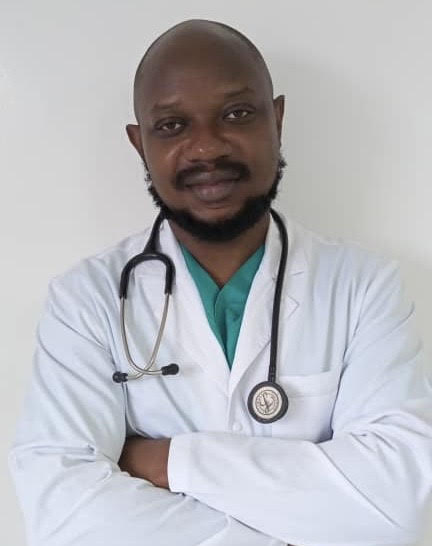
Alieu Kamara, MD, PhD, MMed
Dr. Alieu Kamara is a surgeon from Sierra Leone. He was born in an eastern village within Sierra Leone and faced difficulties during his childhood due to the 11-year civil war. His initial interest in medicine became apparent when he fouled his friend during a sports game, who then broke his arm. In resource-limited countries, an injury like this is common in childhood, but for Dr. Kamara, it motivated him to become a physician. However, despite this interest, Dr. Kamara faced issues with paying his tuition despite excelling on his medical entrance exams. This led him to study medicine in Jilin, China, earning both an MD and a Ph.D in orthopedic surgery. Soon after, he returned home to Sierra Leone.
Upon his return, Dr. Kamara found gaps between his surgical knowledge and the needs of his patients. This realization encouraged him to pursue a neurotrauma fellowship in Morocco. This further training benefited him immensely. Today, he is the first and only neurosurgeon in Sierra Leone. Currently, he works at Connaught Hospital under the University of Sierra Leone Teaching Hospital’s Complex (USLTHC), where he established the first neurosurgical unit in collaborations with the MissionBrain Foundation and the Ministry of Health to provide better support for neurosurgery in his home country. These joint efforts have strengthened health services, improved training opportunities and began to lay the foundation for more sustainable neurosurgical care and services.
Building on these efforts, Dr. Kamala established a project he cares deeply about: The Brain and Bone Health Foundation (BBHF). This is a pioneering initiative dedicated to promoting and advancing bone, brain, and spine health in Sierra Leone. The foundation’s mission is to educate the public on injury prevention, road safety, and fall reduction to ultimately improve surgical care, research, and training in the fields of orthopedics and neurosurgery to then empower communities with knowledge and access to quality trauma care.
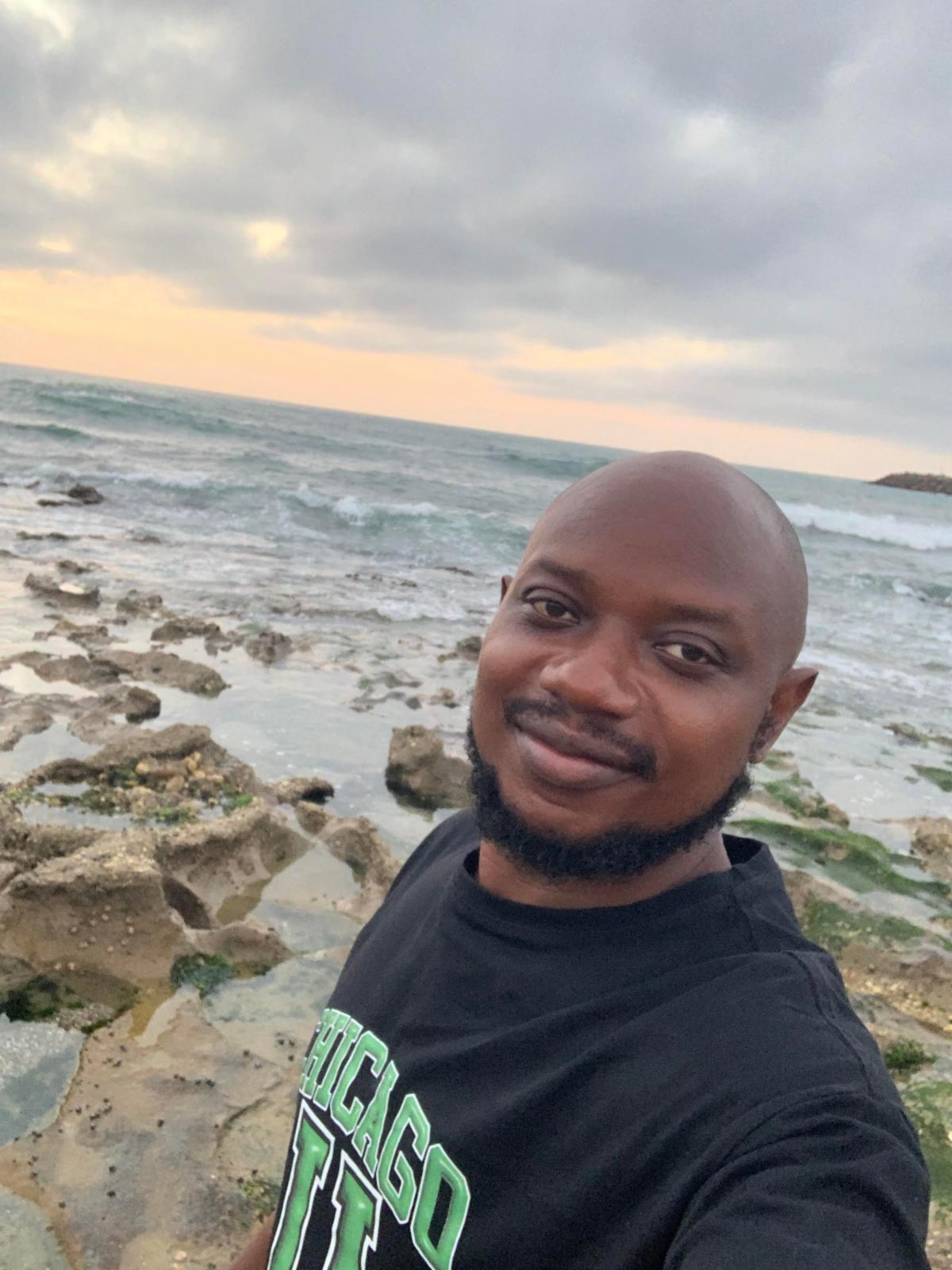
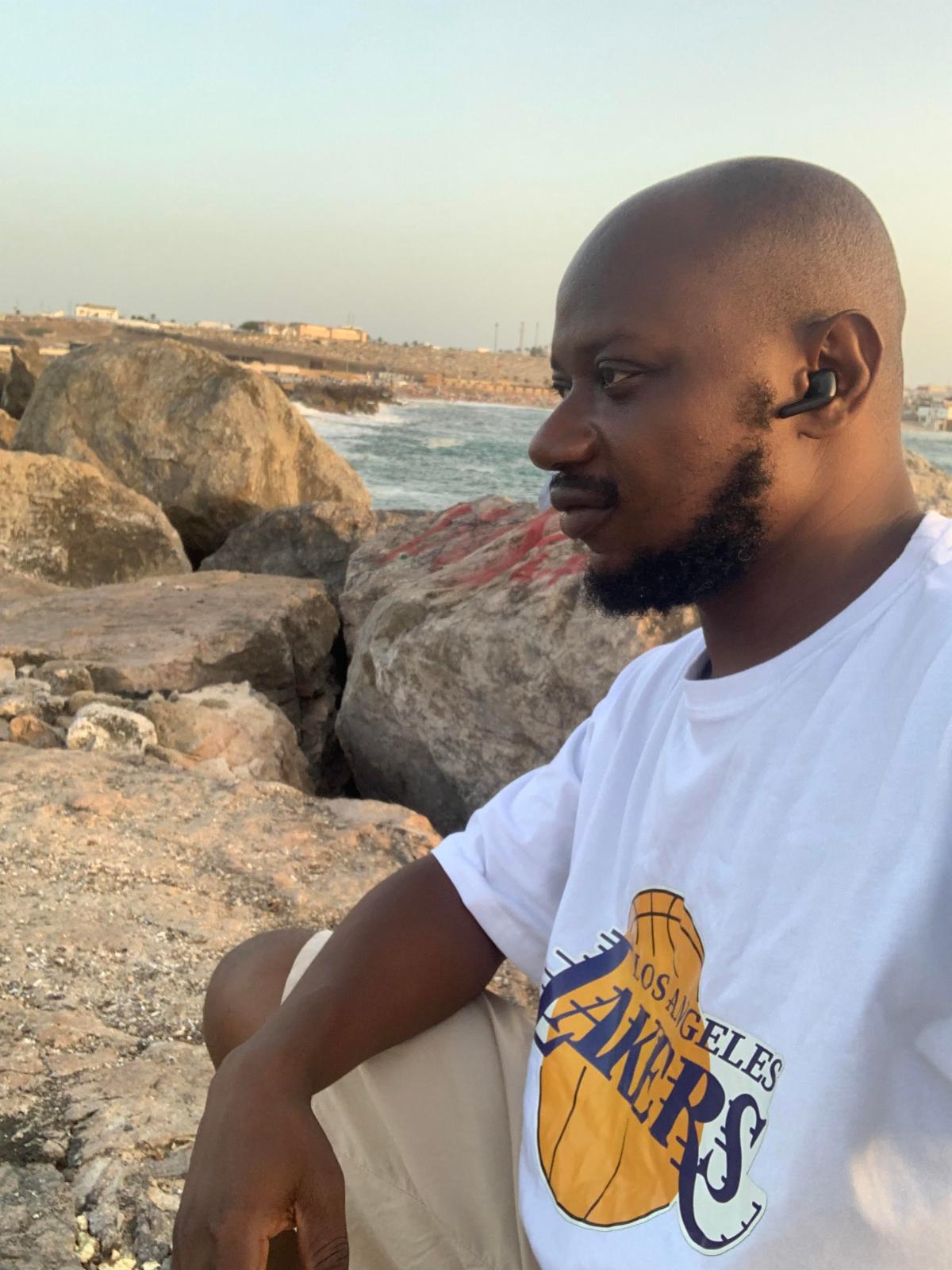
Outside of his professional life, Dr. Kamara enjoys spending time with his family and taking walks on the beautiful Freetown beaches of Sierra Leone. Additionally, he enjoys traveling and learning about other cultures to further broaden his perspective.
Medical Degree:
Clinical Medicine, MBBS from China Medical University in Shenyang, Liaoning Province, China in 2011
Master’s and Doctoral Degree:
Master’s in Medicine (MMed) in Orthopedic Surgery
PhD in Pediatric Orthopedic Surgery
Neurosurgical Specialization:
18-month neurotrauma fellowship in Morocco in 2023
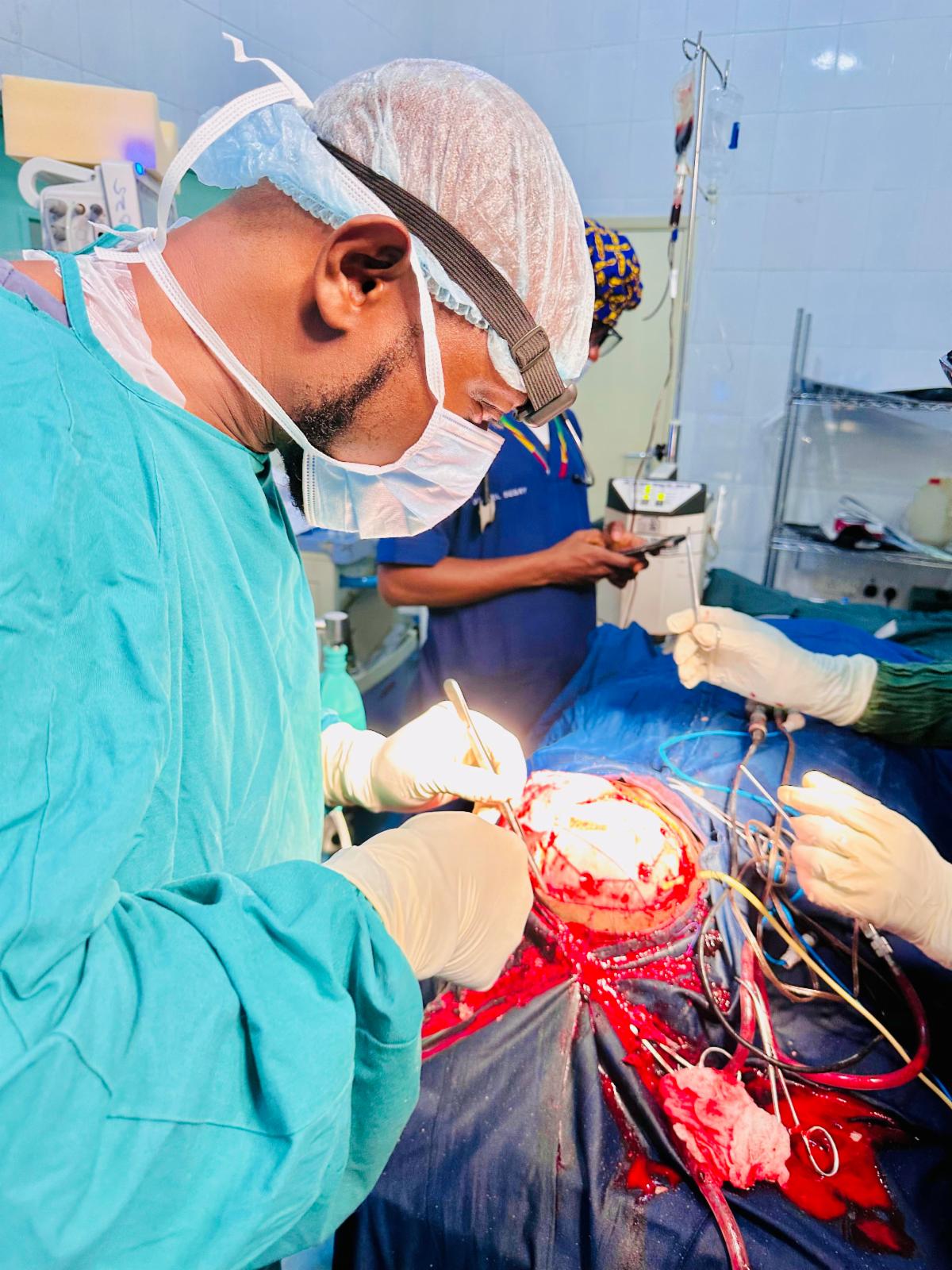
Dr. Kamara and his dedicated colleagues are actively performing life-saving brain and spinal surgeries on patients across Sierra Leone, often under challenging conditions. Each procedure represents a breakthrough—not only for the individual patient but for the country’s healthcare system—as they work to establish a sustainable neurosurgical service where none previously existed. From treating traumatic injuries to managing complex neurological conditions, their hands-on commitment is transforming outcomes and offering hope to communities long underserved by specialist care
Around the Globe: Impacts and Projects
A Look at Current Events in Global Neurosurgery
Dr. Kamara:
Training, Teaching, Research, & Initiative
Beyond the Practice: Hobbies & Inspiration
Family and hobbies
In addition to spending and cherishing time with his family, Dr. Kamara finds tranquility in peaceful walks along the scenic beaches of Freetown, "where the rhythm of the ocean waves offers a soothing escape".
His love for travel and cultural exploration deeply enriches both his personal growth and professional insight. A passionate music enthusiast, he often operates with melodies playing in the background—finding that music brings focus, calm, and a sense of harmony to his surgical work.
Favorite Food
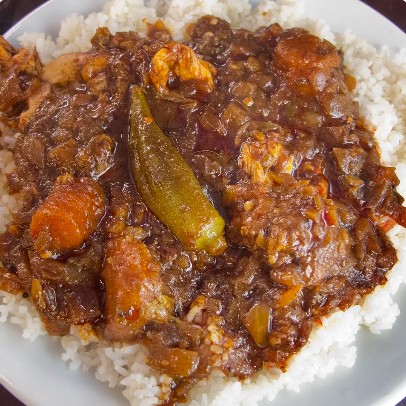
Dr. Kamara's favorite food is rice and any of their local sauces such as krain krain (a green leafy vegetable dish in Sierra Leone) and okra.
Favorite Color
Dr. Kamara's favorite color is purple.
Career and Research Interests
Dr. Kamara treats a wide range of conditions including:
• Traumatic brain injuries
• Spinal cord injuries and paralysis
• Brain tumors
• Seizure disorders
• Spine fractures
His dual expertise in orthopedic surgery allows him to manage complex cases involving both the brain and musculoskeletal system, with great emphasis on health systems strengthening and neurotrauma.
Care & Impact
Dr. Kamara with Colleagues and Patients
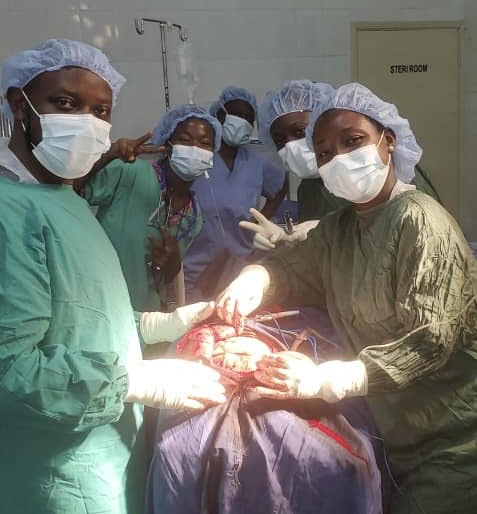
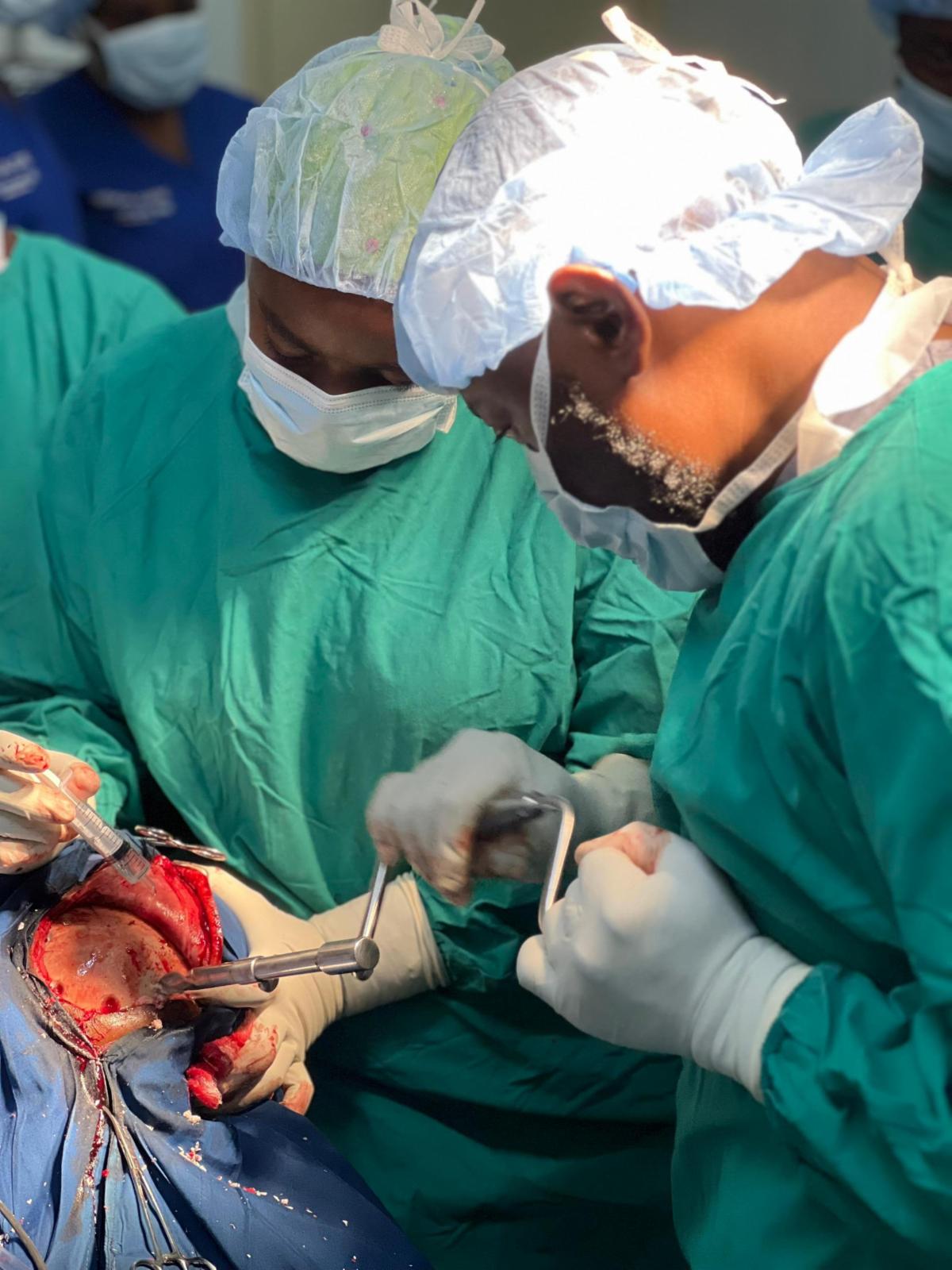
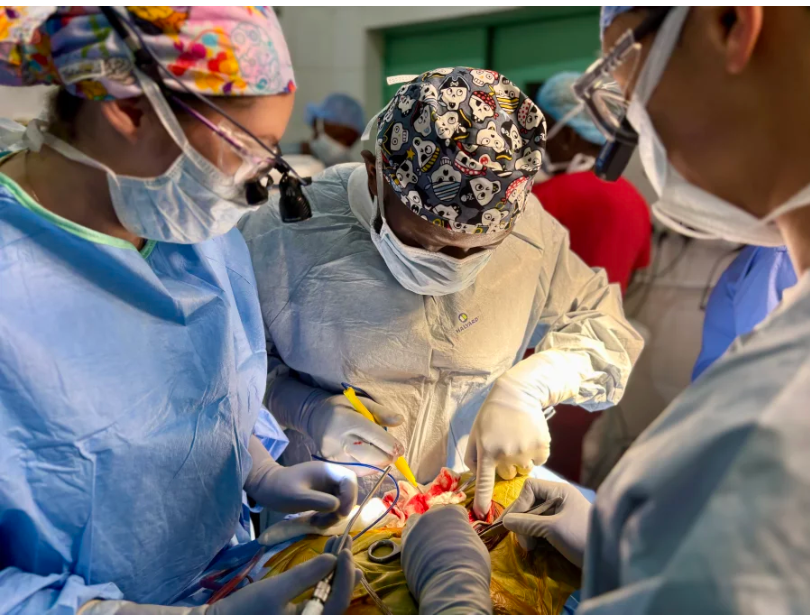
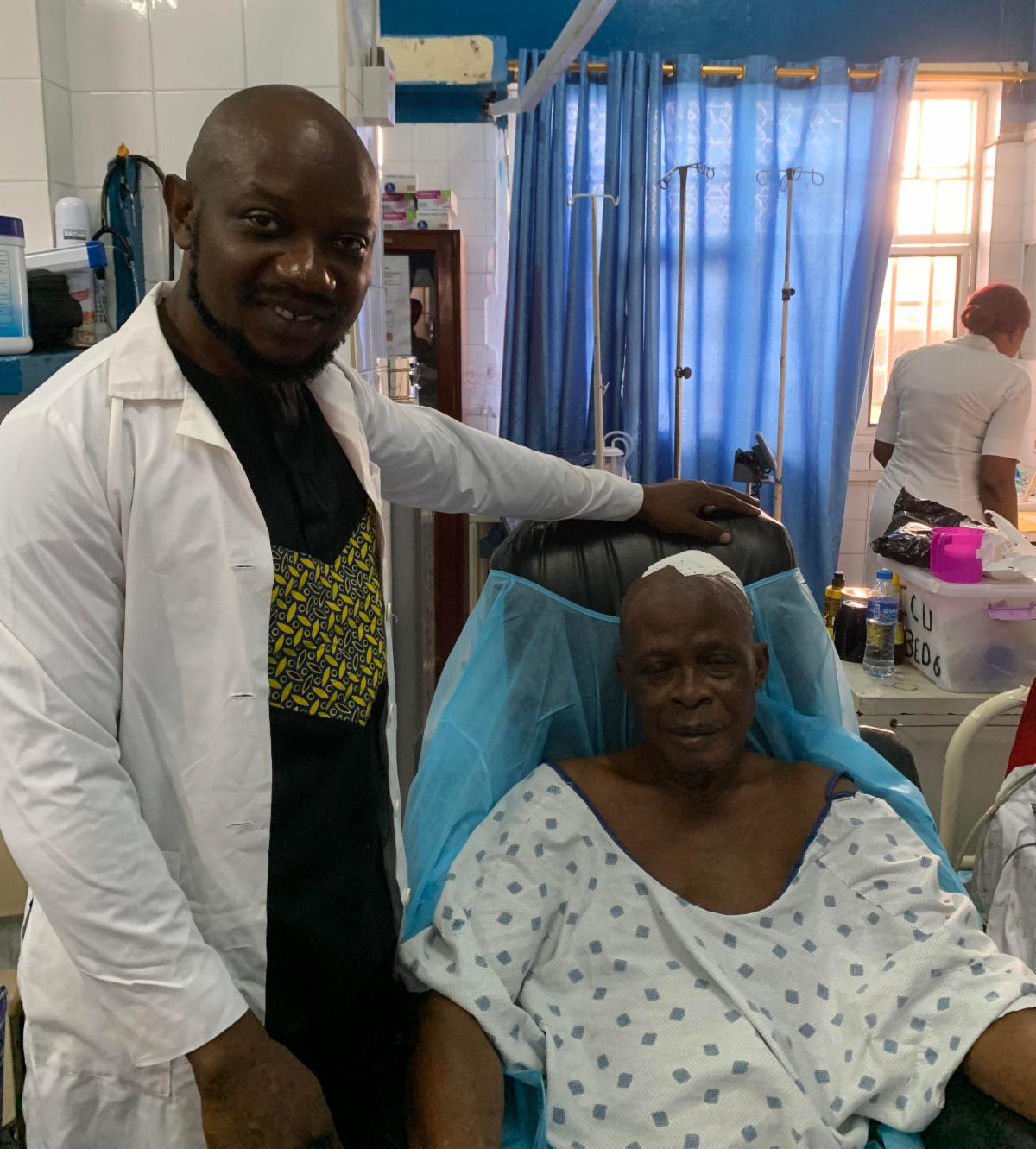
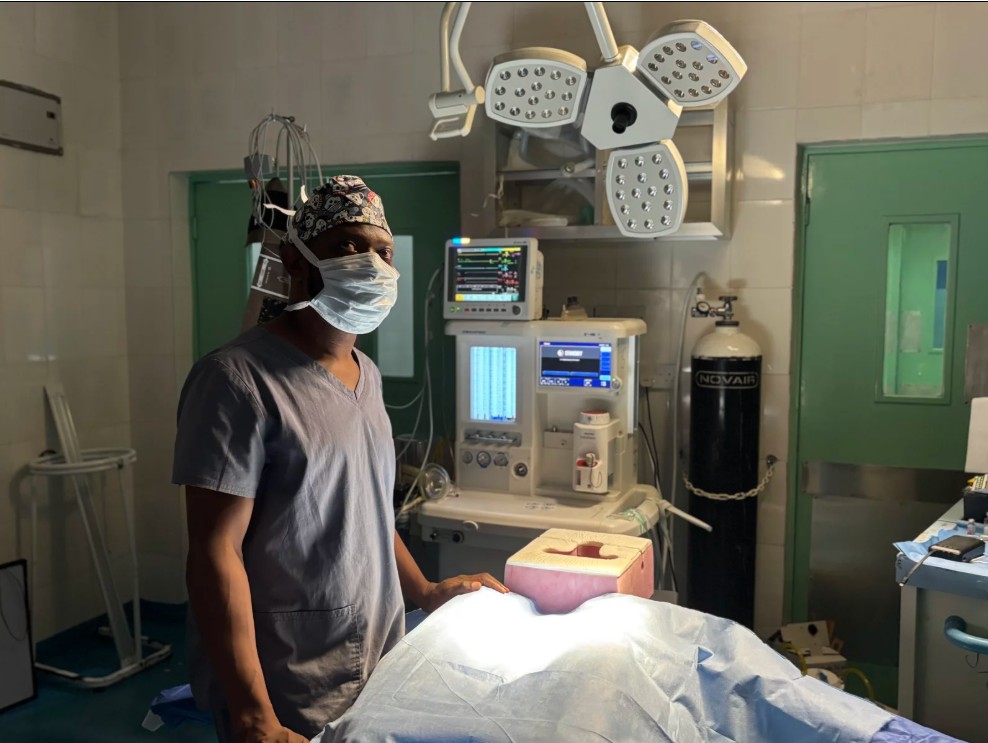
On the left is a picture of Dr. Kamara and colleagues Drs. Silvia Vaca and Seunggu Han as they operate on Morie Abibu to remove a mass growing at the base of his skull that was pressing against his spinal cord, paralyzing him from the neck down. Mr. Abibu would later regain both motor and sensory strength following what was the first-ever spine and craniocervical junction surgery in the country. And on the right, is Dr. Kamara and one of his patients.
At the beginning of 2025, a historic moment arrived: Dr. Kamara performed the first successful spinal surgery in Sierra Leone. It was a complex procedure that saved the life of a patient who otherwise would have had no chance.
Academic and Global Brain Health:
Dr. Kamara's Initiatives
Leadership & Global Engagement
Dr. Kamara currently focuses on laying groundwork for the Brain and Bone Health Foundation (BBHF), a pioneering initiative dedicated to promoting and advancing bone, brain, and spine health in Sierra Leone.
Regarding the current state of neurosurgical care and injury prevention in Sierra Leone, Dr. Kamara emphasized, ''it is important to promote public education and awareness around injury prevention, road safety, and fall reduction; to advance surgical care, research, and training in orthopedics and neurosurgery; and to empower communities with knowledge and access to quality trauma services.''
Through BBHF, he and his colleagues are working to reduce the incidence and impact of road traffic accidents and falls, encourage healthy lifestyles and preventive practices, and close critical gaps in trauma and surgical care.
The foundation also invests in strengthening local capacity through education, hands-on training, and research, while developing community-based programs that support recovery and long-term outcomes for patients.
Moreover, BBHF warmly welcomes collaboration with colleagues, institutions, and organizations that share these goals—especially those engaged in global surgery, research exchange, education, and capacity building. Together, we can make a lasting impact on the health and well-being of individuals and communities across Sierra Leone and beyond.
Strengthening Neurosurgical Care in Sierra Leone
Dr. Kamara leads a small, determined team working to build sustainable, locally led neurosurgical services for Sierra Leone’s eight million people. Motivated by the many patients he saw fail to receive timely care for head and spine trauma, brain tumors, spinal paralysis, and seizures, he has committed to expanding access to life‑saving operations and improving outcomes nationwide.
Resourcefulness has been essential: improvised bolsters made from rolled surgical gowns, sterile fields protected from flies with electric swatters, and careful workarounds have kept surgeries possible while longer‑term solutions are developed. Strategic partnerships have accelerated progress, funding Dr. Kamara’s neurotrauma fellowship in Morocco, supporting virtual nursing training for local staff, and delivering essential spine and neurosurgical instrument sets. These efforts helped catalyze government investment in a CT scanner for Connaught Hospital and plans for a dedicated neurosurgery ward.
Community support is being institutionalized through a Sababu fund named after the Creole word for kindness to help indigent patients access life‑saving procedures. In Sierra Leone, hospitals commonly require advance payment before beginning treatment, but Dr. Kamara and Connaught Hospital are committed to addressing this barrier and ensuring lifesaving care reaches those who cannot pay upfront.
Global Initiative & Collaboration
With support from MissionBrain and other international partnerships, he spent five years preparing to perform brain and spinal surgeries. It was a journey marked by challenges—but also filled with hope. And today, Dr. Kamara is training a new generation of doctors so that in the future, Sierra Leone will have more medical specialists.
Sierra Leone:
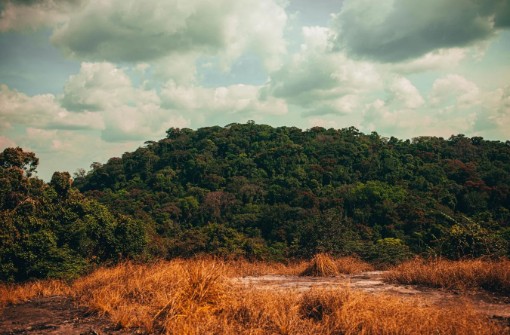
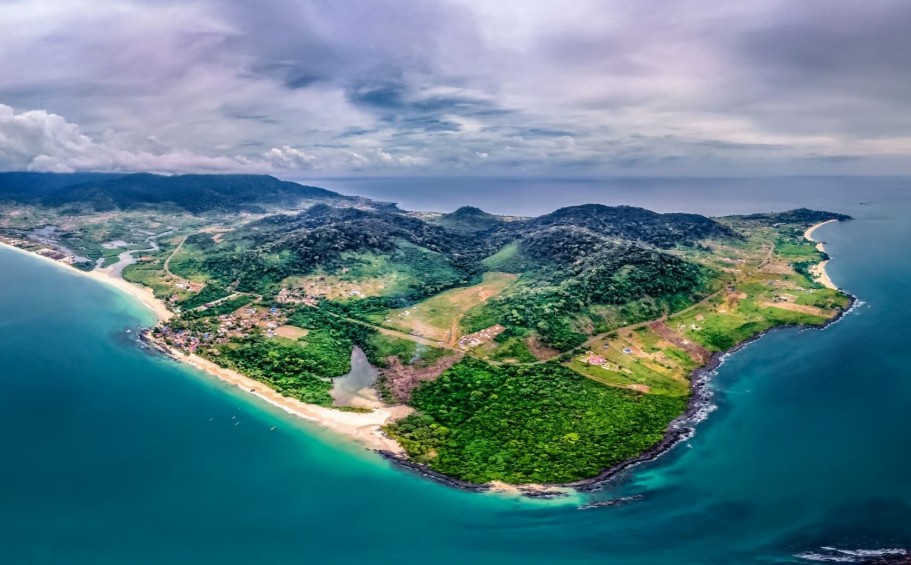
Sierra Leone, which means “Lion Mountains,” is a West African coastal nation of about 8 million people set around a dramatic shoreline and the Freetown Peninsula. It is rich in natural resources such as diamonds, gold, iron ore, bauxite, and rutile, and its white sandy beaches and biodiverse coastal and inland landscapes remain internationally noted features that support tourism and local livelihoods.
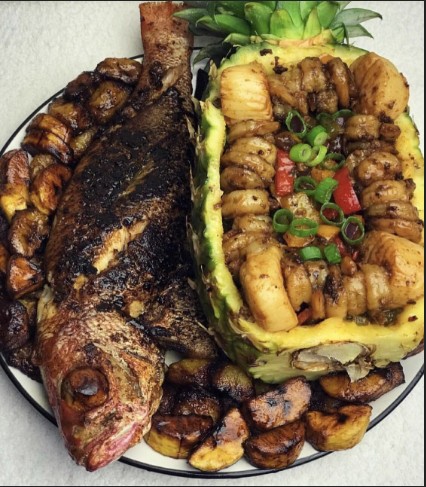
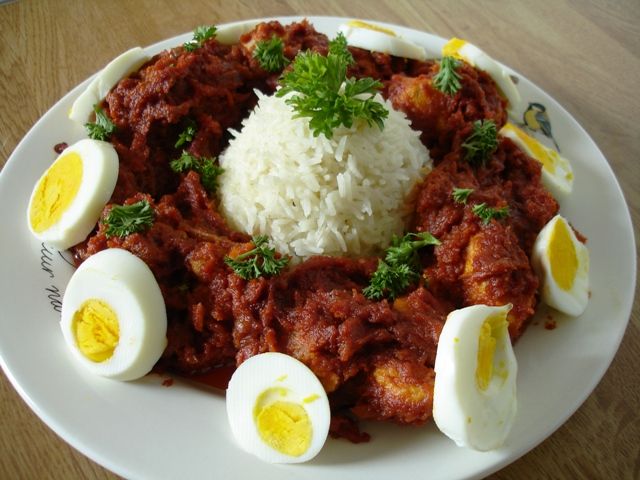
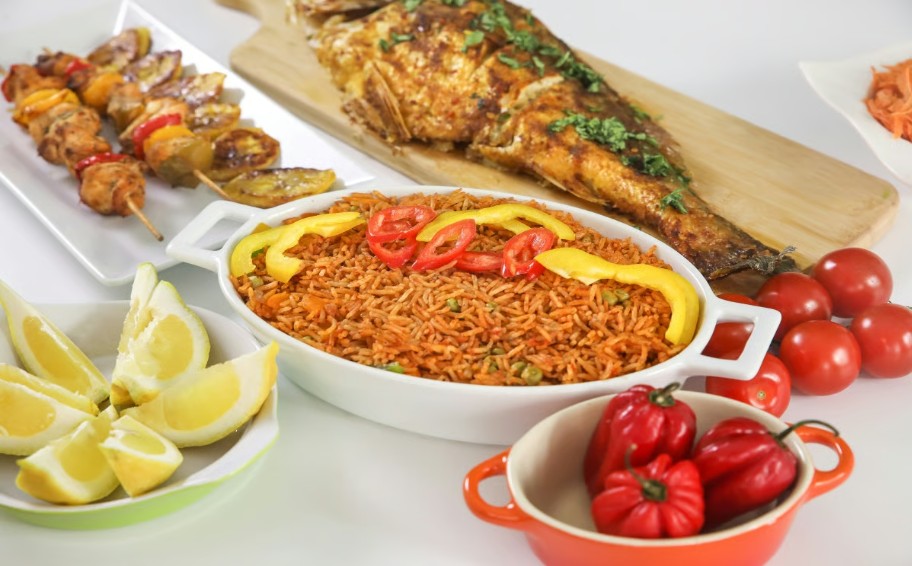
Sierra Leonean society is ethnically diverse with multiple languages and strongly shared cultural practices. This includes widespread use of Krio as a lingua franca, active social associations, and lively music, dance, and oral traditions that link communities across regions. Religious pluralism is a hallmark of social life with Islam and Christianity practiced alongside indigenous beliefs and a long record of interfaith tolerance and social harmony. Rice is the daily staple and is typically served with richly flavored sauces and stews; popular dishes and sauces include preparations made from cassava leaves, potato leaves, and groundnuts alongside stews flavored with local fish, palm oil, and spices, making rice the centerpiece of meals in most households.
Sierra Leone’s healthcare system is a mix of public, private, and non-governmental providers organized into district-based services that include peripheral health units and referral hospitals, with a Ministry of Health and Sanitation responsible for policy and coordination. There have been ongoing efforts by the government and international partners to strengthen primary care, laboratory capacity, maternal and child health, and emergency services. Non-governmental organizations play a major role in service delivery and capacity building across the country while recent international support continues to focus on diagnostics, blood safety, reproductive health, and supply chains to improve outcomes and resilience.
Neurology services in Sierra Leone are very limited with most neurological care provided by general physicians, psychiatrists, and occasional visiting specialists. Neurosurgical capacity was essentially absent with some emergent cases done by general surgeons until a nascent neurosurgery service and Dr. Kamara began providing operative care at Connaught Hospital in Freetown in 2025. Major constraints remain—few specialist neurologists, limited neuroimaging and ICU capacity, and shortages of trained staff—while government initiatives and international partners are working to expand training, strengthen diagnostics, and build sustainable neurology and neurosurgery services.
Visit Sierra Leone
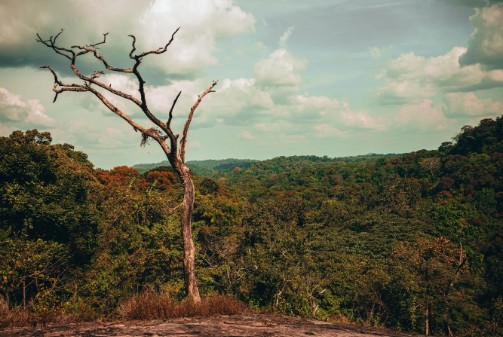
Visit Sierra Leone to taste rich, vibrant cuisine—from cassava‑leaf stews and groundnut soups to fresh, spicy coastal fish—that makes the country a culinary highlight. Its pristine white‑sand beaches, biodiverse forests and the dramatic Freetown Peninsula offer outstanding nature attractions for surfing, island hopping, wildlife viewing and scenic hikes. Combine flavorful West African food with lively music, warm hospitality and unspoiled landscapes for an authentic and memorable travel experience.
Committee Meeting Highlights
September 2025 Meeting
The position paper series was discussed and drafts have been submitted to the ASBN executive committee for their review.
The collaborative paper on decolonization with effort from different organizations and WFNS (World Federation of Neurosurgical Societies) with a focus on Asia, Latin countries and Africa was revisited. An outline based on information from paragraphs that have already been submitted to Dr. Barthélemy is in progress. Anyone interested in participating is still welcome to submit a paragraph to Dr. Barthélemy at globalneurosurgeon@gmail.com discussing what they propose to contribute to the paper. This paper will likely be submitted to Frontiers for publication. Deadline for inquiries regarding medical students' participation is October 31, 2025.
Moreover, a possible long-term collaboration with Frontiers for future ASBN publications was discussed given invitations to a few attendings within the committee for publications in certain themes.
Fostering Worldwide Global Neurosurgical Care Advancements
Any ASBN member (student, resident, attending, etc) that is engaged in a project, particularly one focused on global neurosurgical healthcare and international or multi-organizational collaboration is encouraged to reach out to our team. We are committed to fostering partnerships and facilitating proper collaboration to achieve our shared goals. Let's work together to make a meaningful impact.
Upcoming Conferences and Conventions
International Conference on Pituitary Neurosurgery ICPN on October 30-31, 2025 in Lisbon, Portugal
International Conference on Neuroscience, Brain Mapping and Therapeutics ICNBMT on November 10-11, 2025 in New York, United States
International Conference on Neurology, Neurosurgery and Stroke ICNNS on December 11-12, 2025 in Macau, China
This review sought to describe efforts to increase neurosurgical capacity in low-to-middle-income countries, with particular emphasis on the identification of barriers and facilitators of existing interventions. Ultimately, they analyzed 43 distinct interventions, with training and twinning programs showing significantly greater engagement and impact than mission trips or training camps.
This article details the creation and impact of the Duke Division of Global Neurosurgery, which was formally established in 2014 to addressed known inequalities in global access to neurosurgical care. In detailing their history, challenges, and strategies, this work establishes a framework by which other entities in HICs can support LMICs in working towards similar efforts.
Although the majority of global neurosurgery initiatives to date have targeted residents and attendings, medical students interested in pursuing neurosurgery represent the future of this effort and would benefit from materials tailored directly to them. This narrative review comprises a toolkit for students interested in furthering global neurosurgical initiatives.
In this article, the authors present a fourteen-year retrospective review of the Neurosurgery Education and Development Foundation (NEDF), a program that began in 2008 with the goal of developing a local neurosurgery practice in Tanzania. In that period, over 130 neurosurgical missions and almost 2000 neurosurgical procedures were performed, suggesting the utility of their three-phase model: “equip, treat, and educate.”