The ASBN Global Neurosurgery Committee Newsletter
The American Society of Black Neurosurgeons Global Neurosurgery
Committee Presents:
Our monthly newsletter delivers updates on events, research, resources, and initiatives of the global neurosurgery committee (ASBN-GNC) and in the larger global neurosurgery space, all curated specifically for our ASBN members.
The ASBN Global Neurosurgery Committee (ASBN-GNC) is a subcommittee of the Service and Communications/Outreach committee. Building on the ASBN mission, ASBN-GNC centers on three core values:
I. Global Health Equity
II. Decoloniality
III. Pan-Africanism
Research Highlight:
Stay informed with the latest updates and information on groundbreaking research, innovative projects, and cutting-edge developments within ASBN-GNC.
Neurosurgeon Highlight
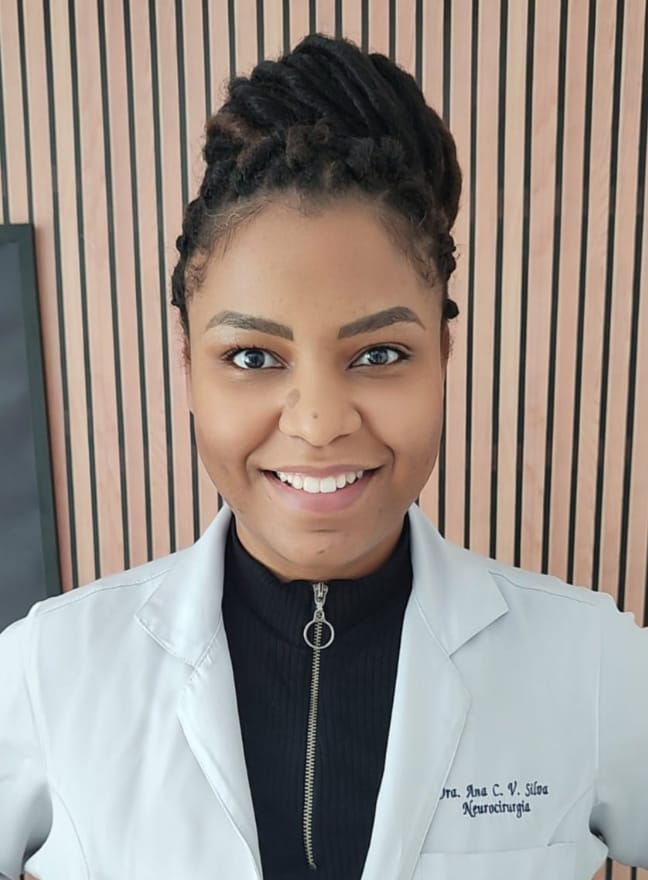
Ana Cristina Veiga Silva, MD MSc.
Born in Cabo Verde, Dr. Ana Cristina Veiga Silva was destined to become a trailblazer. She began her path by completing high school in Cabo Varde. Soon after, she spent time in Portugal studying cellular and molecular biology. She then made the trip to Brazil for medical school and completed a neurological surgery residency in Recife, Pernambuco. Dr. Veiga Silva is no stranger to traveling for school and believes “the place where you are born should not define the opportunities available to you nor the destiny you can achieve.”
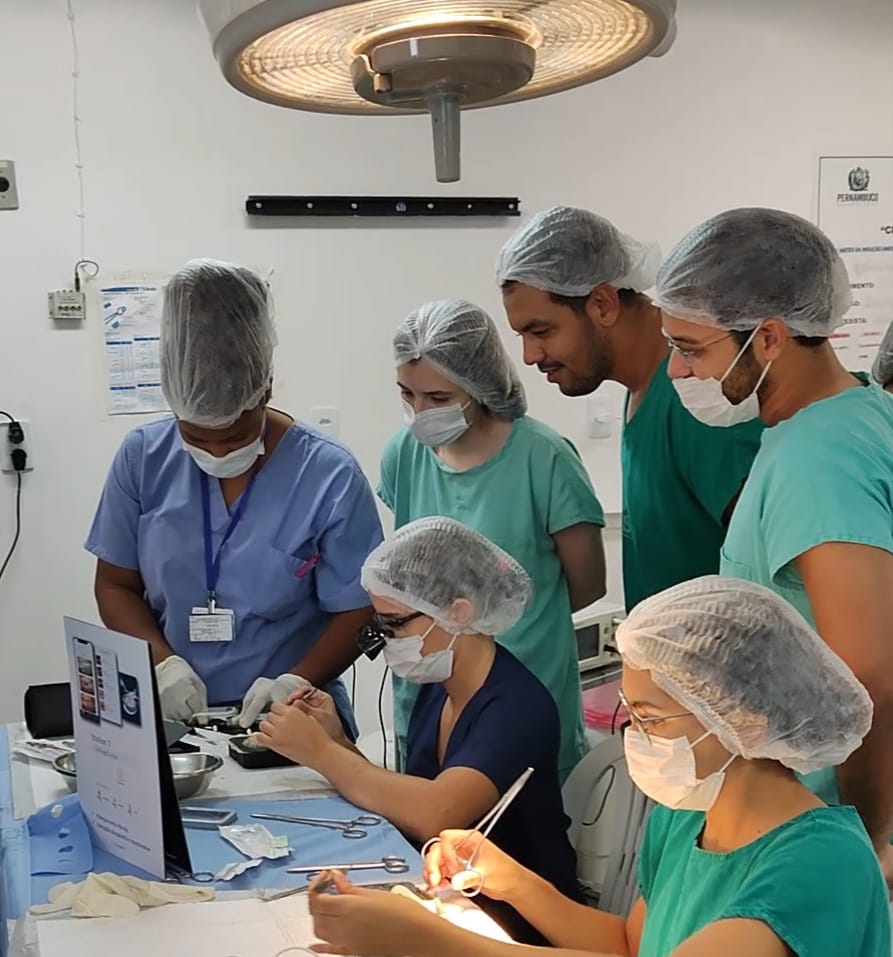
Professionally, Dr. Veiga Silva focuses on neurotrauma, traumatic brain injuries, surgical outcomes, and global neurosurgery. She inspires future surgeons through leading projects and simulation-based training workshops in Recife. This is in addition to helping students interested in graduate school and clinical research. Lastly, she is involved in ongoing social projects such as the NGO Caza Cisalata in Cabo Verde, which supports vulnerable communities and digital literacy programs for women over 50.
Personally, Dr. Veiga Silva is a mother and takes pride in the many aspects of her life. Her path in neurosurgery has been shaped by both personal and collective milestones. During residency in Brazil, she experienced pregnancy and motherhood. She has described that period as transformative, teaching her balance, perseverance, and ultimately clarifying that she was on the correct path. Furthermore, Dr. Veiga Silva demonstrates resilience and identity through music, Afro-diasporic dances, and traveling. These practices remind her of the necessity of community and culture.
Around the Globe: Impacts and Projects
A look at current events in global neurosurgery
Dr. Veiga Silva:
Training, Teaching, Research, & Initiative
Family and hobbies:
Dr. Veiga Silva enjoys spending time with her son, listening to music, and dancing . To relax, she enjoys listening to podcasts.
Favorite Food:
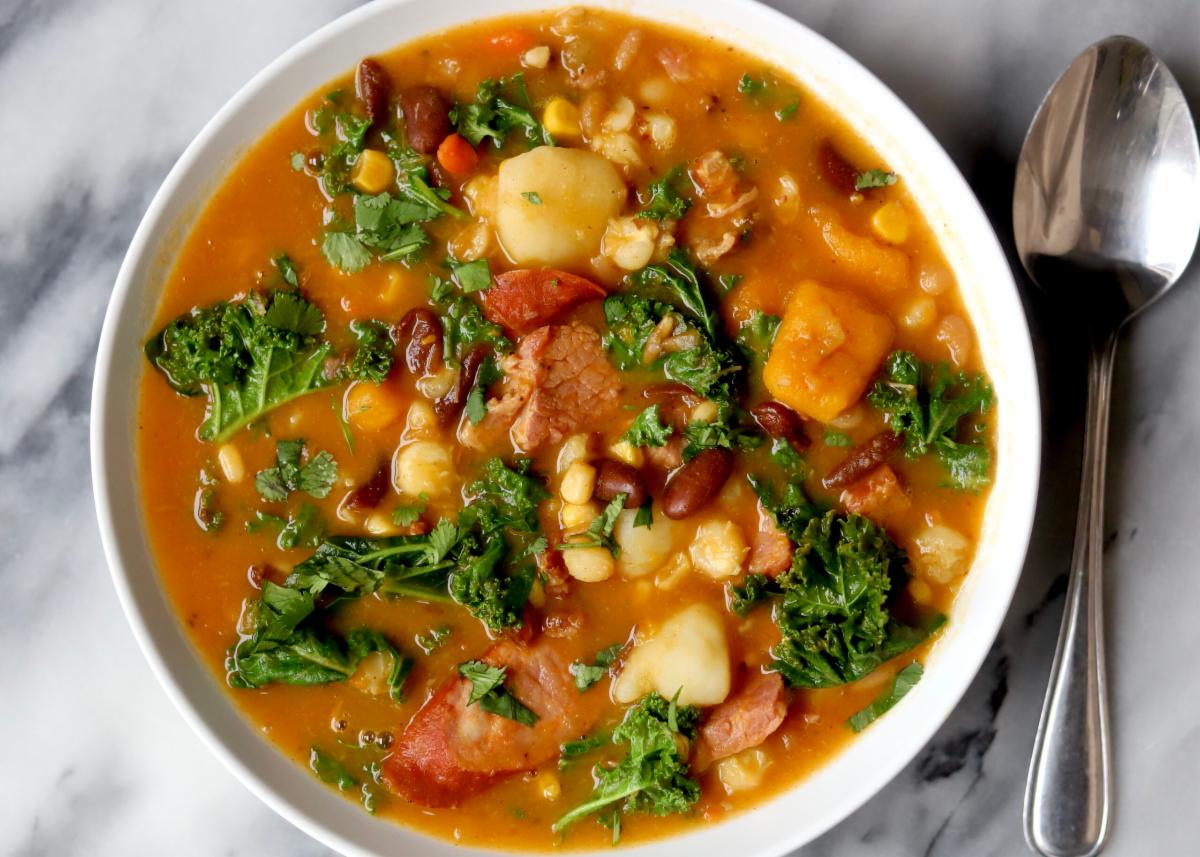
Bacalhau and Cachupa
Education:
Medical degree from the Universidade Federal do Pará in 2013.
Neurosurgery residency at Hospital da Restauração in Recife through the WFNS/SES-PE program in 2019.
Master’s degree in Neurocirurgia from Universidade Federal de Pernambuco (UFPE) in 2021 with a clinical research focus on clinical studies of traumatic brain injury and medical education through simulation-based training
Currently completing a PhD in Neurotrauma and economic distribution of neurosurgical resources.
Leadership & Global Engagements:
Dr. Veiga Silva is deeply involved in international neurosurgical collaboration and has served on various committees for the following:
Vice President of ANPALOP: The Associação de Neurocirurgiões de Países Africanos de Língua Oficial Portuguesa, which fosters neurosurgical development in Portuguese-speaking African nations. It aims to promote Portuguese-speaking African Countries, promoting international collaboration and knowledge exchange.
Former Secretary of the WFNS Young Neurosurgeons Committee: Served from 2021 to 2023 in the World Federation of Neurosurgical Societies, helping shape global neurosurgical education and outreach.
Young Medical Leaders Program at the National Academy of Medicine: Selected for the Academia Nacional de Medicina’s prestigious leadership initiative for 2024–2029
Focused on shaping the future of healthcare leadership in Brazil and beyond.
Career and research interests:
Dr. Veiga Silva’s clinical interests encompass the following:
Neurotraumatology
Global Neurosurgery
Headache Disorders
Medical Education & Simulation
Data Science in Medicine
Healthcare Economics
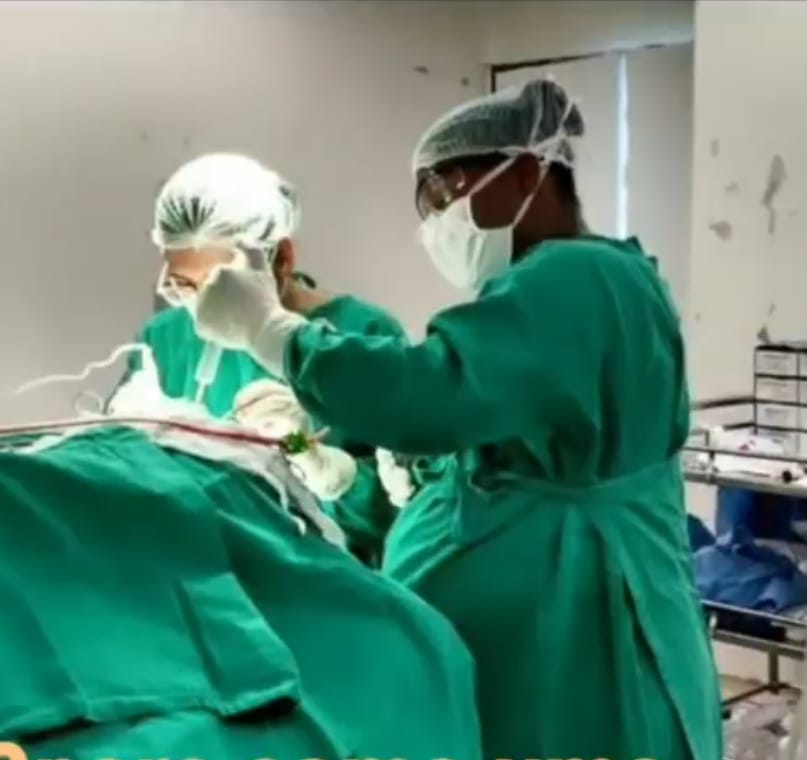
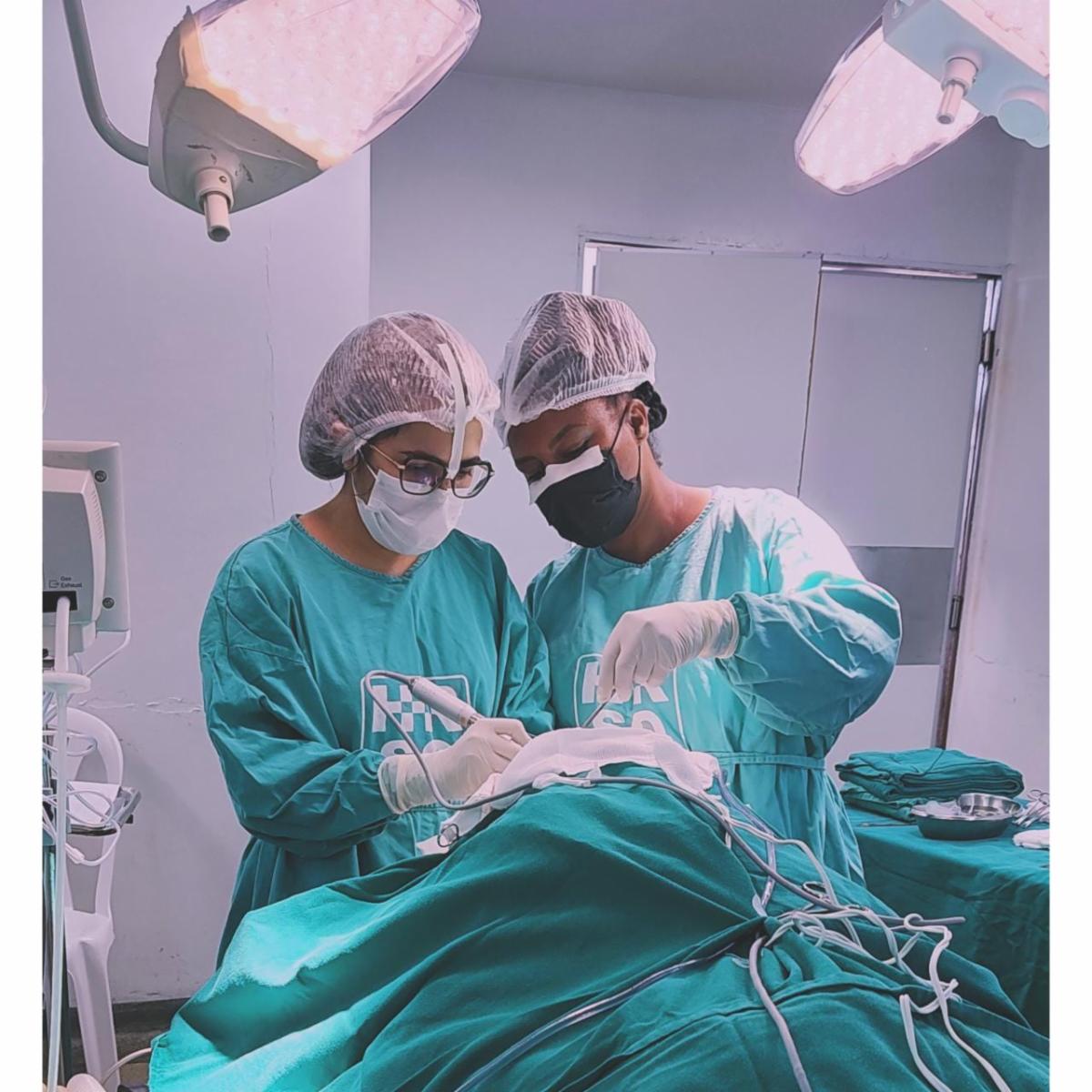
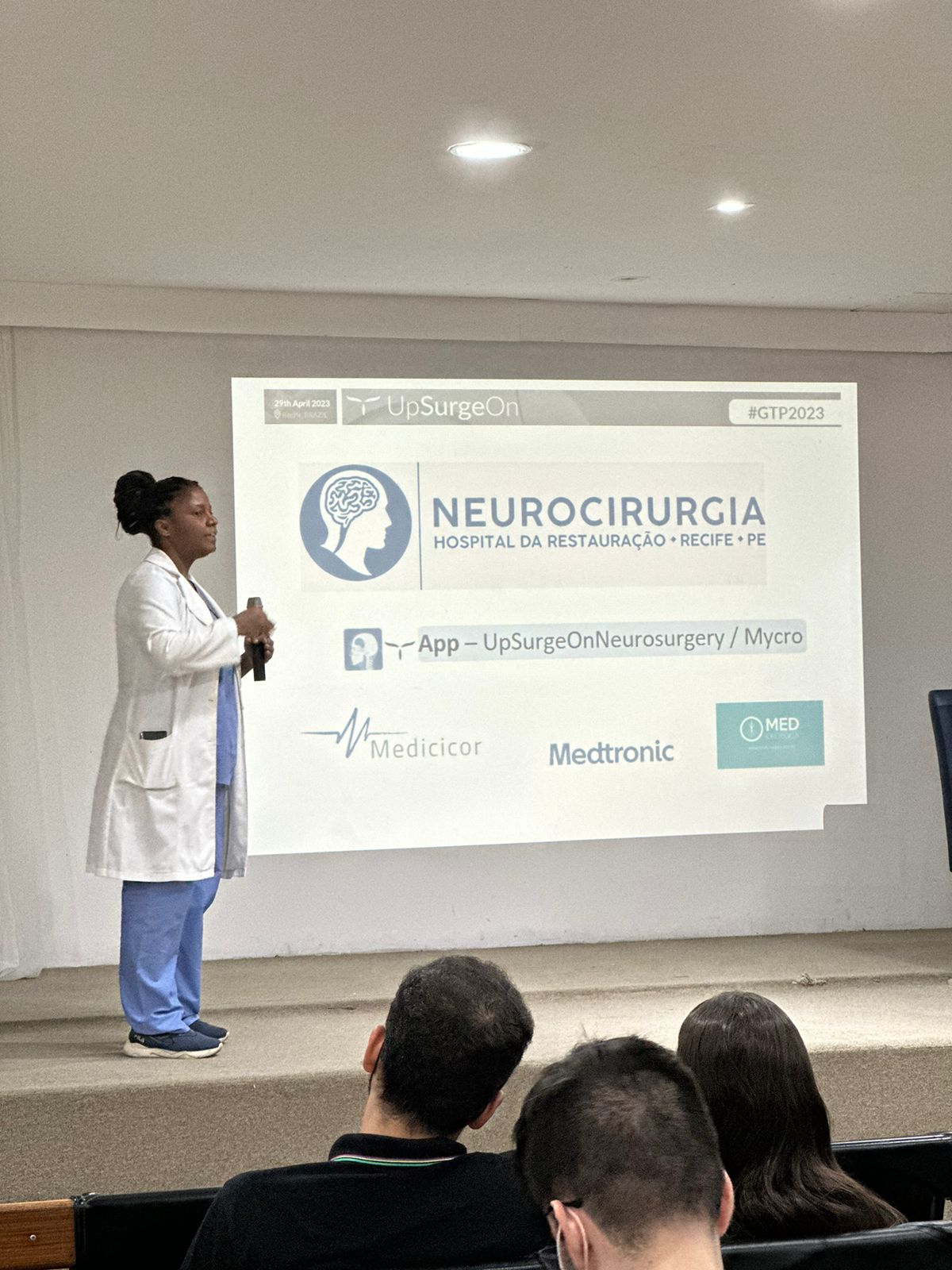
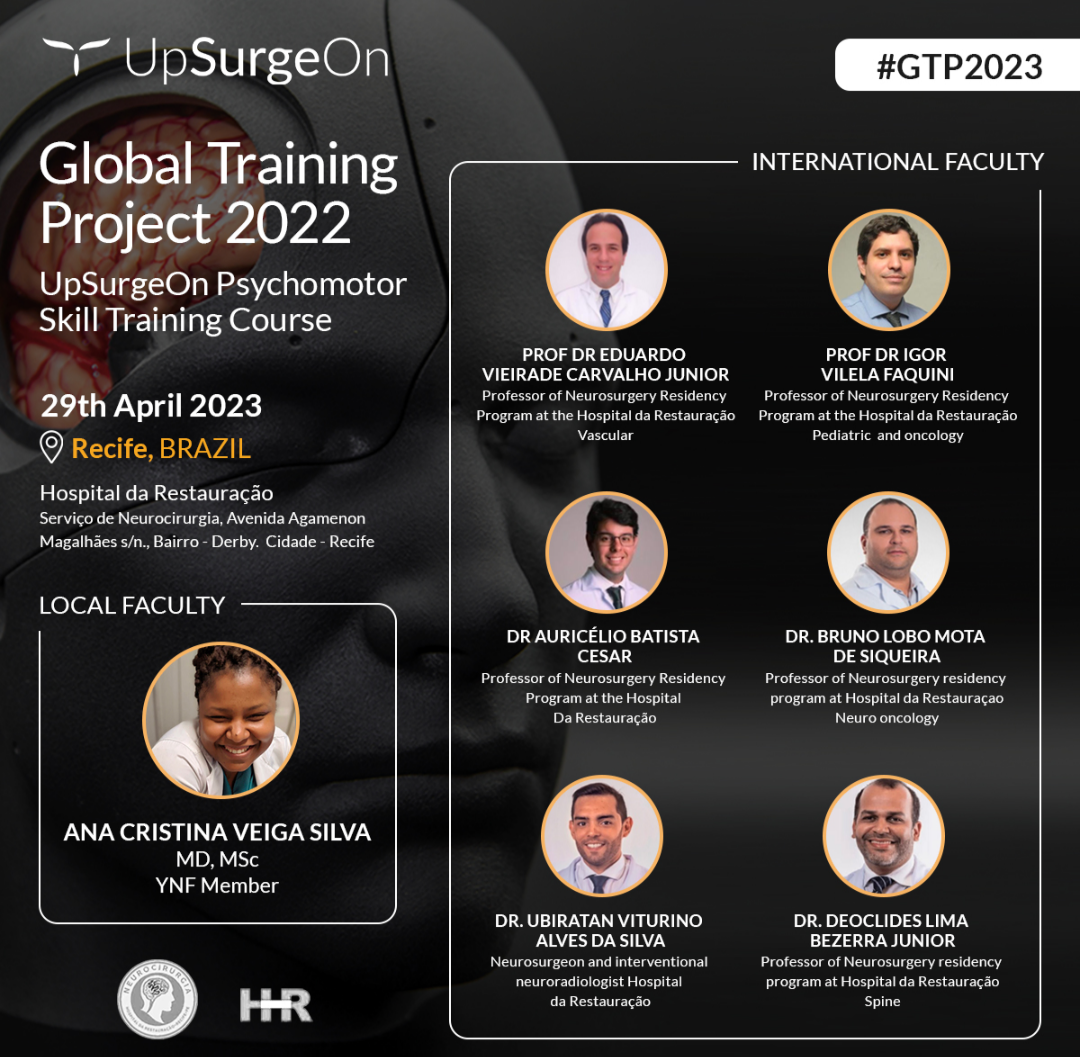
Here, Dr. Veiga Silva showcases her neurotrauma care initiative in connection with her participation in the UpSurgeOn Global Training Project in 2022 and 2023.
Academic and Global Brain Health:
Dr. Veiga's Initiatives
The Caribbean Neurosurgery Foundation:
Dr. Veiga serves as a facilitator at the Simulation Training Center of Faculdade Pernambucana de Saúde, helping train future clinicians using advanced simulation techniques.
Global Brain Health Initiatives:
Dr. Veiga Silva is deeply involved in global efforts to improve brain health equity:
She is affiliated with the Society for Brain Mapping and Therapeutics (SBMT), which promotes rapid and safe translation of neuroscience innovations into clinical practice.
She has contributed to the mission of the Global Brain Health Institute (GBHI), which works to reduce the global burden of dementia through leadership training, policy advocacy, and cross-cultural collaboration.
Her work emphasizes capacity building in low-resource settings, particularly in Portuguese-speaking countries across Africa and Latin America.
Dr. Veiga Silva’s initiatives reflect a commitment to bridging clinical excellence with global impact—empowering communities, shaping policy, and mentoring the next generation of brain health leaders. She has strongly advocated and worked on bettering surgical and medical training opportunities, such as the need for improved neurosurgical care across the region, highlighting that Cabo Verde needs at least three more neurosurgeons, currently there are four to meet the World Health Organization’s recommended ratio.
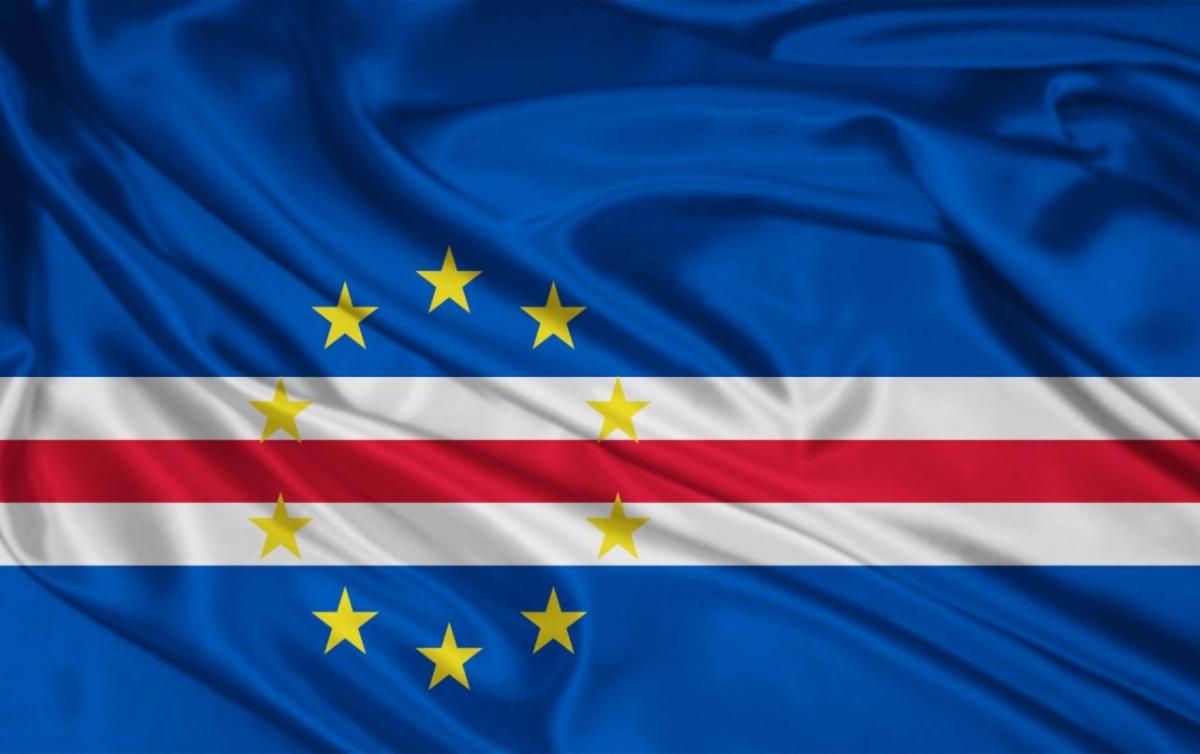
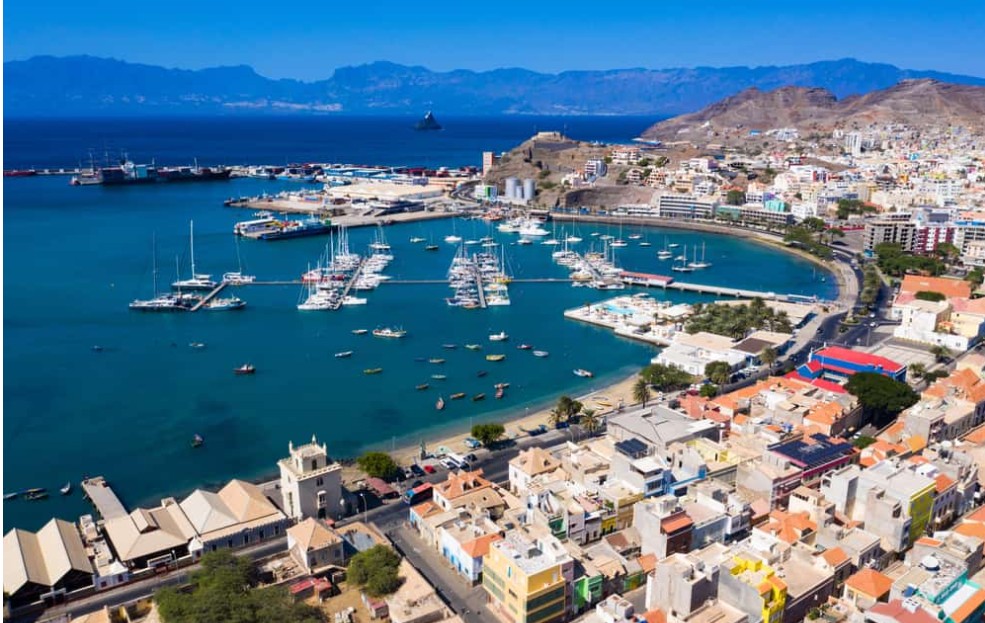
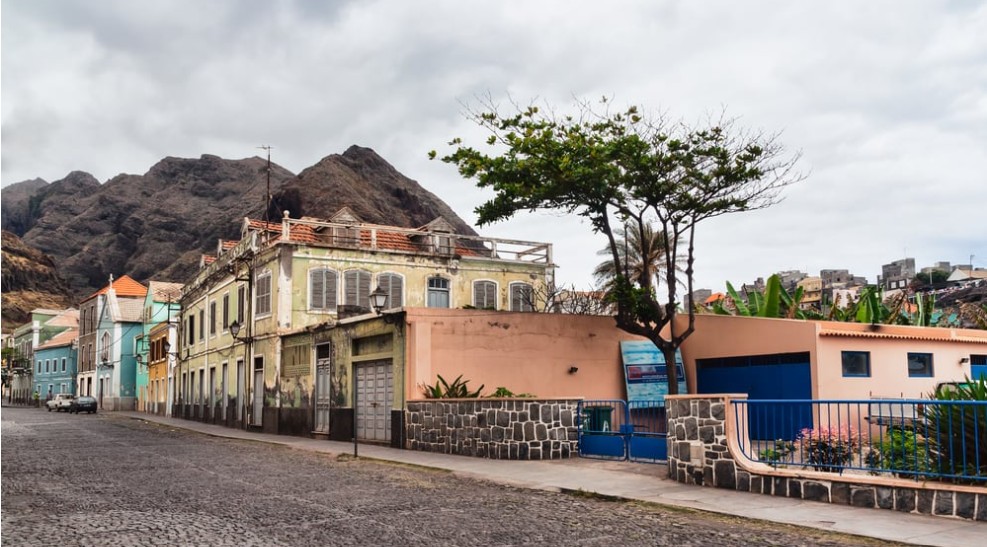
Cape Verde, officially known as Cabo Verde, is a captivating archipelago of ten volcanic islands off the coast of West Africa, offering a rich tapestry of cultural heritage, welcoming communities, and breathtaking natural landscapes. From the golden beaches of Sal and Boa Vista to the lush valleys of Santo Antão and the dramatic volcanic terrain of Fogo Island, Cape Verde’s geography is as diverse as its history.
Visitors can immerse themselves in the nation’s vibrant Creole culture, shaped by African, Portuguese, and Brazilian influences as evident by the widespread use of Cape Verdean Creole alongside Portuguese. Music and dance are central to Cape Verdean identity—especially the soulful rhythms of morna and funaná and the lively beats of coladeira, often heard in the cultural hub of Mindelo on São Vicente Island. Historic landmarks such as Cidade Velha, a UNESCO World Heritage Site and the first European colonial settlement in the tropics, offer a window into the country’s pivotal role in the Age of Discovery and the transatlantic trade routes.
Cape Verdean cuisine is equally expressive, featuring dishes like cachupa (a slow-cooked stew of corn, beans, and meat or fish), grilled tuna, and pastel com diabo dentro—a spicy fish pastry. Local produce such as bananas, papayas, and sugarcane, along with abundant marine resources, support both the economy and traditional ways of life.
Whether hiking Monte Verde, savoring fresh seafood along Santa Maria beach, or exploring the lava fields of the Cretcheu Plateau, Cape Verde offers a compelling blend of natural beauty, cultural depth, and resilient spirit that continues to enchant travelers and scholars alike.
Neurosurgical Care and Healthcare Delivery Status:
Cabo Verde has made notable progress in expanding access to specialized healthcare, including neurology and neurosurgery services. Facilities like Hospital Baptista de Sousa in Mindelo offer treatment for neurological disorders such as epilepsy, stroke, and Parkinson’s disease. Currently, the country focuses on preventing non-communicable diseases and addressing infectious diseases, such as tropical infections. Investments in health education, vaccination programs, and maternal and child health have been seen as key areas for development and main focus of the country.
Most advanced neurosurgical cases are referred abroad—often to Portugal or surrounding countries—as part of a government-supported medical transfer program for treatments beyond local capabilities. With efforts led by current cabo-verdianos descendant neurosurgeons and other African neurosurgeons training and practicing across the globe, there has been significant strive for opportunity for investments in training, infrastructure, and international partnerships to expand neurosurgical and neurological care across the islands. Hence, while neurosurgical capabilities remain limited on the islands, ongoing investments in infrastructure and training present opportunities to strengthen advanced care delivery across the islands. The country remains committed to healthcare modernization to pave ways for improved diagnostics, telemedicine integration, and broader access to neurological expertise.
Visit Cabo Verde
The Bahamas offers a vibrant blend of rich history, warm and welcoming people, and stunning natural beauty—from the pink sand beaches of Harbour Island to the lush forests and marine sanctuaries of Andros Island. Moreover, one can savor flavorful Bahamian cuisine like conch fritters and guava duff and cracked conch with peas and rice, explore cultural landmarks like the Queen’s Staircase and Junkanoo parades, and learn about the nation’s natural resources including fish, fruits, and arable land that sustain its economy and heritage.
Committee Meeting Highlights
August 2025 Meeting
The position paper series was discussed and drafts will be shared with the ASBN executive committee at the end of the month for their review after the completion of papers 1 and 4. The idea for a collaborative paper on the topic of decolonization with effort from different organizations with a focus on Asia, Latin countries and Africa was discussed. Anyone interested should submit a paragraph to Dr. Barthélemy at globalneurosurgeon@gmail.com discussing what they propose to contribute to the paper.
The CAANS’ Young African Neurosurgeons Forum is hosting a research course to improve the research capacity of African neurosurgeons. Attendings, scientists as well as medical students and residents with relevant research experience and/or research-related graduate degrees are welcome to participate as speakers. Volunteers should reach out to Dr Barthélemy if interested in being a speaker or attending the course. Young CAANS is primarily geared toward residents and discussion was had on ways to open up the forum to medical students. It was noted that formal membership will be less likely however opportunities that are currently available are participation in research, seminars, mentorship and other educational programs.
There is plan for the next GNC meeting to be scheduled on September 27th, 2025.
Fostering Worldwide Global Neurosurgical Care Advancements
Any ASBN member (students, residents, attendings, etc...) that is engaged in a project, particularly one focused on global neurosurgical healthcare and international or multi-organizational collaboration is encouraged to reach out to our team. We are committed to fostering partnerships and facilitating proper collaboration to achieve our shared goals. Let's work together to make a meaningful impact.
Upcoming Conferences and Conventions
2025 Congress of Neurological Surgeons (CNS) Annual Meeting on October 11-15, 2025 in Los Angeles, CA, USA
International Society for Pediatric Neurosurgery (ISPN). October 26 - October 30. https://ispnmeeting.org/future-congresses/
The 18th International Conference on Brain Informatics (BI 2025)—Brain Science meets Artificial Intelligence. https://wi-consortium.org/conferences/bi2025
Recommended Readings
Neurosurgery in the Caribbean
Each issue, we recommend published research articles with a unifying theme. You can also always check out our comprehensive reading list linked below!
Pediatric Gunshot Head Injury: Prevalence of Prognostic Factors in Surgical Patients: An Institutional Experience in Ten Yearsl Experience in Ten YearsIn this study co-authored by our highlighted neurosurgeon, Dr. Ana Cristina Veiga Silva, the authors sought to identify clinical and demographic factors predictive of morbidity and mortality in pediatric patients with traumatic brain injuries secondary to gunshot wounds to the head. In a ten-year retrospective review of all surgical patients presenting to Hospital da Restauração in Recife, Brazil, they found that low Glasgow Coma Scale (GCS) score at presentation and wounds that crossed the midline were associated with a greater degree of both morbidity and mortality.
Penetrating Brain Injury: Bridging Global Disparities in Care and Advancing Management Strategies In a report on the results of a session at the Sixth South American Regional Neurocritical Care Society Conference, a group of experienced neurosurgeons representing several countries developed a framework for determining the utility of different interventions for penetrating brain injury (PBI) in low-to-middle-income countries (LMICs). Chiefly, they highlighted the utility of rigorous comparative effectiveness research (CER) to quantify the potential clinical benefit of intracranial pressure monitoring, early decompressive craniectomy, and a new, image-based prognostic tool called the UChicago PBI Imaging score.
Acute Facility Management of Blast Injuries In Low- and Middle-Income Countries: A Systematic Review and Meta-Analysis In this study, the authors performed a systematic review and meta-analysis to understand the acute management of blast-related injuries in low-to-middle- income countries (LMICs), which are disproportionately impacted by such injuries. Of the 75 articles identified, only 15% came from low-income countries in particular. Notably, however, there were no significant differences in mortality by country income level or hospital setting.