Disclaimer: The Activator is designed to keep prevention professionals informed about emerging products, industry marketing, public messaging, research, and current events. Content is shared to promote awareness and informed discussion—not to endorse, recommend, or promote any product, opinion, organization, or viewpoint featured within the newsletter. | | 🧩The Final Piece: Delaware!🗺️ | | |
49 states down. ONE to go!🎉
The Activator is officially just one Delaware subscriber away from reaching all 50 states—and I have a feeling someone reading this knows exactly the person who can help me complete the map!📍
I always say, “We don’t all know everyone we need to know, but we all know someone who knows someone we need to know.” So…who do YOU know in Delaware? 🔍
If you have a friend, colleague, partner, preventionist—or that someone-who-knows-someone—in the Delaware, our First State, send The Activator their way and help me officially go 50 for 50! 🎯
And there’s something in it for you, too! If your connection becomes my Delaware subscriber, I’ll send YOU a little gift as my thank-you. 🎁 They get weekly prevention trends, tools, resources, and ideas; you get a surprise; and together, I put that final piece in the map.💛
🎉 Don’t forget to CC me on your invitation! 🙌
| |
📣What Caught My Eye This Week📰
| |
🔍Drug Crisis Is Changing—Again📊
Just when we think we understand the drug landscape, it changes again. This BBC article is one of the more well-rounded pieces I’ve read recently on the changing substance misuse landscape. It explores fentanyl, methamphetamine, crack cocaine, synthetic cannabinoids, xylazine, medetomidine, and other emerging synthetic substances and adulterants—while also looking at overdose, harm reduction, treatment, recovery, and enforcement. Definitely worth the read. 🔍
A wave of homemade, synthetic drugs sweeps the US and deepens crisis BBC via Yahoo
One important takeaway: the drug supply isn’t static, and people may not always know what’s actually in what they’re using. As the landscape changes, our prevention and response strategies need to change with it. Case in point, another Cat's Claw alert, this time it is out of California.
San Francisco reports first fatal overdose from synthetic opioid sold in gas stations, smoke shops CBS News
...Despite it being illegal for sale, MGM-15 has been found in products marketed as "uncaria tomentosa" or "cat's claw," and SFDPH said MGM-15 has also been identified in overdoses in Utah and Washington...
| |
🔎What's New📦
'New' Trends, Products, & Resources
| |
😲What’s the Buzz About “Mad Honey”?🐝
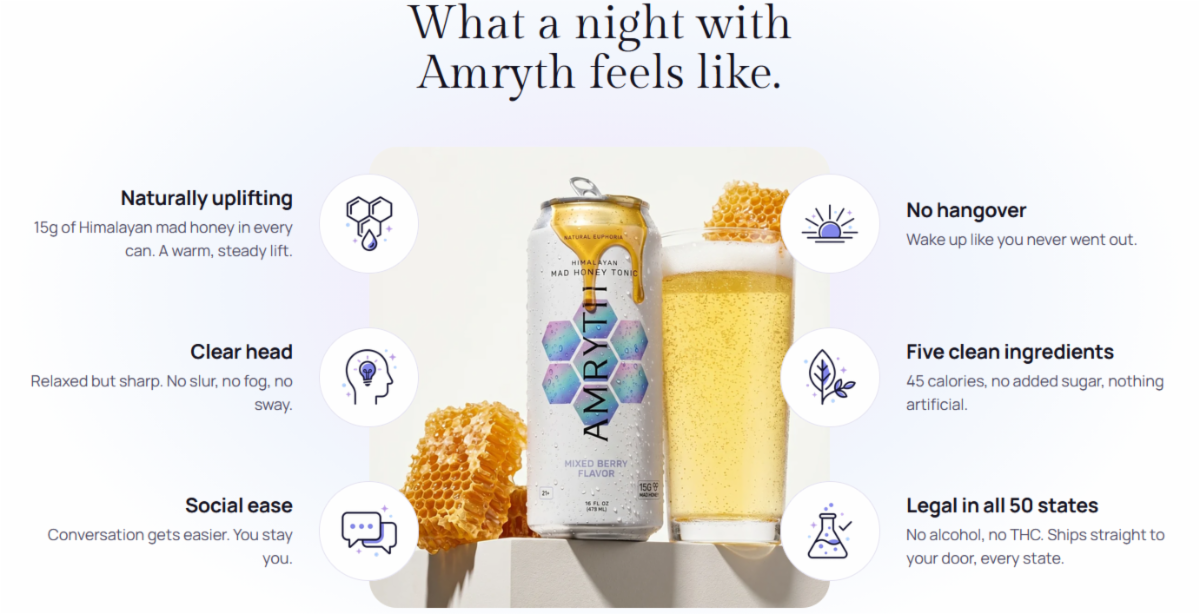
Here’s a new-to-me product: Amryth, a “euphoric tonic” made with “mad honey”—specifically, 15 grams of Himalayan mad honey per can—and marketed as a social alternative to alcohol and THC. The company describes the effects as a “warm, steady lift,” clear-headed relaxation, and greater social ease, with messaging like “One to unwind. Two to elevate,” “Same night. Different morning,” and “no hangover.” View one of their popular social ads
The company labels the product 21+, recommends no more than three cans in 24 hours, and includes additional health cautions. Yet it also promotes Amryth as containing no alcohol or THC, legal in all 50 states, and available for direct-to-consumer shipping to all 50 states.
For prevention, it’s another reminder that unregulated products with relatively few restrictions aren’t always what they seem. “Legal,” “natural,” or “alcohol-free” doesn’t necessarily mean a product is without effects or potential risks—which is exactly why these emerging products belong on our radar. 🔍📸DrinkAmyrth
| | Are tonics the only “mad honey” products gaining attention? Simple answer: NO. You can also find squeeze pouches, infused mushrooms, gummies, tabs, hard seltzers, and recipes for homemade mead featuring this reddish, bitter-tasting honey. 'Mad honey' is produced when bees feed on certain Rhododendron species in regions including the Himalayas and Black Sea, which can expose the honey to naturally occurring grayanotoxins. While mad honey has a history of traditional and folk use, higher exposures to grayanotoxins can cause dizziness, nausea, vomiting, low blood pressure, slowed heart rate, and hallucinations. Another good reminder that “natural” doesn’t automatically mean harmless. 🐝 | |
📲From My Feed to Yours😲
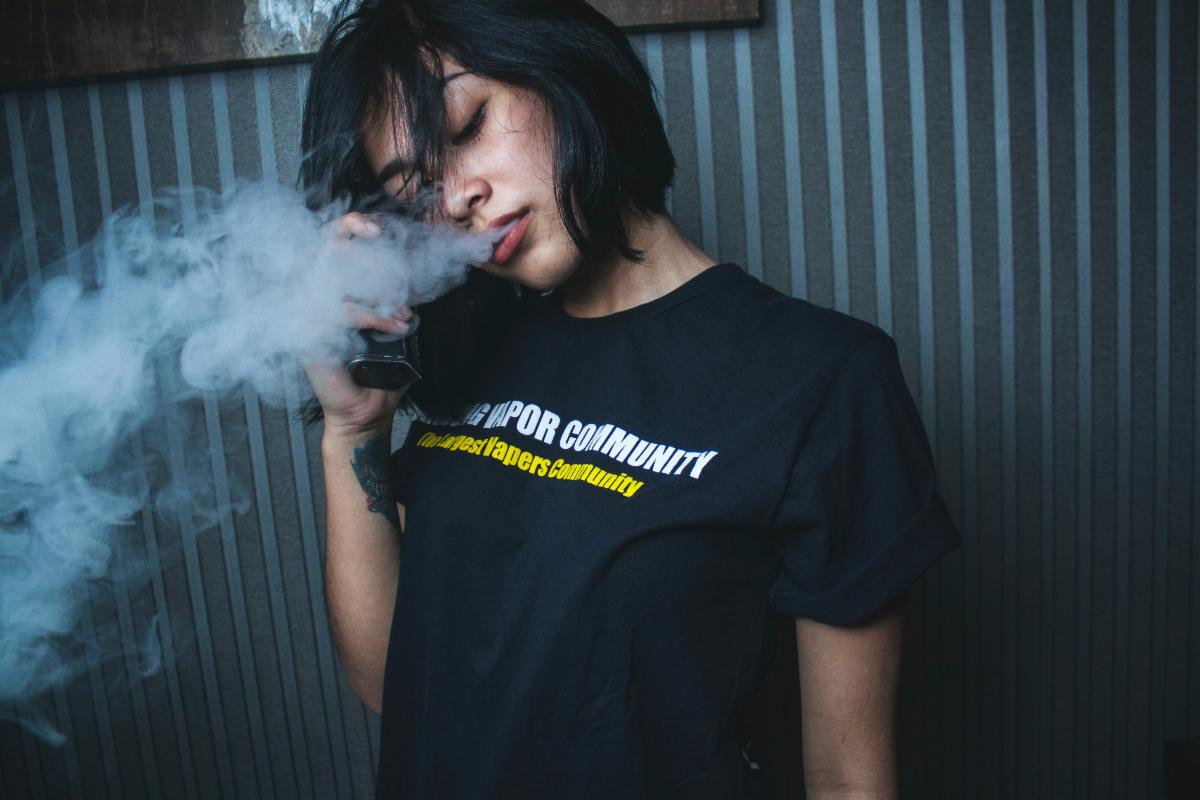
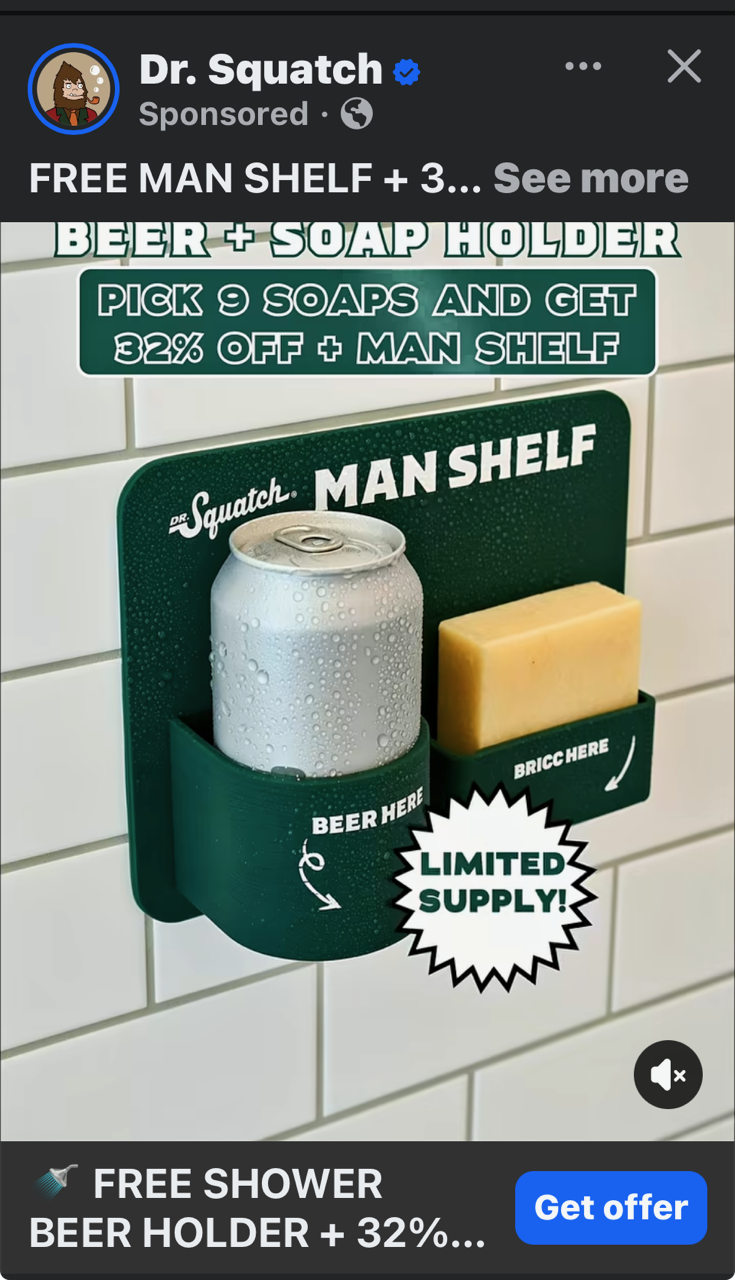
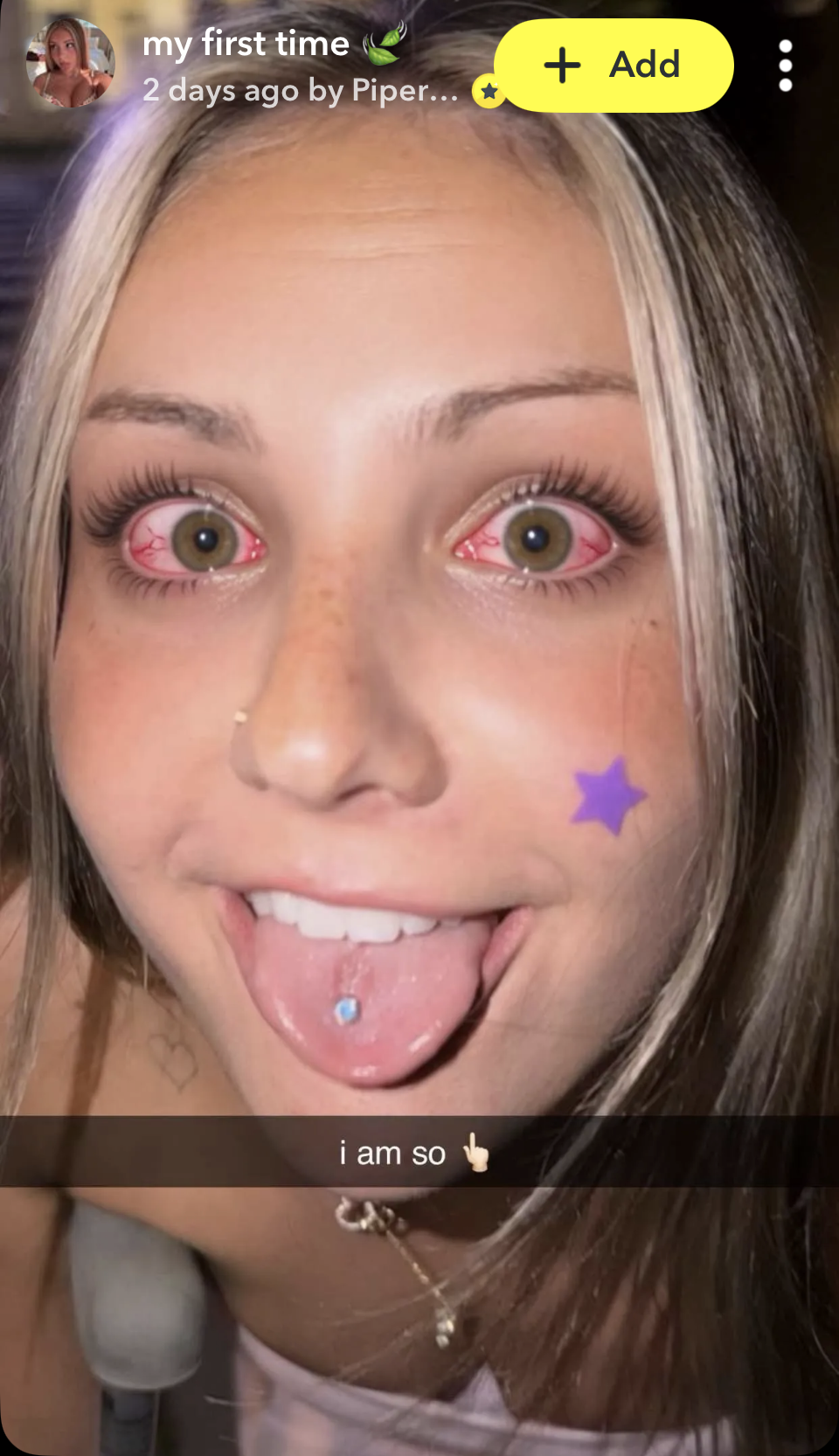
Sometimes I don’t have to go looking for emerging trends—they find me. Products, ads, influencer posts, videos, memes, and marketing for alcohol, nicotine, cannabis, and other substances regularly show up in my social feeds. And every time they do, I find myself asking: If I’m seeing this, what are our youth seeing? What does repeated exposure do to perceptions of risk, acceptability, and what feels “normal”?
So I’m starting to share more of what simply shows up in my feed—and I want to see yours, too! 👀 If something makes you stop scrolling and think, “Melissa needs to see this,” send it my way. Email me, DM me on social media, or text me at 715-216-0721. Let’s build a bigger picture of what’s showing up on screens—and what it might mean for prevention.💡
📸Dr. Squatch, Snapchat
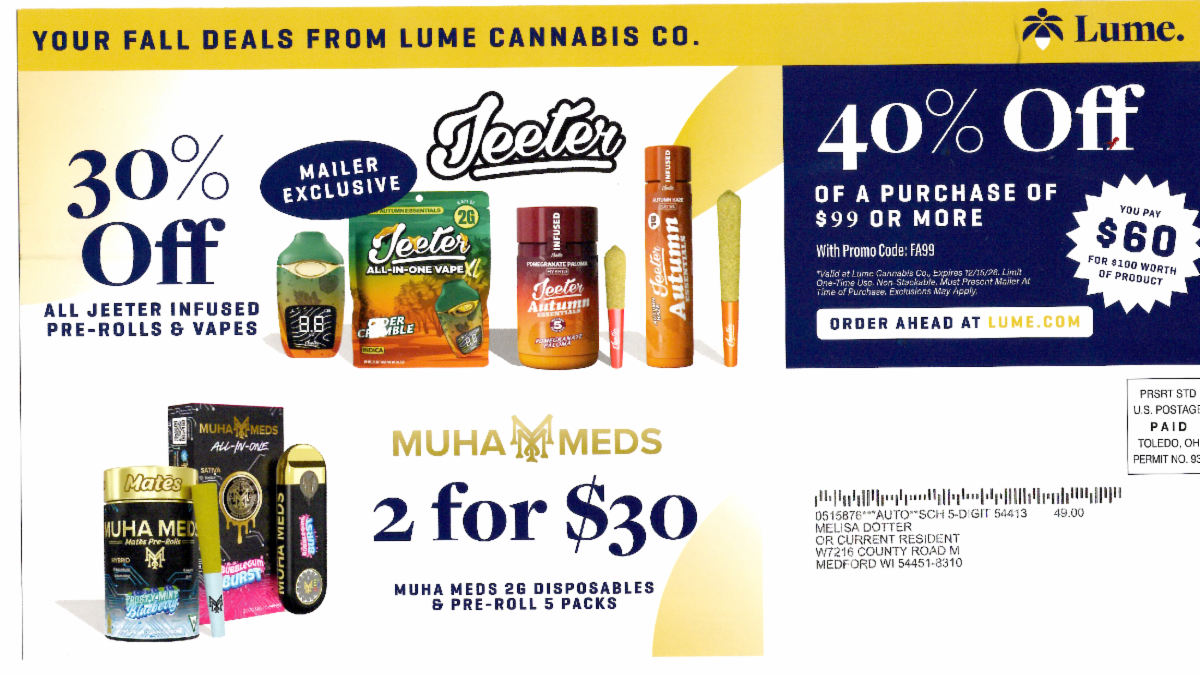
PS: Here's a bonus flyer that was delivered to my house just this week promoting a company from Michigan (which it says nowhere on the mailer), addressed to my former surname. How many of these products do you recognize? And did you see the huge discounts & deals?
| | |
🥃 From the Leafly Newsletter to My Radar🌿
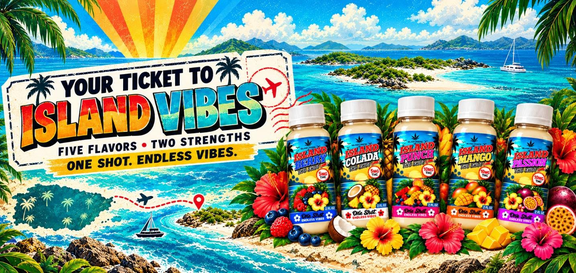
A recent Leafly newsletter sent me down another product rabbit hole—this time landing on Island Roots THC Shots. These compact 2-ounce, ready-to-drink hemp-derived THC products come in tropical flavors, with either 5 or 10 mg of THC per bottle. The company promotes them as something consumers can drink straight from the bottle or add to a nonalcoholic beverage.
And while you’re there, take a look around the rest of the site. You’ll find a wide variety of products—including flower, pre-rolls, vapes, gummies, concentrates, seeds, and nootropics. The site states that purchasers must be 21+, but the storefront itself is readily browsable online. That’s another important piece of the environmental scan: What products are available, how are they marketed, how easily can people explore them online, and what safeguards exist between seeing a product and purchasing it? 🔍
This is exactly why I like to read what consumers and the cannabis industry are reading—and then follow the links! Sometimes the bigger trend isn’t just the product that caught your attention; it’s everything you discover once you start looking around. 📸Island Roots
| | The following free events were forwarded to me and I was invited to share with my fellow Activators! Have something coming up? Send it! | | | | |
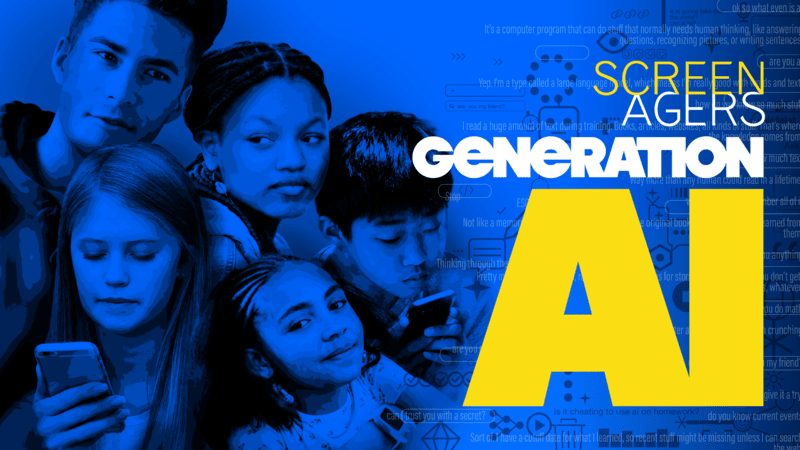
CADCA is pleased to invite you to a special virtual screening of Screenagers: Generation AI, the newest film from the award-winning Screenagers series on Wednesday, October 28 at 11AM CST. After the film, Co-Director Lisa Tabb will join them for a live discussion and Q&A about AI's impact and what the film means for prevention professionals, schools, and families.
Learn more & Register
| | |
Are you familiar with the Mid-America PTTC? You should be!
Take a look at their upcoming events - including gambling & youth, new psychoactive drugs, emerging adults 18-25, alcohol density, and co-occurring disorders...and that's just in the next month!
| | |
Advocacy opportunities don’t always arrive with a big flashing sign that says, “Speak now!” Sometimes they show up as a request for public comment, a proposed policy change, a public hearing, or an issue beginning to move through the decision-making process.
Right now, there are opportunities to engage in conversations around ibogaine research and hemp-derived products—two very different issues, but both reminders to watch for those moments when prevention and public health voices can help inform what happens next. The FDA, for example, is currently seeking public input on the design and safety considerations for early-phase ibogaine clinical trials, with comments due November 20. And the hemp industry is very vocal about the upcoming ban on most products by setting limits on the amount of THC that would be allowed as of December 2026. Read an example from a Wisconsin-based company, urging you to 'stock up their favorites' and 'think ahead'.
You don’t have to be a lobbyist to advocate. Stay informed, read the proposal, share what you know from your community or professional experience, submit comments when appropriate, and help others understand how they can participate, too. If we want prevention represented in the conversation, we have to show up for the conversation. 💛
| |
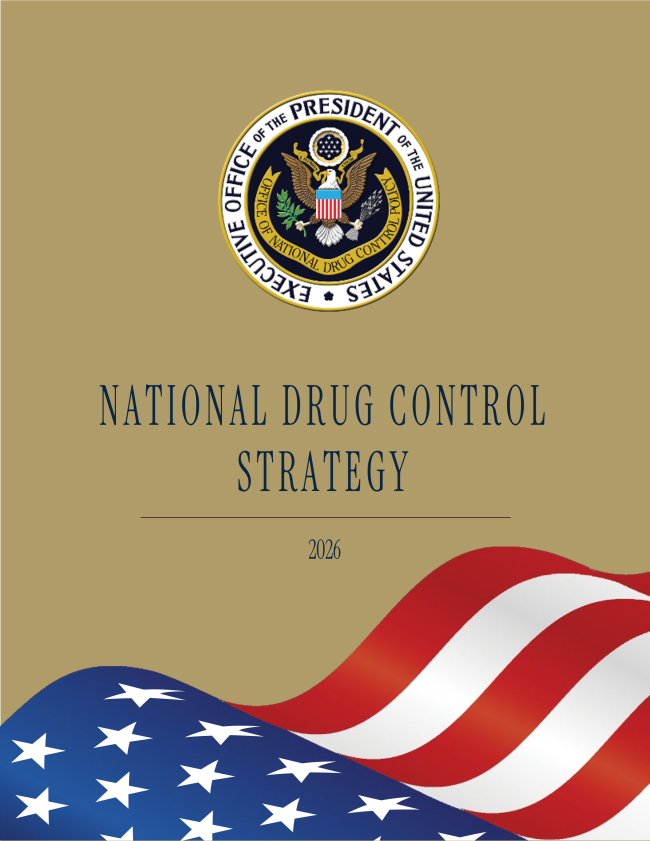
🇺🇸 A Look at the National Drug Control Strategy📘
The 2026 National Drug Control Strategy is out, outlining the federal government’s approach to addressing current and emerging drug threats. For prevention professionals, there’s plenty worth exploring—including a focus on preventing substance use before it starts, emerging substances, evidence-based prevention, treatment, recovery, overdose response, and a new National Prevention Framework included in the appendices.
Whether you read all 195 pages or jump to the sections most relevant to your work, it’s worth knowing where national priorities are headed—and what that may mean for prevention (& funding) moving forward.
| |
🌱 Seed Funding for Youth Prevention & Intervention💰
The Safe States Alliance is offering up to three $20,000 seed grants for innovative, upstream approaches to injury and violence prevention focused on youth and young adults ages 0–24. They’re especially interested in projects that engage youth in solutions, address shared risk and protective factors, strengthen cross-sector partnerships, and tackle the underlying conditions that influence safety and well-being. A great fit for communities ready to move further upstream! Applications are due October 26, 2026, at 5:00 PM ET. Learn More
The Office of Juvenile Justice and Delinquency Prevention (OJJDP) has opened its FY 2026 Juvenile Drug Treatment Court Program funding opportunity. This competitive grant supports juvenile drug treatment courts working with youth and families impacted by substance use and the juvenile justice system. Don’t miss the two-step deadline: Grants.gov submissions are due October 29, with the full JustGrants application due November 5. Learn More
| |
🎓 What Helps Gen Z Engage?💛
New research from the Walton Family Foundation and Gallup reinforces something prevention professionals know well: relationships, belonging, and meaningful opportunities matter. Students with strong engagement, support, and belonging were far more likely to feel prepared for their future (81% vs. 27%). Yet one in three students says they don’t feel like they belong at school, and three in 10 don’t have an adult who recognizes their talents and interests. Another reminder that connection isn’t just nice to have—it’s foundational.
Voices of Gen Z: What Helps Students Engage at School
| | The Activator may hit your inbox on Fridays, but the conversation keeps going all week! Follow along on Facebook and LinkedIn for emerging trends, practical tools, funding opportunities, leadership, sustainability—and a little fun. Don’t just scroll by—like, comment, share, and add your voice to the conversation! 📲💬 | | | | |