|
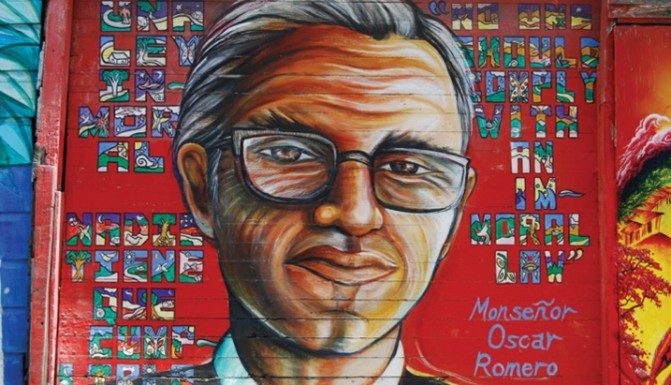
Photo: US Catholic
Saint Oscar Romero is remembered this week, 46 years after his assassination while leading the Eucharist. Romero’s death shocked the world. Romero was a bold and prophetic voice for the poor and oppressed of El Salvador. As violence escalated in his country, marked by government repression, death squads, and widespread injustice, Romero began to speak with courage, naming the suffering of the people and calling those in power to repentance.
In his last sermon, he implored the military to stop the violence, saying: “In the name of God, and in the name of these suffering people whose cries rise to heaven more loudly each day, I implore you, I beg you, I order you in the name of God: Stop the repression”. As he raised the chalice, his last words were, “May this body immolated, and this blood sacrificed for humans nourish us also, so that we may give our body and our blood to suffering and to pain—like Christ, not for self, but to impart notions of justice and peace to our people. Let us, then, join together intimately in faith and hope at this moment of prayer for Doña Sarita and for ourselves.”(1) At this moment, the fatal shot struck Archbishop Romero, and he fell mortally wounded.
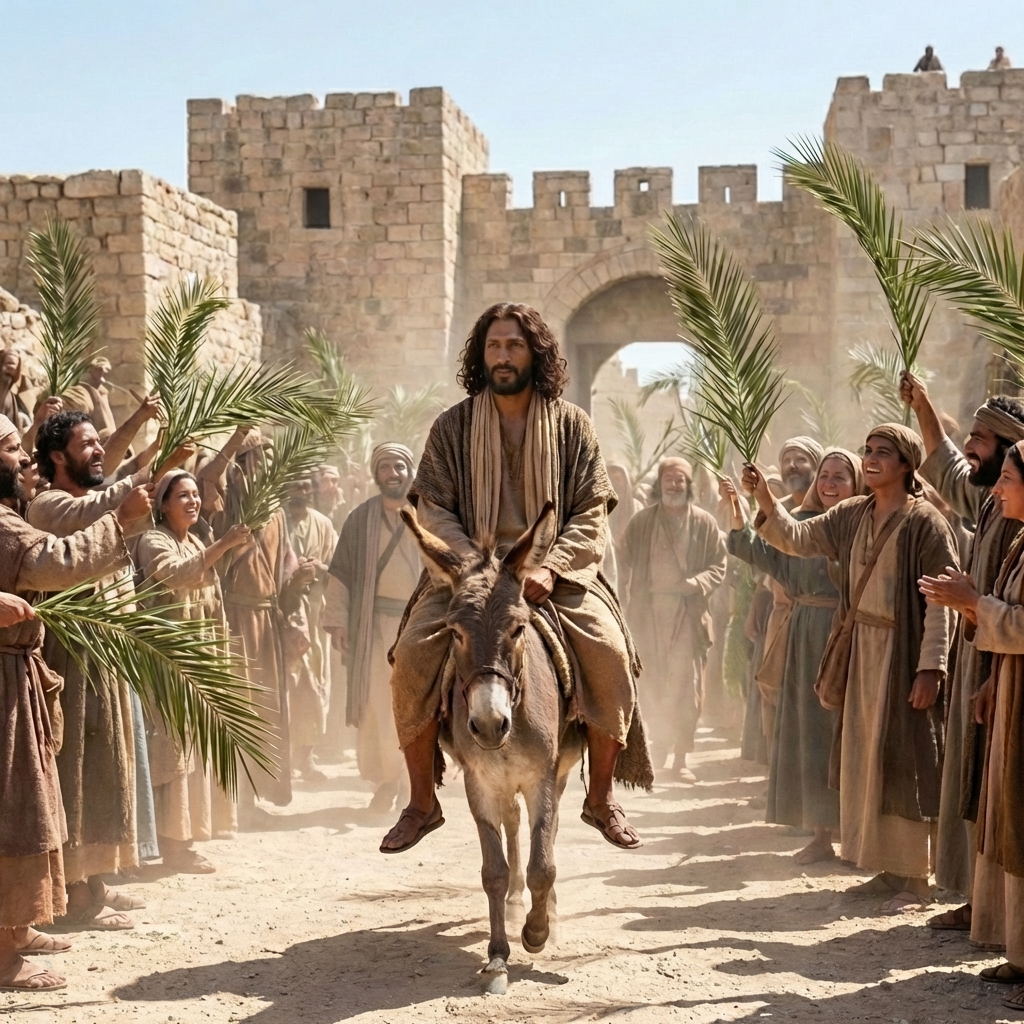
Romero’s life and death bear a striking resemblance to the Passion of Jesus as told in the Gospel of Matthew, as we enter Holy Week through Palm Sunday. Jesus enters Jerusalem to shouts of “Hosanna!” Crowds line the streets, waving branches, celebrating what they hope will be a liberating king. Yet Matthew’s Gospel makes clear that this moment of triumph is inseparable from what follows: confrontation, rejection, suffering, and ultimately the cross. Jesus does not enter the city to seize power, but to expose the systems of power that crush the vulnerable.
Romero’s ministry mirrors this trajectory. Like Jesus, he became increasingly public in his witness, speaking truth in the heart of a system built on fear and violence. Like Jesus, he stood with the marginalized, the poor, the grieving, the disappeared. And like Jesus, his words unsettled those who benefited from the status quo.
Like Romero, Jesus is executed by those in power who saw him as a threat and sought to maintain control through violence. Yet their connection lies not only in their deaths but also in their faithfulness. In Matthew, Jesus remains steadfast in his mission, even when abandoned, mocked, and crucified. He embodies a kingdom not of domination, but of sacrificial love. Romero, too, understood that discipleship meant risk. He once said, “A church that doesn’t provoke any crises, a gospel that doesn’t unsettle, a word of God that doesn’t get under anyone’s skin—what gospel is that?”(2)
Palm Sunday invites us into this tension: celebration and confrontation, hope and cost. It asks whether we are cheering for a savior who fits our expectations or whether we are prepared to follow the one who overturns tables and walks the road to the cross.
Oscar Romero’s life stands as a contemporary echo of that journey. He reminds us that the Passion of Christ is not only something we remember, but it is something that continues to unfold wherever truth is spoken, injustice is challenged, and love refuses to be silent.
As we wave our palms and sing “Hosanna,” Romero’s witness presses the question: Will we follow Jesus only in moments of praise, or also in the costly path of justice and peace?
Join us on Sunday at 10:30 AM or on Facebook at Hopeclinton. Last week for soup and bread!
All are welcome!
Pastor Eric
Sources:
(1)https://www.americamagazine.org/faith/2018/10/12/homily-oscar-romero-was-delivering-when-he-was-killed/
(2)https://uscatholic.org/blog/on-the-34th-anniversary-of-oscar-romeros-assassination/
|