Sol-Legacy Magazine: The Anniversary Issue Is Here | | | |
Nineteen years ago, Sol-Caritas was built on purpose, not popularity. What started as a vision has grown into a movement rooted in culture, connection, and impact.
This anniversary issue of Sol-Legacy Magazine is not just a reflection of where we’ve been, it is a declaration of where we are going. Year 20 starts now. - Carlos Wallace
| | |
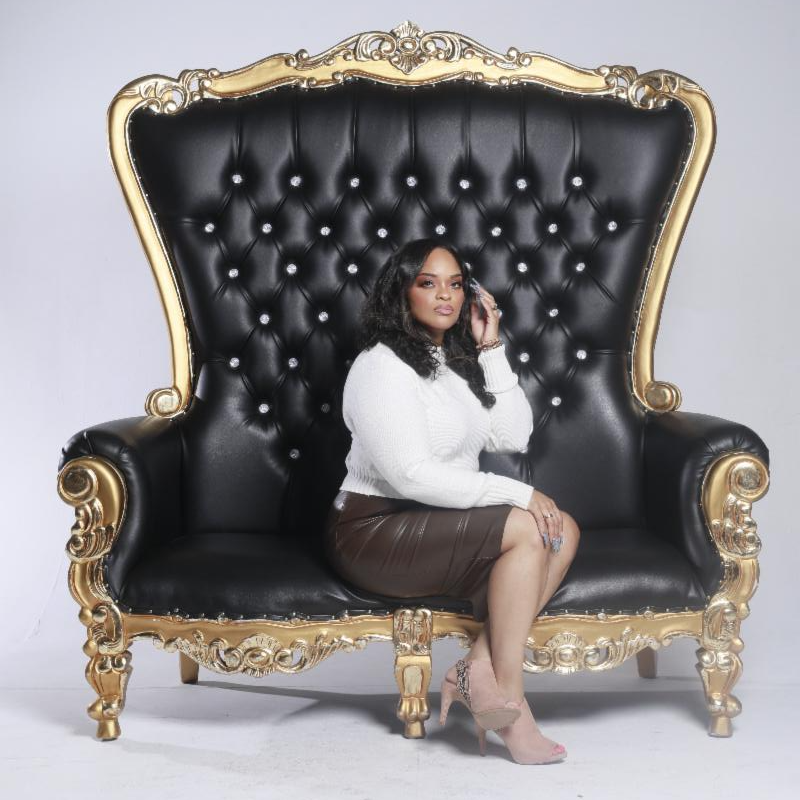
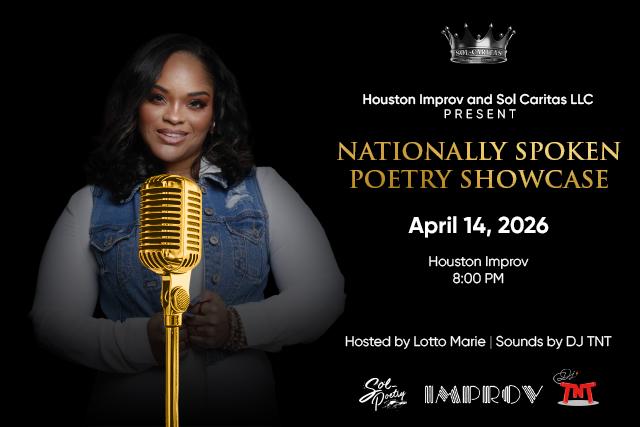
Lotto Marie
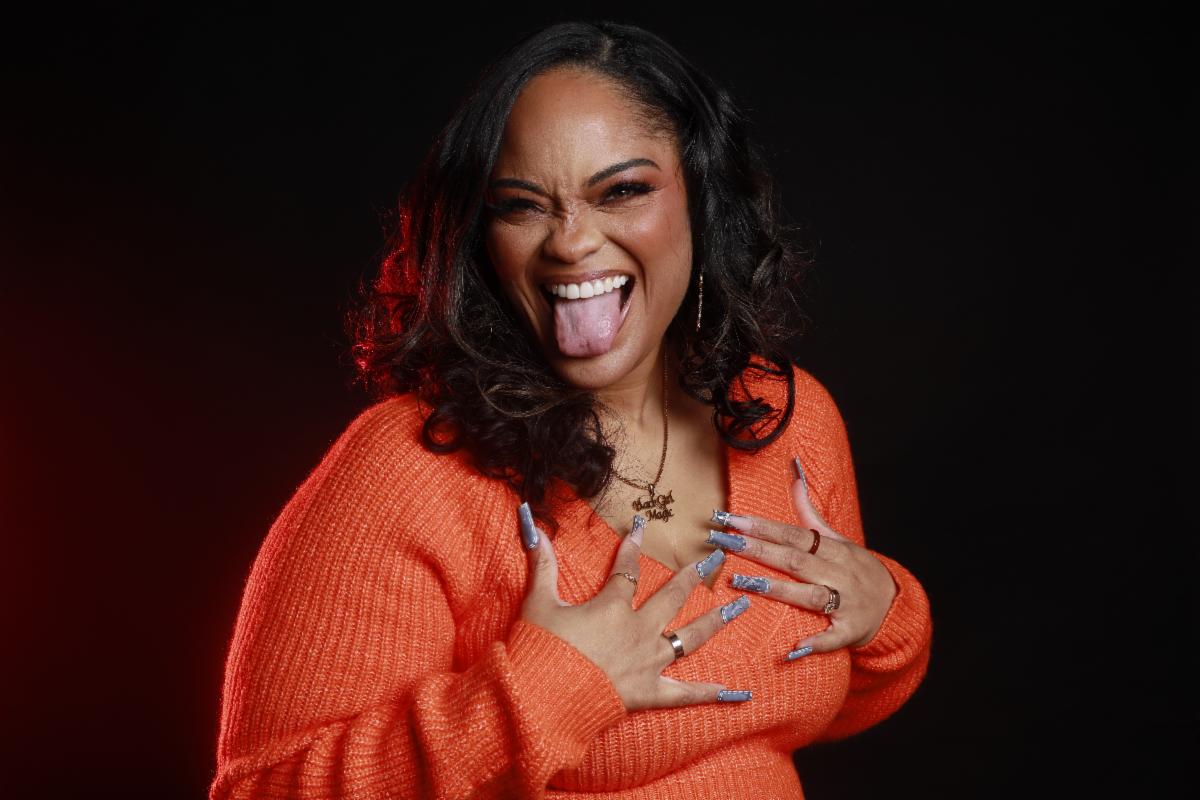
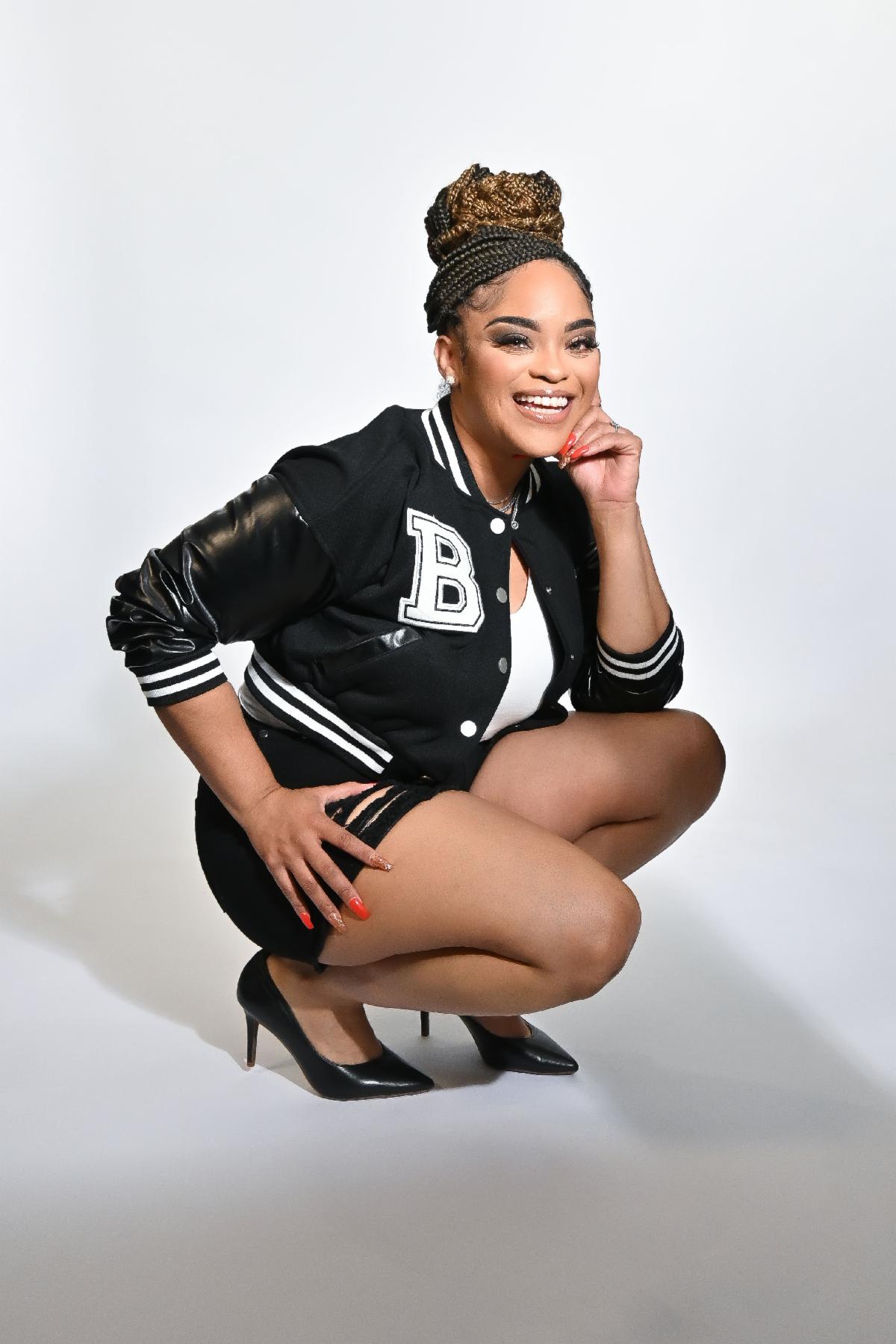
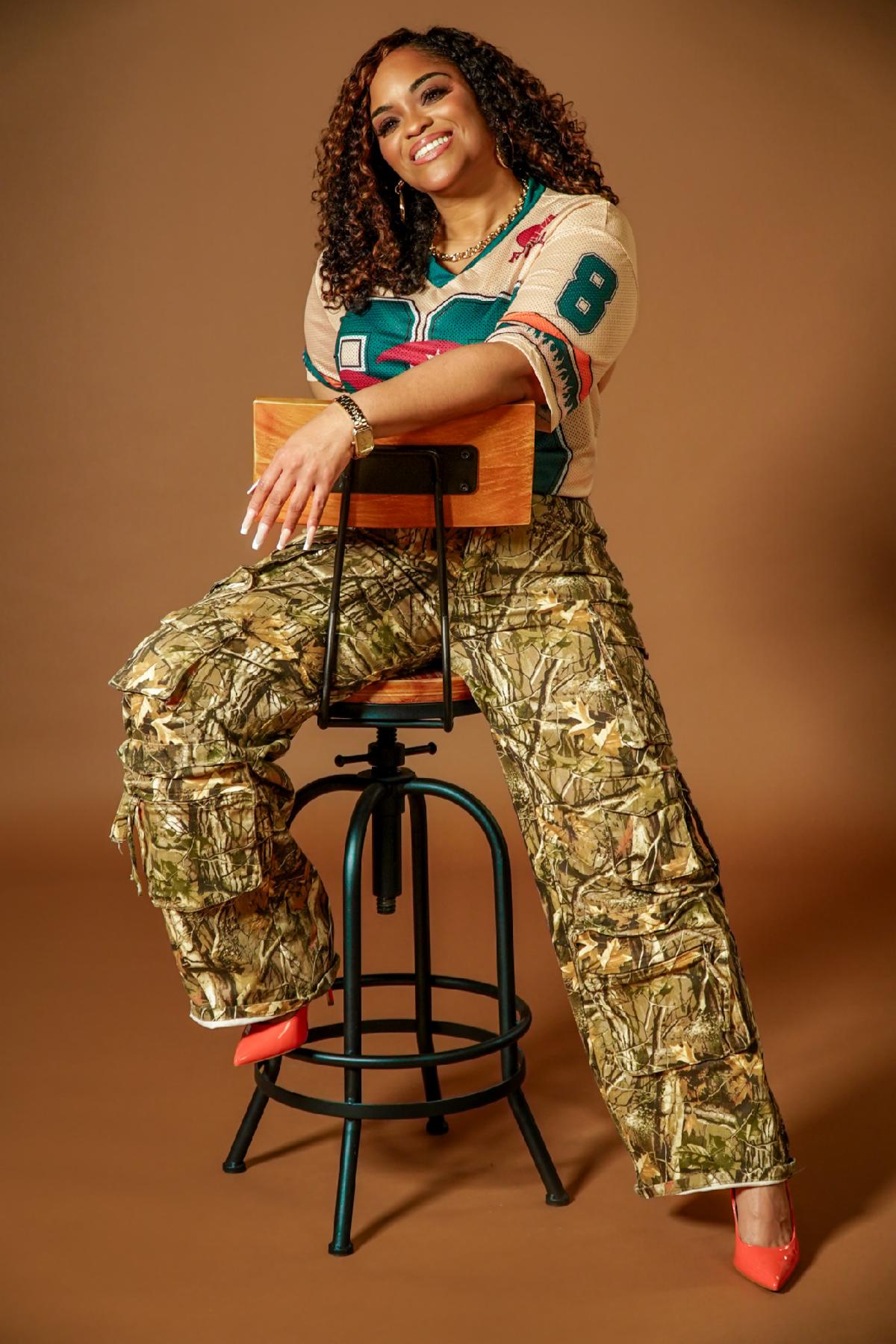
Lotto Marie is the kind of comedian whose work does not begin on stage and does not end when the set is over, because what she brings to the audience is not just material, it is perspective shaped by lived experience, movement, and a deep understanding of how real life translates into real connection. Her ability to make people laugh is undeniable, but what separates her in a crowded space is that her comedy carries weight, because it is rooted in truth rather than performance.
Raised between Omaha and Houston, she embodies a balance that continues to define her voice and her presence. Omaha provided the foundation, the structure, and the early awareness that shows up in her instincts, while Houston expanded her range, exposed her to a broader cultural landscape, and pushed her into independence in ways that continue to influence how she thinks, moves, and performs. That combination allows her to connect with audiences across backgrounds, because somewhere within her story, people recognize something familiar in their own.
As her career continues to grow, with a debut special reaching more than 140,000 viewers and an expanding presence on stages across the country and beyond, Lotto Marie has remained focused on building something that lasts rather than chasing moments that fade. Her work reflects intention, discipline, and a commitment to evolving as both a performer and a creator, understanding that the connection she builds with people is what ultimately defines her impact.
In this feature, she opens up about the journey behind the laughter, the lessons that shaped her voice, and the mindset that continues to push her forward, offering a perspective that is as honest as it is relatable.
| | |
Q: You describe yourself as Omaha by way of Houston. How did growing up in Nebraska shape your sense of humor, and how did Houston help sharpen it? |
| |
Omaha will forever feel like home to me. That’s where my whole family is, and it’s where I got to have the most fun as a kid. I think about my great aunt taking us to the candy store where you could walk out with a whole bag for under a dollar, the public pool in the summers, bobbing for apples at Halloween. Just real, simple, happy moments.
It also gave me my foundation. That’s where my street smarts and common sense really started, and a lot of that came from my dad. He’s big on that, and it stuck with me early. Omaha was smaller, easier to navigate, and very white, so even growing up around my Black family, I was used to being in white spaces and knowing how to move in them naturally.
I moved to Houston around seven or eight when my mom followed a job. I was here until about fourteen, then moved back to Omaha, and I came back to Houston again as an adult at 25. Even when I lived in Houston as a kid, I was going back to Omaha every summer and alternating holidays, so Omaha always stayed a big part of my life.
Growing up in Houston, I was pretty sheltered. My mom didn’t play about me being at people’s houses unless they were family, and since I didn’t have family here, my world felt smaller. But Houston exposed me to a lot more diversity. I had a lot of Spanish-speaking friends, so I was even speaking Spanish pretty well at one point.
Houston also pushed me to grow up in different ways. My parents trusted me with responsibility early. I remember being in middle school and staying home alone for the weekend while they went fishing. I followed the rules, kept the house in order, didn’t have people over. I was that kid. That kind of independence wouldn’t have happened in Omaha.
And Houston definitely taught me patience. That traffic will humble you really quickly. So, for me, Omaha gave me the heart, the foundation, and the common sense. Houston gave me range, independence, and perspective. Both of them shaped who I am, and that balance is what shows up in my comedy.
| | |
Q: Your comedy pulls heavily from real life chaos. When did you realize that the things stressing you out were actually your greatest source of material?
When I first started comedy, I was trying to write what I thought people wanted to hear. And honestly, it wasn’t that funny. I was up there trying to fit into what I thought comedy was supposed to sound like. One night at an open mic, I could feel the crowd wasn’t really into it. I just went off script and started roasting people at the bar, one by one. And they were dying laughing. That moment really changed something for me. It made me realize that when I speak from the heart and just be myself, that’s when it connects.
After that, I started leaning into my real life. The things I go through, the chaos, the stories. And I realized I had already been doing that my whole life. At family functions, I was always the one telling stories, being silly, being the life of the party. I just didn’t know that counted as comedy. Once I realized there’s no cookie-cutter way to do stand-up, I got a lot freer on stage.
Now I stick to what I know. I’m not getting up there talking about politics or things I don’t really follow. If I’m going to speak on something, I’m going to know what I’m talking about. I’m not about to get on stage sounding crazy, speaking out the side of my neck about something I don’t understand.
For me, the real, everyday stuff will always hit the hardest. Because it’s honest, and people can feel that and relate to it, even if they can’t relate to it.
| | |
Q: You’re known for crowd work and connecting with the audience. What do you love most about that, and how has that evolved over time?
I love interacting with people. That’s honestly my favorite part about performing. Everybody is different, and I love being able to take something someone says or something I notice and turn it into a moment right there on the spot.
Early in my career, I leaned on that heavily. I wasn’t as structured, but I was the rawest. You really never knew what I was going to say, and most of the time it was hilarious, but it was also a little wild. I was just feeding completely off the energy in the room. As I grew and started studying comedy more, reading books and learning structure, I realized I wanted to be more intentional with what I was doing. I didn’t want crowd work to be a crutch. I wanted it to be a tool.
What I love about crowd work now is the connection. When someone is part of the moment, it sticks with them. It’s not just a joke anymore, it becomes an experience. They leave saying, “She called me out,” or “I was part of the show,” and that makes the night unforgettable. People want to leave with something, and that interaction gives them that.
At the same time, I’ve learned there’s a balance. Everybody doesn’t want to be interacted with, and everybody didn’t come for that. So now I use it more intentionally. I usually start my sets with that energy, whether it’s direct crowd work or just observations about the room that we can all see and relate to. It helps me pull people in, get their buy-in early, and build that connection from the beginning. I feed off the audience, but now I know how to control it instead of depending on it.
| | |
Q: Winning Houston’s Best Female Comedian of the Year and Best Written Joke at The Riot were major milestones. What did those moments mean for your confidence and belief in your craft?
I’ll be honest, I don’t always sit in my wins the way I probably should. I appreciate them in the moment, but I’m usually already thinking about what’s next and how I can be better.
Winning Best Female Comedian of the Year and Best Written Joke were big moments, and I definitely appreciated them. But for me, awards like that can feel a little subjective. Sometimes it’s based on the crowd or preference, and that can go either way. In my eyes, it’s not always a full reflection of the work.
What means more to me are the moments where I know I earned it through the work and the growth. Like the joke writing competition. The rule was you had to perform a joke you’d been working on, and the one I had wasn’t really ready. The day of the show, I took my godbaby and a friend’s child to the zoo just to clear my head, helping me stop over-thinking the night and that experience ended up being interesting to me. I went on stage, went off script, and built that set in real time using everything I had been learning in the books and talked about the Houston Zoo. Winning that meant something because I trusted myself in the moment and it paid off.
I’ve also had moments that tested me. I did a festival one year and didn’t make it past the first round. The next year I came back and made it to the finals, but I didn’t win because I didn’t trust myself. I played it safe instead of going with the stronger joke, and that stayed with me. So while those awards were meaningful, they didn’t define my confidence. My confidence comes from knowing I’m growing, knowing I’m getting better, and knowing I can trust myself on stage in any moment. That’s what really builds my belief in my craft.
| | |
Q: Your debut comedy special has already reached over 140,000 views. What did it feel like releasing that project to the world and watching people connect with it on such a large scale?
What excites me the most is that I have something tangible. I have a body of work out there that says, “This is Lotto Marie,” and people can actually watch it and connect with it. Seeing the numbers grow and knowing that many people have tapped in, that feels good. It looks good on paper, and it opens doors.
I’m also proud that I took the opportunity. I didn’t fully know what I was doing going into it, but I trusted that it was the right move. I did make a pivot about a month before filming and chose not to use what I felt was my strongest material. I didn’t want to put all of my best work into something I didn’t own, and I wanted to protect that for later. So, a lot of that set was newer material that I had been building.
But honestly, one of my favorite parts of the whole process was the editing. I got really detailed with the cuts, transitions, and timing, and I realized I’m really good at shaping a project like that. Working closely with the editor and being hands-on in that process was probably the most fun part for me.
Q: Opening for major headliners and touring nationally and internationally comes with pressure. What lessons have you learned about staying prepared and staying yourself on bigger stages?
The biggest lesson I’ve learned on tour and on bigger stages is structure. Watching headliners, I realized that most of them stick to a set. When you’re doing multiple shows in different cities every weekend, that structure matters. That’s what the audience is paying for, something that works. So, I adapted, I became more structured and more intentional with my material instead of just relying on the moment.
At the same time, I learned how to show up bigger. The stages are bigger, the rooms are bigger, and there are more eyes on you. It’s not a small room anymore, it’s a thousand seats. So my confidence had to grow, my presence had to grow. I leaned more into my delivery, my facial expressions, my timing, and my pauses.
I also learned to slow down. Early on, I think I rushed more, but on those bigger stages, you have to let the moment breathe and really command the room.
And outside of the performance, I learned that people want to be around good people. Being a good vibe, being a solid wing woman, that goes a long way. It’s not just about being funny, it’s about how you show up as a person too.
So, for me, it’s been about finding that balance between being prepared and structured, while still staying true to who I am on stage.
| | |
Q: Your referee character series has gone viral and struck a chord online. What inspired that character, and why do you think audiences connect so strongly with it?
The character actually came from me being out of town at a 35-and-up basketball league, and I did a quick skit acting like a referee. Later on, I saw a video on Instagram where someone was pulling things off the screen and breaking down differences, and when I saw that format, I knew I wanted to do something similar but in my own way. I sat on the idea for a few months before I finally shot the first video.
I think it connects because it’s relatable. Everybody knows somebody on that list. People see themselves or someone they know, and that’s what makes it hit.
I will say, it took a lot of work to keep it going. I was creating a lot of it, but for the audience, it felt very real. That was the hard part. They were fully invested and responded seriously, while for me it was comedy. Trying to balance that in the comments and keep it going in a way that still felt fun wasn’t always easy.
I also didn’t want to box myself in and only be known for that one thing. But the character is definitely here to stay, and I know I’ll come back to it and build on it in a bigger way.
Q: Being featured on BET’s Ms. Pat Settles It introduced you to a wider audience. How did that experience challenge you, and what doors did it open?
That experience really showed me that I’m a writer. When casting reached out, I had to come up with my own storyline, and my first couple of ideas didn’t hit. They were too similar to things they had already seen, so I had to go back and recreate it from scratch. That process pushed me creatively and made me realize I could actually build a full concept, from the storyline to the visuals to the overall experience.
Even though I don’t have an official writing credit, I know what I created. That episode came from me, and that gave me a different level of confidence in my writing ability. It also gave me real exposure to how TV works. Not everything you film makes the final cut. Some of the moments I thought were my best didn’t even make it, and that taught me that the final product doesn’t always reflect everything you bring to the table. That’s just part of the business.
At the same time, it was a big moment for me. Getting flown out, put up in a hotel, and being part of a production like that, that was my first real production check. It made everything feel more real and more possible. And of course, it looks great on paper. It helped strengthen my résumé and opened the door for me to think bigger in terms of creating content for TV and larger platforms.
Since then, I’ve continued to build on that and create more concepts on my own, so it definitely expanded how I see myself, not just as a performer, but as a creator.
| | |
Q: Comedy can be competitive, especially for women. What has helped you remain resilient and focused while building your own lane in the industry?
Honestly, comedy is a one-person sport. My competition is me. I’m always trying to outdo the last version of myself, so I don’t really get caught up in what other people are doing.
I still root for other comedians, though. My whole mindset is “I just wanna win,” but that’s not just about me. I want the people around me to win too. I don’t want to be around losers, I want to be around people who are growing, working, and elevating. That inspires me. If I see someone doing well, I get inspired more than anything. And if I ever feel myself leaning toward jealousy, I check that immediately, because that’s not who I want to be.
My resilience really comes from my desire to be better. I know I’m not at my peak yet. I want to be funnier, sharper, deeper. Right now, I’m in a phase where my comedy is evolving and my voice is changing. I’m starting to tap into more depth, and I’m figuring that out in real time.
So for me, it’s not about comparing plates or sizing up what someone else has. I’m focused on building mine. And I know that as I keep growing and unlocking new levels, everything else is going to follow. We going up.
Q: When people leave a Lotto Marie show, whether live or online, what do you hope they remember most about the experience and about you?
I want people to remember my personality. Of course I want them to say I was funny, but more than that, I want them to like me. I want it to feel like, “I’ve seen her before, I rock with her.” I want people to feel connected to me, like they’ve experienced something with me, not just watched a show.
More than anything, I want real fans. People who want to follow my journey, who want to see me win, who are tapped in because they genuinely enjoy me. That means more to me than anything. My true love is performing. I love the stage, the microphone, the energy, the nerves before I go up, the interaction with the crowd. That’s where I feel the most alive. Online is something I’m still growing into. I understand how important it is, and I’m working on it, but my heart will always be in live entertainment.
Q: Where can people follow you?
You can follow me on Instagram (@Lotto.Marie), TikTok, Facebook, and YouTube at Lotto Marie
Side note!! In addition to stand-up comedy, I’m also a licensed auctioneer specializing in benefit auctions. So, I don’t just make people laugh, I also help nonprofits raise money and make a real impact in their communities. I get to entertain and help people at the same time, which is the best of both worlds. My auctioneer stage name is Elle Montgomery
When I say Lotto, y’all say Marie… Lotto…!Marie! That’s L-O-T-T-O MARIE.
| | | | |