Product Design | Audio Electronics | Acoustics | DIY | Audio Innovations
|
|
Solid State Logic Launches 16 Channel Origin Mixing Console |
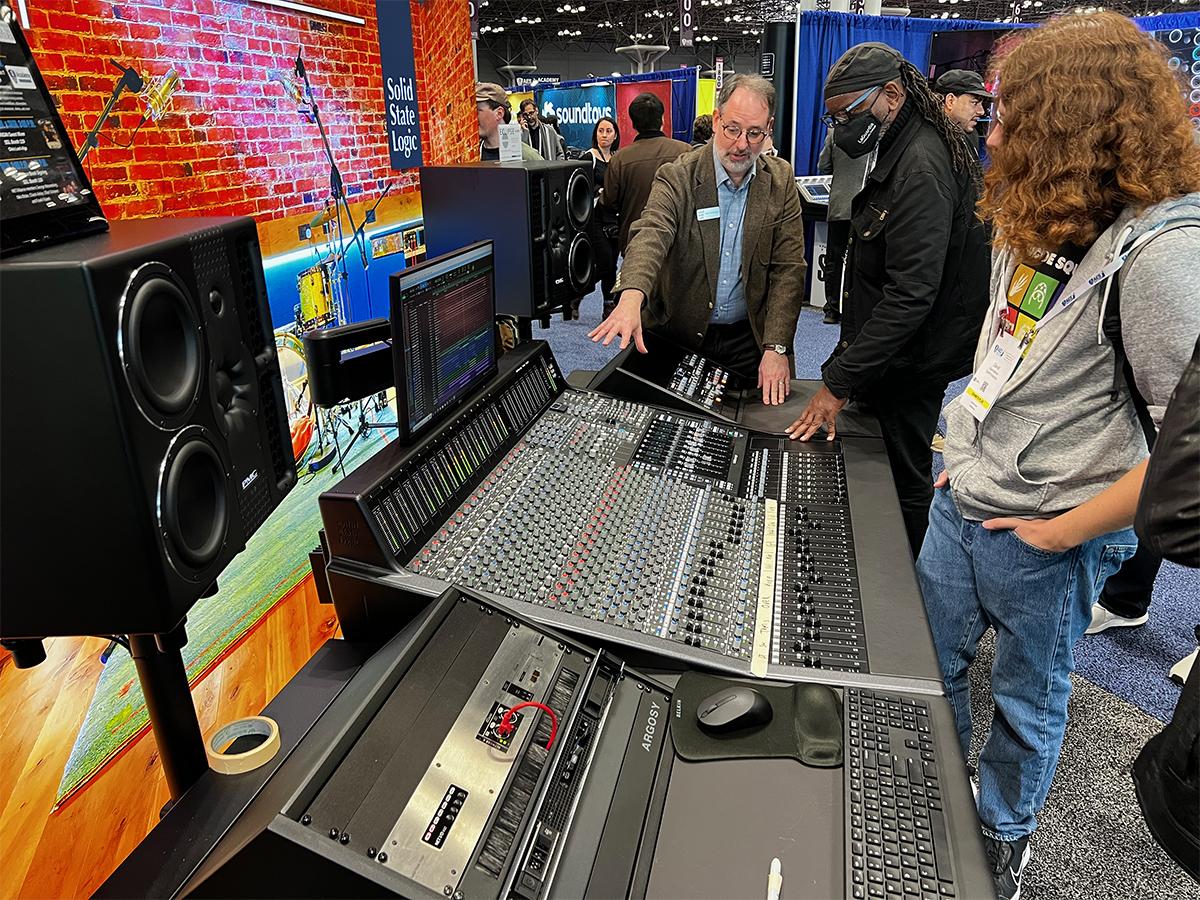
As one of the main and few product announcements at the two-day short 153rd AES Convention taking place in New York, and basically hosted by the National Association of Broadcasters, Solid State Logic announced a completely new Origin console range in a 16-channel variant. The new console basically responds to the huge popularity of the SSL Origin mixing console, now in a configuration that works well for private and project studios. Read More
|
|
|
|
|
USB-IF Announces New USB4 Specification Supporting 80Gbps Performance |
The USB Implementers Forum announced the publication of the USB4 Version 2.0 specification, a major update to enable USB 80Gbps performance over the USB Type-C cable and connector. The updated USB4 specification doubles the maximum aggregate bandwidth of USB to the benefit of higher-performance displays, storage, and USB-based hubs and docks. The USB Type-C and USB Power Delivery (USB PD) specifications have also been updated to support this higher level of data performance . Read More
|
|
NAD Electronics Announces 50th Anniversary Limited Edition 3050 LE Stereophonic Amplifier |
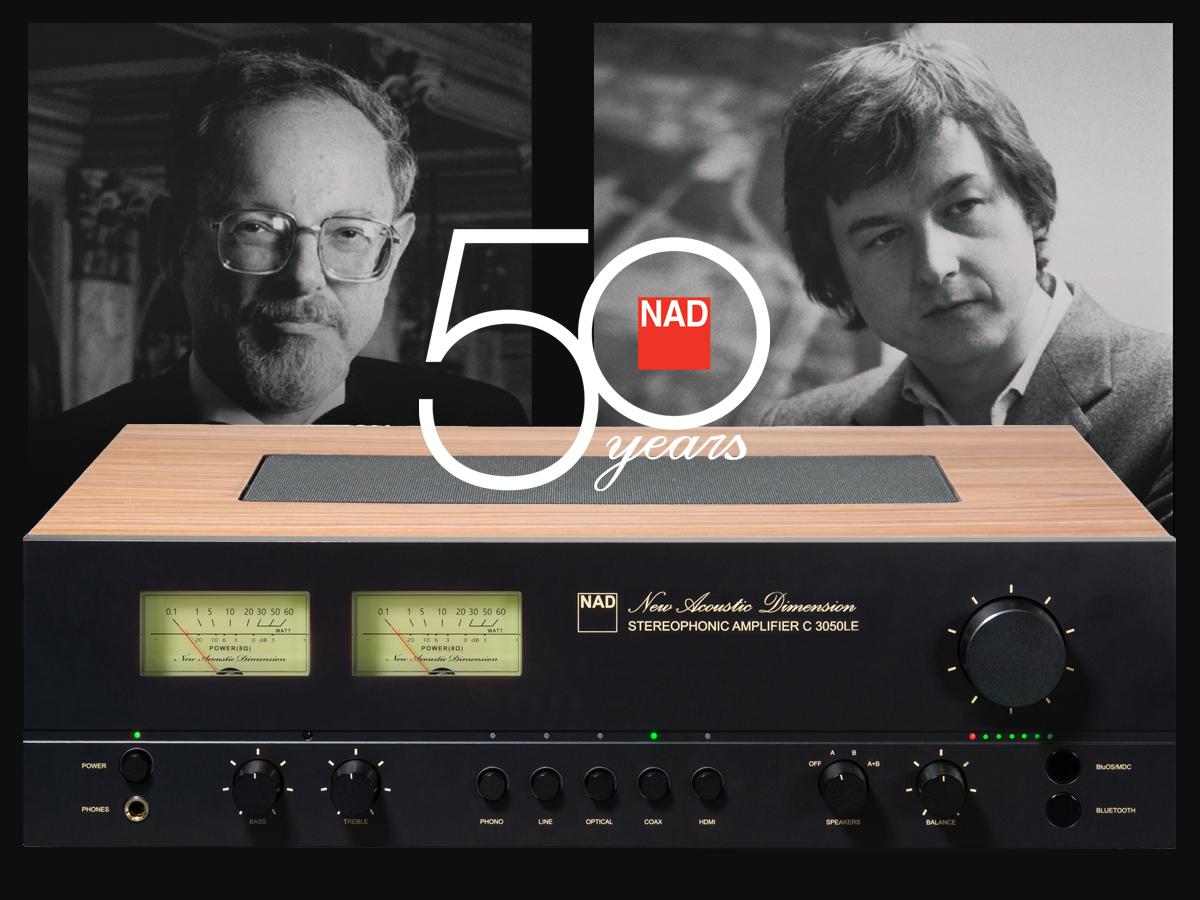
NAD Electronics is celebrating the brand's 50 years with a series of events from October 2022 until May 2023, at the Munich High End Show. Another initiative to celebrate the 50th anniversary of NAD’s founding in 1972 is the launch of a vintage-inspired limited edition integrated amplifier. The C 3050 LE Stereophonic Amplifier pays homage to the 1970s classic NAD 3030, featuring retro design elements including a satin walnut case, dual VU meters, push-button controls, and NAD’s Original cursive-style branding. Read More
|
|
|
|
|
Intel Demonstrates Next-Generation Thunderbolt Technology Based on the Newly Released USB4 v2 and DisplayPort 2.1 Specifications |
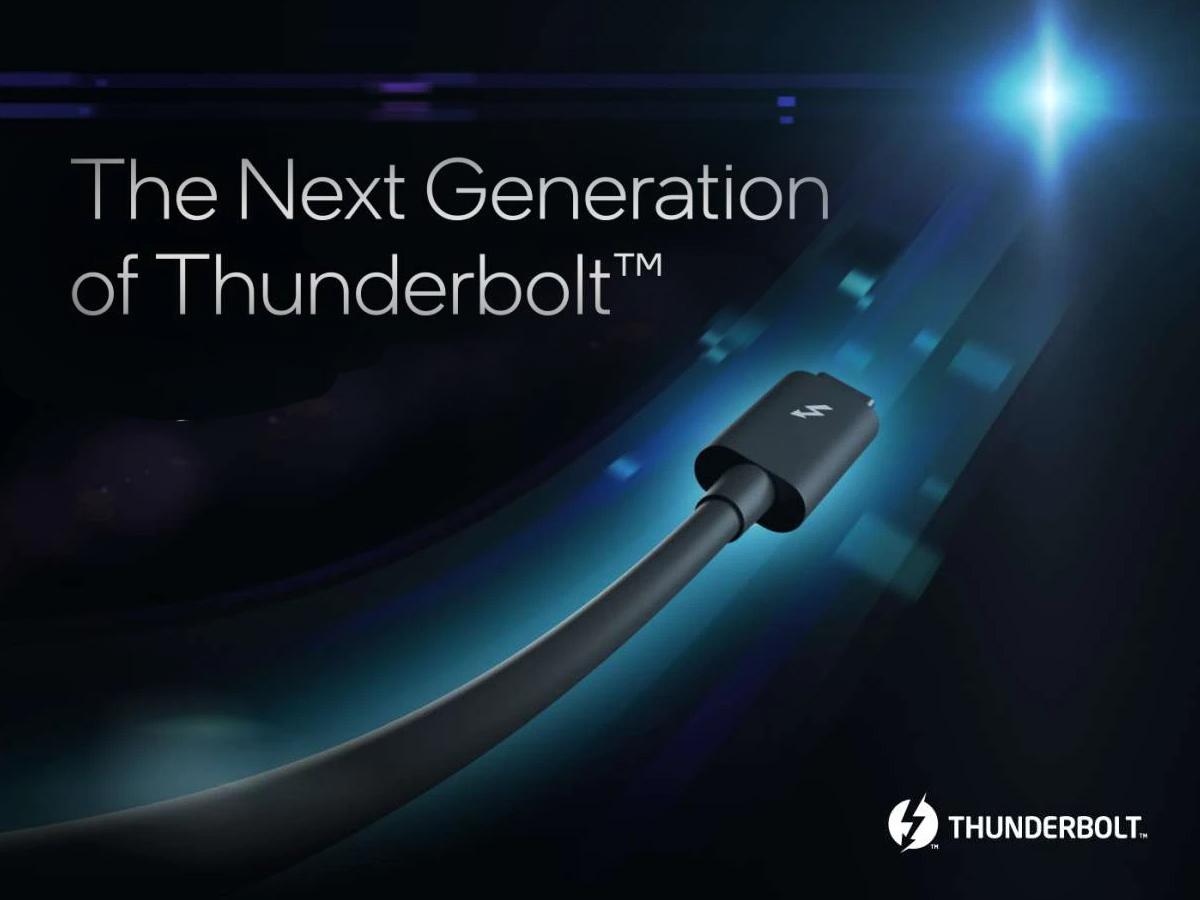
Intel has demonstrated an early prototype of next-generation Thunderbolt in action, aligned to the just announced USB Implementers Forum’s (USB-IF) release of the USB4 v2 specification. Next-generation Thunderbolt will deliver 80 gigabits per second (Gbps) of bi-directional bandwidth and enable up to 120Gbps, providing up to three times the capability of today’s technologies, all while maintaining compatibility with previous versions of Thunderbolt and USB. Read More
|
|
SEAS and Merry Electronics Announce the Launch of New SEAS Orbit Speaker Series |
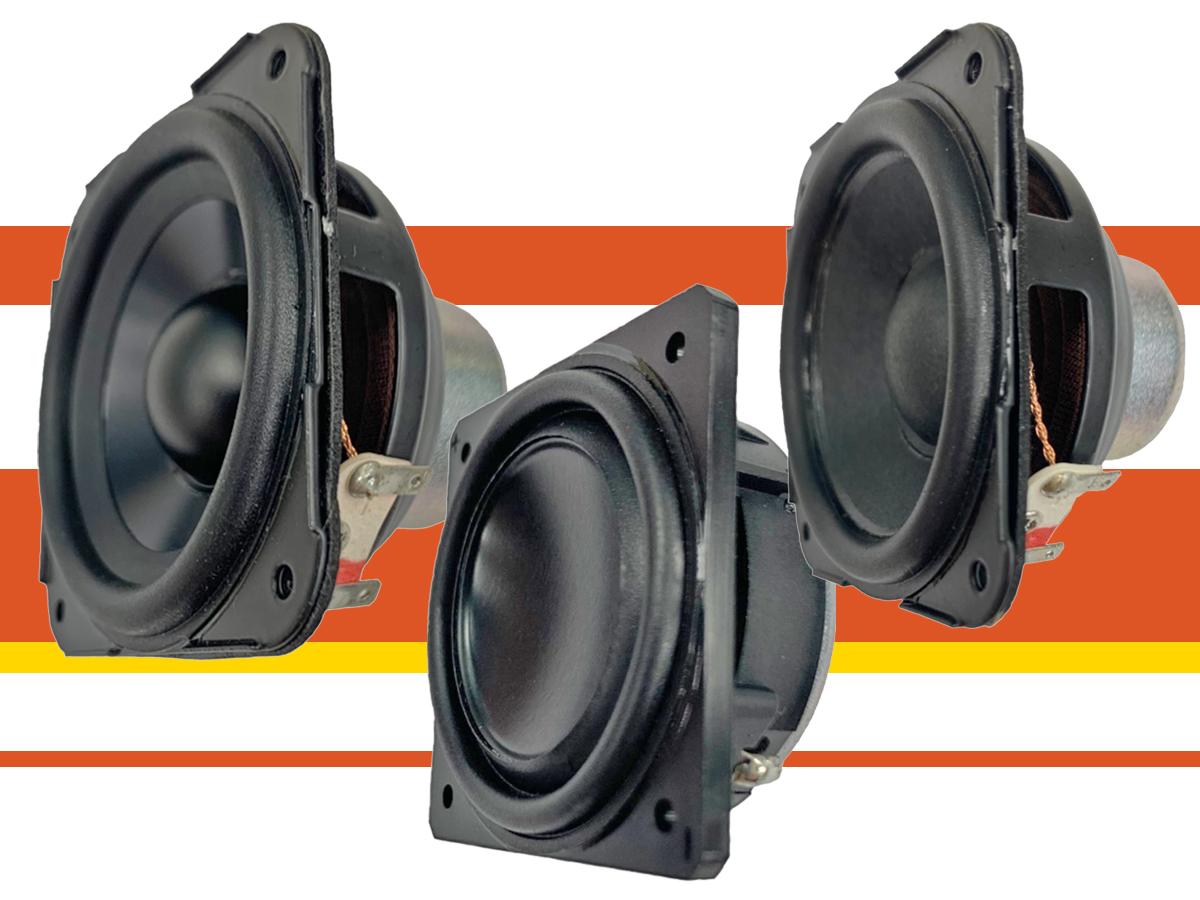
For many decades, manufacturers and speaker designers have learned to admire the quality, consistency and innovations coming from SEAS of Norway. Today, the speaker manufacturer is part of a much larger organization within Merry Electronics and the new SEAS Orbit Series features drivers developed in cooperation with the Taiwan-based company, aiming to address the requirements of OEMs looking for high-quality speakers for smart speakers, soundbars and videoconference systems. Read More
|
|
|
|
|
Apple and Mercedes-Benz Announce New Dolby Atmos In-Car Experiences |
Apple and Mercedes Benz announced that Apple Music’s Spatial Audio content with support for Dolby Atmos is now available as a native experience in Mercedes Benz vehicles for the first time. Apple Music with Spatial Audio comes fully integrated through the brand's MBUX infotainment system in the Mercedes Maybach S Class, the EQS and EQS SUV, as well as the EQE, EQE SUV and the S Class. These vehicles are all equipped with studio-quality sound, giving drivers a fully immersive listening experience. Read More
|
|
Cleer Audio Announces Roam Sport True Wireless Noise Cancelling Sports Earbuds with aptX Adaptive Audio |
Joining the wave of new headphones and earbuds announced in just a few weeks, all of which are based on Qualcomm's latest wireless voice and music platforms, Cleer Audio announced its new Roam Sport Noise Cancelling True Wireless Earbuds, designed, and built for active lifestyles. The new IPX4 certified sweat and water resistance Roam Sport design stands up to the toughest sports activities and features the latest aptX Adaptive Audio and active noise cancellation. Read More
|
|
|
|
|
Andover Audio Launches New SpinBase MAX All-in-One Powered Speaker System for Turntables |
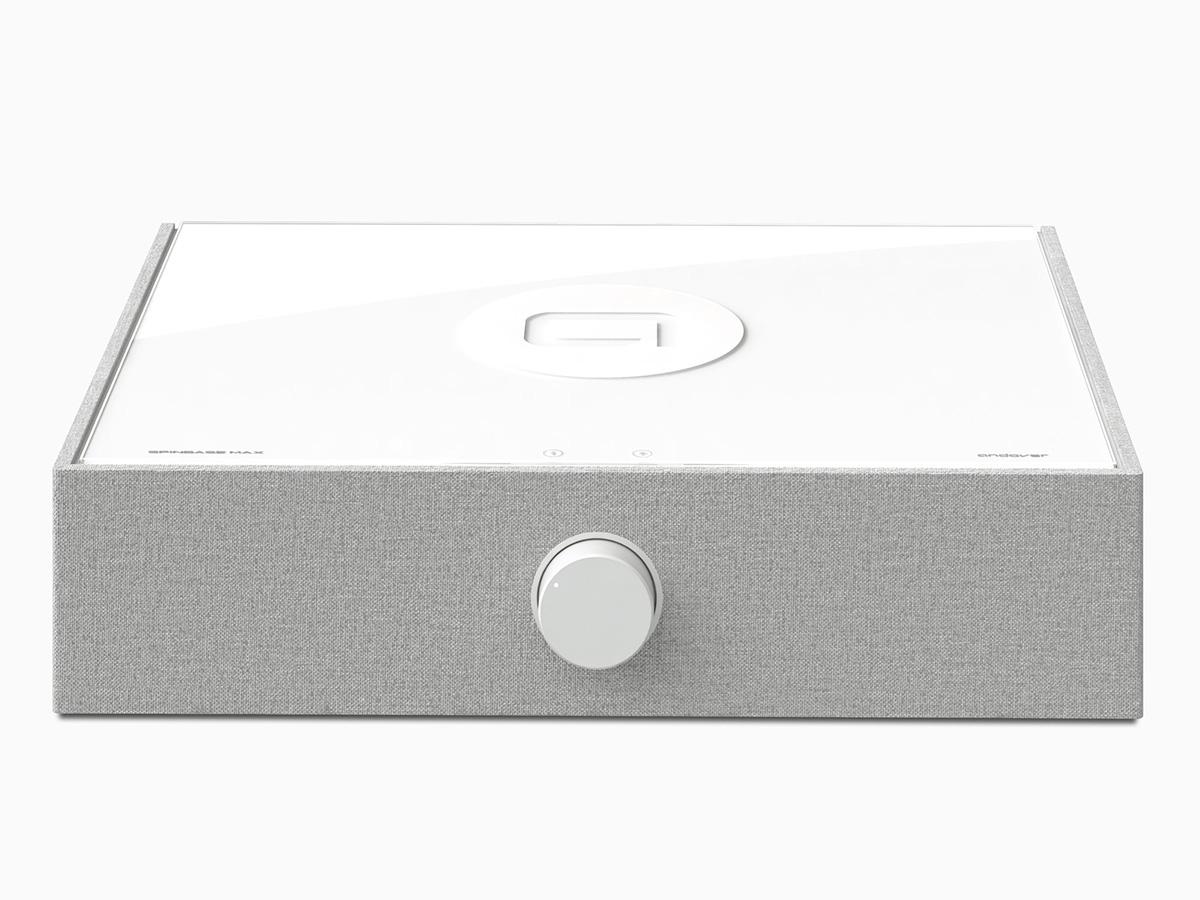
Building on the success of its popular SpinBase powered speaker system designed to support a turntable, Andover Audio announces the updated SpinBase MAX (MSRP: $499). Like the Original SpinBase, the new MAX improves the speaker performance and styling for vinyl enthusiasts who seek a compact yet high-quality speaker system to complete their turntable setup, without the complexity and space demands of separate speakers . Read More
|
|
Guest Editorial
Andrew Starks
(AIMS Marketing Workgroup Chair,
Director of Product Management, Macnica)
|
Internet Protocol Media Experience (IPMX)
An Audio Perspective
|
|
|
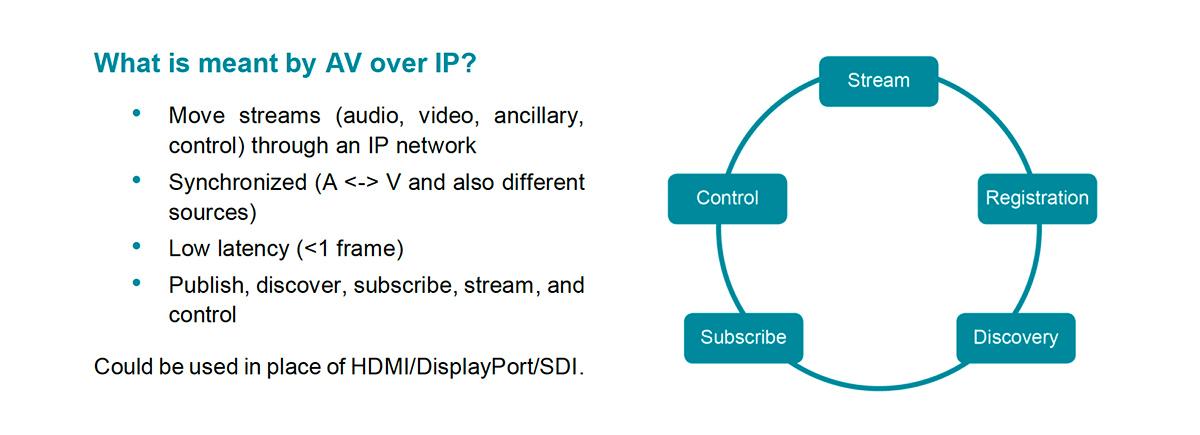
Along with the ever-increasing variety of devices added to networks, the complexity of commercial audio systems has skyrocketed. Audio and IT engineers need technologies that enable them to provide users with the most cutting-edge experiences while maintaining ease of use.
In 2017, the Society of Motion Picture and Television Engineers (SMPTE) approved the first set of standards documents for SMPTE ST 2110, a set of standards for interoperable IP media transport in broadcast live production. This included SMPTE ST 2110-30, a specification for uncompressed audio transport that essentially started with AES67 and then added a few constraints and changes to better match particular requirements of audio in the broadcast production context.
Fast-forward to 2019 when AIMS launched IPMX (Internet Protocol Media Experience), which is the name for a collection of standards and specifications organized within profiles; the first of which is for Pro AV. For the most part, SMPTE ST 2110-30 is to AES67 as IPMX is to SMPTE ST 2110. For video, IPMX added requirements to support RGB 4:4:4 video and wide senders (to ease software implementations), and extensions for EDID and HDCP. However, what may have a greater future impact are the new modes of operation that are designed to support asynchronous video and audio sources.
In live production, synchronous sources greatly simplify the system operation and increase performance. However, in Pro AV, synchronous sources are not the norm. When adapting asynchronous sources, such as laptops or any other HDMI/DisplayPort source, to a system that requires synchronous operation, such as SMPTE ST 2110 and AES67, a time base corrector (TBC) is required. For video, this device will typically add at least a frame of latency and occasionally repeat or skip frames to retime the content. For audio, it adds increased latency and resampling results. The skipping or repeating of frames and resampled audio can potentially degrade quality while the added latency degrades the experience for anyone using a mouse or otherwise attempting to interact in real-time to what is being shown on the screen and heard through the speakers.
|
|
In most workflows outside of live production, it is better to eliminate this processing and instead keep the timing from the original source, especially when audio and video are originating from the same media clock. The trade off? When sources are asynchronous, seamless switching becomes impossible, as receivers need to recover timing from the new stream’s media clock.
To support high-performance asynchronous systems and to aid with clock recovery, IPMX re-introduces RTCP sender reports by requiring that all senders MUST include them, whereas AES 67 stated that senders SHOULD include them, and SMPTE ST 2110 required only that receivers tolerate their existence. The RTCP Sender Report contains an RTP Timestamp that is synchronous to the media clock and the PTP time that corresponds to that RTP timestamp at the IPMX Sender. This allows the IPMX receiver to correlate the RTP timestamp to PTP time, allowing for precise alignment of media streams and quick recovery when switching between asynchronous sources. When PTP is absent, precise alignment between multiple source devices is not possible, but an internal reference clock can be used instead of PTP for clock recovery at the receiver.
Does this mean that IPMX doesn’t really need PTP? No! Like SMPTE ST 2110 and AES67, IPMX requires that PTP is used, when it’s available. When sources can be synchronized with PTP, IPMX takes advantage of that to achieve the precise source alignment, low latency and seamless switching performance of SMPTE ST 2110. Even when there is a mix of synchronous and asynchronous devices, IPMX gives system controllers and applications the information needed to reason about relative sample rates between sources so that efficient processing can be achieved.
By taking advantage of the professional audio and broadcast roots of AES67 and ST 2110, IPMX gains the benefits of a protocol designed for professionals, while moving into areas where high-performance and plug-and-play reign supreme.
|
|
About the Author
Andrew Starks is director of product management for Macnica and is a board member and marketing workgroup chair at AIMS. He leads the company’s standards efforts and has been a significant contributor to AIMS’s Pro AV initiative, including the development of the IPMX roadmap, and its marketing plan.
About the Alliance for IP Media Solutions
The Alliance for IP Media Solutions (AIMS) is a not-for-profit organization dedicated to the education, awareness, and promotion of industry standards for the transmission of video, audio, and ancillary information over an IP infrastructure, as well as products based on those standards. The group represents the interests of broadcast and Pro AV companies and technology suppliers that share a commitment to facilitating the industry's transition from baseband to IP through industry standards and interoperable solutions that enable the rapid evolution to open, agile, and versatile production environments.
Resources
More information about standards and open specifications is available at:
|
|
Building a Guitar-Controlled Synthesizer: Input Section & Pick Detector
By Ethan Winer
|
|
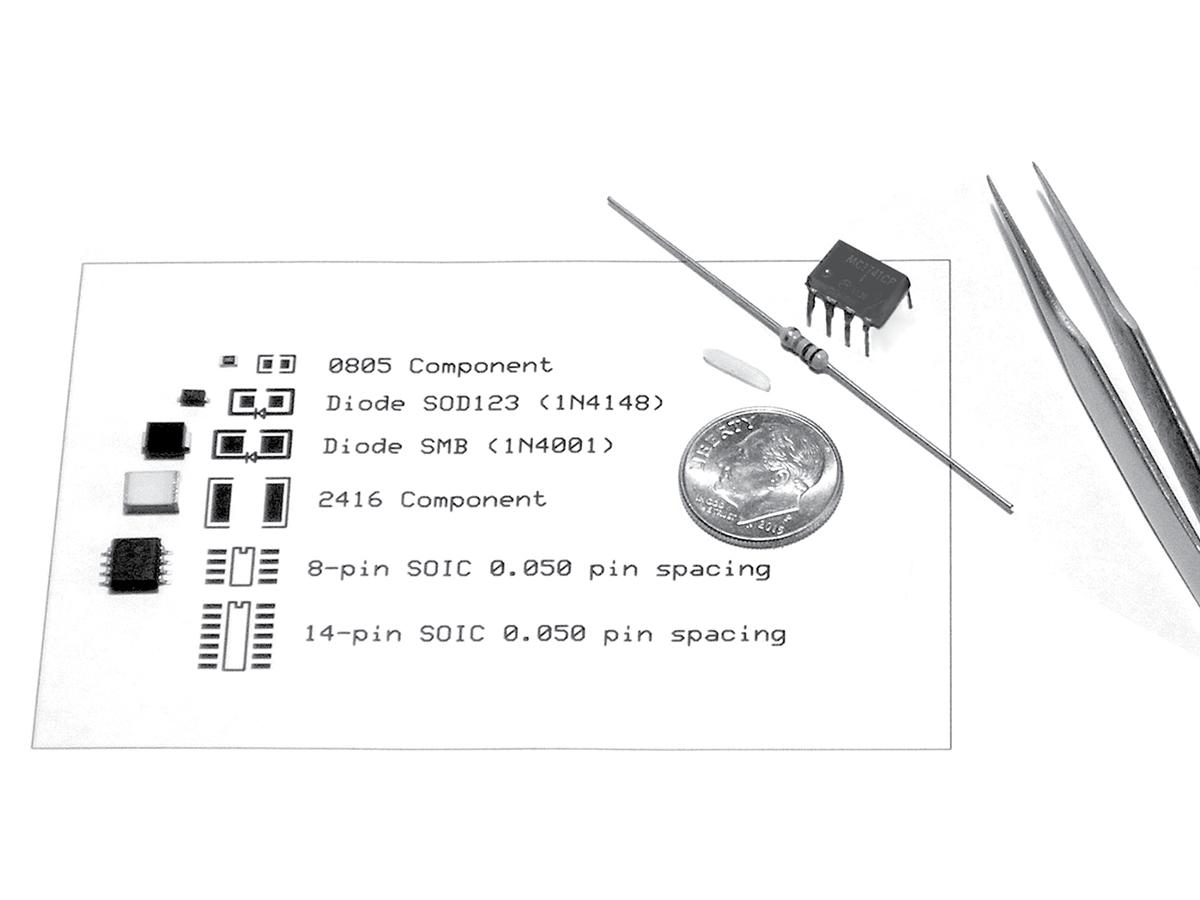
The three previous articles described circuits that Ethan Winer developed for his current project that uses an electric guitar instead of a keyboard to control an analog synthesizer. This article continues with two pieces needed to process input from an electric guitar: the input section’s preamplifier and noise gate, and the pick detector. The preamp amplifies the weak signal from an electric guitar’s pickup and brings it up to line level for further processing. The noise gate detects when a note is currently playing and when it stops. Of course, the pick detector signals each time a new note is picked. This article was originally published in audioXpress, July 2022. Read the Full Article Now Available Here
|
|
System and Method for Improved Audio Perception
By James Croft
|
|
Sometimes James Croft reviews patents that are hard to understand how they could possibly have materialized. This patent describes a combination of hearing test, audio signal compensation, and signal processing algorithms that are implemented jointly in an audio device. An audio signal is processed and tuned within the entire range of audible frequencies to actively compensate for both the characteristics of the listening device, and the specific hearing characteristics of the listener, resulting in "a much improved music listening experience." According to the abstract, a randomized self-test algorithm is used to analyze the user's hearing ability in each ear within a preselected dynamic volume range at multiple frequencies spanning the audible spectrum. As anyone can see, the description could easily be applied to dozens of currently available products. As Croft comments, "Since a review of the patent is not the same as a review of the product, it will be interesting to hear how well a fully matured version of this type of system can be made to perform." So far, the product hasn't materialized. Read the Full Article Now Available Here
|
|
Audio Product Design | DIY Audio Projects | Audio Electronics | Audio Show Reports | Interviews | And More
Don't Have a Subscription?
|
|
Industry News & Developments | Products & Services | Test Bench | Acoustic Patents | Industry Watch | And More
|
|
Advancing the Evolution
of Audio Technology
audioXpress features great articles, projects, tips, and techniques for the best in quality audio. It connects manufacturers and distributors with audio engineers and enthusiasts eager for innovative solutions in sound, acoustic, and electronics.
Voice Coil, the periodical for the loudspeaker industry, delivers product reviews, company profiles, industry news, and design tips straight to professional audio engineers and manufacturers who have the authority to make powerful purchasing decisions.
The Loudspeaker Industry Sourcebook is the most comprehensive collection of listings on loudspeaker material in the industry. Purchasers and decision makers refer to the guide for an entire year when making selections on drivers, finished systems, adhesives, domes, crossovers, voice coils, and everything in between.
© 2022 KCK Media Corp. All Rights Reserved.
|
|
|
|
|
|
|