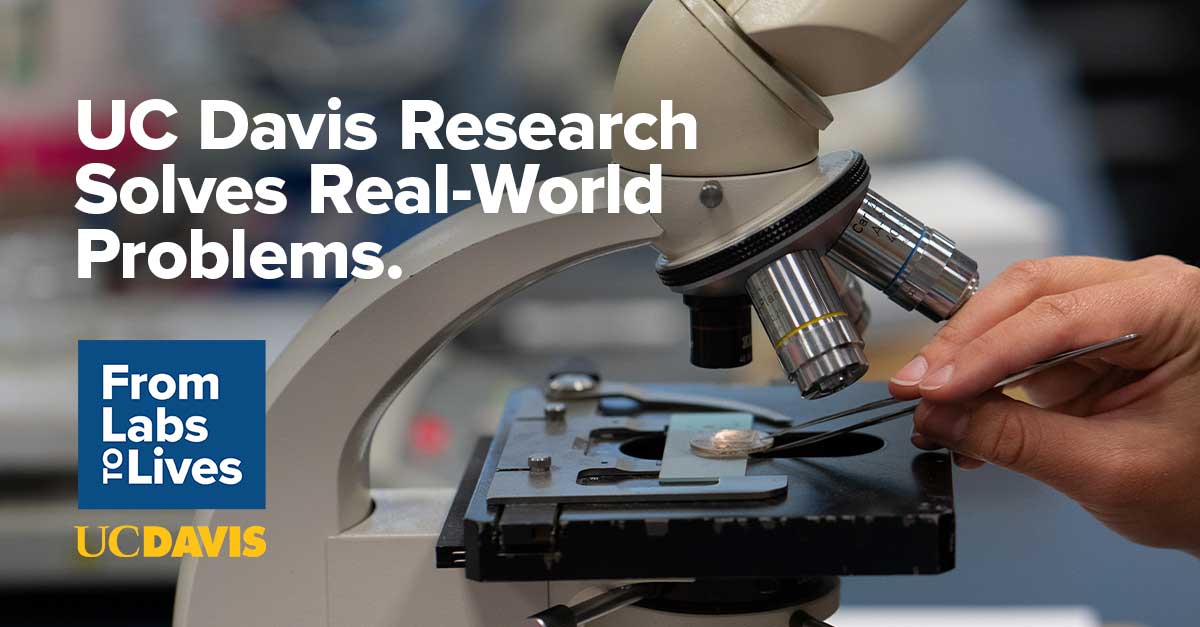
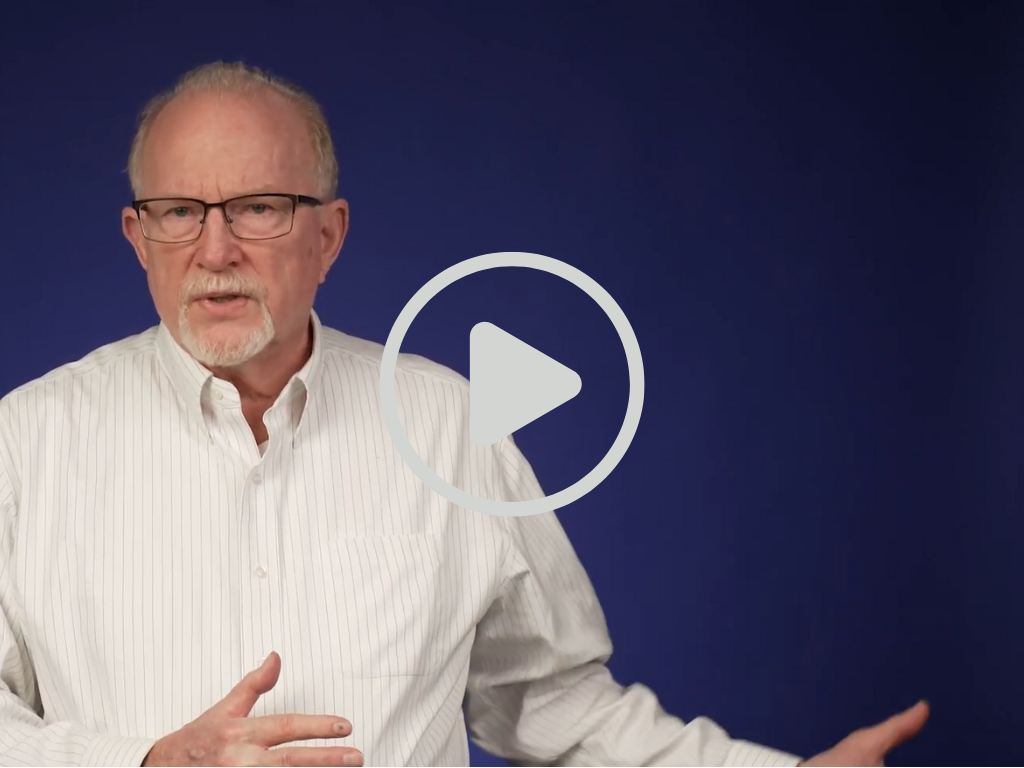
Neuroscience at UC Davis has enjoyed a long and productive partnership with the National Institutes of Health and other federal funding agencies. Federal research funding turns lab work into real help. More funding means faster treatments, cleaner air and water, safer families and stronger businesses. When funding freezes, progress slows and costs rise. Help us raise awareness of this work's tremendous impact by sharing this message and others from our exciting series, From Labs to Lives. | | |
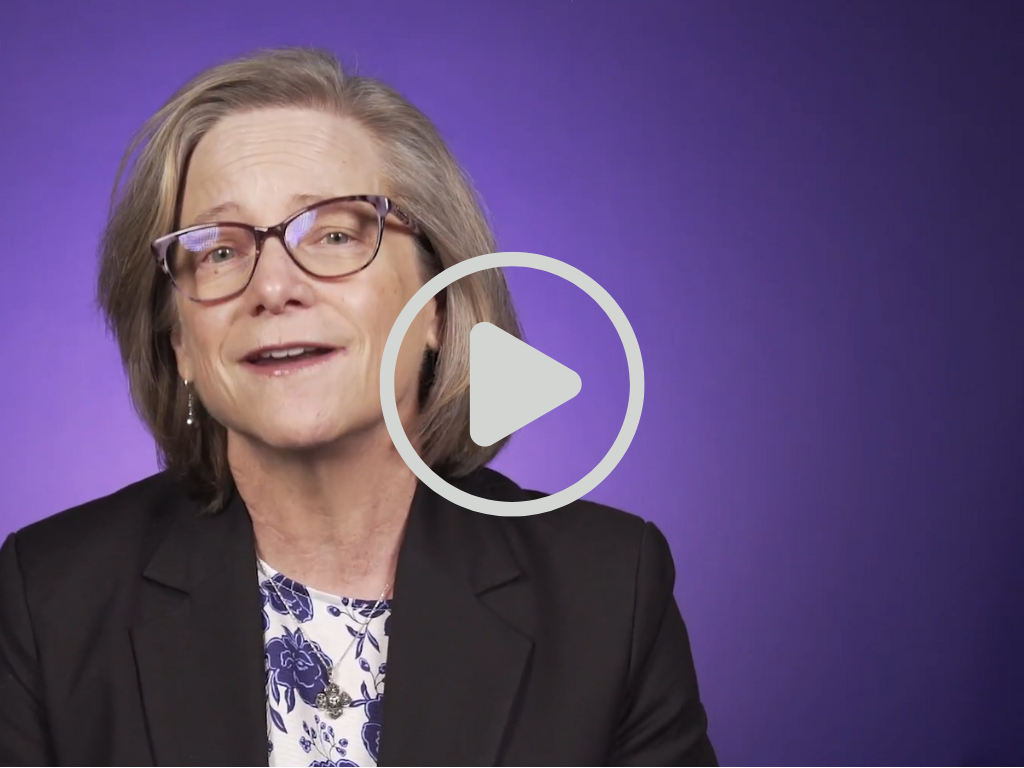
Amy Brooks-Kayal, M.D., F.A.A.N., F.A.N.A., F.A.E.S.
Professor and Chair
Department of Neurology
UC Davis School of Medicine
| | |
Kia Shahlaie, M.D., Ph.D., F.A.A.N.S.
Professor and Chair
Department of Neurological Surgery
UC Davis School of Medicine
| | Watch UC Davis researchers explain how federal support speeds treatments, protects communities and supports local jobs. | | | | |
Amy Brooks-Kayal, M.D., leads NIH-funded research to prevent epilepsy after brain injury.
"Without federal funding, research to find new treatments for epilepsy simply stops — leaving millions without hope for relief. The human toll is immense, and the economic cost to our nation exceeds $15 billion each year in care and lost productivity."
View Dr. Brooks-Kayal's profile ›
| | |
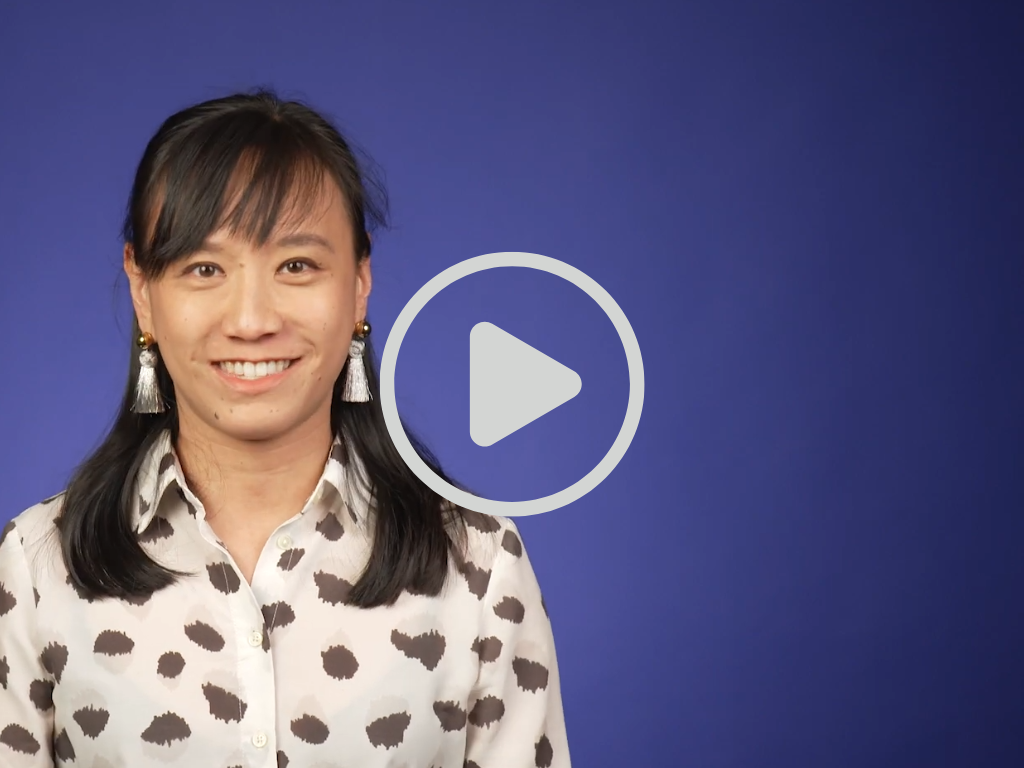
Audrey Fan, Ph.D., is pioneering new imaging technologies to track brain health over time.
"If federal funding is cut, we will not only lose critical time points in observing the brain, we risk breaking long-standing community ties with our participants who volunteer their time for our studies and deeply inform the impact of our science."
View Audrey Fan, Ph.D.'s profile ›
| | | | | |
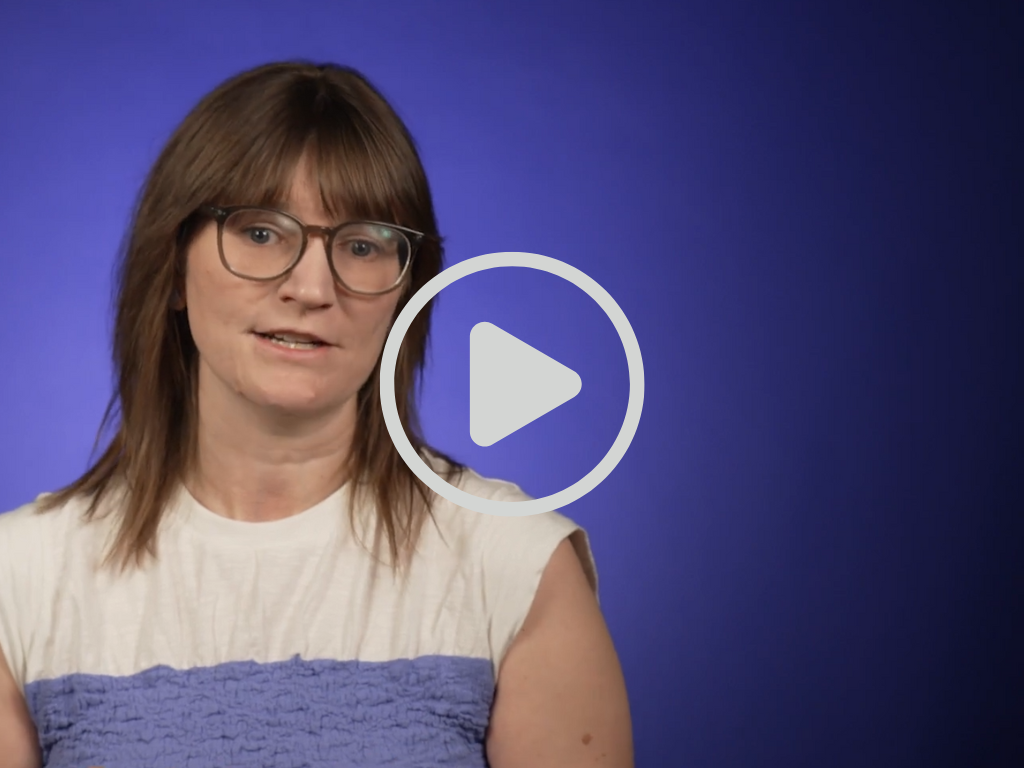
Alyssa Weakley, Ph.D., is developing remote technology to improve care for dementia patients.
"Not only will reduced NIH funding result in a reduced workforce now, we’ll have a reduction in the workforce in the future. And that’s going to have a staggering impact on the development of new treatments and cures, and quality of life, for all Americans."
View Alyssa Weakley, Ph.D.'s profile ›
| | |
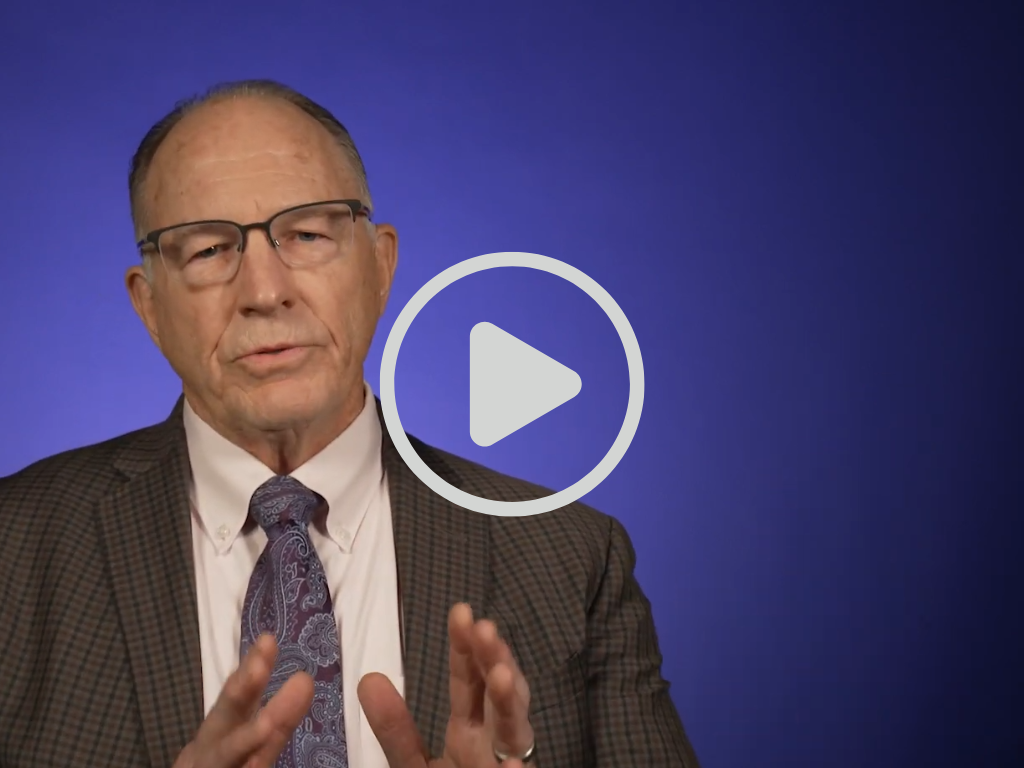
Charles DeCarli, M.D., leads NIH-funded research to prevent Alzheimer's disease.
"The most important aspect of academia is its contributions to society in general. I think most people would agree — and experts certainly would agree — that most of the innovation that we see in science and technology today has, at its roots, academic institutions."
View Dr. Charles DeCarli's profile ›
| | | | | |
John Morrison, Ph.D., is leading NIH-funded research to understand how aging affects the brain at a cellular level.
"In the case of NIH-funded research, funding cuts disrupt ongoing clinical trials, which is dangerous to those patients. Funding cuts disrupt the very basic work that NIH tends to fund that pharma and biotech aren’t going to do, because their responsibility is to go that last step toward developing an intervention."
View John Morrison, Ph.D.'s profile ›
| | More Ways Federally-Funded Research Improves Lives | | |
Shunt surgery leads to fewer falls in older adults with hydrocephalus
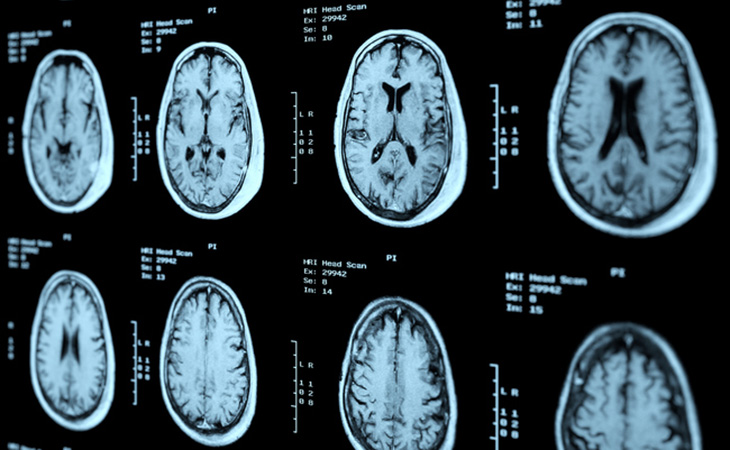
A new clinical study has shown that shunting — the diversion of the extra fluid buildup in the brain — restores mobility and results in walking improvements in older adults with a type of hydrocephalus.
Poor mobility and frequent falls are common in older adults. These symptoms can sometimes be dismissed as typical signs of aging. However, the imbalance and walking issues may be caused by idiopathic normal pressure hydrocephalus (NPH) — the buildup of cerebrospinal fluid in the brain.
The Placebo-Controlled Effectiveness in iNPH Shunting (PENS) Trial was led by researchers at Johns Hopkins University. UC Davis Health is one of the research sites for this clinical study. Kia Shahlaie, M.D., Ph.D., professor and chair of the UC Davis Department of Neurological Surgery, is a coauthor of the study. It was funded by the NIH and the National Institute of Neurological Disorders and Stroke (NINDS).
Learn more about the study ›
| | |
UC Davis develops new imaging technology for greater surgery precision and faster recovery
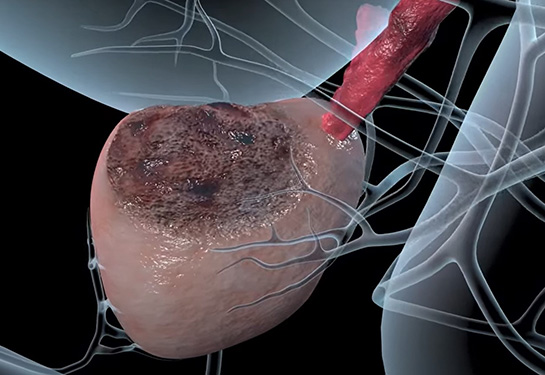
A new imaging technology developed at UC Davis is set to revolutionize prostatectomy, the surgery to remove prostate cancer. This technology, called Fluorescence Lifetime Imaging (FLIm), helps surgeons preserve the prostate function after surgery, shorten the recovery time and avoid unneeded radiation.
FLIm is an imaging technology that allows users to differentiate the tumor and its margins from healthy tissues. With clear margins, surgeons can cut only where needed. This results in less invasive cancer surgeries, easier recovery and fewer side effects for patients. FLIm has already been tested and validated in brain cancer and in head and neck cancer surgeries.
Laura Marcu, Ph.D., the director of The National Center for Interventional Biophotonic Technologies (NCIBT), has led the development of the FLIm technology. The NCIBT is funded by the NIH National Institute of Biomedical Imaging and Bioengineering.
Learn more about the study ›
| | Federal Funding Partnerships Continue | | UC Davis School of Medicine and the VA of Northern California jointly host a traumatic brain injury symposium on October 21–22 — Register now! | | |
To accelerate the translation of innovative traumatic brain injury (TBI) therapies from bench to bedside, it is critical to foster deeper collaboration between clinicians and scientists. This partnership allows the medical field to compare basic science and clinical study outcomes side by side.
Clinician-scientist partnerships also bolster longstanding federal-academic relationships, including between the VA of Northern California and UC Davis School of Medicine. Building relationships and partnering with local and national experts produces game-changing outcomes while catalyzing new research opportunities.
This exciting day-and-a-half event features distinguished national leaders and top local experts who will share their expertise and discuss critical unmet needs in the field of TBI research. Join us and engage with leading researchers as you network with peers.
Sponsored by the UC Davis School of Medicine Office of Research, the 2025 Connection Impact Symposium, "Building Bridges in Traumatic Brain Injury Research: Collaborating to Solve a Complex Clinical Disease," is hosted by the UC Davis Health Departments of Neurological Surgery and Physical Medicine and Rehabilitation together with the VA of Northern California.
Register now ›
| | |
NIH-Funded UC Davis Alzheimer's Disease Research Center 2024–25 Highlights
An estimated 7.2 million Americans age 65 and older are living with Alzheimer’s dementia in 2025. The annual number of new cases of Alzheimer’s and other dementias is projected to double by 2050. (Source: alz.org/facts)
That means 42% of Americans over age 55 will eventually develop dementia.
As one of more than 30 NIH-funded Alzheimer’s Disease Research Centers (ADRCs) in the nation, the UC Davis ADRC is home to paradigm-shifting thought leaders leading novel research in prevention, causes, and treatments for Alzheimer’s disease and related dementias. Our center follows 500 people annually over 30 studies.
Our research impacts the real, daily lives of all of us as we care for a person with memory challenges or receive that care ourselves.
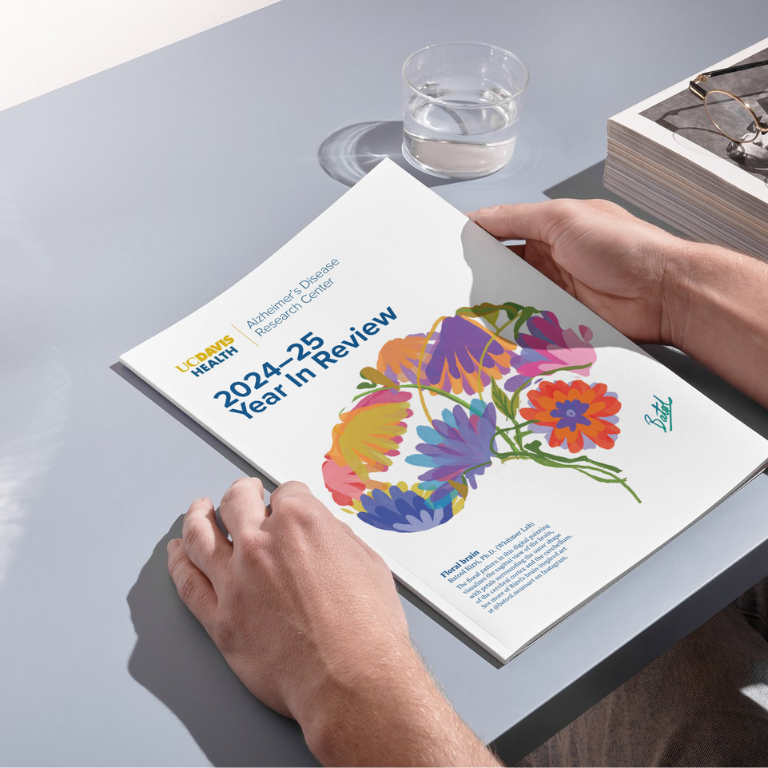
Explore highlights from findings across our more than 300 published papers this past academic year in our 2024-25 Year In Review report.
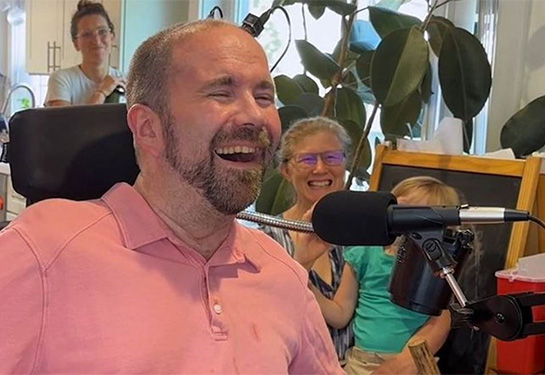
| | In Case You Missed It: Brain-Computer Interface Allows Man with ALS to 'Speak' Again | | |
A brain-computer interface (BCI) developed at UC Davis Health translates brain signals into speech with up to 97% accuracy — the most accurate system of its kind.
The researchers implanted sensors in the brain of a man with severely impaired speech due to amyotrophic lateral sclerosis (ALS). The man was able to communicate his intended speech within minutes of activating the system.
The researchers at the UC Davis Neuroprosthetics Lab aim to develop technology to restore abilities affected by neurological injury and disease. They build BCIs focusing on helping people living with neurological impairments regain lost function. Their research is supported in part by various federal grants.
News and publications:
June 11, 2025: "An instantaneous voice-synthesis neuroprosthesis" published in the Nature journal. Press coverage: UC Davis Health, Science, Discover Magazine, Nature News.
April 30, 2025: "Speech motor cortex enables BCI cursor control and click" published in the Journal of Neural Engineering. Press coverage: UC Davis, Physics World.
August 14, 2024: "An Accurate and Rapidly Calibrating Speech Neuroprosthesis" published in the New England Journal of Medicine. Press coverage: UC Davis Health, New York Times, Scientific American, Bloomberg, NBC News.
| | |
Share Your Support and Give Back to Research
Stand up for research and show your support by:
- Sharing this email to your friends and family
- Learning more about the "From Labs to Lives" campaign
- Give to a research fund that excites you. Keep research moving forward, even when grant cycles end.
| | | | Follow Neurological Surgery: | | © Regents of the University of California, Davis. All rights reserved. |
| | | |