|
The wind blows green,
The rain falls green,
The water flows green,
The sun shines green.
— Ai Qing
| | |
Rain! A good rain like this nourishes our familiar landscapes. Vernal pools begin their seasonal cycle toward filling again; forest floors saturate, giving salamanders damp passages; mushrooms pop up on fallen wood from summer windstorms, while beneath them bacteria and insects continue the less visible work of returning nutrients to the soil.
These ordinary processes, repeated for thousands of years, are unfolding under increasingly less ordinary conditions. Our region is becoming accustomed to more frequent seasonal droughts and more intense days of heavy rain. We entered July in significant drought after below-average rainfall, declining streamflow, and falling groundwater; unusually heavy July rain returned the region to normal drought status by August. This swing from scarcity to abundance within weeks is a reminder that rainfall totals tell only part of the story.
Wildlife adjusts where it can, shifting its timing or range and seeking cooler, wetter refuges. But a trout cannot find refuge beyond an impassable culvert or dam, while a nearby wood turtle is separated by a road between the river and its upland habitat. Refuges that remain are under pressure; a golf course on the Housatonic River’s floodplain sends fertilizers and pesticides from its manicured turf into the river, carrying pollutants into the same waters we’ve been working to heal for decades.
As environmental protections and public investment in climate action are challenged, the physical evidence around us doesn't change; the science continues to tell us what these systems need.
Rain still cools, replenishes, and sets things in motion. What happens after it reaches the ground depends increasingly on what remains there to receive it: forests and wetlands, floodplains and healthy soils, shaded headwaters and connected streams. Protecting those places is how we give the living things around us somewhere to go.
There are many ways to care for these places and we're grateful to everyone who helps make the work possible.
Below, you'll find program updates, upcoming events, environmental news, and ways to get involved.
Brittany, Chelsey, Jay, Melanie, and Rose
| | |
STEWARDSHIP
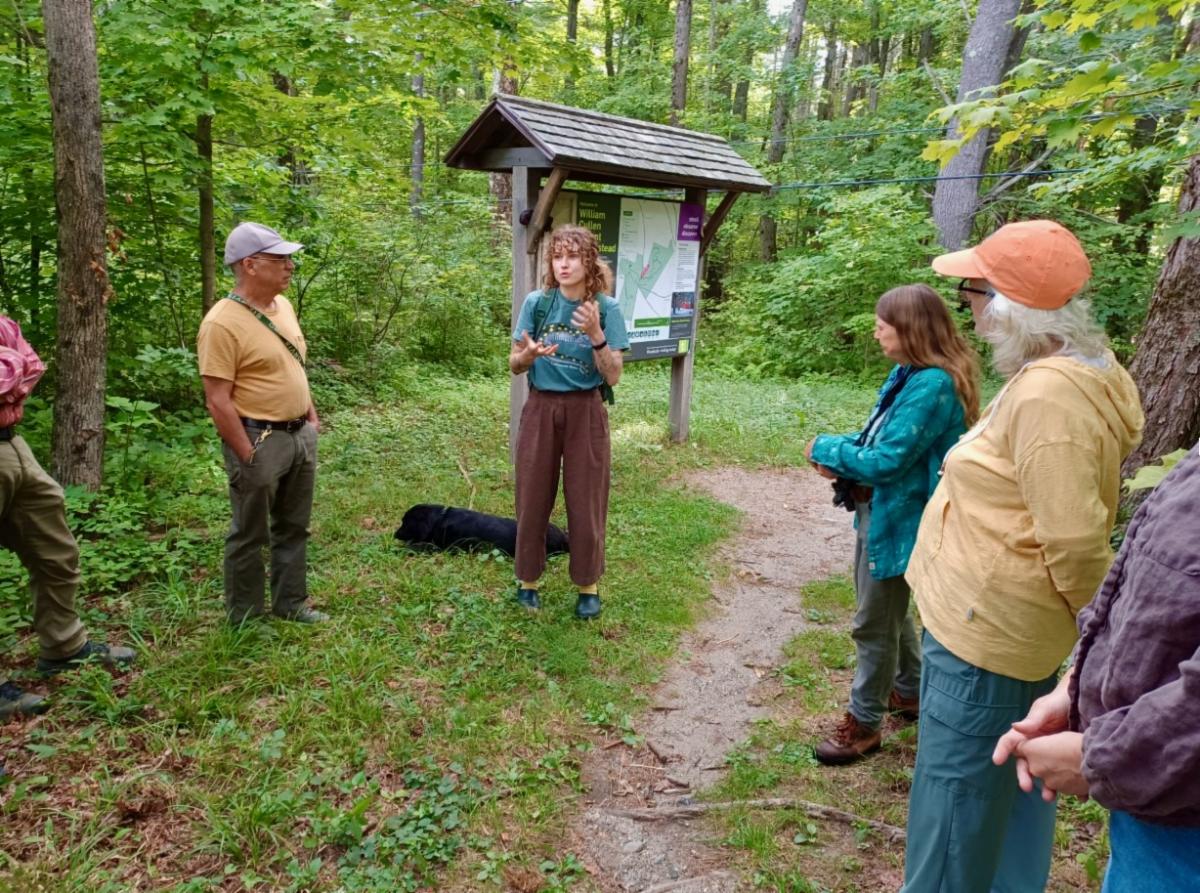
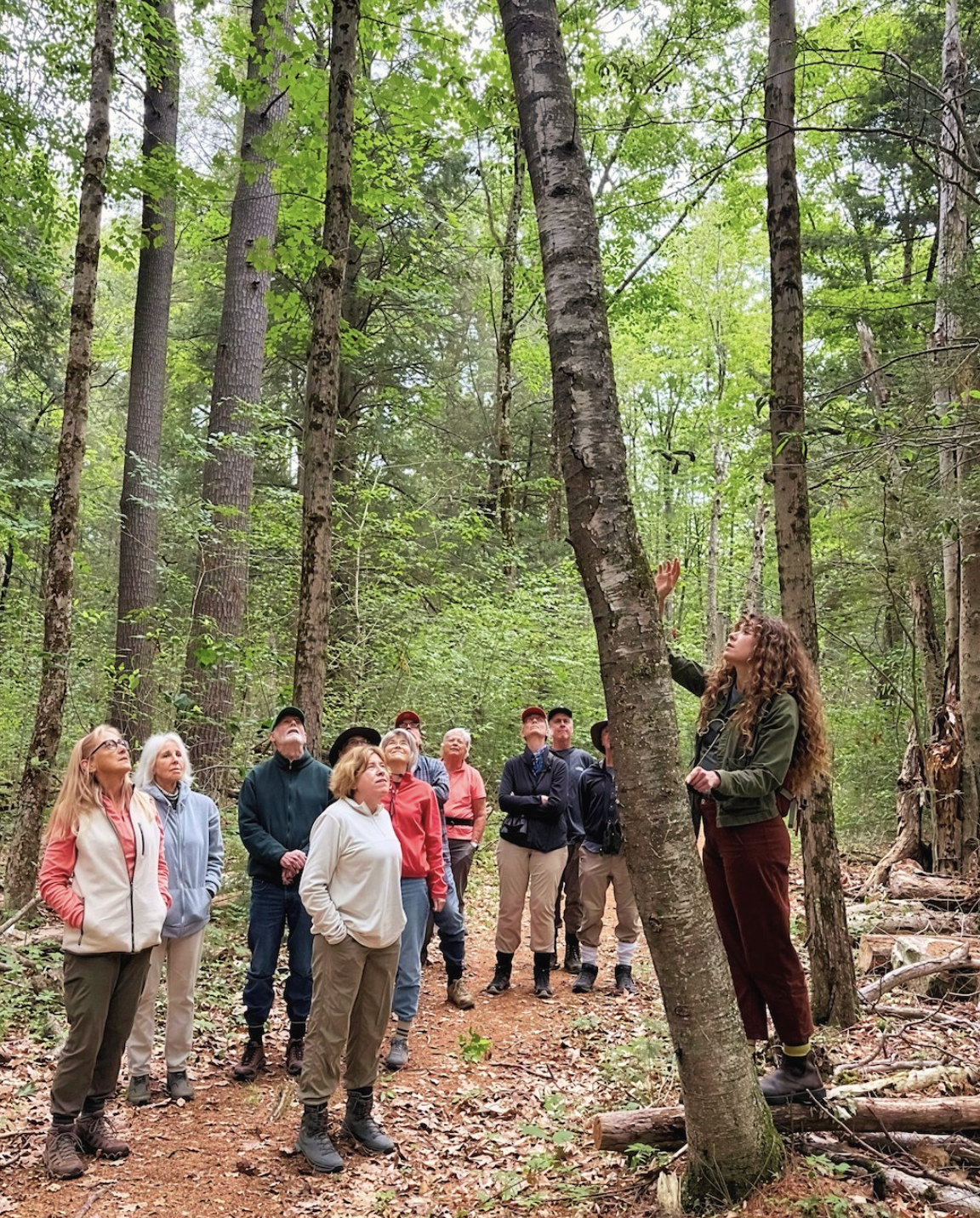
Last weekend, BEAT Stewardship Director Chelsey Simmons joined the Cummington Tree Alliance to lead a guided woods walk at the Rivulet on the Bryant Homestead. The group walk took participants through one of Cummington’s notable forest landscapes, a mature forest with many old-growth characteristics and rich habitat for native plants, wildlife, and fungi.
Along the way, Chelsey introduced participants to native tree identification, invasive species and tree diseases, and the ecological processes that shape a healthy, resilient forest. The walk offered a chance to look closely at the Rivulet’s trees and understory while considering how forest age, species diversity, disturbance, disease, and other conditions influence the woodland as a whole.
| |
PIPELINE PROPOSALS
Public Comment Opportunity: Constitution Pipeline
Comment deadline: September 21, 2026, at 5 PM ET.
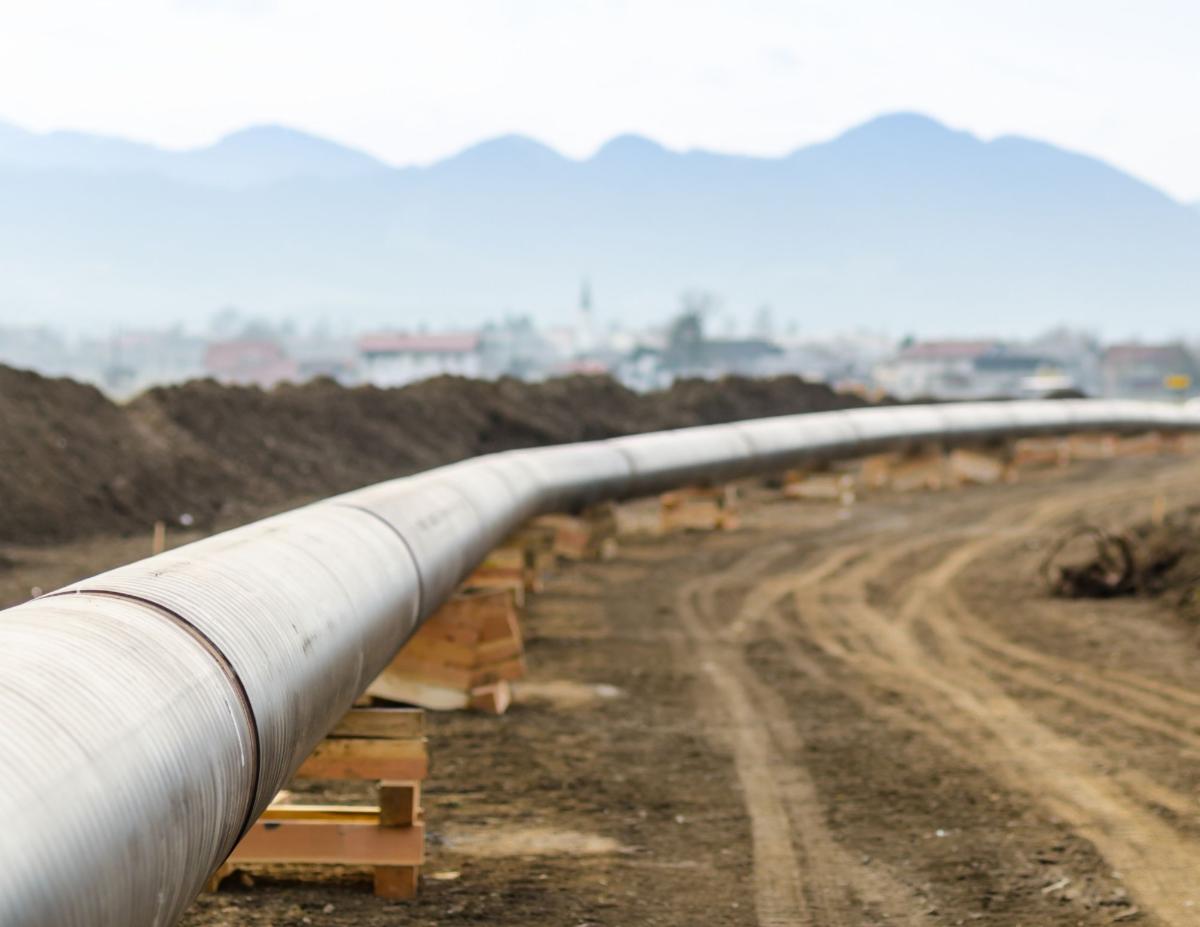
The Federal Energy Regulatory Commission (FERC) issued an Environmental Assessment for the proposed Constitution Pipeline and related Wright Interconnect Project. The approximately 125-mile pipeline would carry natural gas from Pennsylvania to the Wright Compressor Station in Schoharie County, NY, where it would connect with existing pipelines serving New England.
Key concerns include impacts to streams and drinking-water resources, approximately 330 waterbody crossings, more than 95 acres of wetlands, forest and wildlife habitat, and the risks of blasting, erosion, sedimentation, and drilling-fluid releases during construction. BEAT’s guide also raises questions about whether FERC is relying too heavily on environmental analysis completed more than a decade ago rather than current conditions and science.
Gas entering the interstate system at Wright would move east through existing infrastructure toward Massachusetts, including the Tennessee Gas Pipeline system that crosses Berkshire County. The project was proposed alongside other pipeline expansions intended to increase gas capacity into New England.
| |
PIPELINE PROPOSALS
Public Comment Opportunity: National Transmission Needs Study
Comment deadline: September 7, 2026, at 5 PM ET.
The U.S. Department of Energy is accepting comments on its draft 2026 National Transmission Needs Study, which identifies the connection between the New York and New England electric grids—running directly through our region—as an area of high congestion. In 2024, DOE considered a National Interest Electric Transmission Corridor along the existing Eversource route from Stephentown, New York, through Berkshire County and toward Northfield, Massachusetts; that proposal, which contemplated a corridor up to a mile wide, was put on hold following stakeholder comments, including from BEAT.
The new study could influence future transmission planning affecting the Berkshires. BEAT has prepared a Public Comment Guide urging DOE to prioritize existing infrastructure, energy efficiency, storage before new transmission corridors, and to fully consider impacts to forests, wetlands, wildlife, agriculture, and communities.
| | |
Housatonic Heritage Walk: Tree Identification Walk on the Housatonic Rail Trail with BEAT’s Stewardship Director, Chelsey Simmons
Sunday, September 6 @ 10 AM to Noon
Housatonic Rail Trail, Housatonic, MA – location details provided to registered participants.
Join Chelsey Simmons, BEAT's Stewardship Director and local naturalist and tree enthusiast, for an engaging tree identification walk at one of the Berkshires’ hidden gems. Participants will learn how to recognize common Western Massachusetts trees using key characteristics visible throughout the year.
The walk is approximately 2 miles over the course of about 2 hours, with a relaxed pace and frequent stops for observation and discussion. Trail are flat and forgiving; it’s generally considered an easy walk.
Space is limited & registration is required. Email chelsey@thebeatnews.org to reserve a spot.
| |
MassDEP and the American Farmland Trust will host two Farmers Forums in Berkshire County focused on agricultural exemptions under the Massachusetts Wetlands Protection Act, conservation planning and engineering, and available funding opportunities. The forums will be held :
- Wednesday September 9, 2026, from 5:30pm to 7:30pm at the Milne Public Library in Williamstown
- Thursday September 10, 2026, from 6:00pm to 8:00pm at the Stockbridge Town Hall
Questions? Contact Daizha Baptiste-Johnson: Daizha.Baptiste-Johnson@mass.gov
| |
Tree Identification & Forest Biodiversity Walk with BEAT
September 12 @ 10:00 am - 12:00 pm
Esau’s Heel Trail, 3 Jacobs Ladder Rd, Becket, MA
Join BEAT’s Stewardship Director, Chelsey Simmons, for a free biodiversity tree identification walk. Learn how to identify trees using leaves, bark, twigs, fruit, and overall form, with tips for recognizing species year-round — even when leaves aren’t present. Along the way, we’ll also discuss invasive species, tree diseases, and other factors affecting forest health and biodiversity. The roughly 1.5-mile walk will take about two hours, allowing plenty of time to stop, look closely, and ask questions along the way. The terrain is mostly flat and easy to navigate.
Space is limited; registration is required
| |
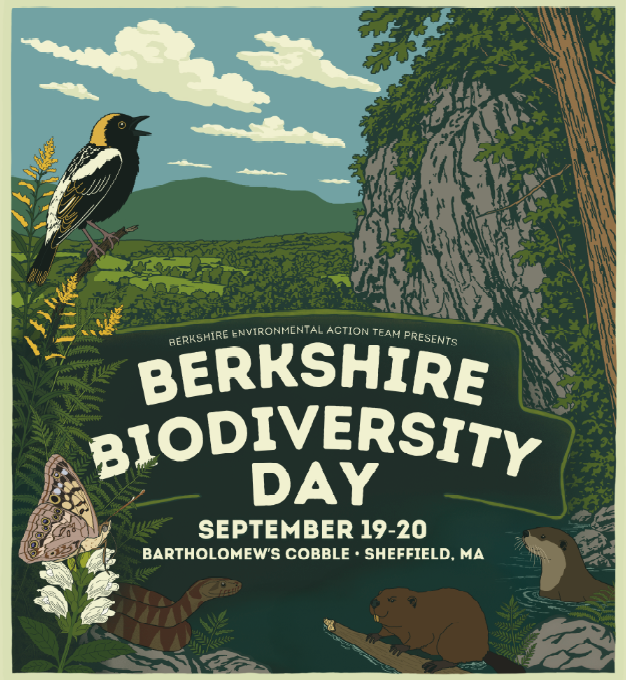
Berkshire Biodiversity Day
September 19 - 20
Bartholomew’s Cobble, Sheffield, Massachusetts
Join BEAT for our annual 24-hour BioBlitz, where community members, scientists, and naturalists work together to document the incredible biodiversity of the Berkshires. Explore guided walks, bird banding, species surveys, hands-on demonstrations, presentations, and family-friendly activities while helping identify hundreds of plants, animals, fungi, and other organisms.
Learn More
| |
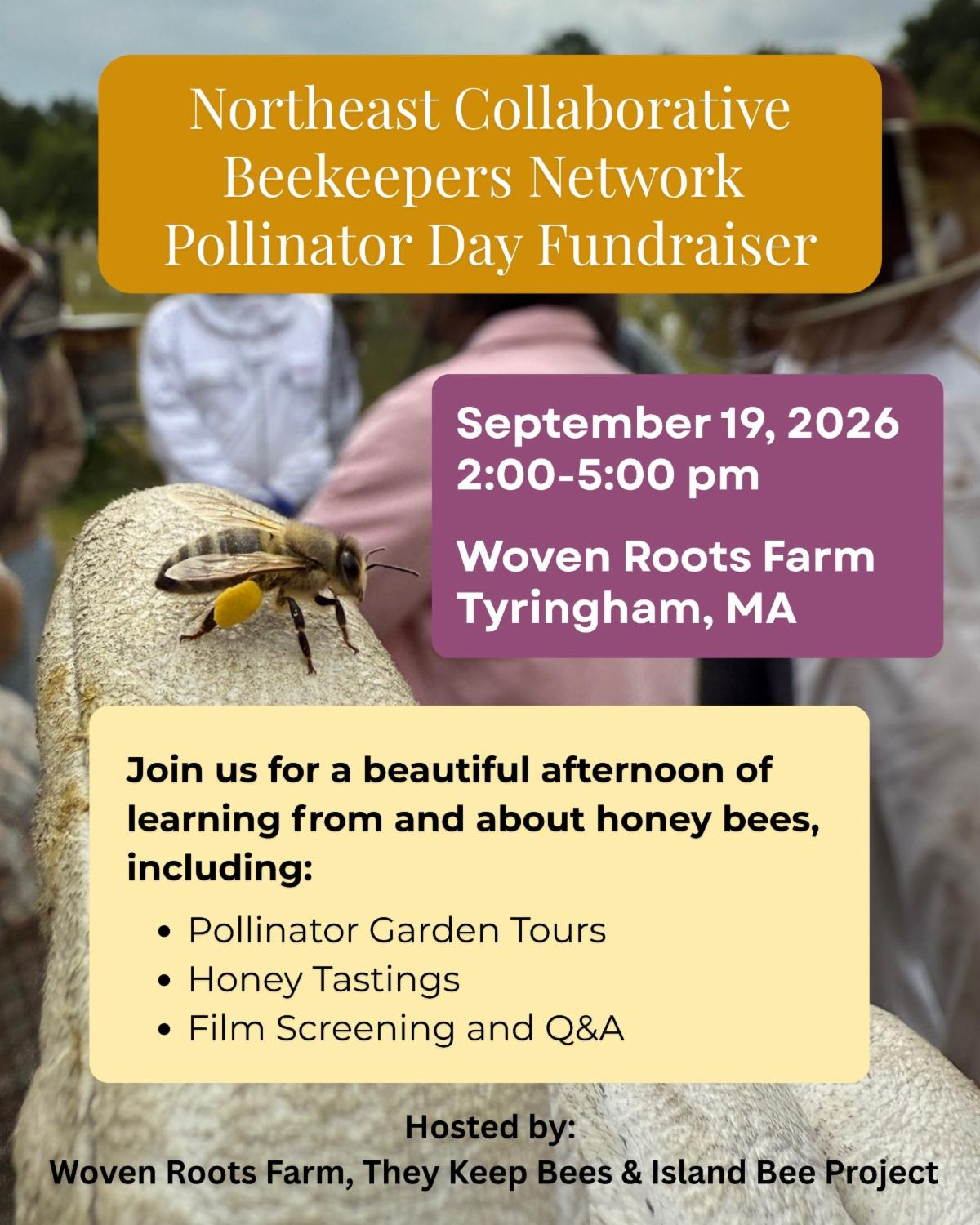
Pollinator Day Fundraiser for the Northeast Collaborative Beekeepers Network -
September 19th @ 2-5:00 PM
Woven Roots Farm, Tyringham, MA
Join the beekeepers from Woven Roots Farm, They Keep Bees, and Island Bee Project for a beautiful afternoon of learning from and about honey bees!
Pollinator Garden Tours + Honey Tastings,, Film Screening + Q&A, Raffle
Learn More & Register
| | |
|
For Washington tree farmer, tending the forest is a form of healing
Chris Primi, The Berkshire Eagle
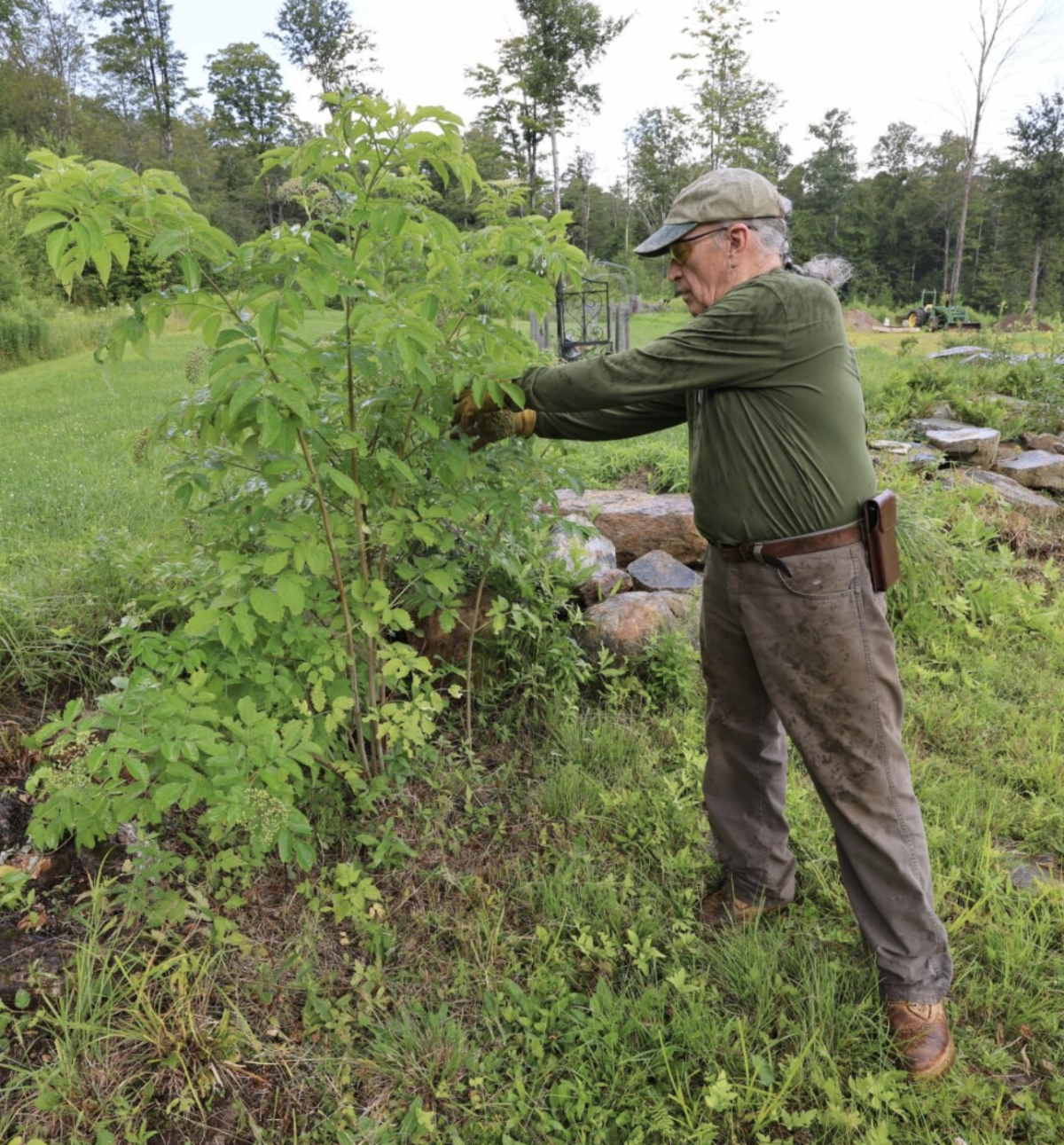
Emergency room nurse Sean Connors has spent more than two decades tending a 75-acre tree farm in Washington, gradually shifting his approach from harvesting the forest for timber and firewood toward stewardship, wildlife habitat, and long-term ecological health. He sees parallels between nursing and caring for the woods: both require close observation and an understanding of when to intervene—and when to let natural processes take their course.
READ MORE
| |
Are fish photos contributing to the striped bass decline?
Billy Baker, The Boston Globe
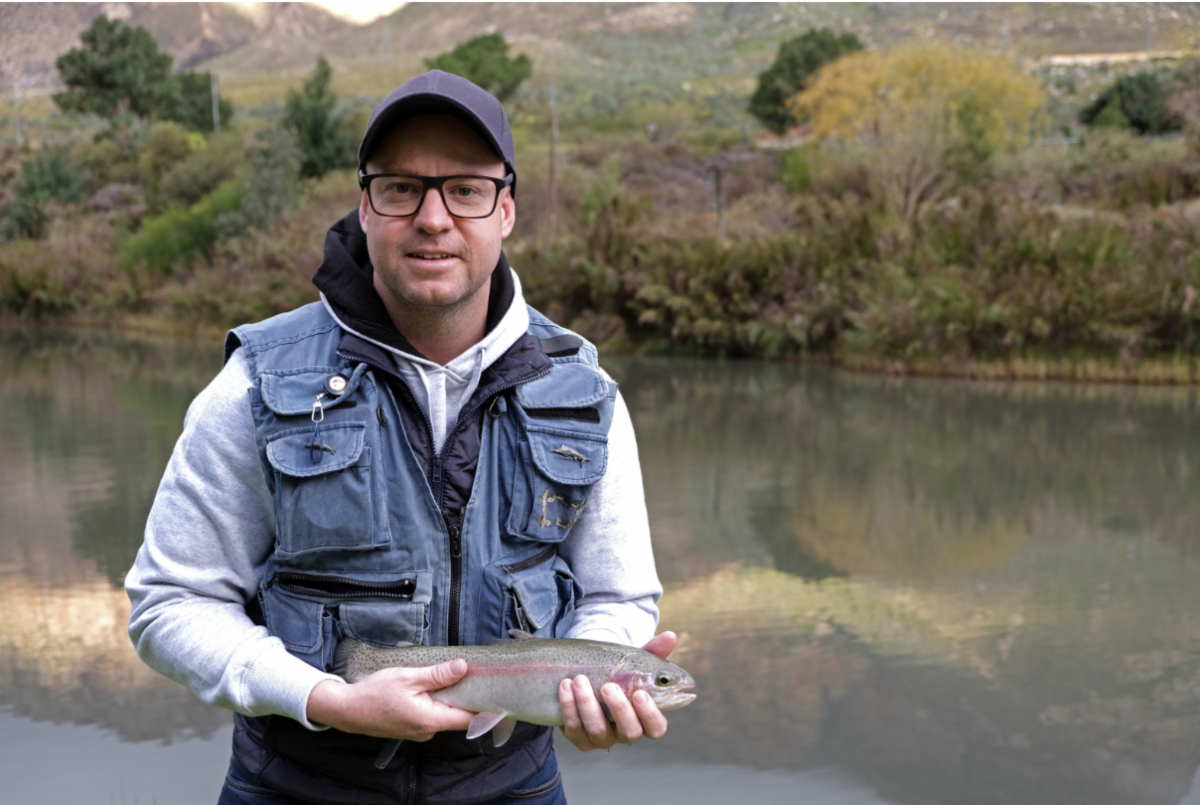
Researchers are studying whether the popular practice of lifting striped bass out of the water for catch-and-release photos adds stress that can reduce the fish’s chances of survival after release. With striped bass populations under pressure, scientists hope the findings will encourage anglers to minimize air exposure and handle fish more carefully, showing how even small changes in fishing practices could support conservation.
READ MORE
| |  | |
Director Galassia Grassetto's 'The Sludge War' to be screened at The Spectrum
Aaron Shellow-Lavine, WAMC
Filmmaker Galassia Grassetto spoke with WAMC about The Sludge War, her five-year documentary investigation into the land application of sewage sludge and concerns about contaminants including PFAS and heavy metals. The interview also highlights growing efforts to restrict the practice, including Maine’s ban and proposed legislation in New York that would pause new biosolids processing applications for five years.
READ MORE
| |
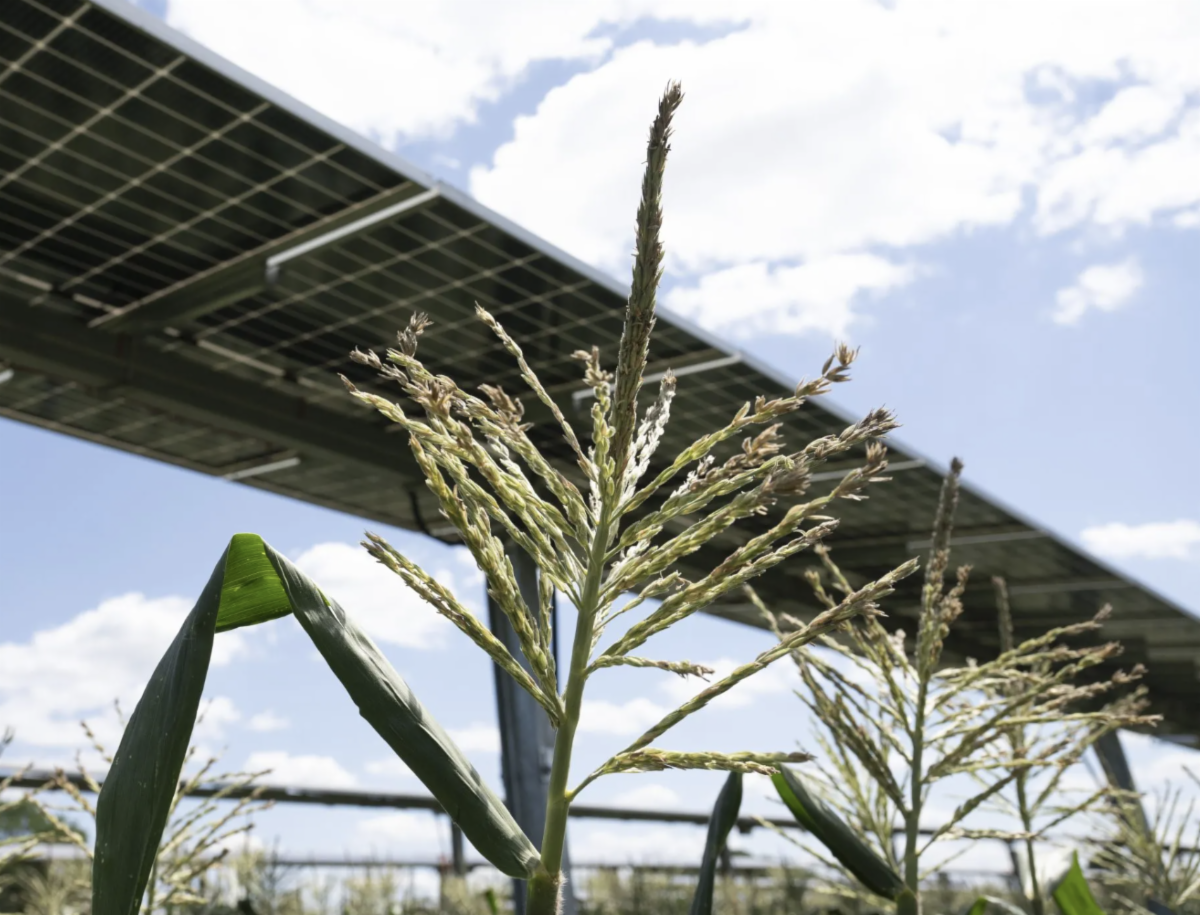
Two harvests, one field: Hadley farm shows off agrivoltaics as other growers take interest
Scott Merzbach, Daily Hampshire Gazette
UMass Amherst researcher Dwayne Breger is studying agrivoltaics, which allows farmland to produce crops and solar energy on the same land, including at a Hadley farm where crops grown beneath solar panels have shown yields and quality comparable to conventional fields. His research also examines how panels alter temperature and other growing conditions beneath them, helping farmers and policymakers better understand how solar development and productive agriculture can coexist.
READ MORE
| | Our work wouldn't be possible without the help of our supporters. Thank you for empowering us to continue to fight for the protection of the environment in western Massachusetts and beyond! | | | | |