|
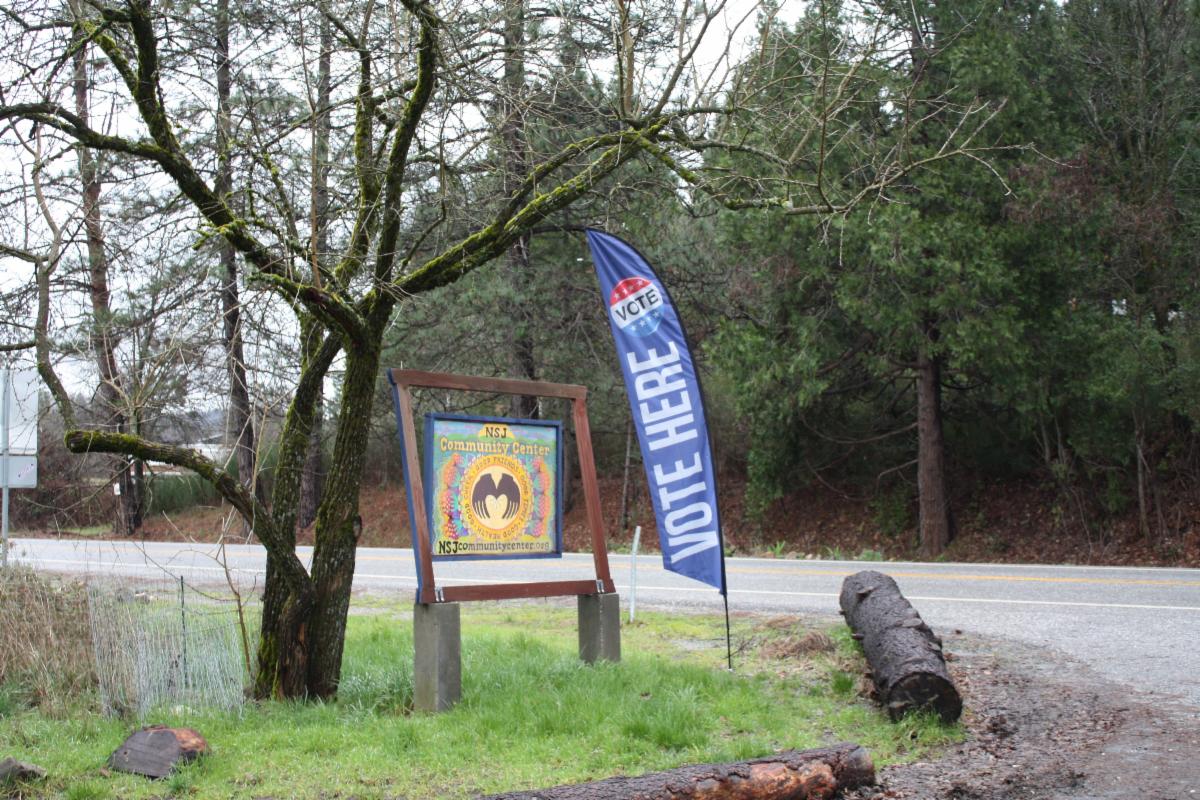
Vote centers are modern, flexible alternatives to traditional neighborhood polling places that are designed to make voting more convenient and accessible. When establishing a vote center, elections officials must ensure that they consider 15 guidelines for selecting locations:
- Proximity to public transportation
- Proximity to communities with historically low vote by mail usage
- Proximity to population centers
- Proximity to language minority communities
- Proximity to voters with disabilities
- Proximity to communities with low rates of household vehicle ownership
- Proximity to low-income communities
- Proximity to communities of eligible voters who are not registered to vote and may need access to same day voter registration
- Proximity to geographically isolated populations, including Native American reservations.
- Access to accessible and free parking
- The distance and time a voter must travel by car or public transportation
- The need for alternate methods for voters with disabilities for whom vote by mail ballots are not accessible to cast a ballot
- Traffic patterns
- The need for mobile vote centers
- Vote center location on a public or private university or college campus
All guidelines help steer the elections official toward voter convenience. Elections officials must also follow other requirements that allow any registered voter to vote at any location within the county, many of which overlap with requirements for traditional polling places.
Vote centers are a key feature of the Voter’s Choice Act (VCA). Voters may cast a ballot at any one of the county’s vote centers, which open on staggered schedules beginning 10 days before an election. Voters may visit any vote center in the county without the need to vote provisionally under most circumstances.
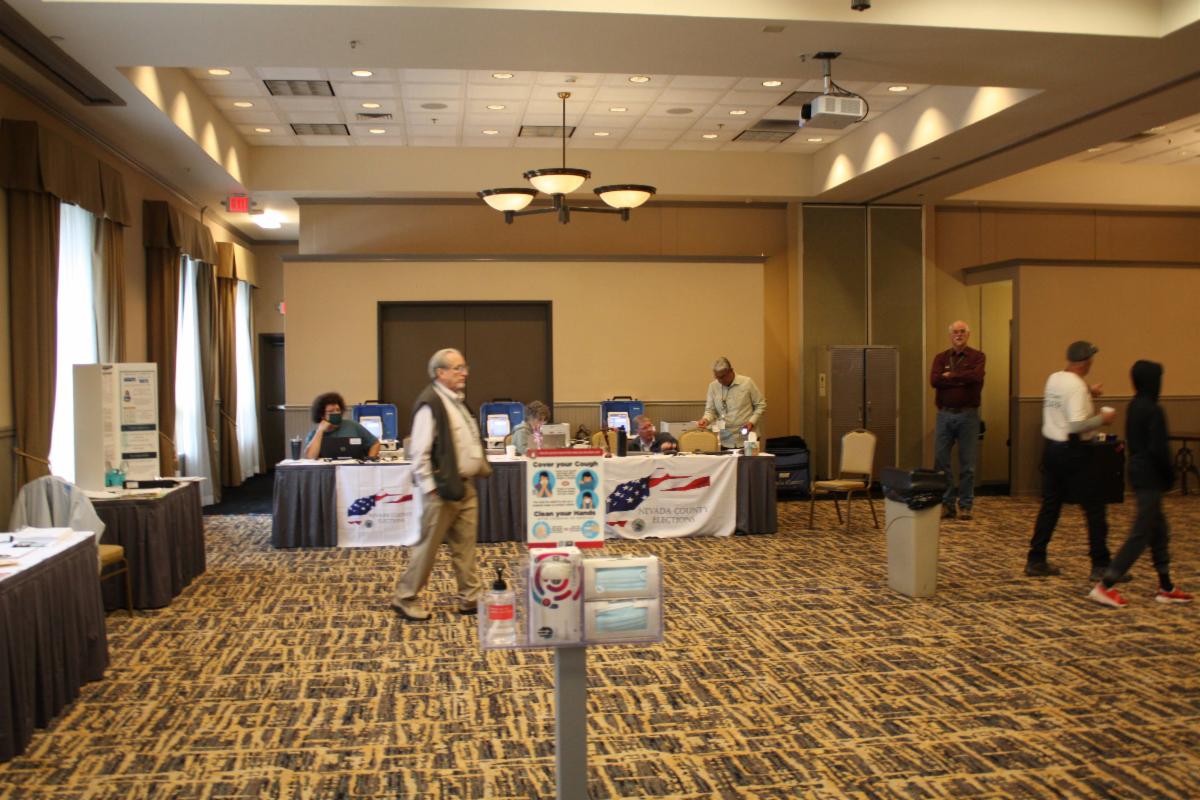
Vote centers offer full services. At a vote center, voters can cast a ballot in person, drop off their vote by mail ballot, get a replacement ballot, register to vote or update their registration, and receive language assistance and accessible voting options. Unlike traditional polling places, vote centers are required to provide voter participation updates in real time. When you check in to vote at a Nevada County vote center, the election worker verifies that you have not already voted. The election worker then marks you as having voted in that location. That information is sent immediately to VoteCal (the statewide voter registration database) and to all vote centers in Nevada County. This helps prevent voter fraud and double voting.
All vote centers must be accessible to everyone, regardless of the voter’s background. Every location must have no fewer than three accessible ballot marking devices that give voters the option to listen to their ballot, view the ballot with larger fonts or different contrasts, and make selections with a touchscreen. The ballot marking devices will then print the voter’s ballot, which the voter can then review before casting it in the precinct scanner. Vote centers must also provide language services to the fullest extent provided by law. In Nevada County, the elections team is required to offer Spanish language ballot facsimiles and other notices. Our vote centers also use Language Line, a translation service that allows the election worker to interact with a voter with a virtual assistant that can speak in the voter’s preferred language.
Vote Centers Compared to Traditional Polling Places
|