THE
BAY BRIEF
January 2026 / Vol. 05
| | | |
BICYCLE FRIENDLY COMMUNITY
SILVER DESIGNATION AWARDED
| | |
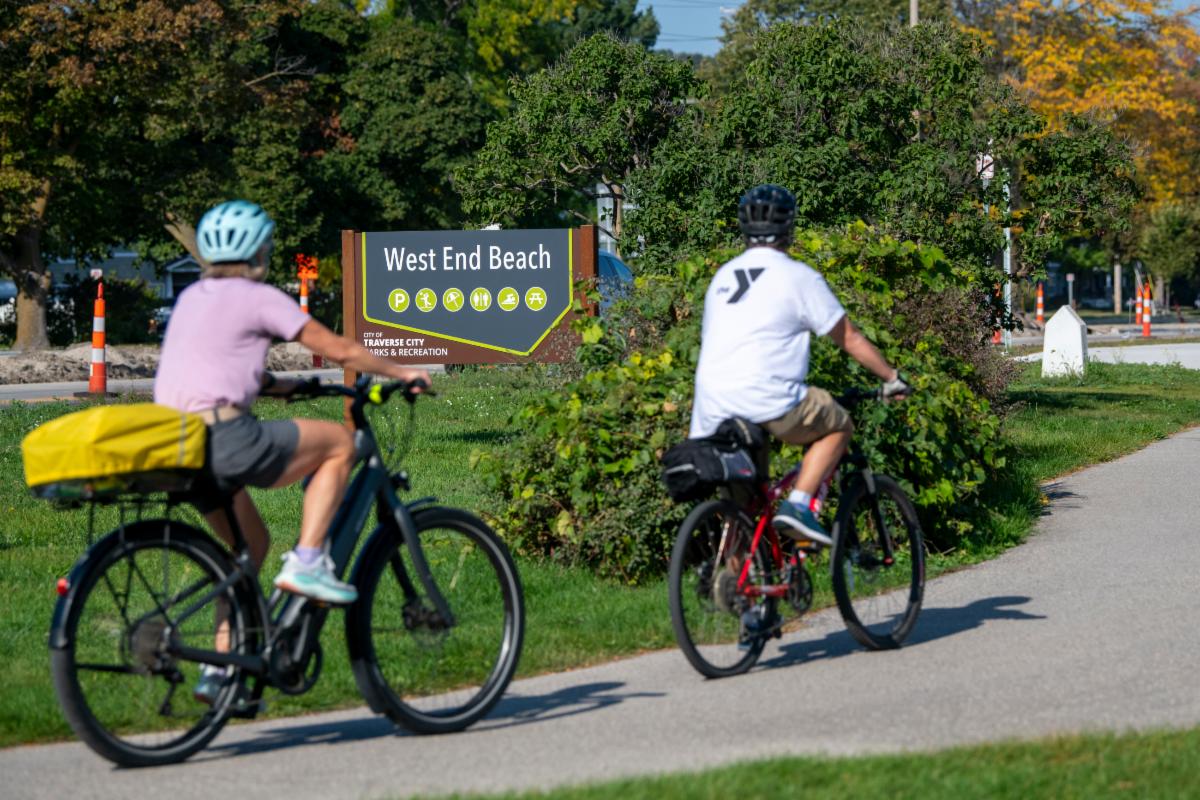
Traverse City has been recognized as a silver-level Bicycle Friendly Community by the League of American Bicyclists! This marks an important milestone in the City’s ongoing commitment to safe, accessible, and multimodal transportation.
The award was announced on January 29, 2026, placing Traverse City among more than 400 communities nationwide working to make bicycling a practical, safe, and enjoyable transportation option for people of all ages and abilities. The silver designation reflects intentional, long-term planning and investment in bicycle and multimodal infrastructure that improves safety, connectivity, and accessibility across the community.
The City's Planning Department led a comprehensive, community-wide effort to pursue the designation, coordinating the application process with assistance from regional and local partners. The evaluation considered infrastructure, policies, education, encouragement programs, and community engagement, along with input from local bicyclists and residents.
In 2009, Traverse City earned a bronze-level Bicycle Friendly Community designation, and advancing to silver reflects continued progress and growing momentum in bicycle planning and implementation. The recognition honors the community investments made in bike education, encouragement activities, pro-bike policies, and infrastructure improvements that support safer streets and healthier transportation choices.
The Bicycle Friendly Community program provides a national framework for continuous improvement. Communities must renew their designation every four years, ensuring progress keeps pace with evolving best practices, safety standards, and community needs.
| |
|
WASTEWATER TREATMENT PLANT MEMBRANE REPLACEMENT
CRITICAL INFRASTRUCTURE IMPROVEMENTS
At their February 2, 2026 meeting, the City Commission will consider approval of agreements to advance a long-term membrane replacement program at the Traverse City Regional Wastewater Treatment Plant (WWTP), a critical piece of infrastructure serving the City and surrounding townships.
The WWTP relies on eight membrane “trains” that play a central role in treating wastewater to meet environmental and regulatory standards. These membranes have an expected useful life of about 10 years, and several are now reaching the end of that lifecycle. Based on condition assessments and long-term planning, City staff are recommending a phased, eight-year replacement strategy that would replace one membrane train per year, ensuring continued system reliability while avoiding large, single-year cost spikes.
To support this approach, the Commission will be asked to authorize an eight-year agreement to lock in pricing for eight replacement membrane units and related equipment, at a total cost not to exceed $5.92 million, or approximately $740,000 annually, plus contingency. Locking in pricing now is intended to provide budget predictability and protect against future market volatility.
Under the existing regional Water Sewer Agreement, the City’s five township partners will collectively cover approximately 45% of the annual costs associated with the membrane replacement program, reducing the financial impact on City ratepayers.
City staff previously presented the membrane replacement plan during a December 8, 2025 City Commission study session. If approved, the agreements will allow the City to move forward with a proactive, phased investment that supports long-term wastewater treatment reliability, environmental protection, and predictable financial planning for the region.
| | |
COMPOST & FOOD WASTE REDUCTION PROJECT
CONSIDERATION OF PROGRAM EXTENSION
Made possible by a U.S. Department of Agriculture Natural Resources Conservation Service (USDA-NRCS) grant, the City Commission will consider extending two grant-funded agreements that support Traverse City’s Compost and Food Waste Reduction Project at its February 2, 2026 meeting. The extensions would allow the successful pilot program to continue through the end of 2026.
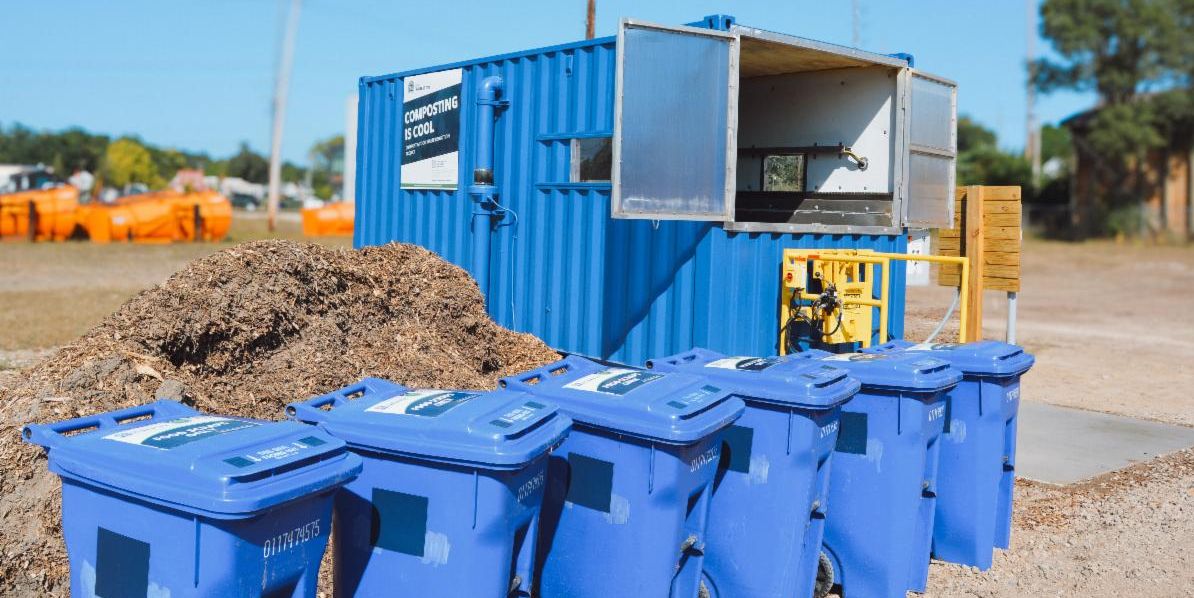
Launched in partnership with SEEDS Ecology & Education Centers and Carter’s Compost, the program diverts food scraps and organic material from landfills and transforms them into nutrient-rich compost using a new in-vessel composting system. The proposed actions would extend the City’s consultant agreement with SEEDS, in an amount not to exceed $30,000, and the hauling and processing agreement with Carter’s Compost, in an amount not to exceed $12,000—both fully funded through a grant from the U.S. Department of Agriculture Natural Resources Conservation Service (USDA-NRCS).
A Strong First Year of Results
The Compost and Food Waste Reduction Project completed its first year in September 2025 with strong participation and measurable environmental impact. In year one, more than 58,000 pounds of food scraps were collected from households, businesses, and community drop-off sites throughout the City. Those materials were processed into approximately 27.5 cubic yards of finished compost.
The pilot program was made possible through a $250,000 USDA grant, which funded the purchase and installation of an in-vessel composting unit. This enclosed system allows composting to occur year-round in a controlled environment, improving odor and moisture management while accelerating the composting process. The technology also enables Carter’s Compost to operate through all four seasons—an important advancement for regional waste-reduction infrastructure.
Supporting Sustainability Goals
Diverting food waste from landfills delivers significant environmental benefits. Food scraps decomposing in landfills generate substantially more methane—a potent greenhouse gas—than when composted. With organic material accounting for an estimated 38% of Michigan’s landfill waste, expanding local composting capacity plays a meaningful role in reducing emissions and supporting the City’s broader sustainability goals.
Looking Ahead
Extending the grant agreements will ensure continuity of operations, grant compliance, and ongoing public education and outreach through 2026. SEEDS will continue to support program administration, reporting, and education, in coordination with the City’s Communications Department, while Carter’s Compost will provide hauling, processing, and daily operation of the composting system—building on a year of proven success.
The City thanks SEEDS, Carter’s Compost, and the USDA-NRCS for their partnership and support in advancing food waste reduction and local composting solutions for the Traverse City community.
| |
|
FIRE HYDRANT ACCESSIBILITY
SNOW CLEARING
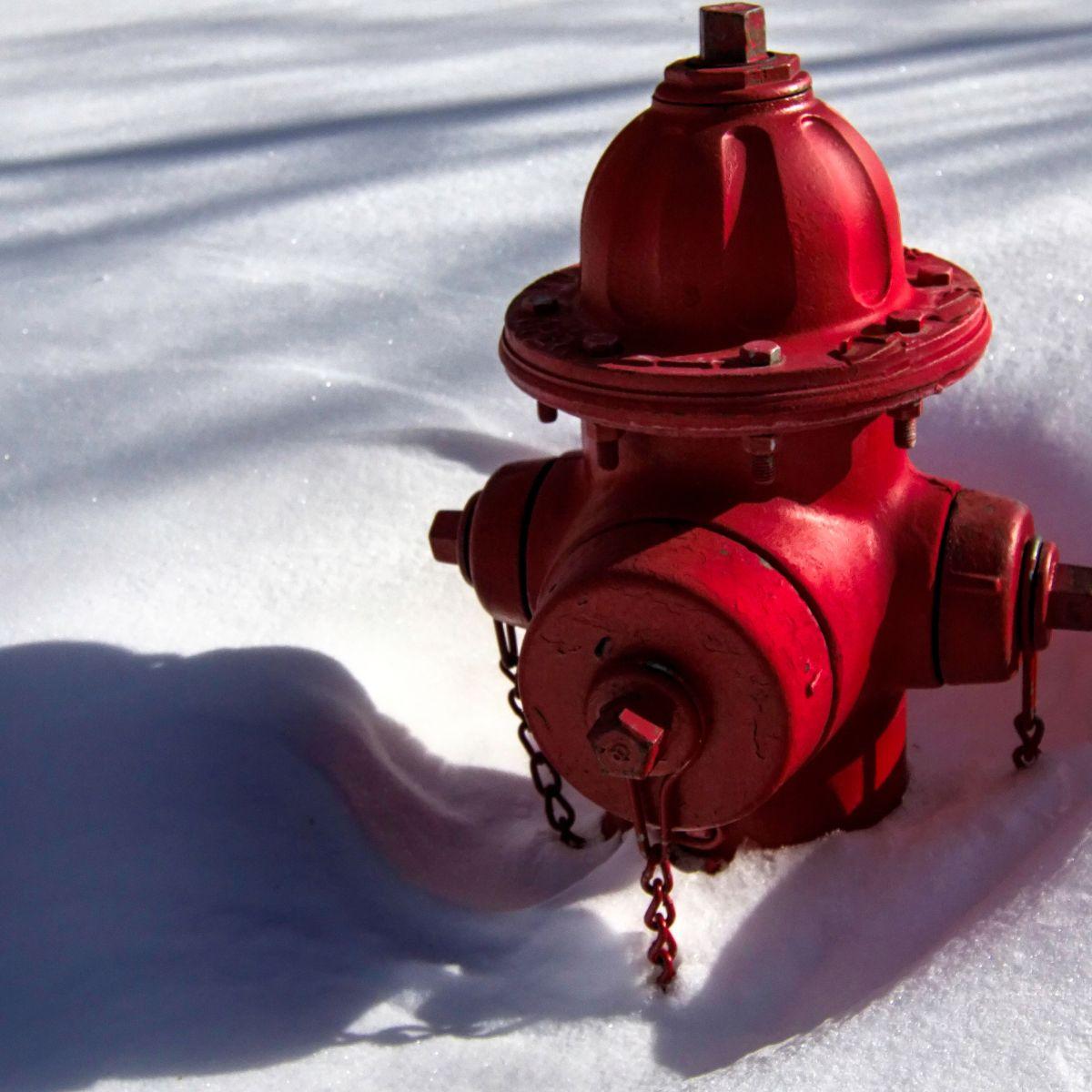
Due to heavy snowfall this season, there are fire hydrants within the City that have become buried or obstructed by snow. The Traverse City Fire Department is asking residents and business owners to help ensure hydrants near their properties remain clear and accessible.
Clear access to fire hydrants can save valuable time during an emergency and help firefighters respond quickly and safely.
How You Can Help
- Clear a 3-foot radius around the fire hydrant to allow room for firefighters to operate.
- Keep a clear path from the hydrant to the street.
- Maintain visibility so the entire hydrant can be seen from the roadway.
A few minutes of snow removal can make a critical difference in an emergency.
| | |
LAST CALL: CHRISTMAS TREE
DROP OFF SITE
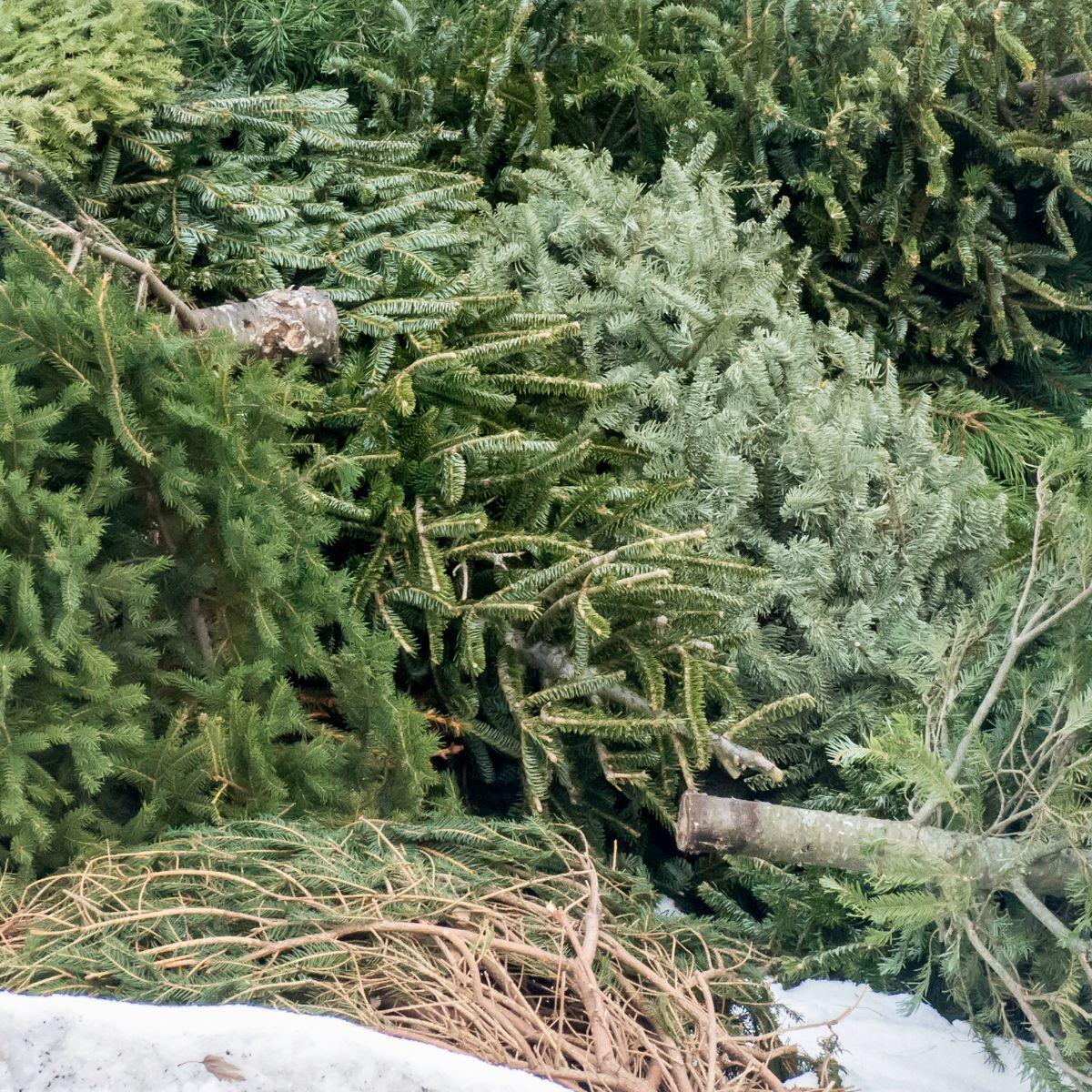
The Christmas Tree drop off site is available and open for City residents. Please be sure that trees are free of all decorations, tinsel, etc. so they can be properly mulched and reused in nature. The drop off site closes on January 30th. Trees may be dropped off at the boat launch parking lot in Hull Park.
Fun Fact: Trees are chipped and used for trail surfacing in City parks and the Brown Bridge Quiet area, mulching material, and erosion control.
| | |
CITY ICE RINKS
OPEN
In the winter, the City creates and maintains ice skating rinks. There is no charge for use of these rinks. Weather permitting, the rinks are generally open from mid-January to early March.
Rink Locations
- 14th and Pine Street (Thirlby Field)
- State Street between Railroad and Hope (F&M Park - no warming house)
| |
|
WINTER SALT WEEK
THE 5 S'S OF SMART SALTING
As winter weather continues, the City is recognizing Winter Salt Week by sharing simple ways residents and businesses can help protect local waterways while keeping sidewalks and roads safe.
Excess road salt doesn’t disappear when the snow melts—it washes into storm drains, rivers, and eventually Grand Traverse Bay, where it can harm aquatic life and degrade water quality. Small changes in how salt is used can make a big difference.
The 5 S’s of Smart Salting offer easy, effective guidance:
Shovel
Remove snow and ice first. Clearing surfaces mechanically reduces the amount of salt needed and allows salt to work more effectively.
Scatter
Apply salt sparingly. More salt does not melt ice faster—using less is safer for the environment and just as effective.
Sweep
After ice melts, sweep up leftover salt and reuse it. This keeps excess salt out of storm drains and nearby waterways.
Select
Choose the right product for the conditions. Pay attention to temperature ranges and use deicers only when they are effective.
Store
Store salt in a covered, dry area to prevent spills and runoff that can enter the stormwater system.
By following the 5 S’s, everyone can play a role in reducing winter salt pollution and protecting the region’s lakes, streams, and groundwater—while still staying safe during icy conditions.
The Department of Public Services is reducing salt usage while maintaining road safety through improved equipment, training, and alternative deicing methods. Key initiatives include hybrid liquid/solid applications, expanded use of wing plows, and upgraded brine storage.
Notable Results
- 42% salt reduction with Beet Heet, saving 35% per lane mile.
- Pre-wetting & alternative deicers to cut waste and improve efficiency.
- Exploring full liquid applications and eco-friendly options like Calcium Magnesium Acetate (CMA).
| | | | |