|
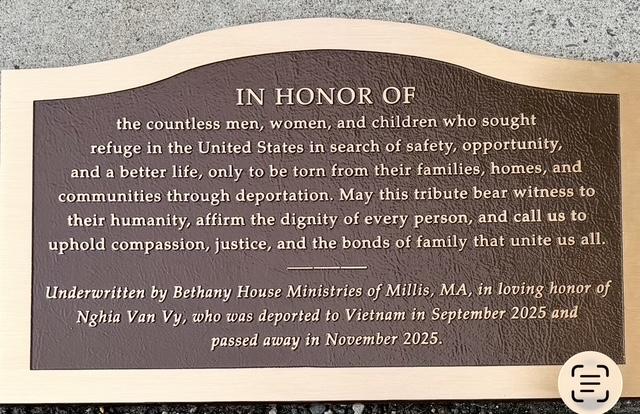
The Immigrant Deportation Memorial Plaque at
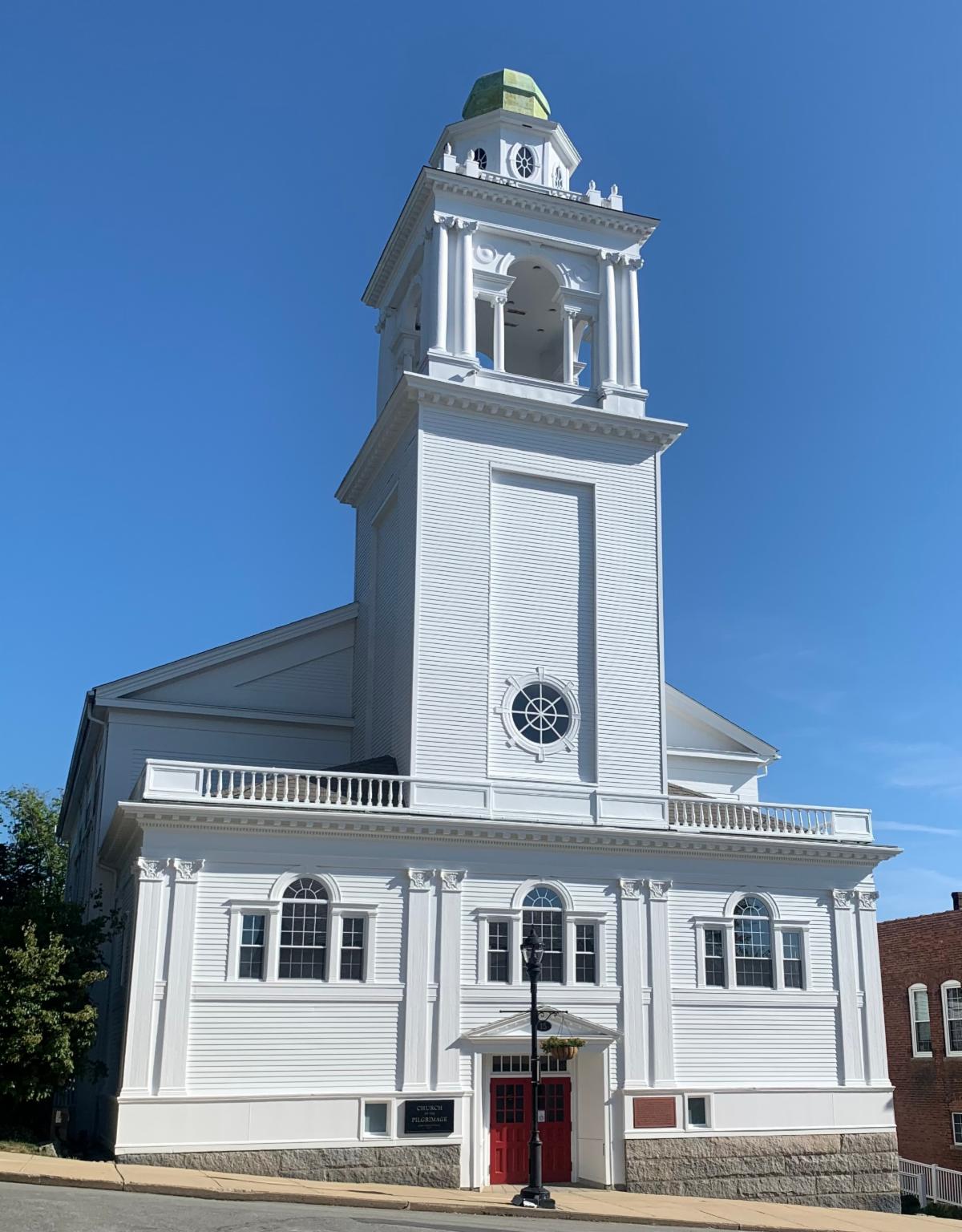
The Church Of The Pilgrimage, Plymouth, MA
August 23, 2026
Good morning dear friends!
It seems especially fitting and meaningful that we are presenting this plaque here at the Church of the Pilgrimage. In many ways, the immigrant experience in the US is just that, a pilgrimage. People leave behind their homes, families, languages, and familiar surroundings in search of safety, freedom, opportunity, and a better life.
But for too many, that journey has ended in detention, deportation, separation from loved ones, and death.
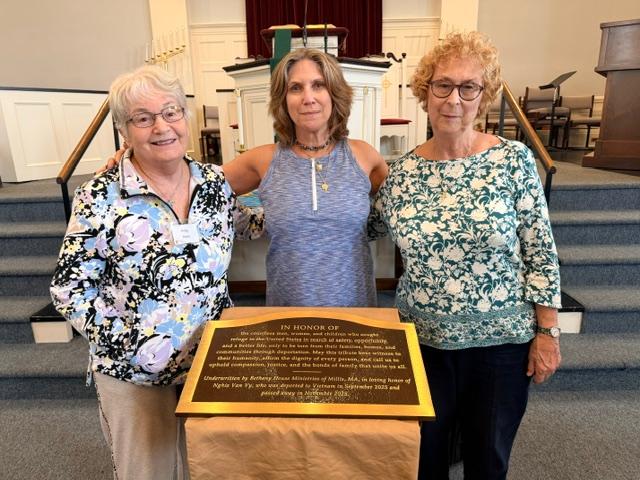
This plaque was created to remember those whose lives have been impacted or lost in connection with our immigration system. It reminds us of people who died in immigration custody, as well as those who have been killed during immigration enforcement.
Among them are Renée Nicole Good, a mother and U.S. citizen who was killed by an ICE officer in Minneapolis, and Alex Pretti, a 37-year-old ICU nurse and U.S. citizen who was fatally shot by federal immigration officers less than three weeks later.
And then there are people like Nghia Van Vy, whose story brings this issue very close to home for me personally.
Nghia was originally from Vietnam. He came to this country, built a life here, and became part of our community. He worked at Hope Chest in Millis, where students with special needs from the Peace Abbey’s Life Experience School volunteered to find meaning and purpose in their lives.
After being detained by ICE and held for weeks in the Plymouth facility, Nghia was deported back to Saigon. Separated from the people, work, and community he loved, he experienced profound isolation and despair. He later died by suicide.
This plaque was underwritten in loving memory of Nghia—not simply to remember how he died, but to remember how he lived, the people he touched, and the community that continues to mourn his loss.
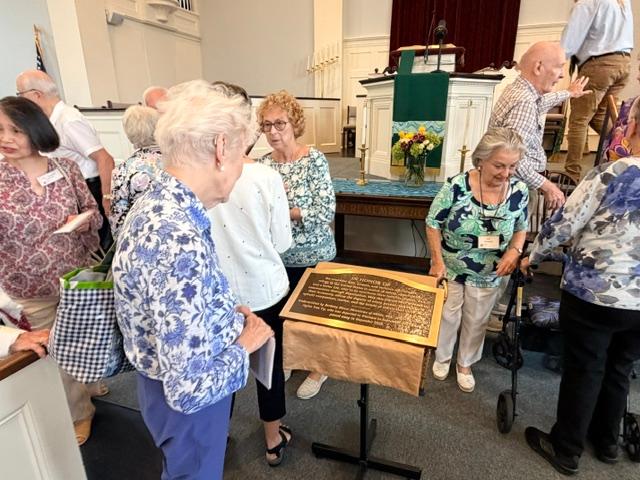
As this plaque travels from congregation to congregation, it asks us to pause and remember. It asks us to see the human beings behind the statistics and the policies.
Every person this plaque represents has a story. Every one had people who loved them, they had hopes for what their pilgrimage might become.
And that is why this plaque belongs in places like this—in churches, houses of worship, libraries, and community spaces. It gives us an opportunity not only to remember those who have been lost, but to consider what kind of community we want to be for those whose journeys bring them to our door.
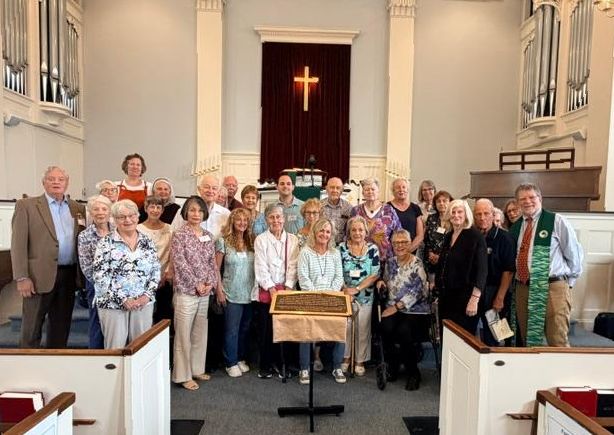
At the end of the service, I invite anyone who would like to gather around the plaque for a photograph to join us. That photograph will be sent as a message of love and remembrance to Nghia’s family on Saigon and to all those who continue to mourn him.
May this plaque remind us that every person is on a pilgrimage.
And may we choose to make that pilgrimage safer, more welcoming, and more humane for everyone who makes their journey to be among us.
— Lewis Randa
|