Discover the biodiversity all around you

Hi Everyone,


June was a busy and productive month for the MBP community. We had an incredible BioBlitz at Cosca Regional Park, participated in several biodiversity-focused outreach events, led field trips, and coordinated about novel research efforts such as DNA barcoding of micro-moths that may be undescribed to science. We're also preparing for the Turkey Point and Dans Rock bird counts. Sandy Brown and Paleena Amy are quickly learning the ropes and we're loving having their voices become a key part of what we do. Read on for more about all of these topics and more.


Thanks as always. We couldn't do this without you and this amazing community that cares so much about documenting and protecting biodiversity.


- Bill

Cosca Regional Park BioBlitz Report

On June 20, Maryland Biodiversity Project, Prince George’s County Parks and Recreation, and the Mycological Association of Washington hosted a BioBlitz at Clearwater Nature Center and Cosca Regional Park in Prince George’s County.


What is a BioBlitz you ask? A "BioBlitz" is a rapid inventory of the living things in a particular place. During the Cosca Bioblitz we wanted to connect people to the natural world and to inventory the wildlife at Cosca Regional Park. We invited everyone to join us on Saturday and the community answered!


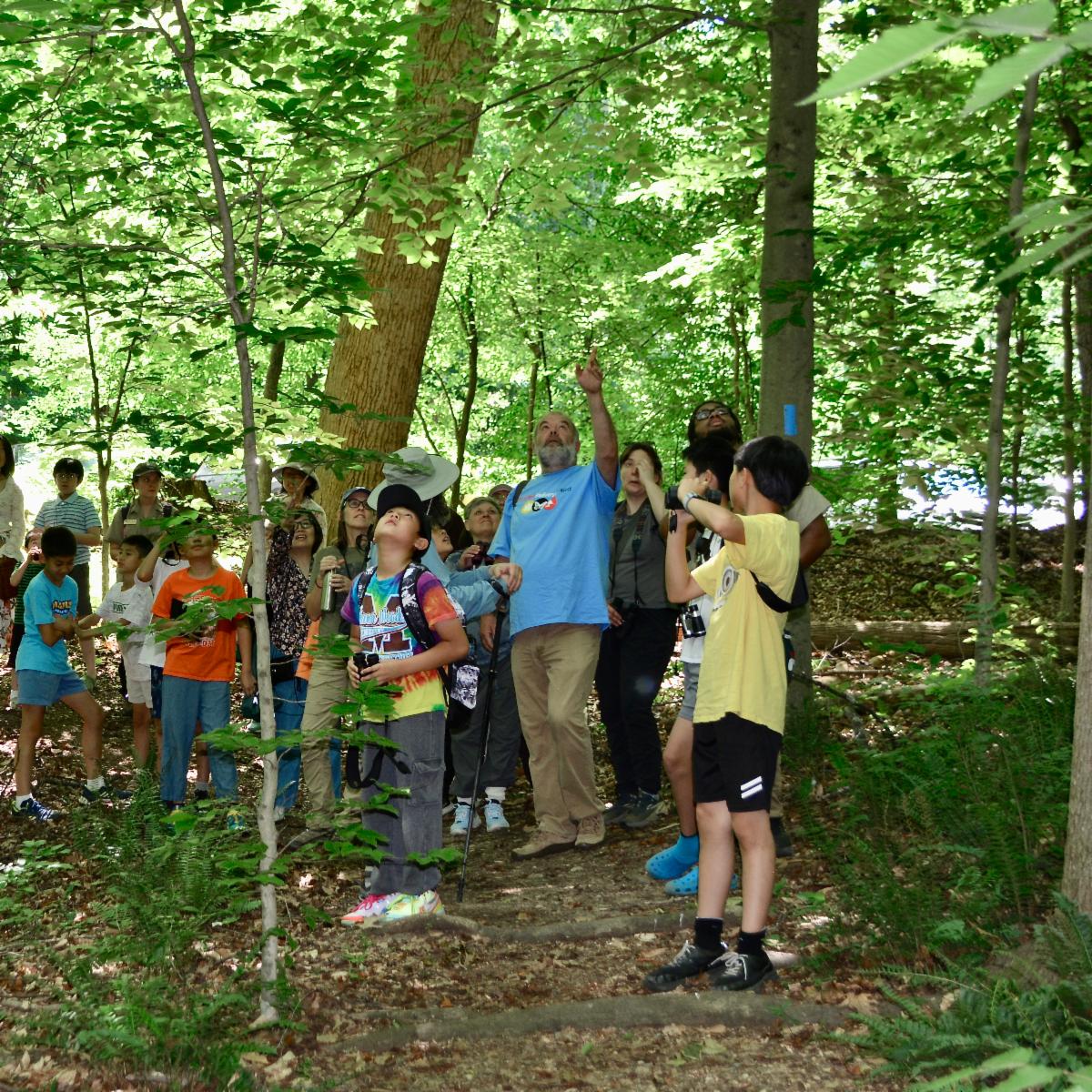
Throughout the day, we had naturalist-led walks to explore the park and photograph the plants and animals we found. Dozens of people - including some budding young naturalists - attended each walk. We were able to document a variety of species such as Broadleaf Enchanters Nightshade, Sweetgum Xylaria, and Wood Thrush. For some participants, the BioBlitz was their first experience documenting wildlife. Perhaps some will be inspired to continue exploring our natural communities!


We are still compiling data and identifying records. The final numbers will take some more time and we will do a data-focused post on the MBP blog in a few weeks. Below are a few insect highlights from the Cosca BioBlitz.


And be sure to check out Paleena's video coverage on our facebook page!


Co-founder Jim Brighton leading the Bird Watch walk

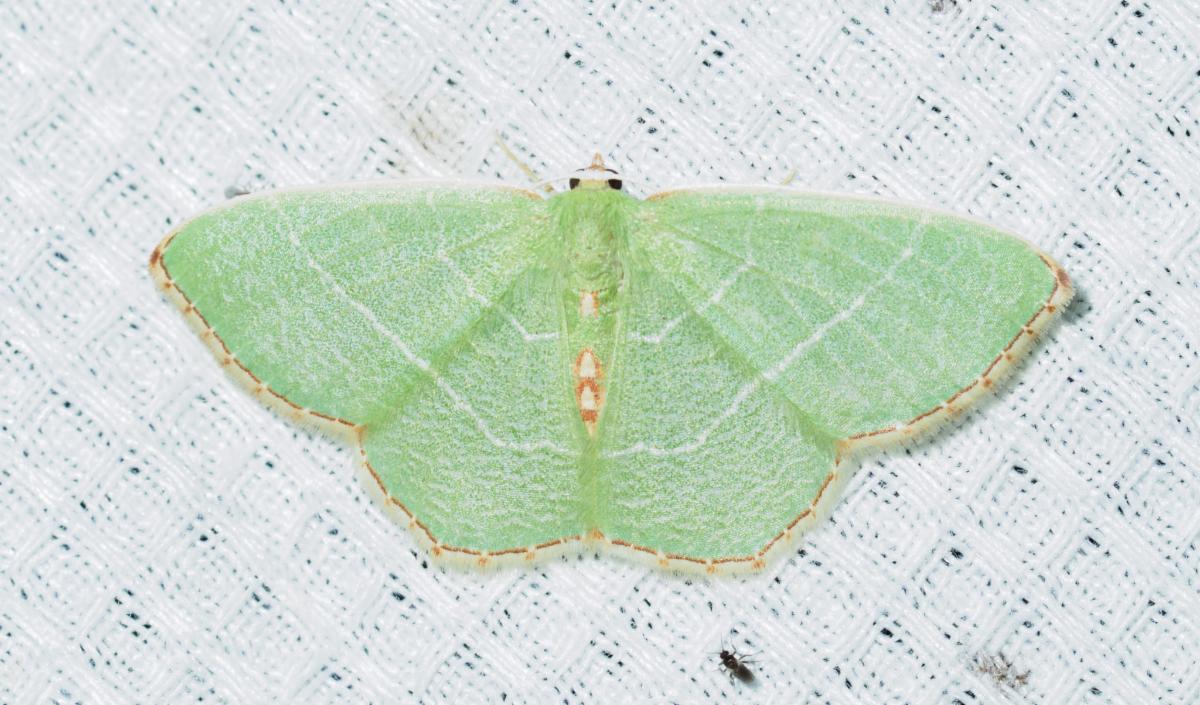
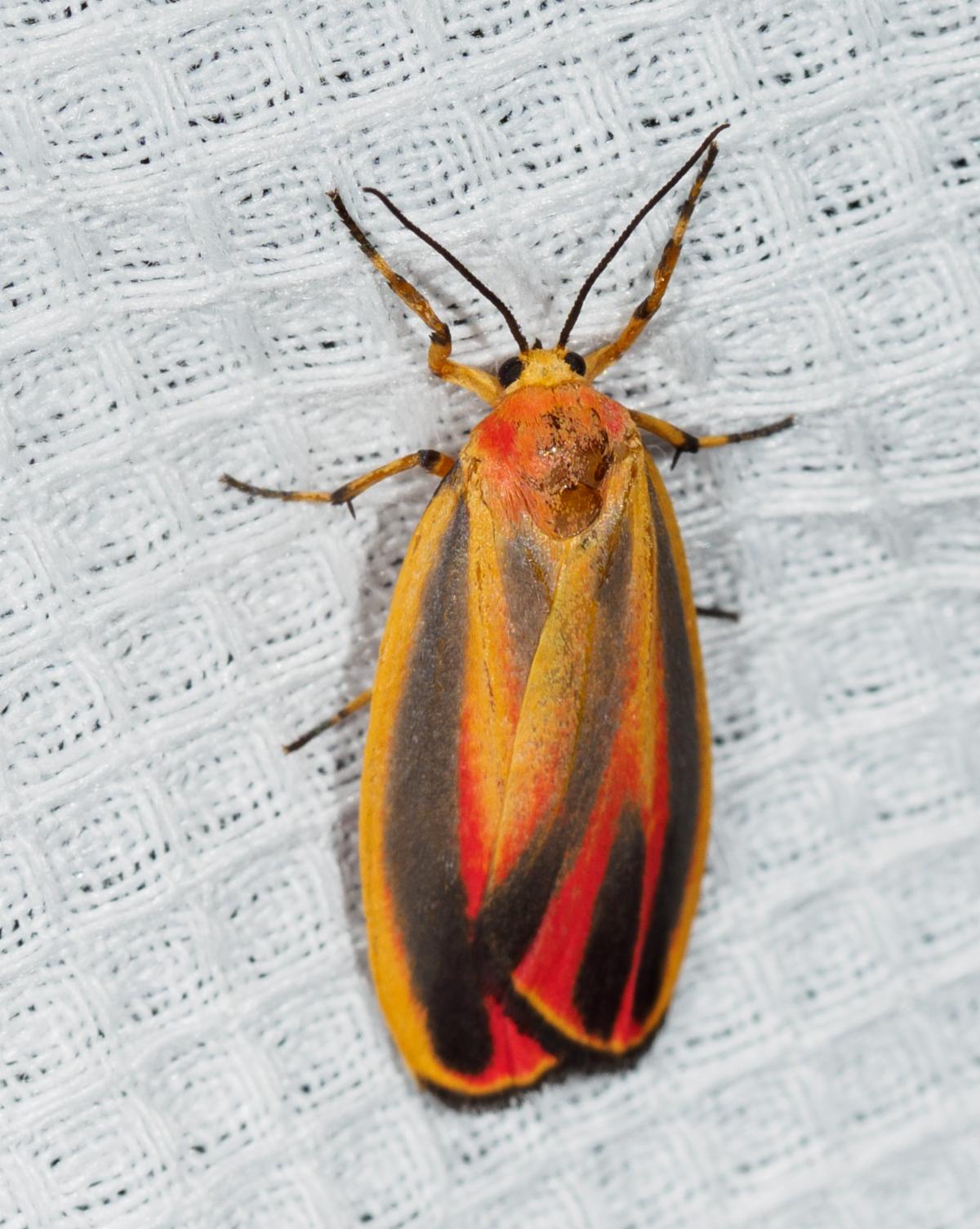
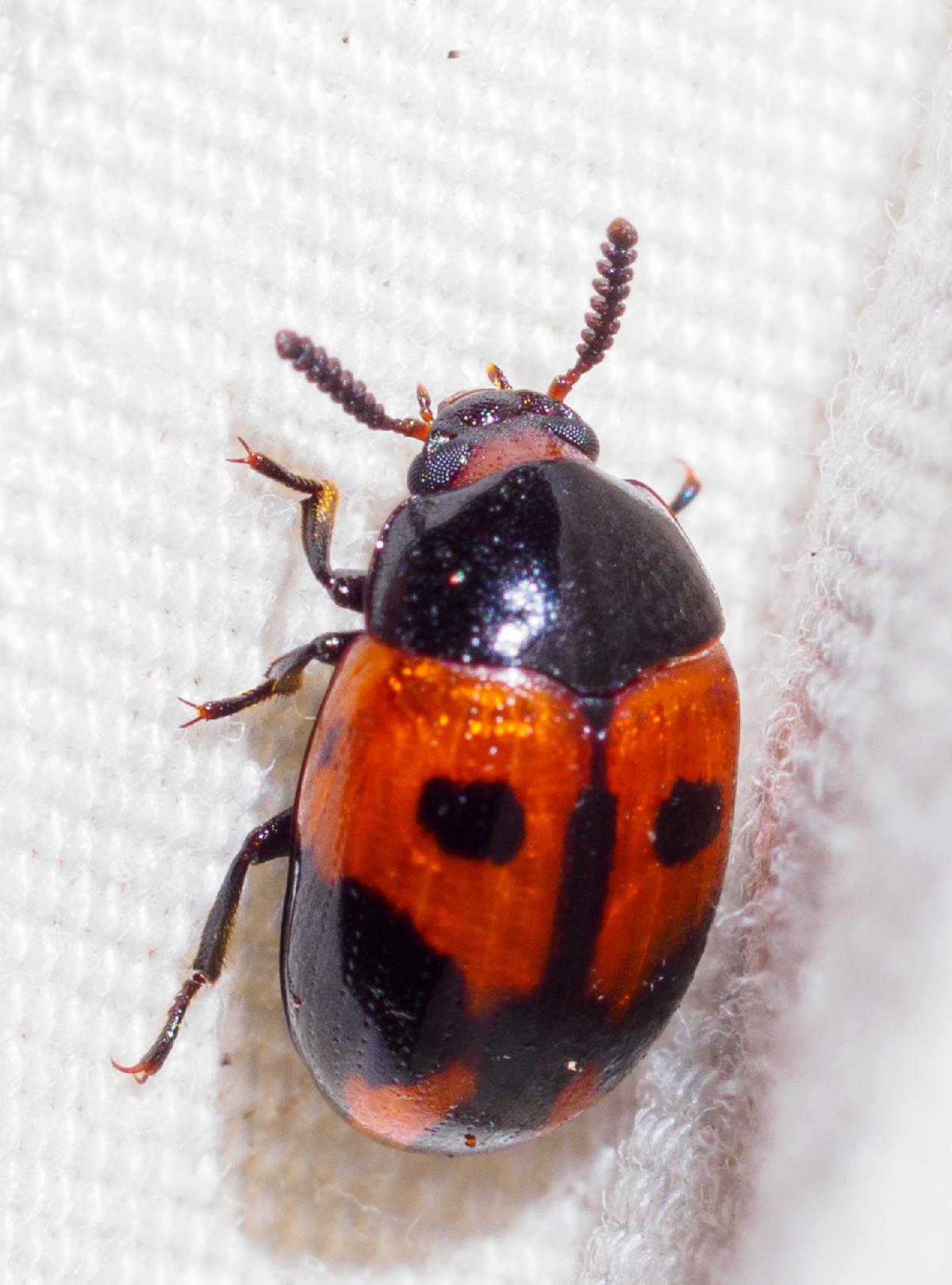
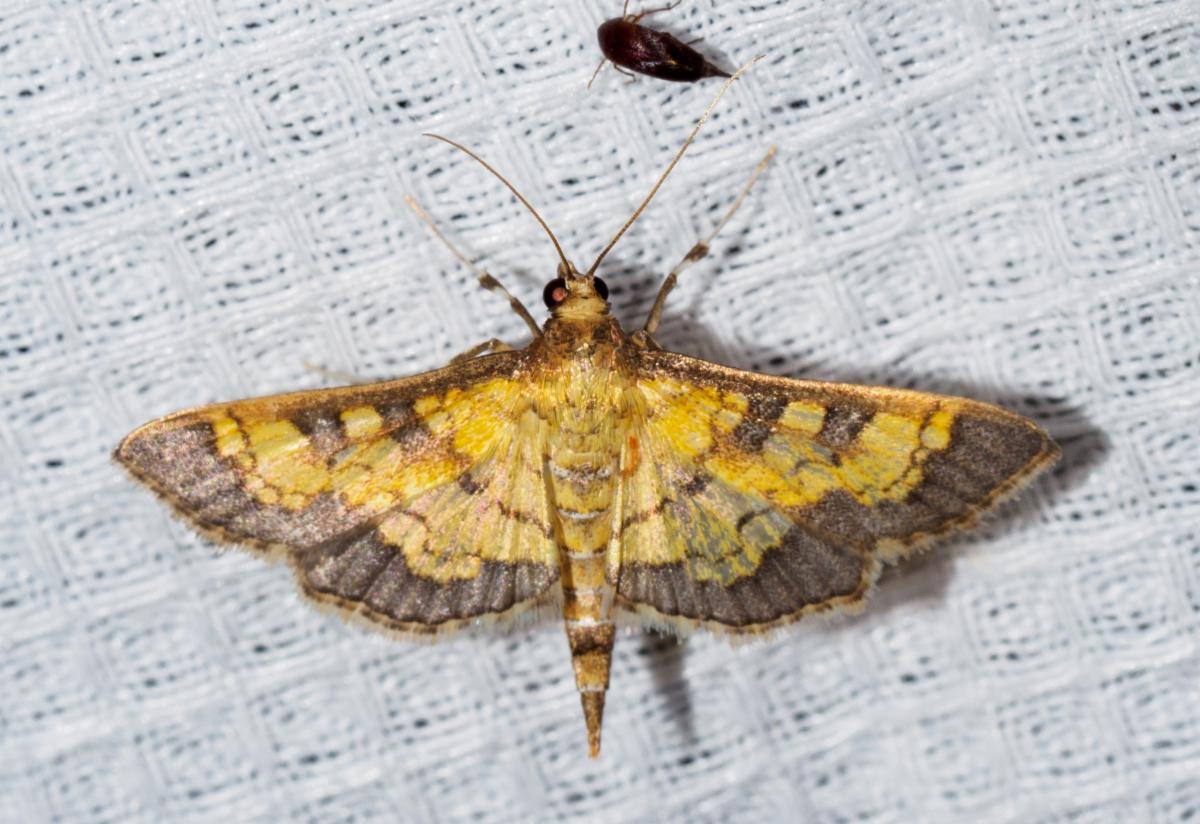
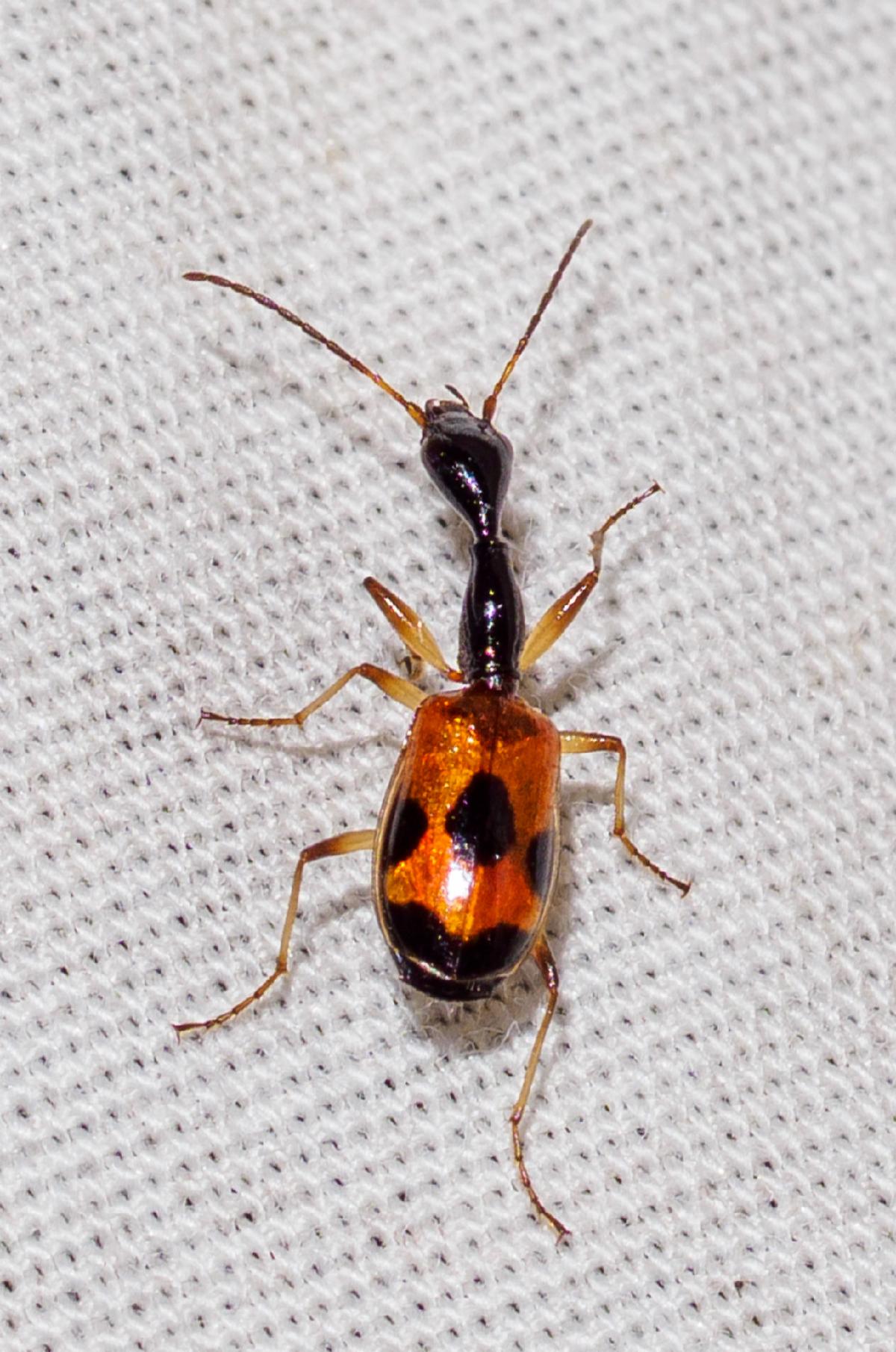
Here a just a few species we found under the moth lights.

Painted Lichen Moth

(c) Jim Brighton


Two-spotted Diaperis
(c) Jim Brighton

Darker Diacme Moth

(c) Jim Brighton

Long-necked Ground Beetle

(c) Jim Brighton

Maryland Plant Atlas

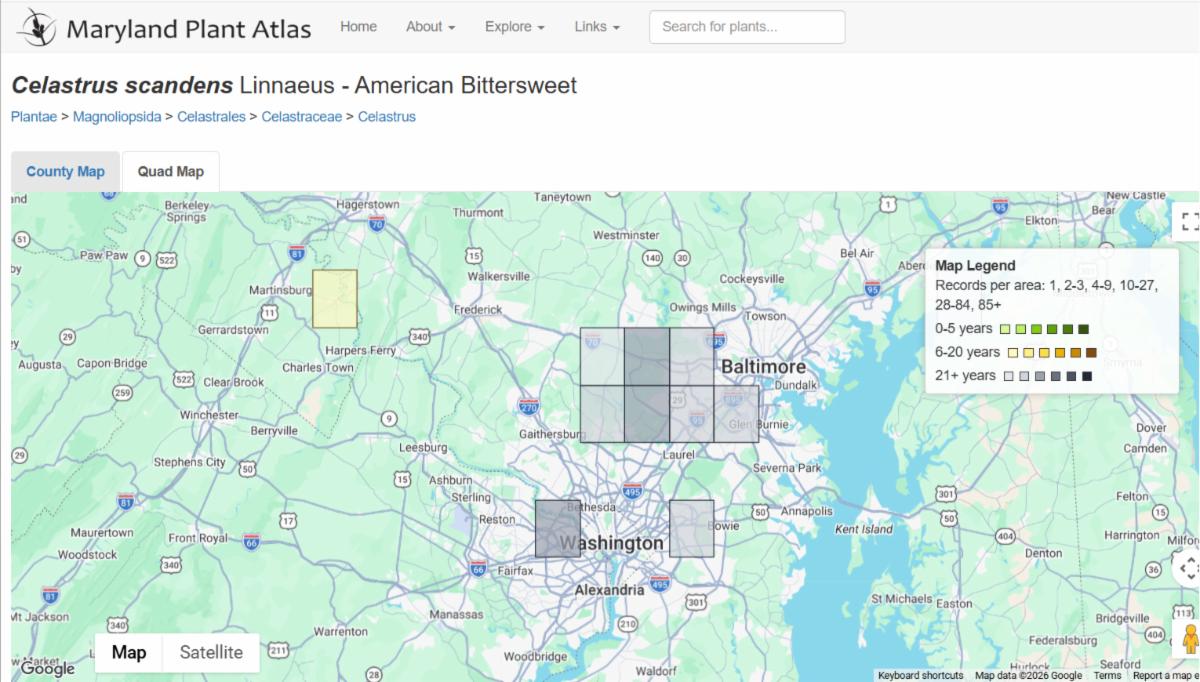
Did you know that the Maryland Plant Atlas shares the same database as Maryland Biodiversity Project? Yes, any plant observations you share with MBP benefits both efforts! The Maryland Plant Atlas website (https://marylandplantatlas.org) has a number of really cool features not available on the MBP website (at least yet!). Here's the latest. When you view the map for any species, the quads have color coding that show at a glance the last time the taxon was reported. So here you can see that nearly all of our data for American Bittersweet is over 20 years old. That supports our anecdotal evidence that this species has all but disappeared, replaced by the abundant invasive Asian Bittersweet.tps://www.marylandplantatlas.or

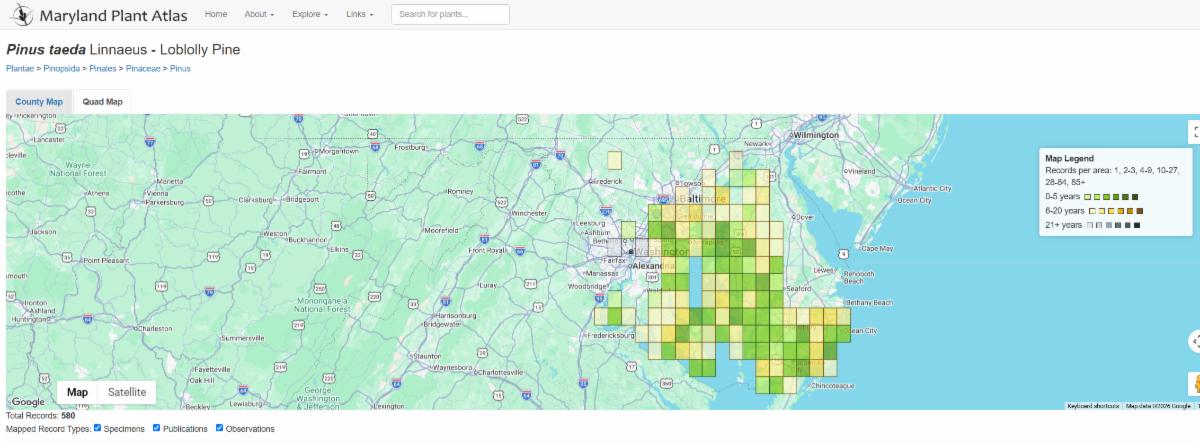
Below is the map for a more common species, Loblolly Pine. You can see our data from its coastal plain range is much more recently gathered. Loblolly Pines have their own challenges with saltwater incursion from sea level rise, but it remains abundant on the Eastern Shore. Regularly contributing data of even the common species will keep our maps fresh and give science, conservation, and education efforts an up-to-date view of species ranges.

Resources & Guides on the MBP Blog

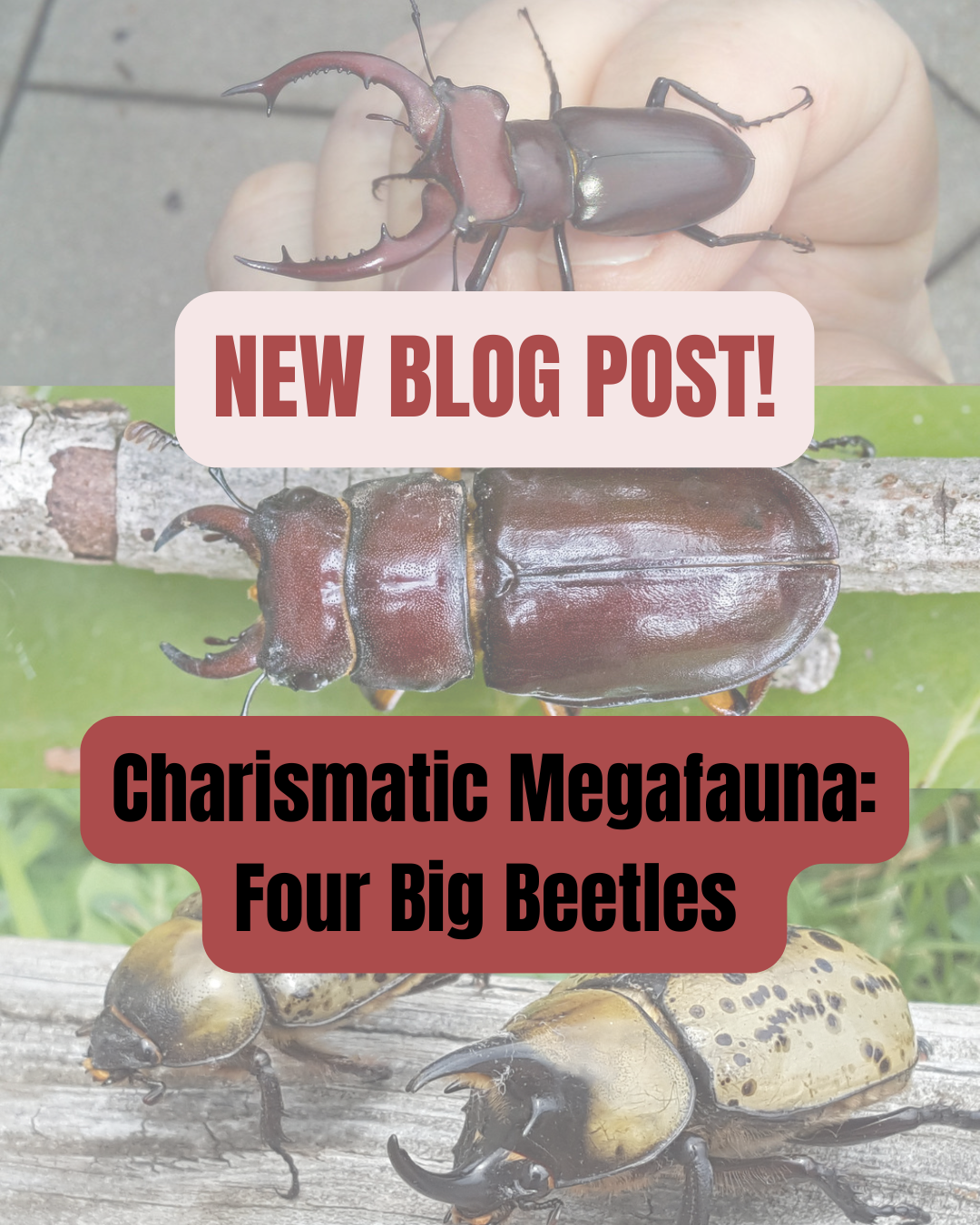
Have you seen these big beetles?

MBP posts daily on Facebook and Instagram, but there's even more exciting information on our blog! Check out the article Tyler Bell wrote that is a great guide on how to look for a few big beetles reaching peak emergence over the next couple months.


Read the blog post here!


Conservation Corner


Water Wisely


According to the Maryland Department of the Environment, large areas of the state are under a drought warning. "While there are currently no statewide water shortages or restrictions, three consecutive years of dry weather and recent lower-than-average rainfall amounts mean voluntary water conservation by homeowners and businesses is encouraged."


“Every drop counts when it comes to the smart use of water,” said Maryland Department of the Environment Secretary Serena McIlwain. “We all play a role in protecting our water supply, our ecosystems, and our economy. By voluntarily conserving water today, we can avoid stricter mandates in the future.”


Fear not! There are many ways to conserve water and keep your landscape happy healthy, according to the University of Maryland Extension such as:


Water conservation practices

In our warming world, gardeners may need to water more carefully to keep plants healthy and thriving, while also being mindful that water resources are limited. Making gardens and landscapes more resilient to dry conditions can be approached in two broad ways:


  1. Reduce the need for watering in the first place. This can be done with good soil management practices to hold rainwater in the soil longer, thoughtful selection of drought-tolerant plants, management of runoff, and capturing and holding rainwater on-site for later use.
    
  2. When irrigation is needed, use practices to minimize water waste. This includes monitoring soil moisture level, mulching, timing and targeting your watering to top-priority plants, and using water-conserving irrigation equipment only as needed.


For more information and suggestions about creating a Water Wise landscape check out their website here.


Home

Checklist

Blog

FAQ

Contact

Maryland Biodiversity Project | PO Box 1316 | Easton, MD 21601

What is Maryland Biodiversity Project?

Maryland Biodiversity Project (MBP) is a 501(c)(3) nonprofit dedicated to cataloging the living things of Maryland. Together, our community maintains a living atlas of the state’s flora and fauna and makes this carefully curated biodiversity archive available for science, conservation, and education. The MBP community has documented more than 22,000 species, including more than 14,500 species with photographs, featuring contributions from over 33,500 naturalists and photographers.


Facebook  Instagram  LinkedIn