|
‘If we look attentively enough at outward, material things, we are recalled by them to inward, spiritual things.’ Gregory the Great (540-604 AD)
One of my earliest and most abiding experiences of the reality and presence of God happened when I was a boy--- I forget how old but certainly pre-adolescent. I had been playing outside one summer day in the late afternoon--- as I most always did until supper time. After running around non-stop, I collapsed on a slope of grass just outside the neighborhood and near the woods. I just laid back and took in the sensation of the sheer beauty of the afternoon and then, looking up at the sky (was it clear or cloudy? --- I can’t remember), I was suddenly struck by an overwhelming awareness of the presence of God--- struck dumb, silent and still.
The religious influence of external nature has a strong pull on us. I don’t mind admitting that this influence is more emotional than intellectual. I think it certainly lends itself to rational or intellectual reflection and so be it--- but the reality of the experience is in and of itself a strong pull towards the transcendent. Let the philosophers ponder and bicker--- I am happy to smile and affirm quietly within my heart the sentiment expressed by the early church fathers, and summarized by Cyril of Alexandria (d. 444 AD):
‘The wider our contemplation of creation, the grander is our conception of God.’
Eighty-six miles due west from the exhaust fumes and billboards of Blanding Boulevard in Orange Park where I live, Camp Weed is situated as a serene oasis of water and green lawn and trees just off the highway between Live Oak and Lake City. It is a living testimony to the sentiment so aptly put by the poet and hymn writer William Cowper (1731-1800):
‘God made the country, and man made the town’.
Camp Weed celebrates this year its hundred-year anniversary. In its several locations from St Augustine to the Panhandle and Gulf of Mexico to its current site just off the highway midway between Tallahassee and Jacksonville, it has consistently been a place where so many testify to the sacramental experience of communion with God through the outward, material beauty of nature. And the testimony embraces both a sense of individual encounter but also of a strong communion through fellowship and community. Bishop Frank Juhan, in the late 1930s, in a moment when the Diocese prospered, before the looming prospect of war, spoke of Camp Weed as one of the Diocese’s most influential institutions--- not only as a place of beauty, but as a workshop of Christian formation where discipleship and vocations would be forged.
This April e-Newsletter, in Eastertide, joins in celebrating Camp Weed’s centennial. I hope some of the articles here will help each of us give thanks for the life and ministry of our camp and conference center.
‘Praise God, from whom all blessings flow; Praise Him all creatures here below; Praise Him above, ye heavenly hosts; Praise Father, Son and Holy Ghost!’
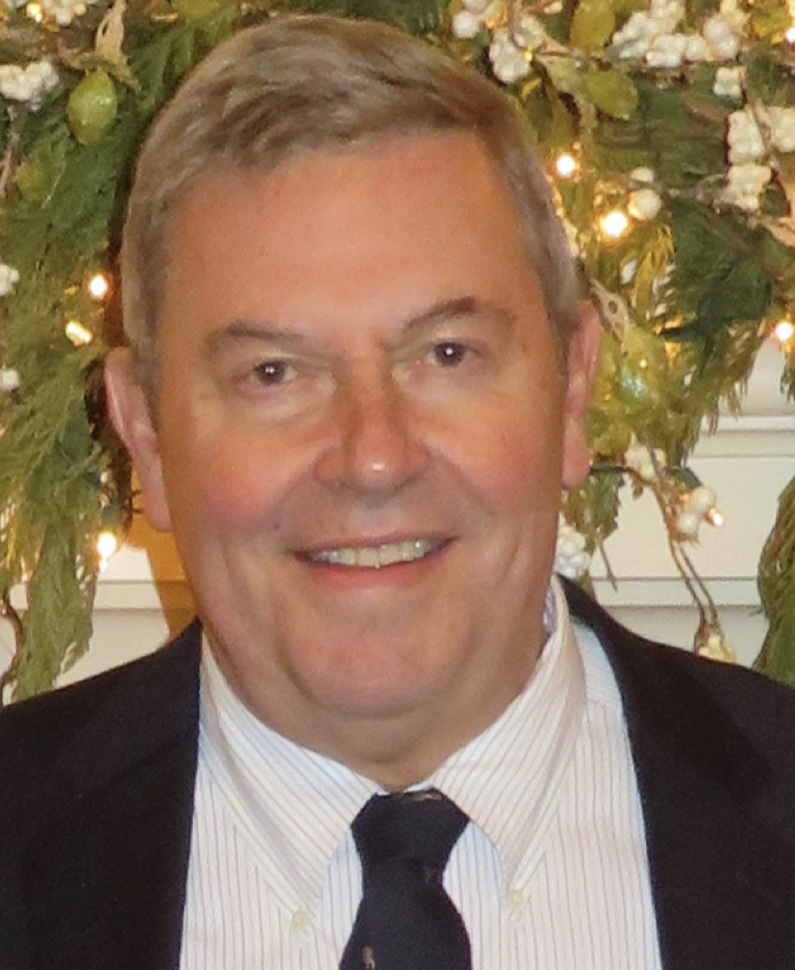
Douglas Dupree
| | |
An Interview with Sam Marxsen,
Director of Summer Camp & Youth Programs
| | |
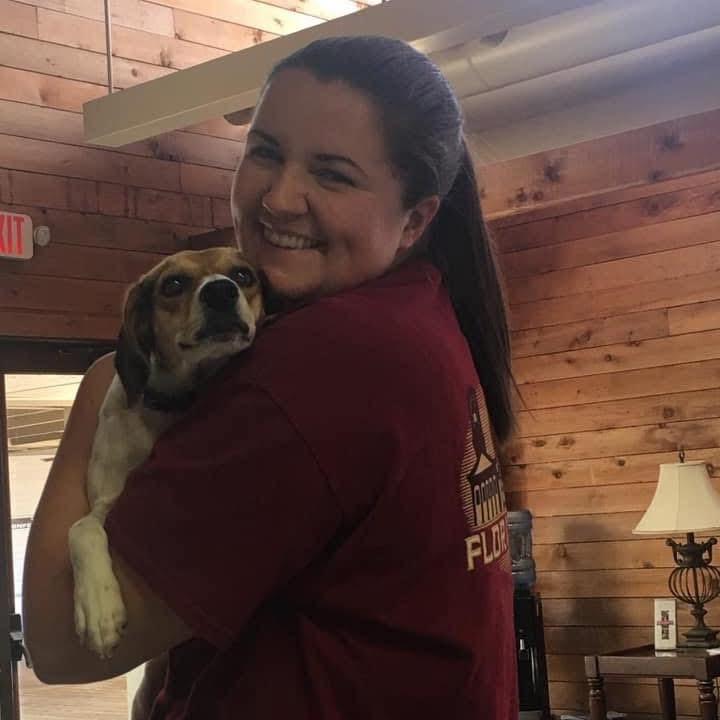
Sam (Samantha) Marxsen has been Director of Summer Camp and Youth Programs at Camp Weed since graduating from FSU in psychology in 2019 and she saw the Diocesan youth ministry through the challenges of the Pandemic.
She is excited to work with Lauri SoJourner, the Executive Director and the staff in the continuing development of Camp Weed and the Cerveny Conference Center during the Centennial and especially in their goal to raise $12,000 between Camp Weed Sunday on May 4th and Camp Weed Day of Giving on May 7th.
Interview
1. Sam, if you would, start us off by bringing us up to date with you--- you have been so instrumental in putting Camp back on the map post-COVID and restoring the summer camps program to its vitality and growth.
Being a ministry that is focused on bringing people together, both physically and spiritually, COVID years were certainly a strange time here. We did our best to keep the things going that we could, but we didn’t really get back to a level of regular functioning until 2022 and even then, it was a slow start.
The most encouraging thing to me, both at the time and now, is the people who have such a passion for this place. Souls were on fire to get back here, and that remains true now outside of a pandemic as well. Guests walk through the office doors and give a sigh of relief that sounds like their daily stress and worries being left at the door. Returning campers are excited (usually) to leave their devices behind and not worry about anything but having fun. It’s life giving to see the joy, respite, and love that people find here, and I continue to be honored to be a part of that experience.
2. The summer camp program goes from strength to strength, and you added some camps last summer. What brought the children and young people back to camp and why do you think it is growing?
I think the acceptance and love of the community that is formed here each week of camp is what continues to draw our campers back. Our staff are instrumental in creating that environment, as most of them have had the same experiences as campers themselves, and now as adults, find that it is still just as much of a place where they can be themselves. I’ve had more phone calls from parents that start with “we heard about you from a friend” this year than ever before. Our campers that have found this place to feel like home simply want their friends to come experience it too!
3. What have you learned about the young in our Diocese and how a summer camp at Camp Weed contributes to their Christian growth and formation and just overall to their health and happiness?
I’ve learned that camp can be such a turning point for someone’s faith in general. It’s so easy for so many of our youth to just see church as the place they’re forced to go to on Sundays instead of getting to sleep in. For some of them, camp is the first time they find Jesus outside of church. Whether it’s playing a game of Gaga Ball during summer camp or on a full Happening weekend, Jesus is the center of everything we do here, and it creates this level of radical acceptance.
It’s incredible how many times I hear campers say something like “I just get to be myself when I’m here”. I think experiencing that themselves then leads to a bigger investment in their own faith and formation. And knowing they have a place and community to go to where they will always find that acceptance creates such a foundation to build from.
4. Do you see the summer camp program and the other youth centered events at Camp Weed and Cerveny Conference Center throughout the year as actively contributing to the life and renewal of the Episcopal Diocese of Florida--- as a whole and as a family?
Absolutely! I hear so often that youth are the future of the church, but I see firsthand every day that they are not the future of the church. They ARE the church. So many of our youth come here and experience a Happening weekend or a week of summer camp and can’t wait to get back to their churches to get more involved and find more of that accepting community. I’ve also seen many find ways to create more of that community within their churches themselves.
5. Your summer camp program relies on the guidance and leadership of older youth, high school and college, to make each camp work well. Tell us a little bit about how you recruit your staff and the importance of their work. And perhaps, also, what do members of the staff take from participating in the camps?
Truthfully, I’ve had to do very little recruitment over the last couple of years because so many of them are already lined up and ready to fill out a staff application before they’re even open. Like I said previously, the acceptance of the community here is what brings our campers back and I think it’s safe to say that’s true of our staff too. In their interviews, so many of them tell me how eager they are to give back to the community that was so important to them growing up. They mention particular counselors that impacted them and want to be that same role model for their own campers. For some of our campers, they may be the only young adult role model they’ve had.
Most of our staff take those experiences and turn them into their own growth. Over the course of the summer, I see them find confidence in themselves when it comes to leading and taking charge. Their problem-solving skills are often tested amid the chaos with a purpose that we call camp. And those skills certainly transfer over into the rest of their lives outside of camp after a whole summer.
6. Share with us your vision of the future of Camp Weed? What are the goals you would set for the future of Camp Weed and how might we achieve them?
My vision of the future for Camp Weed is simply the ongoing growth and expansion of this community and the ministry we already do here that will allow this place to continue for another 100 years. Under our Executive Director, Lauri SoJourner, we’ve already set some goals as a staff to help make this happen, such as improving the physical infrastructure, which we are doing by updating roofs, decks, and other spaces with long-needed repairs. Another goal we’ve created is to raise $12,000 between Camp Weed Sunday on May 4th and Camp Weed Day of Giving on May 7th.
Each parish should be receiving lots of information about this now and in the coming weeks leading up to those dates, but you can also read more about it and how you can help contribute to this goal here! Thank you so much for asking me to be a part of this month’s Bishop’s Institute Newsletter!
Sam Marxsen
Camp Weed Summer Camp
Director of Summer Camp & Youth Programs
| | |
Photos of Camp Weed at
Hibernia and St. Teresa
| | |
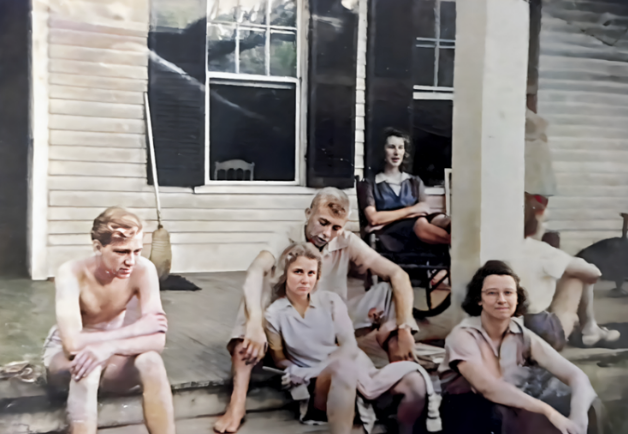
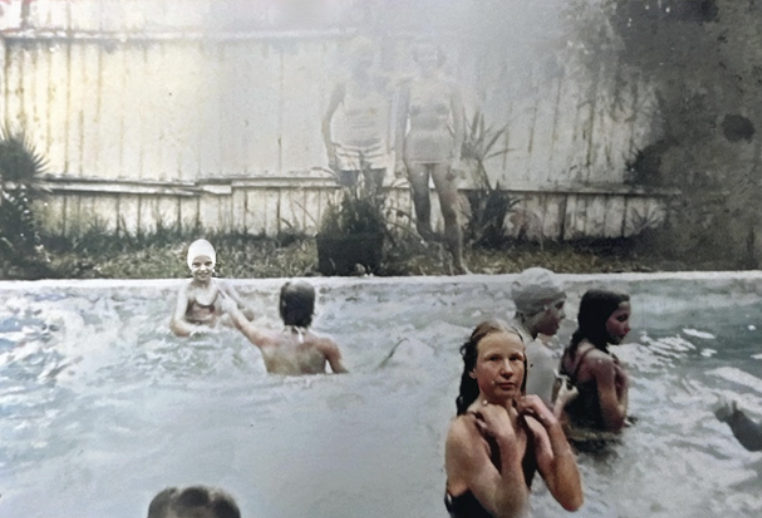
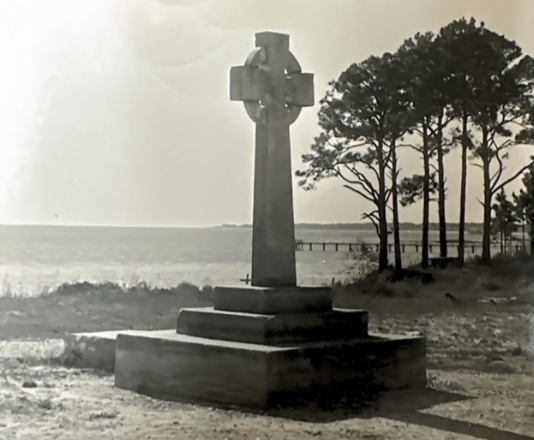
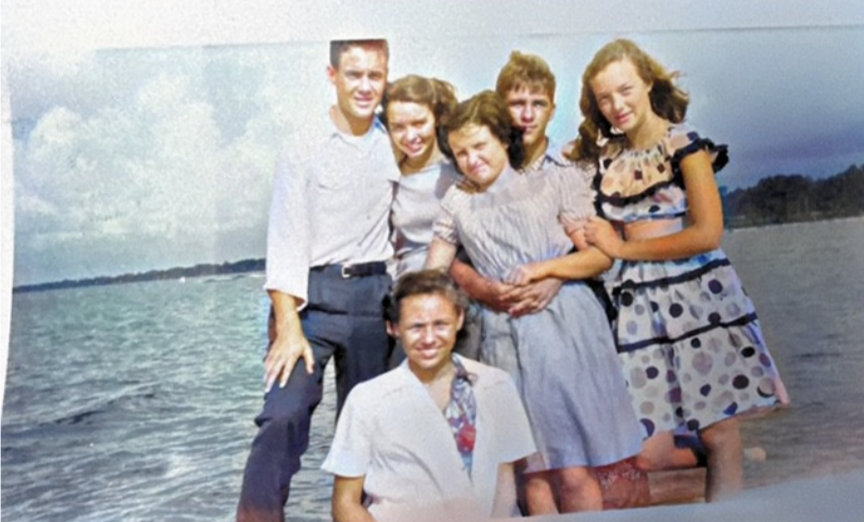
From the photo album of Betty Ann McCarty
The first summer camp in the Diocese of Florida was held near St Augustine Beach in June 1924. From there it moved to a location near Panama City on St Andrew’s Bay. Camp Weed remained in Bay County until WWII when it was temporarily moved for four summers to Hibernia (Fleming Island) on the St Johns River, housed in the old inn on the river. After the war, the Camp returned to the Gulf and St Teresa until that property was sold in 1978 and Camp Weed moved to its present 500- acre location on White Lake near Live Oak.
Betty Ann McCarty, nee Roberts, is a member of St Mark’s Church, Jacksonville and the widow of the Rev. Barnum McCarty (b. April 10, 1930), Rector of St Mark’s from 1971-1995. Betty Ann was born and brought up in Tallahassee and is a graduate of FSU. She first attended Camp Weed when it was at Hibernia when she turned 10, encouraged by her four cousins from Tallahassee, the Gehan sisters.
Barnum McCarty grew up in Jacksonville and in St John’s Cathedral and attended Camp at Hibernia and at St Teresa---as a camper, as a member of the work crew and as its second Director. Barnum and Betty Ann were both at FSU their freshman year until Barnum moved to Sewanee where he attended college and seminary. He was ordained in June 1956 and he and Betty Ann were married two months later in August. After serving as Rector of Trinity Church, Apalachicola 1956-1959, Barnum was Director of Camp Weed and the Diocesan Director of Youth until he answered a call to be Rector of St Andrew’s, Panama City in 1962.
CAMP WEED AT HIBERNIA
| | |
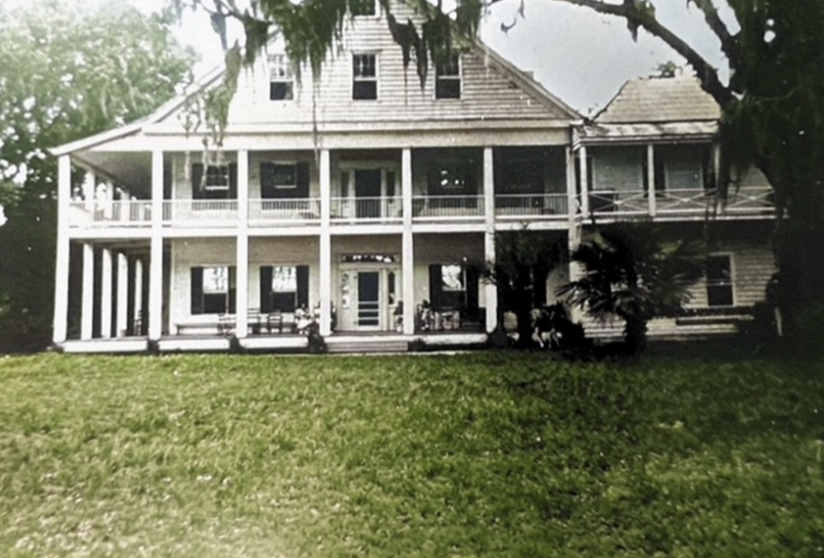
America’s entry into WWII stopped the construction of Camp Weed at its new sight at St Teresa, on the Gulf forty miles south of Tallahassee. The camp itself did not stop as Bishop Juhan rented Hibernia on the St Johns River-- the large Fleming house turned tourist resort on Fleming Island.
The three-story house was home for four summers to Camp Weed and the summer camp continued to grow bigger there than ever in spite of war time rationing of gasoline and food.
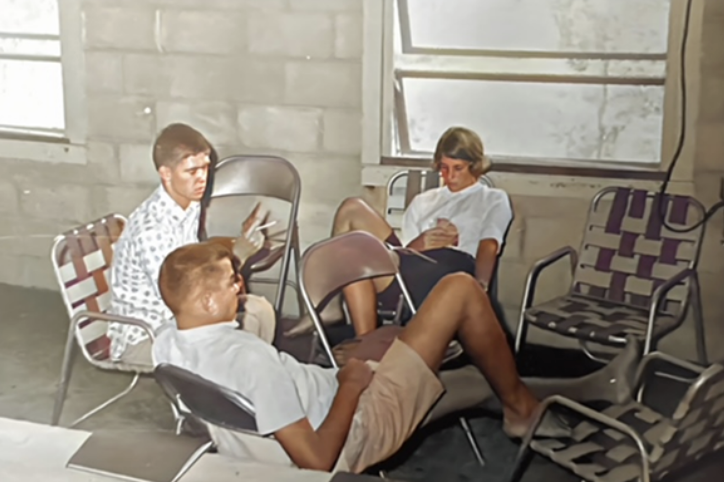
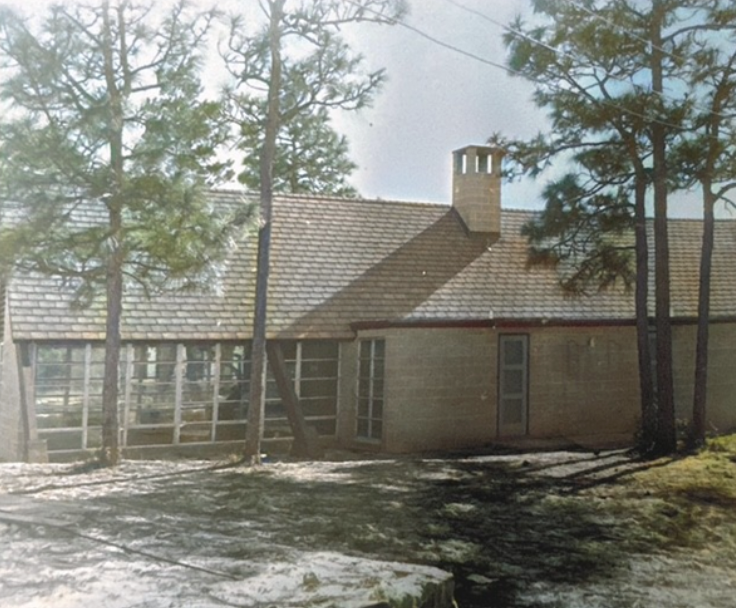
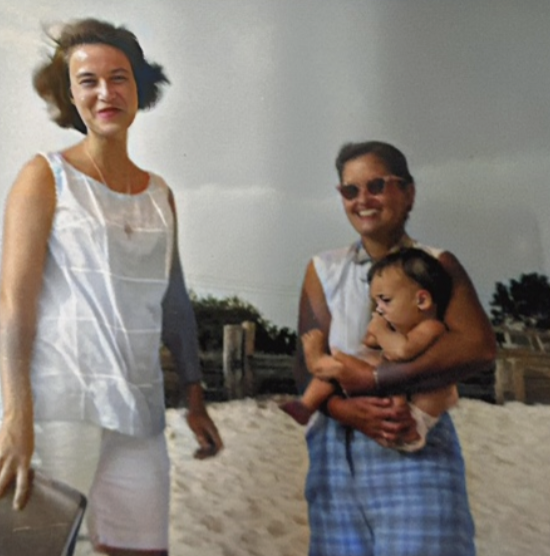
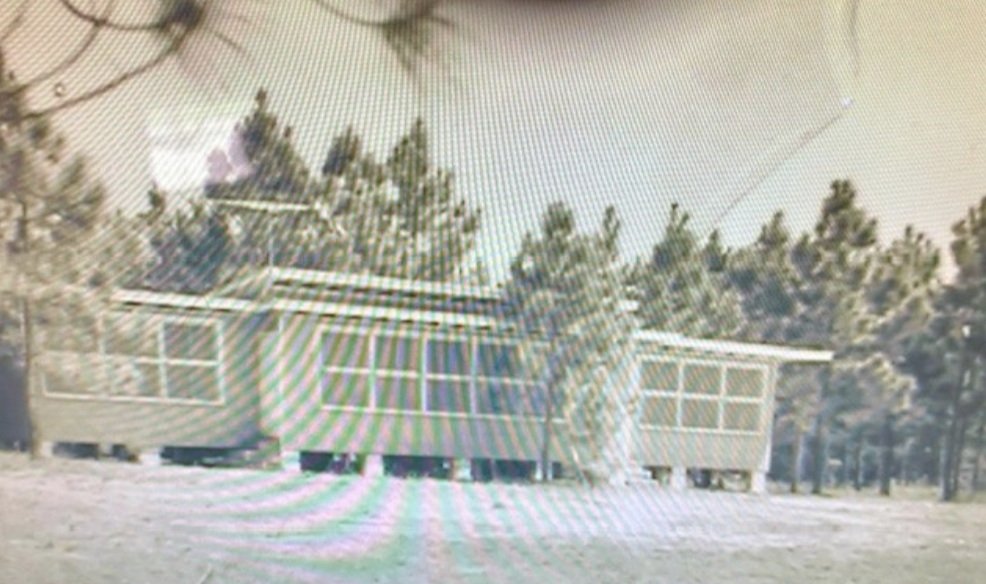
| | Resting in the foreground with her back to the column is Louise Gehan. She and her sisters were camp counselors and did a lot of work to support their church and the Diocese. We hear of ‘the Juhan Boys’ in reference to the young men who went to seminary from the Diocese on the encouragement and support of their Bishop. Betty Ann reminds that there were also ‘Bishop Juhan’s Girls Friday’—like the Gehan sisters from Tallahassee--- totally dedicated to serving their church, the Diocese and Camp Weed. | | Great fun in the large, cool swimming pool surrounded by a fence near the boathouse in the hot, humid north Florida summers. | | The concrete Celtic cross that served as a beacon on the beach at Camp Weed was constructed by the Rev. Frank Dearing (1906-1989) with the able assistant of the Camp Weed youth work crew that included Barnum McCarty. | | A group of young campers, some from St Paul’s, Quincy, including Mary Stuart, standing in the forefront and Jimmie Auman in the background, right. | | Quiet time at camp in Juhan Hall with future Diocesan priests (and Camp Weed directors) Harry Douglas (left) and Barnum McCarty (right foreground). | | |
A newly constructed campers’ cottage at Camp Weed during the time the Rev. Canon Harry
Douglas. In 1954 he became the first full time Director of the Camp and Conference Center
(Camp Weed), and the Director of Youth for the Diocese of Florida. He was the founding priest and first rector of the Church of the Advent, Tallahassee.
| | The Director’s wife (Betty Ann) with a friend at Camp who was there with her family. | | The Camp Director’s cottage at Camp Weed. Shortly after this photo a screened porch was added. | | A Camp Weed & Cerveny Conference Center Parish Retreat | | |
Deeper Connections
By Geriann Friday,
Redeemer Episcopal Church, Jacksonville
If you have ever had the pleasure of attending a church retreat, you understand that there are many benefits to getting away from day-to-day busyness and taking a moment to pause. It is often the PAUSE that will give us the most benefit, especially when we so often feel the pull to do-do-do. It is the pause that will allow us time to feel. To be. To allow the deeper connections that God has planned for us. If you have not had the opportunity to attend a church retreat yet, let me share my perspective.
I consider myself a newer member of the Redeemer Episcopal Church on the Southside of Jacksonville. My spouse and I moved to Jacksonville from Minnesota in November of 2020. With me a cradle Catholic, he a Lutheran (ELCA), and coming during the Covid shutdowns, it took us several tries to find the right parish for us. Just before Easter in 2022 we came to worship at Redeemer and instantly felt like we found our new church home. We have been active parishioners through presenting elements, helpers with parish clean-up days, adult faith formation, many foods related events (of course!), and I am also the Program Coordinator for our CREW (Caring Redeemer Episcopal Women) group, to name a few. Three years ago, our parish had our first post-Covid retreat, and we have had the pleasure of attending the following two years as well. Every year, I am amazed at the way God works through the retreat as a time to create deeper connections within me: to my faith, to Camp Weed, and to the other retreat participants.
To continue reading, please click here.
| | Reminiscing Camp Weed and The Bishop's Institute | | As we honor Camp Weed and Cerveny Conference Center on this her 100th anniversary, I have been recollecting the alliance of the Bishop’s Institute --- on this her 10th year anniversary ---- and our camp and conference center. Camp Weed was, from the earliest days, viewed as a vital center for Christian catechesis and formation. In the 1930s Bishop Frank Juhan had said he had a dream “that our Camp Conferences can become our summer workshop for the building of a splendid Cathedral in this Diocese . . . not a Cathedral built with stone but one that will reach from Pensacola to Crescent City; a Cathedral built of life’. | | |
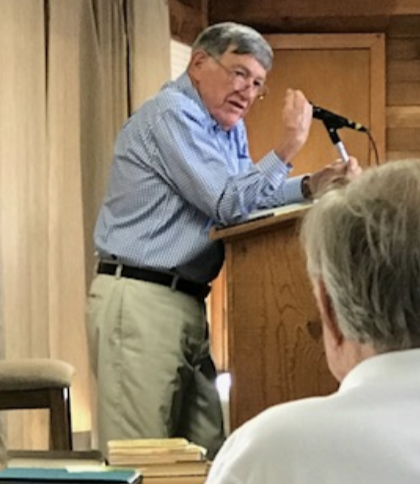
Dr Earl Palmer lecturing on ‘C.S. Lewis: The Mere Christian Who Helped Us Believe’
In 2014 Bishop Howard inaugurated the Bishop’s Institute fulfilling a long-standing dream of his episcopate to found an educational institute for the Diocese. One of the earliest meetings I had after starting work with the Bishop’s Institute in 2015 was with Dr Charles Wallace, the new interim Director of Camp Weed. Bishop Howard brought us together and said he wanted our two institutions to be partners together in providing educational opportunities for the Diocese. That meeting was in June and soon thereafter the first conference of the Bishop’s Institute was held at Camp Weed the weekend of September 18-20, 2015, ‘A Weekend with C.S. Lewis’ led by the renowned Presbyterian author and teacher, the Rev. Earl Palmer. Some 150 laity and clergy from across the Diocese attended. Dr Palmer was so popular that he returned annually to be with us in the Fall at Camp Weed for five years running with marvelous talks on C.S. Lewis, Dorothy Sayers, Dietrich Bonhoeffer, the Gospel of John and the letter to the Ephesians.
| | |
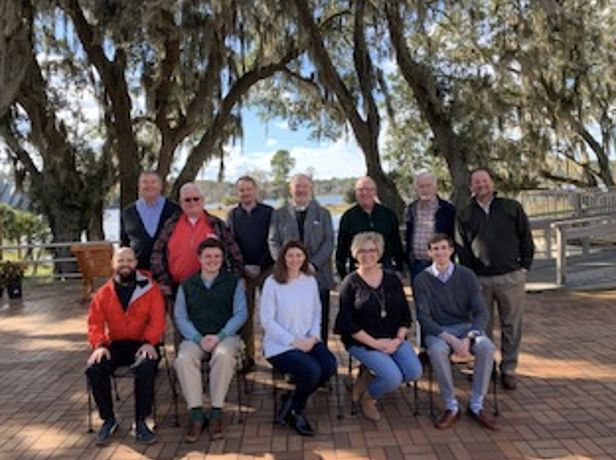
Seminary seniors and Examing Chaplains’ Retreat January 2020
Another speaker who proved popular with the Bishop’s Institute and who returned on several occasions to Camp Weed is the author and spiritual workshop leader Carl McColman. He led his first weekend for us in November 2016 on ‘The Wisdom of the Celtic Saints’. This was followed by ‘The Anglican Communion’s heritage of saints, mystics and spiritual followers’ and a retreat tailored specifically for students from colleges and universities within the boundaries of the Diocese.
To continue reading, please click here.
| | |
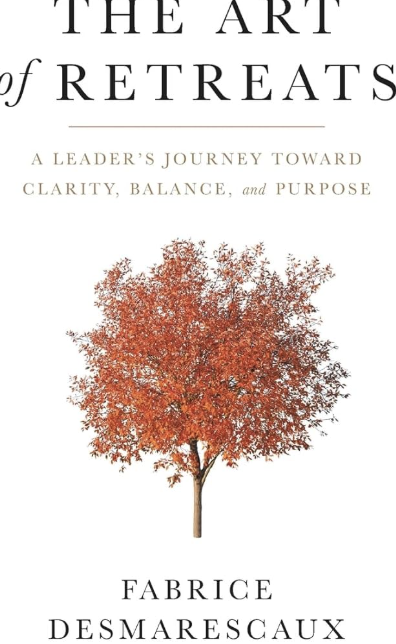
Fabrice Desmarescaux. The Art of Retreats: A Leader's Journey Toward Clarity, Balance, and
Purpose Paperback – February 18, 2022.
The book is designed for leaders in any institution or business to learn how time apart is vital to
both their own health and that of their work.
| | |
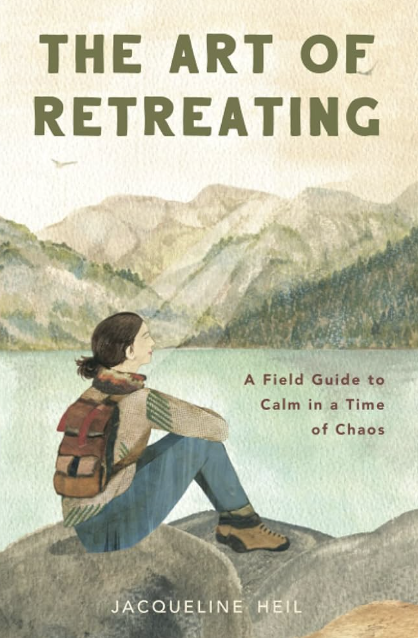
Jacqueline Heil. The Art of Retreating: A Field Guide to Calm in a Time of Chaos Paperback –
May 12, 2021.
Retreating – whether for an hour, a weekend or longer -- is a gift you give yourself to nurture
and support your needs so that you can be your best self and share that light with others. ---from
Amazon review.
| | |
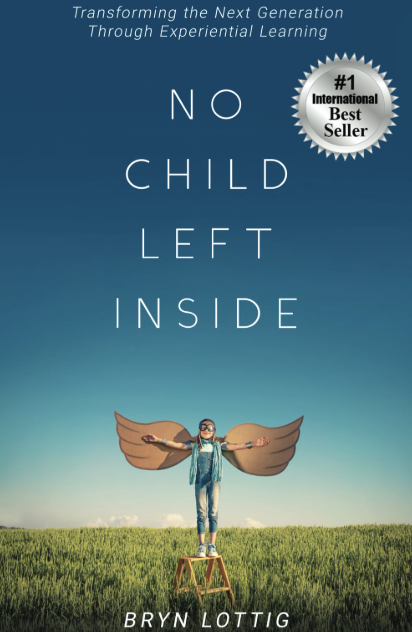
Bryn Lotting. No Child Left Inside: Transforming the Next Generation Through Experiential Learning Paperback – February 19, 2024.
Bryn's passion lies in crafting and leading programs that translate outdoor experiences into lifelong learning . . . She believes in empowering educators and students to embrace challenges as a catalyst for growth and discovery. . .. When she is not guiding wilderness trips for others, she pursues her own adventures as a pilot, scuba diver, and martial artist, constantly learning and embodying the resilience that she teaches. --- from Amazon
| | |
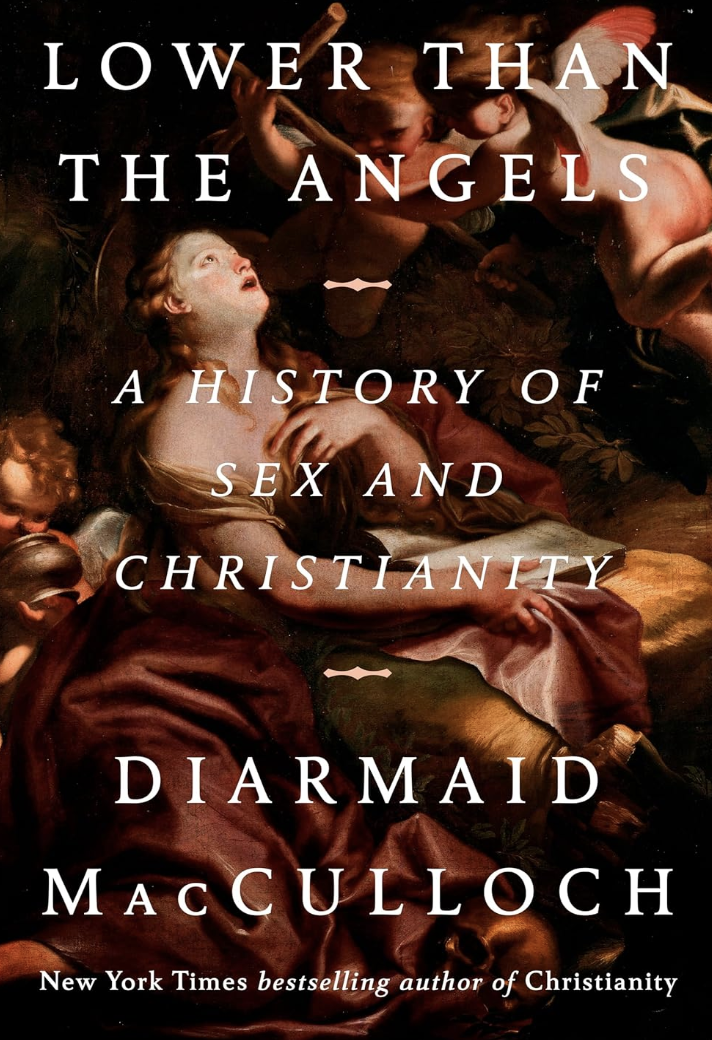
Diarmaid MacCulloch. Lower than the Angels: A History of Sex and Christianity Hardcover - April 15, 2025.
This history has received solid, good reviews all around. I did have laugh at the review title for it in the NYRB: ‘Sex with Christians’.
| | |
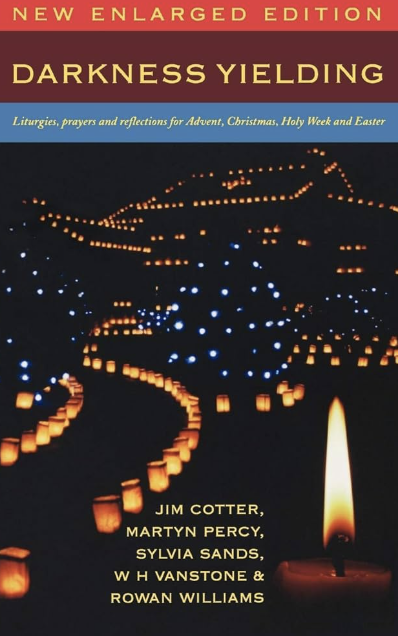
Rowan Williams, W.H. Vanstone, Sylvia Sands, Martyn Percy, Jim Cotter. Darkness Yielding: Angles on Christmas, Holy Week and Easter Paperback – November 1, 2007.
I have had this sitting on my shelf for years now and something moved me to notice it. It is a brilliant series of short, reflective essays helpful to guide us through holy seasons of the Church Year. The Holy Week poems of Sylvia Sands are piercing—just brilliant. Martyn Percy’s essay ‘Redeeming Judas’ set me thinking all week long.
| | |
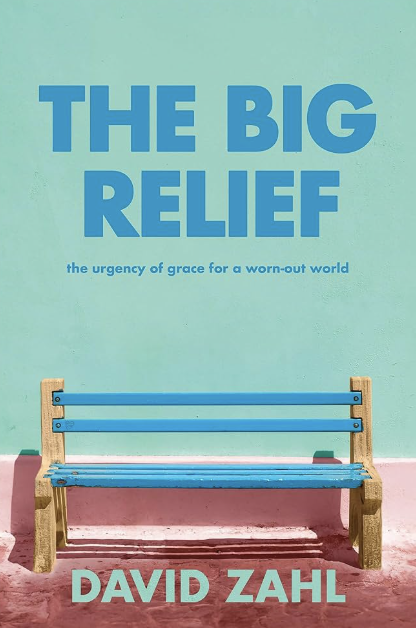
David Zahl. The Big Relief: The Urgency of Grace for a Worn-Out World Hardcover – April 29, 2025.
‘The central hope (and scandal, and paradox, and challenge) of Christian faith, brought down brilliantly to ground level for all of us weary souls.’
--Francis Spufford, author of Unapologetic and Light Perpetual
| | |
Michael Lewis (editor). Who Is Government? The Untold Story of Public Service Hardcover – March 18, 2025.
This is not a bland title about a bland subject. The book is inspiring and no wonder this is a bestseller. A star team of writers highlight the fascinating work and achievements of individual civil servants whose research and work are essential in advancing and protecting the progress and achievements of our beloved country.
| | |
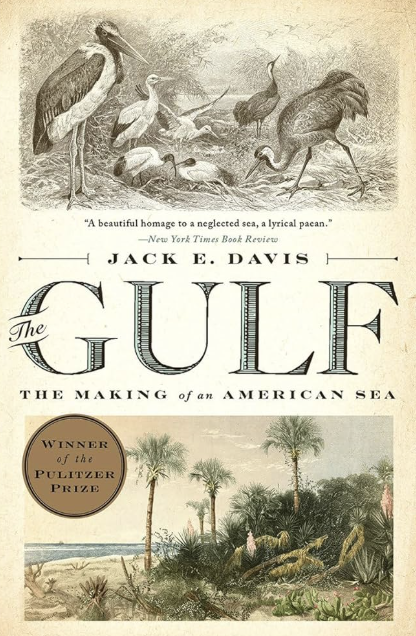
Jack E. Davis. The Gulf: The Making of An American Sea Paperback – Illustrated, March 20, 2018.
"A sensitive and sturdy work of environmental history. . .. [Davis] has a well-stocked mind and frequently views the history of the Gulf through the prism of artists and writers including Winslow Homer, Wallace Stevens, Ernest Hemingway and John D. MacDonald. His prose is supple and clear.”― Dwight Garner, New York Time
| | |
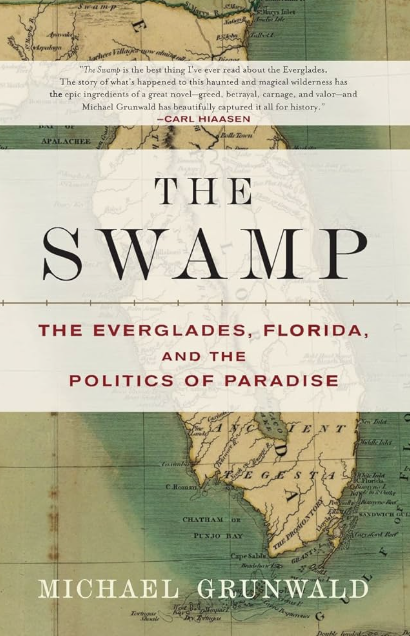
Michael Grunwald. The Swamp: The Everglades, Florida, and the Politics of Paradise Paperback – March 27, 2007.
The Swamp is the stunning story of the destruction and possible resurrection of the Everglades, the saga of man's abuse of nature in southern Florida and his unprecedented efforts to make amends. Amazon review.
| | |
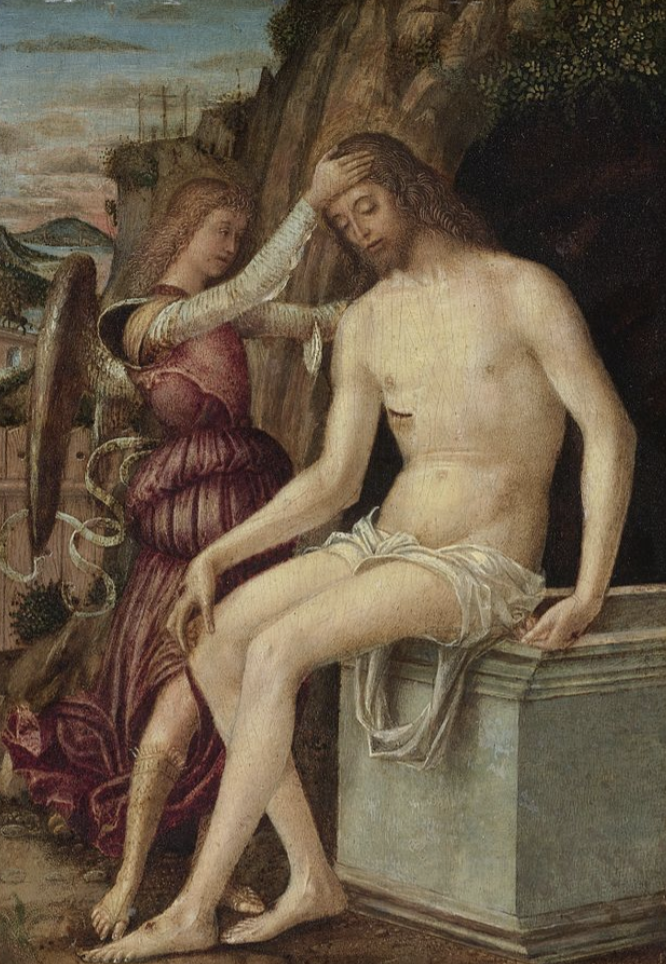
You followed man in his remoteness from God. Your humility descended into the lost depths and brought us back. Therefore, God has raised you to such a height, has given you that name which is greater than any other name; so that everything in heaven and on earth must bend the knee before the name of Jesus, and every tongue must confess Jesus Christ as the Lord...
In the hour, when you changed our fate, oh Lord, you were quite alone. No one was with you; there was no comprehension and no love. Alone, you carried our guilt before God‘s justice. But now you have taken us up in your redemption, and I beseech you to grant that I may know of you and be with you with my love. Amen.
Romano Guardini (1885-1968), Prayers from Theology
In Eastertide
Blessed be the God and Father of our Lord Jesus Christ, who according to his abundant mercy hath begotten us again unto a lively hope by the resurrection of Jesus Christ from the dead, to an inheritance incorruptible, undefiled, and that fadeth not away, to joy and rejoicing unspeakable and full of glory in him; to whom with thee, O Father, and thee, O Holy Spirit, one blessed Trinity, be ascribed all honour, might, majesty, and dominion, now and forever. Amen.
------Eric Milner-White, After the Third Collect
| | |
By Owene Courtney,
St John’s Cathedral
| | |
Creation is the Primary Cathedral
I have seen God in Creation many times in many places...last night, for example as that remarkable moon, closer to the earth than it has been in 68 years, rose over the St. Johns River and lit the river with broad swaths of moon dance. Or the breathtaking sunsets over Grandfather Mountain on the far side of the Pisgah Forest from our porch in Western North Carolina. But Richard Rohr's meditation this morning reminded me of one time when I saw a cathedral in creation and was speechless.
"The Gospel transforms us by putting us in touch with that which is much more constant and satisfying, literally the “ground of our being,” and has much more “reality” to it than theological concepts or the mere ritualization of reality. Daily cosmic events in the sky and on the earth are the Reality above our heads and beneath our feet every minute of our lives: a continuous sacrament."+
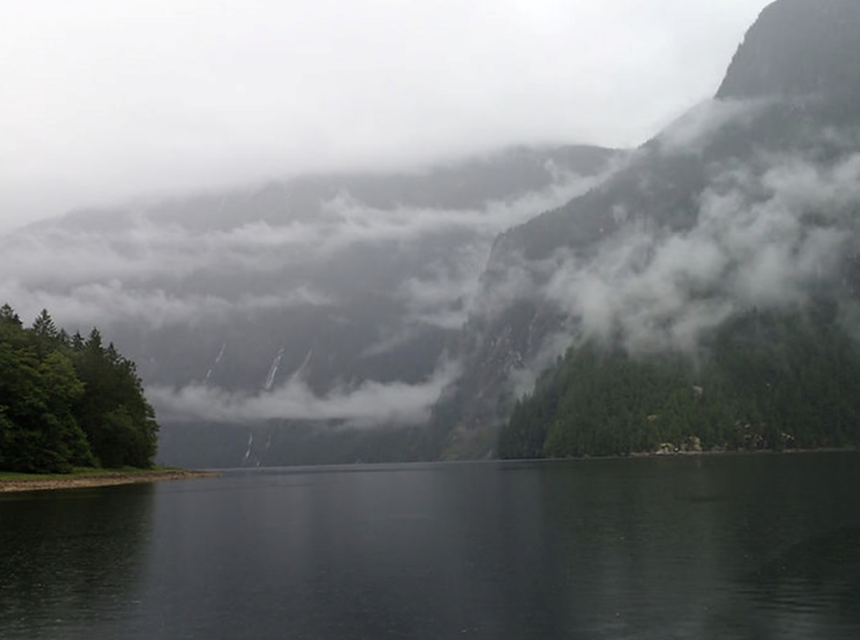
Several years ago on a boat trip on the waterways north of Vancouver, we came upon one of the most beautiful places I have ever seen. It was a grey day, misty and cold as we anchored outside of the inlet and loaded into dinghies. At the mouth of the inlet, we began to hear and feel the purr of the waterfalls.
Chatterbox Falls spewed at the far end, but on both sides of the inlet were cliffs with waterfalls cascading into the mist. It was holy, sacramental, and my first words were, "This is like a cathedral." Until this morning, I have never heard anyone express what I felt that day. But Richard Rohr's words about the ground of our being and the reality of daily cosmic events sum it up.
"Both Jesus and Francis knew that everything created was a message about the nature of God. Nature was not empty of divinity. Seeing nature as secular or merely functional created much of the loneliness and seeming meaninglessness in our contemporary worldview."+
There is in nature an essence that connects us to the Divine in a way not institution or human can. In these times of discord and vitriol, I find it comforting that so many people are looking at the moon. "Daily cosmic events" remind us of God's presence in all that we say and do, in the air we breathe and the molecules that surround us.
Sitting on the bank of the river with friends the other night reminded me of God's presence in relationships, in the ritual of watching the moon, and in the words spoken between us in the dark as we watched. (And that night the moon did not show, but there was much reassurance that we knew it was there!)
This piece meanders just as our dinghy did in Princess Louisa Inlet, but I hope it will remind us all to meander through our day celebrating and honoring the cosmic events that cross our paths. God is in the minutia and everything else!
+Adapted from Richard Rohr, Eager to Love: The Alternative Way of Francis of Assisi
| | |
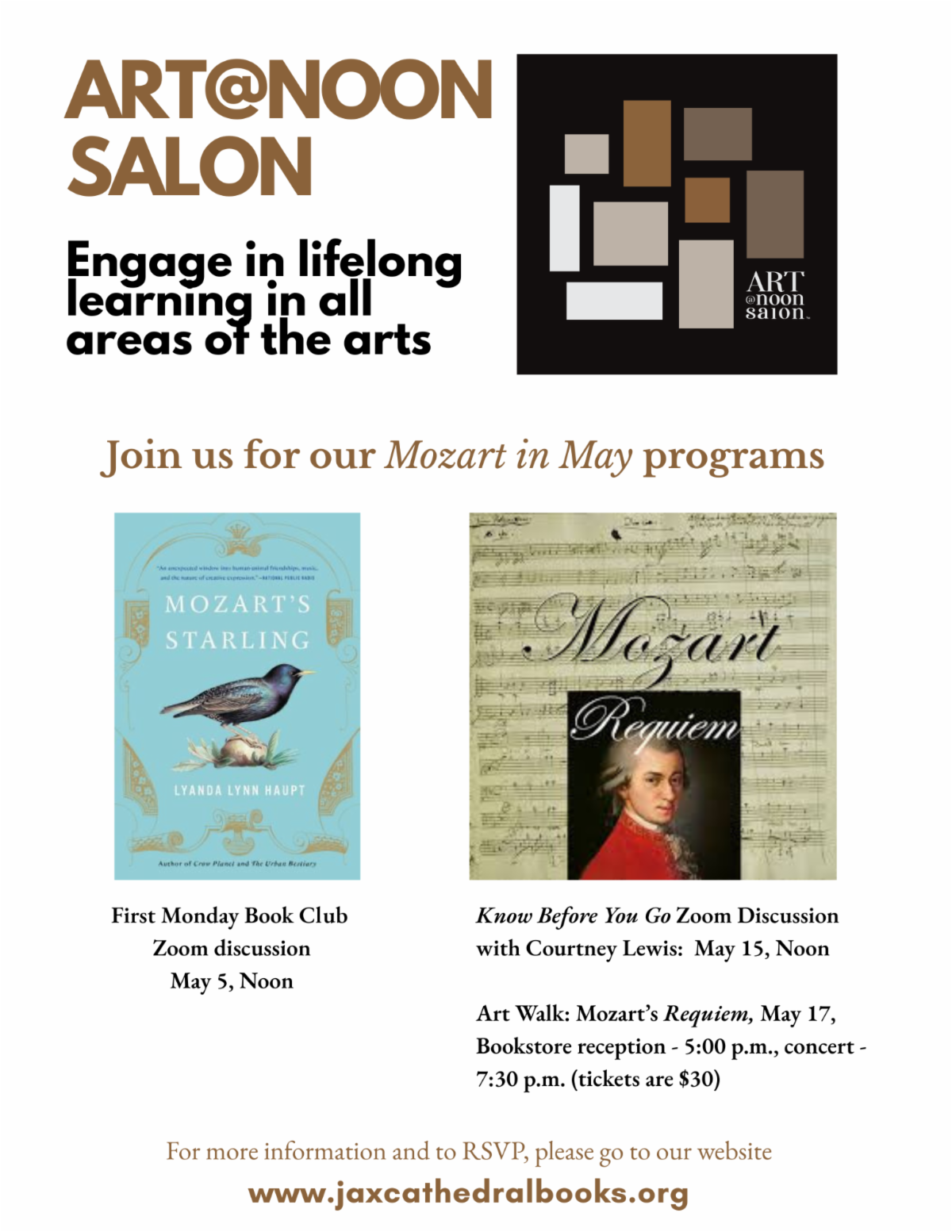
Education for Ministry and May Events at
St. John's Cathedral Bookstore & Gift Shop
| | | | |