|
"Abide with us..."
Luke 24:29
The Easter season is graced with the beautiful post-Resurrection stories of the appearances of Jesus to his disciples. They are all favorites: Mary Magdalene in the garden outside the tomb and the shock of recognition when he calls her by name: "Mariam!"; the encounter with Jesus by two of his disciples on the road to Emmaus, in which he narrates afresh to them the scriptures and is made known to them in the breaking of bread; Thomas, enclosed in that room with the others re-gathered, Jesus beckoning him to draw close and touch his pierced side, or Peter and the others coming off the lake in the early morning light to find the fire lit and the Lord preparing their breakfast.
All these scenes so simple, so intimate and so deeply moving. "Were you there?" We might well say yes. And yet I laugh a little at myself remembering an immersive Bible study from my seminary days. We were asked to focus on the appearance of Jesus to the disciples on the sea of Galilee, where he prepares the breakfast of fish on a charcoal fire (John 21:1-14). We were then asked who we identified with most in the story. I thought about it and, when it was my turn, said: "I want to say Simon Peter, but I really see myself standing on a sand dune one step removed, where William Temple is next to me with his hand on my shoulder quietly commenting on the scene as it unfolds before us." I guess I so loved Temple’s devotional commentary Readings in the Fourth Gospel (1945), that I identified with him as my guide and teacher.
This Easter 2026 the story that keeps re-kindling in my thoughts is that of the encounter on the road to Emmaus and the words of the two disciples to Jesus as the day draws to a close, "abide with us. Abide with us. Indeed, Lord, Abide with me." Henry Francis Lyte (1793-1847) was said to have been inspired to write his hymn ‘Abide with me’ after sitting beside the bed of his dying friend William Augustus Le Hunte. While he sat beside the bed, friend William kept repeating the phrase ‘abide with me…’. After leaving William's bedside, Lyte wrote the hymn and gave a copy of it to Le Hunte's family. Can you imagine any religion, or any philosophy of life, so divine and yet so familiar and intimate, that one is allowed to address the Almighty, by bidding him come "abide with me?"
How do we "abide with him?" "Abide in him?" This year’s 500th anniversary of William Tyndale’s translation of the New Testament into English reminds me forcefully of the key role the scriptures play in making Christ manifest. As Tyndale wrote in the introduction to his New Testament translation, 1526:
Give diligence Reader (I exhort you) that you come with a pure mind, and as the scripture says with a single eye, unto the words of health and of eternal life: by the which (if we repent and believe them) we are born anew, created afresh, and enjoy the fruits of the blood of Christ.
I was privy recently to an exchange among clergy about Christian formation and the practices that nurture our faith. I was particularly struck by the summary remarks of the Rev. Bennet Jones who has recently joined the Diocese of Florida family with his wife, the Rev. Carolyn Jones. Ben spoke clearly of the practices that form us as disciples and that indeed, allow us to grow and abide in the Lord. He reflected:
The challenge is not simply getting people more involved in church activity, but helping them see that prayer, Scripture, worship, fellowship, and self-examination are not extra-credit practices for unusually devout Christians. They are the ordinary shape of Christian life. In other words, spiritual disciplines are not above and beyond discipleship. They are part of how discipleship actually happens.
He went on to conclude:
It also seems to me that churches sometimes present these things as demands rather than as means of grace. If people hear them as one more burden, they will resist. But if they come to see them as the ordinary ways we abide in Christ and are gradually formed into his likeness, that changes the picture.
So yes, maybe the real question is: how do we help people see that a living relationship with Christ requires shared habits and practices, just as any relationship does?
Amen to Ben. And amen to William Tyndale and all the Bible translators, priests, preachers, teachers, and fellow Christians who make manifest to us the living word of God.
Yours sincerely,
Douglas Dupree
| | |
And he took bread, and when he had given thanks, he broke it and gave it to them, saying, “This is my body, which is given for you. Do this in remembrance of me.”
Luke 22:19
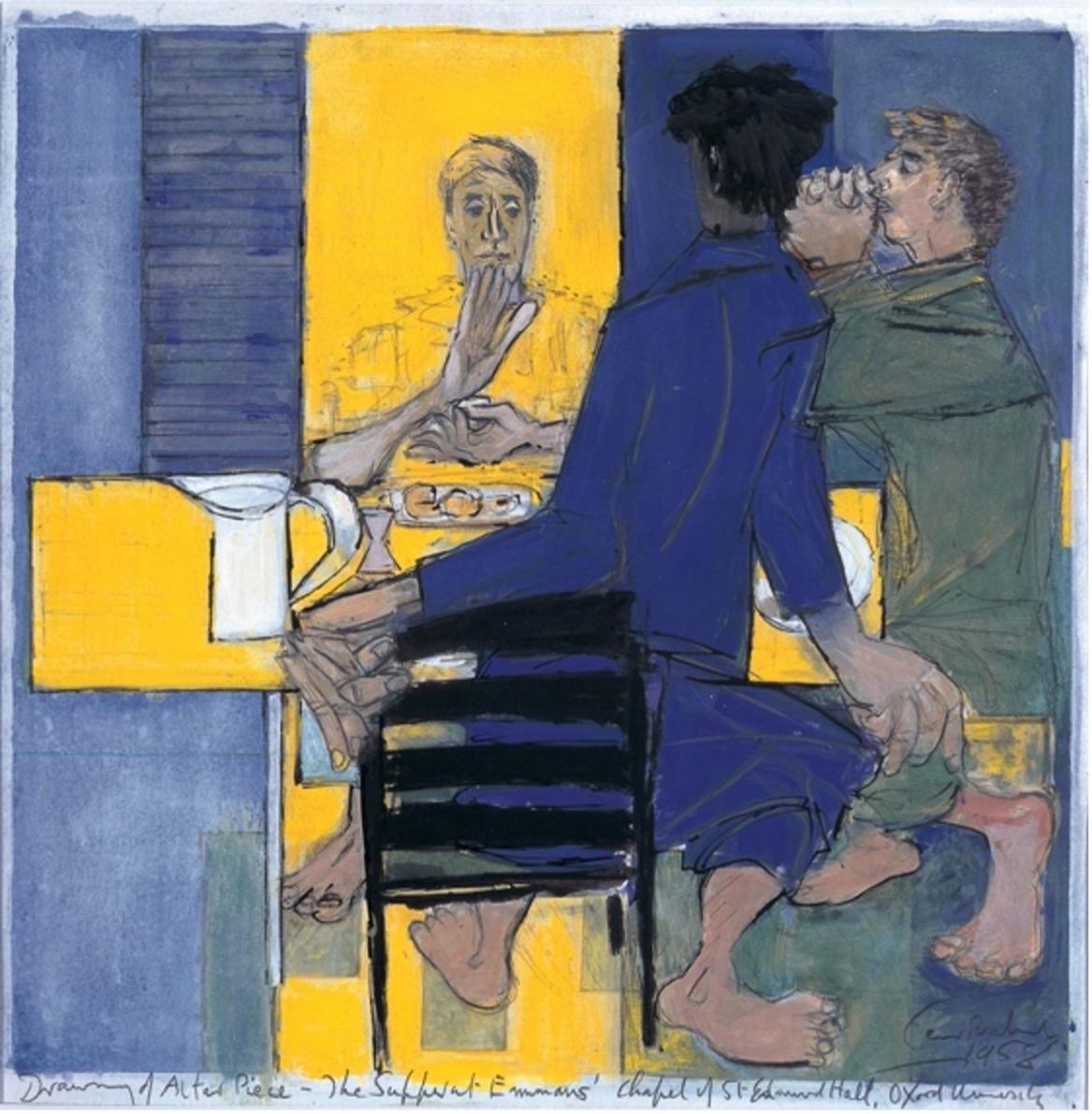
So he went in to stay with them. When he was at the table with them, he took bread, blessed and broke it, and gave it to them. Then their eyes were opened, and they recognized him...
Luke 24:29-31
| DO THIS IN REMEMBRANCE OF ME | | |
Was ever another command so obeyed?… this action has been done, in every conceivable human circumstance, for every conceivable human need from infancy and before it to extreme old age and after it…for kings at their crowning and for criminals going to the scaffold; for armies in triumph or for a bride and bridegroom in a little country church; for the proclamation of a dogma or for a good crop of wheat; … or for a sick old woman afraid to die; for a schoolboy sitting an examination or for Columbus setting out to discover America; for the famine of whole provinces or for the soul of a dead lover; in thankfulness because my father did not die of pneumonia; …for the settlement of a strike; …on the beach at Dunkirk; while the hiss of scythes in the thick June grass came faintly through the windows of the church; tremulously, by an old monk on the fiftieth anniversary of his vows; furtively, by an exiled bishop who had hewn timber all day in a prison camp near Murmansk; — one could fill many pages with the reasons why men have done this, and not tell a hundredth part of them. And best of all, week by week and month by month, on a hundred thousand successive Sundays, faithfully, unfailingly, across all the parishes of Christendom, the pastors have done this just to make the plebs sancta Dei — the holy common people of God.
— Dom Gregory Dix (1901-1952), Anglican Benedictine monk and liturgical scholar, Chapter 17, ‘World Without End,’ The Shape of the Liturgy, 1945.
| | |
Fr. James Martin, SJ, in an article in the magazine he edits, America, reminisces about his life in reference to the observance of Earth Day. He tells us he was there at the first Earth Day in 1970 as a nine-year-old kid invited to attend a ‘bicycle rodeo’ in the parking lot of the local high school to get the bikes inspected, learn how to maneuver in traffic and a lot about pollution. The event, as he remembers it, was as much a party or festival as anything and it was supported by his local community across the political spectrum.
Fr. Martin said it was Rachel Carson (1907-1964) and her book Silent Spring (1962) that was emblematic of the conservation or ecology movement in its beginning days. In the book Carson raised the alarm about the use of DDT. The title was perfectly chosen as her image of a bird-song-less springtime. Much more recently, Martin says he was deeply moved by the published letter of Pope Francis Laudato Si:
Ms. Carson looks at life on earth from a scientific perspective and Francis from a spiritual one, which is how I now see it. Everything is at risk, says Rachel Carson. Everything is connected, says Pope Francis.
Everything is at risk. Everything is connected. Perhaps the ‘way out’ of the negative side of this equation and in finding a sufficient and collective will to work towards a greater respect of nature, at least from a Christian perspective, is to recognize more immediately and more deeply the ‘connectedness’ of all of creation, and the unity of God’s created world.
All of the early Church Fathers—East and West—strike this note of the unity of the cosmos and the spiritual import of creation as bearing the mark of its Creator:
From the East:
[Religious instruction begins with] the "high and holy and most beautiful" study of "the sacred economy of the universe," Origen, (b. 185 AD) the first systematic teacher of theology.
"If ever on a bright night, while gazing at the stars in all their beauty, you have thought of the Creator of all things ; if you have asked yourself who it is that has bespangled heaven with such flowers, and endowed all things with usefulness even greater than their beauty; if ever in the day time you have studied the wonders of the light and raised yourself by things visible to the invisible Being, then you are a fit auditor (of Christian truth," Basil the Great (330-379 AD).
And from the West:
"Who can look on nature, and not see God?," Hilary of Poitiers (c. 310- c. 367 AD).
"If we look attentively enough at outward, material things, we are recalled by them to inward, spiritual things. For the wonders of the visible creation are the footprints of our Creator; Himself as yet we cannot see, but we are on the road that leads to vision, when we admire Him in the things that He has made. And so, we call created things His footprints, since they are made by Him and guide us to Himself," Gregory the Great (c. 540- 604 AD).
FOR STEWARDSHIP OF CREATION
O merciful Creator, thy hand is open wide to satisfy the
needs of every living creature: Make us, we beseech thee,
ever thankful for thy loving providence; and grant that we,
remembering the account that we must one day give, may be
faithful stewards of thy good gifts; through Jesus Christ our
Lord, who with thee and the Holy Spirit liveth and reigneth,
one God, for ever and ever. Amen.
| | A Cause for Celebration and Thanksgiving | | |
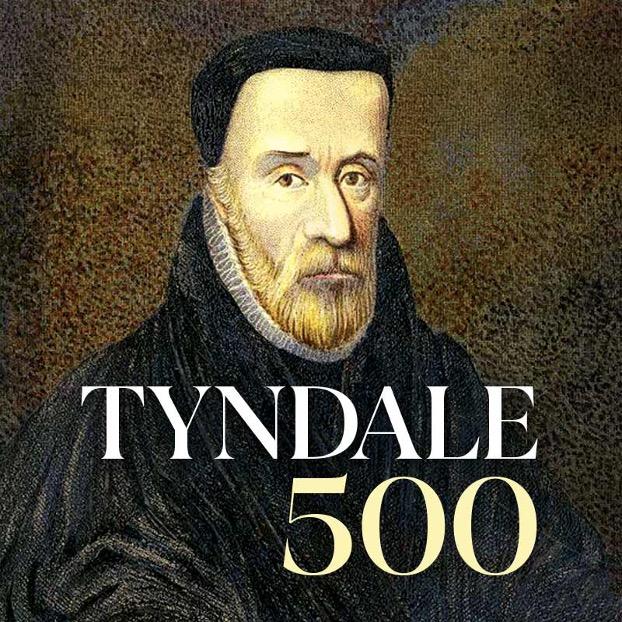
2026 marks the 500th anniversary of William Tyndale's 1526 English New Testament
William Tyndale (c. 1494- 1536) gave us the first printed, English-language translation of the Bible from the original Hebrew and Greek. He was a trailblazer because earlier translations of the Bible into English translated directly from the Latin Vulgate (official) Bible rather than from the original languages of Hebrew and Greek.
The earliest complete translation of the Bible into English closest to Tyndale was the Wycliffe Bible but it was a direct translation from the official Church Vulgate (Latin) Bible. Its name and inspiration are attributed to the English philosopher, theologian and reformer John Wycliffe (1330-84). Several of the doctrines espoused by Wycliffe alarmed the Church. His attack on the doctrine of transubstantiation (i.e. that the elements of bread and wine are materially changed in substance in the Eucharist) was a breaking point. It was roundly condemned.
The suspicions towards Wycliffe’s views extended to the translation of the whole Bible into English in 1380 and there was much debate as to whether it was wise to allow the translation on the grounds that it might encourage dissent or heresy amongst the less educated if given direct access to it. There were scholars competent in Hebrew and Greek, but many felt English was not a language worthy to bear the sacred texts. A decision by Thomas Arundel (1353-1414), the archbishop of Canterbury, banned the English language from any aspect of English church life:
We therefore legislate and ordain that nobody shall from this day forth translate any text of the Holy Scriptures on his own authority into the English.
That is the generalized summary of some of the hostility and suspicion that surrounded Tyndale’s translations of the Bible printed in 1526, 1530, and 1534, directly informing, after his death, about 75-90% of the King James Version (KJV) printed in 1611. Hostility aimed towards him convinced Tyndale to finish his work in Europe. He worked in turn in Cologne, Worms, and Antwerp.
The use of the original Greek as the basis for translation had a profound effect on the English Bible. Firstly, it provided a degree of accuracy in returning directly to the original source. But secondly, as Tyndale argued, there is a remarkable degree of likeness or harmony between the elements of grammar and syntax between the Greek and the English language. The beautiful and memorable clarity of so many of the phrases we cherish from the English Bible are the result of this sympathy in translation. Tyndale explained the difference between a translation made from the Latin and one from the Greek:
For the Greek tongue agreeth more with the English than with the Latin. And the properties of the Hebrew [in regard to the Old Testament] agreeth a thousand times more with the English than with the Latin.
With the Greek text, he argued, you can pretty much translate it word for word after the same manner of common speech.
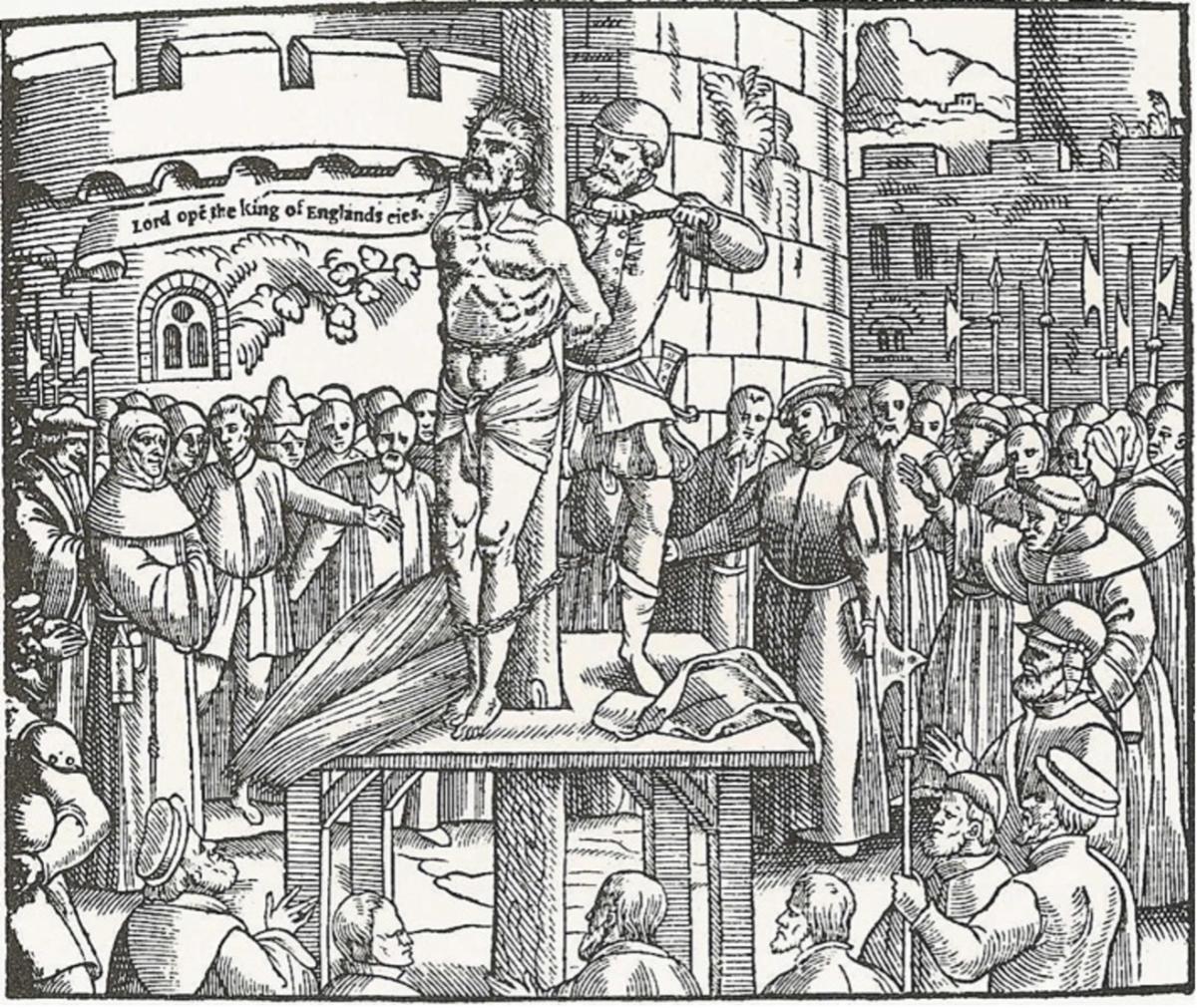
Tyndale paid a high price for his work. Wanted by the Church for his heretical views and his translations of the Bible into English and betrayed by an associate, he was kidnapped by Church authorities in Antwerp and taken to a town outside Brussels where he was tried for heresy and executed in 1536. He was first garroted (strangled) and his body was burnt at the stake. Tyndale's last words were "Lord, open the King of England's eyes."
‘The rest is history.’ Henry VIII broke with Rome. The process was initiated to render a Bible in English authorized for use in every church. In May 1538, acting for the King, Thomas Cromwell ordered that every parish have “one book of the Bible of the largest volume in English.”
| |
“Yet with Paul, I exhort all who want to please God, and obtain the salvation that is in Christ, to give no heed to unnecessary and quarrelsome disputes; and to labor for the knowledge of those things without which they cannot be saved.”
― William Tyndale, The Obedience of a Christian Man
| | |
V. Thy word is a lantern unto my feet.
R. And a light unto my paths.
BLESSED Lord, who hast caused all holy Scriptures to be written for our learning; Grant that we may in such wise hear them, read, mark, learn, and inwardly digest them, that by patience and comfort of thy holy Word, we may embrace, and ever hold fast, the blessed hope of everlasting life, which thou hast given us in our Saviour Jesus Christ. Amen.
― The Book of Common Prayer
WHATSOEVER things were written aforetime were written for our learning, that we through patience and comfort of the scriptures might have hope. ― Romans 15:4.
| | Some of the phrases coined by William Tyndale in his translation of the Bible into English | | |
An abundance of phrases coined by Tyndale add to the measure of his value not only as a superb translator but as a founder of the English language. Tyndale’s translation, along with the subsequent King James Version of the Bible indebted to him, and the works of William Shakespeare brought English into the modern world in an enduringly memorable way.
Here is a sample of Tyndale’s phrases you will readily recognize:
-
"let there be light" (Genesis 1:3)
-
"Am I my brother’s keeper?" (Genesis 4:9)
-
"The apple of his eye" (Deuteronomy 32:10)
-
"The land of the living" (Job 28:13)
-
"Eat, drink, and be merry" (Ecclesiastes 8:15)
-
"A city that is set on a hill" (Matthew 5:14)
-
"Go the extra mile" (Matthew 5:41)
-
"Ask and it shall be given you" (Matthew 7:7)
-
"Signs of the times" (Matthew 16:3)
-
"The spirit is willing, but the flesh is weak" (Matthew 26:41)
-
"Broken-hearted" (Luke 4:18)
-
"Live, move and have our being" (Acts 17:28)
-
“Fight the good fight” (1Timothy 6:12)
-
“Two-edged sword” (Hebrews 4:12)
-
"It came to pass" (Multiple occurrences)
| | |
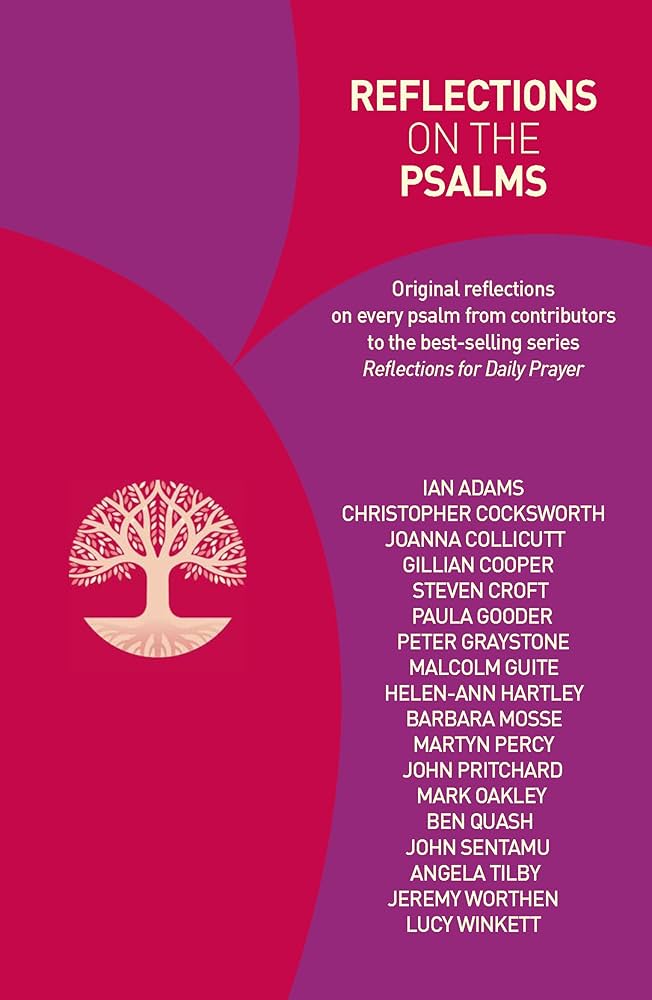
Ian Adams and 17 others. Reflections on the Psalms Paperback – May 30, 2015.
Original reflections on every Psalm from well-versed writers with two excellent short introductions: the Psalms and the Bible and the Psalms and the Church. This is the book I would share with Christian lay persons in want of an informative and attractive introduction to the Psalter.
| | |
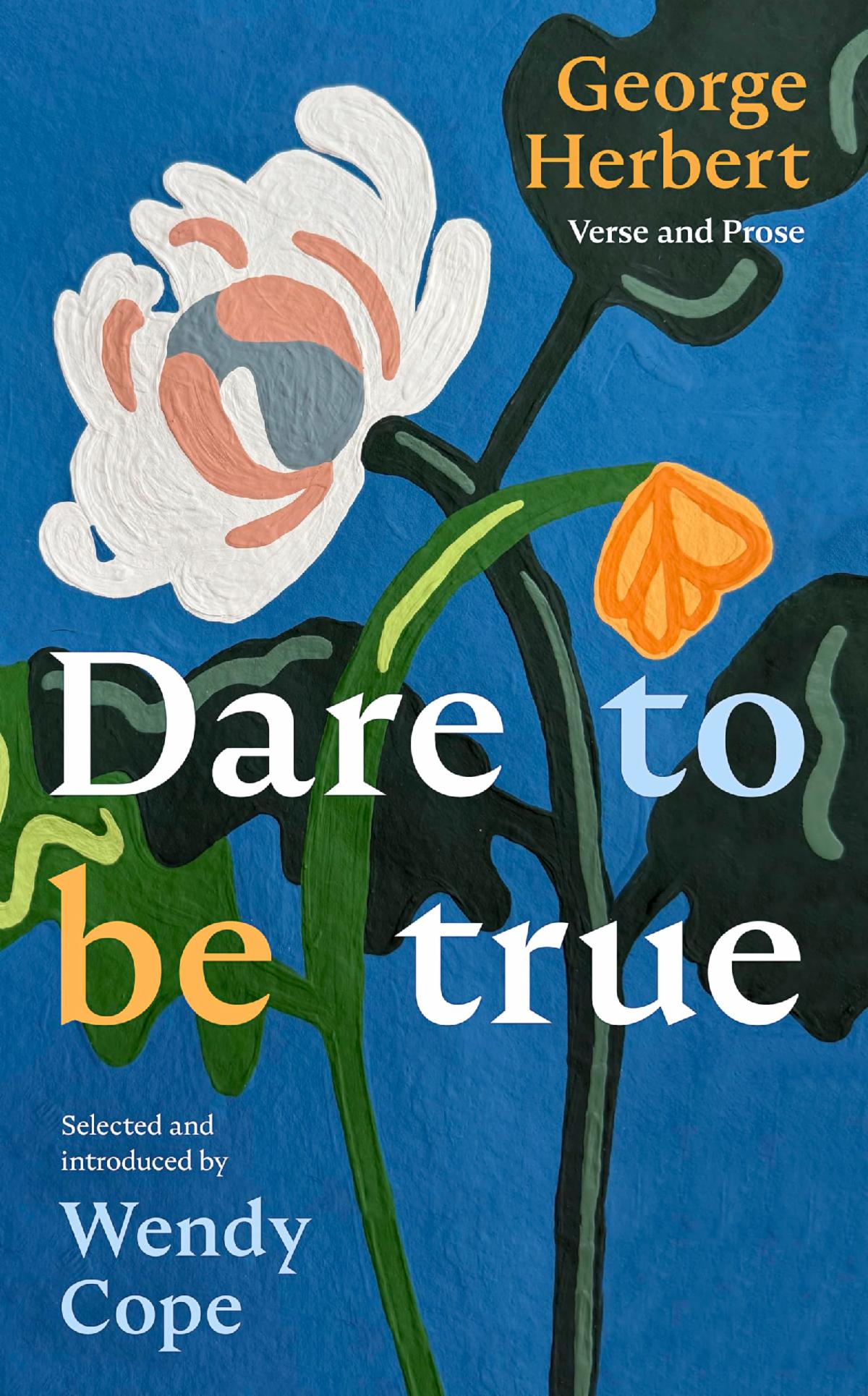
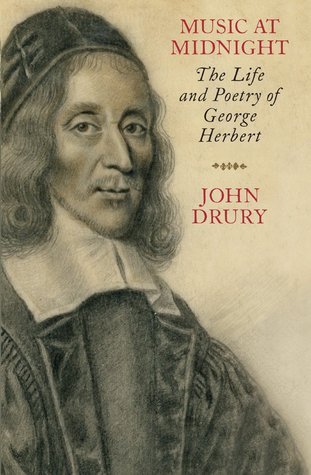
Wendy Cope. Dare To Be True: George Herbert: Verse and Prose Hardcover – April 21, 2026.
In this poet’s introduction to the poetry of George Herbert, you’ll find included those of his poems set to hymn tunes that you may well know from church, e.g. ‘Teach Me My God and King’ and ‘King of Glory, King of Peace.’ Combine this little book by a poet on George Herbert the poet with John Drury’s biography of Herbert the Churchman and Anglican divine, ‘Music at Midnight,’ and you’ll have a double bonus.
| | John Drury. Music At Midnight: The Life and Poetry of George Herbert Paperback – International Edition, August 26, 2014. | | |
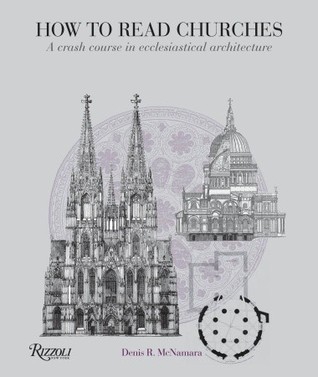
Dennis R. McNamara. How to Read Churches: A Crash Course in Ecclesiastical Architecture Paperback – Illustrated, April 12, 2011.
This is an excellent little book that would make a fine confirmation gift to a young person or an adult curious to know more about the architecture of the churches in which they worship and visit. You’ll enjoy it for yourself as well.
| | |
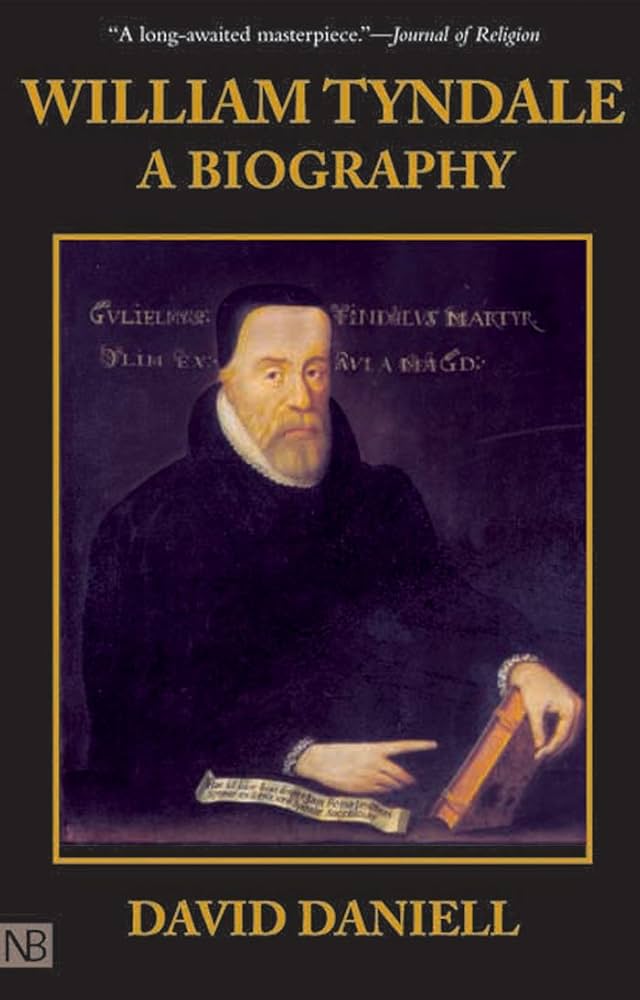
David Daniell. William Tyndale: A Biography Paperback – Illustrated, March 1, 2001.
William Tyndale (1494-1536) was the first person to translate the Bible into English from its original Greek and Hebrew and the first to print the Bible in English, which he did in exile. Giving the laity access to the word of God outraged the clerical establishment in England: he was condemned, hunted, and eventually murdered. However, his masterly translation formed the basis of all English bibles―including the King James Bible, many of whose finest passages were taken unchanged, though unacknowledged, from Tyndale's work." ― from Amazon review
| | |
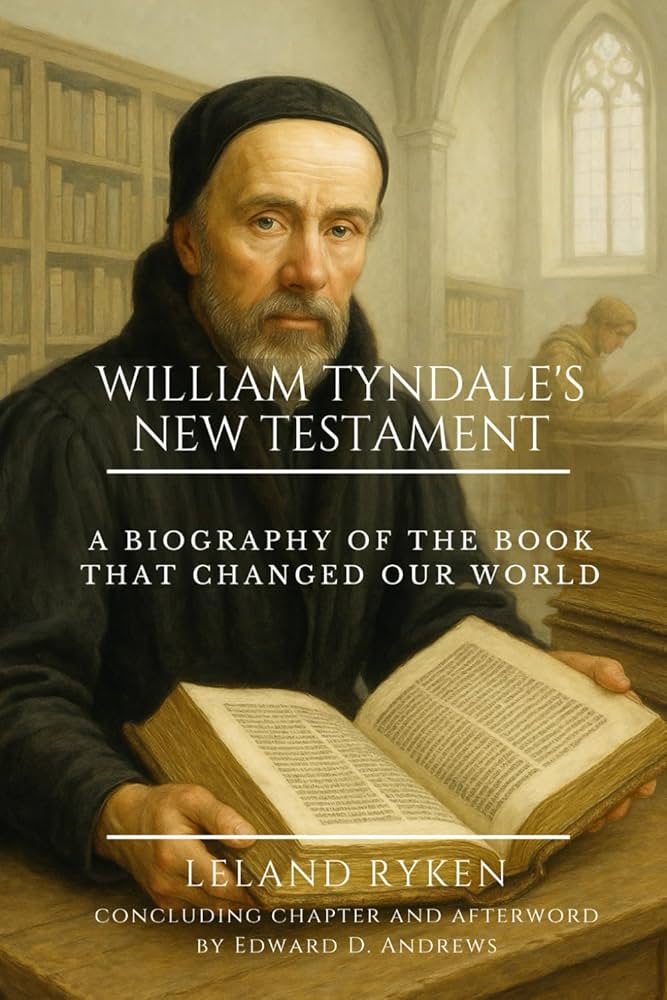
Leland Ryken, Edward D. Andrews. WILLIAM TYNDALE’S NEW TESTAMENT: A Biography of the Book that Changed Our World Paperback – January 1, 2026.
"But what grabbed me most was the sheer impossibility of what Tyndale did. One man, exiled from his own country, hunted by the church, the crown, and the educational establishment, smuggling handwritten pages across borders — and he changed the course of Western civilization. He educated the Puritans who settled America. He shaped English into one of the great languages of the world. He was burned at the stake for it." — from a fan of Leland Ryken’s Tyndale
| | |
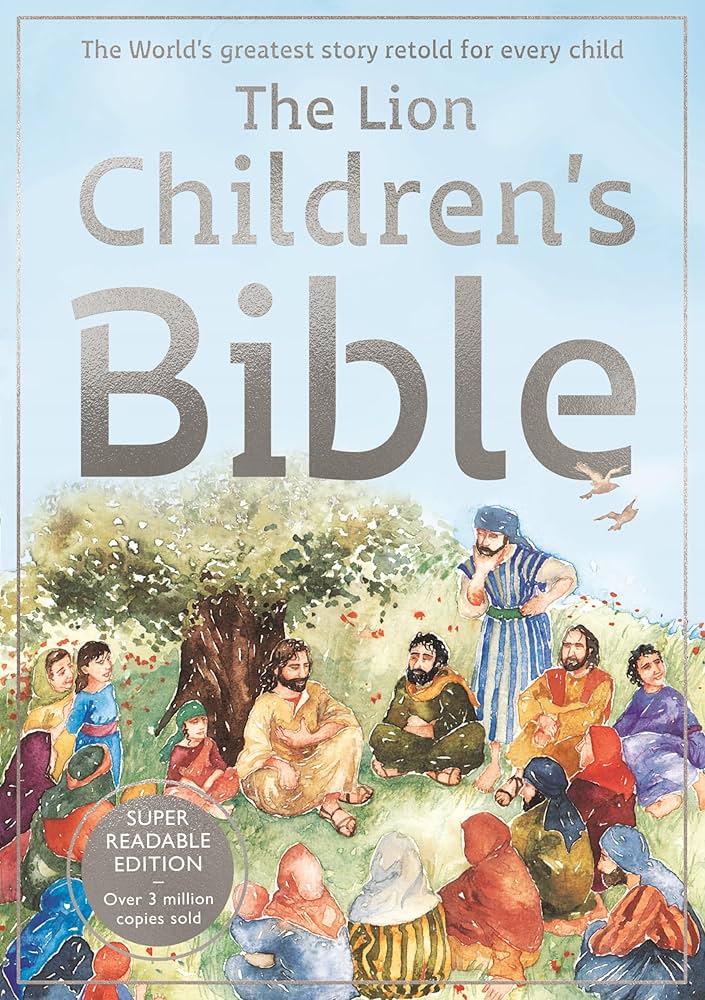
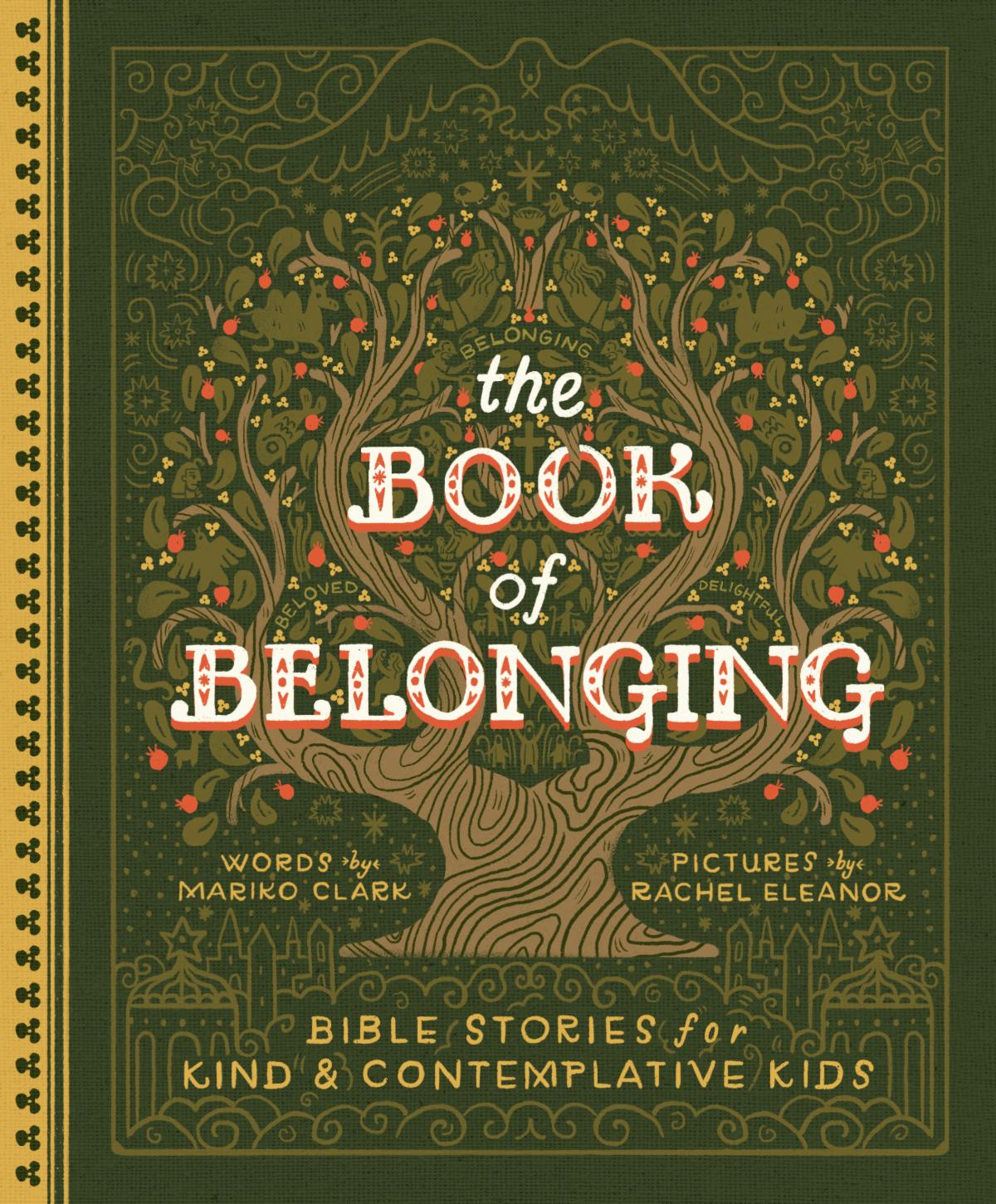
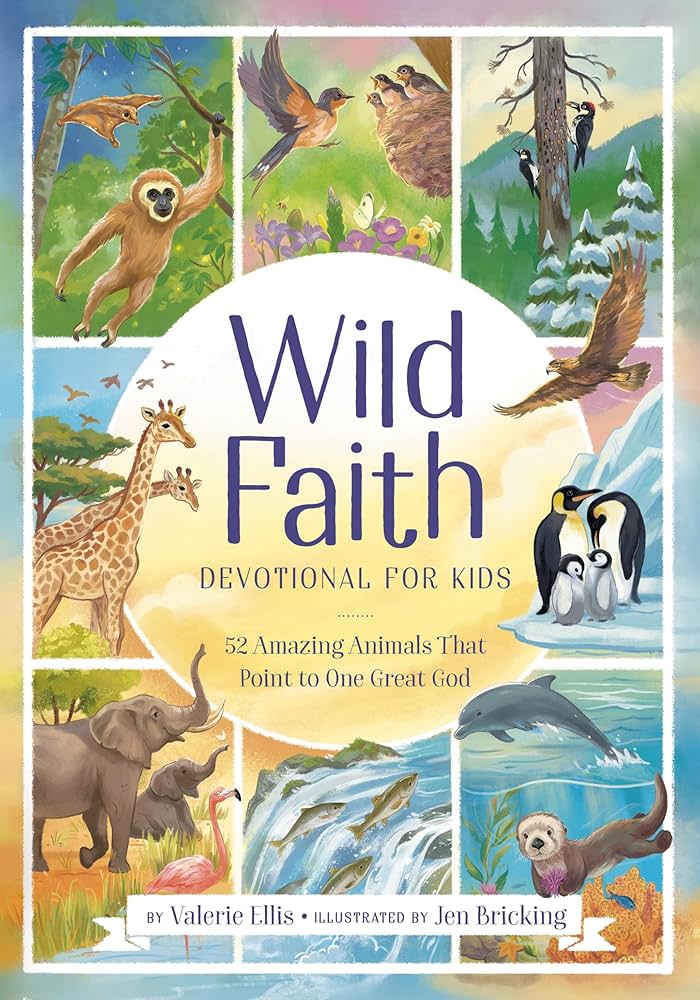
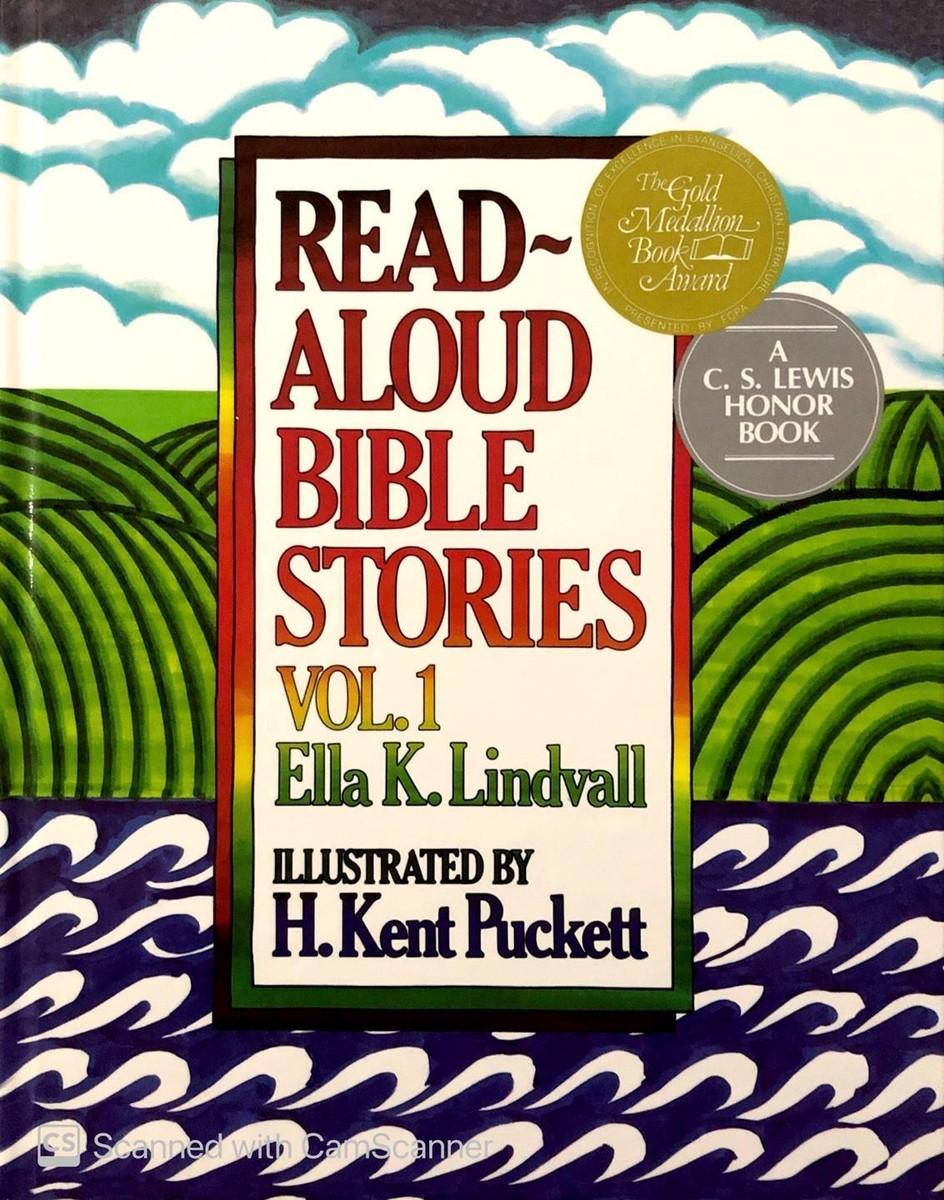
Books for Children
These are some of the favorite children’s book titles recommended by the St. John’s Cathedral bookstore staff.
| | Pat Alexander (author), Carolyn Cox (illustrator). The Lion Children's Bible Hardcover – Picture Book, March 18, 2025. | | |
Mariko Clark (author), Rachel Eleanor (illustrator). The Book of Belonging: Bible Stories for Kind and Contemplative Kids Hardcover – September 24, 2024.
| | Valerie Ellis (author), Jen Bricking (illustrator). Wild Faith Devotional for Kids: 52 Amazing Animals That Point to One Great God Hardcover – October 7, 2025. | | Ella K. Lindvall (author), H. Kent Puckett (author). Read Aloud Bible Stories: Volume 1 Hardcover – May 4, 1982. | | Books for the United States 250th Anniversary | | |
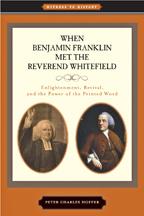
Peter Charles Hoffer. When Benjamin Franklin Met the Reverend Whitefield: Enlightenment, Revival, and the Power of the Printed Word (Witness to History) Hardcover – Illustrated, November 15, 2011.
This book by a distinguished University of Georgia historian gives us a deeper appreciation of two important movements that shaped the development of this country in the 18th century: the Enlightenment (and Benjamin Franklin) and the religious revival called the Great Awakening (and George Whitefield).
The friendship and alliance of Franklin and Whitefield come alive in a very lively and well written script in the film A Great Awakening currently in theaters.
| | |
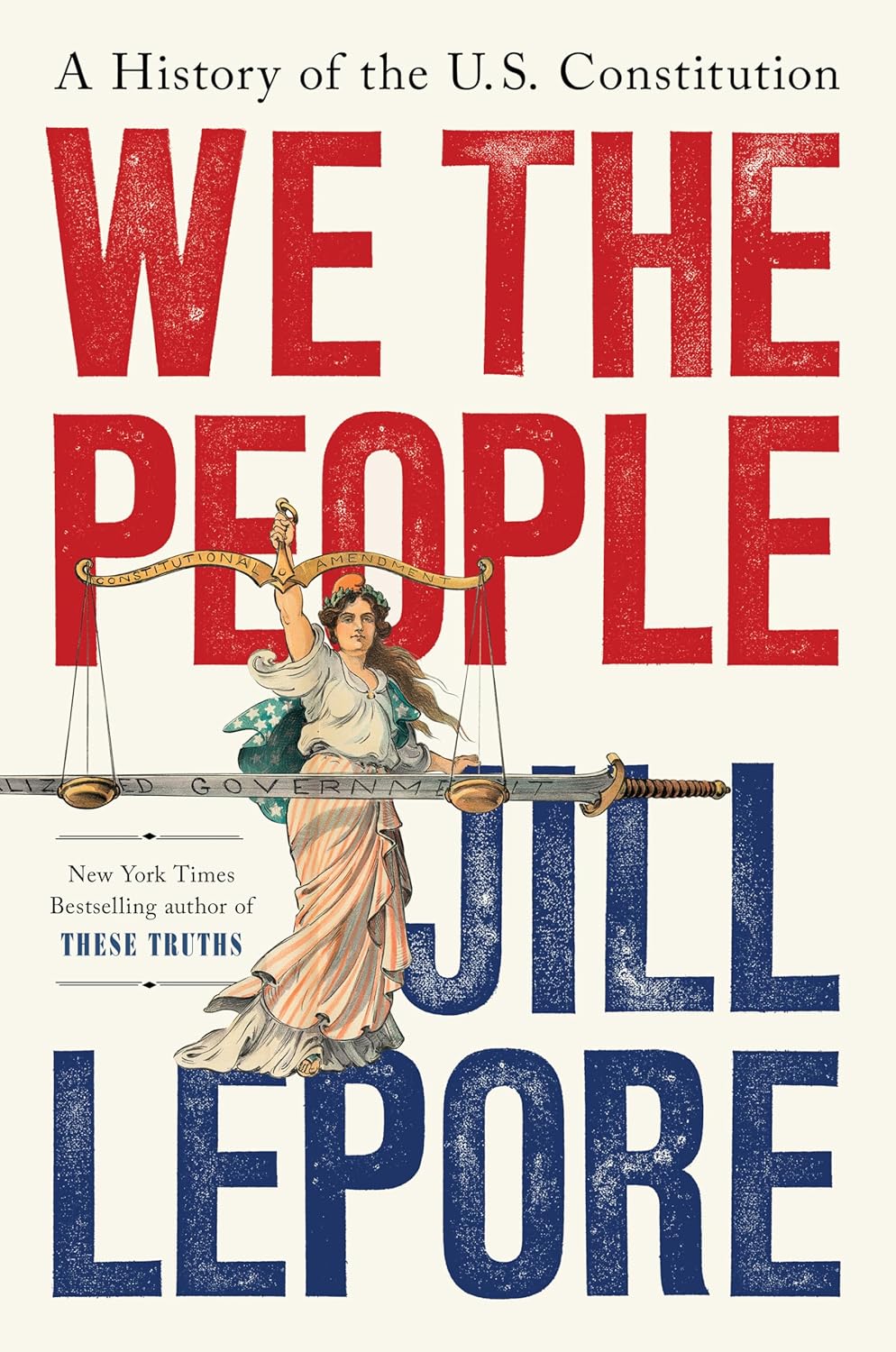
Jill Lepore. We the People: A History of the U.S. Constitution Hardcover – September 16, 2025.
"The U.S. Constitution is among the oldest constitutions in the world but also one of the most difficult to amend... Published on the occasion of the 250th anniversary of the nation’s founding—the anniversary, too, of the first state constitutions—We the People offers a wholly new history of the Constitution. 'One of the Constitution’s founding purposes was to prevent change,' Lepore writes. 'Another was to allow for change without violence.'" — from Amazon review
| | |
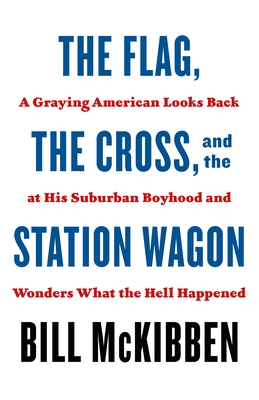
Bill McKibben. The Flag, the Cross, and the Station Wagon Paperback – April 11, 2023.
"Like so many of us, McKibben grew up believing―knowing―that the United States was the greatest country on earth. As a teenager, he cheerfully led American Revolution tours in Lexington, Massachusetts. He sang 'Kumbaya' at church. And with the remarkable rise of suburbia, he assumed that all Americans would share in the wealth.
But fifty years later, he finds himself in an increasingly doubtful nation strained by bleak racial and economic inequality, on a planet whose future is in peril. And he asks: What the hell happened?" — from Amazon review
| | |
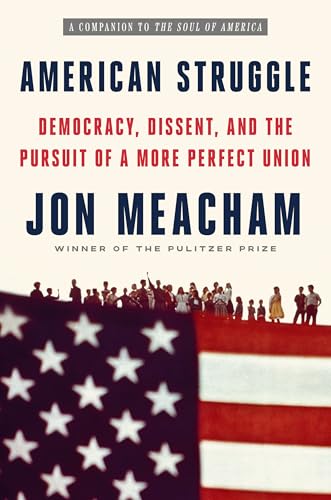
Jon Meacham. American Struggle: Democracy, Dissent, and the Pursuit of a More Perfect Union: An Anthology Hardcover – February 17, 2026.
"The author of The Soul of America unites centuries of essential American voices to understand our national debates and divisions from 1619 to the present, with his signature commentary on the consequential speeches, letters, and essays that led us to this moment.
Conflict is nothing new in our democracy; rather, as Meacham and these texts show, tensions are inherent, stubborn, and perennial. And American Struggle teaches us anew that to know what has come before, to watch as long-running disputes rise and fall, is to be armed against despair." — from Amazon review
| | All Creatures of Our God and King | | |
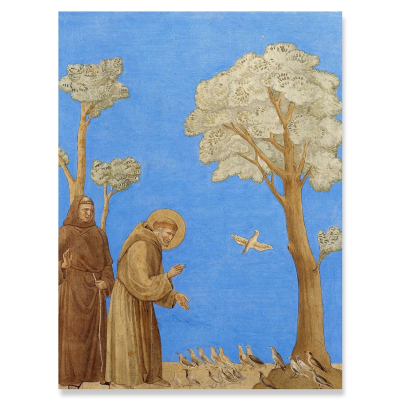
Saint Francis’s famous ‘Canticle of the Sun’ was written at the end of his life when he was in an extremely weak state of health, with failing eyesight and increasing pain. For many days, he lay in a rough rat-infested hut in total darkness, for he could not bear the light of the sun. Yet, as Bishop Moorman states, "In all that pain and discomfort, his joy rose, triumphant, and at last he burst forth into one of the greatest of all Christian hymns."
Sometimes called the ‘Song about Creatures’, it gives praise to God for Brother Sun and Sister Moon, for wind and air, water and fire, and for "our Mother, the Earth, who sustained us with her fruits and brings forth flowers of many colors." This song Frances taught his Friars to sing. When later he knew he was dying, he added a final stanza, beginning:
"For death, our sister, praise it be,
From whom no man alive can flee."
—-Frank Colquhoun, ‘A Hymn Companion’
CANTICLE OF THE SUN
1. All creatures of our God and King,
Lift up your voice and with us sing
Alleluia, alleluia!
Thou burning sun with golden beam,
Thou silver moon with softer gleam,
O praise him, O praise him,
Alleluia, alleluia, alleluia.
2. Thou rushing winds that art so strong,
Ye clouds that sail in Heav'n along,
O praise him, alleluia!
Thou rising morn, in praise rejoice,
Ye lights of evening, find a voice.
O praise him, O praise him,
Alleluia, alleluia, alleluia.
3. And all ye saints of tender heart,
Forgiving others, take your part,
O sing ye, alleluia!
Ye who long pain and sorrow bear,
Praise God and on him cast your care:
O praise him, O praise him,
Alleluia, alleluia, alleluiar
4. Let all things their creator bless,
And worship him in humbleness,
O praise him, alleluia!
Praise, praise the Father, praise the Son,
And praise the Spirit, Three in One:
O praise him, O praise him,
Alleluia, alleluia, alleluia.
—- St Francis (1225)
—- William Henry Draper. Paraphraser (1855-1933).
| | From St. John's Cathedral, Jacksonville | | | | |