|
"I chose you. And … I am giving you these commands so that you may love one another."
John 15: 16-17
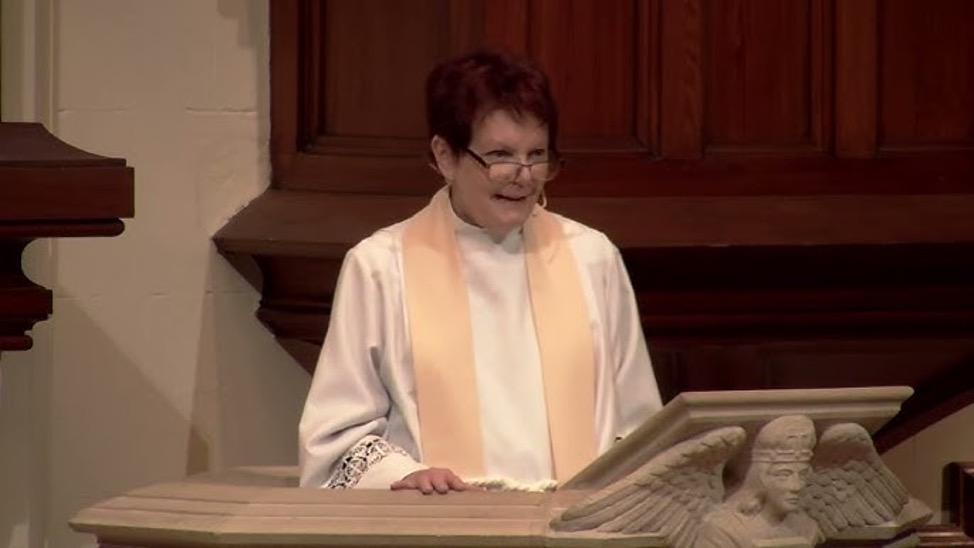
May is a month in the Church Year when some saint days have been shifted about. Earlier this month I talked with a long-standing friend in Savannah Monica McGoldrick on her birthday May 4. She told me her birth date coincided with the traditional feast day of St. Monica and hence—her name. She then reminded me that the Roman Catholic Church, of which she is a member, moved the Feast of St. Monica during the 1969 calendar revision to August 27. I think I then reminded her that she could still celebrate her birthday in May with the Episcopal Church as we haven’t moved the saint’s day from May 4.
I was ordained on the Feast of St. Matthias the Apostle, which is a Prayer Book holy day on February 24. When I moved overseas, I felt a bit dislocated, as the modern Church of England, like the Roman Catholic Church, had moved the apostle’s official feast day to May 14. I must have assumed in my grumbling mood the Episcopal Church followed Canterbury and Rome in shifting St. Matthias but if I had looked more closely, I would have seen that here his feast day is secure on February 24. The May 14 date makes sense—chronologically—as the election of Matthias to the Twelve followed swiftly the Ascension. The February 24 date often coincides nicely with the Lenten Ember Days—days set aside to pray for ministers of the church and those in discernment or training.
Who is St. Matthias? A good question. We know nothing about this apostle other than what the Book of Acts tells us in the epistle appointed for his feast (Acts 1:15ff). He is unnamed in all four Gospels and after this one reference in Acts there is no further mention of him. In an amusing and affectionate reflection on Matthias, the English columnist, Patrick Comerford, notes:
He is the forgotten apostle, like the "Fifth Beatle"… Having made an unexpected entrance onto the stage, Saint Matthias walks off again. And we hear nothing more about him.
In icons and stained-glass windows depicting the Twelve, Judas is generally replaced by Saint Paul, and Saint Matthias is seldom depicted. His name, identity and life story have been forgotten, apart from making him the patron saint of alcoholism and smallpox, and of a few small towns.
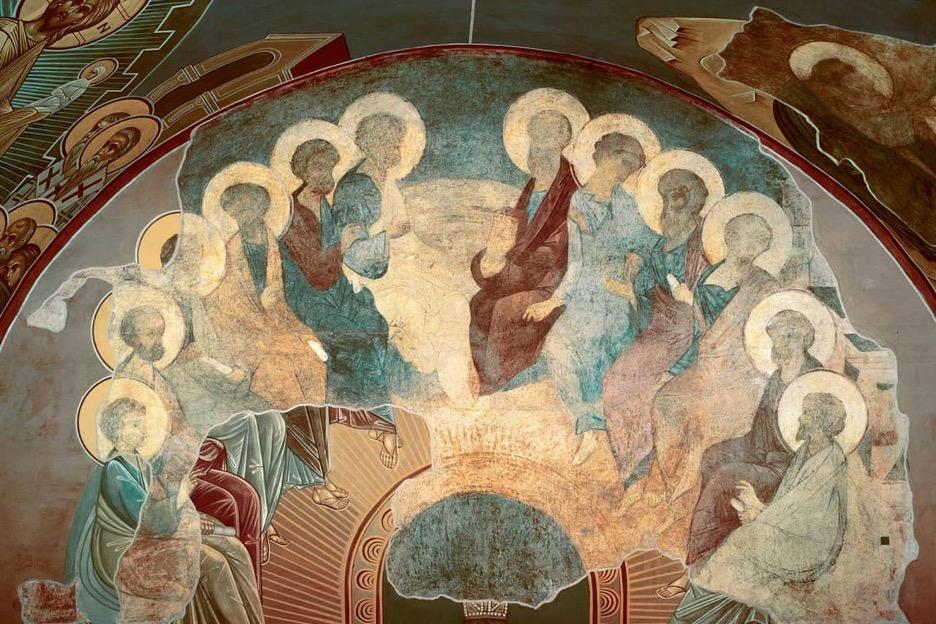
A fairly large number of apostles or witnesses of the resurrection were commissioned from the risen Lord to preach and evangelize. Within this larger apostolate there was a smaller one from whom the Twelve apostles were chosen— the smaller number distinguished by having been associated with Jesus’s earthly mission from its very beginning, after the baptism of John. Matthias belonged to this smaller number, close and faithful to Jesus from the start to the finish on Calvary’s cross. This may tell us all we need to know about him to honor his name. Both the Gospel appointed for St. Matthias Day in the 1662 Prayer Book (and up until and including the 1928 Prayer Book) and the Gospel appointed for the feast in the 1979 Prayer Book help us to draw out what is significant about him.
The Gospel in the earlier Prayer Books is from Mathew 11:25-30. It is a thanksgiving to God for his revelation of Himself in Christ to the humble, the simple and childlike—a revelation hidden from the wise and prudent. It ends with an invitation from Jesus to the weary and heavy laden to accept this revelation and thereby find rest from their labors. Perhaps the easy yoke which Jesus offers here is set over against the religion of legalism the Scribes and Pharisees (i.e. the ‘wise and prudent’?) may have imposed upon ordinary men and women as their route to salvation. Saint Matthias, viewed in the light of this Gospel, is no doubt one of those humble and seemingly insignificant men who heard in the voice of Jesus a blessing that lifted from him the heavy burden of law and religion, and engendered in him an abiding loyalty to his Lord.
The Gospel for Matthias we have in the 1979 Prayer Book is from John 15:1,6-16 in which we hear Jesus say to his disciples, "I chose you. And… I am giving you these commands so that you may love one another." Clement of Alexandria (c.150-c.215 AD), the early church theologian, wrote that the apostles were not chosen for outstanding character or merit. They were chosen by Christ for his own reasons. Saint Matthias was elected not because he was worthy and distinguished, but for what he would become by God’s grace. A perfect choice of Gospel for an apostle called and chosen by the Lord and close to Him from the start of His ministry. Let us pray that what we can say of Matthias may be said of us: "chosen and beloved by God in Christ."
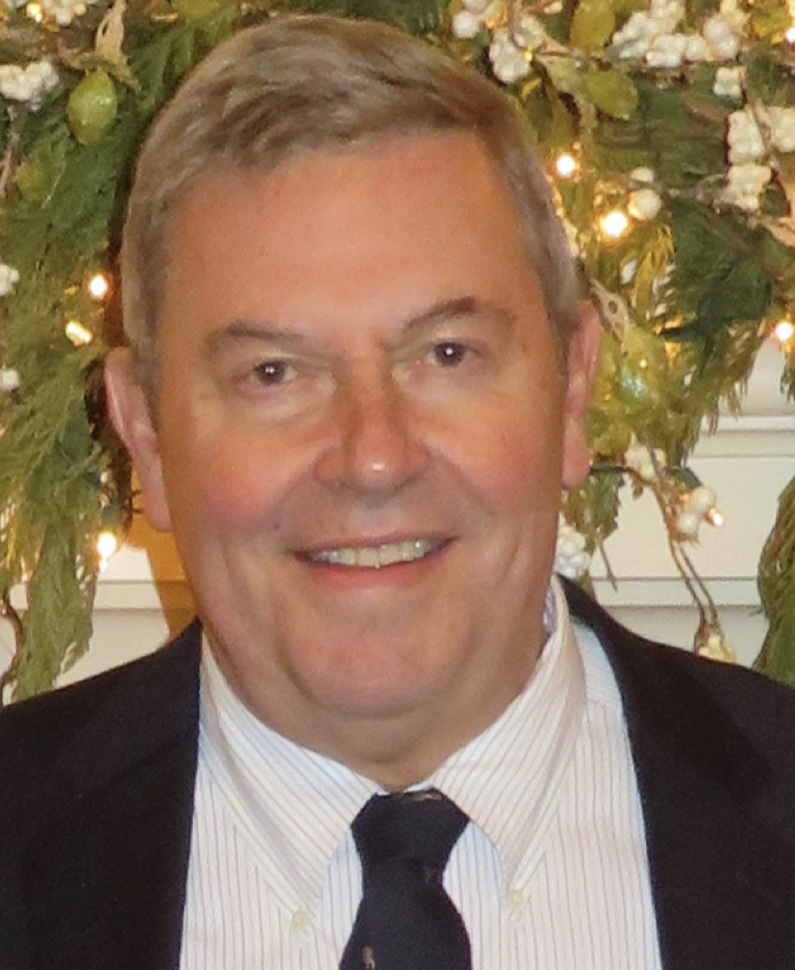
Douglas Dupree
| | |
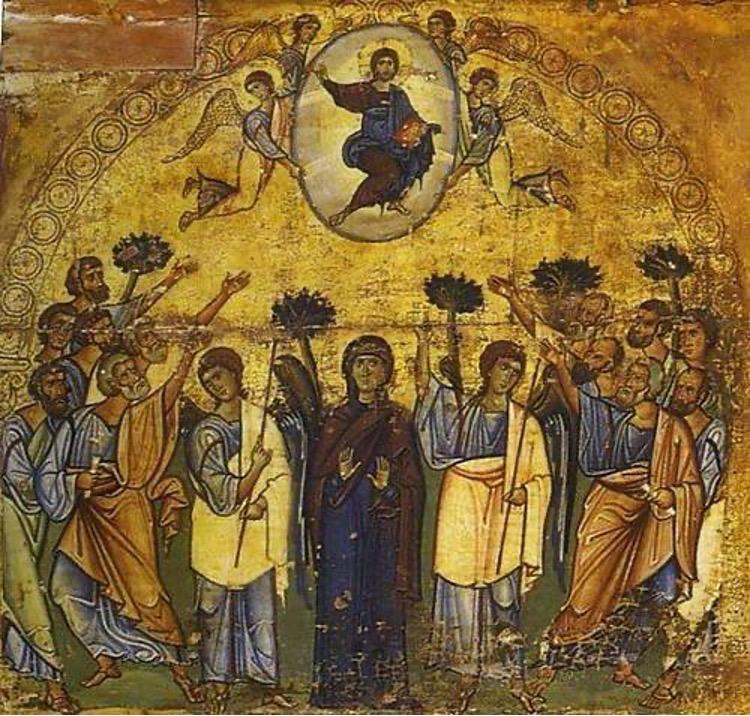
Lift up your heads, O ye gates; even lift them up, ye everlasting doors;
and the King of glory shall come in. Who is this King of glory?
The Lord of hosts, he is the King of glory.
—Psalm 24:9-10
COLLECT
Grant, we beseech thee, Almighty God, that like as we do
believe thy only-begotten Son our Lord Jesus Christ to have
ascended into the heavens, so we may also in heart and mind
thither ascend, and with him continually dwell; who liveth
and reigneth with thee and the Holy Ghost, one God, world
without end. Amen.
| | Breaking Bread With The Bishop | | |
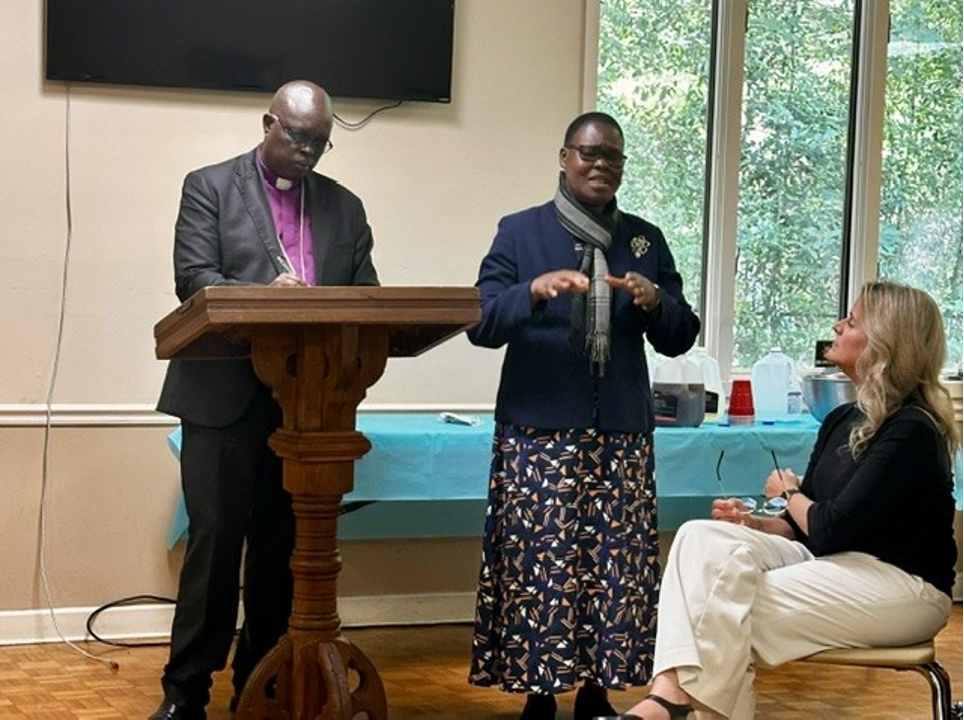
On Thursday, May 14, the Rev. Joe Gibbes hosted to lunch at the Church of Our Saviour, Mandarin, more than a dozen clergy from the First Coast East and West regions of the Diocese. I was delighted to be part of it. The gathering was to welcome and enjoy informal conversation with Our Saviour’s special guests, the Rt. Rev. Paul Korir and his wife Selline Korir.
Bishop Korir in May 2016 was elected as the first Bishop of the Anglican Diocese of Kapsabet, Kenya. A province of the Anglican Communion, the Anglican Church of Kenya is composed of 33 dioceses. The church became part of the Province of East Africa in 1960, but Kenya and Tanzania were divided into separate provinces in 1970. Today there are over 5 million members across the country.
Bishop Korir’s Diocese of Kapsabet has 400 congregations, grouped into 51 parishes each of which has 8 to 12 congregations. The Diocese has some 40,000 communicants and it is growing.
Bishop Korir spoke at some length about the role of the clergy in his Diocese—an appropriate subject for the gathering at hand. He very much views his ministry as a bishop as grounded in the fellowship of the clergy of his diocese, and it was from the rank of the parochial clergy he was called to his leadership role. He is, as he said, "a product of the clergy." The clergy are the number one priority of his ministry. "They are a shoulder for me to lean on, and I’m also a shoulder for them to lean on." He sees his clergy as a very resilient group, weathering all sorts of challenges in a largely poor and rural diocese. But he doesn’t much like to think of the ministry and the mission of the Church as primarily a series of challenges. He prefers to think of his work and that of his clergy as wonderful opportunities for which to be thankful. That sort of attitude one caught from the Bishop and Selline throughout all they shared with us.
He told us every Sunday visiting a different congregation or parish gathering was an occasion of real joy and a renewal of energy and commitment. He said he might sit at his desk during the week listening and attempting to solve all sorts of problems but no matter what difficulties—there was always Sunday in one of the congregations to re-charge his energy for another week.
Continue reading the article here.
| | |
We are told in an Old Testament tale, how an angel of God having appeared to man disappeared again by going up in the flame from the altar. And in the same way Elijah, when he could no more be found, was believed to have gone up on the crests of flaming horses. The flame which carried Christ to heaven was the flame of his own sacrifice. Flame tends always upwards. All his lifelong Christ’s love burnt towards the heart of heaven in a bright fire, until he was wholly consumed in it, and went up in that fire to God. The fire is kindled on our altars, here Christ ascends in fire; the fire is kindled in the Christian heart, and we ascend. He says to us, lift up your hearts; and we reply, we lift them up unto the Lord.
Austin Farrer (1904-1968), The Crown of the Year
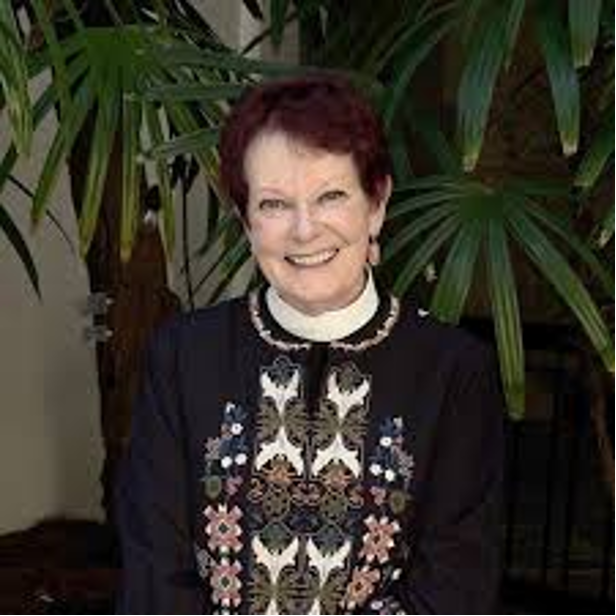
| | Dr. Linda Privitera: What We Leave | | Earlier this month, the Bishop’s Institute concluded a series on Mindful Aging led by Susanna Barton of the Cathedral Wellness Center. The fourth and last session was focused on our legacy—what we bequeath to our family, friends, community and even strangers. Susanna invited the Rev. Dr Linda Privitera to open with a reflection to provide a spiritual and theological framework for the workshop. What a wonderful, thoughtful job she did. I have asked Dr Privitera to share with all of us reading this e-newsletter her thoughts to guide us in thinking about our legacy. | | |
EXCERPTS FROM REFLECTION ON LEGACY, PART 1
Scriptural Farewell address
Linda: When leaving a position or place an influential leader often gives a speech that shares the core beliefs he (sic) hopes will continue to guide the group. We often call these "famous last words."
From Moses, Deuteronomy 29-32
From Joshua, Joshua 23-24
From Paul, Acts 20
From Jesus, John 13-17
These speeches contain instructions about faith and behavior but also claim belonging to God and to God’s purposes; for Christians Jesus’ instructions about abiding in and sharing love is the prime legacy.
Douglas: Don’t forget the [Apocryphal] Book of Tobit. You were quite good on that.
| |
 | | Linda: The Book of Tobit came into my thoughts on legacy quite by accident. I was preparing a couple for their wedding and introduced them to all the options in the Book of Common Prayer, to choose some readings for their wedding, and they chose the Book of Tobit. Hardly anybody has ever done that. There is a beautiful little prayer in Tobit this couple may grow old together. It's just lovely. And it encouraged me to re-read the book of Tobit, which is in the Apocrypha, shared by the Orthodox and Roman Catholic and Anglican traditions, but not seen in the Common Lectionary on a regular basis. So, I reread it, and one of the things that struck me was that both the father of Tobias, the groom, and the father of Rachel, the bride, had what I would call legacy prayers. Prayers for this couple embarking on their new life together. It wasn't so much finishing the tasks that I didn't get to finish. Rather, the spirit of the prayers is one of "I want you to hold these values"—very much like Jesus inviting us to abide in my love. These prayers are very powerful prayers from parent to child. This made me think about legacy. Both of these fathers. talked about continuing their faith in God. And also, the values of the family that were to be carried forward. So, I just thought it was a nice little exercise. Good to check out a book of the Bible that we don't often spend time with.
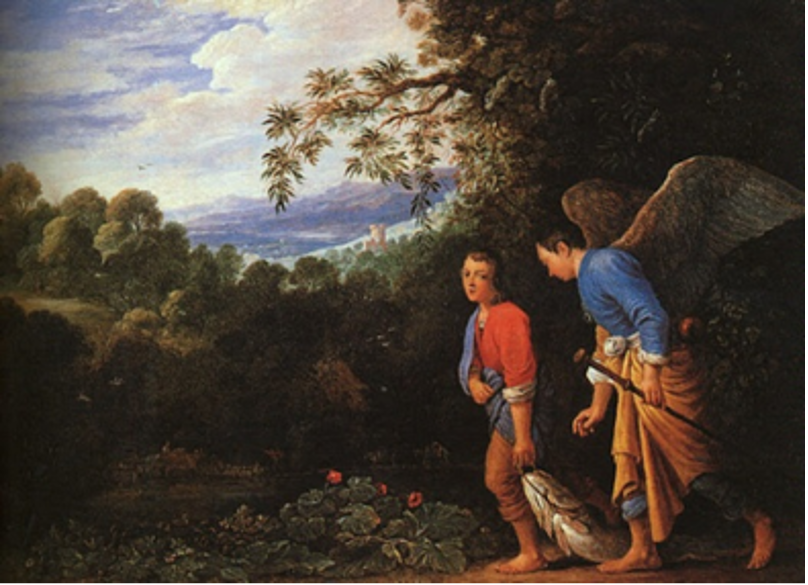
Douglas: Linda, a lot of your work involves the interface between visual art and theology. I seem to recollect several artists who have represented scenes from Tobit in their work.
Linda: Yes, in fact, the first etching I ever bought was of the angel leaving Tobias. Yes, yes. And it was like, "Whoa, why? Who? I had no idea." And it's almost a kind of mythological book. I mean, you have an archangel in disguise, you have demons that kill off grooms and need to be placated with somebody's body parts and there are animals’ body parts that have been smoked and saved. Tobit himself is a bit of a Job character. He's struck with blindness—by bird poop droppings when he falls asleep and then miraculously cured by the angel and his son Tobias. It's a strange little book. And I don't know why it captured the imagination of artists, but it does tell you that at some point, in some places, that book was heard more often than we now know.
Continue reading Part 1 here.
Part 2 of the interview is continued further in this newsletter.
| | |
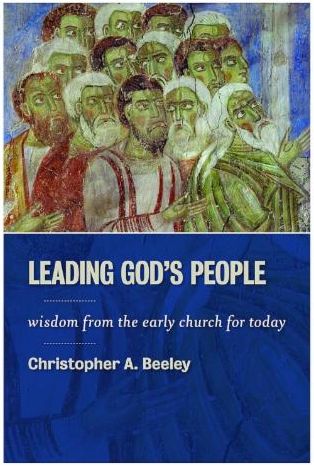
Christopher A. Beeley. Leading God's People: Wisdom from the Early Church for Today Paperback – April 3, 2012.
A great little book that introduces us to key principles of church leadership as taught by the great pastor-theologians of the early church. This would be a fine book as a focus for reflection and discernment for a church vestry, search committee or others involved in selecting or electing a new leader for their church institution.
"In a religious climate where language about leadership is often regarded as basically a matter of secular managerial intrusion into theology, it is wonderful to have a book like this that roots our thinking about the calling of the Christian leader in the wisdom of the early church. This learned, readable, and very timely book deserves a very warm welcome." — Rowan Williams, sometime Archbishop of Canterbury.
| | |
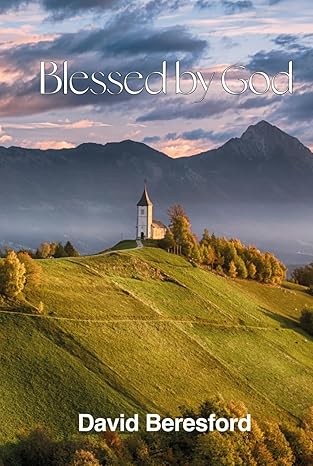
David Beresford. Blessed by God Paperback – February 9, 2026.
David Beresford is a priest and the author of three books of clear and thoughtful meditations designed to encourage us to reflect on the nature of our faith and discerning God’s blessing in life. He contributes to both the "Living Church" and "The Anglican Digest" — two magazines well known to the Episcopal Church.
| | |
Anne Long. Listening Paperback – Import, January 1, 1990.
This review by a bewildered reviewer on Amazon that gave Long’s book only one out of five stars made me laugh—as it is precisely the book I might look for: "I wanted to read a book about listening. This is a book about God."
"Many people are looking for an ear that will listen. They do not find it among Christians, because these Christians are talking where they should be listening." — Dietrich Bonhoeffer (1906-1945)
| | |
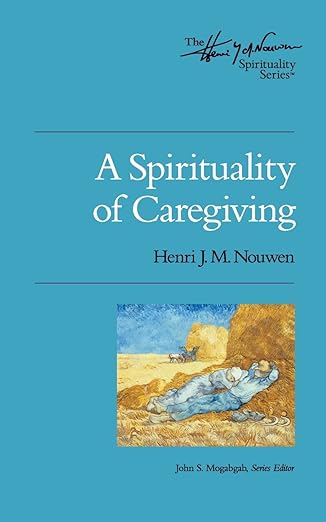
Henry J.M. Nouwen and John S. Mogabgab (editor). A Spirituality of Caregiving: The Henri Nouwen Spirituality Series Paperback – January 20, 2011.
A nice little book of reflections by Nouwen that would make a nice gift for a care giver you appreciate.
| | |
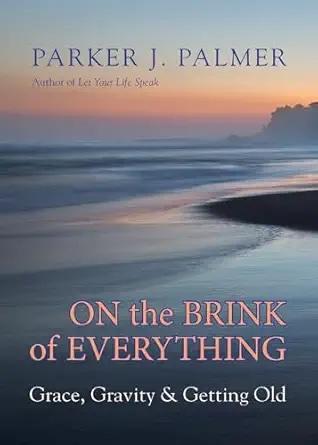
Parker J. Palmer. On the Brink of Everything: Grace, Gravity, and Getting Old Hardcover –June 26, 2018.
"But this book is not for elders only. It was written to encourage adults of all ages to explore the way their lives are unfolding. It's not a how-to-do-it book on aging, but a set of meditations in prose and poetry that turn the prism on the meaning(s) of one's life, refracting new light at every turn." — from Amazon review
| | |
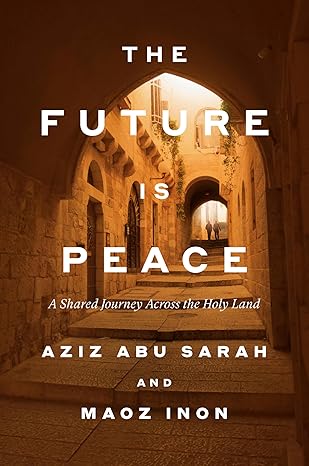
Aziz Abu Sarah and Maoz Inon. The Future Is Peace: A Shared Journey Across the Holy Land Hardcover – April 14, 2026.
Palestinian Aziz Abu Sarah and Israeli Maoz Inon forged a bond of brotherhood when the world expected them to be enemies. Both have lost family to the conflict. Both have known the bitterness of righteous anger. Yet, they chose a different path.
"This book is a rebuttal to a broken world and a bold challenge to the belief that more violence can ever bring security. Told with unflinching honesty, their story is proof that peace is not a naive dream, but a courageous choice—for reconciliation to heal the wounds of revenge, for partnerships to change a destiny of war, and for empathy to save us from drowning in sorrow. " — from Amazon review
| | America 250th Anniversary | | |
Blue Clover Books. The 40 Most Beautiful Landmarks in America: A full color picture book for Seniors with Alzheimer's or Dementia (The "Most Beautiful World" Series) Paperback – August 13, 2023.
The Blue Cover series never mentions dementia or Alzheimer's disease. The word content is subordinate to the visual impact of the photographs. The books are sized to be easy and enjoyable for anyone to handle.
| | |
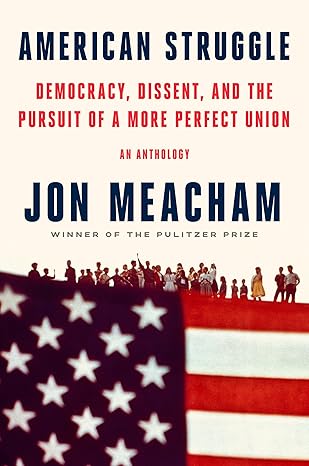
Jon Meacham. American Struggle: Democracy, Dissent, and the Pursuit of a More Perfect Union: An Anthology Hardcover – February 17, 2026.
"Conflict is nothing new in our democracy; rather, as Meacham and these texts show, tensions are inherent, stubborn, and perennial. And American Struggle teaches us anew that to know what has come before, to watch as long-running disputes rise and fall, is to be armed against despair." — from Amazon review
| | |
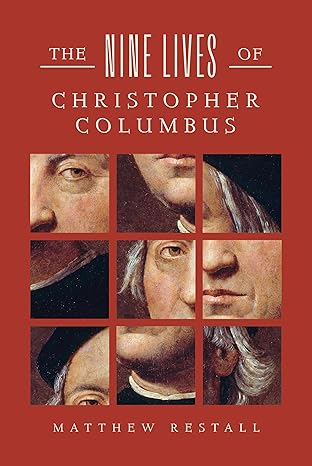
Matthew Restall. The Nine Lives of Christopher Columbus Hardcover – October 7, 2025.
"Restall takes us beyond polemic, sifting through the evidence across nations, languages, and five centuries to explore the many questions that make up what he calls "Columbiana." . . . And Restall challenges the notion, deeply held to this day, that Columbus can be credited or blamed for all that happened after 1492. . [Restall] dispels the myths and gives us Columbus as he was. It shows how he has been distorted in the centuries since his death―and how we might come to understand him, and his legacies, anew." — from Amazon review
| | |
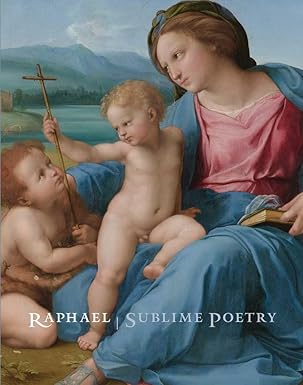
Carmen C. Bambach. Raphael: Sublime Poetry Hardcover – April 14, 2026.
"Lavishly illustrated and meticulously researched, it is the definitive text on the artist’s life, art, and enduring legacy." — from the Amazon review.
Catalogue for the Raphael exhibition of The Metropolitan Museum of Art, New York March 29- June 28, 2026.
| | |
Lucy Davis, Xavier Bray, et al. Winston Churchill: The Painter Paperback – July 21, 2026.
"Published to coincide with the Wallace Collection's exhibition of the same name, Winston Churchill: The Painter explores Churchill's activity as an artist from his first attempts during World War I through to the 1960s, shortly before his death. A careful selection of over fifty paintings from museums, institutions and private collections presents a fascinating backdrop to his times, politics, diplomacy and interests." — from Amazon review
Exhibition: Winston Churchill the Painter, the Wallace Collection, London, May 23-November 29, 2026.
| | |
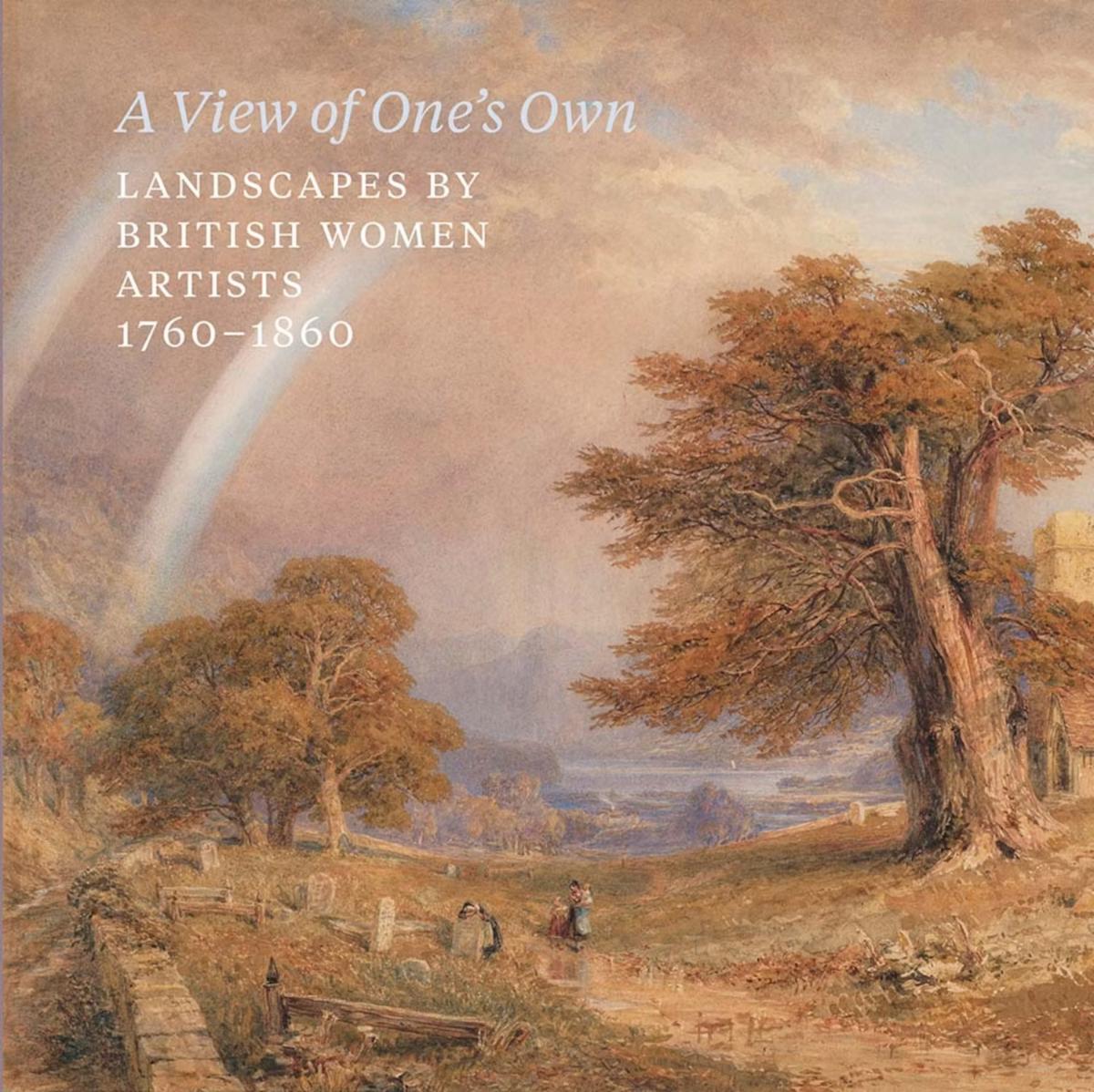
Rachel Sloan (editor). A View of One's Own: Landscapes by British women artists, 1760-1860 Paperback – April 14, 2026.
"When the Royal Academy was founded in 1768, its members included two women, Angelica Kauffmann and Mary Moser. There would not be another female academician until Dame Laura Knight was elected in 1936...A View of One’s Own accompanies an exhibition of landscape drawings and watercolors by a group of inspiring British women artists working both in Britain and abroad between 1760 and 1860." — from Amazon review
Exhibition: The Courtauld Gallery, London, January 28-June 14, 2026.
| | |
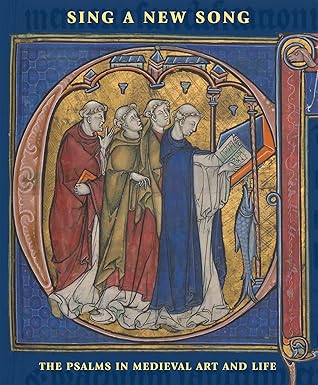
Roger S. Wieck, Emeral Lucas and Deirdre Jackson. Sing a New Song: The Psalms in Medieval Art and Life Hardcover – September 9, 2025.
A beautifully illustrated art historical reference book which explores in depth the central role of the Book of Psalms in the Middle Ages from the sixth to the sixteenth centuries. Published to accompany an exhibition at the Morgan Library & Museum, New York in 2025 through January 11, 2026. A gathering of wonderful works from churches, museums and universities in the United States and Europe.
| | Dr. Linda Privitera: Mindful Aging Strategies Part 2 | | |
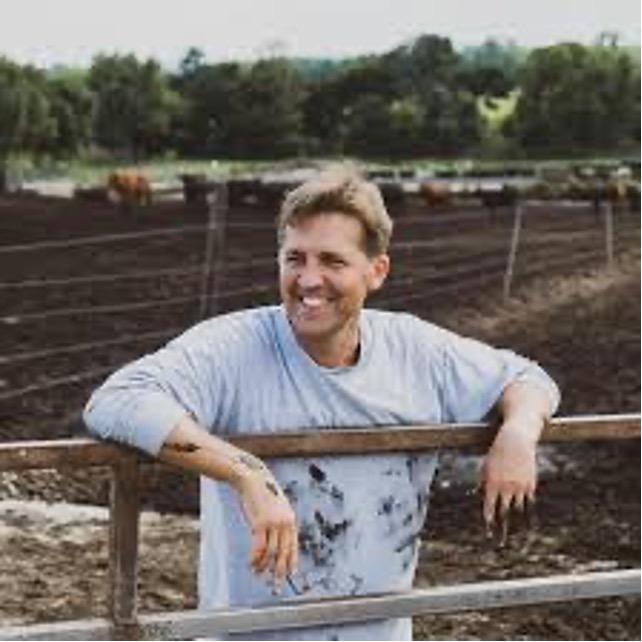
Ben Sasse (b. 1972) an interview in The New York Times
Douglas: I liked the quote you shared with us about Ben Sasse (sometime U.S. senator from Nebraska and sometime President of the University of Florida and his interview in the New York Times. I believe you chose him because he is currently, at age 54, dealing with a terminal Stage 4 pancreatic cancer diagnosed in December 2025. He has been interviewed about his illness and how he is coming to terms with it. You shared this excerpt from the interview:
I honor the Sabbath and keep it holy. Man, I wish I’d treated the Lord’s Day differently over the course of my life. Dinnertime is precious. Man, lock up your devices and keep them away from the table and prioritize that time. There is a limit to how many trips a month are really worth it. I lived a road warrior life for a long time… I took way, way, way too many trips.
Family compounds. Have more cousins and figure out how to live thick with them… I don’t feel ready to die but to whom would I go?... we’re told that we get to approach the Almighty, the divine, and call him Daddy, Abba, Father. That is pretty glorious… it’s pretty good that you pass through the vale of tears one time and the there will be no more tears, there will be no more cancer…”
| |
Linda: I chose Ben Sasse as an example of someone who is, right now, sharing his thoughts on his life and illness and who may be known to our class. The context is local to us. Some people in our Diocese might know Ben. And I didn't want to break confidence with anybody within my parish community.
I was struck by the fact that two thirds of that interview was spent on resume virtues. Where my heart went was to the last part of his interview where he expressed regrets. People who work with those who are dying will tell you that offering your regrets or asking for forgiveness is part of a personal farewell. It is felt that you can die well if you are released by those you might have harmed or from the mistakes you've made. And Ben, Ben Sasse did that in this article in a way that I found was very powerful.
He said, in essence, I spend way too much time on the road. I was away from home. A lot. And he didn't just say... way too much time. He said, I took way, way, way, way, way too many trips. And he talked about the value of sitting at table and really having a conversation with somebody over a meal, maybe with your family, and with a conscious decision for everyone to put away their cell phones. You go to a restaurant. People are on their phones, and you're thinking, why are you here? And why are you here together? I mean, you're not really together because you're not talking to each other. You're talking to your phone. Right. So, Ben talked about that, and then he talked about "living thick"-—which I thought was a great term. Connections. He talks about living thick with cousins. He’s on to something. We know from gerontologists that people with multiple connections live longer. They're not isolated. They are not lonely. He talked about that. And finally, Ben talked about his faith. The last third of his interview was about eulogy virtues, what really matters to him. It was about what he had learned, what his wisdom was, and how he wanted to tell them. And his faith was there as well. He said he didn't feel ready to die, but he knew where he was going: a place where he could call the divine Abba, Father, Daddy. He thought it was glorious, and that it was good that he would only have to pass through the veil of tears once. And then there will be no more tears. And no more cancer. So beautiful.
Remember as ‘re-member’, i.e. as ‘re-body’
Douglas: Linda, you said something that really stuck with me about the word "remember." Remember as "re-member," i.e. as "re-body." As in the phrase when we speak of Christians as "the Body of Christ." Share more please.
Linda: It is related to what we are saying about legacy. It's about eternal life. It's about how the one who is dying or has died lives on [and how we participate in that life].
In the gospel on Sunday (Easter 5, John 14:15-21) we talked about how Jesus lives on in our bodies. As we remember him, we live into his legacy. We carry the witness of Jesus forward in terms of love and compassion and meeting people in any need or trouble, and so on, but essentially the remembering means how that life goes on. There are a variety of ways to do that, of course, but ours is an incarnational faith. It is an embodied thing, and as such, when we die, what is remembered by those we love can be the same actions. And I think I was talking about my father who died when I was a kid. And after his death, I found a couple of paintings that he had done. I didn't know that he liked to paint. And I found a book of poetry that he had underlined and carried with him. It was just pocket size, and it had turned brown with age. I am an artist, and I love poetry. And so somehow, by continuing in those things, I am remembering him. Maybe it is DNA, and we could just say that, maybe it is. I have no idea. But that's how we live into the lives of those we want to... remember. Remembering is about more than just mental memory or snapshot. It's about how we live those memories. I think that's very insightful. That stuck with me very much so.
| Andrea Gibson (1975-2025) Poet | | |
Douglas: You ended up with the poet Andrea Gibson and Love Letter from the Afterlife. You shared this quote from Gibson’s Love Letter:
My love, I was so wrong.
Dying is the opposite of leaving.
When I left my body, I did not go away.
That portal of light was not a portal to elsewhere, but a portal to here.
I am more here than I ever was before.
I am more with you than I ever could have imagined…
Do you understand?
It was me who beckoned the stranger who caught you in her arms when you forgot not to order for two at the coffee shop…
It was me who was up all night gathering sunflowers into your chest the last day you feared you would never again wake up feeling lighthearted…
Feel me walking the chambers of your heart, pressing my palms to the soft walls of your living… I open the curtains of your eyelids with my own smile every morning… dying is the opposite of leaving.’
Linda: Oh, she is a fierce poet. A fierce kind of person. She is kind of wiry, and her hair was kind of all over the place, and she had this intensity, that’s what I think of her from her public appearance. She died much too young. She documents her cancer and her approaching death in a way that I found very powerful. And... you can find it on YouTube, or you can ask Google for the Love Letter from the Afterlife.
This letter was delivered in person, in front of a camera, to her partner. She delivered it right before she died. And I thought it was brave. I thought it was... really risky to let anybody else in on those more or less final thoughts that you give while you are still able to give them. It was beautiful and powerful, and in essence, she told her partner that dying is the opposite of leaving. So, this gives us a sense that here we are getting a different level of remembering.
I just thought it was stunning. Not all of us are going to say something as powerful, as beautiful, as Andrea Gibson. But if you want some honesty and some integrity about farewell addresses or final last words I think she's a standout.
Douglas: Linda, thank you. It is so good that the Cathedral has a priest who is an artist on the staff. I always look out for the programs and classes on the Cathedral website that you are involved in presenting. And the marvelous art exhibitions that are on display in the Cathedral’s Taliaferro Hall.
| | |
COLLECT
Almighty God, who on this day didst open the way of eternal life to every race and nation by the promised gift of thy Holy Spirit: Shed abroad this gift throughout the world by the preaching of the Gospel, that it may reach to the ends of the earth; through Jesus Christ our Lord, who liveth and reigneth with thee, in the unity of the same Spirit, one God, for ever and ever. Amen.
| | From St. John's Cathedral, Jacksonville | | | | |