|
THE MASTER OF ATTENTION
"Thou wilt keep him in perfect peace, whose mind is stayed on thee"
Isaiah 26:3
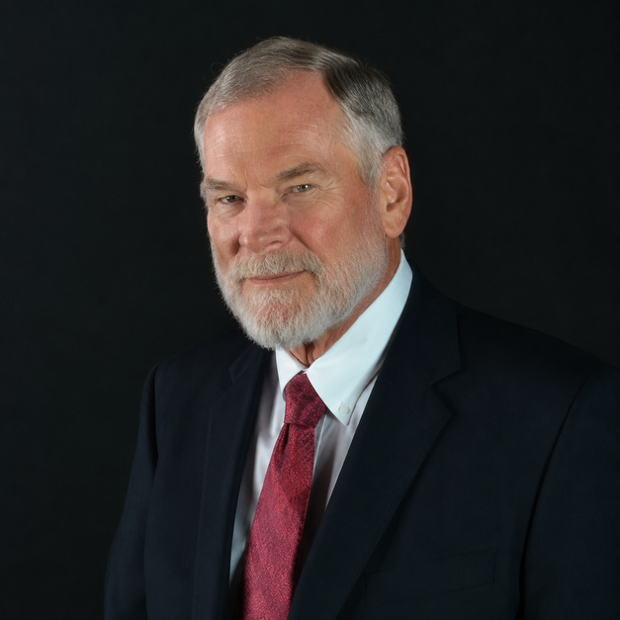
I was grateful to attend a talk recently by Robert Freeman (a member of St Paul’s by the Sea, Jacksonville Beach) on the subject of ‘Attention Fracking.’ You can Google the term for a quick definition:
Attention fracking (or "human fracking") is a metaphor describing how modern digital platforms exploit human focus. Just as oil companies use high-pressure methods to extract hard-to-reach resources from the earth, tech companies use algorithms, infinite scroll, and notifications to extract, monetize, and sell our most intimate cognitive resource: our attention.
And further, and perhaps you may think, more worrying:
The concept frames your digital habits not as personal failures of willpower, but as the intended result of sophisticated, heavily capitalized corporate systems... Platforms use this extraction process to keep you online as long as possible, aggregating your engagement and selling it to advertisers.
Freeman, a retired lawyer, was prompted to offer his talk after reading an article on the subject in his college alumni magazine. Princeton University is home to the Friends of Attention, a group of academics who campaign against the exploitation of human attention and to D. Graham Burnett, Professor of the History of Science who founded the group.
Freeman didn’t claim to have the solution to human fracking, but he did share a very helpful personal testimony. He told us that a lot of books are read in his household as there has not been a television there for thirteen years. In place of repetitively checking ‘the news’ throughout the day, he periodically reads news commentaries in a few trusted journals. Walks in the nearby Atlantic Beach neighborhood of Selva Marina, noted for its preservation of trees and sand dunes, are part of a daily round as are frequent visits to a bench in a quiet environment on the perimeter of his neighborhood for rest and meditation. For all of this, he is immensely human: like me, and perhaps you, if he should leave the house without his cell phone, it might throw him into an immediate panic.
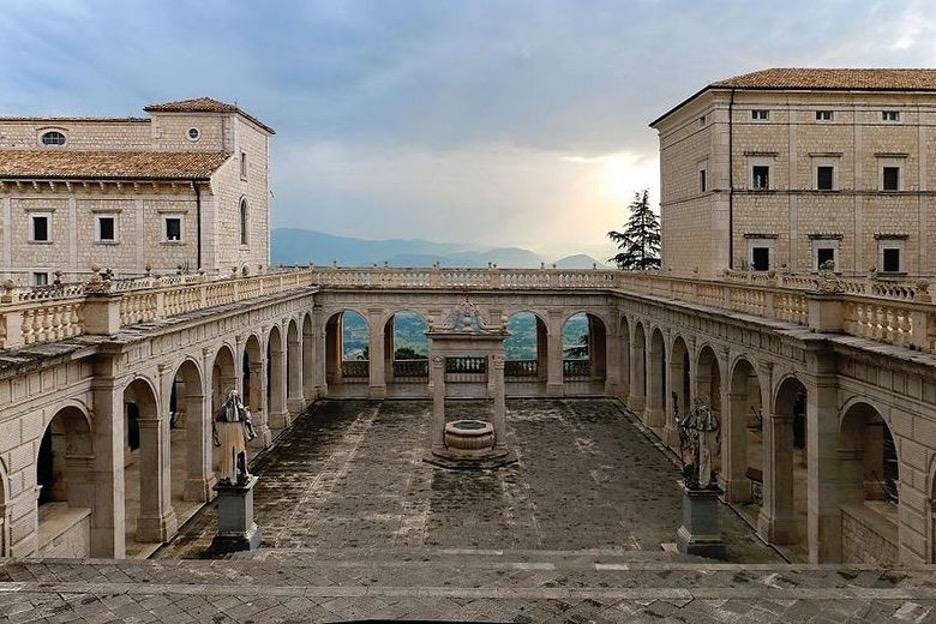
July 11 is the feast day of the saint I wouldn’t hesitate to call the Master of Attention: Benedict of Nursia (480-547 AD). Benedict is the ‘Father of Western Monasticism’ and the Rule of St. Benedict, the genius inspired blueprint for holding communities in communion and fellowship for the last 1,500 years and still inspiring in our day. As a young man, Benedict’s noble father sent him to Rome to finish his education. The dominant subject in the boy’s curriculum was rhetoric—the art of persuasive speaking. The best speaker was not the person who conveyed the truth or had a solid argument but the one who used eloquence and technique to sway his audience. As one commentator has put it:
The power of the voice without foundation in the heart was the goal of the student's education. And that philosophy was reflected in the lives of the students as well. They had everything—education, wealth, youth—and they spent all of it in the pursuit of pleasure, not truth. Benedict watched in horror as vice unraveled the lives and ethics of his companions.
Benedict fled Rome and lived mostly in solitude and was guided for several years by a devout Christian mentor. When he emerged to found small communities of Christian monks and developed his Rule to guide them, he did not abandon what he had learned about the art of rhetoric. Rather, he put the power of speaking and effective listening at the service of the Gospel. He reformed the art of rhetoric, confident that the surest foundation for the power of words was the Word of God itself: "For what page or word of the Bible is not a perfect rule for temporal life?"
In Benedict’s Rule a key component, in harmony with worship and manual work, was a profound immersion in the study of Scripture and attention to the practice of sacred reading—what is called lectio divina:
In this lectio divina, [Benedict] and his monks memorized the Scripture, studied it, and contemplated it until it became part of their being. Four to six hours were set aside each day for this sacred reading.
Talk about attention! You may know the practice of lectio divina from within the fellowship of your own church. In recent years the practice has been widely encouraged and practiced among clergy and laity alike. Also recently, most every Diocesan gathering has had an opening session devoted to lectio divina.
Praise God that attention fracking need not be the last word. But the seduction and potential exploitation of this fundamental human faculty is an invitation anew to practice the presence of God and feast on his sacred word. Hold on to the promise, beautifully phrased in the words of the prophet Isaiah:
Thou wilt keep him in perfect peace, whose mind is stayed on thee: because he trusteth in thee. Isaiah 26:3.
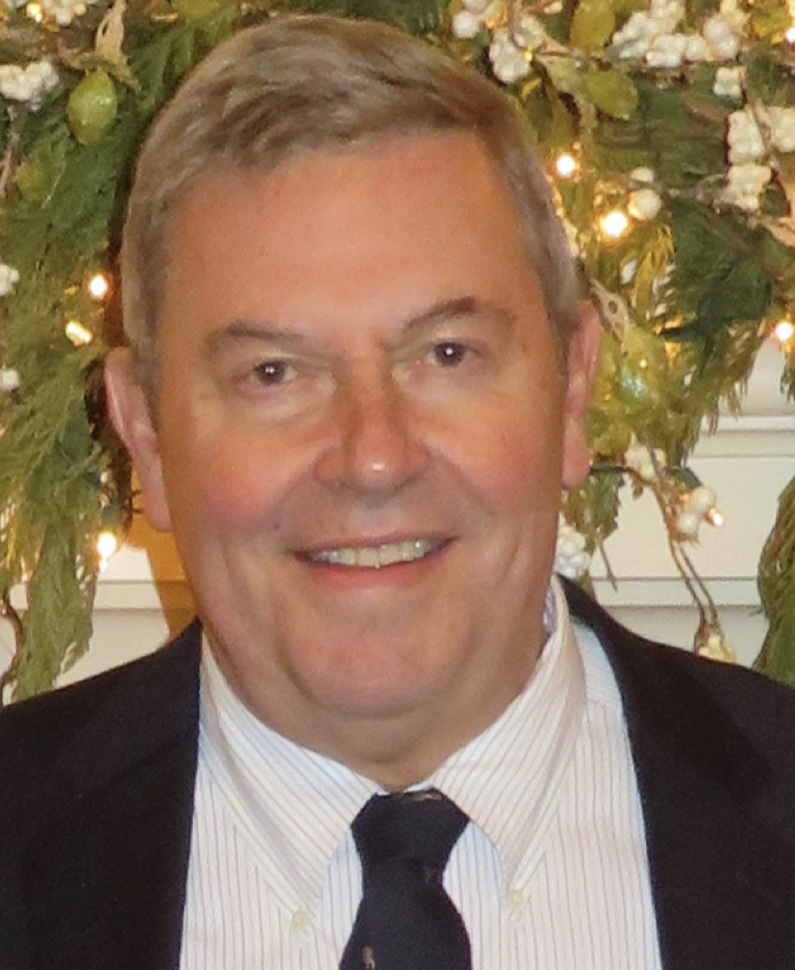
Douglas Dupree
| | Benedict of Nursia (480-547 AD) | | |
COLLECT
Gracious God, whose service is perfect freedom and in whose commandments there is nothing harsh nor burdensome: Grant that we, with your servant Benedict, may listen with attentive minds, pray with fervent hearts, and serve you with willing hands, so that we might live at peace with one another and in obedience to your Word, Jesus Christ our Lord, who with you and the Holy Spirit lives and reigns, one God, now and for ever. Amen.
| | |
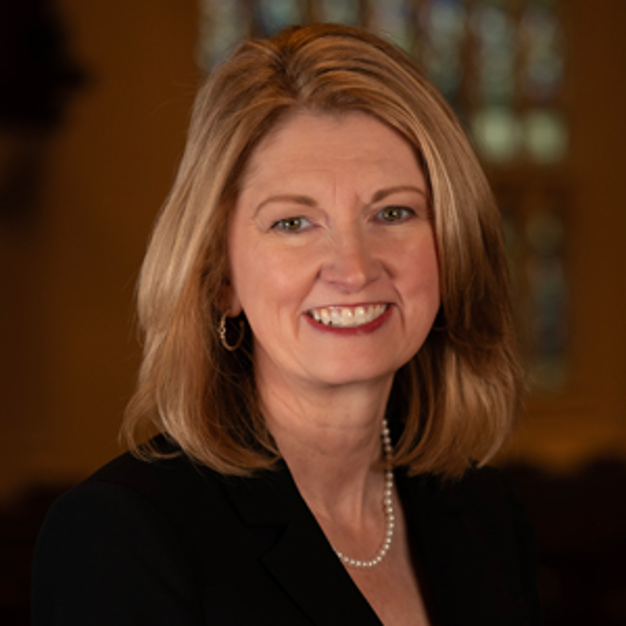
An Interview with The Rev. Kimberly Hyatt,
President and CEO, Cathedral Arts Project
| | |
Cathedral Arts Project (CAP) was founded by members of St. John's Cathedral more than 30 years ago. How has that history shaped the organization's mission, and what does that connection mean to you today?
So what I love about CAP’s story is that there was never a plan to form a new nonprofit. The plan was simply to invite neighbors to the cathedral. So, in 1993, they invited children from what was then a transitional housing facility adjacent to the cathedral over to Taliaferro Hall for dance lessons after school. Mary & Bruce Bower’s daughter was the teacher.
Somehow word got out and a principal called and asked if we could go to her school and provide free lessons, and so we did. And that principal spread the word and more and more principals started calling the cathedral, asking for more and more kinds of arts education programs. Almost a decade later, they realized that there was a real need in the community for arts education and a growing sense that God was calling us to provide this ministry and so then, CAP became a nonprofit.
Today, CAP provides visual and performing arts education to thousands of children across Northeast Florida in Duval, St. Johns, Clay and Nassau counties. We offer afterschool programs, school-day arts integration and specialized arts experiences for children and adults with moderate to severe disabilities.
We continue to advance our mission by always trying to sense what the community needs and wants and what God is already up to. CAP was born out of a spirit of abundance and covenant relationship—not transactional charity. That’s really central still to who we are, being responsive to the needs of the communities we serve.
You've spent much of your life in ministry and nonprofit leadership. How have those two callings influenced one another?
To me, it’s one calling. I’m ordained in the Presbyterian Church (U.S.A.) We have a statement entitled “A Call to Church Involvement in the Renewal of Public Education,” which urged Presbyterians to support education and ensure the development of aesthetic appreciation and skills. The statement spoke of children’s needs in these areas as “of life-giving or life-denying proportions.” Moving from my role as pastor to leading the Cathedral Arts Project was my attempt to do just that in responding to the Holy Spirit, the Lord and Giver of Life.
We help children uncover the treasure buried in their lives by unleashing their creative spirit. Among the myriad intrinsic and instrumental benefits of arts education, children come to see their own creative potential as ones bearing the imago Dei. Since all children bear this mark, they all deserve opportunities for arts learning. Without us ever talking about God, children find ways to transcend the limits of their circumstances by focusing on that which lies within and beyond.
They begin to discover that their circumstances do not define the limits of who they are or what they may become. I know this because it is my story too, a story in which the arts were not only a faithful companion but a life-giver.
You’ve spoken about the impact the arts had on your own life. How do you see that same impact reflected in the children and families CAP serves?
The arts have a unique way of revealing who we are and expanding our view of what is possible. In my own life, the arts provided a space for self-discovery, expression, and a profound sense of connection to something larger than myself. When I look at the children and families CAP serves, I see that exact same awakening happening every day.
We often talk about the arts as a tool for development, which is true, but standard educational metrics don't capture the whole picture. CAP students improve in areas such as attendance, behavior, academic achievement, and social-emotional growth. But those measures still do not capture the whole story.
I see the arts giving children a voice to articulate their own stories and experiences. They help children discover that their ideas matter and that they have something meaningful to contribute.
For families, seeing their child take center stage or display a piece of artwork creates a profound sense of shared pride and communal joy. Sometimes a parent sees a possibility in their child that they had never seen before. It reflects a core belief I hold dear: that every single child is uniquely and wonderfully made, gifted with inherent dignity and creative potential that deserves to be nurtured.
How do you see the arts helping young people discover confidence, purpose, or a sense of belonging?
Gosh. So many ways. I’ll start with belonging. When kids join a string orchestra, a theater or dance troupe, or a visual arts studio, they are immediately invited into a space of mutual interdependence. They learn their individual voice matters, yes, but they also learn the voices of their peers do too. They figure out they’ve got to listen to the voices around them in order to create something beautiful together.
And when kids feel like they belong, that helps build confidence. It moves a child from asking 'Do I fit in?' to realizing “I have something to contribute and their voice matters too.” Kids carry themselves differently when they realize that.
Looking back on your more than two decades with CAP, is there a moment or story that continues to stay with you?
Yes, absolutely, and it is one from over two decades ago, but I still think of it. It was a 9 a.m. Performing Arts Showcase – on a Saturday! While family members were in the lobby waiting to get in, I happened to overhear a conversation between two men. One said, “I can’t believe I’m here on a Saturday morning. There’s no way she’s going to get out on the stage.”
I heard it but didn’t think anything more of it. During the show, I was standing along the wall to the side of the audience. After one group of students performed and the audience was applauding, I noticed a man standing up applauding just a few feet away from me. He was beaming and it looked to me like he was either tearing up or about to tear up.
Guess who it was. That same man who had said there was no way his daughter would perform in front of hundreds of people. His daughter had walked onto that stage and done the very thing he was certain she would not do.
I have to imagine that ever since that performance, that father’s expectations of what his daughter can accomplish are much higher than they were before the show. He had seen something in her that perhaps neither of them knew was there.
CAP isn’t just about building artistic technique; it’s about building courage and persistence in students and helping those around them realize all the gifts and potential that are inside just waiting to come out.
As CAP continues to grow, what gives you the greatest sense of hope for the next generation?
The children. Always the children. Every generation is different, of course, but our youngest children have such an expansive vision of how this world could be. Their hope, their creativity, their determination will see us home, I trust!
| | |
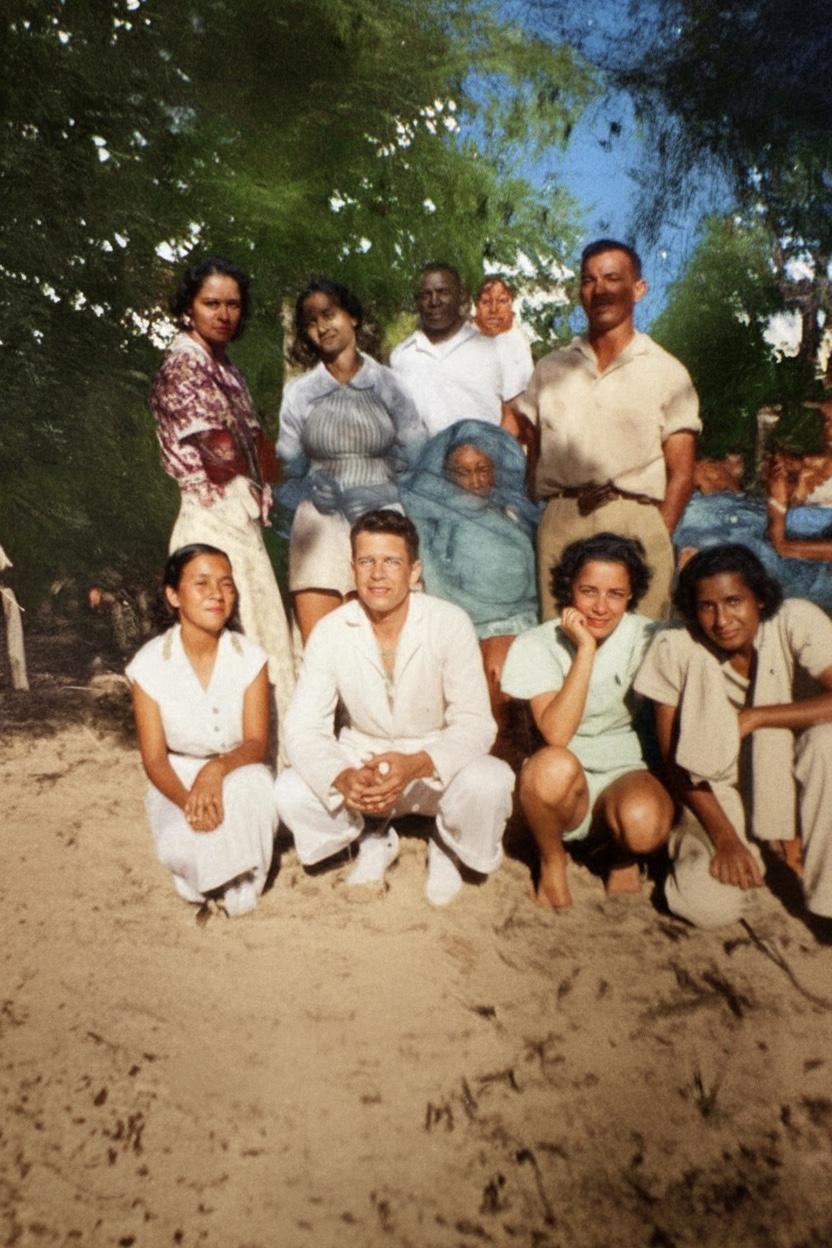
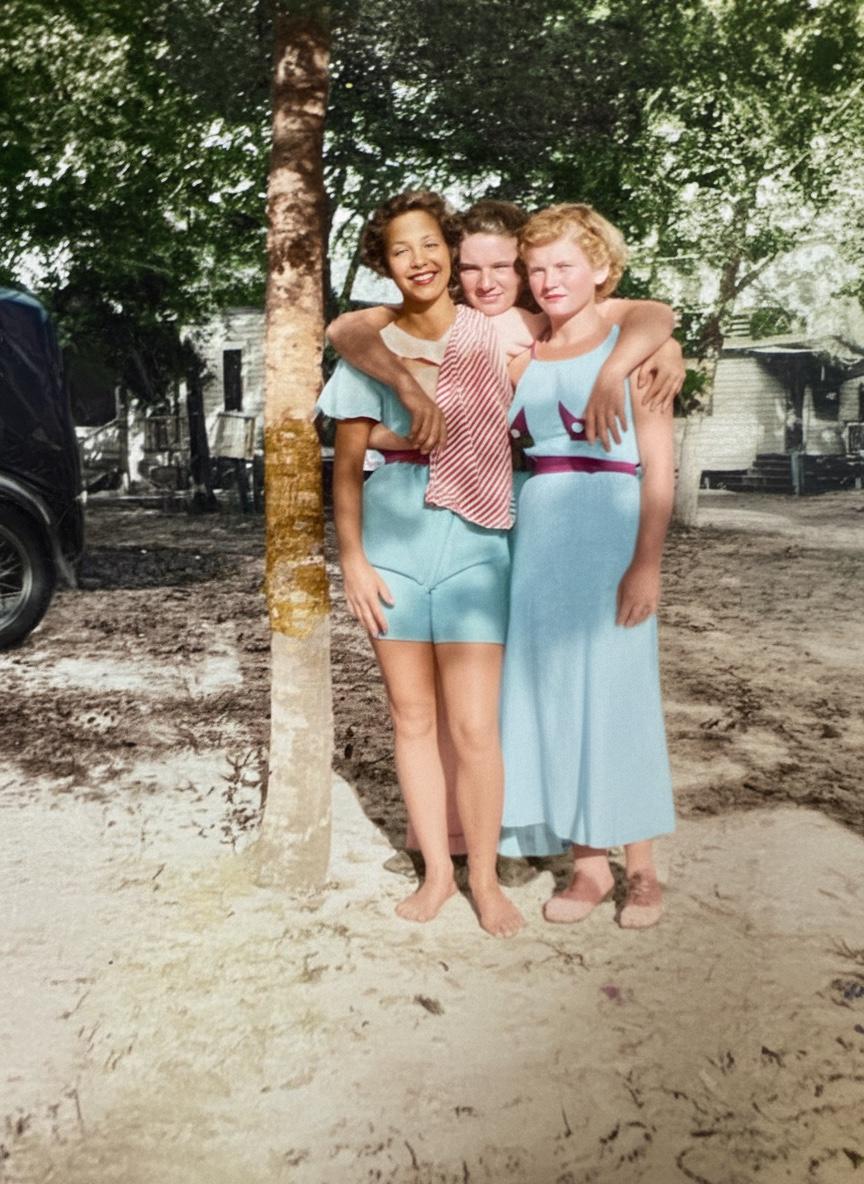
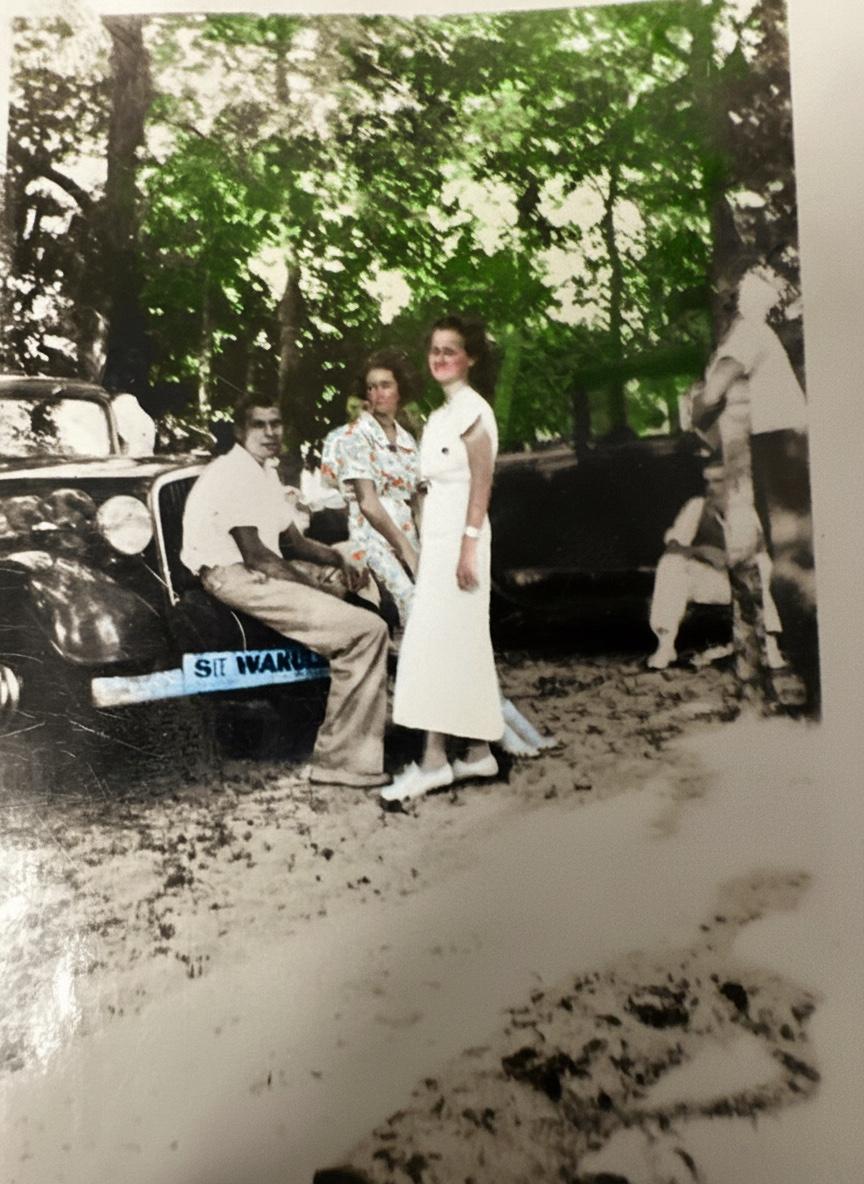
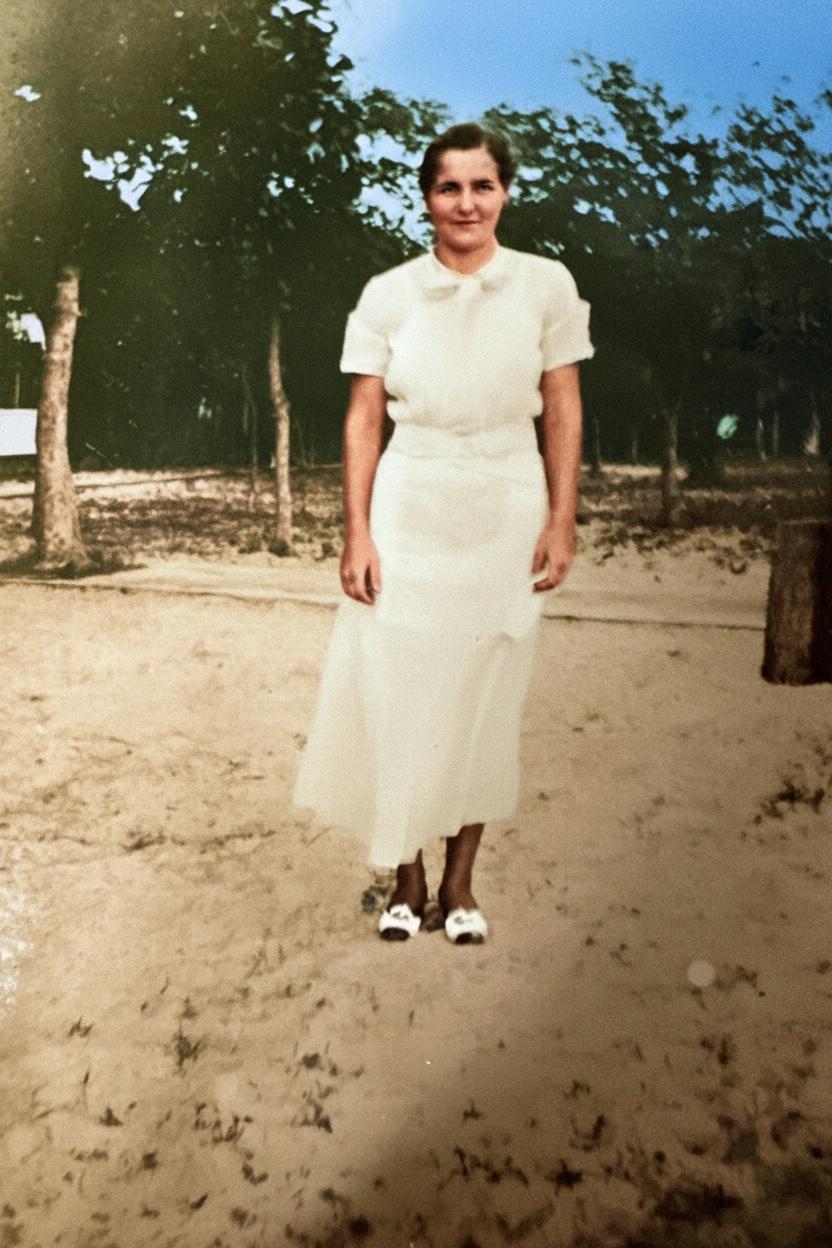
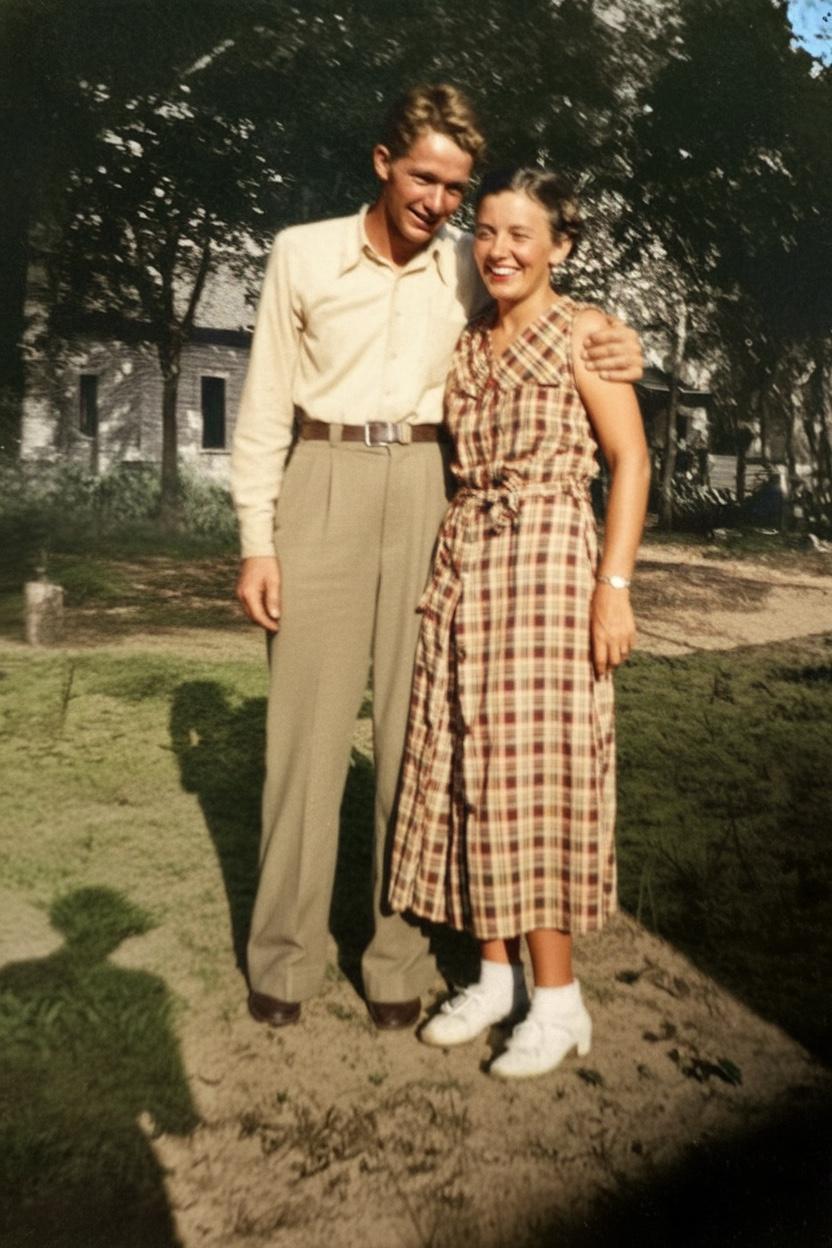
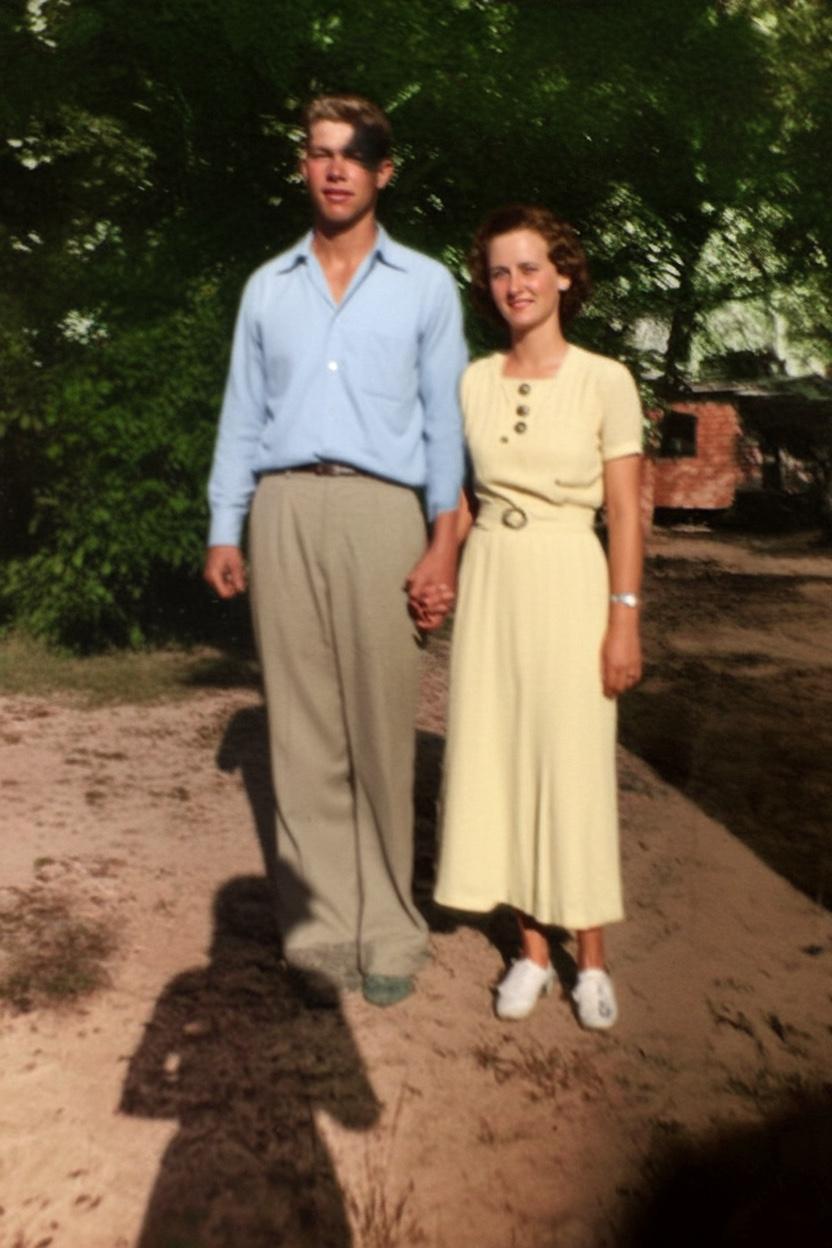
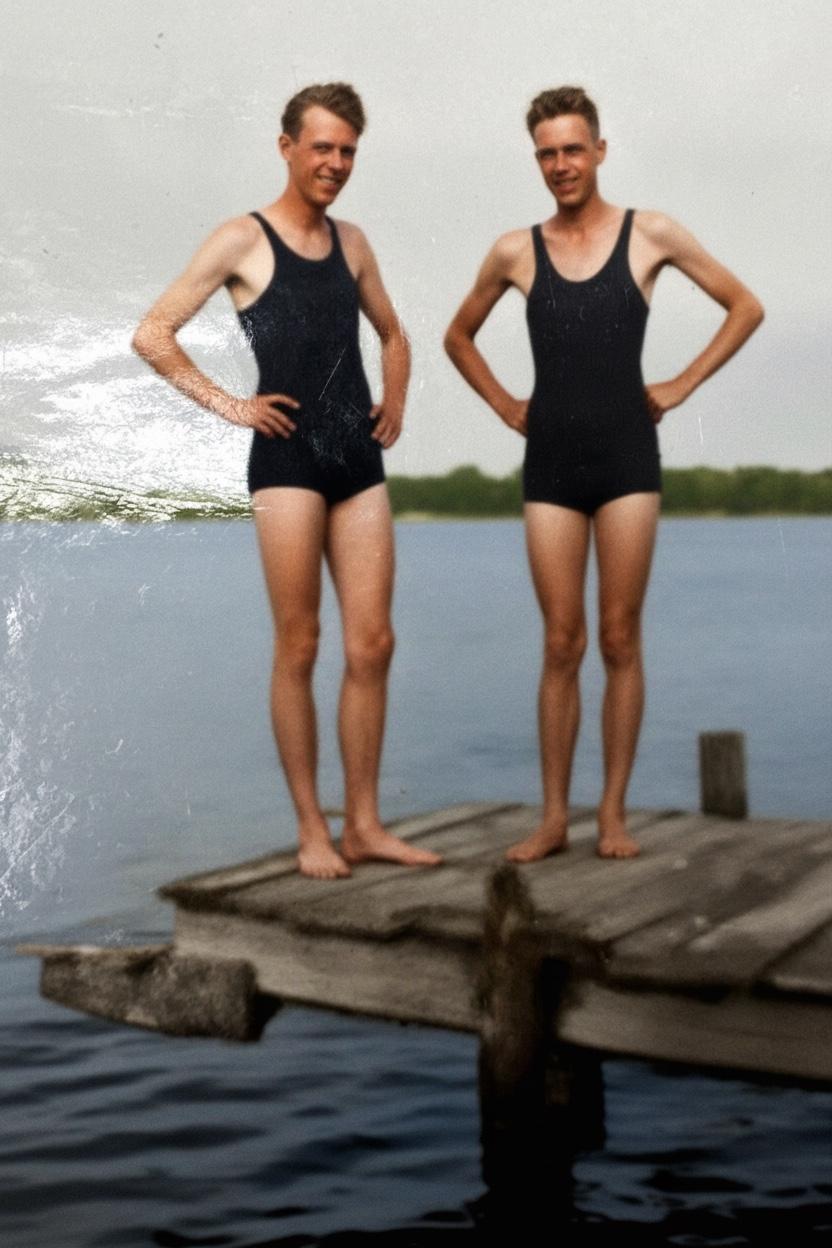
Over the last year. Virginia Perkins (St. John's, Tallahassee) sent us some enjoyable letters from Camp Weed written years ago by Arthur Perkins, her husband's uncle. Now Virginia has kindly sent us this series of ten photos from bygone days at Camp Weed when it was located on the Gulf at Beacon Hill near Panama City (the location of Camp Weed from 1925 after it was started at St. Augustine in 1924 until it moved during WWII to Fleming Island and then to St. Teresa Beach).
Virginia can identify only one person in these photos: Kathryn Perkins, a young woman with blond hair in a long, white dress—her husband’s aunt and the sister of Arthur Perkins whose letter we shared previously in the newsletter.
Competition:
We will reward a gift certificate from the Cathedral Bookshop to anyone who can identify any of these happy Camp Weed campers. Also, we will give a gift certificate to anyone who can tell us a bit more about Camp when located at the Beacon Hill site. Contact me by email: ddupree@diocesefl.org or by telephone: 904-356-1328.
| | |
An Interview with Dennis Stone,
General Counsel, Jacksonville Urban League
| | |
1. Dennis, tell us a little about your background. You are a lawyer, an academic, a dedicated Roman Catholic layman, and very much involved in our local community. Where were you brought up and educated? Where have you spent most of your professional life? When did you move to Jacksonville? Did you retire here?
I grew up in Sacramento, California, the third of seven children in a devout Catholic family. My parents lived their faith in very practical ways. They believed deeply in the dignity and equality of every person and expected us not only to believe that ourselves but to act on it. I attended Catholic elementary school, spent a year in a high school seminary, and then graduated from a Christian Brothers high school before attending the University of California, Berkeley, and later earning my law degree from McGeorge School of Law. Most of my professional life has combined law and education. I was admitted to practice law in California, taught at several law schools around the country, and came to Jacksonville in 1995 to help establish Florida Coastal School of Law. I also helped start law schools in Charlotte, Phoenix, and Charleston which involved significant work in regulatory, corporate and business law.
2. Please share with us the work you do for the Jacksonville Urban League. How are you involved? What called you to get involved?
I serve as General Counsel for the Jacksonville Urban League and as Executive Director of the Center for Advocacy and Social Justice, which we helped establish in 2018. Those roles allow me to combine my legal background with my lifelong interests in teaching, public policy, and community engagement. My involvement with the Urban League really began through my friendship with Dr. Richard Danford. We first met while he was serving on the Board of Florida Coastal School of Law, helping us strengthen our connections with the broader community and our shared goal of expanding diversity within the legal profession.
Public health, youth development, and civil rights:
Over time I joined the Urban League's Board of Directors, and when I retired from the law school, Richard invited me to help develop what became the Center for Advocacy and Social Justice. It has been a wonderful opportunity to devote this chapter of my life to improve public policy, expand educational opportunities, workforce development, entrepreneurship, public health, youth development, and civil rights.
What has impressed me most, however, is not the work itself but the people. Whatever contributions I have made have only been possible because I have had the privilege of working alongside extraordinary colleagues. Dr. Danford's vision and leadership have guided the Urban League for more than three decades, and I have learned an enormous amount from him and from the dedicated staff who serve our community every day. Since 2020, I have also had the privilege of working with more than a hundred undergraduate and graduate interns from universities throughout Northeast Florida and across the nation. They have come from law schools, schools of public health, public policy, medicine, business, and many other disciplines. Their intelligence, idealism, and commitment to social justice, health equity, and public service have given me tremendous hope for the future. Teaching may have been my profession, but these remarkable young people have reminded me that learning is a lifelong vocation.
Many of my colleagues have lived the very challenges they now help to overcome.
They bring not only professional skill, but empathy, resilience, and credibility born of experience. Watching both my colleagues and our interns work together has deepened my own understanding of justice and service. They have taught me that lasting change begins not by telling communities what they need, but by listening, building trust, and walking alongside people with dignity and hope. In a time when it is easy to become discouraged by the divisions we see around us, the students remind me that the next generation is eager to build bridges, seek truth, and serve others. That gives me genuine hope for our future. I must mention that my growth and work have also depended upon the love and support of my family, particularly my wife of thirty years, Nancy. Her perspective, patience, encouragement, and steadfast partnership have been among God’s greatest gifts to me.
3. The Jacksonville Urban League has a number of ongoing projects to support various groups in our community. Could you highlight one of the projects that particularly speaks to you and tell us a bit about their work and progress?
The project that is closest to my heart is the Community and Veterans Empowerment Center now under development in Jacksonville's historic Durkeeville neighborhood. It is much more than a new building. Our vision is to create a place where people can gain new skills, improve their health and financial well-being, start businesses, receive career coaching, access technology, and participate in community life. We also want to honor the service and experiences of our veterans while helping connect them with opportunities and resources. It is exciting to watch a long-term vision gradually become a reality that will serve generations to come.
Beyond the Center itself, this project reflects something I have been fortunate to experience throughout my professional life. Whether helping establish Florida Coastal School of Law, developing the Center for Advocacy and Social Justice, or working with other nonprofit initiatives, we have been blessed by the generosity of extraordinary professionals in law, medicine, business, education, and public service. They have given freely of their time, wisdom, and experience—not only to strengthen these organizations but also to mentor our students, interns, young professionals, and community leaders. Watching accomplished people invest in the next generation has reinforced my belief that one of the greatest forms of leadership is helping others discover and develop their own gifts.
4. The Urban League has a very active speaker program. Of the guest speakers sponsored by the League recently whose talk has particularly resonated with your thoughts and conviction?
One of the joys of my work has been helping organize conversations that bring together physicians, clergy, educators, public officials, scholars, and community leaders to discuss difficult issues with mutual respect. Rather than selecting a single speaker, what has resonated with me most is the collective willingness of so many people to engage thoughtfully across differences. Our recent series on maternal health, public health in general, racial healing, and civic dialogue has reinforced my belief that lasting change begins with listening. We may not always agree, but we can learn from one another and discover common ground from which meaningful action can grow.
Part 2 of the Interview continues a bit further on in this newsletter.
| | |
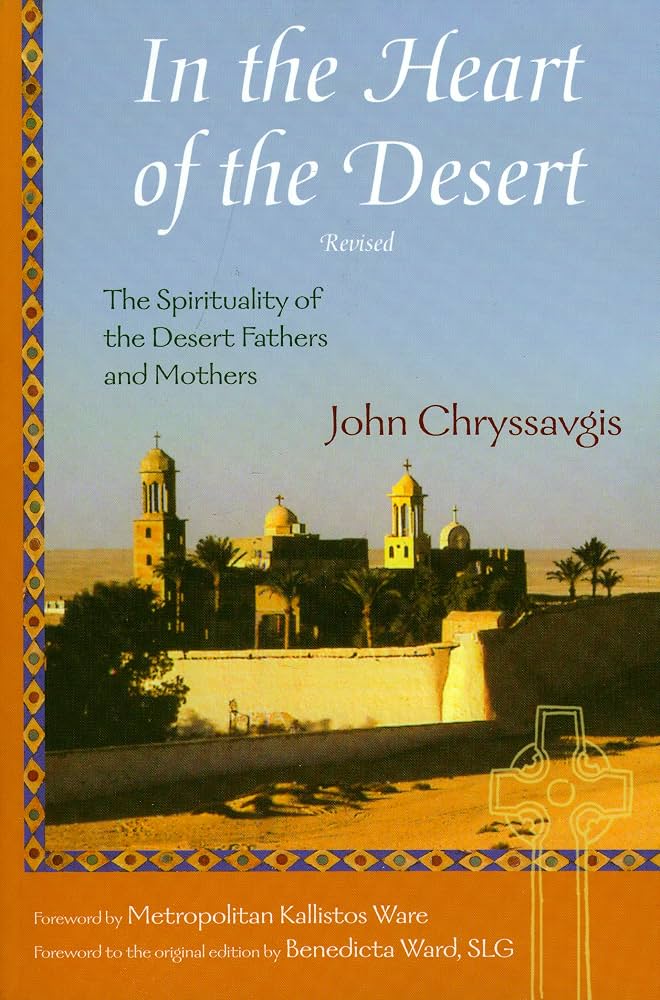
John Chryssavgis, Benedicta Ward (Intro). In the Heart of the Desert: The Spirituality of the Desert Fathers and Mothers (Treasures of the World's Religions) — Paperback, 2008.
John Chryssavgis’s inspiring introduction to the spirituality of the Desert Fathers and Mothers brings their words to life for the modern reader. These key figures of the early church chose lives of hardship and solitude, where they could point their hearts away from the outward world and toward an introspective path of God's calling in a deliberate and individual way.
| | |
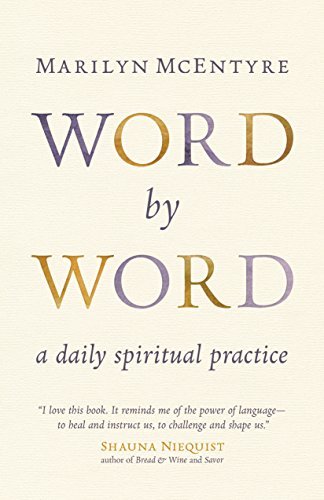
Marilyn McEntyre. Word for Word: A Daily Spiritual Practice — Paperback, August 2016.
"She draws on the spiritual practices of lectio divina and centering prayer as she encourages readers to allow these small words to help them pause and hear the voice of the Spirit. 'I invite you to discover,' says McEntyre in her introduction, 'how words may become little fountains of grace. How a single word may, if you hold it for a while, become a prayer.'" —Amazon review
| | |
Friends of Attention. Attensity! A Manifesto of the Attention Liberation Movement — Hardcover, January 20, 2026.
“Attensity! argues that we’ve been thinking about this crisis all wrong. The problem isn’t that you, personally, are addicted to your phone or that you can’t stay on task. It goes deeper than that.” — The Washington Post
| | |
Whitaker House. In the Garden: An Illustrated Guide to the Plants of the Bible — Hardcover, February 2020.
"With original illustrations, this beautiful gift book clarifies the biblical references to fifty plants and provides delightful new insights into the Word of God. Includes indexes to each plant and its corresponding Scripture references, a calendar of Jewish festivals and the growing seasons in Israel, and tips for growing your own biblically inspired garden." — Amazon review
| | |
Peter Maeck. Remembrance of Things Present: Making Peace with Dementia —Paperback, April 2017.
"[Peter Maeck’s] poetry is a modern-day psalm of lament, in which the writer expresses his pain as a way of finding resolution. Peter rejects the notion that dementia’s gift is passage to a Present eternal…
That’s nonsense, you know it, and I call you out,
The present is nice but it’s nothing without
The surrounding dimensions of yonder and yore
Peter Maeck has no easy answers but celebrates and embraces the love that has no end." — Amazon review
| | |
Rose Pacatte, FSP. Martin Sheen: Pilgrim on the Way — Paperback, January 2015.
"Martin Sheen, best known for his role as a Catholic president in the prestigious television series The West Wing, returned to the practice of his Catholic faith at the age of forty after decades away. After years of battling alcohol addiction, a near-fatal heart attack, and a nervous breakdown, the stage, film, and television actor renewed his dedication to his family and activated his faith with energy, grace, and joy." — Amazon review
| | |
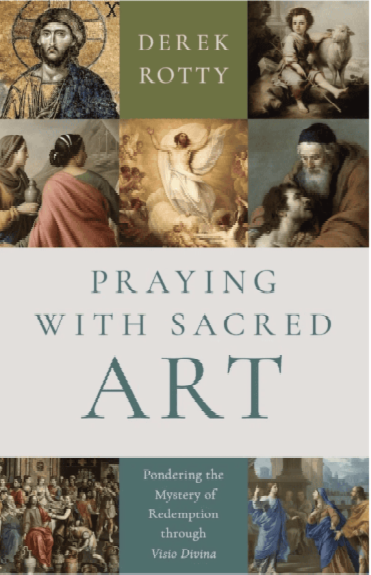
Derek Rotty. Praying with Sacred Art: Pondering the Mystery of Redemption through Visio Divina — Paperback, October 21, 2025.
"In this rich journey through sacred art, author Derek Rotty accompanies readers through the mysteries of salvation history, highlighting some of the Church’s most moving and celebrated works of visual art. He embraces the concept of visio divina, in which contemplation of sacred art becomes a prayer in much the same way as lectio divina makes a prayer out of Scripture reading." — Amazon review
| | |
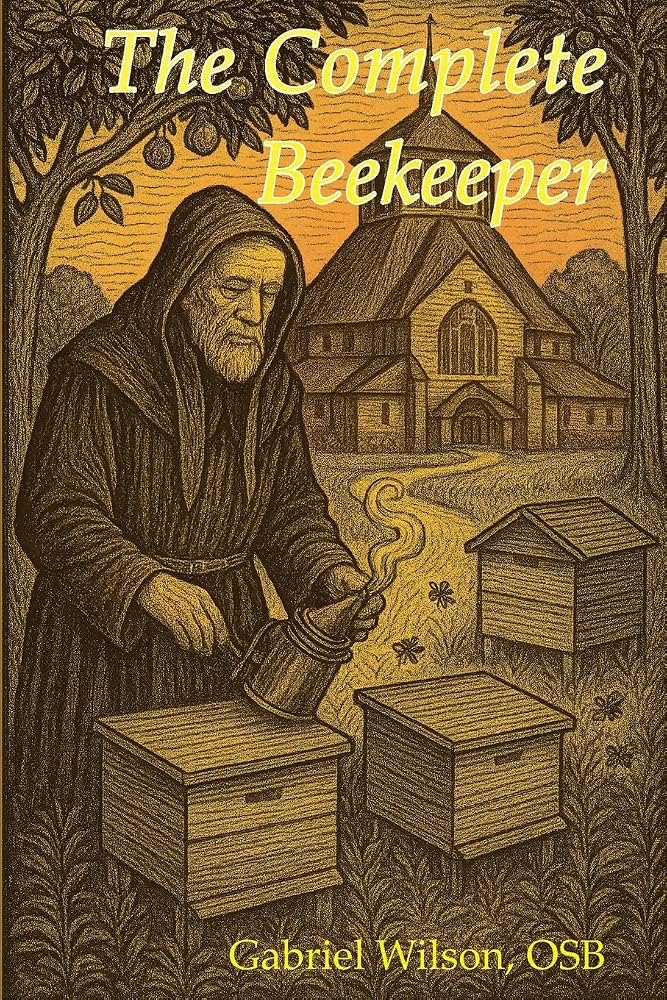
Gabriel Wilson, OSB. The Complete Beekeeper — Paperback, April 5, 2026.
"... is not, as you might think, a how-to guide, though the practical bits are fascinating; it’s more a lesson in what we can learn from bees and gain from keeping them... it’s a spiritual guide, courtesy of bees, in fabulously honeyed prose." — Melanie McDonagh
"Gabriel Wilson. OSB, the Prior, Guest Master, Novice Master and Beekeeper of Douai Abbey, shares in this deeply engaging book a lifetime of spiritual reflection inspired by the bees in his hives and the rhythm of the seasons." — Amazon review
| | America 250th Anniversary | | |
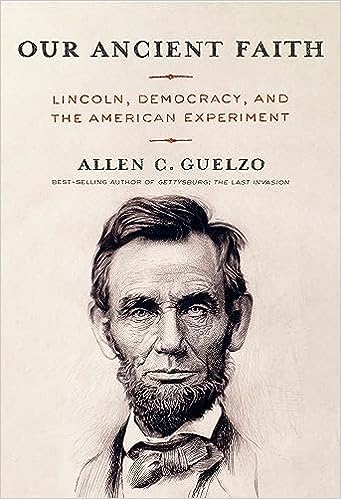
Allen C. Guelzo. Our Ancient Faith: Lincoln, Democracy, and the American Experiment — Hardcover, February 6, 2024.
"Allen C. Guelzo, one of America’s foremost experts on Lincoln, captures the president’s firmly held belief that democracy was the greatest political achievement in human history. He shows how Lincoln’s deep commitment to the balance between majority and minority rule enabled him to stand firm against secession while also committing the Union to reconciliation rather than recrimination in the aftermath of war." — Amazon review
Guelzo is Senior Research Scholar at the Council of the Humanities at Princeton University. He is the author of several books about the Civil War and early-nineteenth-century American history.
| | |
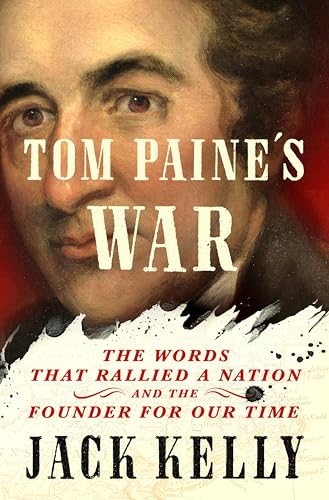
Jack Kelly. Tom Paine's War: The Words That Rallied a Nation and the Founder for Our Time — Hardcover, January 6, 2026.
"Paine enlisted as a militia private. He saw Washington’s army suffer grievous defeats. He slogged through the mud with retreating troops to Pennsylvania. There, he wrote The American Crisis, the most stirring rallying cry in our history. It began: 'These are the times that try men’s souls...' With Paine’s words ringing in their ears, Washington and his men crossed the Delaware River and defeated the enemy at Trenton.
The battle reversed the fortunes of the campaign and of the Revolution itself. This is a story of the power of words―and the power of belief―and how both speak as well to America’s current crisis." — Amazon review
| | |
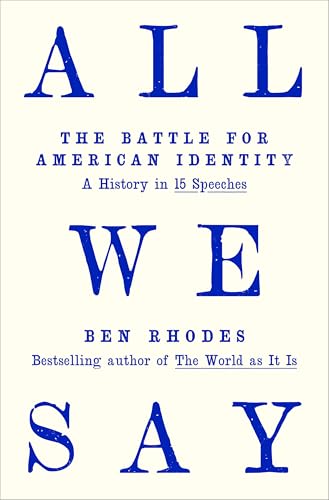
Ben Rhodes. All We Say: The Battle for American Identity: A History in 15 Speeches — Hardcover, May 26, 2026.
"What does it mean to be American?
All We Say reminds us that our self-definition did not end with the surge of political language those men who authored the Constitution in 1787 in Philadelphia wrote. Instead, throughout American history, we have continued to use words to try to discern what it means to live righteously in this land." — Rachel Kaadzi Ghansah, Pulitzer Prize–winning essayist
| | |
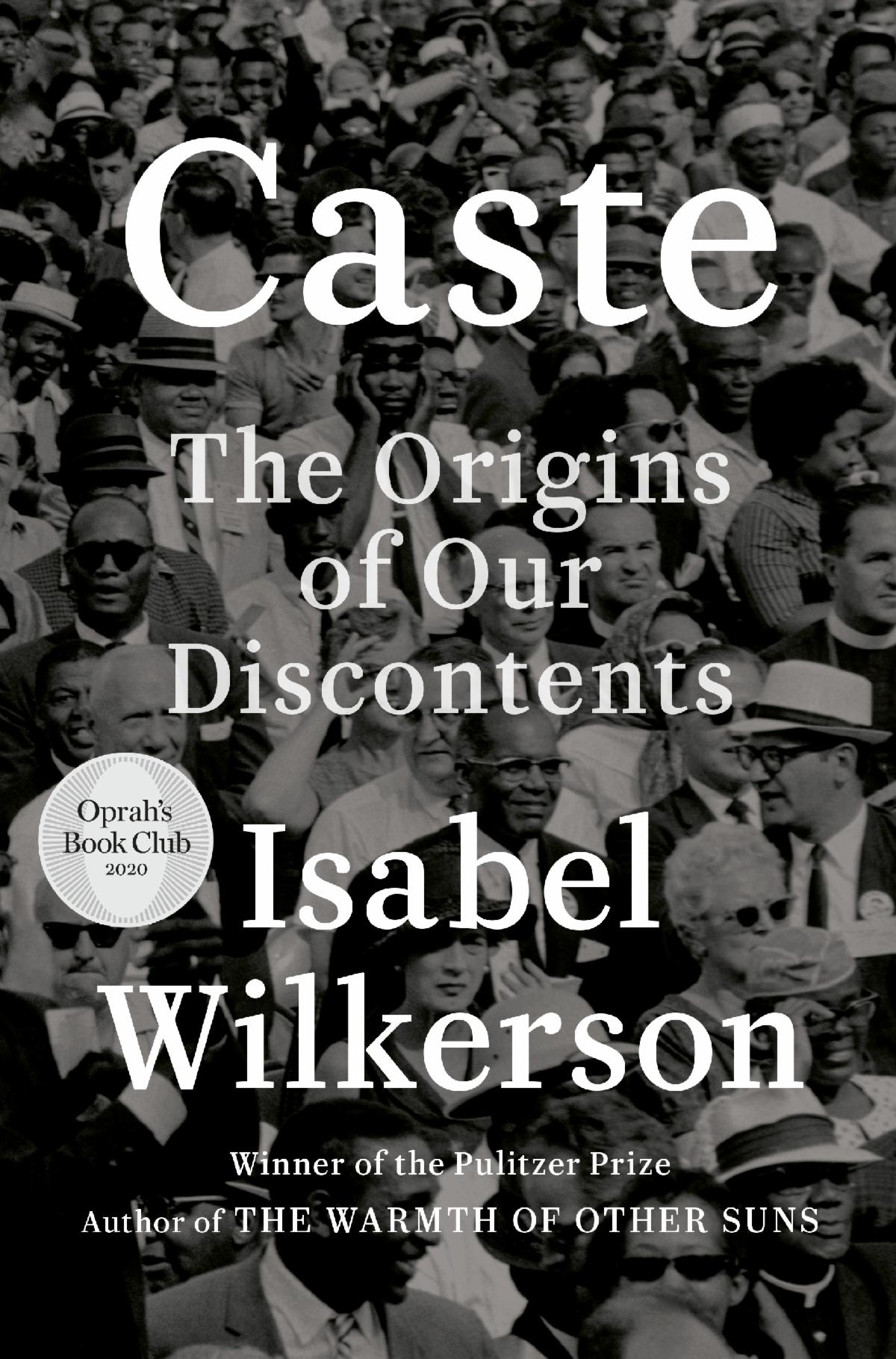
Isabel Wilkerson. Caste: The Origins of Our Discontents — Paperback, February 14, 2023.
"An instant American classic and almost certainly the keynote nonfiction book of the American century thus far." — Dwight Garner, The New York Times
"Caste is re-arranging my molecules right now… Isabel Wilkerson is one of my heroes." — Ken Burns.
| | |
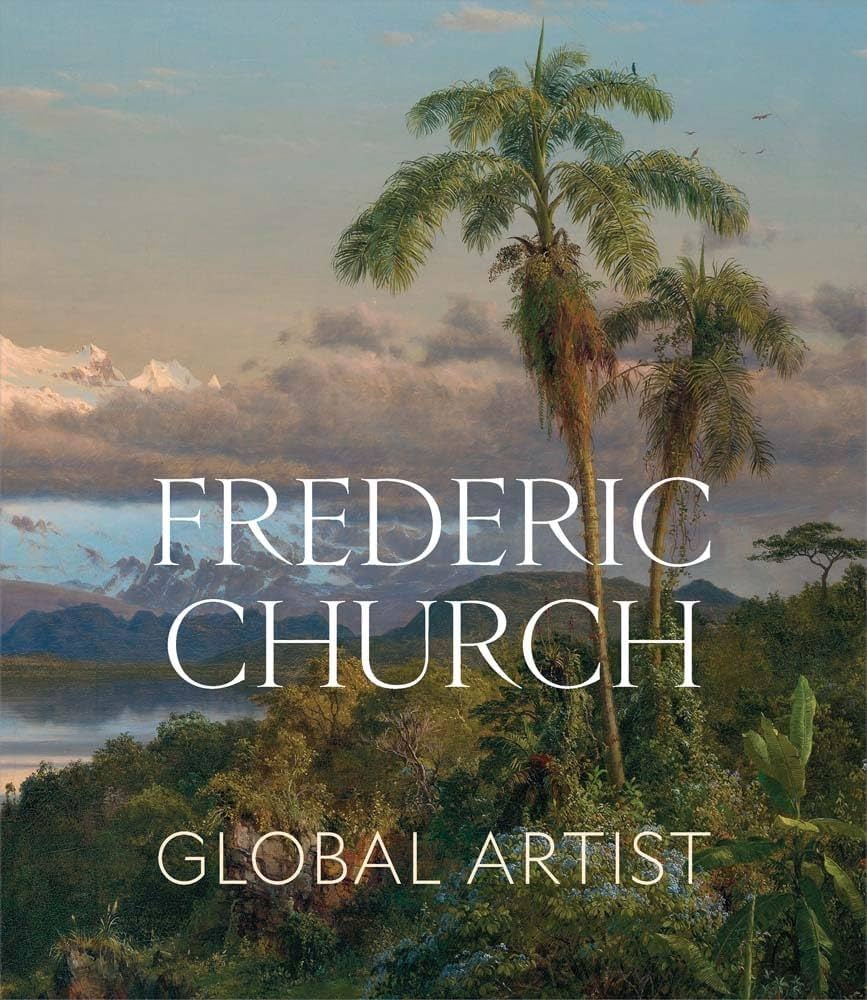
Tim Barringer and Elizabeth Kornhauser. Frederic Church: Global Artist — Hardcover, April 28, 2026.
"The work of Frederic Edwin Church (1826–1900), renowned American landscape painter, was indelibly shaped by global travel. Church’s art was defined by place: early trips took him to South America, across the northeastern United States, and to the Arctic; later he visited the Caribbean, Europe, and the Middle East; in his final decades, he spent long sojourns in Mexico." — Amazon review
Olana NY State Historic Site
(May 17–October 25, 2026)
| | |
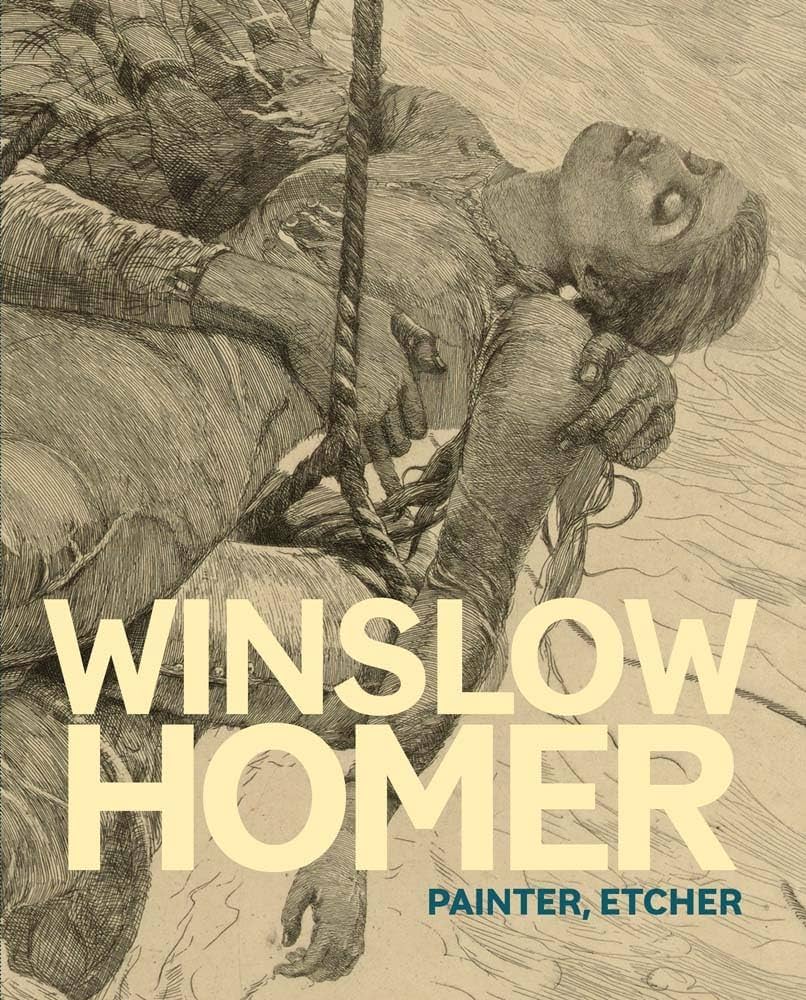
Ramey Mize. Winslow Homer: Painter, Etcher — Hardcover, July 7, 2026.
Featuring essays by respected scholars and curators, and illustrated with dozens of objects and comparative images that document progressive work across states, this book will enthrall Homer enthusiasts as it reorients the importance of the artist’s etching practice within his prolific oeuvre and against the backdrop of late nineteenth-century American art.
Portland Museum of Art, Maine, July 3-October 18, 2026.
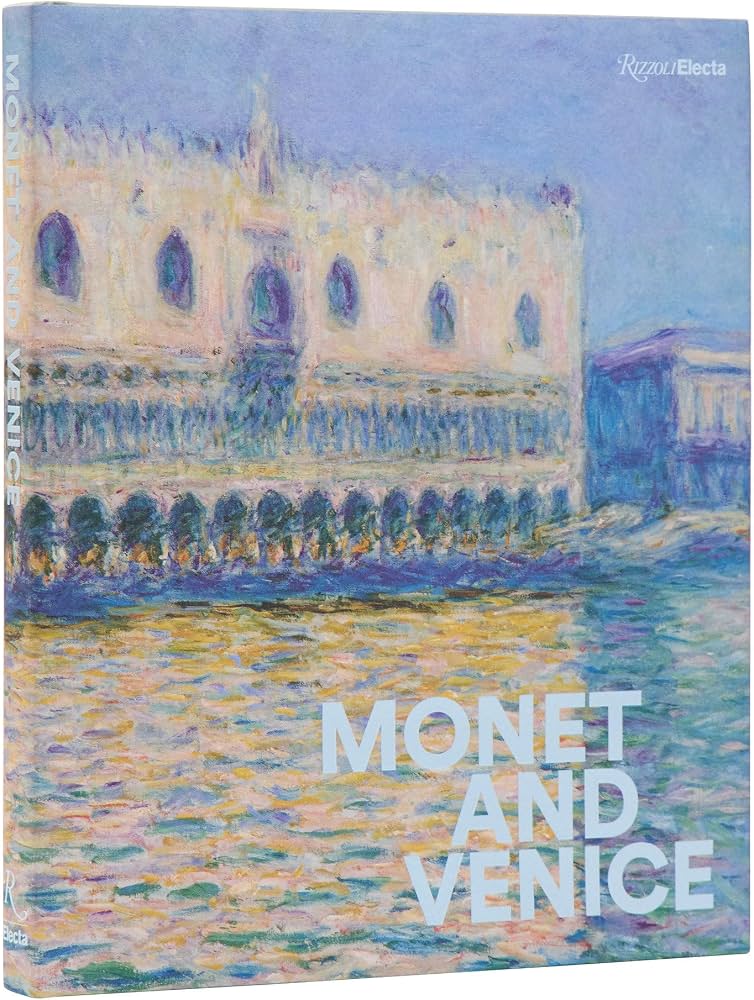
| | Lisa Small and Melissa E. Burton. Monet and Venice — Hardcover, October 7, 2025. | | |
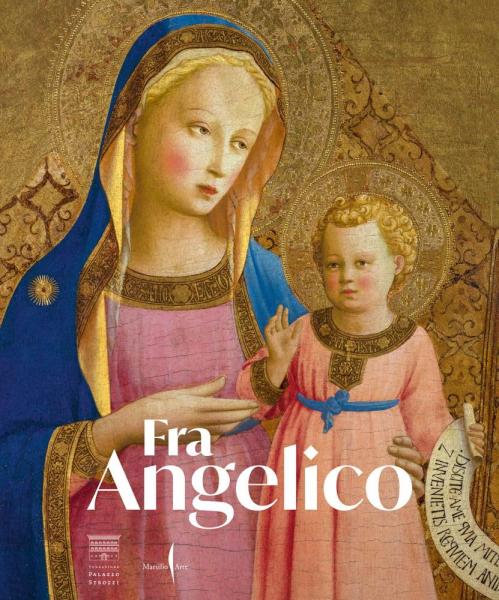
Carl Branden Strehlke. Fra Angelico — Hardcover, January 27, 2026.
"Fra Angelico (c. 1395–1455) joined the Dominican order as a mendicant friar. He painted several frescoes for the Convent of San Marco in Florence, including the Annunciation, and decorated Cosimo de Medici's personal room in the monastery... Of his life, Giorgio Vasari wrote: 'it is impossible to bestow too much praise on this holy father, who was so humble and modest in all that he did and said and whose pictures were painted with such facility and piety.'" — Amazon review
Catalogue from the Fra Angelico Exhibition in Florence September 2025-September 26, 2026.
| | |
An Interview with Dennis Stone,
CONTINUED
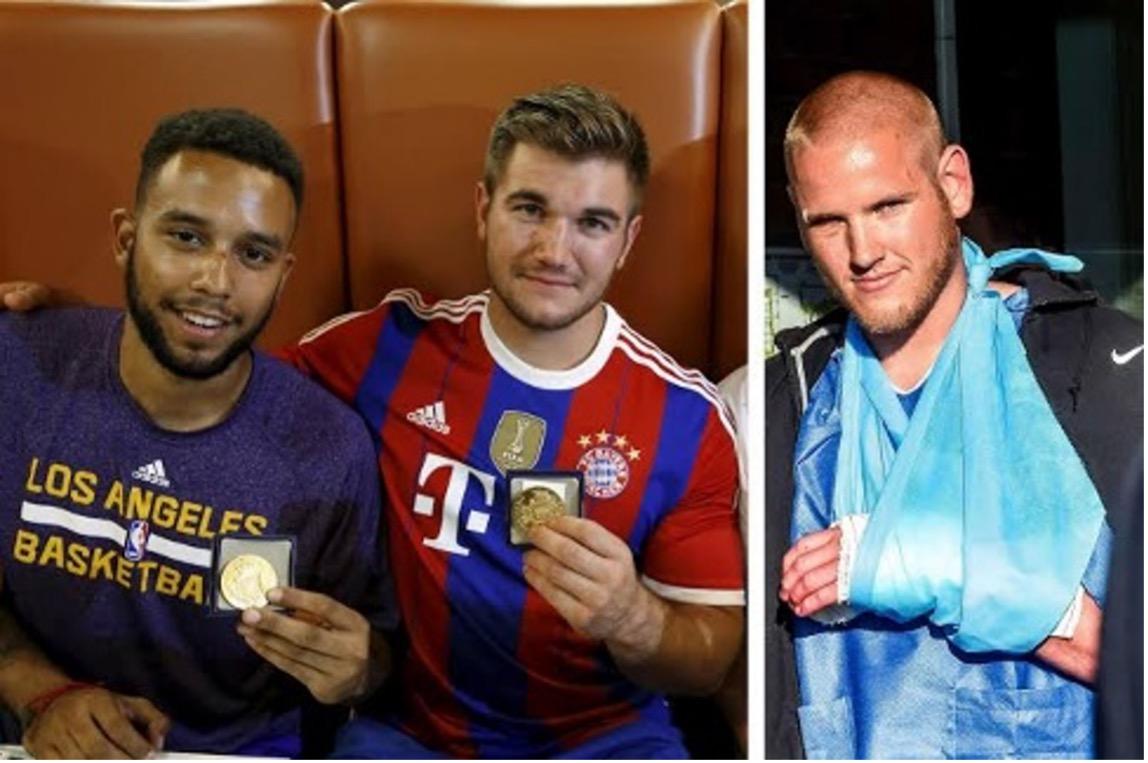
| | Three brave U.S. servicemen: see reference 8 below. | |
5. I know you are also involved in your parish church. Please tell us about the work you do in your parish. Please share with us also how your faith interacts with the work you do in the community at large.
My faith has always shaped the way I understand both my profession and my service, although I would be the first to admit that I have not always lived up to the ideals I profess. Like everyone else, I have made my share of mistakes, and I am deeply grateful that we worship a God whose mercy is greater than our failures. Each day is another opportunity to begin again.
One of the greatest influences on my spiritual life has been the Cursillo Movement.
Its emphasis on Christ's love, forgiveness, and peace, and on bringing the Gospel into our homes, workplaces, and communities, has stayed with me for many years. Today I help with our diocesan Cursillo School of Leaders, assisting in the development of its monthly workshops, but I probably receive more from the experience than I give.
Catholic social teaching has long emphasized the dignity of every human person, concern for the poor and marginalized, and our responsibility to work for the common good. Those principles naturally influence the work I do each day at the Urban League. Faith is not something that belongs only inside a church building; it should shape how we treat our neighbors and how we seek justice, compassion, and reconciliation in the wider community. I have often thought that, although the Urban League is not a religious organization, many of its founders were inspired by these same Gospel values—the conviction that every person deserves dignity, opportunity, and hope.
One of the blessings of Jacksonville has been discovering how Christians from different traditions—including my many friends in the Episcopal Church—can work side by side in service of the common good while remaining faithful to their own traditions.
6. You and I are both members of a men's fellowship that meets on a Saturday morning once every month. It has been going for some ten years, but it is still called by its original name—the Saturday Experiment. It is an ecumenical group of laymen.
One of the things I value most about the Saturday Experiment is that men from different Christian traditions can gather in genuine friendship while remaining faithful to their own traditions. Thanks to the thoughtful content selection and facilitation by you and Doug Milne, we are exposed to serious authors, wrestle with challenging questions, and encourage one another to think more deeply about our faith and how it should be lived. In an increasingly polarized world, our diverse political group demonstrates that honest dialogue, intellectual curiosity, and mutual respect are still possible. I always leave those mornings challenged, encouraged, and grateful.
7. At the July meeting of our group, we discussed the life and witness of Dietrich Bonhoeffer. What struck you the most about this discussion of Bonhoeffer? How does Bonhoeffer speak to you?
Bonhoeffer reminds us that Christian faith is not simply a matter of belief but of faithful action. Two ideas especially stay with me. One is his insistence that discipleship is costly. Salvation is God's free gift, but following Christ requires us to place His call above our own comfort and self-interest. The second is Bonhoeffer's courage in confronting injustice rather than remaining a passive observer. He challenges us to ask not only what we believe, but whether we are willing to live those beliefs when doing so becomes difficult.
8. You drew attention to one particular Bonhoeffer quotation that we discussed because you said it has a very personal reference for you. Can you recall the quotation and what is the personal story that you linked to it?
The quotation that has always stayed with me is: "If I sit next to a madman as he drives a car into a group of innocent bystanders, I cannot, as a Christian, simply wait for the catastrophe and then comfort the wounded and bury the dead. I must try to wrestle the steering wheel out of the hands of the driver."
Bonhoeffer's influence reaches far beyond Germany or the Second World War because he challenges every generation to ask what faithful discipleship requires when confronted with injustice. He understood that there are moments when silence becomes complicity and when Christian faith calls us not merely to comfort the victims afterward but, when we are able, to act courageously to prevent evil in the first place. His willingness to speak against the Nazi regime and to join the resistance ultimately cost him his freedom and his life. Arrested by the Gestapo, he was executed only weeks before the end of the war, but his witness continues to inspire Christians around the world to live their faith with both conviction and courage.
That quotation has a deeply personal meaning for me because my cousin, Spencer Stone, was one of the three young American servicemen who courageously intervened to stop an armed terrorist on a train traveling from Amsterdam to Paris in 2015. Instead of remaining bystanders, they acted, risking their own lives to save countless others. Whenever I read Bonhoeffer's words, I think of Spencer and his companions. Their actions remind me that faith is not simply about what we believe but about what we are willing to do when others are in danger. [Spencer Stone far right photo above.] Whether the issue is racism, poverty, barriers to healthcare, or threats to human dignity, Bonhoeffer reminds us that Christians are called to be more than observers. We are called to participate in God's work of justice, reconciliation, and hope.
9. Finally, how might any of us reading this newsletter be supportive of the work of the Urban League?
There are many ways to support the Jacksonville Urban League. Financial contributions are certainly important, but equally valuable are volunteers, mentors, professionals willing to share their expertise, churches that partner with us, and citizens who participate in our public conversations. Much of our work is built on collaboration. We welcome people of every faith and background who believe that stronger communities are created by expanding opportunity, promoting understanding, and serving one another. I would encourage anyone who is interested simply to reach out, visit one of our programs, or attend one of our community conversations. Real change begins with relationships.
Jacksonville Urban League, 903 Union Street, Jacksonville, Fl 32204
Email: info@jaxul.org
| | Mary Magdalene, Apostle to the Apostles | | |
COLLECT
Almighty God, whose blessed Son restored Mary Magdalene to health of body and of mind and called her to be a witness of his resurrection: Mercifully grant that by your grace we may be healed from all our infirmities and know you in the power of his unending life; who with you and the Holy Spirit lives and reigns, one God, now and for ever. Amen.
St. Mary Magdalene
Men called you light so as to load you down,
And burden you with their own weight of sin,
A woman forced to cover and contain
Those seven devils sent by Everyman.
But one man set you free and took your part,
One man knew and loved you to the core.
The broken alabaster of your heart
Revealed to him alone a hidden door,
Into a garden where the fountain sealed,
Could flow at last for him in healing tears,
Till, in another garden, he revealed
The perfect love that cast out all your fears,
And quickened you with love’s own sway and swing,
As light and lovely as the news you bring.
— Malcolm Guite, Sounding the Seasons
| | |
1. What are the resources available for the Education for Ministry (EfM) program at the Cathedral Bookshop/St. John’s Cathedral Bookstore & Gift Shop?
The Cathedral Bookshop offers the complete selection of textbooks and resources for the Education for Ministry (EfM) program. We are proud to be listed as a national bookseller on the Sewanee EfM website.
Our current offerings include:
- EfM Classic textbooks for Years 1–4
- EfM Wide Angle, the one-year program introduced in 2025
- The 2026–2027 Community Gathering text
- The two new EfM Reflection texts
You can shop in person or online at jaxcathedralbooks.org. Online orders can be shipped directly to your home or office, or you can choose free in-store pickup. Click on this link to see all of the EfM books and materials available from the Cathedral Bookshop website.
2. Why should individuals consider purchasing from the Cathedral Bookshop rather than other retailers like Amazon?
When you purchase from the Cathedral Bookshop, you receive the resources you need for the Education for Ministry program while also supporting an important ministry of St. John’s Cathedral.
Profits from the Cathedral Bookshop help fund children’s literacy initiatives for Title I elementary schools in the Diocese of Florida, allowing us to put books directly into the hands of young readers.
As an added benefit, EfM participants receive a 10% discount on all EfM textbooks, both in-store and online.
3. What is the mission of the Cathedral Bookshop?
The mission of the Cathedral Bookshop is to extend the Cathedral’s message of Love at the Core by:
- Connecting people with resources that enrich and inspire their faith journeys while meeting their spiritual and intellectual needs.
- Offering thoughtfully selected gifts from social enterprises and Fair Trade organizations that help lift people out of poverty.
- Serving as a catalyst for an engaged and spiritually enriched community through educational programs, guest speakers, discussion groups, fellowship, and outreach.
- Generating financial support for the Cathedral’s outreach ministries.
4. Can you share more about how the Cathedral Bookshop’s profits support children’s literacy programs for Title I elementary school students in the Diocese of Florida?
Profits from the Cathedral Bookshop help fund children’s literacy initiatives at five Title I elementary schools across the Diocese of Florida by providing much-needed books for their students.
The schools selected for 2026 are in Clay, Duval, Nassau, Putnam, and St. Johns counties.
When you purchase from the Cathedral Bookshop, you are investing not only in your own faith formation but also in the future of young readers throughout our diocese. Every purchase helps place quality books into the hands of children who need them.
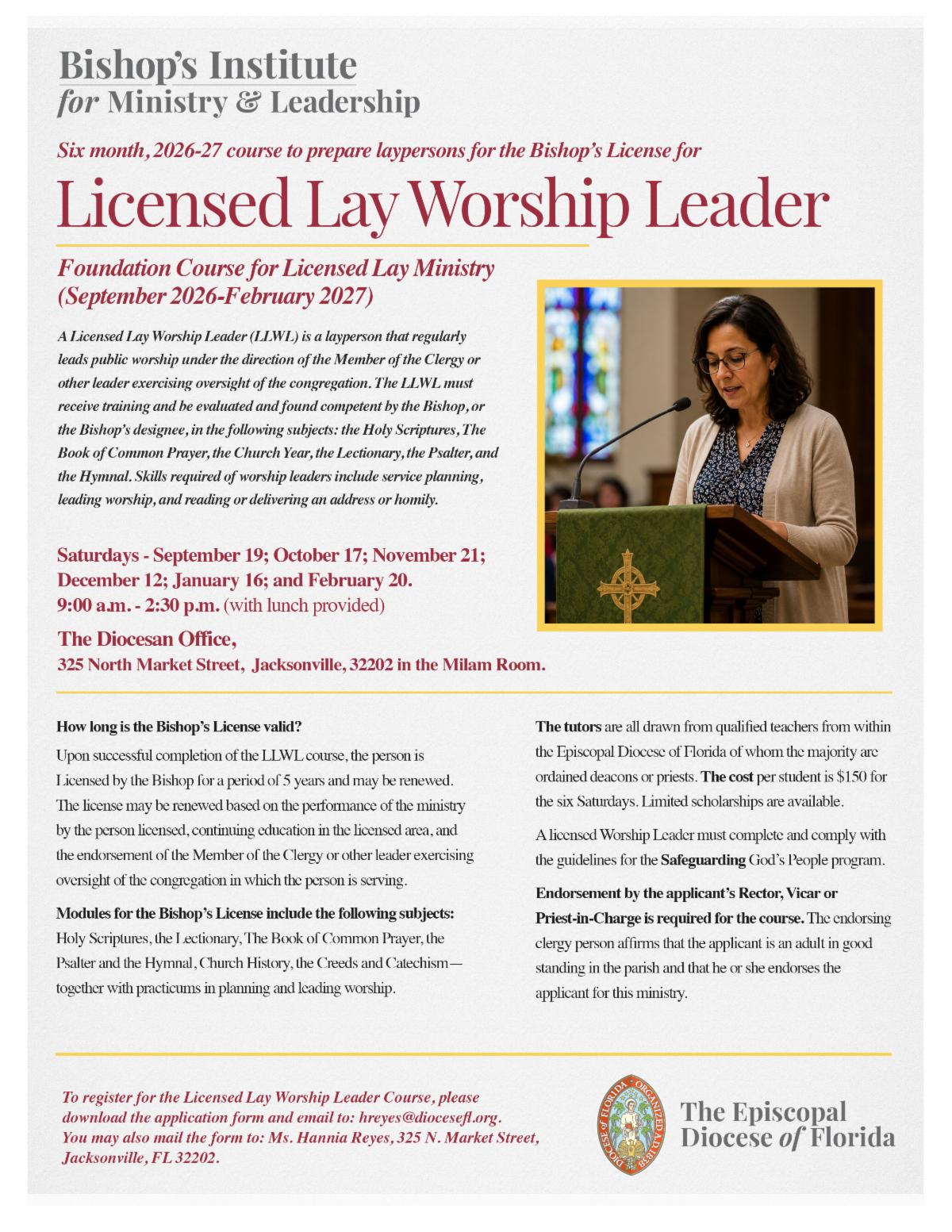
| | Licensed Lay Worship Leader Course | | From St. John's Cathedral, Jacksonville | | | | |