|
'TIS THE SEASON
‘The earth is the Lord’s, and everything in it, the world, and all who live in it’
Psalm 24:1
The Church’s Liturgical Year, marked by its calendar, is, as I have often quoted someone as saying,
"The greatest teaching device ever invented."
The present calendar of the liturgical year is the fruit of centuries of definition and discernment. It has grown slowly, with some pruning along the way, into the wonderful instrument it is today—an instrument that shapes and guides our spiritual life and growth. Joan Chittister, Benedictine nun and theologian, says it more clearly and powerfully than I can:
A bit at a time, we begin to feel the great magnet of the liturgical year draw us more and more into the one clear message: in the liturgical year we live the life of Jesus day after day until finally one day it becomes our own.
And there is a goal towards which this formation leads us, in this life, and in anticipation of the wholeness of the life to come:
The world around us tells us that life is about money, security, power and success. Yet the Gospels tell us that that life is about something completely other. Real life, the Gospels tell us, is about doing the will of God...
It is about taking everyone in instead of leaving anyone out. When we learn that, after years of being steeped in the lessons of one liturgical year after another, then life changes for everyone. The fruit of contemplation is oneness with the world.
There has emerged in our own day, a new tradition or season—a tradition in the process of discernment. It is called the season of Creation, and it runs from September 1, the World Day of Prayer for the Care of Creation, to October 4, Feast of St. Francis of Assisi.
It is interesting that the celebration of this Season began within one of the most conservative of Christian communities. It began in 1989 when the Orthodox Ecumenical Patriarch Dimitrios I established September 1 as a Day of Prayer for Creation for the Orthodox Church. The World Council of Churches extended the celebration to October 4, the Feast Day of St. Francis of Assisi.
More information about the season of Creation from the Dean, Kate Moorehead Carroll, follows in this newsletter. There is also an interview with JoAnn Tredennick and Nancy Purcell of the Cathedral’s Green Spirits fellowship about the wonderful Fall film series they have put together. I was excited to see the advertisement for this.
‘O let the earth bless the Lord, yea, let it praise him and magnify him forever.’
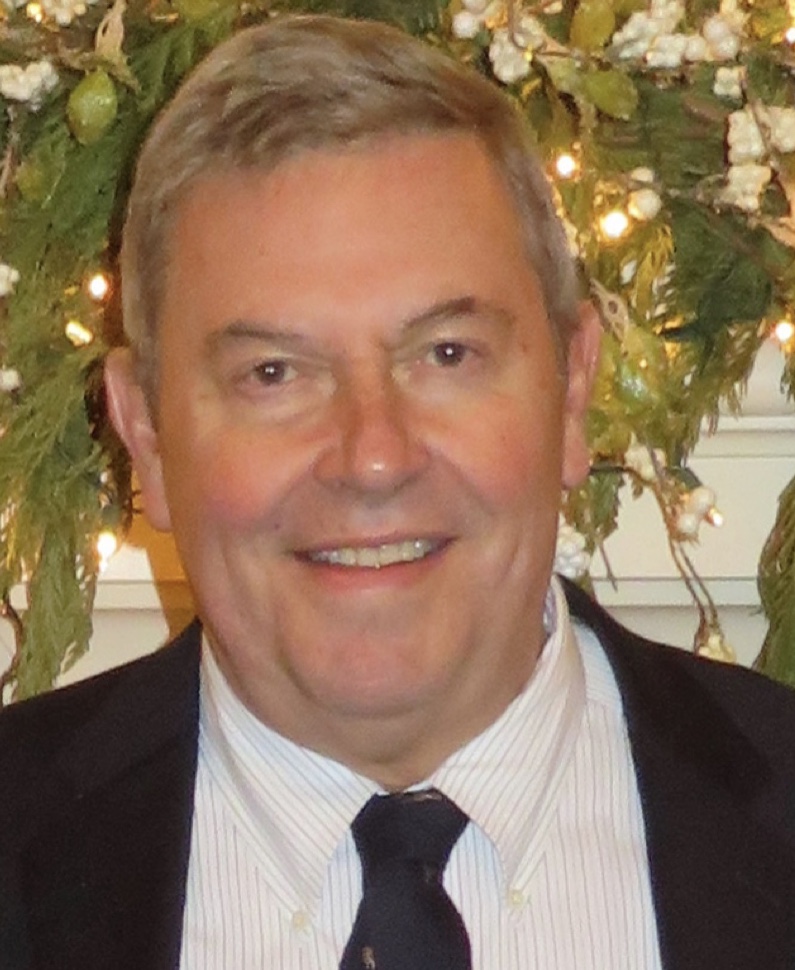
Douglas Dupree
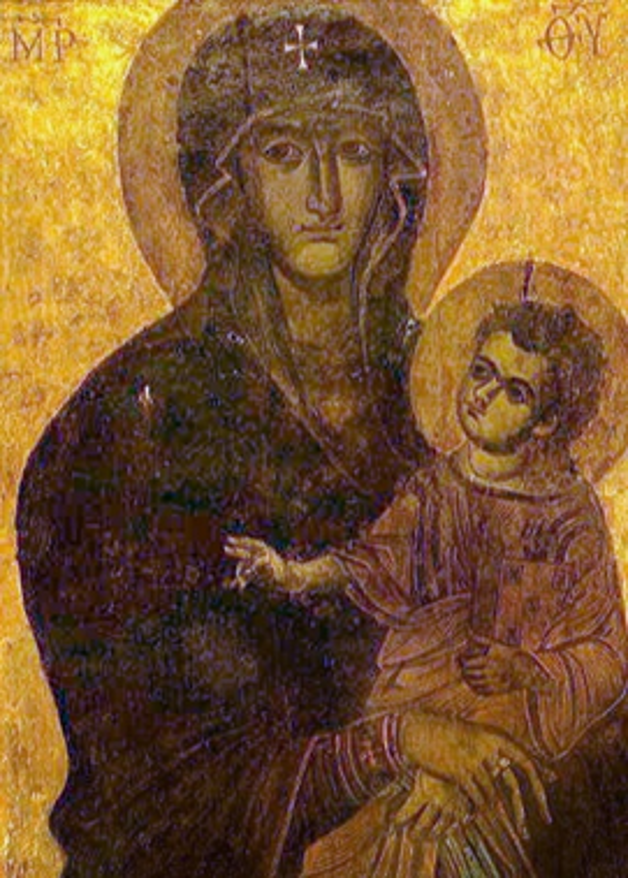
| | St. Mary the Virgin, Mother of Our Lord Jesus Christ | | |
COLLECT
O God, who hast taken to thyself the blessed Virgin Mary,
mother of thy incarnate Son: Grant that we, who have been
redeemed by his blood, may share with her the glory of thine
eternal kingdom; through the same thy Son Jesus Christ our
Lord, who liveth and reigneth with thee, in the unity of the
Holy Spirit, one God, now and for ever. Amen.
| | | |
COMMENTARY
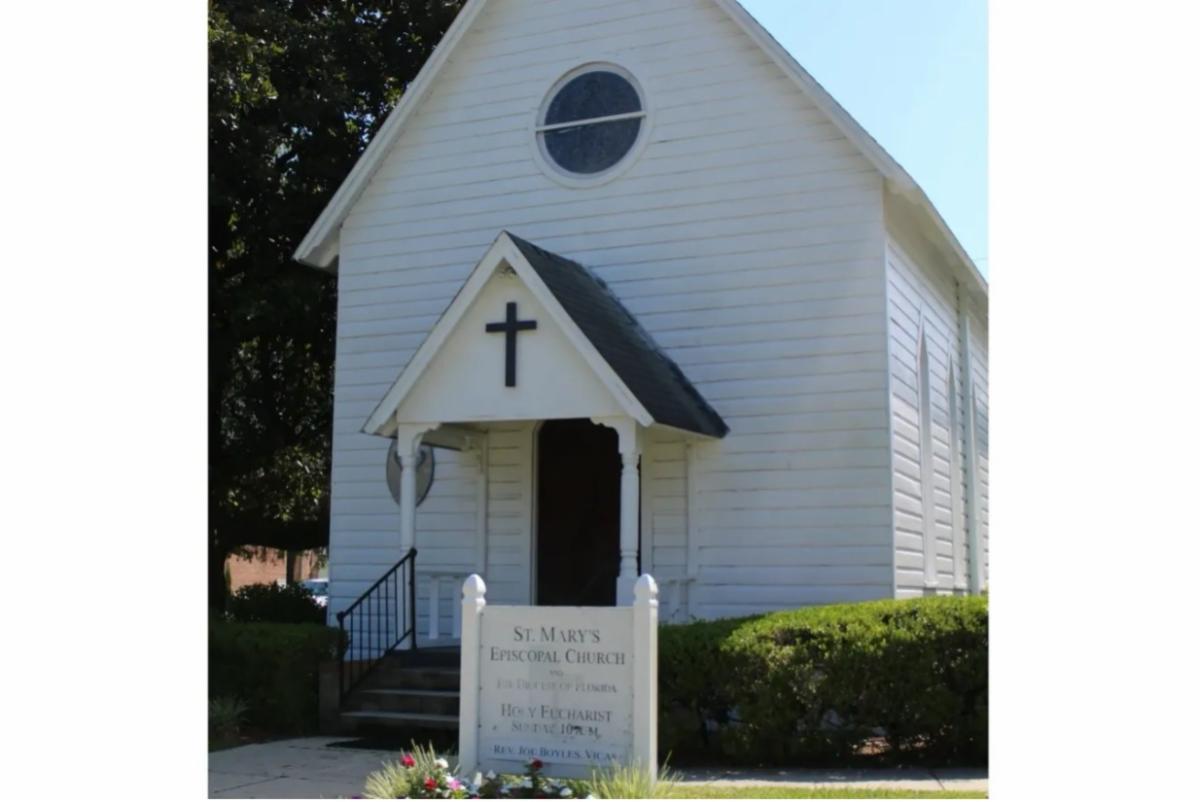
The theological foundation for the revered place that the Lord’s mother holds in the life of the Church began early in the second century and gained a special credence in the fifth century when the Council of Ephesus declared Mary as Theotokis, “the Mother of God.” Many local churches were dedicated to her and have been ever since. Four churches in the Episcopal Diocese of Florida are dedicated to St. Mary, and we give thanks to God for them and their witness. We have highlighted them in the pages to follow in this newsletter.
The Book of Common Prayer highlights several Marian feasts in the Calendar: February 25 The Annunciation of Our Lord Jesus Christ to the Blessed Virgin Mary; 31 May The Visitation of the Blessed Virgin Mary; and August 15 Saint Mary the Virgin, Mother of Our Lord Jesus Christ.
The August 15 feast in the Roman Catholic Church is called The Assumption and in the Orthodox Churches it is called the Dormition (falling asleep) of Mary. There is a hint of both observances in our own Anglican observance as the Collect opens with the words: ‘O God, who hast taken to thyself the Blessed Virgin Mary...’
The feasts associated with this holy and humble woman are not a glorification of Mary in herself but rather a celebration of her acceptance of the will of God and grounded in the theology of the Incarnation, e.g. it is ‘the Annunciation of Our Lord Jesus Christ’ not the annunciation of Mary. We do well to honor Mary and acknowledge the word of the Scriptures that she is, indeed, ‘blessed among women.’
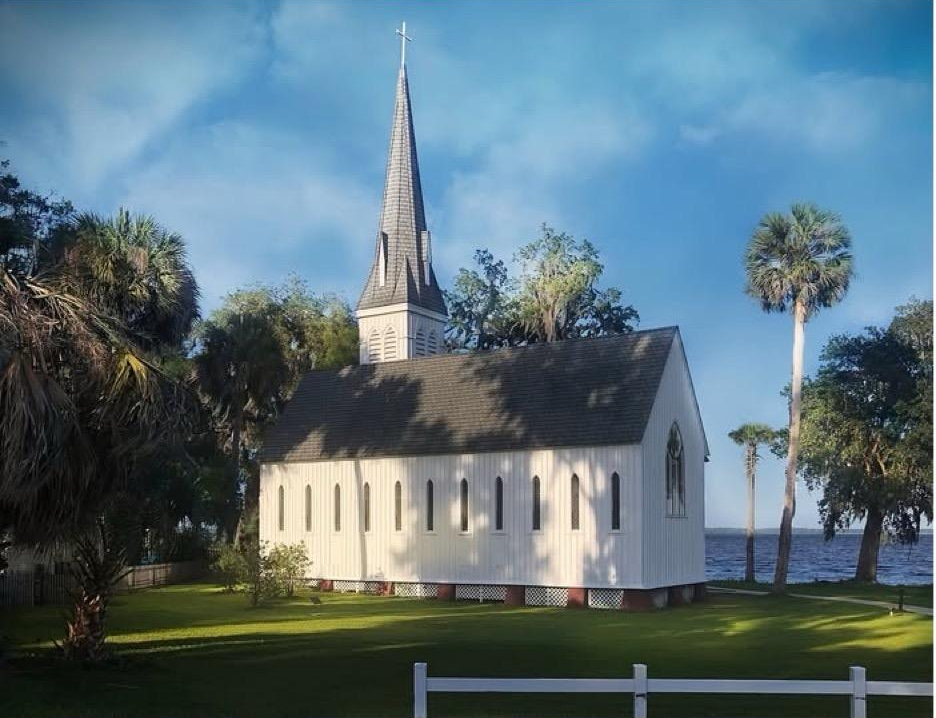
| | St. Mary's (1879), Green Cove Springs | | |
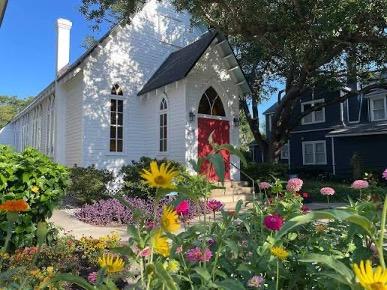
St. Mary's, Green Cove Springs was organized as a mission church of the Diocese of Florida in 1878, and the first service was held in its sanctuary in 1879. The tower and spire were added in 1880. The was in the period when Green Cove Springs was a destination place for Northern tourists. Daniel F. Tyler declared "No place on earth can surpass this lovely retreat," in his Where to Go in Florida, 1880. Today St. Mary's has a lively choir and congregation that often exceeds its beautiful Carpenter Gothic church on the St. Johns River, 25 miles south of Jacksonville. The Rev. Teri Calinao is Rector.
| | |
Season of Creation
from The Very Rev. Kate Moorehead Carroll,
Dean, St. John’s Cathedral, Jacksonville
| | |
The Holy Spirit seems to be calling all of Christianity to care for the created world with greater focus and intention. The signs of this movement of the Holy Spirit began officially in 1989 when the Eastern Orthodox Patriarch Dimitrios I called for a Season of Creation to be observed by Eastern Orthodox Christians from September 1 (the Orthodox Day of Prayer for Creation) until October 4 (the Feast of St. Francis of Assisi). Pope Francis formally joined the Roman Catholic Church to this movement in 2015, and the Anglican Communion has also endorsed this season through the Anglican Communion Environmental Network. Lectionary texts for Sunday mornings during this season have been selected by the Episcopal Church, and all churches are invited but not mandated to use them.
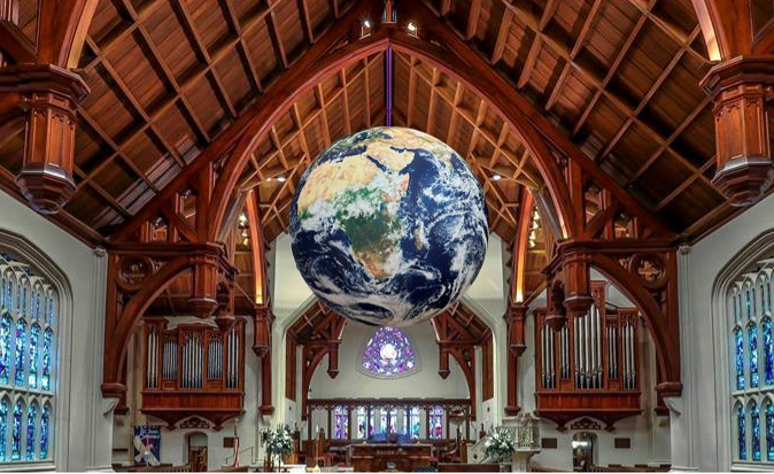
Your Cathedral will be embracing this season in the fall with films, prayers, and art. The season will culminate with an art exhibit in our Sanctuary called “Terra” in which we hang a globe above the altar to remember God’s gift to us of this planet, our home. Terra will open on the weekend of St. Francis Day and hang in the Cathedral for the month of October. Please come and see us and gaze upon a reminder of the beauty of this created world.
| | A mockup of the globe the Cathedral will hang the above the altar entitled “Becoming Whole” that was made by the artist Eric J. Morris of Orbis Globes. He also created Terra, which was shown in Seattle’s St. Mark’s Cathedral. | | |
Green Spirits Fall 2026 Film Series
INTERVIEW
| | |
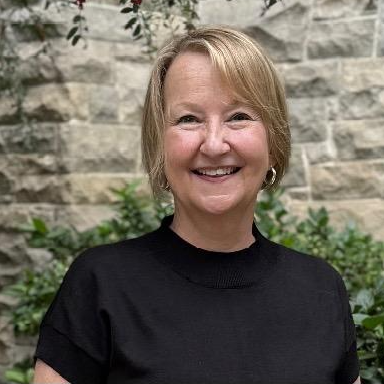
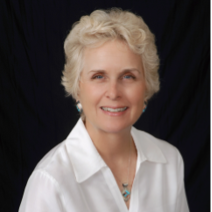
An interview with JoAnn Tredennick (right), a founder and coordinator of Green Spirits, the environment and conservation ministry at St. John’s Cathedral, and a member of the Florida Chapter Board of Trustees for The Nature Conservancy and Nancy Purcell (left), Director of Marketing and Communications for St. John’s Cathedral and a member of Green Spirits.
1. JoAnn, please tell us about the formation and purpose of Green Spirits and how you got involved in it?
JoAnn: Green Spirits was initiated with my concern about our practices at the Cathedral vs what we professed through liturgy and prayer. We would pray every Sunday for creation care and the "right use of resources" and then proceed to the parish hall and create bags full of one-time use plastics and waste. When brought to the attention of church leadership, the response was to do something about this problem. The Cathedral now has a formal policy on avoiding use of 1X plastics which is posted on a mobile banner for all to see.
Green Spirits was selected as the name for our ministry of environment and conservation programming. Activities expanded to educational events and opportunities for advocacy and action via partnerships with conservation organizations in our community.
Our Green Spirits Vision Statement is "We will take action to learn about, to protect, and to renew God's earth and all who call it home."
As far as my personal motivation, I am a lifelong conservationist, and it became impossible for me to not live out those values in, and with, my faith community. Currently, I serve on the Florida Chapter Board of Trustees for The Nature Conservancy.
2. Nancy, you do such a great job of promoting events for the Cathedral community and the wider Diocesan and north Florida communities. I seem to detect that you are particularly enthusiastic about this program. Tell us a bit about your involvement in it.
Nancy: I am very proud of this film series and of my work with Green Spirits. JoAnn started Green Spirits, and we began leading walks and talks together in 2019. Since then, we've led walks at many local parks and built strong partnerships with organizations like the Groundwork Jacksonville, Timucuan Parks Foundation, St. Johns Riverkeeper, and the Sierra Club of North Florida.
The Season of Creation fits naturally with the work we do through Green Spirits. It's a call to wonder and appreciation, and also a call to action. My hope for this film series is that people answer that call. I'd love to see it bring more awareness to our program here at the Cathedral, and a greater awareness of the state of our natural world more broadly.
3. The first two events in the Fall film series commence with the documentary ‘The White House Effect’ on September 1 followed by the documentary ‘Public Trust’ on September 8. These two films strike me as setting the stage for the whole series. Tell us a bit more about how these were chosen to launch the series.
Nancy: Your instincts are correct. These two documentaries set the stage for the whole series, showing how decisions have shaped our nation's energy goals and our public lands. They document how action has made a difference, whether for the best or otherwise.
We're especially leaning into a call to action around public lands. We've paired the film series with a field trip to Fort Caroline Memorial, led by a guide from the National Parks Conservation Association, and a Civic Voice Workshop. Both are designed to emphasize why our parks matter and how to use your voice to protect them.
We're also encouraging people to see Out There: A National Parks Story, a beautiful film screening at WJCT Studios. It isn't at St. John's Cathedral, so tickets need to be purchased separately through WJCT, but it's well worth the trip. This film will be inspirational.
THE INTERVIEW CONTINUES FURTHER IN THIS NEWSLETTER
| | Book Review by The Rev. Dr. Linda Privitera | | |
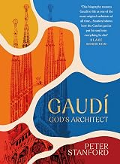
Peter Standford, Gaudi, God's Architect
Peter Stanford spent five years writing Gaudi, God’s Architect, gathering data and visiting the sites of Gaudi’s legacy. This book is a remarkable travelogue, a deep and wise map to follow, culminating with the “last great Gothic cathedral of Christian Europe in the medieval tradition,” La Sagrada Familia in Barcelona, Spain. This beautiful book includes a photo journal of each building shaped by the hand of a man of great faith. The author states, “I hadn’t anticipated quite how uplifting, quietly at first, but even more forcefully as I ploughed on, it was to spend time in the company of Antoni Gaudi, and to understand how he lived his faith through the buildings he bequeathed to us.”
Throughout this biography Stanford also explores the exterior forces that shaped Gaudi from his deep roots in Catalunya, his academic challenges, the political climate in Spain and Europe, the necessary dependence on wealthy clients, his excellence in geometry, and the Catholic faith and its social teaching.
Gaudi’s faith discipline meant that he began each day at worship, attending mass every morning. He also met regularly with his confessor. His friends were few, among them priests and bishops. His family died young and his vocation mimicked the religious solitary. He paid little attention to his dress, especially in his later years; at the time of his fatal accident in 1926 he was mistaken for a poor tramp. He marked each of his creations with signs and symbols of faith. His pointed crosses, religious phrases, and figures were invitations to join his pilgrim path. Stanford notes all of it as he walks the reader into Gaudi’s testament.
Ornamentation was as important to Gaudi as structure, the outer markings of a solid foundation. He kept a diary for only a short period of time, so we have no access to the interior workings of his soul; we only have its outward expression. God is the ultimate mystery; our knowledge is limited and so it is with Gaudi; it is difficult to explore his inner life. Sacred architecture is Gaudi’s gift to us. Transformation is his chapter and verse. With creativity and imagination, he reshaped stone and wood, metal and glass into new forms. Using color and light in unexpected places, his works evoke awe and wonder. He gives us a continual unfolding of the natural world so that we might see God present everywhere. In both public and private spaces Gaudi directed our gaze to the Holy.
I have often wondered how Gaudi’s orthodox Catholicism, which was such a disciplined faith, could result in exuberance, playfulness, and nonconformity. How could someone who nearly died from a Lenten fast, who was always striving for perfection and thinking he failed, who saw himself as a continual penitent; how did he move beyond what I perceive as rigid boundaries? How did he from a gloomy suffering expand his inherited lexicon of God? How did light penetrate his darkness? He was such an agent of change. Mastering tension was a part of his soul and his architecture.
As a priest of the Episcopal Church, I trust the power of God to transform us through the Eucharist. In his daily experience of the ordinary forms of bread and wine, changed by holy action, Gaudi’s faith was broken open and spilled into the world. Transformation is the central action of worship, of faith. The daily mass enabled him to release his belief, to be used by God. He took into himself “the gifts of God for the people of God.” And then he shared them with the world. He is remembered for how he took the usual building materials, the staples of his profession, and transformed them, bringing new life forward.
Stanford’s book took me back to my own time in Barcelona on the Gaudi trail. Our hotel window gave us a view of the cathedral each morning. Entering La Sagrada Familia was an overwhelming experience for me; the facades had prepared me for faith but not for light. I found myself tearing up. No other experience in any of my favorite cathedrals has given me such a deep understanding of God as Light, God present in the world of creation. “All visitors remember their visit to this cathedral,” says the author. “It has an unmistakable power to transport those who stand still and take it in.”
The central tower of the basilica was completed in February of 2026, the centenary of Gaudi’s death. He had begun his work there in 1883, taking over from another architect. La Sagrada Familia is a UNESCO World heritage site and hosts millions of visitors each year.
There is probably no better book to use to prepare for a Gaudi pilgrimage than Peter Stanford’s biography. And pilgrims should expect that their own faith will be met by God and deepened in the company of a good soul, God’s architect.
| | St. Mary's (1881), Madison | | |
St. Mary’s, Madison was organized 1859, reorganized after the Civil War in April 1879, and the corner stone was laid in August 1879. The church building was completed in 1881, completely free of debt. St. Mary’s celebrated its 100th anniversary in November 1983 with a grand bazaar. The church was listed in the National Register of Historic Places in 1997 and was designated a Florida Heritage site in 2013. Today, as part of its outreach, St. Mary’s, Madison offers free medical care to those in need as part of the Shephard’s Hands of the Suwanee Valley ministry. The Rev. Joanie Cruz is Vicar and has been a nurse for over 28 years holding various leadership positions throughout her career.
| | |
Green Spirits Fall 2026 Film Series
INTERVIEW, CONTINUED
| | |
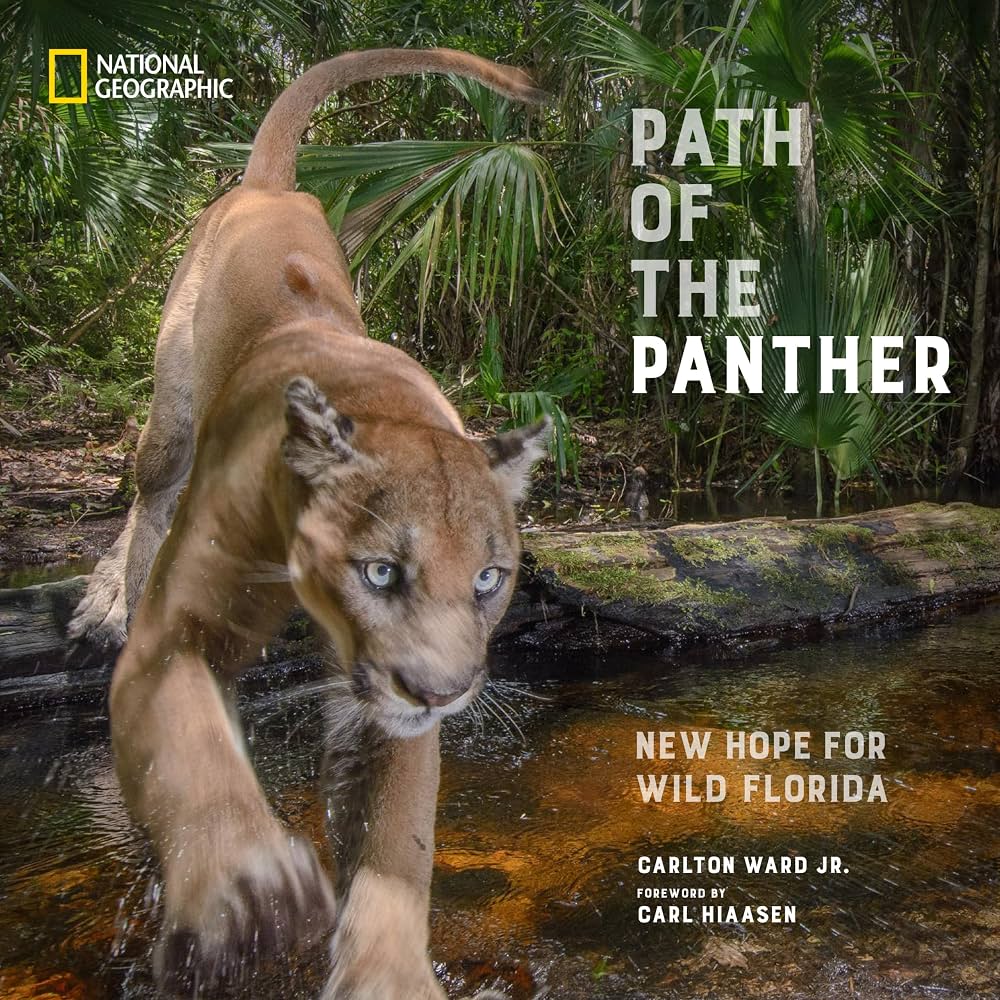
4. On the flyer, the third film Path of the Panther, that comes with an evening with the conservationist Tori Linder on September 15th, is particularly highlighted in the flyer for the series. This sounds like an especially inviting evening. It focuses on Florida’s wilderness. More about this please.
JoAnn: The Path of the Panther screening is a very special event because we will have Tori Linder with us as guest and speaker. Ms. Linder is an award-winning filmmaker and Co-Founder and Managing Director of the Path of the Panther project. The impact campaign led by the Path of the Panther project and partners led to Florida's bipartisan, unanimous passage of the Florida Wildlife Corridor Act—a national model for how to safeguard threatened species. The film communicates a powerful story via the iconic Florida Panther and efforts to protect and preserve its connected habitat. Ms. Linder will introduce the film, and she will be interviewed by Dean Kate Moorehead Carroll following the film.
Nancy: We're thrilled to have filmmaker Tori Linder with us, both to introduce the film and to join Dean Kate for a Q&A afterward. The story of the Florida panther is a story of hope. The film took five years to make and shows audiences wildlife that most people never have the chance to see.
In preparation for this film, I've learned so much about the Florida Wildlife Corridor, a statewide network of nearly 18 million acres, some already protected and some still working toward conservation status. I think that the film will inspire viewers to learn more about protecting wild places in Florida.
5. The fourth film on September 22, ‘Out There: A National Parks Story’ highlights America’s extraordinary treasure of national parks and will be shown at the WJCT Studios. Is Green Spirits teaming up with other groups in the area for this program?
Nancy: The film is being presented by WJCT Studios in partnership with St. Johns Riverkeeper. St. John's Cathedral's Green Spirits will have a table in the lobby before the show, alongside several other local nonprofits.
| |
6. The final film River of Grass on September 29 brings us back home to Florida and the conservation efforts in the Everglades. I imagine if any of us are able to see all or some of these films they might have a cumulative impact on us in terms of Christian discipleship. How do you see these presentations in relation to or in regard to faith and discipleship?
Nancy: River of Grass promises to be a beautiful film and a thoughtful way to end our series. It anchors a deeper spiritual journey and lends itself beautifully to the themes of Season of Creation.
Marjory Stoneman Douglas showed how every part of the Everglades relies on the other. Christian theology teaches something similar: that all creatures are linked in God's web of life. Douglas believed the Everglades could heal if we stopped harming it, and Season of Creation carries that same hope, that we can change our ways and help heal the planet.
| | St. Mary's (1883), Palatka | | |
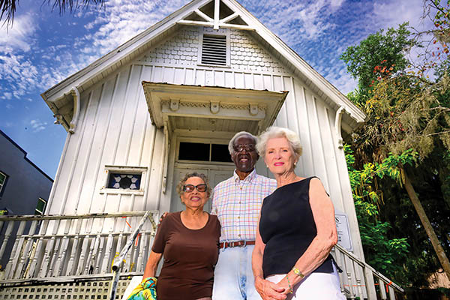
Mary Lawson Brown, left, John Alexander, center, and historian Dianne Taylor stand outside St. Mary’s Episcopal Church in Palatka after the church was added to the National Register of Historic Places on July 1, 2026.
(PETER WILLOTT/Palatka Daily News)
Jonathan Rich wrote a loving chapter on St. Mary’s in Spires in the Sun: The Carpenter Gothic Episcopal Churches of Florida: “It was hand-built by its African-American founder. It is the site of the first ordination in Florida of an African-American priest. It is the state’s oldest Episcopal church historically used by African-Americans. It is one of Florida’s oldest traditionally African-American wooden churches of any denomination.”
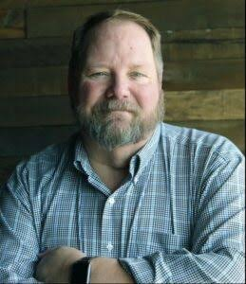
The Rev. Jon Davis, nearby Rector of St. Mark’s, Palatka, writes: “ St. Mary’s... stopped having regular services in the pandemic. It has sat empty for a number of years being maintained personally by John Alexander, a long-time member. St. Mark’s Episcopal away has had a long relationship even partnership with St. Mary’s... St. Mark’s has coordinated several services beginning in 2025 and 2026, including Absalom Jones services in February commemorating the life and ministry of The Rev. Absalom Jones who was the first Episcopal priest in the Episcopal Church. There have also been services marking the Juneteenth holiday. Additionally, St. Mark’s holds a Good Friday, noonday service as a part of the Holy Week rhythm and has had a few old-fashioned hymn-sings on some Sunday afternoons.”
| | |
Dangerous Prayer: How to Seek God and Be Found Along the Pilgrim’s Way
By The Rev. Dr. Jon Davis, Rector,
St Mark’s, Palatka
It is always a real pleasure when a clergy or lay person from our diocese publishes a book and that it is available to us all. Fr. Jon Davis this summer has published a book about prayer that can be ordered from the Cathedral Bookshop and is available on Amazon.
Here is a review from the Invite Ministries website, a Christian publisher in the Wesleyan tradition:
There’s a prayer that most of us haven’t prayed yet. Not because we don’t know the words—but because we’re not sure we’re ready for what God might say back.
Jon Davis calls it Dangerous Prayer. It’s the prayer of surrender, of open-handed willingness, of saying to God not just “Here is my request” but “Here is my life.” These are the prayers that catalyze transformation. They are also the prayers that demand something of us.
In this deeply personal and theologically rich book, Davis—pastor, priest, retreat director, and lifelong student of the contemplative life—weaves together Scripture, patristic wisdom, Celtic spirituality, and the honest account of his own journey to chart the interior landscape of dangerous praying. The book unfolds across three movements: Revelation (what God shows us), Encounter (where we meet him), and Transformation (what we become). Along the way, Davis visits the lives of Moses and Jacob, reflects on sacred “thin places” where the distance between heaven and earth grows thin, and draws from the deep wells of the Book of Common Prayer and the Celtic tradition to show how ancient practices still form disciples today.
This is not a book about prayer techniques or spiritual productivity. It is a book about the kind of faith that risks something—and discovers, in the risking, that God was already there, waiting.
Dangerous Prayer is for the person who senses that their faith has grown comfortable, who longs for more but doesn’t know quite how to ask.
It is an invitation back to the God who answers, and forward into the life you were made for.
| | |
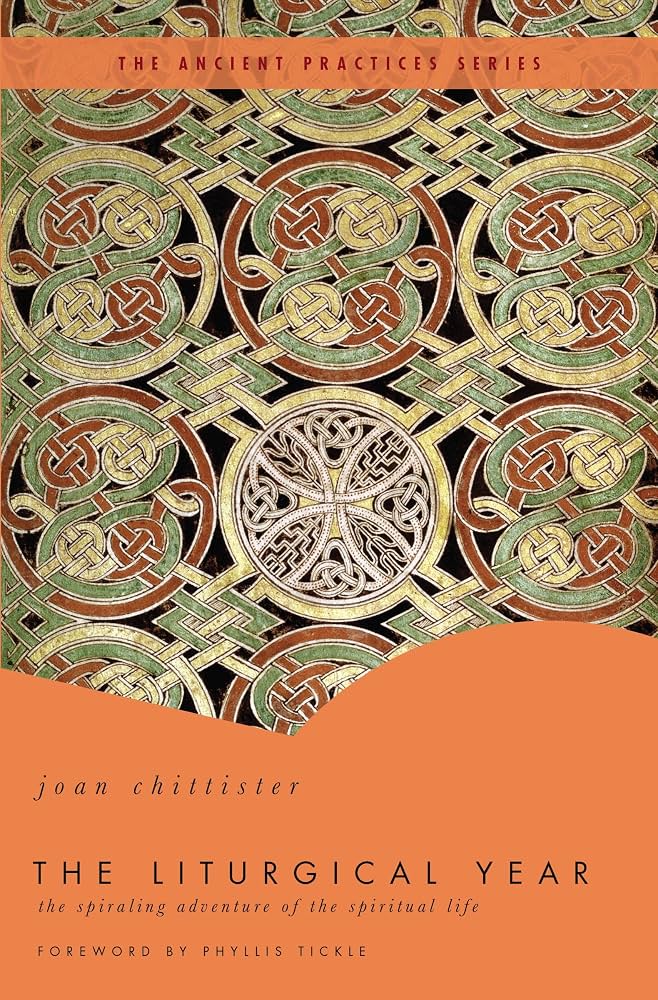
Joan Chittister. The Liturgical Year: The Spiraling Adventure of the Spiritual Life - The Ancient Practices Series — Paperback, 2010.
"A journey of the soul through the map of Christian time.
The liturgical year, beginning on the first Sunday of Advent and carrying through the following November, is the year that sets out to attune the life of the Christian to the life of Jesus, the Christ." — Amazon review
| | |
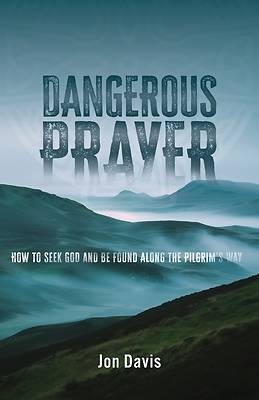
Jon Davis. Dangerous Prayer: How to Seek God and Be Found Along the Pilgrim's Way — Paperback, June 9, 2026.
"There's a prayer that most of us haven't prayed yet. Not because we don't know the words-but because we're not sure we're ready for what God might say back.
Jon Davis calls it Dangerous Prayer. It's the prayer of surrender, of open-handed willingness, of saying to God not just 'Here is my request' but 'Here is my life.' These are the prayers that catalyze transformation. They are also the prayers that demand something from us." — Amazon review
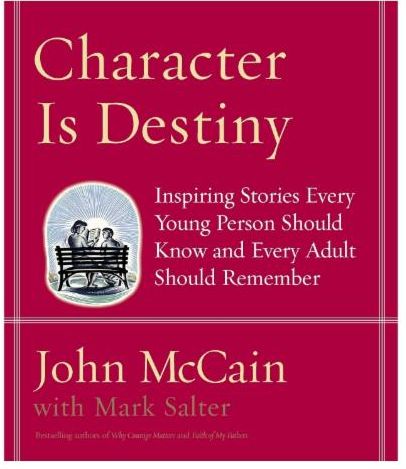
| | John McCain, Mark Salter. Character Is Destiny: Inspiring Stories Every Young Person Should Know and Every Adult Should Remember — Hardcover, October 2025. | | |
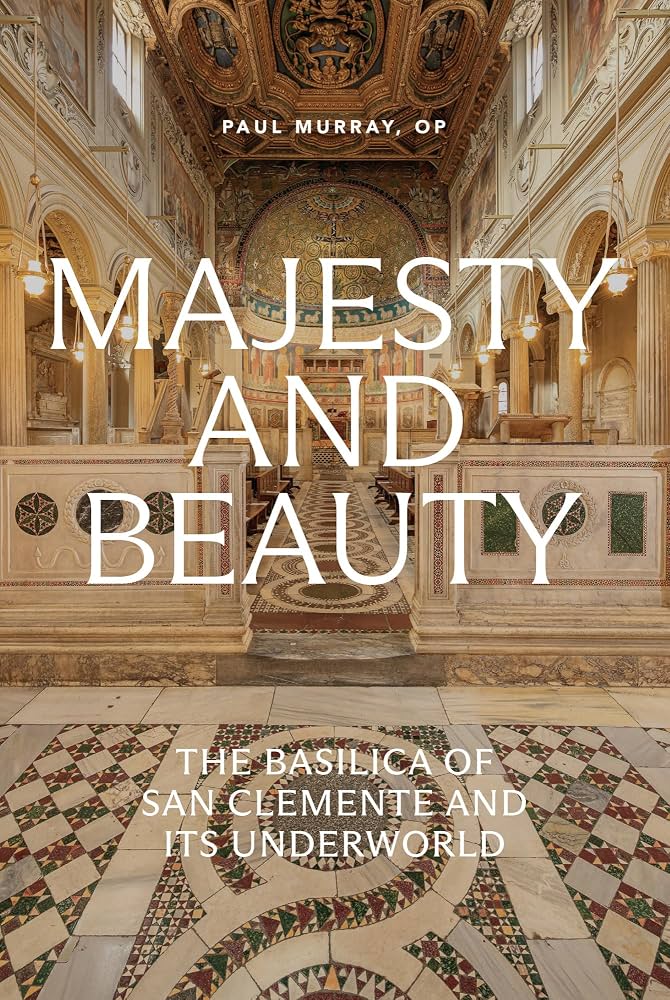
Paul Murray. Majesty and Beauty: The Basilica of San Clemente and Its Underworld — Hardcover. August 10, 2026.
“The Basilica of San Clemente is one of those keys to understanding the city of Rome and how the Eternal City has ebbed and flowed during the Christian period. This fine book...explains the three major levels of the basilica: First, a pagan Mithraeum was built; later, a fifth-century church was constructed on top of it; finally, that basilica was filled in and built upon with a new basilical church in the twelfth century.” — Duncan G. Stroik, architect and professor, University of Notre Dame
| | |
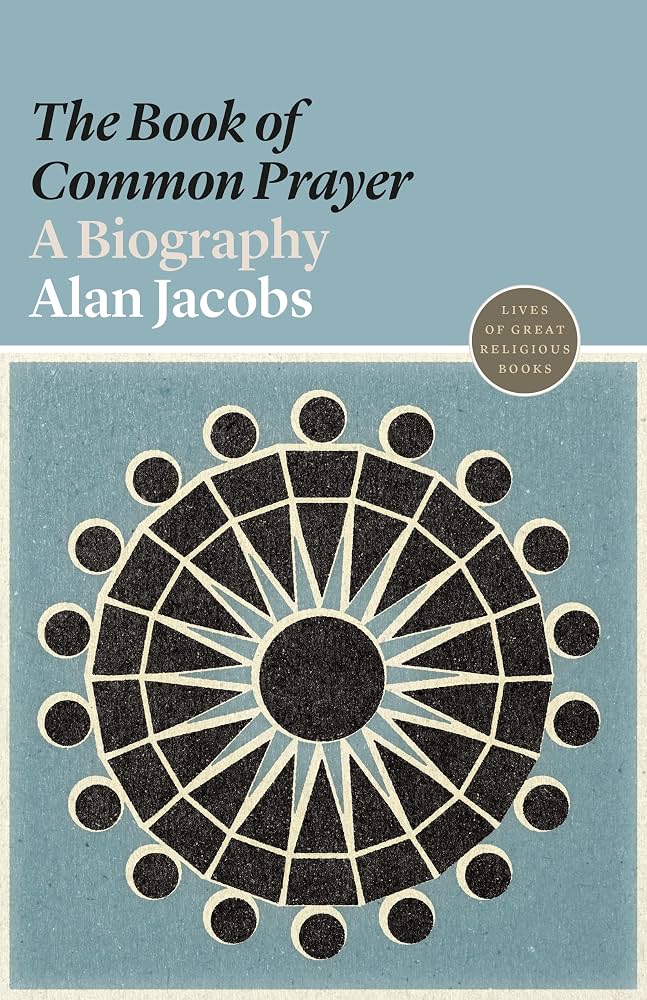
Alan Jacobs. The Book of Common Prayer: A Biography (Lives of Great Religious Books) — Paperback, 2019.
"Here Alan Jacobs tells its story. He shows how The Book of Common Prayer―from its beginnings as a means of social and political control in the England of Henry VIII to its worldwide presence today―became a venerable work whose cadences express the heart of religious life for millions." — Amazon review
| | |
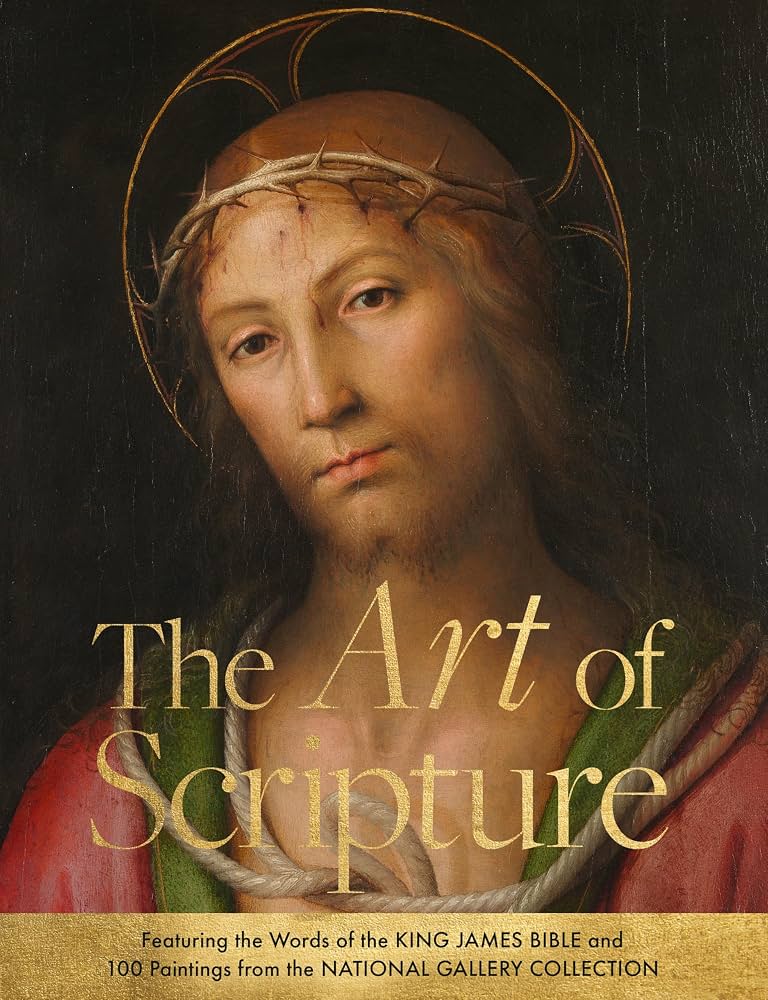
The National Gallery (author). The Art of Scripture: Featuring the Words of the King James Bible and 100 Paintings from the National Gallery Collection — Hardcover, November 4, 2025.
"In a beautiful fusion of sacred text and visual masterpiece, The Art of Scripture offers a resonant new way to experience the Bible through the lens of Western art" — Anthology Magazine
It is already in the Cathedral Bookshop.
| | |
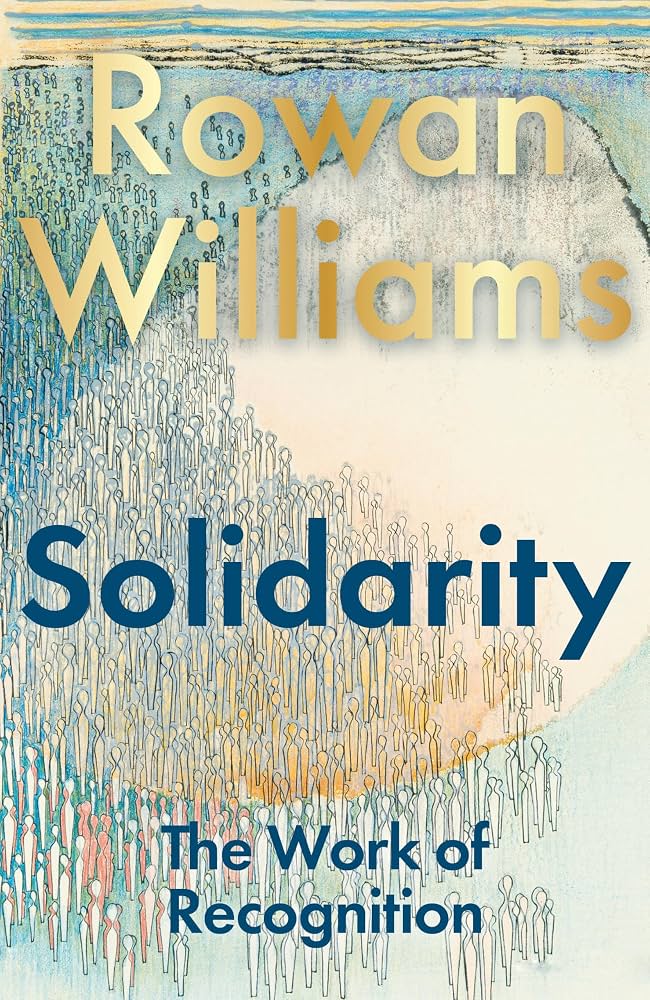
Rowan Williams. Solidarity: The Work of Recognition — Hardcover, May 26, 2026.
"...Williams traces solidarity's myriad forms through its deep influence on Catholic social thought, its transformation in the hands of thinkers like Dietrich Bonhoeffer and Jan Patocka and the creative struggle so central to the writings of Gillian Rose. He reveals solidarity to be a constant exercise in self-scrutiny and dialogue in which we find that true recognition lies not in asserting that others are 'just like us,' but rather in affirming their claim to be 'fully themselves'. It is in this work of recognition, this possibility of communion, that true hope can be found." — Amazon review
| | |
Richardson Wright. The Gardener's Bed-Book (Warbler Classics Annotated Edition) — Paperback. July 29, 2025 (1929).
Some beautiful short essays and reflections on gardening from editor-in-chief of House & Garden for over three decades. Might be the perfect bedside companion for the insomniac with a green thumb.
| | America 250th Anniversary | | |
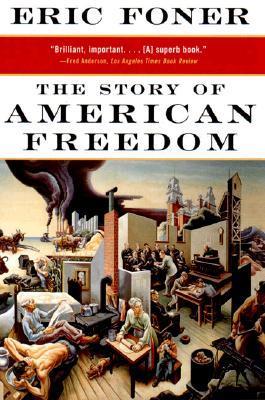
Eric Foner. The Story of American Freedom — Norton paperback, 1999.
An important work of historical scholarship that explores the concept of freedom and how its meaning changes through the various important movements in American history—the revolt against colonial rule in the 18th century, the struggle to end slavery in the 19th, the expansion of freedom to include women in the political life of the nation and the fight to define who is going to become an American and the freedom to enter this country—a battle yet current in our own time.
| | |
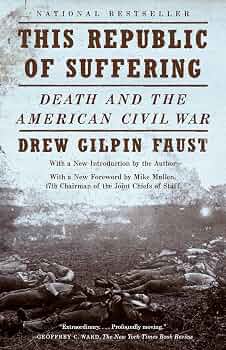
Drew Gilpin Faust. This Republic of Suffering: Death and the American Civil War — Paperback, 2009.
"An estimated 750,000 soldiers lost their lives in the American Civil War. An equivalent proportion of today's population would be seven and a half million. In This Republic of Suffering, Drew Gilpin Faust describes how the survivors managed on a practical level and how a deeply religious culture struggled to reconcile the unprecedented carnage with its belief in a benevolent God." — Amazon review
| | Creation Care and the Environment | | |
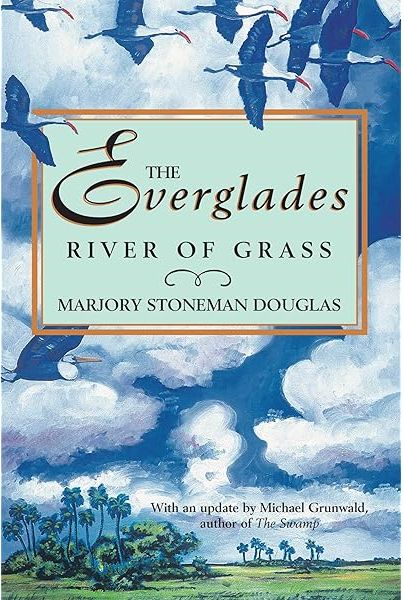
Marjory Stoneman Douglas. The Everglades: River of Grass —Paperback, October 15, 2021.
"Before 1947, when Marjory Stoneman Douglas named The Everglades a "river of grass," most people considered the area worthless. She brought the world's attention to the need to preserve The Everglades." — Amazon review
| | |
Carlton Ward, Jr. Path of the Panther: New Hope for Wild Florida — Paperback, May 2, 2023.
"The panther is the state animal of Florida, the last big cat surviving east of the Mississippi River, and an emblem of the Endangered Species Act. It was driven to extinction in the eastern United States, except for a small remnant population that persisted in Florida’s Everglades. Panther numbers had dwindled to fewer than 20 individuals by the 1980s, but heroic conservation efforts have helped panthers come back to nearly 200 today. The biggest obstacle for the panther’s continued recovery is access to enough of its historic territory throughout Florida and beyond." — Amazon review
| | St. Mary's (1913), Springfield | | |
St. Mary’s Episcopal Church and Outreach Ministry has been an anchor and haven of peace in the historic Jacksonville neighborhood of Springfield since 1913. It is also a very active community and center of faith. The church website states ‘We see a short, straight line from the Holy Communion which nourishes us every Sunday to our direct efforts to address food insecurity in our city." St. Mary’s operates a best-in-class food pantry providing a full choice of fresh and frozen foods in a neighborhood market environment. The Rev. Catherine Montgomery, after a very significant full-time lay ministry on the staff at Christ Church, Ponte Vedra Beach and graduation from the General Seminary and ordinations, is Vicar.
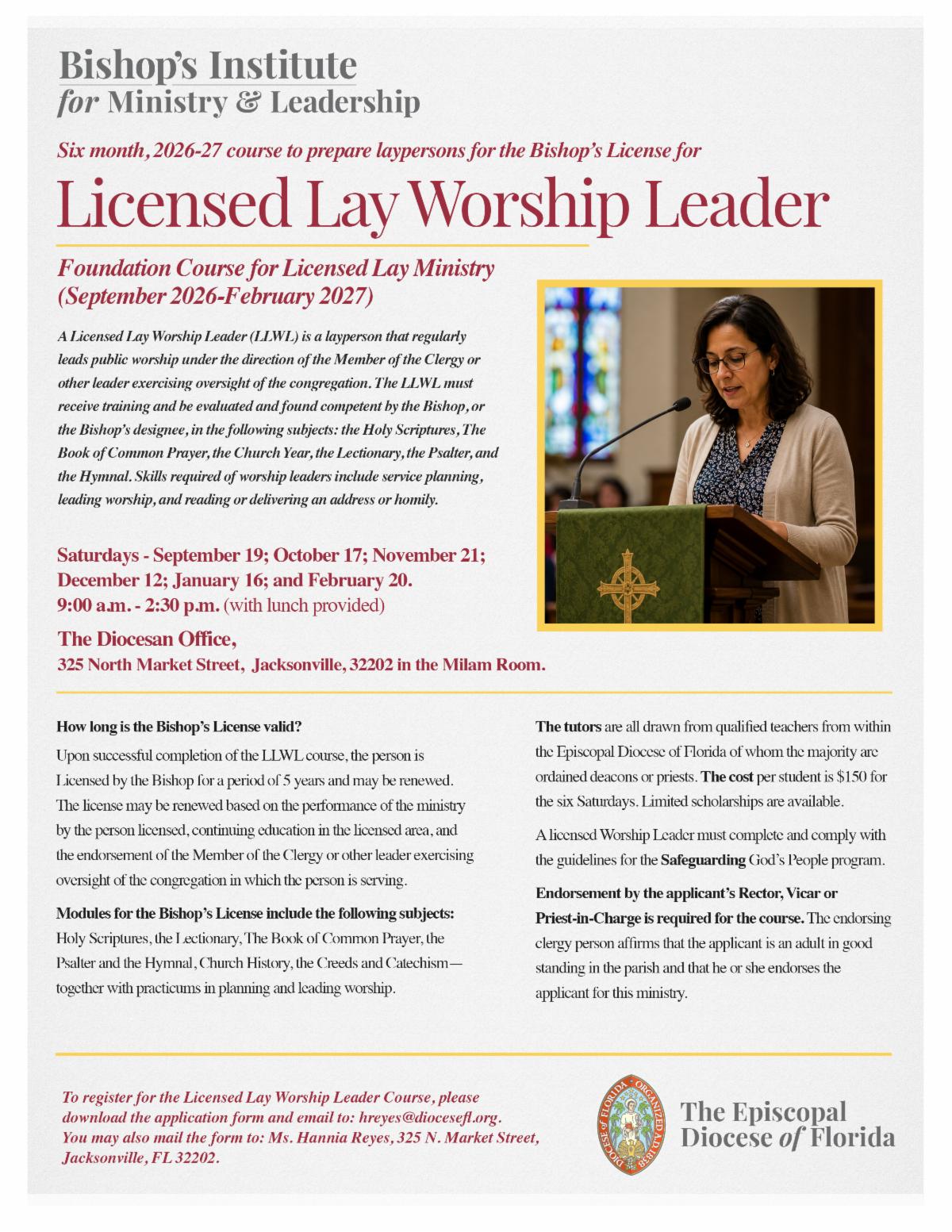
| | Licensed Lay Preacher Course | | |
We are holding an 11-month Licensed Lay Ministry (LLM) course designed to equip and train lay leaders in our Diocese called to the ministry of Preaching.
The course will be taught in cooperation with the Episcopal Preaching Foundation (EPF) providing each student with a well-designed 12-month curriculum for home self-study. In addition to the EPF curriculum, the in-person meetings will include gifted clergy tutors drawn from our Diocese who have a zeal for preaching and commitment to the formation of lay preachers.
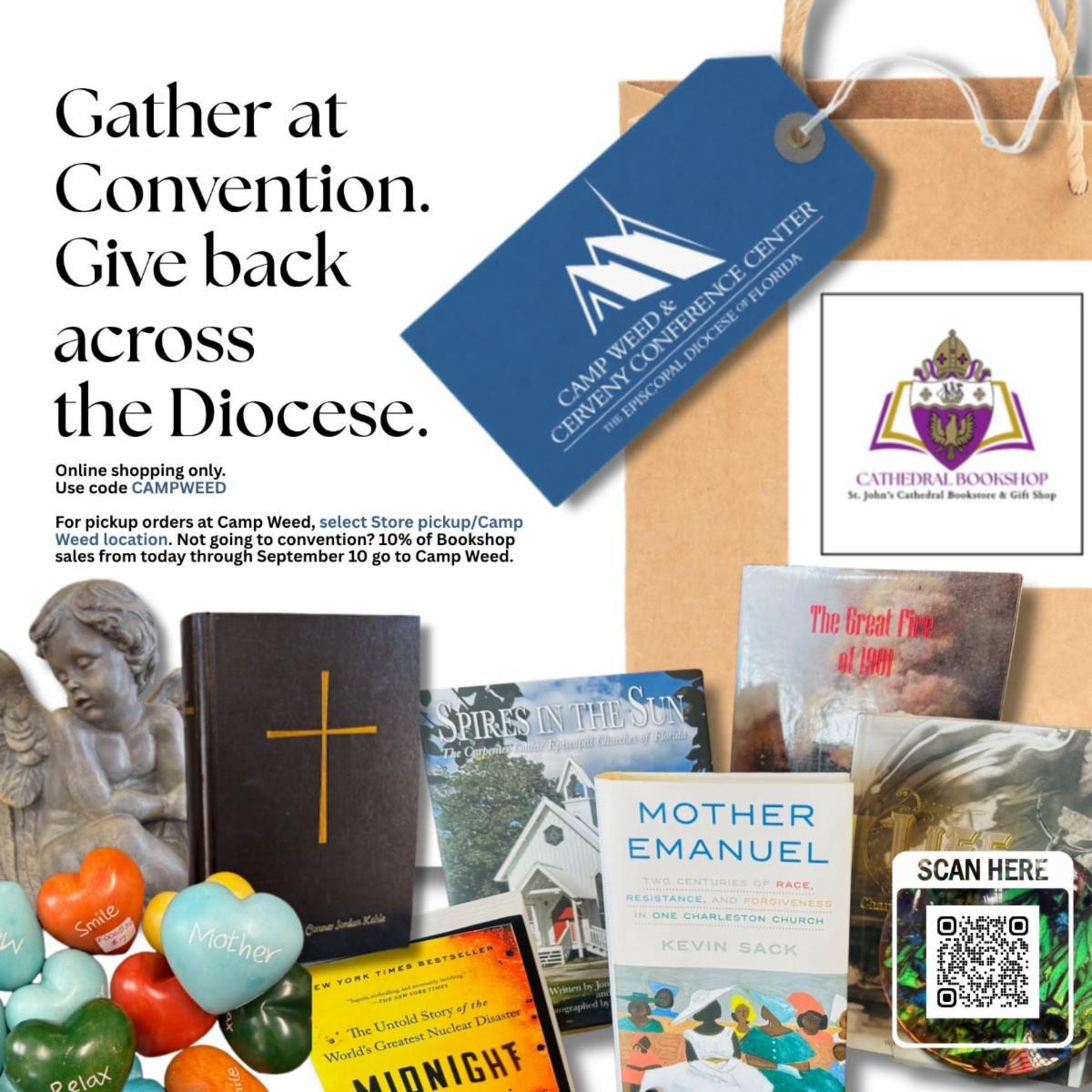
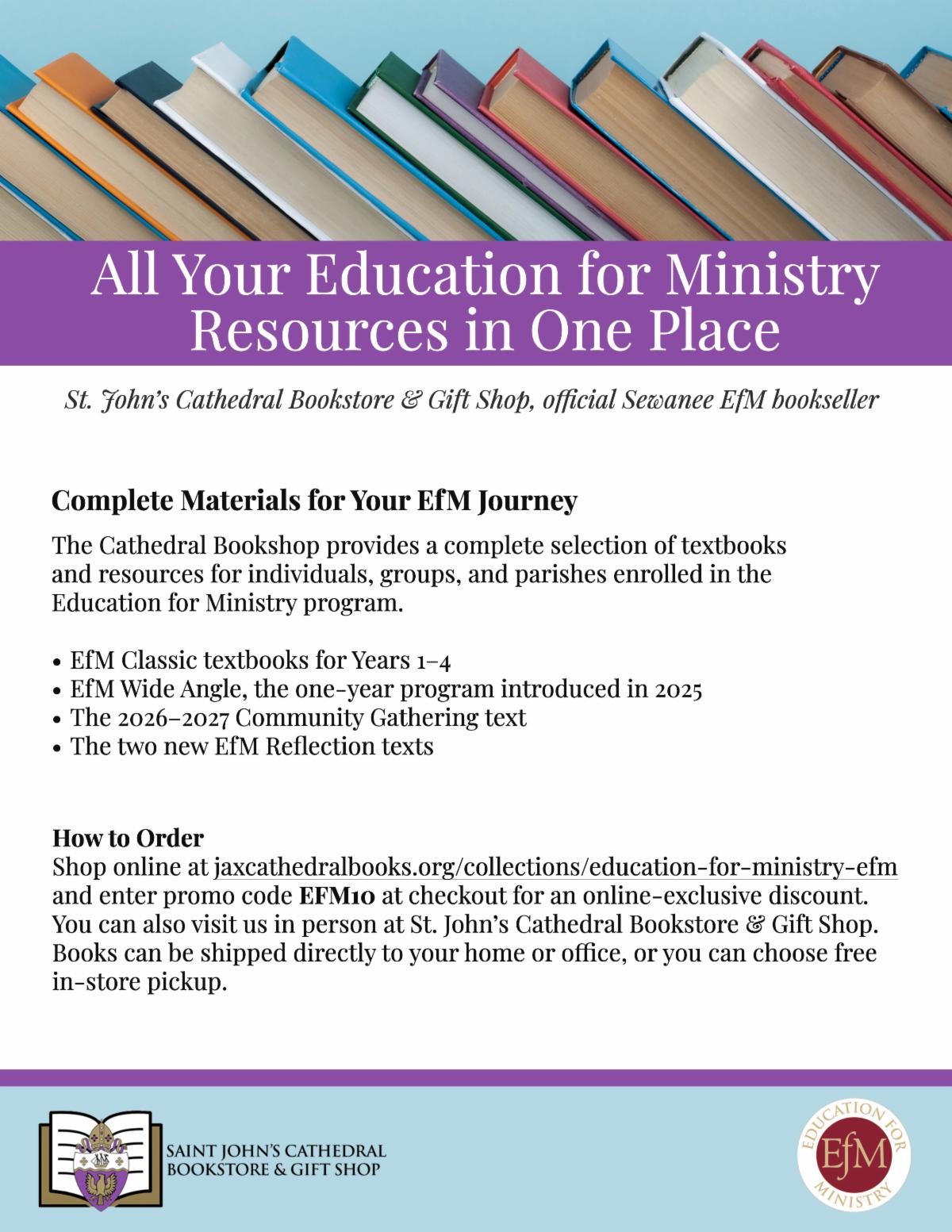
| | Licensed Lay Worship Leader Course | | From St. John's Cathedral, Jacksonville | | Support the Cathedral Bookshop and Camp Weed & Cerveny Conference Center! 10% of sales through September 10 go to Camp Weed when you use code CAMPWEED. | | | | |