Volume 91, September 2026 | | |
"...that peace which is the fruit of righteousness"
I was very pleased to have been with a group of faithful lay men and women this last weekend for the first of six meetings to train licensed lay worship leaders. The first session served as an introduction to the nature of Christian worship and some of the principles and elements of corporate worship in the Episcopal Church.
As part of my presentation for this meeting, I used some notes from the work of two leading liturgical scholars in the Episcopal Church—Massey H. Shepherd, Jr. and Marion J. Hatchett. Shepherd wrote The Oxford American Prayer Book Commentary (1950), an excellent guide to the Prayer Book, 1928. Shepherd was also instrumental in the development of the Prayer Book, 1979. Hatchett, in turn, was similarly instrumental in the shaping of the 1979 book and wrote the definitive history and theology of the current Prayer Book, Commentary on the American Prayer Book (1981).
In reviewing my notes on what Shepherd has to say about the element of prayers of petition and intercession in our corporate worship, I came across a statement made (in his The Worship of the Church, 1952) that struck me as particularly relevant to our present concerns for peace in the world today.
‘Struck’ is the right word because Shepherd’s reflections continue reverberating through my thoughts with each fresh news feed reporting Ukrainian drone strikes in Moscow and Russian bombing of a monastery in the Ukraine and Houthi rebels launching missile and drone attacks on Riyadh. And this month the leaders of all the nations gather soberly at the U.N. in New York. And on and on.
Shepherd wrote that whatever we ask of God, we must ask penitently. For we are constantly asking for blessings that we are not spiritually prepared to have. And then:
For example, we pray day after day for peace. But we do not get peace, because the only true peace is “that peace which is the fruit of righteousness.” Our righteousness is not nearly enough. There is pride and envy and fear in our own hearts. There is greed and injustice, and vain glory in our society. There is distrust and hypocrisy and malice in our international relations.
And then he asks:
If God gave us peace, what would we do with it? Would we enrich ourselves, exploit the underprivileged, and dominate the weak? Or would we show forth in our lives what the Lord requires of us: namely, “to do justly, and to love mercy, and to walk humbly with thy God (Micah 6.8).
That was written in 1952. Thinking further on Shepherd’s use of the phrase, “that peace which is the fruit of righteousness” I wondered what reference to Scripture he was making. In fact, the phrase is directly from the Prayer Book. It comes from the prayer "For Peace Among the Nations" (found in the Book of Common Prayer, 1979, p. 816) originally written for the Prayer Book, 1928 by Edward Lambe Parsons (1868-1960), Bishop of California. Yet Parsons’ prayer is based on scripture: James 3.18: "And the fruit of righteousness is sown in peace of them that make peace."
It is interesting that Shepherd, in his commentary on Parson’s collect "For Peace Among the Nations" is as direct and as sobering there as in his reflections on the necessity for a spirit of penitence in our petitions and intercessions. Of the collect, he writes:
It reminds us that peace is not in and of itself a means or policy—that is appeasement—but the consequence of just policies and truthful dealings, and the inter relations of sovereign states. It points also to the true and proper end of all political activity, by which it shall be judged of God, the coming of the kingdom of Christ.
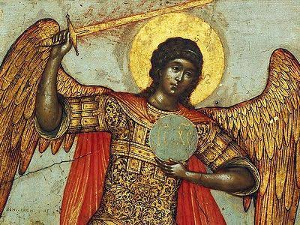
Sober thoughts for the sober reality of a world of disquiet. On September 29, we celebrate the Feast of St. Michael and All Angels. Let us pray:
Send Thy archangel, Michael, to our succor;
Peacemaker blessed, may he banish from us
Striving and hatred, so that for the peaceful
All things may prosper. (Rhabanus Maurus, 776-856.)
Douglas Dupree
| | St. Michael and All Angels | | |
COLLECT
O everlasting God, who hast ordained and constituted the
ministries of angels and men in a wonderful order: Mercifully
grant that, as thy holy angels always serve and worship thee in
heaven, so by thy appointment they may help and defend us
on earth; through Jesus Christ our Lord, who liveth and
reigneth with thee and the Holy Spirit, one God, for ever
and ever. Amen.
| | Christ the Fair Glory of the Holy Angels | | |
Christ, the fair glory of the holy angels,
thou who hast made us, thou who o’er us rules,
grant of thy mercy unto us thy servants
steps up to Heaven.
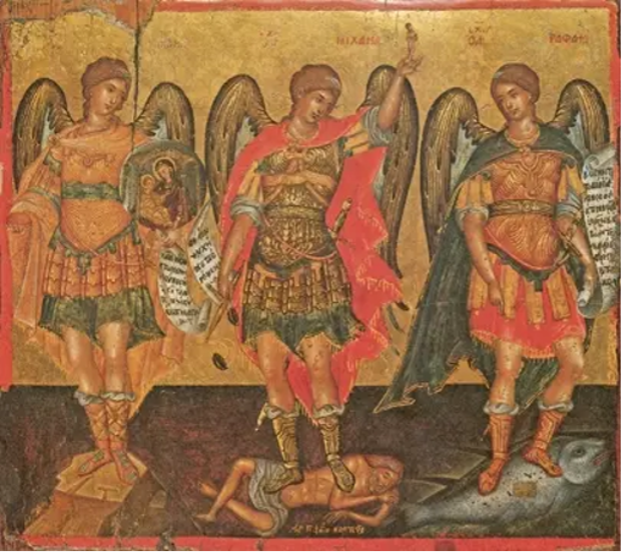
Send thy archangel, Michael, to our succor;
peacemaker blessèd, may he banish from us
striving and hatred, so that for the peaceful
all things may prosper.
Send thy archangel, Gabriel, the mighty;
herald of heaven, may he from us mortals
spurn the old serpent, watching o’er the temples
where thou art worshiped.
Send thy archangel, Raphael, the restorer
of the misguided ways of men who wander,
who at thy bidding strengthens soul and body
with Thine anointing.
Father almighty, Son and Holy Spirit,
God ever blessèd, be thou our preserver;
thine is the glory which the angels worship,
veiling their faces.
Author: Rabanus Maurus (c.776-856). Translator: Percy Dearmer.
| | |
Season of Creation
(September 1 - October 4, 2026)
Laudato Si' and St. Hildegard of Bingen
| | |
In last month’s Bishop’s Institute e-Newsletter we highlighted the Season of Creation (September 1 through October 4, the Feast of St. Francis of Assisi). We shined a light on some of the very interesting activities and observances planned to mark the season at St. John’s Cathedral. As the Dean rightly observed,
"The Holy Spirit seems to be calling all of Christianity to care for the created world with greater focus and intention.
The signs of this movement of the Holy Spirit began officially in 1989 when the Eastern Orthodox Patriarch Dimitrios I called for a Season of Creation to be observed by Eastern Orthodox Christians from September 1 (the Orthodox Day of Prayer for Creation) until October 4 (the Feast of St. Francis of Assisi)."
| | |
Laudato Si
Pope Francis formally joined the Roman Catholic Church to this movement in 2015. The Episcopal Church officially endorsed and encouraged the celebration of the Season of Creation in June 2024 during the 81st General Convention in Louisville.
Also, in 2015, Pope Francis published a significant encyclical Laudato Si, placing ecological concerns and responsibility for the environment into the heart of Roman Catholic social teaching. [Laudato Si, ‘Praise be to you, my Lord’ in English, comes from the opening line of the Canticle of the Creatures by St. Francis of Assisi.] His encyclical may also be viewed as a call for the Church to articulate more clearly a theology of creation to guide and strengthen Christians in their efforts and will to care more effectively and more immediately for the environment.
In the opening words of Laudato Si, Pope Francis writes of the intimate interconnection of human beings and the whole created order:
"We have forgotten that we ourselves are dust of the Earth; our very bodies are made up of her elements, we breathe her air and we receive life and refreshment from her waters… The violence present in our hearts, wounded by sin, is also reflected in the symptoms of sickness evident in the soil, in the water, in the air and in all forms of life."
| |
St. Hildegard of Bingen (1098-1179)
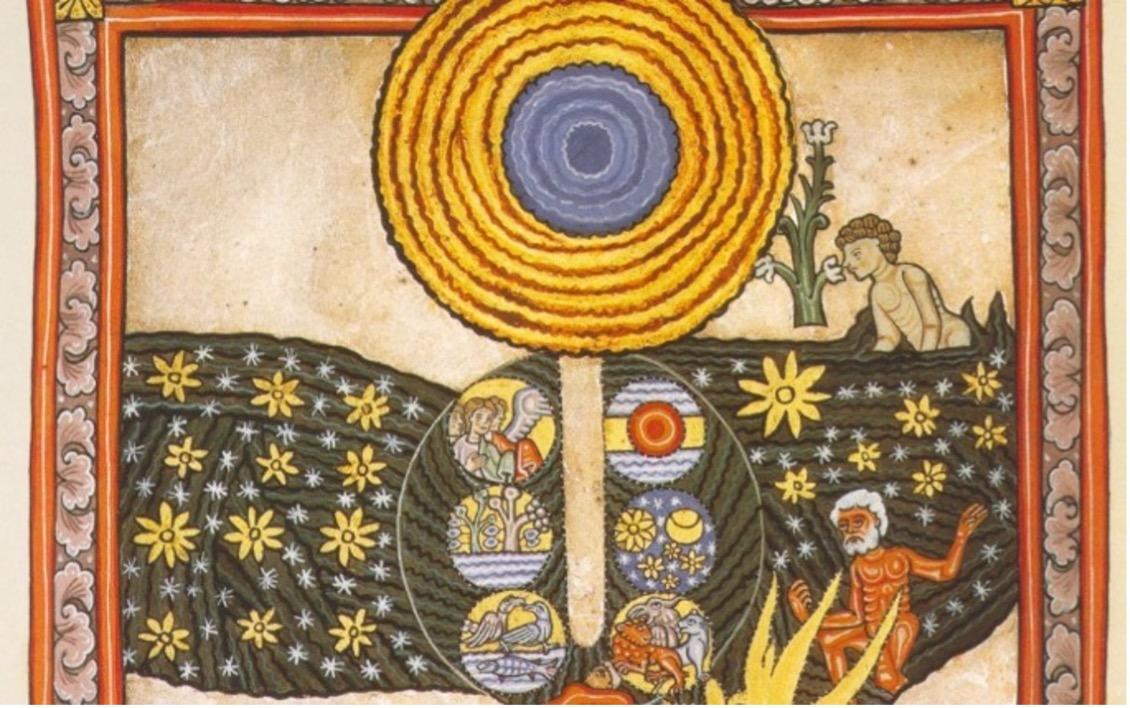
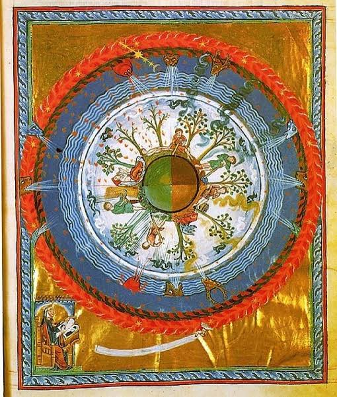
September 17 is the feast day of St. Hildegard of Bingen, canonized and named a Doctor of the Church in 2012 by Pope Benedict XVI. Although Francis did not make direct reference to her in Laudato Si, on other occasions he likened her to St. Francis of Assisi as a model of what Christian love for God’s creation might properly look like. It would not be far-fetched to say that in her writings, this 12th century abbess, author, theologian, prophet, and preacher—not to say also musician, composer, poet, and artist—develops a theology of creation that suggests a good template for a balanced theology and approach for Christians to the environment and its care.
Many elements in the vision and theology of Hildegard converge to speak to our ecological concerns today. She had a wide understanding of the cosmos as a whole and of the place of human beings in it. Human beings, she wrote, are the universe in microcosm, made of the same elements that constitute the world. Within this great cosmos, human beings are the thinking heart, called to be co-creators with God in shaping and caring for the world. The sane balance in her theology of creation that neither over-exalts the place of human beings in the environment nor under-rates the responsibilities and the impact of their care (or lack of care) towards the environment.
Hildegard wrote some nine books on theology, medicine, and science. She wrote some seventy poems and even an opera. A number of her contemporary biographers give credit to the power of the women’s movement in our day to the discovery or rediscovery of Hildegard after almost 800 years of obscurity in Western history. One of her chief interpreters is Matthew Fox, an author and Episcopal priest. He writes: "If Hildegard had been a man, she would be well known as one of the greatest artists and intellectuals the world has ever seen."
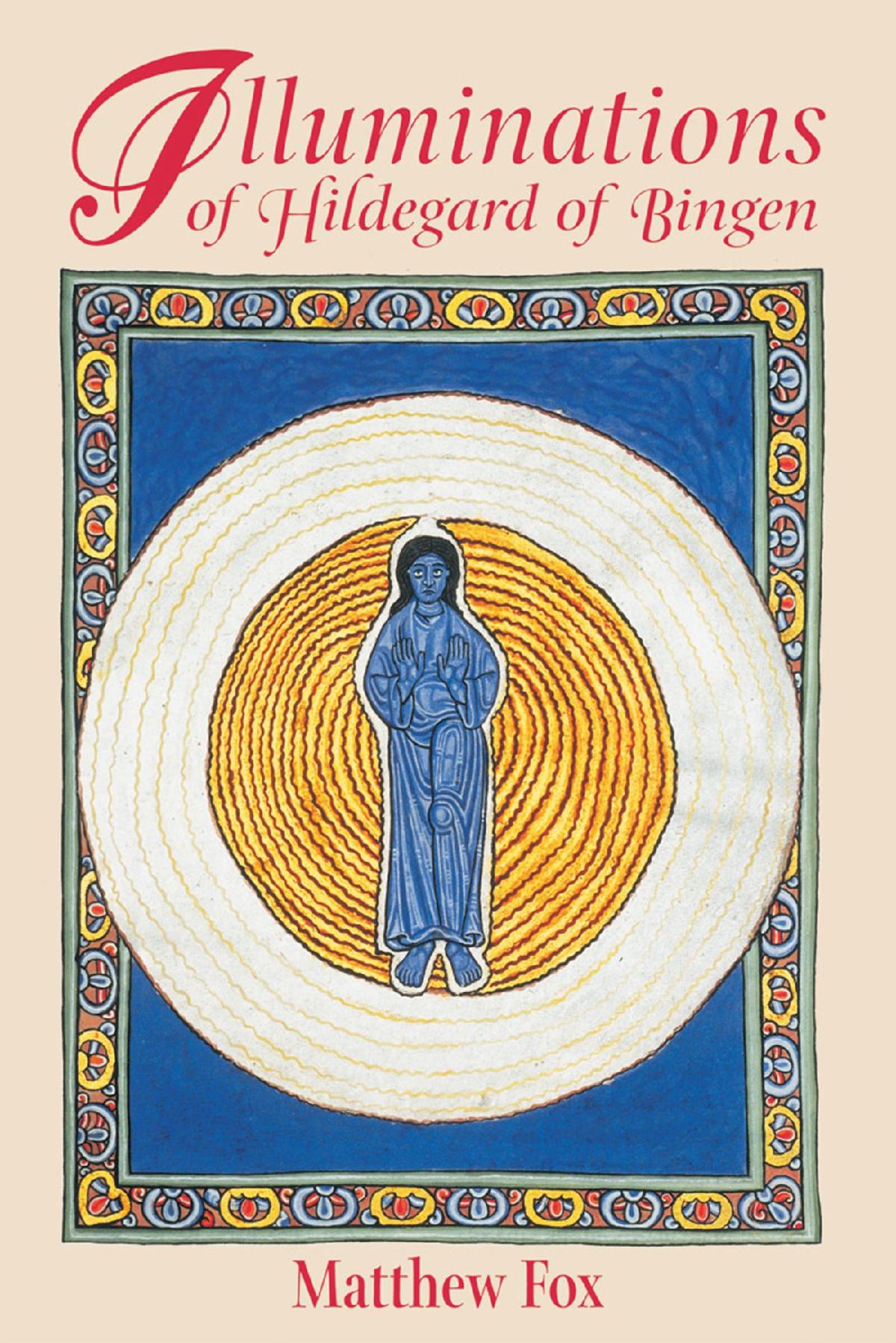
A good introduction to the life and writings of Hildegard, especially in light of a theology of creation, is the Illuminations of Hildegard of Bingen with the commentary provided by Matthew Fox.
The Lord is glorious in his saints. O come, let us adore him. Amen.
| | |
Rebecca Blumenstein and Diana Kapp. The Last Free Women: A Daring Escape from Afghanistan and Coming of Age in America — Hardcover, September 8, 2026.
“This is a must read. In revealing the meaning of duty, we recognize how aiding these young Afghan women can help us heal ourselves from America's longest war." ― Walter Issacson, New York Times bestselling biographer and professor at Tulane University
| | |
Matthew Fox. Illuminations of Hildegard of Bingen —Paperback, January 30, 2003.
"She [Hildegard] castigated a pope for his timidity and an emperor for moral blindness. She taught scholars and preached to clergy and laity as no woman before her had ever done.. She claimed that now woman rather than man—obviously Hildegard herself—was to do God's work." ― Bernard W. Scholz, The American Benedictine Review
| | |
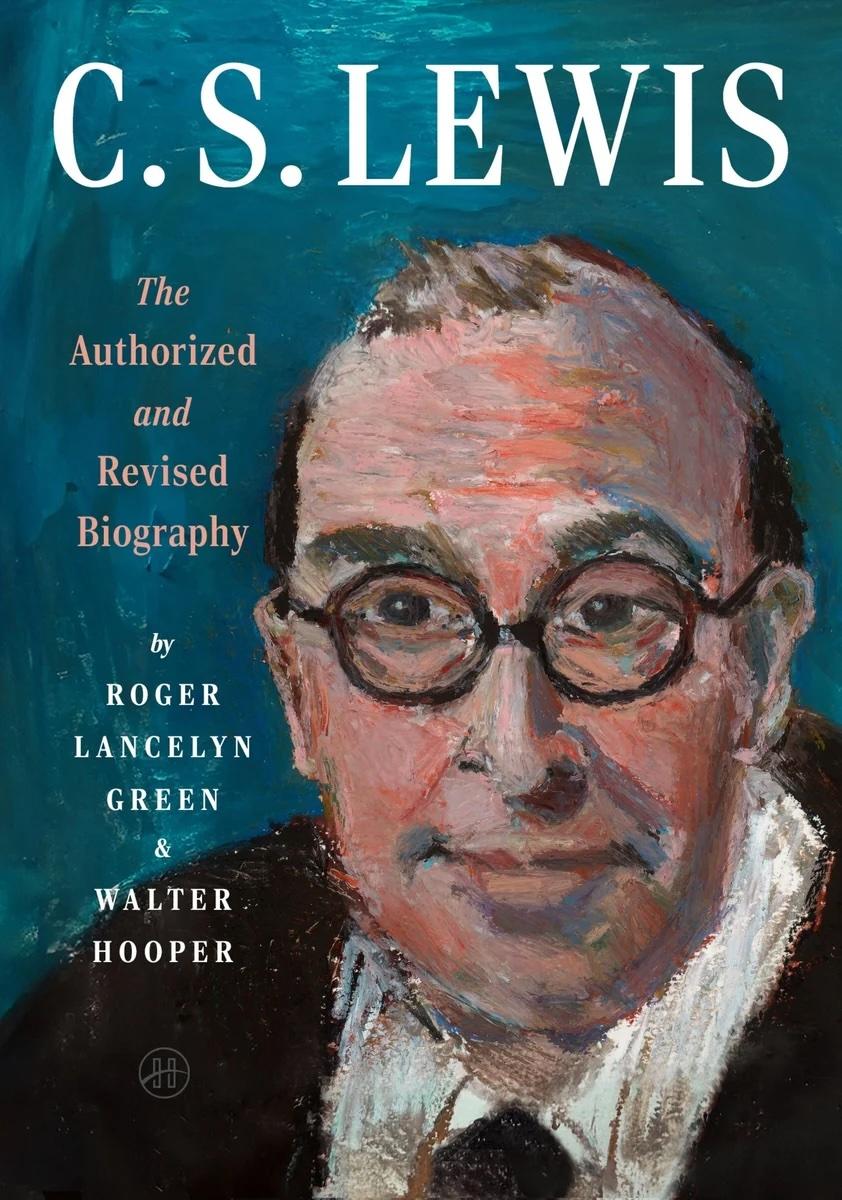
Roger Green, Walter Hooper. C.S. Lewis: The Authorized and Revised Biography — Paperback, August 25, 2026.
“We offer our humble tribute to a great man, an important and interesting writer, an inspiring teacher—and above all such a friend as we are not likely to find again." — Walter Hooper & Roger Lancelyn Green
| | |
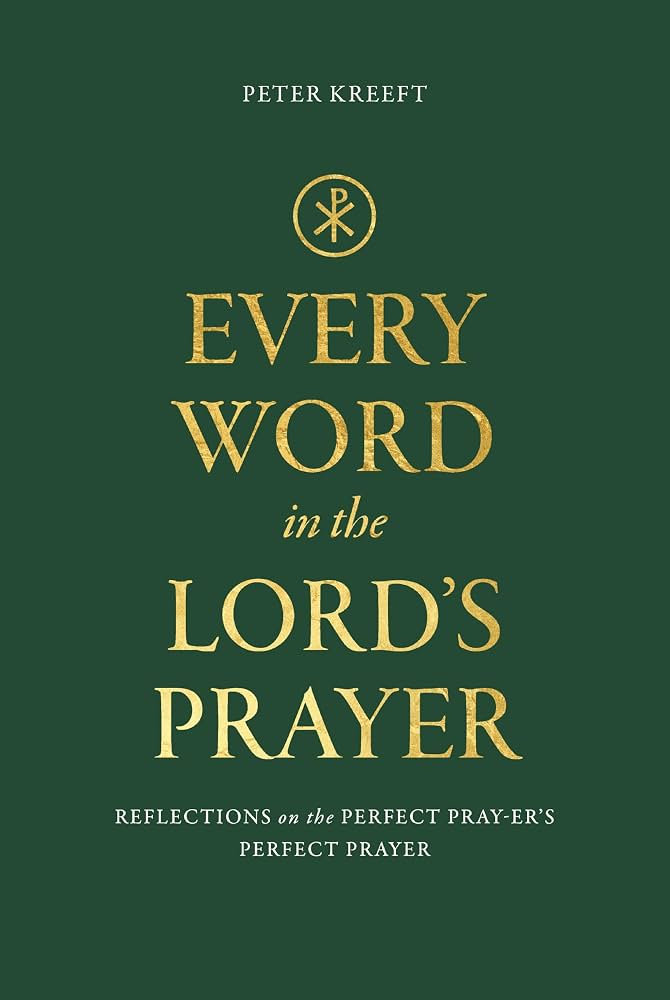
Peter Kreeft. Every Word in the Lord's Prayer: Reflections on the Perfect Pray-er’s Perfect Prayer —Paperback, June 8, 2026.
"Drawing from Scripture and a lifetime of reflection, Kreeft shows that every utterance of the Our Father brims with meaning. It is a summary of the Gospel, a path to union with God, and a guide to becoming fully alive. Whether you’re encountering this prayer for the first time or have prayed it countless times before, Every Word in the Lord’s Prayer will help you to see the words our Savior taught us with new eyes—and to pray them with a renewed heart." — Amazon review
| | |
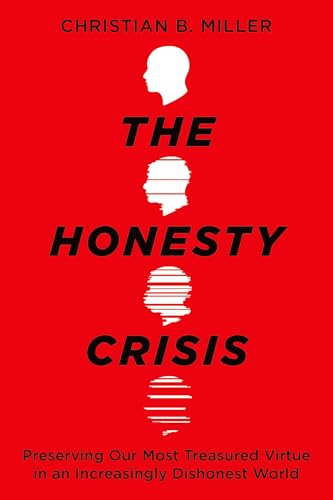
Christian B. Miller. The Honesty Crisis: Preserving Our Most Treasured Virtue in an Increasingly Dishonest World — Hardcover, May 19, 2026.
"Honesty is our most treasured virtue. Research has found that honesty is the single most important characteristic a person can possess when it comes to liking them, respecting them, and understanding them. But honesty is eroding at a frightening rate in many areas of society today, as we are confronted with a number of honesty crises." — Amazon review
| | |
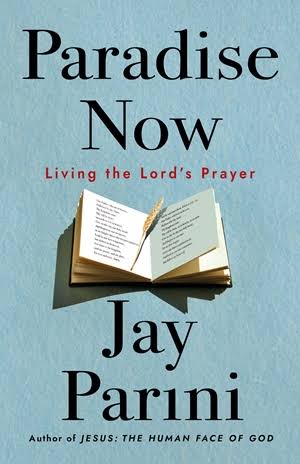
Jay Parini. Paradise Now: Living the Lord's Prayer — Hardcover, October 20, 2026.
"Paradise Now is both inspiring and inspired! Jay Parini leads us gently through the essential prayer of Christianity, writing with a keen ear for nuance and a lovely eye for details. Grace and truth live in these pages.” ― Fr. Richard Rohr, O.F.M.
| | |
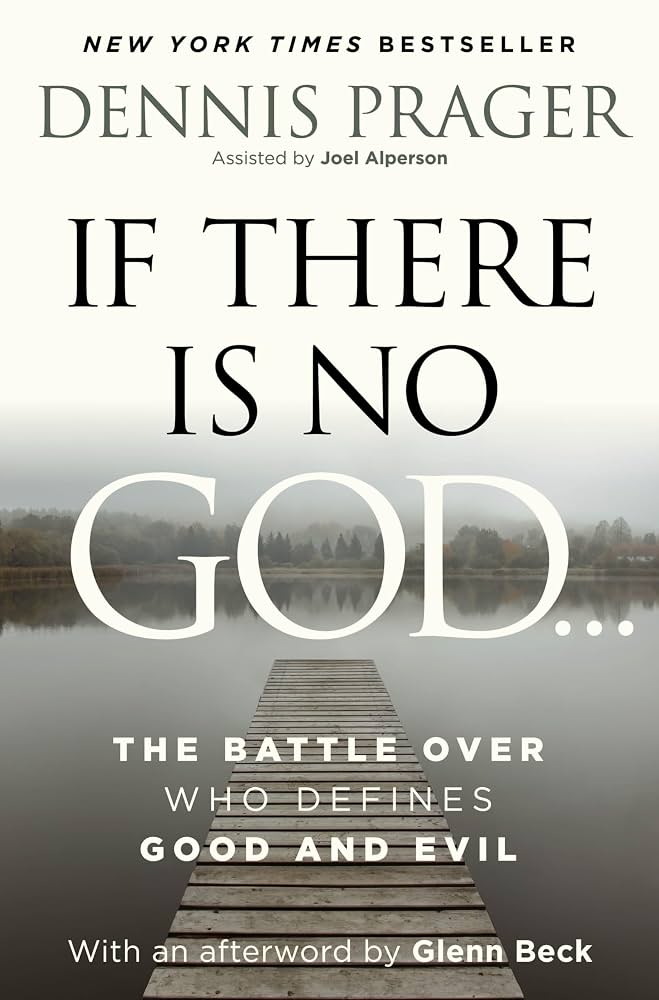
Dennis Prager. If There Is No God: The Battle Over Who Defines Good and Evil — Paperback, February 24, 2026.
Your beloved dog and a stranger are drowning. Who do you try to save first?
Every time famed radio host, New York Times bestselling author, and Co-founder of PragerU, Dennis Prager, has asked this question, one-third of the audience voted for the dog, one-third for the stranger, and one-third was not sure. We live in an era when people increasingly make moral judgments based on their emotions." — Amazon review
| | |
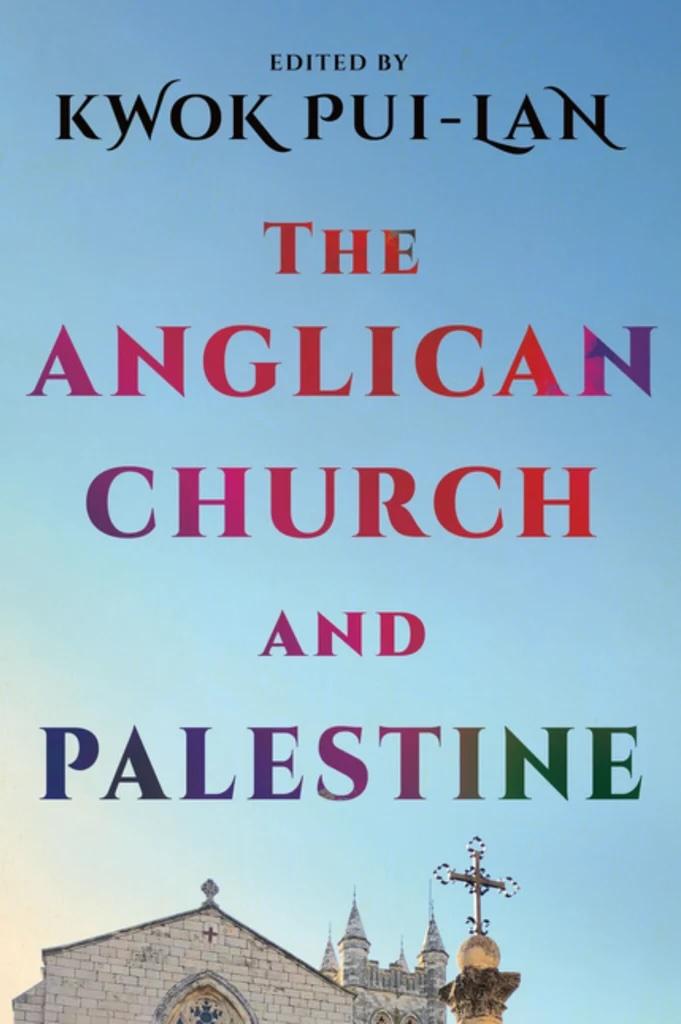
Kwok Pui-Lan (editor). The Anglican Church and Palestine — Paperback, September 1, 2026.
"The Anglican mission began in Palestine with the creation of an Anglo-Prussian Episcopal See in Jerusalem in 1841. Christian Zionism in England influenced the development of Jewish Zionism and the support for the Balfour Declaration. Yet no book introduces this complex history and brings this to bear on what happens in today's Palestine. Until now." — Amazon review
| | America 250th Anniversary | | |
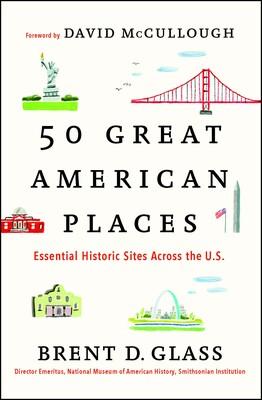
Brent D. Glass. 50 Great American Places: Essential Historic Sites Across the U.S., Paperback, March 15, 2016.
"From Massachusetts to Florida to Washington to California, 50 Great American Places takes you on a journey through our nation’s history. Sharing the inside stories of sites as old as Mesa Verde (Colorado) and Cahokia (Illinois) and as recent as Silicon Valley (California) and the Mall of America (Minnesota), each essay provides the historical context for places that represent fundamental American themes…" — Amazon review
| | |
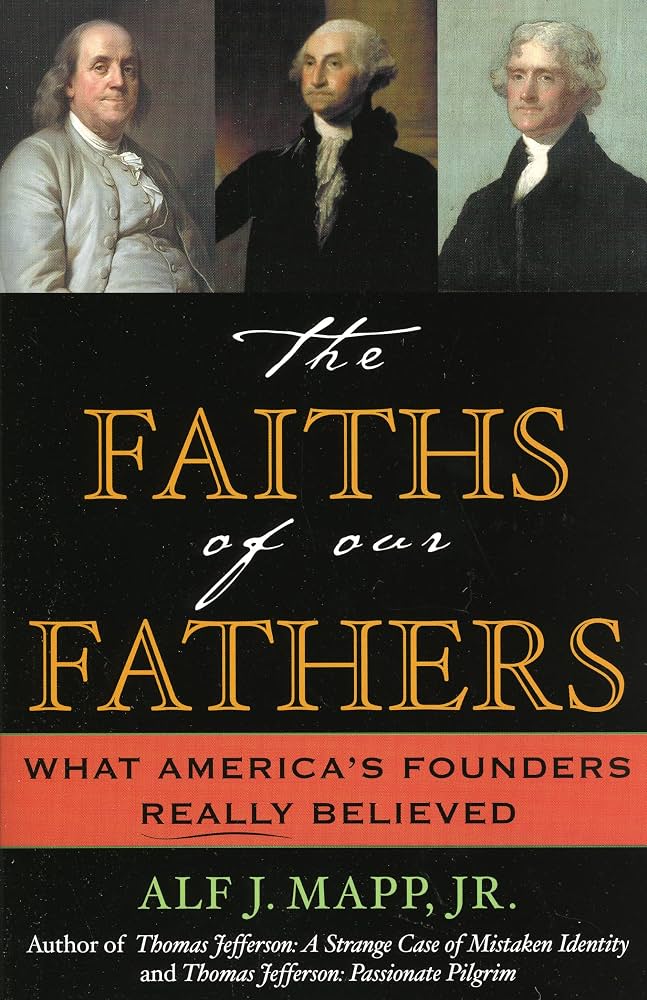
Alf J. Mapp. The Faiths of Our Fathers: What America's Founders Really Believed — Paperback, July 7, 2005.
"Alf Mapp's Faiths of Our Fathers explores the religions of eleven of the Founders. We learn for the first time of the breadth and diversity of their thoughts. Only the master historian could carry his readers over such untraveled waters and establish connections with the period in which we live today. A magnificent achievement!” ― Kenneth W. Thompson, Wilson Newman Professor of Government and Foreign Affairs, University of Virginia
| | | | |
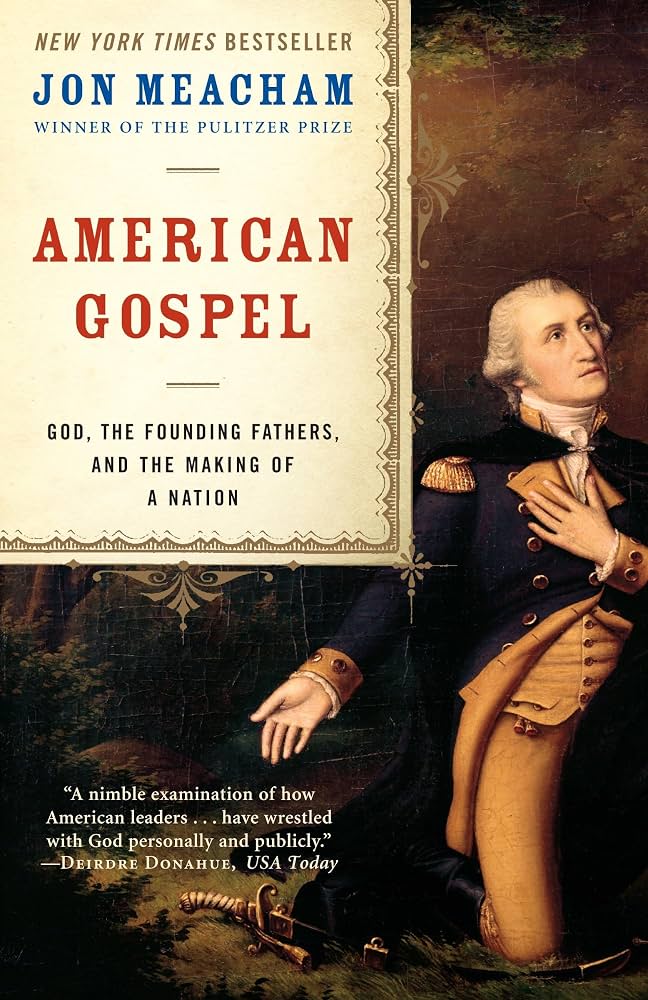
Jon Meacham. American Gospel: God, the Founding Fathers, and the Making of a Nation -— Paperback, March 20, 2007.
“Anyone who doubts the relevance of history to our own time has only to read this exceptional book.” — David McCullough, author of 1776
| | | | |
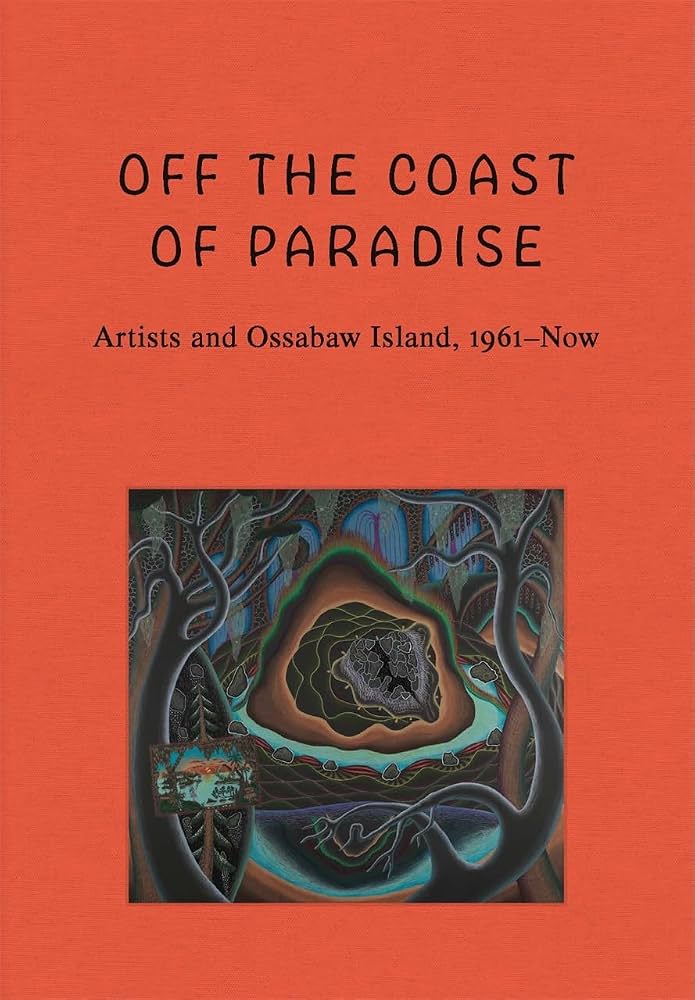
Eric Dunn and other contributors. Off the Coast of Paradise: Artists and Ossabaw Island, 1961-Now — Hardcover, March 1, 2026.
"Off the Coast of Paradise is the first major exhibition and publication to explore the profound impact of Ossabaw Island―an undeveloped, 26,000-acre barrier island off the coast of Savannah―on artists in the United States during the latter half of the twentieth century.
Taking its name from a poem written by renowned poet and former Genesis member, Henri Cole, the exhibition and publication feature the work of internationally renowned artists who either participated in the residency programs or who have spent time on Ossabaw in the years since." — Amazon review
| | |
Hildegard of Bingen: A Sonnet
By Malcolm Guite, priest and poet
| | |
A feather on the breath of God at play,
You saw the play of God in all creation.
You drew eternal light into each day,
And every living breath was inspiration.
You made a play with every virtue playing,
Made music for each sister-soul to sing,
Listened for what each herb and stone was saying,
And heard the Word of God in everything.
Mother from mother earth and Magistra,
Your song revealed God's hidden gift to us;
The verdant fire, his holy harbinger
The greening glory of viriditas.
'Cherish this earth that keeps us all alive'
Either we hear you, or we don't survive.
[NB Viridity (viriditas) is one of Hildegard’s favorite words, referring to the greenness of flourishing life, both spiritual and physical and pointing to God’s power in the world. She described herself as ‘a feather on the breath of God’. Her feast day is September 17.]
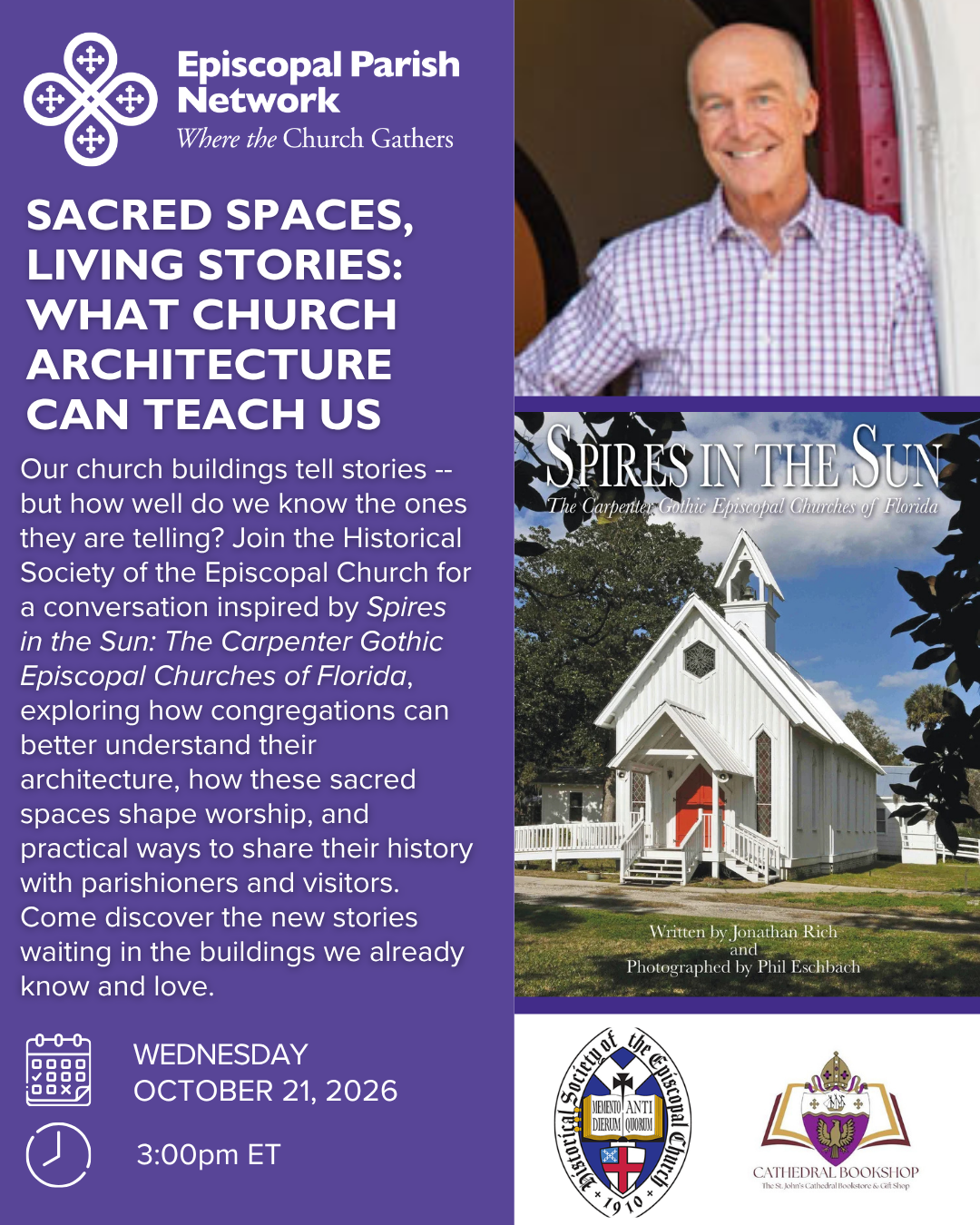
| | From St. John's Cathedral, Jacksonville | | Our church buildings tell stories: about the communities that built them, about our understanding of worship and sacred space, and about the presence the Church seeks to embody in the places it serves. Join the Historical Society of the Episcopal Church for a conversation exploring how congregations can better understand their architecture and find practical ways to share these stories with parishioners and visitors. The discussion is inspired by Spires in the Sun: The Carpenter Gothic Episcopal Churches of Florida, written by Jonathan Rich, and will feature Matthew Payne and John Runkle of the Historical Society of the Episcopal Church. | | | | |