|
وَلَقَدْ ءَاتَيْنَا دَاوُۥدَ وَسُلَيْمَـٰنَ عِلْمًۭا ۖ وَقَالَا ٱلْحَمْدُ لِلَّهِ ٱلَّذِى فَضَّلَنَا عَلَىٰ كَثِيرٍۢ مِّنْ عِبَادِهِ ٱلْمُؤْمِنِينَ
Indeed, We granted knowledge to David and Solomon. And they said, “All praise is for Allah Who has privileged us over many of His faithful servants.”
Surah an-Naml 27:15
فَتَبَسَّمَ ضَاحِكًا مِّن قَوْلِهَا وَقَالَ رَبِّ أَوْزِعْنِي أَنْ أَشْكُرَ نِعْمَتَكَ ٱلَّتِي أَنْعَمْتَ عَلَيَّ وَعَلَىٰ وَٰلِدَيَّ وَأَنْ أَعْمَلَ صَـٰلِحًا تَرْضَاهُ وَأَدْخِلْنِي بِرَحْمَتِكَ فِي عِبَادِكَ ٱلصَّـٰلِحِينَ
“So (Sulayman) smiled joyously at her (the ant’s) speech, and said, ‘My Lord, enable me to be grateful for Your favor which You have bestowed upon me...”
Surat an-Naml, 27:19
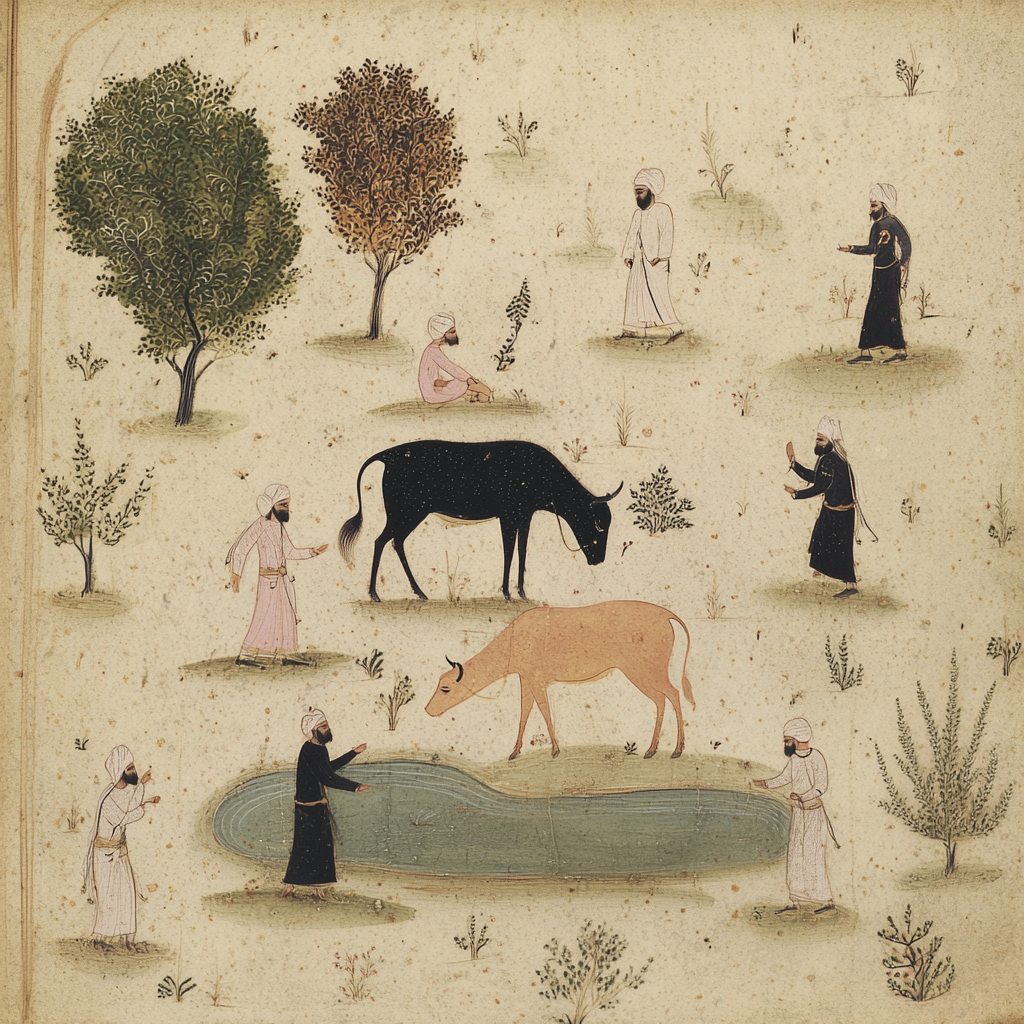
How did Sayyidina Sulayman (a) hear the words of an ant? We cannot even hear the movement of an ant, let alone its words!
There are two types of knowledge, 'ilm al-bayan and ilm al-‘ayan. Bayan means to clarify or explain to people what you have learned through words and books. There are so many eloquent speakers online who address people with what they know.
But there is also ‘ilm al-‘ayan, that knowledge that is from the unknown, from the unseen. ‘Ayan means outright vision, viewing, experiencing. You don’t read it in a book. By the power of Allah ﷻ, He will allow you to see it and hear it. If you perfect your ‘ubudiyyah, your servanthood, and you clear your heart from everything else, any other gods, any other deities in your heart, then you are taking that way of ṣafa’, purity.
Then you can understand things that you don’t hear on YouTube and Instagram. You hear things that you don’t see and hear in Reels. You hear something different.
You see online: “Do you want to be rich? Do this. Do you want to be powerful? And they tell you, “Do this dhikr or that du'a. Recite Fatiḥah this many times.” And you do it, just because you want to be king, not because you want to get closer to Allah ﷻ!
No. Leave that! It is your ego leading you through these online reels, clips, and instructions, because your ego wants to be on top. How are you a servant then, of Allah ﷻ? You are competing with Allah ﷻ. You’re telling people, “Yes, there is God, but there is also me.” Who are you? “I’m not as big, maybe a bit under Him, but I’m still there.”
Riyaḍah means dhikr, lots of dhikr that is given to you by the murshid, not by yourself. Some say, “I like to do Ṣalat al-Fatiḥ today,” or “I want to do this ṣalāh today and another tomorrow,” or “I like to do 100 times this or that.”
May Allah forgive us. That is the opposite of servanthood!
If you are still into books, then say: “Ya Rabbi, open to me what You have opened to Your Anbiya and Awliya.” That happens with dhikrullah, through riyaḍah, spiritual exercise, and mujahadah, struggle within the self.
The Anbiya and Awliya have come for what? To brag? To say, “I see and you don’t see? I have become a big one, you are still a small one.”
No! They have come to tell you:
“Come with me. I take you where I am. I take you where I went.”
They say:
“Come with me. Give me your hand.”
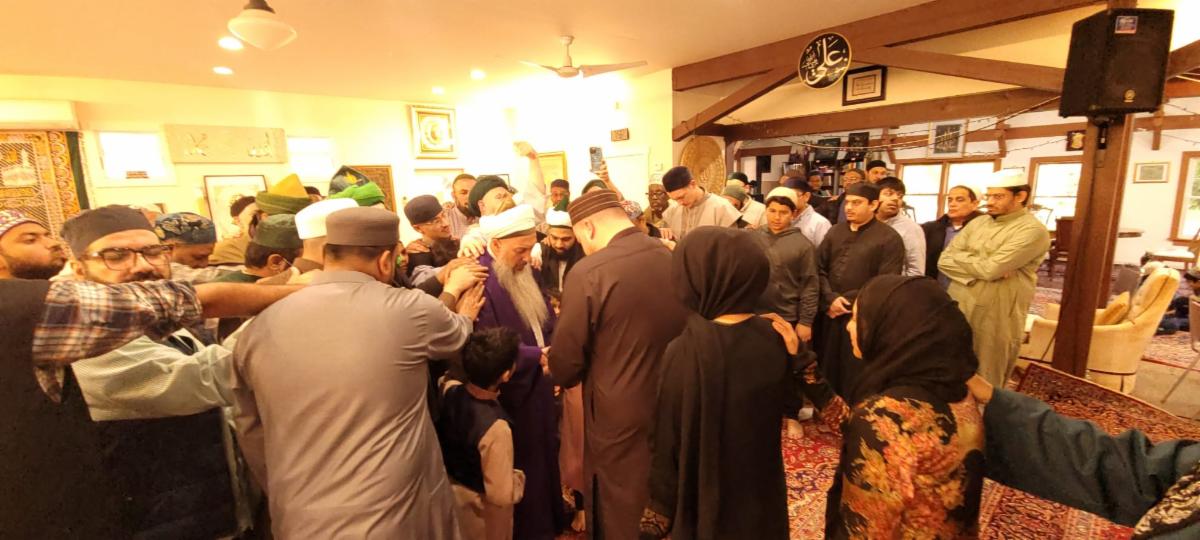
When you give the hand, you are giving it to someone who is able to take you to where he has gone. Not simply because others are doing it, but you have to find out which one is able to take you to Ṣafa’. Did he reach the Ḥaram? Did he reach that mountain? If he did, follow him. He will take you around around the ‘Arsh, around the Ka‘bah.
Note: This transcript has been abridged and lightly paraphrased for clarity and brevity. To experience the full sohbah, click the link above to watch the complete video.
|