The Body is the Portal to Psychological Health
By Amanda Stein, LMSW
I came to the type of therapy I now practice from having worked as a firefighter, an emergency medical technician, and then spent years in crisis and suicide-prevention work. Ultimately, these experiences enabled me to understand how the body and the brain work in tandem to entrap someone into repeating the patterns of their trauma.
I often use the analogy of someone driving a cart down the same road over and over, creating a rut into which the wheels keep slipping. Similarly, traumatic experiences can become entrenched in our neural pathways. These then, are reflected in our body, and how it responds to the memory of trauma—usually with fight or flight responses whenever something triggers the memories.
Along the way I found that so-called talk therapy is often unsuccessful in addressing such reactions. But because our body acts as a repository of our emotions, we can, however, through exploring and becoming aware of the places in the body where we hold our various traumatic emotions—fear, anger, emotional pain, and so on—and revisit these places from the safe space of the therapy room. This begins the process of reordering the mind’s neural pathways, thus eventually bypassing the ruts that trauma has created.
| | |
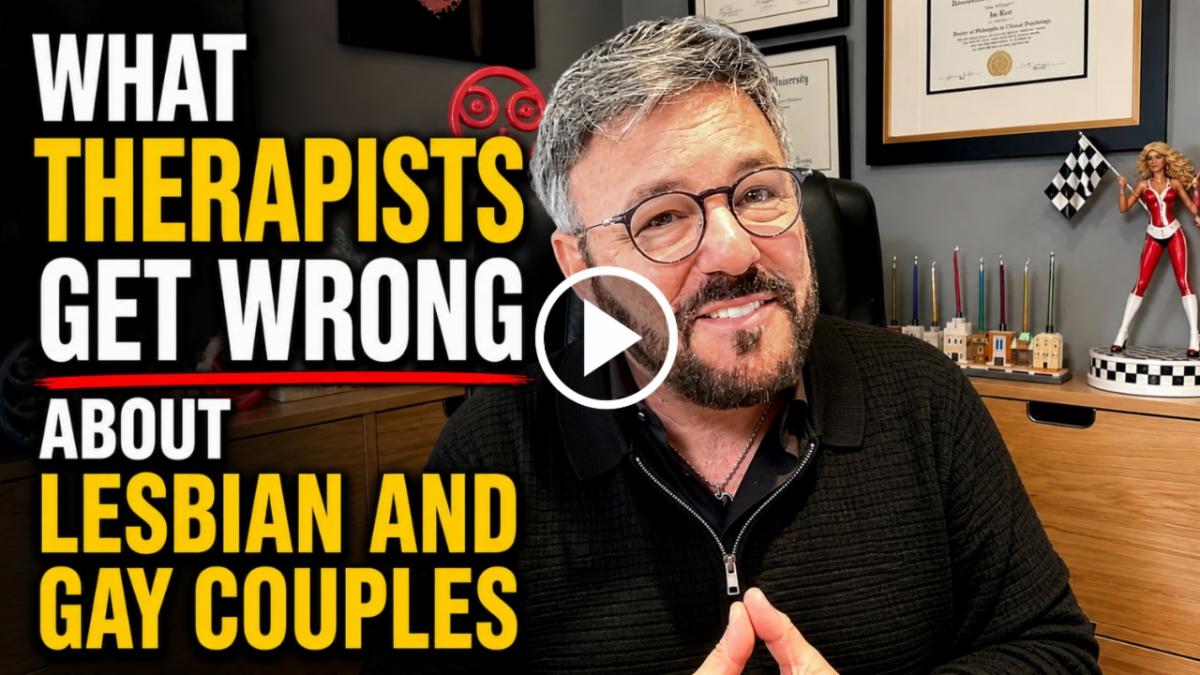
New On YouTube: What Therapists Get Wrong About Lesbian and Gay Couples
In this video, I talk about why gay and lesbian couples should work with therapists who understand that while all couples share common relationship struggles, LGBTQ+ couples also have unique dynamics that deserve specific clinical understanding. When a therapist says “a couple is a couple” and ignores these differences, they may miss important factors that shape how partners communicate, handle conflict, experience intimacy, and relate to one another.
I explain some of the differences I often see in gay male and lesbian couples, including how gender socialization can affect relationship patterns. Gay male couples may struggle with competition, vulnerability, emotional expression, and negotiating monogamy or open relationships. Lesbian couples may struggle more with differentiation, intense conflict, suppressed anger, and the pressure to stay deeply connected without enough room for individuality.
I also address common myths, including “lesbian bed death,” and explain that sexual disconnection can happen in any relationship, regardless of gender or sexual orientation. While gay, lesbian, and straight couples often share similar challenges around money, parenting, conflict, intimacy, and unresolved childhood wounds, LGBTQ+ couples benefit from therapists who are trained, informed, and affirming of their specific experiences.
| |
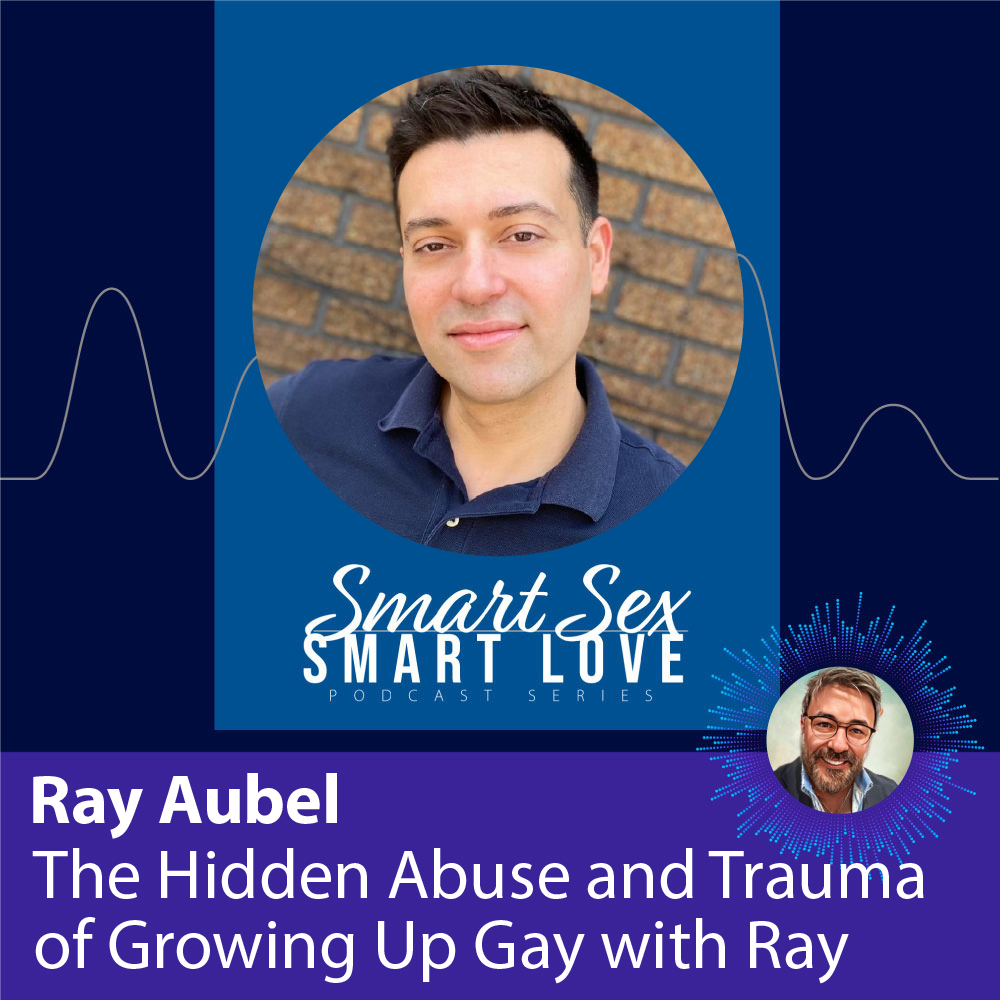
The Hidden Abuse and Trauma of Growing up Gay
with Ray Aubel
Latest Smart Sex, Smart Love podcast
Ray Aubel is a hypnotherapist, positivity coach, and founder of Intuitive Mind Hypnosis whose work focuses on helping people break free from anxiety, self-doubt, and deeply ingrained subconscious patterns. Through hypnosis and coaching, Ray helps clients understand how early experiences, shame, and social conditioning can shape the way they see themselves, relate to others, and move through the world.
In this conversation, Ray and Dr. Joe Kort explore how hypnosis can be used to quiet the conscious mind and work directly with the subconscious. Ray explains how patterns such as people-pleasing, perfectionism, hypervigilance, and self-sabotage often develop as protective responses, especially for gay men who grew up feeling unsafe, unseen, or disconnected from their authentic selves. He shares how hypnosis can help people interrupt old patterns, build new pathways, and reconnect with a deeper sense of calm and self-trust.
They also discuss the hidden emotional impact of growing up gay in a culture that often sexualizes, shames, or ignores LGBTQ+ identity. Dr. Kort introduces the concept of covert cultural sexual abuse, and Ray shares why this framework deeply resonates with the experiences he sees in his clients. Together, they explore how carrying a sexual secret, hiding parts of the self, and living in fear of rejection can create lasting anxiety, shame, and relationship struggles.
Listen to this Smart Sex, Smart Love episode as Dr. Joe Kort talks with Ray Aubel about the hidden abuse and trauma of growing up gay, how subconscious patterns shape identity and relationships, and how hypnosis can help people feel safe enough to become who they already are.
| | |
Celebrating 15,000 YouTube Subscribers!
I’m excited and grateful to share that my YouTube channel has reached 15,000 subscribers. When I first began creating videos, my goal was simple: to offer honest, affirming, and clinically informed conversations about relationships, sexuality, mental health, and the experiences so many people carry in silence. Reaching this milestone tells me that these conversations are not only needed, but deeply valued.
Thank you to everyone who has watched, subscribed, shared a video, left a comment, or sent a message about how the content has impacted you. Your support helps this community continue to grow, and it reminds me why this work matters. My hope is that the channel remains a place where people feel seen, understood, and encouraged to keep learning about themselves and their relationships.
This milestone is not just about a number. It represents a growing community of people who care about healing, connection, and more open conversations around sexuality and intimacy. I’m honored to keep creating content for you, and I look forward to continuing this journey together.
| | |
Follow me on Instagram!
Here are a few recent Instagram reels:
Are We Ignoring the 50% Who Want Monogamy?
The conversation often focuses on open relationships in the gay community, but half of gay couples are monogamous. If you’re only seeing the non-monogamous examples, it might be internalized fear talking. Let’s shift the focus and see the 50% who are making monogamy work, because you can, too.
In a recent night out, I noticed how subtle exclusion can be. Even in a gay bar, some people get invisibilized, in my case, as an older gay man. While younger straight friends saw the space as “cute,” I felt the subtle ageism and physical disregard. It’s a reminder that even in LGBTQ+ spaces, we need to check our inclusivity.
A lot of people think therapists shouldn’t be online, but psychoeducation is powerful. I don’t offer therapy, I offer accessible knowledge. Done right, it helps people, and I think more therapists should embrace sharing helpful content.
| | |
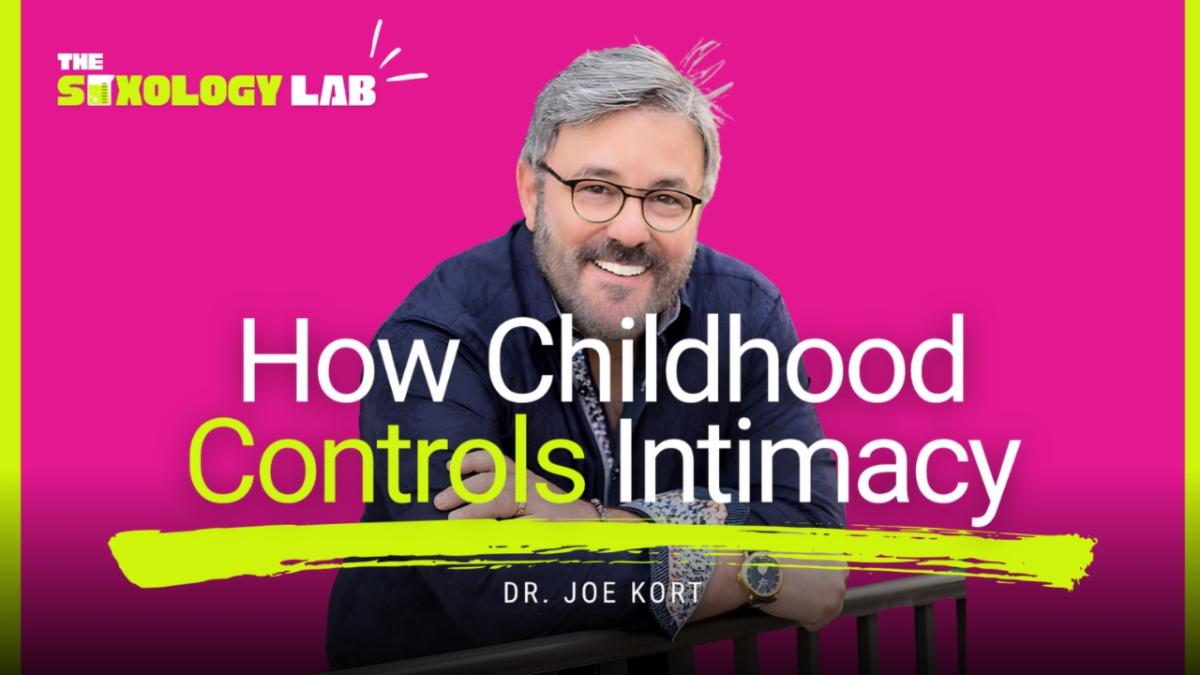
I Was Recently Featured on The Sexology Lab Podcast!
I was recently featured on The Sexology Lab for a powerful conversation about sex, relationships, trauma, and why so many couples stay stuck in the same arguments. In this episode, I talk about how present-day relationship conflicts are often rooted in childhood dynamics and unresolved emotional wounds. What couples think they are fighting about today may actually be connected to something much older.
We also challenge the idea that there is one “right” or “normal” way to have sex. I discuss the importance of consent, authenticity, and removing shame from conversations about desire and intimacy. I also share a broader understanding of sex and connection, including the concept of outercourse, which can help people move beyond narrow, performance-based definitions of intimacy.
This episode is especially helpful for couples, therapists, coaches, and anyone interested in understanding the deeper patterns behind relationship struggles. I bring my clinical experience into the conversation to explore Imago relationship therapy, trauma-informed care, EMDR, sexual shame, and why curiosity is essential when working with sexuality and relationships.
| | |
We're Hiring Therapists!
The Center for Relationship Health is looking for licensed therapists, (LMSW, LLMSW, LPC, LLPC, LP, LLP, TLLP, LMFT) to join our growing team in Royal Oak. We offer billing, credentialing, paneling, marketing, a family-style community of therapists who refer back and forth to each other, and a beautiful office atmosphere in a convenient location for those who prefer an office setting. Therapists also are welcome to work remotely with clients. There is plenty of flexibility.
Regular supervision also is available if needed.
To find out more about opportunities with the center, send your resume to drjoekort@crsh.com or call 248.399.7447.
| | | | |