The Wyoming Health Council works to ensure that all people can access equitable, inclusive, high-quality, and affordable reproductive and sexual health care. | | |
An age-by-age guide to talking to kids about sex, written by a psychologist
"Today, if parents don't take the lead on this, then friends, romantic partners and Google will be there their informants—and Google does not know your child."
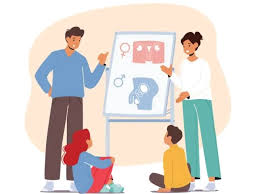
Most parents I speak to tend to worry about having “the talk”—aka teaching our kids about sex. But in our current cultural landscape, we can’t put this off. Our kids need us.
As a licensed psychologist who specializes in children and families, I believe we must talk to our children about their sexual health. No more excuses. No more avoiding. And no more thinking you are done with “the talk” after just one conversation.
Gone are the days where we can shy away from talking to our children about consent and sex. In my generation, we received a little bit of information from our parents and a lot of information from our friends. But today, if parents don’t take the lead on this, then friends, romantic partners and Google (or Chat GPT) will be their informants—and Google does not know your child.
In conversations with parents in my psychology practice, the primary barrier to a successful sex-talk is often a parent’s own feelings of discomfort. Because what do uncomfortable feelings make us do? Avoid, squirm and try to get it over with as soon as possible.
Trust me, if you are uncomfortable, so are your kids.
When we shy away from this conversation, we likely do a poor job of talking about sexuality with your kids, their rights to consent and the expectations for respecting others’ rights to consent.
| |  | |
Let's Talk
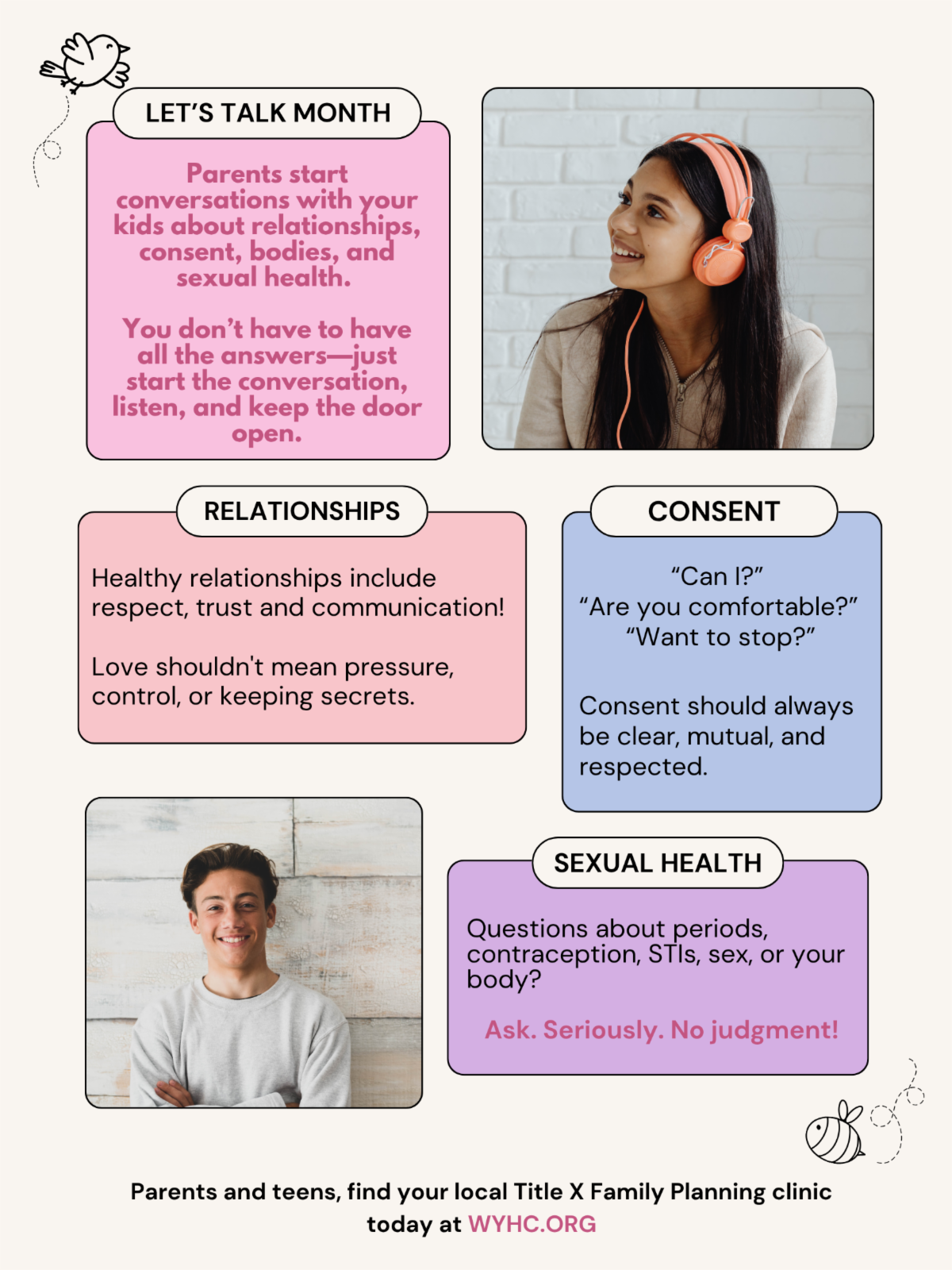
October is “Let’s Talk Month” -- a month that encourages parents, caregivers, and other trusted adults to talk with the young people in their lives about sexual health. You don’t have to wait for an adult to have a conversation with you, use this time to start a conversation with the adults in your life!
Chances are you as a teen have the same concerns as your parents or caregivers when it comes to starting a conversation:
“Should I talk with them about it?”
“Will this be awkward?”
“How will they react?”
No matter how weird it might seem, these are conversations worth having. Adults have tons of wisdom and experience to share, so if you feel safe talking to them, here are some tips on how to start the conversation. If you don’t feel safe or comfortable talking to your parents, you can talk with another trusted adult like an older sibling, family member, your friend’s parent, a mentor, a coach, staff at your school. These tips will work with them, too!
| | | |
CDC: For Providers: Teens Visiting a Health Clinic
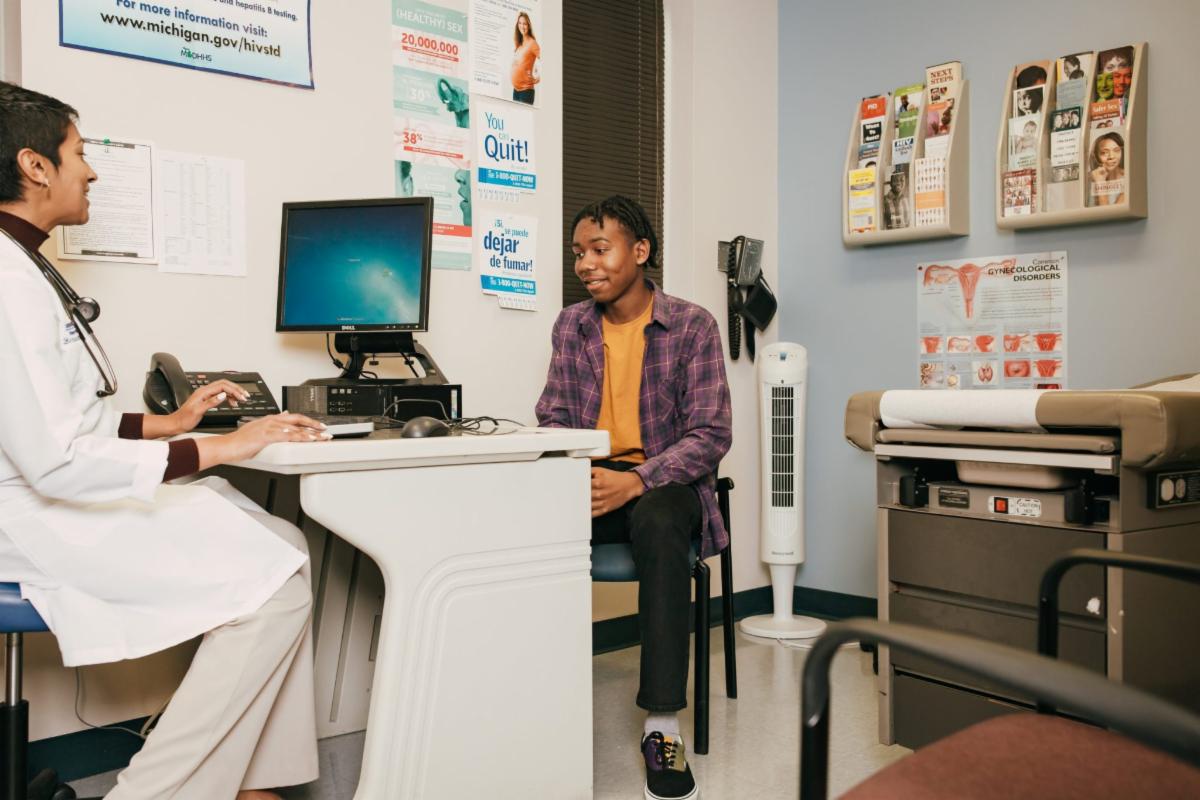
As a health care provider, you can play a role in supporting adolescent health and well-being by providing equitable access to high-quality sexual and reproductive health (ASRH) services.
Confidentiality
- Teens receive clear information about their state's laws governing the rights of adolescent patients to confidentiality and to consent to care or treatment. A teen's health information cannot be shared with anyone—including parents or guardians—without the teen's written permission, unless required by law or if the health care provider is concerned the teen might harm him- or herself or someone else.
- Billing procedures should maintain teen's confidentiality. If this is not possible, the provider or billing staff advises the teen about the potential breach of confidentiality and provides options. For example, the patient might want to pay out of pocket or look for a health center that provides confidential care for teens.
| | | National Breast Cancer Awareness Month | | |
I Didn’t Get Why Dense Breasts Mattered Until I Got Cancer
One in eight women will be diagnosed with breast cancer in their lifetime—and in 2022, I became one of them. At age 46, I thought I was doing everything right: I didn’t smoke, rarely drank, exercised, and ate well. What I didn’t realize was that my greatest risk factor was something beyond my control: I had dense breasts.
Dense breasts are common—about half of women in their 40s or older have them. Thanks to an FDA mandate that went into effect last year, mammogram reports must now include whether a woman has dense breasts.
You might be tempted to skim past that line on your report, as I did years ago, not realizing its importance.
Don’t. That diagnosis could save your life.
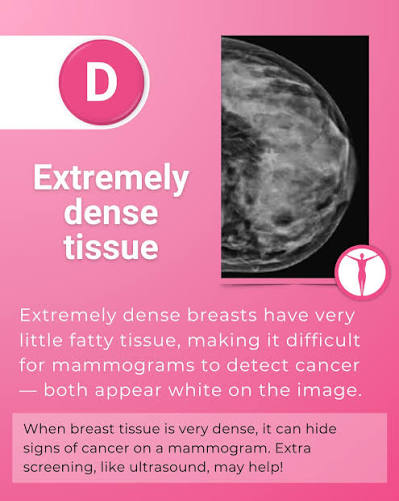
I didn’t grasp why dense breasts were problematic until after I got cancer. Put simply, breasts are made up of three types of tissue: glandular, fibrous, and fatty breast tissue. Dense breasts have more glandular and fibrous tissue, and less fatty breast tissue.
This matters because most breast cancers begin in glandular and fibrous tissues, specifically the milk ducts or lobules. The more of this tissue you have, the greater your risk.
People with extremely dense tissue, like me (around 10% of women), have a four-to-six-times-higher risk than those with low or no dense tissue. For perspective, having a first-degree relative with breast cancer only doubles your risk.
Dense tissue also makes tumors harder to detect on mammograms. Both cancer and dense tissue appear white, while fatty tissue is dark and helps tumors stand out. Radiologists say it’s like trying to find a polar bear in a snowstorm: Both the bear (tumor) and the snow (dense tissue) blend together. This explains why mammograms can miss nearly half of cancers in women with extremely dense breasts, which is what happened to me.
| | |
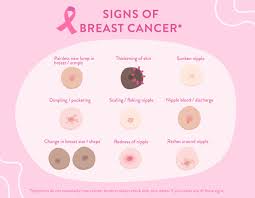
6 Red Flags for Early-Onset Breast Cancer All Women Should Know About
Most breast cancer diagnoses occur after age 50, but younger women can develop breast cancer, too.
Early-onset breast cancer is defined as a diagnosis that occurs when a person is between ages 18 and 45. Breast cancer in this age group is steadily on the rise, with incidence in the United States increasing by about 1 percent each year since 2012. Early-onset breast cancer now makes up about 10 percent of all new breast cancer cases in women.
Guidelines call for routine mammography for women at average risk to begin at age 40, so it's important for young women to know the early warning signs, advocate for themselves, and be evaluated by their physician accordingly.
"Young women in particular need to be vigilant for physical signs of breast cancer, because they are their own front line," says Cynthia Drogula, MD, a board-certified breast surgeon and the medical director of the Aiello Breast Center at the University of Maryland Baltimore Washington Medical Center. "They are too young to be screened annually with a mammogram, and most only get an exam from their gynecologist once a year."
While most breast changes are benign, knowing what to look for can empower you to advocate for your health.
| |
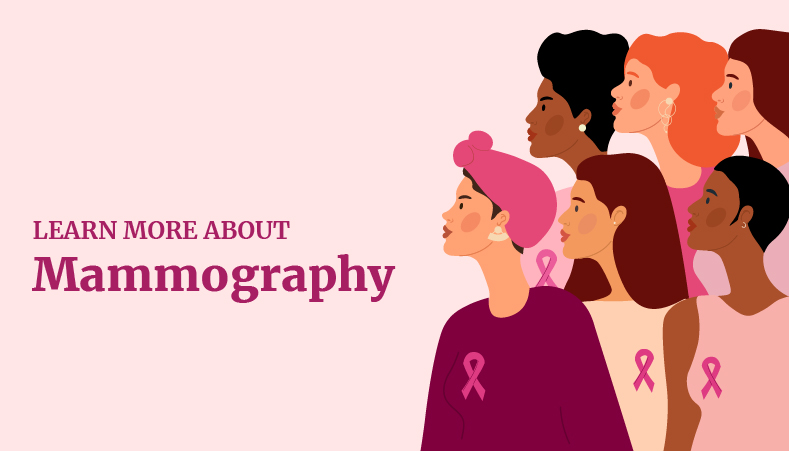
National Mammography Day
October 15th
A mammogram is an X-ray of your breast tissue. Healthcare providers use mammograms to look for early signs of breast cancer. Women at average risk for breast cancer should start getting mammograms at age 40.
During a mammogram, a machine presses your breasts between two plates for several seconds. An X-ray takes pictures of your breast tissue. A radiologist looks at these images on a computer screen to check for signs of cancer.
Mammograms can detect abnormal areas in your breast, but they can't diagnose breast cancer. If a mammogram finds something unusual, you’ll need imaging tests that check the area more closely.
| | | Domestic Violence Awareness Month | | |
Domestic Violence
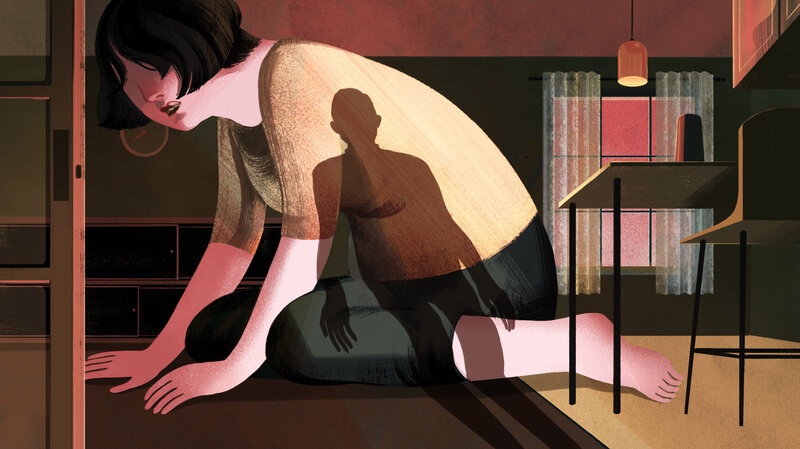
Domestic violence occurs when a person consistently aims to control their partner through physical, sexual, or emotional abuse.
The United States Department of Justice defines domestic violence as “a pattern of abusive behavior in any relationship used by one partner to gain or maintain control over another intimate partner.”
Domestic violence can be physical or psychological, and it can affect anyone of any age, gender, race, or sexual orientation. It may include behaviors meant to scare, physically harm, or control a partner. And while every relationship is different, domestic violence typically involves an unequal power dynamic in which one partner tries to assert control over the other in a variety of ways.
Insults, threats, emotional abuse, and sexual coercion all constitute domestic violence. Some perpetrators may use children, pets, or other family members as emotional leverage to get their victim to do what they want. Victims of domestic violence experience diminished self-worth, anxiety, depression, and a general sense of helplessness that can take time and often professional help to overcome.
A clinician who works with victims of domestic violence may be able to help an individual extract themselves from the situation, as well as offer psychological support.
| | | |
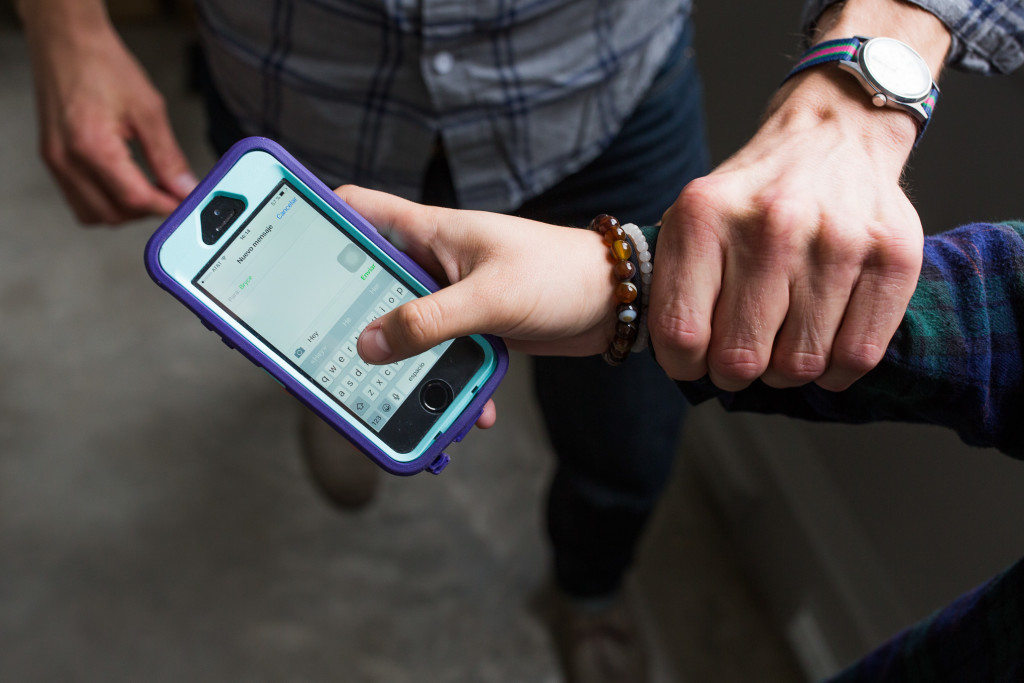
Teenagers are more likely to be domestic abuse survivors than any other age group
It can impact anyone at any age, but women and girls in the 16 to 19-year-old bracket are most likely to be victims.
When we think of a situation involving domestic abuse, for many the typical picture that will come to mind is one of physical violence inflicted by one adult to another. But domestic abuse can range from the physical to the psychological and the financial and can sadly happen to anyone – irrespective of age or gender – and new statistics from the ONS show that women and girls between the ages 16 to 19 are the most likely to be impacted by it.
It’s a deeply worrying figure, with experts in the violence against women and girls (VAWG) sector suggesting it could be due to the rise of online mega misogynists, influencing young men; one report found young people exposed to misogynistic social media content are almost five times more likely to view physically hurting someone as ‘acceptable’ if they apologise afterwards. Others say young people may not recognise that certain behaviours are a red flag rather than a sign of affection.
| | |
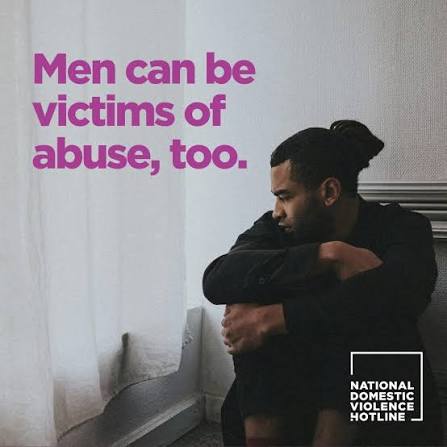
25% of US men experience abuse, but it’s hard to get help
I’ve sat across from grandfathers with rope burns on their wrists and have had them tell me that everything was a misunderstanding. I’ve investigated cases where disabled fathers with black eyes refused to talk to me. I have tried to help young men who have been victims of sex trafficking.
For eight years, I investigated abuse against the aged and disabled as part of the Texas Department of Family and Protective Services’ Adult Protective Services, partner to the department’s better-known Child Protective Services. And, like those who try to help abused children, I saw the worst humanity had to offer other adults.
I know the statistics by heart. It takes, on average, seven interventions before an abused partner leaves the relationship. More than 1 in 3 women and 1 in 4 men will experience some form of violence from an intimate partner in their lifetime, according to the National Domestic Violence Hotline.
However, those statistics may be underreported for men, according to Dr. Grey Endres, an associate professor of social work at Missouri Western State University and special consultant to Newhouse KC, a domestic violence shelter in Kansas City, Missouri.
“Oftentimes, there has been less reporting of male abuse, so the statistics are not correct,” Endres told me. “Shame is binding.”
| | |
CALL: 1.800.799.SAFE (7233)
TEXT: START to 88788
| | | |
National Herpes Awareness Day
Oct 13th
| | |
7 women with genital herpes on how they navigate casual sex
Getting a herpes diagnosis can feel like a death knell for your sex life. But, as these women can attest to, that’s not the case at all.
I’m 21 and I’m never going to have sex again, is the thought that dug its tenterhooks into my brain the second the doctor confirmed the diagnosis I’d been dreading for the previous two weeks: I had genital herpes. It was my final year of university, and the pandemic had already firmly destroyed any hopes I had of rekindling a sex life five months after my break-up. But now there was this to reckon with, too.
At this point, I hadn’t met anyone who admitted to having herpes, so there wasn’t anyone to ask about how the heck you’re meant to have a normal sex life with this new burden on your shoulders. My student GP wasn’t much help, either. When I asked whether I could ever have sex again, she simply told me to use a condom — which, considering I had sex with both men and women, was barely even 50% helpful.
I thought if I could only find someone else with herpes, then we could commiserate and have sex, because surely no one else was going to want to have sex with us in this condition? (I was wrong, obvs.)
| | | |
Herpes Simplex Virus (HSV)
What is herpes simplex virus?
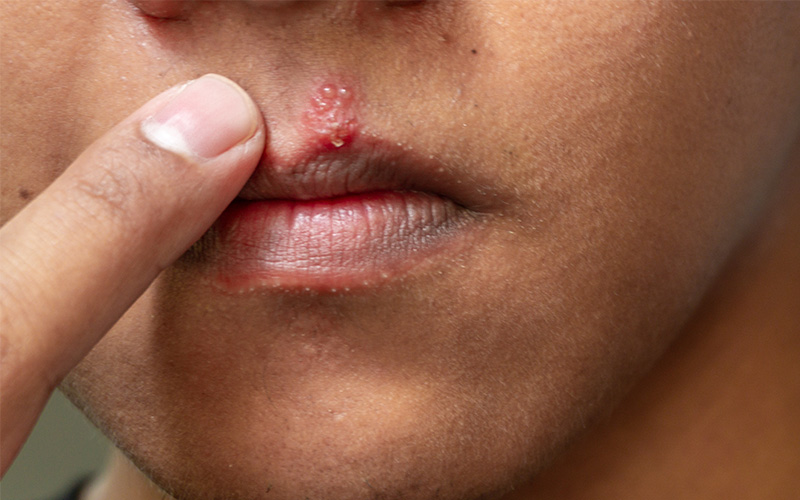
Herpes simplex virus (HSV) can infect many different parts of your body, most commonly your mouth area (oral herpes) and genitals (genital herpes). HSV causes fluid-filled blisters that break open and crust over wherever the infection is. This is known as a herpes outbreak. But it’s also possible to have no symptoms and not realize you’re infected.
HSV is highly contagious. It spreads from person to person through skin-to-skin contact. A herpes simplex infection occurs when the virus enters your body through your skin and mucous membranes (mucosa). The virus uses your cells to make copies of itself (replication).
Once you’re infected, the virus stays in your body for life. It’s usually asleep (dormant) but may “wake up” (reactivate) and cause outbreaks. How HSV affects you depends on many factors, including the specific virus type and your overall health.
There’s no cure for HSV. But treatments can help make outbreaks more manageable while lowering the chances that you’ll spread the virus to others.
| | |
How to Disclose Your Herpes Status
Safe sex is communicative sex. It’s not a disclosure, it’s a discussion. This isn’t a confession, it’s a conversation. Let’s make the conversation about sexual health, and let the conversation go into sharing our statuses with one another, but be inclusive to other aspects of communication relevant to the relationship you’re in or entering. This is how you ‘disclose’ your herpes status.
The videos below are examples of this communication in a variety of scenarios.
Take what aligns from these skits and integrate it into your sexual health and relationship conversations.
| | | |
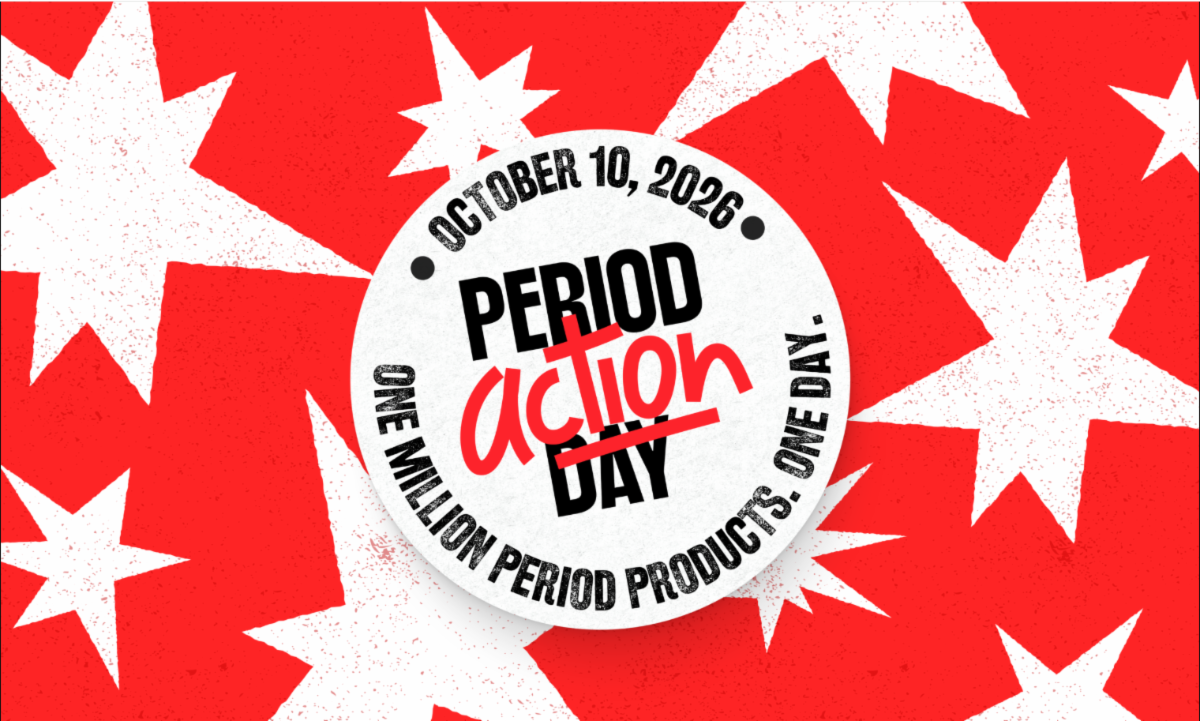
Period Action Day
Oct 10th
Period poverty is the limited or inadequate access to menstrual products or menstrual health education as a result of financial constraints or negative socio-cultural stigmas associated with menstruation.
In the United States, 1 in 4 students struggle to afford period products.
Period Action Day is the moment when the movement comes together around a shared goal:
donate 1 million period products and fund the work that keeps change moving all year long.
Held annually on the second Saturday of October, people across the globe take action by hosting fundraisers, advocacy rallies, educational panels, workshops, and packing parties. Every event, every dollar, every box packed moves us closer to that million product goal and future where having a period never gets in the way of fully participating in life.
| | | |
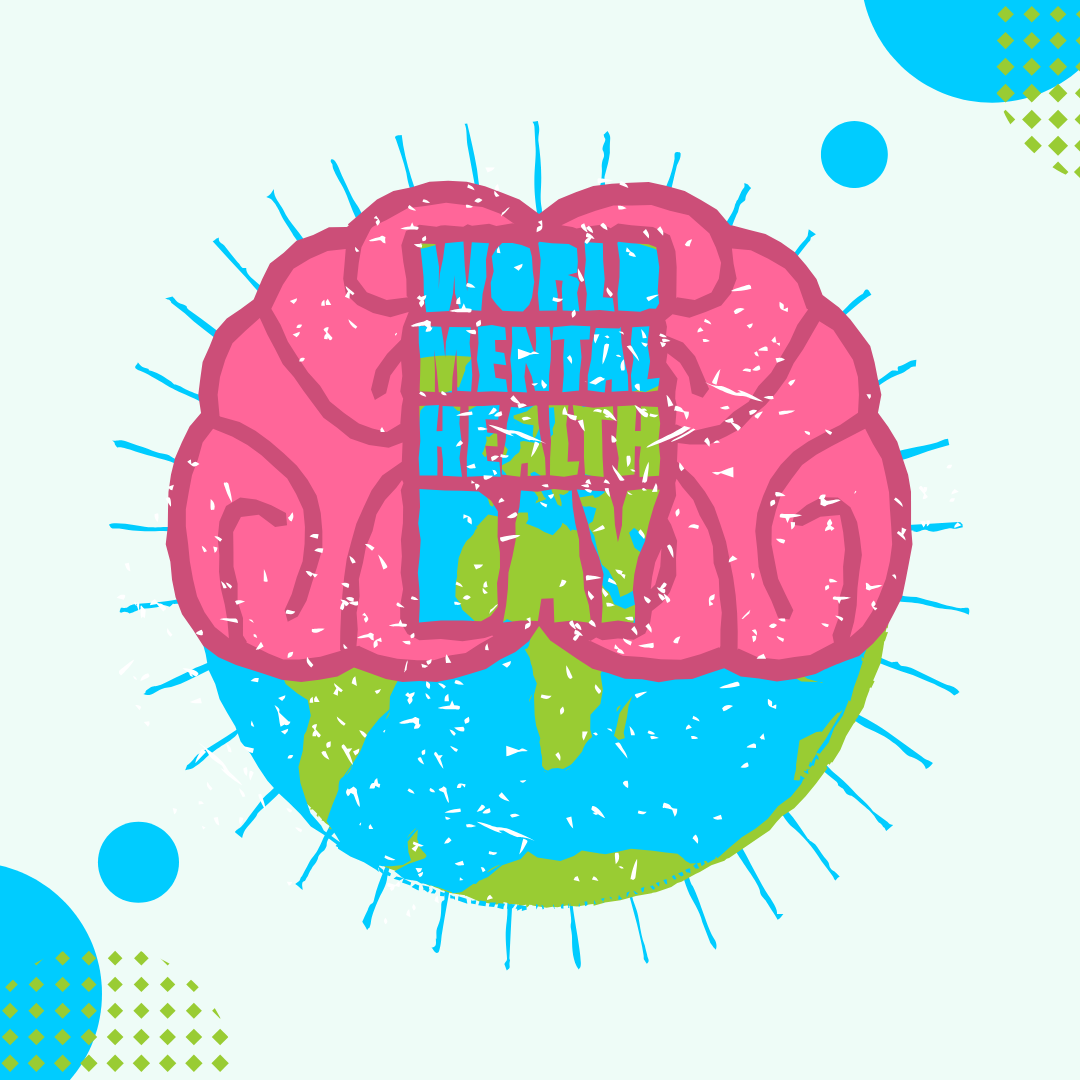
World Mental Health Day
Oct 10
Lived experiences heard: real voices, real change
World Mental Health Day is an opportunity to meaningfully engage with people with lived experience (PWLE) of mental health conditions and to recognize their knowledge as a vital form of expertise. This year’s campaign calls for their voices to shape the policies, services and decisions that affect their lives.
| | | |
International Day of the Girl
Oct 11
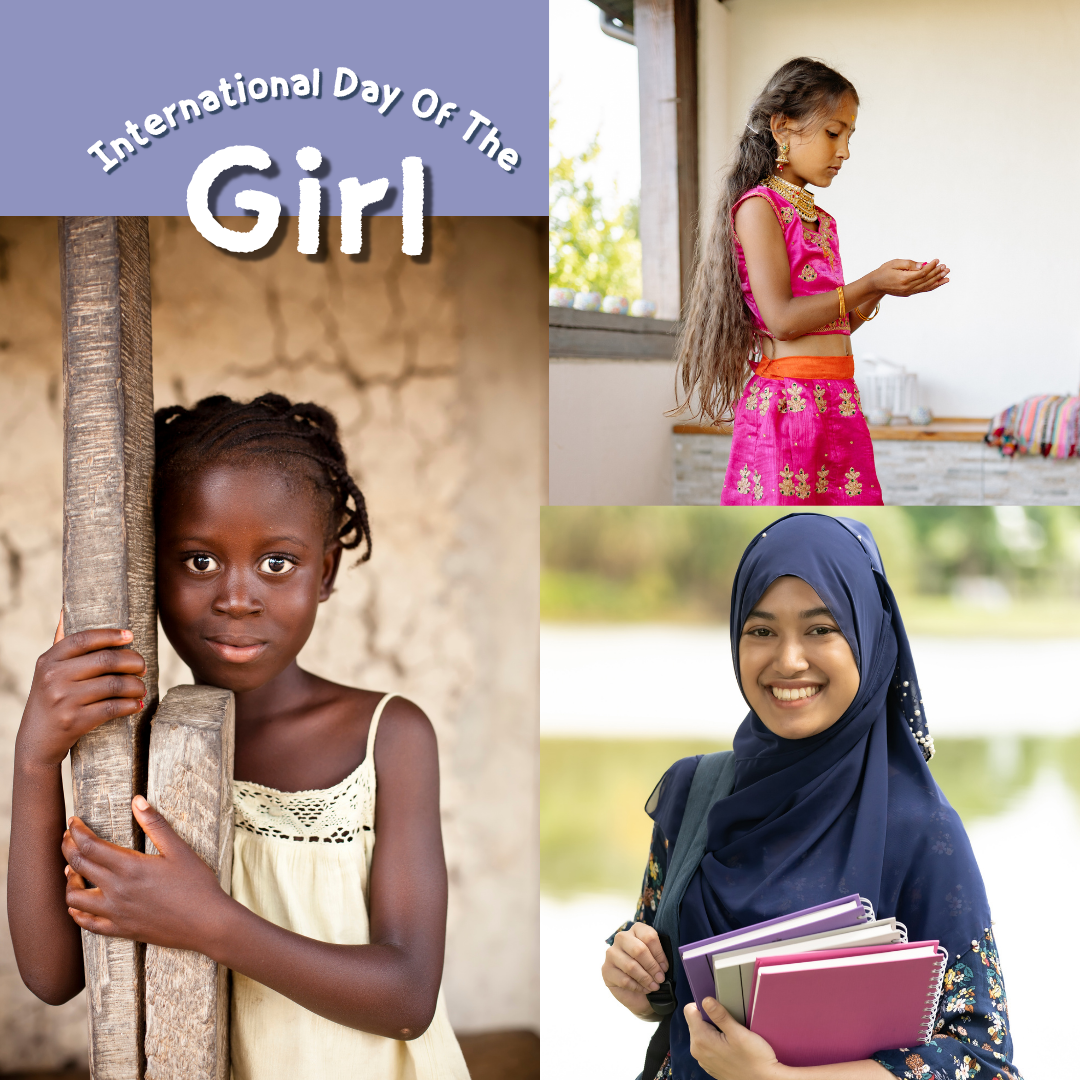
Observed every year on 11 October, International Day of the Girl is a global moment to celebrate girls everywhere, amplifying their voices, actions and leadership. It belongs to everyone who cares about girls and their rights. On this day, we come together to recognize and advocate for the full spectrum of girls’ rights.
| | | |
Indigenous Peoples Day
Oct 12th
Pregnancy as a journey of care and connection: Indigenous women’s experiences navigating health systems and community support
Pregnancy and childbirth are opportunities for Indigenous communities to welcome new life, integrate meaningful cultural practices, and tangibly strengthen communal wellbeing. Simultaneously, pregnant American Indian and Alaska Native (AIAN) women must navigate complex healthcare systems while experiencing structural inequities that contribute to elevated risks of complications and poor birth outcomes. This study explored the pregnancy experiences of AIAN women, examining how participants navigated healthcare systems, social supports, and structural challenges.
| | |
Please consider supporting reproductive and sexual health care in Wyoming!
You can donate directly to us—100% of your contribution goes toward supporting health care access in our state.
| | |
This newsletter was developed (in part) with federal funds from the Office of Population Affairs. For more information on the rules and regulations that apply to our programs, please visit
https://opa.hhs.gov/grant-programs/title-x-service-grants
This project is supported by the Office of Population Affairs (OPA) and the Office of the Assistant Secretary of Health (OASH) of the U.X. Department of Health and Human Services (HHS) as part of a financial assistance award 1 FPHPA 006541-0-00 totaling $924,108 with 100 percent funded by OPA/OASH/HHS. The contents are those of the author and do not necessarily represent the official views of, nor an endorsement, by OPA/OASH/HHS or the U.X. Government.
| |
WYOMING HEALTH COUNCIL
111 S. Durbin, Suite 200
Casper, WY 82601
Call Us: (307) 439-2033
| | | | | |