|
The Community In Action Recap Video is Here!
| |
Didn’t make it to Community In Action last month? Don’t fear—our recap video is here!
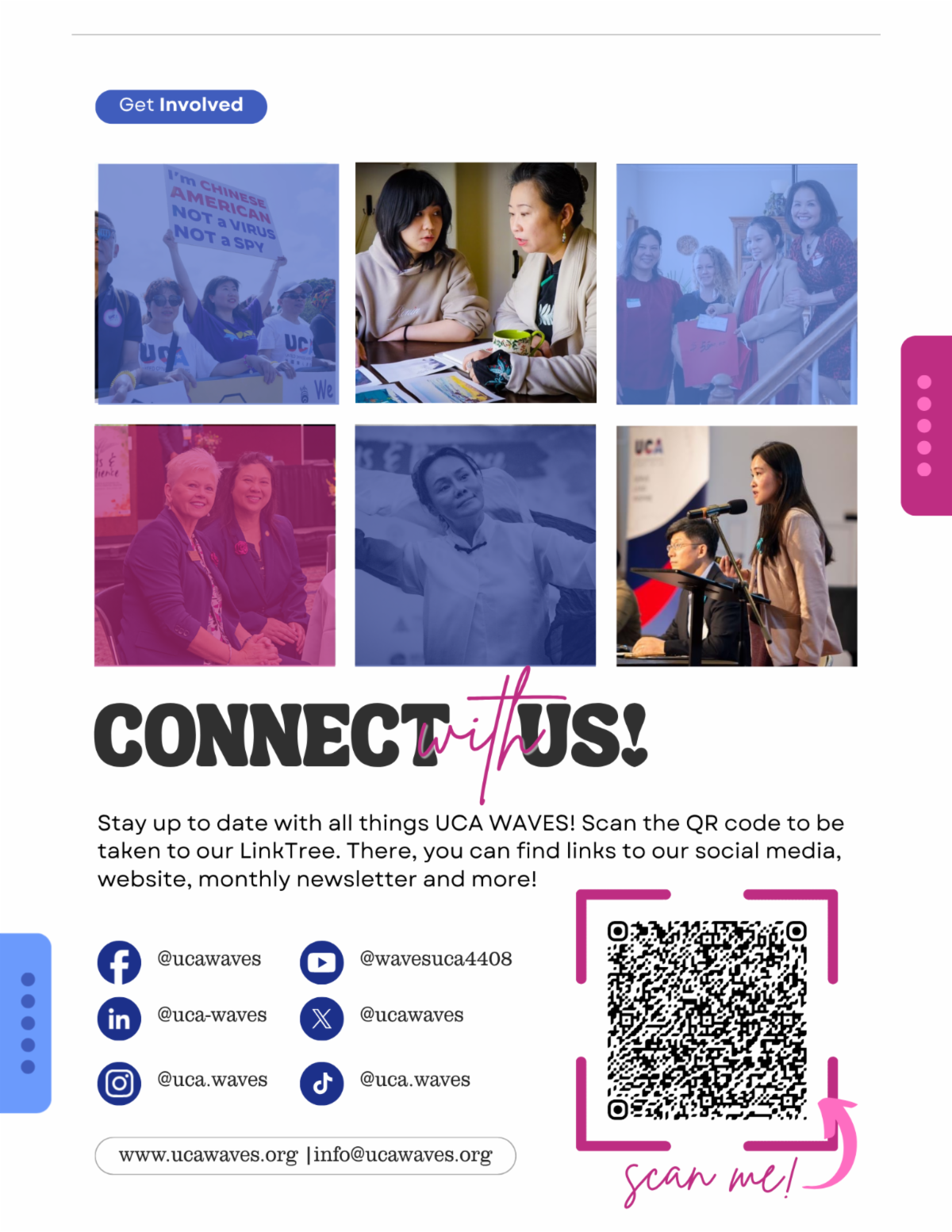
Held at UCA's 2026 Chinese American Convention, the UCA WAVES mental health summit was a dynamic gathering of youth, parents, and community leaders exploring mental health through storytelling, research, and collective action. Our deepest gratitude to everyone who made Community In Action possible, with special thanks to UCA for hosting. It’s impossible to capture just how amazing this event was in a short video, but we tried.
You can watch the official recap above. Or, if reading is more your speed, check out our most recent newsletter by clicking the button below. Don’t forget to mark your calendars for September 10–11, 2027, in Raleigh, NC, for the next UCA WAVES Mental Health Summit, as we continue turning compassion into action and building healthier, stronger, and more hopeful communities for all!
| | Check Out Our Very First Annual Report! | | |
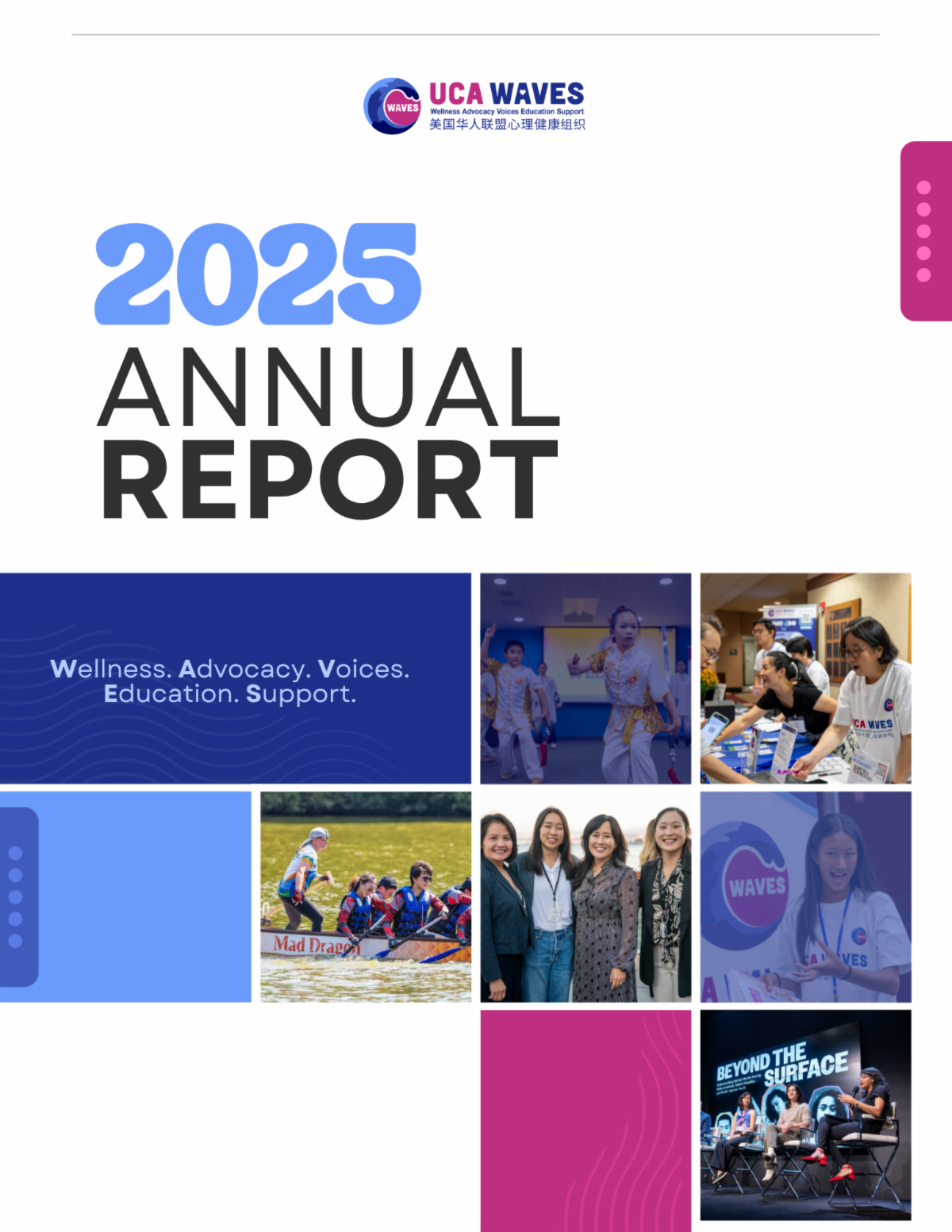
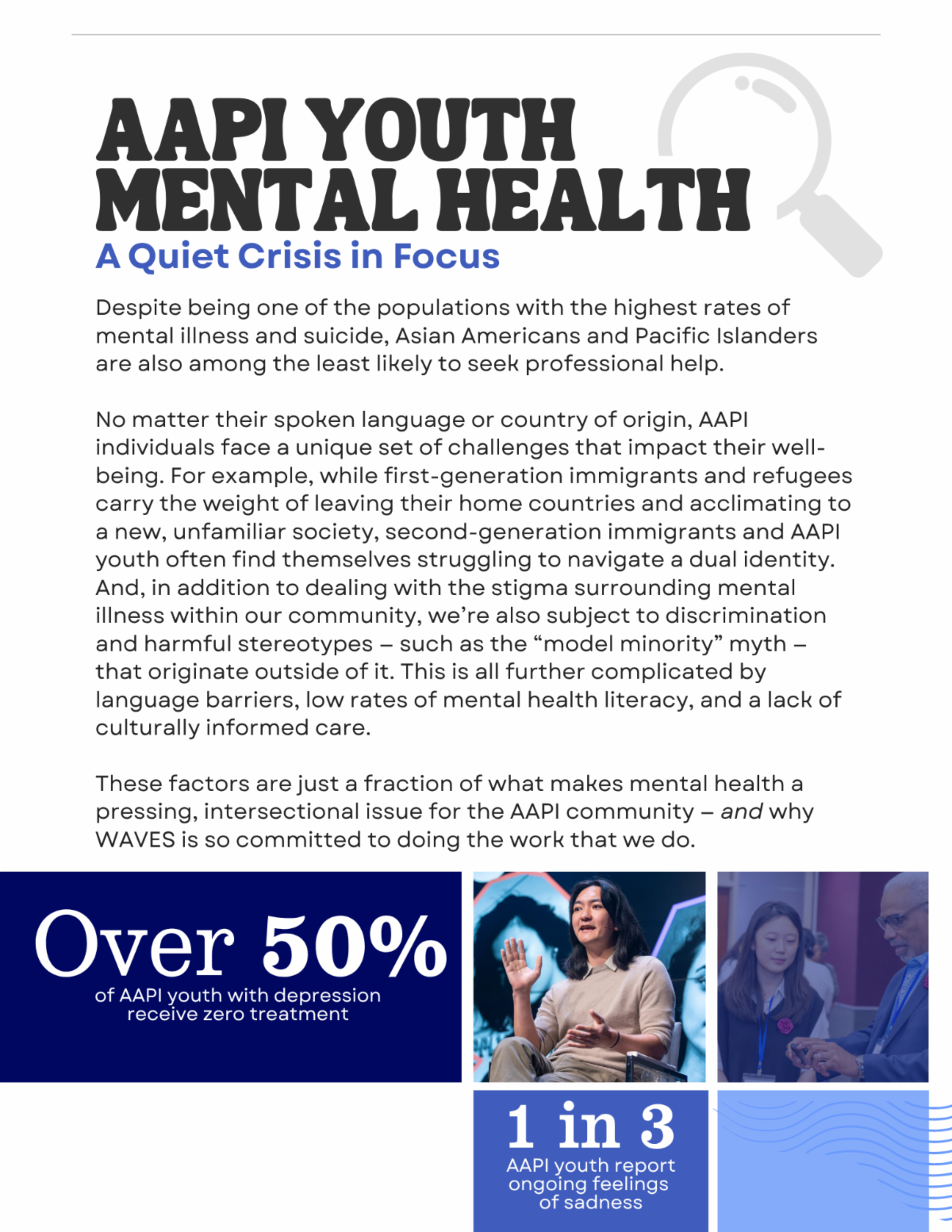
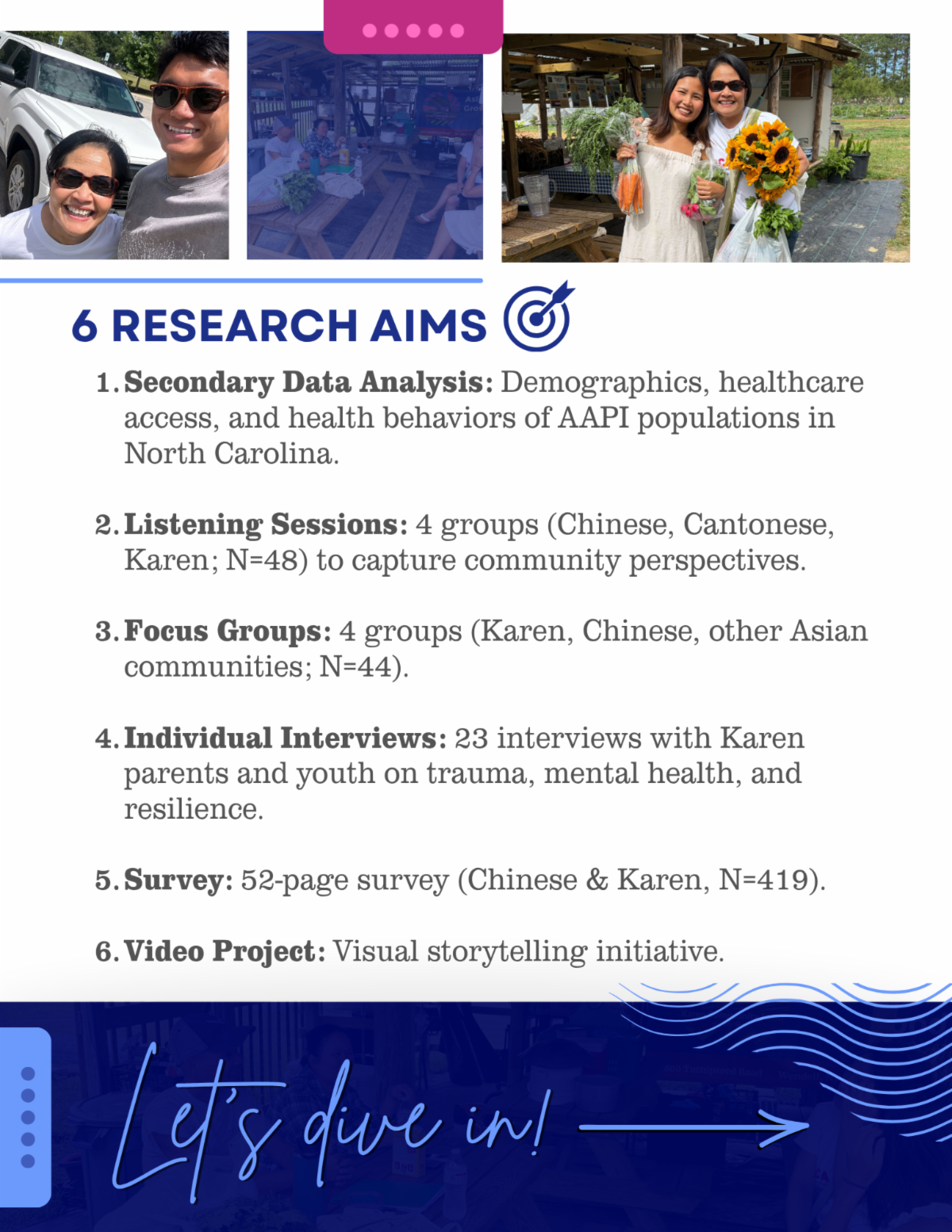
WAVES is ecstatic to share our very first annual report! This extensive document dives into who we are as an organization, unforgettable moments from this past year, and ways you can join us in our mission.
2025 was a wonderful whirlwind full of expansion and growth—and we can't think of a better way to commemorate it than this. Ready to read? Click on the button below to view now!
| |
5 Million MHFA Trained…and You Can Join, Too!
Earlier this month, Mental Health First Aid USA reached an incredible milestone: 5 million people trained across the United States. Every person trained represents another friend, parent, coworker, neighbor, or community member who is better prepared to recognize when someone is struggling and respond with compassion.
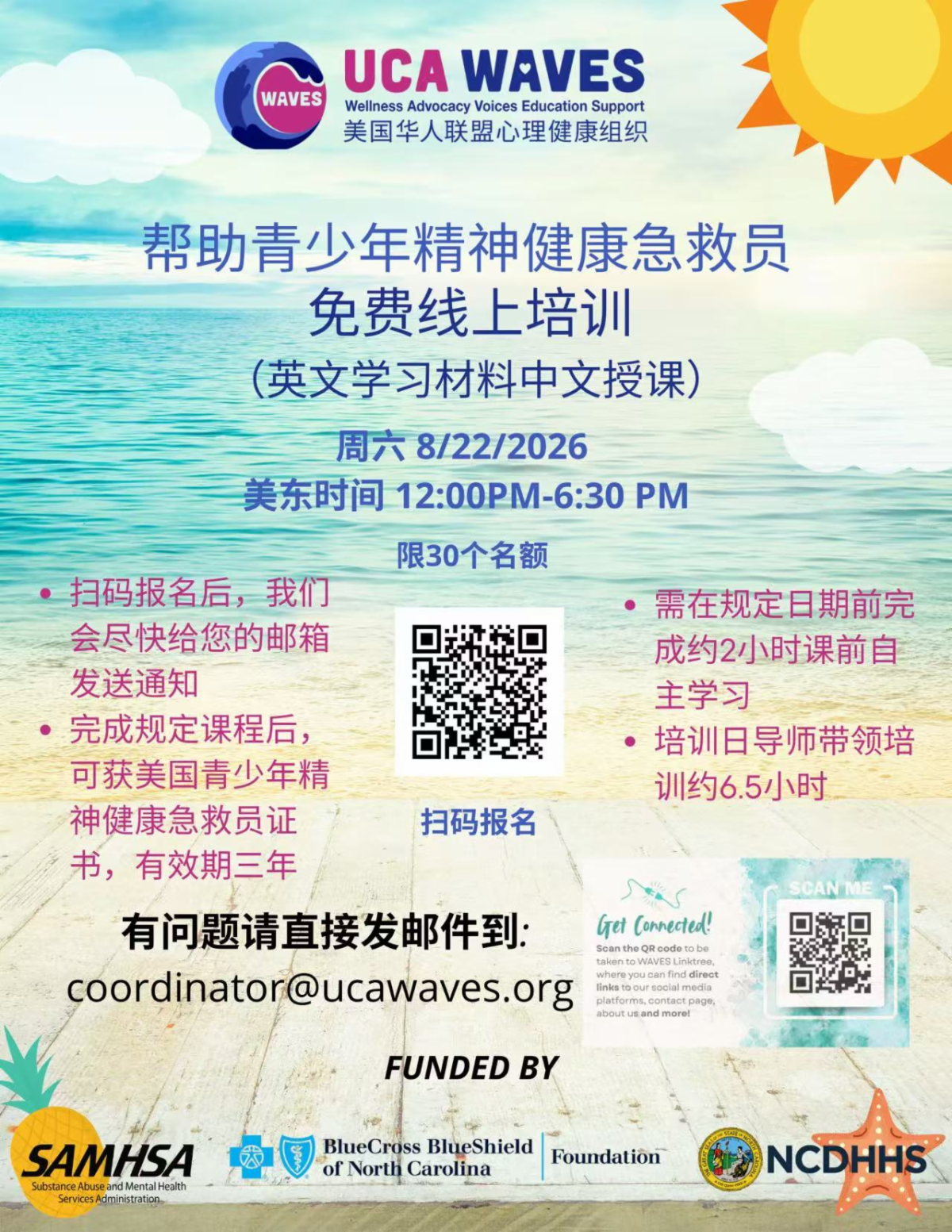
We're proud to have contributed to this growing movement. Since 2023, UCA WAVES has trained more than 1,300 Mental Health First Aiders at no cost, helping expand access to lifesaving mental health education in communities across the country.
On July 25, we were grateful to welcome another group of participants to our free Adult Mental Health First Aid training, where they gained practical skills to recognize the signs of mental health challenges, respond with confidence, and connect others to appropriate support.
Together, we've come a long way, but there are still millions more conversations to have and lives to impact. Our deepest gratitude goes to everyone who has trained with us and helped make mental health support more accessible in our communities. We also extend our sincere thanks to our funders—SAMHSA, NC DHHS, and the Blue Cross and Blue Shield of North Carolina Foundation—for making these trainings possible.
Good news: We’ve got another training coming up on Saturday, August 22. Looking to register or learn more about our MHFA training? Click on the button below!
|
Spotlighting Caregivers: An Overlooked Group
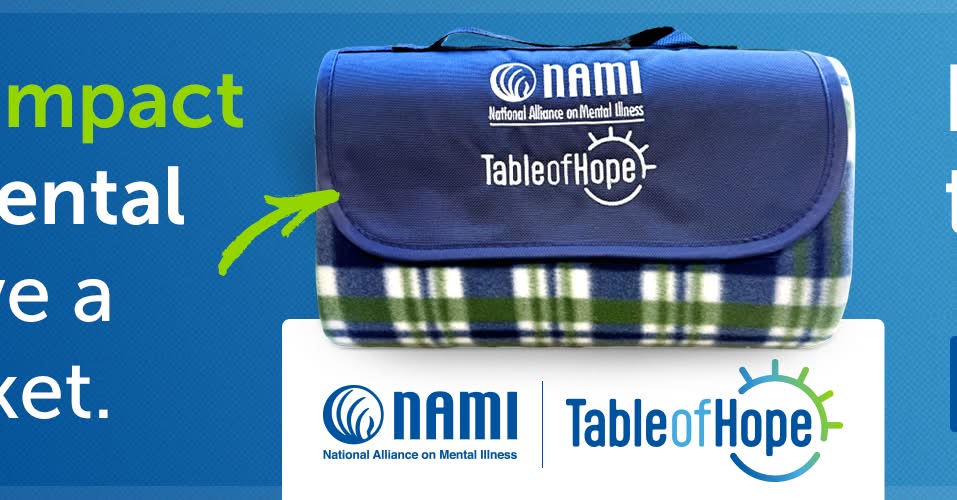
We wanted to share this joint post from the National Alliance for Caregiving and NAMI that spotlights a group that frequently gets overlooked: caregivers.
Pulling together data and real stories, the article paints a nuanced picture of caregiving, and what changes we can make to lessen the mental, physical, and financial toll those in this cohort too often face. Give it a read now by clicking on the button below. To all the caregivers out there, we see you and we stand by you!
| |
Preventing “No Contact”: An Excerpt from Community In Action Panel
“No contact” has become a more common term in discussions about family relationships. It refers to the decision to end communication with a family member, often to protect one’s mental health or well-being. While every situation is different, many families wonder: How can we prevent relationships from reaching that point?
In this excerpt from “Growing Up, Growing Apart, Growing Together: Strengthening Parent-Child Connection” at our Community In Action Mental Health Summit, Mary Shen poses that very question to our panelists: “How do we prevent no contact?”
Their thoughtful discussion explores the role of empathy, trust, and open, judgment-free communication in strengthening parent-child relationships before conflict turns into disconnection.
|
Celebrating Minority Mental Health Month with Silent War
In honor of Minority Mental Health Month, NAMI and MHACC hosted a special screening of the award-winning documentary Silent War: Asian American Reckonings with Mental Health on July 25.
The event brought together community members to experience this powerful film, which follows several Asian Americans as they courageously share their personal experiences with mental illness, recovery, family expectations, and resilience. Through their stories, Silent War challenged stigma, fostered understanding, and inspired hope.
The 200-seat auditorium was packed to the brim. Following the screening, community leaders, mental health professionals, and advocates participated in a thoughtful panel discussion exploring pathways toward healing, support, and mental health equity. The discussion was conducted in English with live simultaneous interpretation in Mandarin and Cantonese, helping make the conversation more accessible to attendees from across the community.
Thank you to everyone who joined us in recognizing Minority Mental Health Month and helping advance conversations around mental health awareness and equity. If you'd like to learn more about Silent War and its impact, visit the film's official website at silentwarmovie.com, or click on the button below.
| |
Reflecting on July: Honoring Minority Mental Health & Disability Pride Month
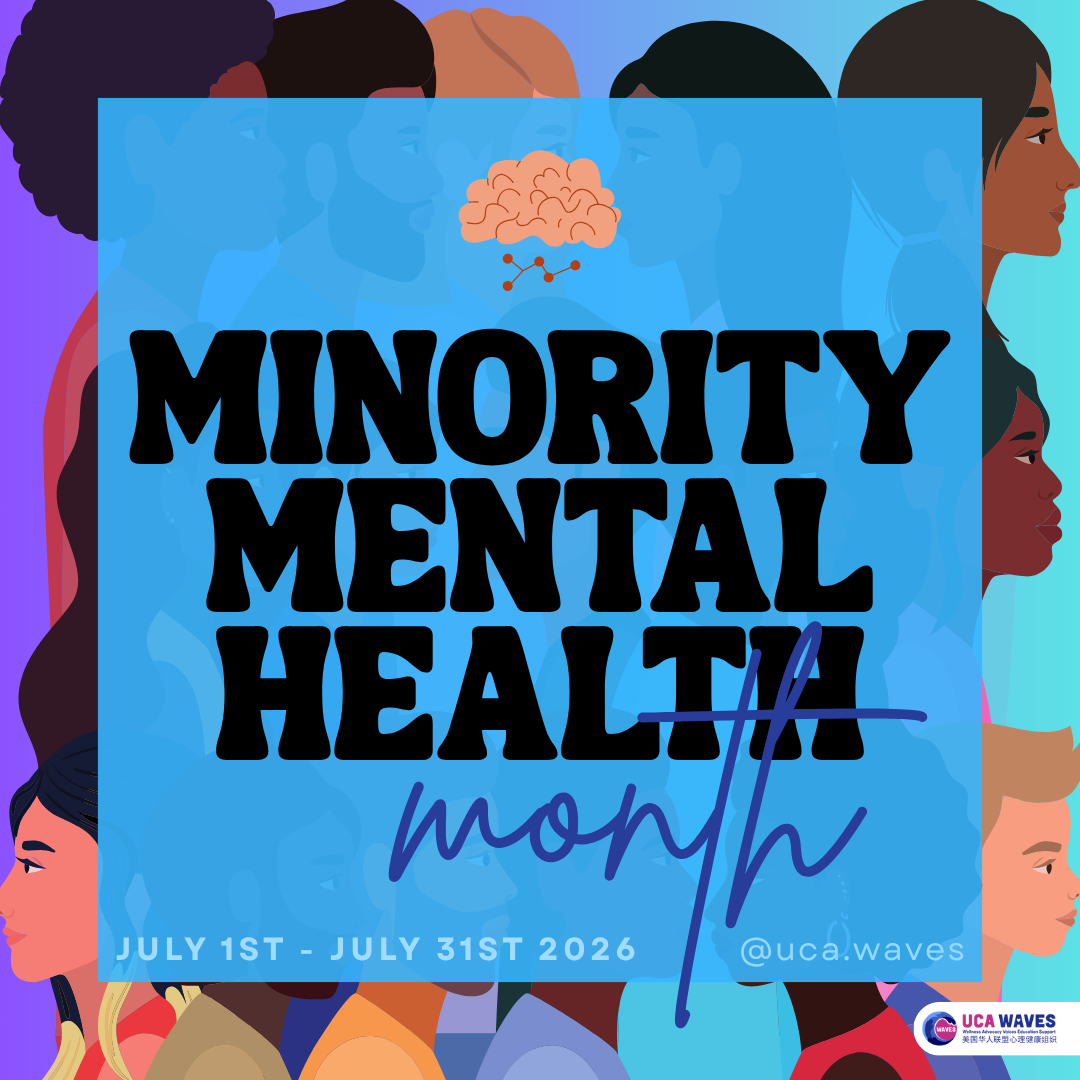
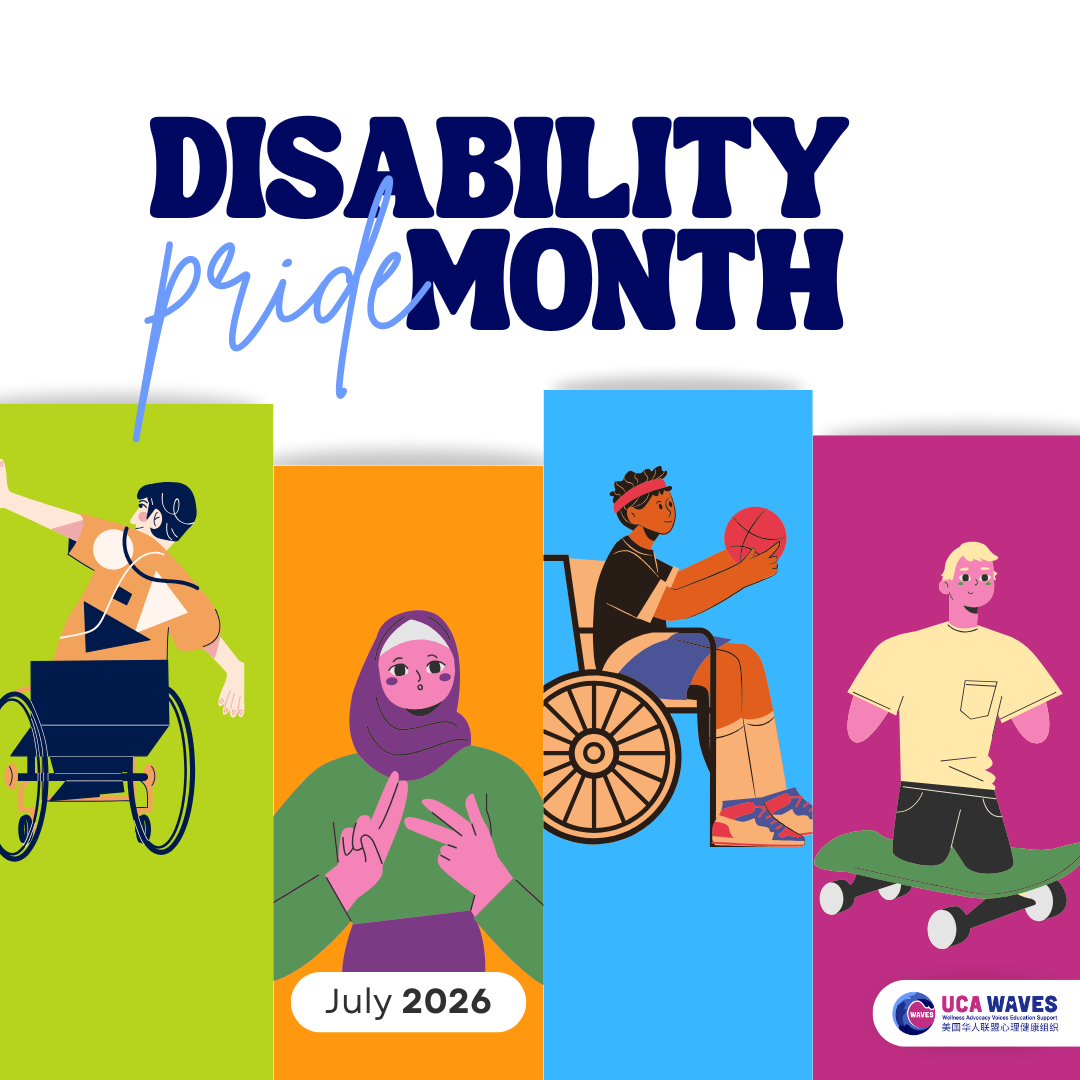
July was an invitation to reflect. Recognized as Minority Mental Health Month and Disability Pride Month, July calls attention to the deep inequities and layered identities that shape how individuals experience mental health across race, culture, and ability.
Mental health is not one-size-fits-all. Cultural stigma, systemic racism, language barriers, and intergenerational trauma all impact how communities of color access care—or don’t. For youth in particular, these challenges can feel invisible or overwhelming. At WAVES, we’re reminded why our mission exists in the first place: to center the mental health of AAPI youth, a community often overlooked in national conversations yet deeply affected by silence, cultural expectations, and displacement.
Reflection isn’t just looking back—it’s looking inward and ahead. As we shared resources and awareness throughout July, we also sat with the truth that meaningful change begins with understanding the unique barriers our communities face. Our work—supporting youth through storytelling, culturally grounded education, and community-driven healing—is part of a much larger movement toward justice in mental health care.
| | |
Our Company | Contact Us | FAQs | Privacy Policy |
| | | |