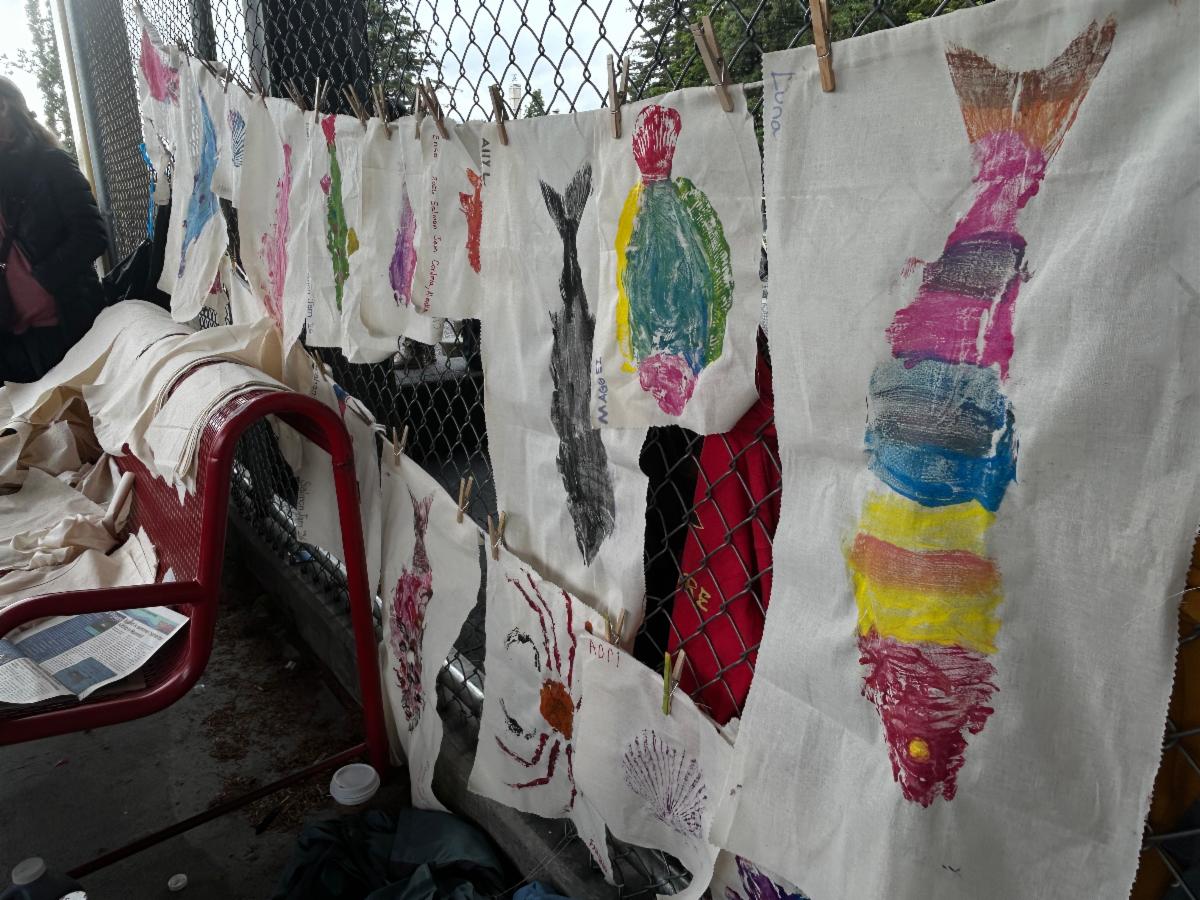
A newsletter from the Prince William Sound Science Center. Events, updates, and new research. | | | Fish prints drying behind the PWSSC booth at Salmon Jam. | |
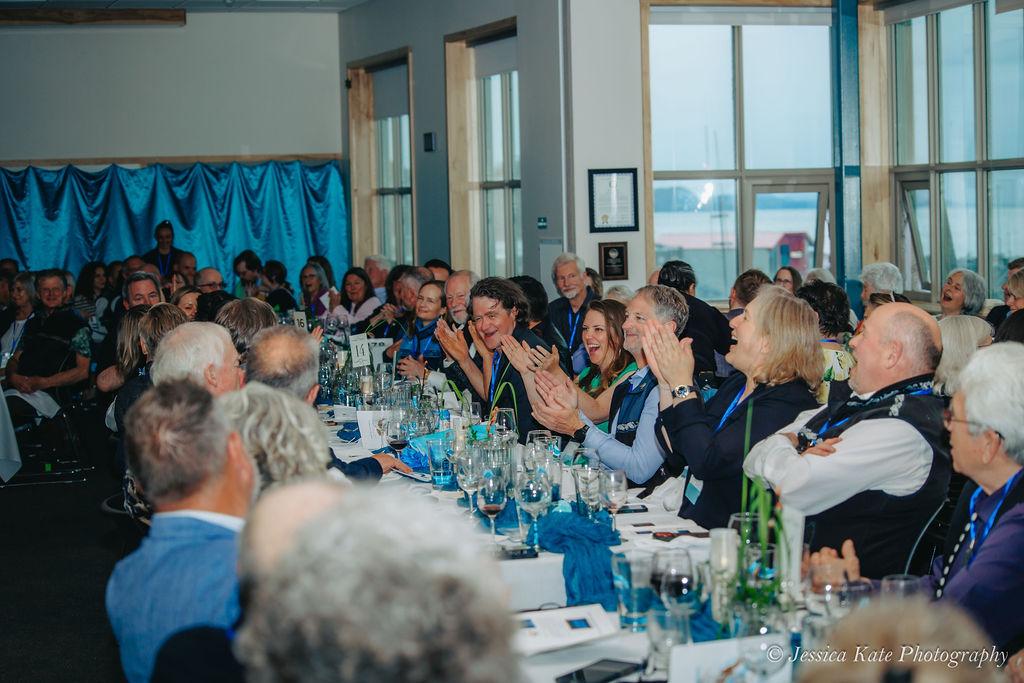
Looking Back at the 27th Annual Copper River Nouveau | Guests celebrate at the sold-out Copper River Nouveau gala. Photo by Jessica Kate. | |
On the evening of June 13th, we welcomed over 140 guests to our 27th annual Copper River Nouveau gala. Copper River Nouveau is the Prince William Sound Science Center's biggest fundraiser of the year, and the resources raised at this event and through the concurrent online auction will help sustain the research, partnerships, and educational programs that strengthen our communities and deepen our understanding of the ecosystems we all depend on.
We’re grateful to our sponsors, volunteers, donors, partners, and guests for making this year’s event such a success. It was truly a night to remember! And of course, the evening would not have been the same without the exceptional meal prepared by Chef Lizzie Hartman.
Copper River Nouveau may be over, but the impact continues. Thank you for celebrating with us. We can't wait to see you next year!
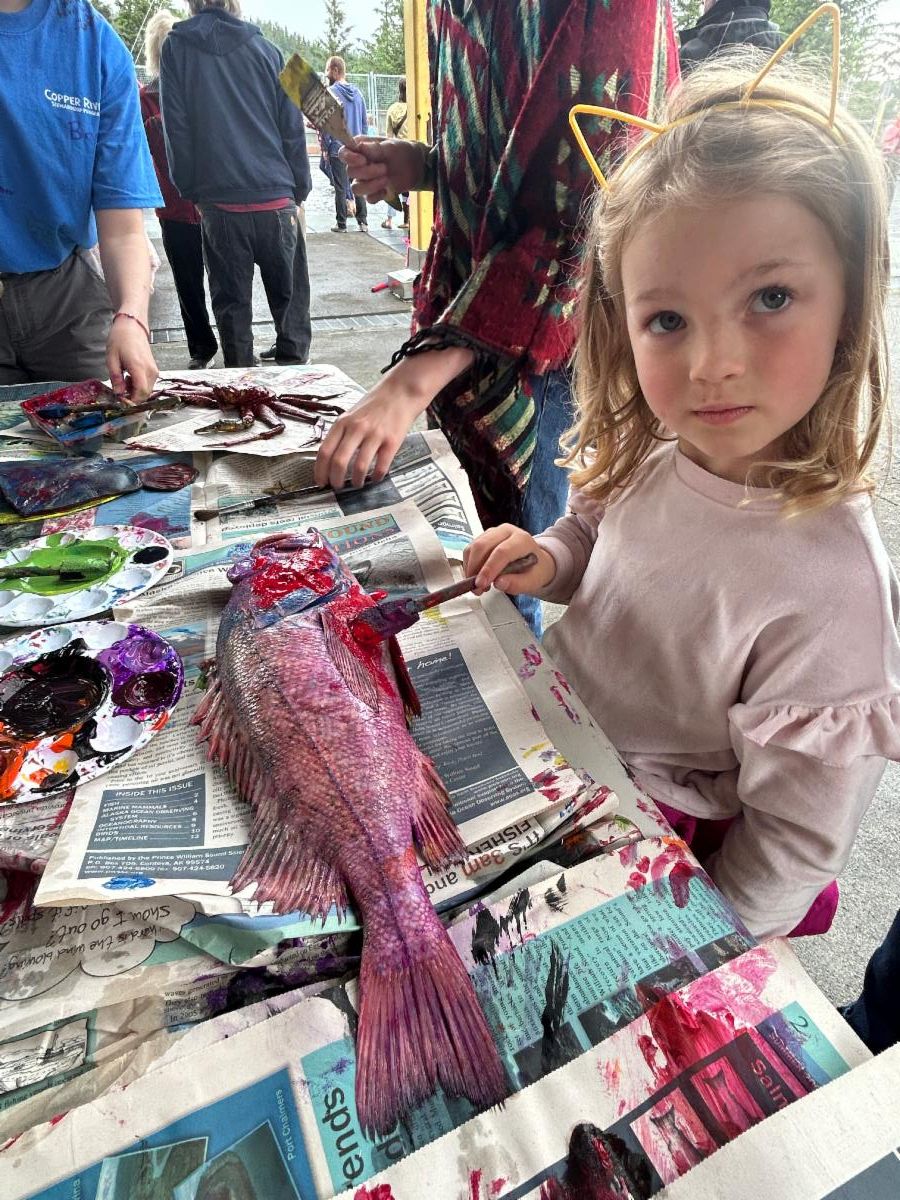
| Celebrating Salmon and Community at the Copper River Salmon Jam Festival | A participant paints a fish in preparation for printing at the 2026 Copper River Salmon Jam. | |
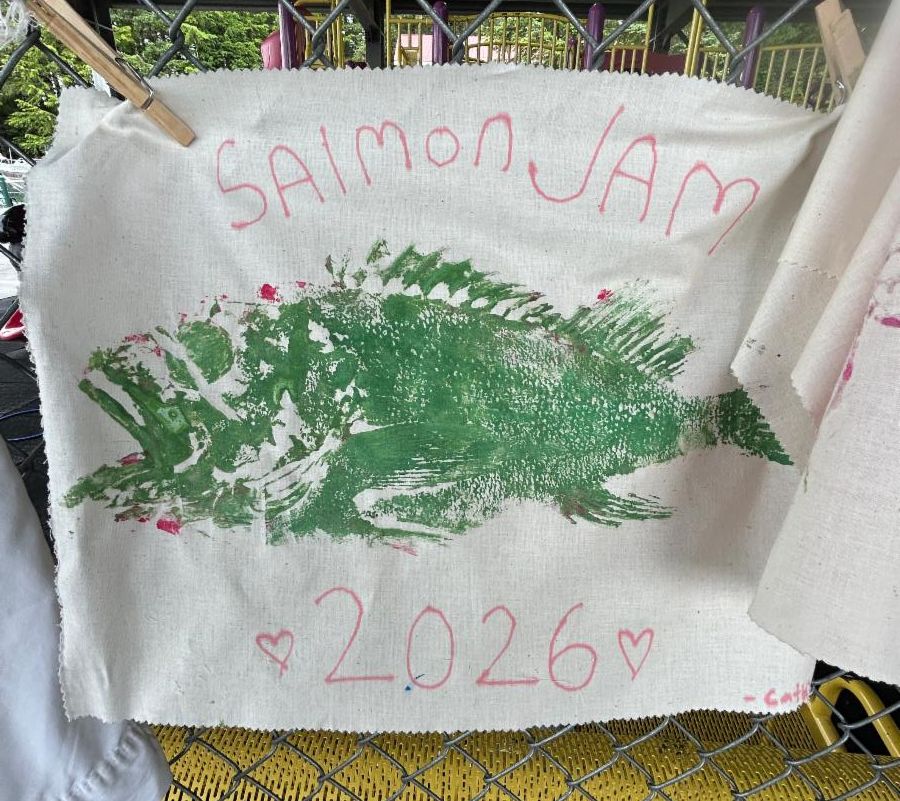
Bouncing between fish prints, fish dissections, and a wide range of hands-on activities, the kids at Salmon Jam would all agree that this year's Small Fry event was a huge success. The Prince William Sound Science Center is proud to partner with Copper River Salmon Jam each year to provide educational entertainment for the festival's youngest participants. Small Fry is designed to engage children through art, music, and salmon-themed activities that celebrate our region's culture and environment.
We are grateful to the many community partners who help make the event possible. This year, children dissected fish with the Alaska Department of Fish and Game, while the U.S. Forest Service helped them create pins and salmon-themed crowns. Volunteers from Friends of the Library kept a constant stream of young anglers busy "fishing for books," hiding behind a table to attach new books to waiting fishing lines. On the playground, colors flew as Mavis Island led tie-dye activities, PWSSC helped children paint and print fish, and Linden O'Toole delighted participants with giant bubbles. The Copper River Watershed Project challenged youth to an obstacle course that highlighted the importance of safe fish passage.
This year's event also welcomed new partners, including the Chugach Regional Resources Commission and Chugachmuit Head Start. Kids of all ages enjoyed posing as pirates at the Head Start photo booth, adding even more fun to a day filled with creativity, learning, and community connection.
|
Cruising for Samples on the R/V New Wave
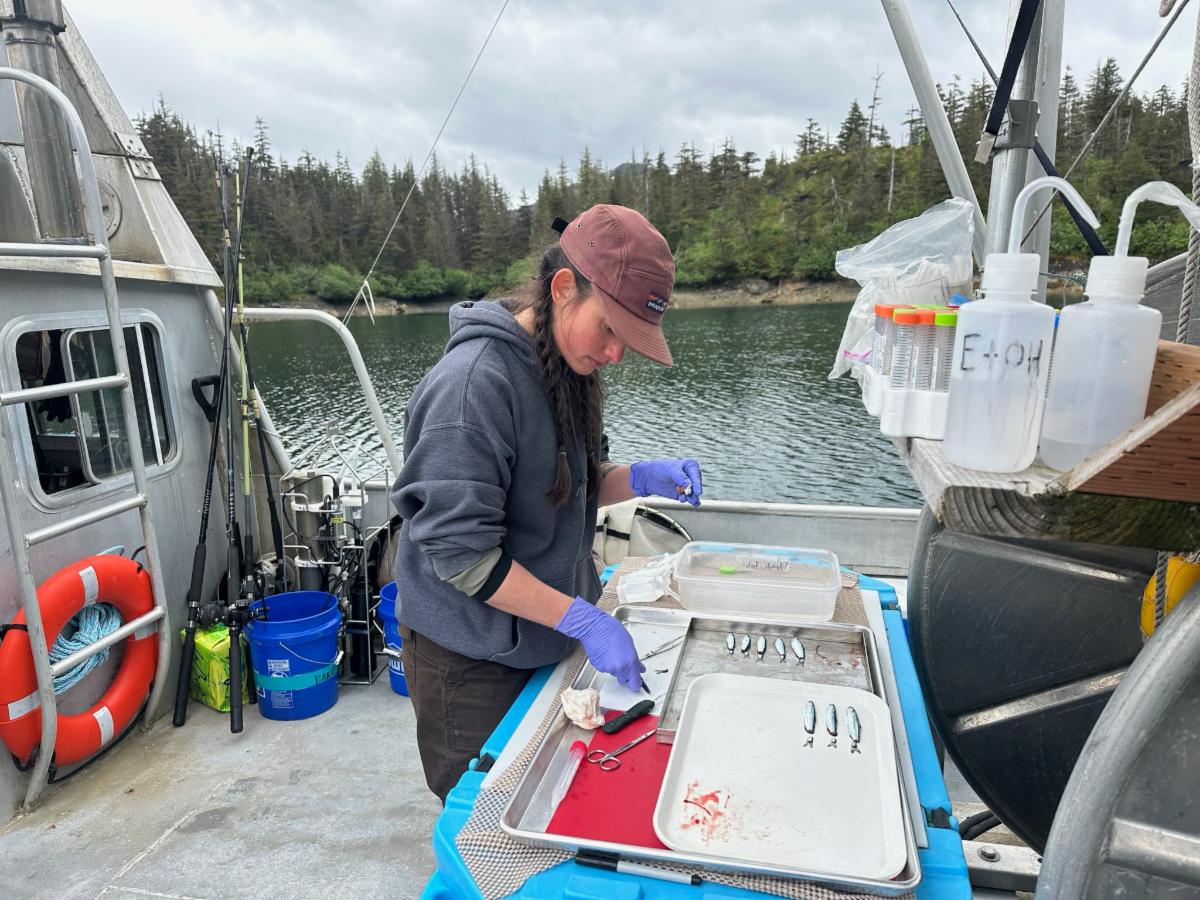
| | Research technician Krimson Anderson preparing fish for dissection aboard the R/V New Wave. | | |
In June, PWSSC researchers headed out aboard the R/V New Wave to collect samples for an ongoing study examining how pink salmon and herring interact in the waters of Prince William Sound.
During the cruise, Fisheries and Oceanographic Research Technician Krimson Anderson dissected juvenile pink salmon stomachs to better understand what these young fish are eating. One salmon's stomach was packed with larval fish, providing a fascinating glimpse into the diet of this species.
Meanwhile, Dr. Rob Campbell and Research Technician Abby Tomita collected plankton samples by towing "bongo nets" through the water. These pieces of research gear are named fortheir resemblance to the percussion instrument. As a key component of the marine food web, plankton serve as an important food source for both herring and juvenile pink salmon, making them central to this research.
The team also collected blood samples from juvenile pink salmon, which will be analyzed under a microscope to gain additional insights into fish health.
Together, these samples help researchers build a more complete understanding of how pink salmon and herring interact throughout different stages of their life cycles in Prince William Sound.
To learn more about this project, visit the Pink Salmon and Herring Project page on our website.
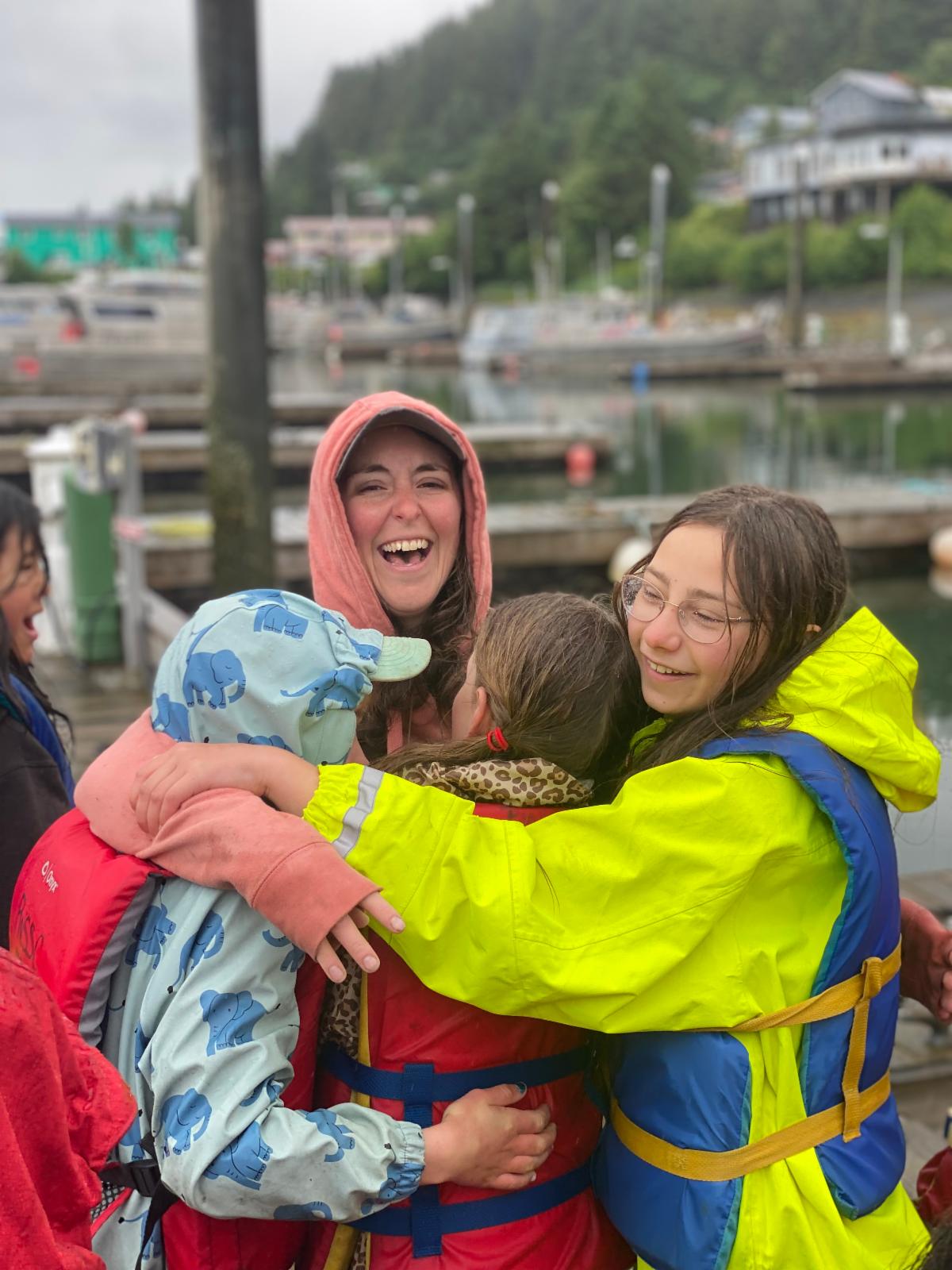
| | Thank You, Dr. Alysha Cypher! | | Dr. Alysha Cypher with participants of the Girls Exploring Marine Science Camp. Photo by Kate Trudeau. | | |
As Dr. Alysha Cypher prepares for her next adventure, we're taking a moment to celebrate her many contributions to PWSSC and Alaska's marine science community.
While Dr. Cypher’s career started with herring, her time at PWSSC focused on growing another important part of Alaska's marine future: mariculture. Over the past several years, Dr. Cypher played a key role in developing PWSSC's mariculture program. She established and operated the PWSSC Mariculture Hatchery from the ground up, supported research on kelp seed collection, and organized and led the Kelp the Sound Workshop series. Through her work, she connected researchers, farmers, and community members while helping build the scientific foundation for Alaska's growing seaweed farming industry.
Whether troubleshooting hatchery systems, collecting kelp reproductive material, presenting at workshops, or launching new projects,
she approached challenges with equal parts expertise and humor.
Recently, Dr. Cypher's manuscript examining how Pacific herring from Prince William Sound, Sitka Sound, and Cherry Point respond to crude oil exposure during early development was accepted for publication in the journal Elementa: Science of the Anthropocene. Congratulations on this important achievement!
While we're sad to see her leave PWSSC, we're grateful for all she has contributed. From expanding opportunities for mariculture in Prince William Sound to advancing our understanding of the interactions between fish and mariculture farms, Dr. Cypher's work has left a lasting mark on both research in our region and on the communities who rely on its waters.
Thank you, Alysha. We wish you all the best in whatever comes next.
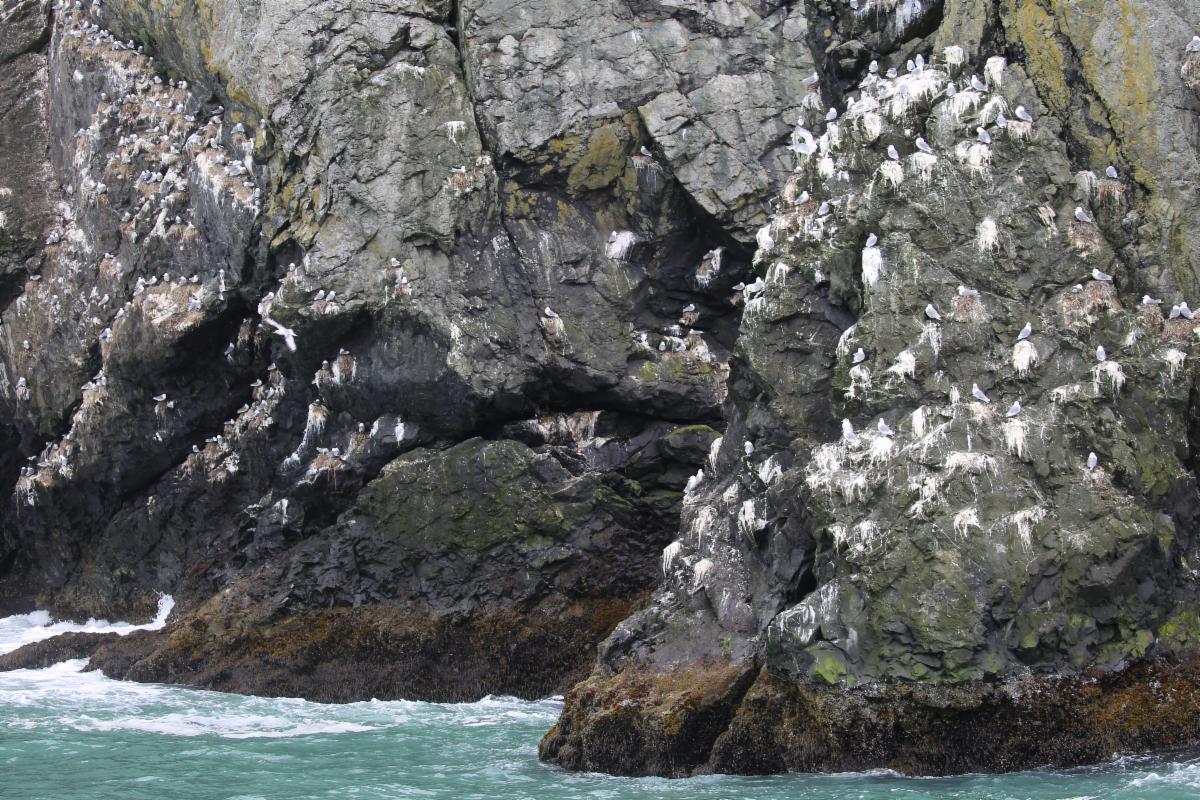
| | PWSSC Launches Seabird Surveys in Prince William Sound and Gulf of Alaska | | Seabirds nest in colonies that can contain many thousands of individuals. Photo by Anne Schaefer. | | |
Nearly 95% of the world’s seabirds nest in aggregations known as colonies. These colonies, which can range from a few dozen birds to many thousands, are often located on steep cliffs, offshore rocks, and remote islands where terrestrial predators have limited access. While this behavior makes it easier to count large numbers of birds in a single location, reaching these colonies to conduct surveys is often a challenge.
For the region extending from the entrance of Prince William Sound east to Kayak Island, much of the available seabird colony information is either incomplete or outdated. In fact, the most recent records for several major colonies included in the North Pacific Seabird Colony Register date from 1974 to 1986—making some of these datasets more than 40 years old. This lack of current information is particularly concerning because the area lies within or adjacent to the Alyeska oil tanker route, cruise ship traffic entering Prince William Sound, and active commercial fishing grounds.
Accurate and up-to-date colony data are essential for informing conservation efforts, guiding management decisions, and supporting spill response planning in the event of an oil spill or other human-caused disturbance. To address this need, the Prince William Sound Science Center has partnered with the USDA Forest Service to conduct two years of surveys at five major seabird colonies in Prince William Sound and the adjacent Gulf of Alaska.
The project focuses on species that were significantly affected by the 1989 Exxon Valdez oil spill, including pelagic, double-crested, and red-faced cormorants, common murres, and tufted puffins—a species designated by the U.S. Fish and Wildlife Service as an Alaska Bird of Conservation Concern. By documenting the current status of these colonies, the project is helping create an updated resource for agencies, organizations, researchers, and community members working to understand and protect Alaska’s coastal ecosystems.
Check back next spring, after our researchers analyze photo and drone imagery and collate the information into a final report. If you are interested in staying up to date on this project, reach out to Anne Schaefer: aschaefer@pwssc.org
| | The Prince William Sound Science Center is committed to resilient communities and healthy ecosystems. We need your help now more than ever. If you believe in our mission and care about what we do, please consider donating today. | | | | |